Tag: research

  • Men with COVID-19 three times more likely to need intensive care than women: study

    Men with COVID-19 three times more likely to need intensive care than women: study

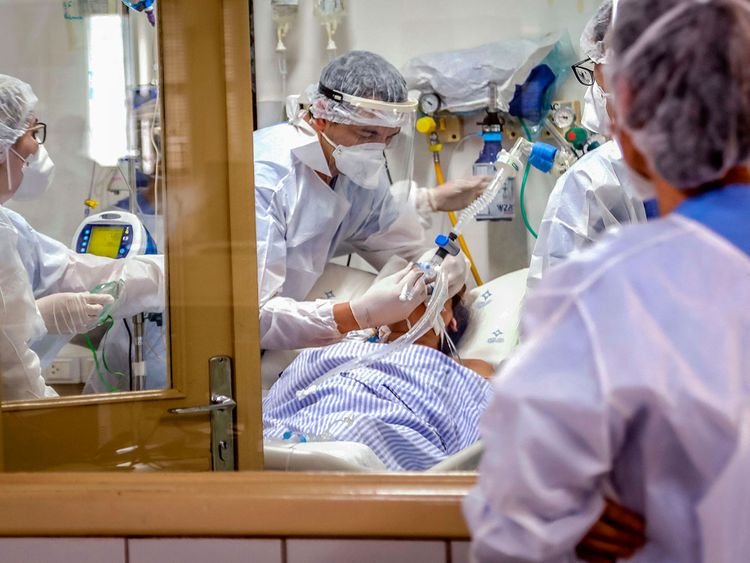
    Men infected with COVID-19 are three times more likely to require intensive care than women and are at significantly higher risk of dying from the virus, scientists said Wednesday.

    Researchers analysed over three million confirmed coronavirus cases from 46 countries and 44 states in the US between January 1 and June 1, 2020.

    They found that the risk of Sars-Cov-2 infection was the same for women and men, as “exactly half” of the confirmed cases were male patients.

    But men are almost three times more likely than women to be hospitalised in an intensive care unit and are 39 percent more likely to die from the virus, the study said.

    “These data may help doctors to recognise that sex is a risk factor for severe disease when managing patients,” co-author Kate Webb told AFP.

    “Sex is an under reported variable in many studies and this is a reminder that it is an important factor to consider in research,” the Cape Town University researcher said.

    The trend is global – aside from a few exceptions – and can mostly be put down to biological differences, researchers said.

    “Sex differences in both the innate and adaptive immune system have been previously reported and may account for the female advantage in Covid-19,” the authors said.

    Women naturally produce more type I interferon proteins that limit the abnormal immune response known as a cytokine storm, believed to play a role in provoking severe forms of Covid-19.

    The “female” oestradiol hormone may also help women to fend off grave forms of the virus, as it boosts the response of T cells – which kill infected cells – and increases the production of antibodies, the study said.

    “In contrast, the male sex hormone testosterone suppresses the immune system,” the authors noted.

    Sex-based differences in co-morbidities associated with severe Covid-19 may put men at outsize risk, they wrote in the study, published in Nature Communications.

    But data to account for the role of other medical conditions is lacking, they added.

    In addition, the authors noted the similarity in the proportions of women and men with hypertension and diabetes globally, “the most common reported comorbidities in hospitalised Covid-19 patients.”

    The findings may have implications for future vaccines, the authors said.

    Webb noted previous vaccines to other infections have shown differences in response between women and men.

    “It is still to be determined whether the same will be true for Sars-CoV-2 vaccines,” Webb said.

    “But we hope that our paper highlights the need to include sex as a variable when considering vaccine research.”

  • Study reveals one in five COVID-19 patients develop mental illness within 90 days

    Study reveals one in five COVID-19 patients develop mental illness within 90 days

    COVID-19 survivors are likely to be at greater risk of developing mental illness, psychiatrists have said after a large study found that 20% of those infected with the virus are diagnosed with a psychiatric disorder within 90 days.

    Anxiety, depression and insomnia were most common among recovered COVID-19 patients who were involved in the study and researchers also found significantly higher risks of dementia, a brain impairment condition, in them.

    “People have been worried that COVID-19 survivors will be at greater risk of mental health problems, and our findings … show this to be likely,” said Paul Harrison, a professor of psychiatry at Britain’s Oxford University.

    Doctors and scientists around the world instantly need to examine the causes and identify new treatments for mental illness after COVID-19, Harrison said.

    “(Health) services need to be ready to provide care, especially since our results are likely to be underestimates (of the number of psychiatric patients),” he added.

    Read more – Pakistan’s COVID-19 positivity nears 5%. What does that mean?

    In the three months following testing positive for COVID-19, 1 in 5 survivors was recorded as having a first-time diagnosis of anxiety, depression, or insomnia. This was about twice as likely as for other groups of patients in the same period, the researchers said.

    The study also found that people with a pre-existing mental illness were 65% more likely to be diagnosed with COVID-19 than those without.

    Mental health specialists not directly involved with the study said its findings add to growing evidence that COVID-19 can affect the brain and mind, increasing the risk of a range of psychiatric illnesses.

  • Japan researchers claim masks do not block coronavirus ‘perfectly’

    Japan researchers claim masks do not block coronavirus ‘perfectly’

    Japanese researchers have demonstrated that though masks can offer protection from coronavirus particles, but even professional-grade coverings cannot eliminate the risk of the contagion completely.

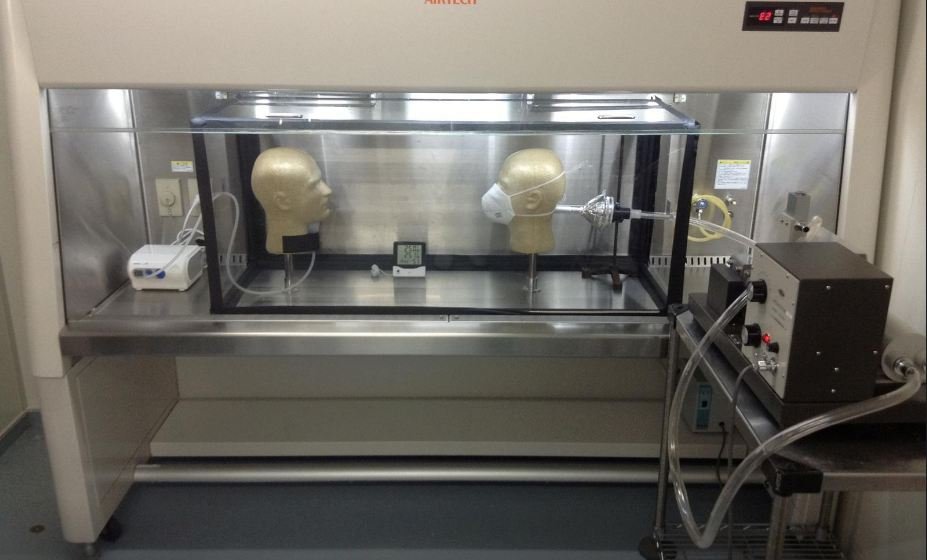
    Scientists at the University of Tokyo built a secure chamber with mannequin heads facing each other. One head, fitted with a nebulizer, simulated coughing and expelled actual coronavirus particles. The other mimicked natural breathing, with a collection chamber for viruses coming through the airway.

    A cotton mask reduced viral uptake by the receiver head by up to 40% compared to no mask. An N95 mask, used by medical professionals, blocked up to 90%. However, even when the N95 was fitted to the face with tape, some virus particles still sneaked in.

    When a mask was attached to the coughing head, cotton and surgical masks blocked more than 50% of the virus transmission.

    “There was a synergistic effect when both the virus receiver and virus spreader wore masks,” the researchers wrote in their study.

    There has been a growing consensus among health experts that the COVID-19 virus can be spread through the air. The US Centers for Disease Control and Prevention (CDC) has revised its guidance this month to say the pathogen can linger in the air for hours.

    A separate team of Japanese researchers used supercomputer simulations to show that humidity can have a significant effect on the airborne dispersion of virus particles.