Tag: Reserves

  • Pakistan’s forex reserves fall by $73.5 million in one week

    Pakistan’s forex reserves fall by $73.5 million in one week

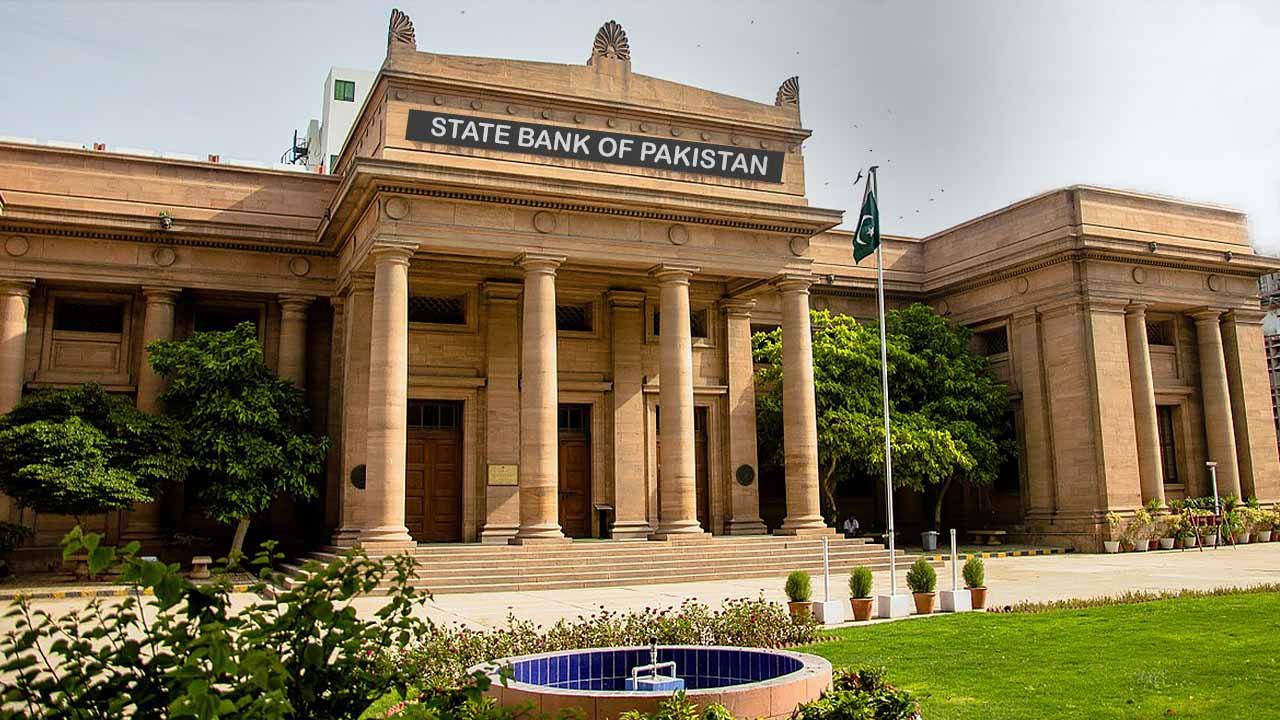
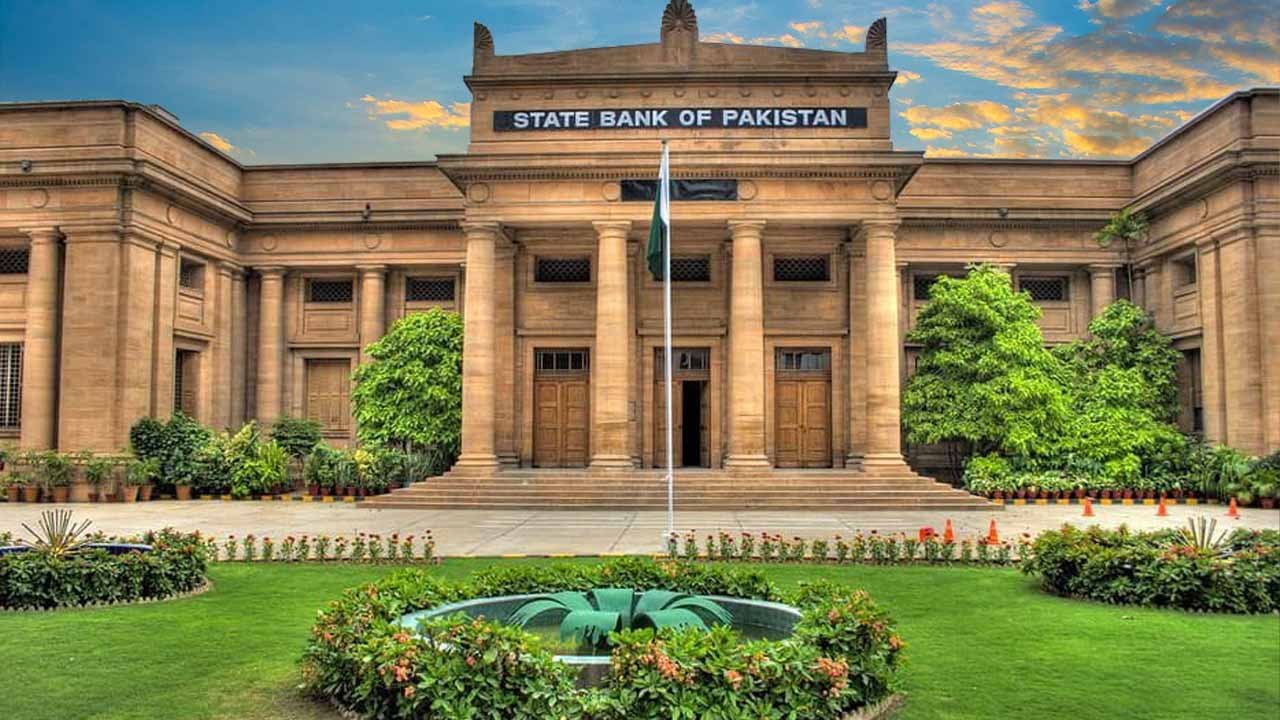
    The State Bank of Pakistan (SBP) reported a significant decline in its foreign exchange reserves for the week ending April 19, 2024, attributing the drop to external debt repayments.

    The central bank’s reserves fell by $73.5 million, a 0.91 per cent week-on-week reduction, bringing the total to $7.98 billion.

    This decrease reflects Pakistan’s ongoing struggles to maintain a stable foreign exchange reserve position amid mounting economic pressures.

    The SBP issued a statement explaining the decline, citing debt repayments as the primary reason for the dip. “During the week ended on April 19, 2024, SBP’s reserves decreased by $74 million to $7.98 billion due to external debt repayments,” the statement read.

    Concurrently, the total reserves of Pakistan, which include those held by commercial banks, also fell. The country’s total reserves dropped by $93.2 million, a 0.7 per cent week-on-week decrease, to $13.28 billion.

    Commercial banks’ reserves diminished by $19.7 million, or 0.37 per cent week-on-week, bringing their total to $5.3 billion.

    Last week, the SBP reported a slight increase in its reserves, up by $14.4 million despite a $1 billion Eurobond repayment. However, this week’s decline indicates continued pressure on the country’s foreign exchange reserves.

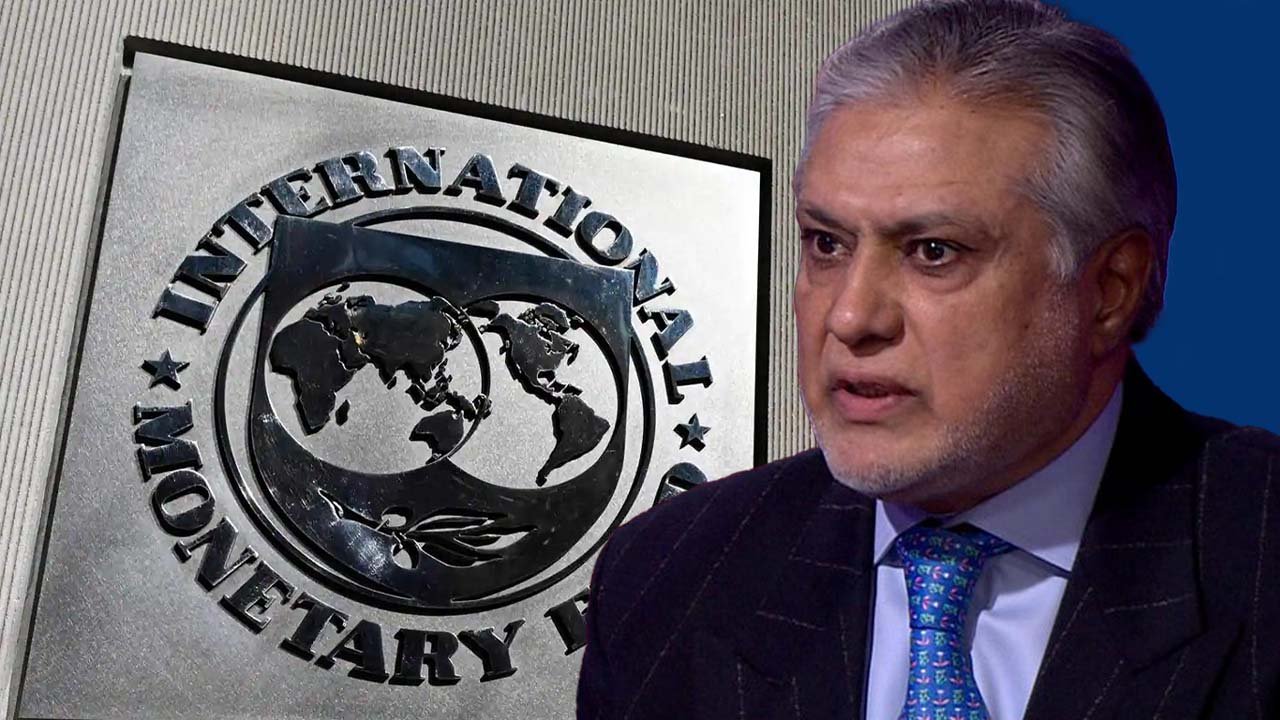
    In a recent development, the International Monetary Fund’s (IMF) executive board is set to meet on April 29 to discuss the approval of a $1.1 billion funding tranche for Pakistan.

    This funding represents the second and final installment of a $3 billion standby arrangement with the IMF, which was agreed upon last summer to avert a sovereign default.

    The current arrangement with the IMF is due to expire at the end of this month, prompting Pakistan to seek a new long-term and larger loan from the IMF.

    Finance Minister Muhammad Aurangzeb expressed optimism about the country’s foreign exchange reserves, stating that he expects the reserves held by the SBP to rise to around $9–10 billion by the end of the current fiscal year.

    Despite the recent decline, the total liquid foreign reserves have increased by $4.12 billion, or 44.98 per cent, since the beginning of the fiscal year.

    Additionally, the current calendar year has seen an increase of $0.61 billion, or 4.79 per cent.

    The fluctuations in Pakistan’s foreign exchange reserves underscore the country’s ongoing economic challenges and the critical importance of securing international funding to maintain financial stability.
  • Finance Minister positive about Pak economy

    Finance Minister positive about Pak economy

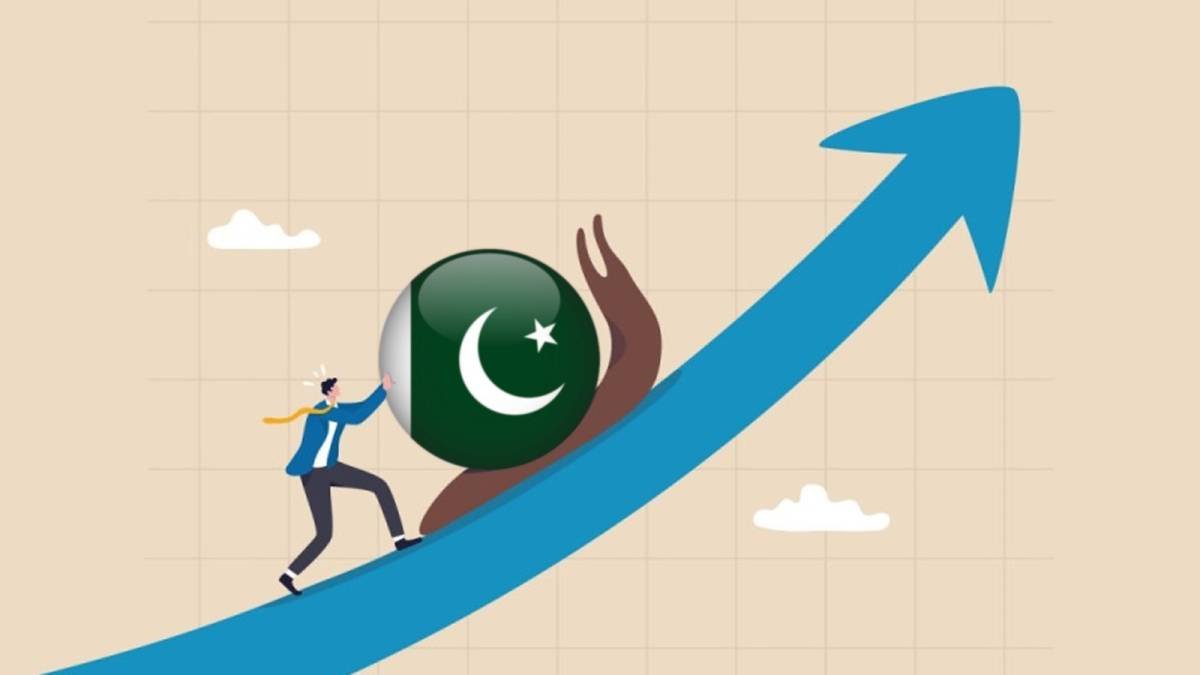
    Finance Minister Muhammad Aurangzeb has stated that Pakistan’s foreign exchange reserves will increase to $10 billion in two months, as Pakistan is set to receive the $1.1 billion final loan from the International Monetary Fund (IMF).

    The minister said that Pakistan would not need to go to IMF in the future but only after obtaining a “large and longer” 24th programme.

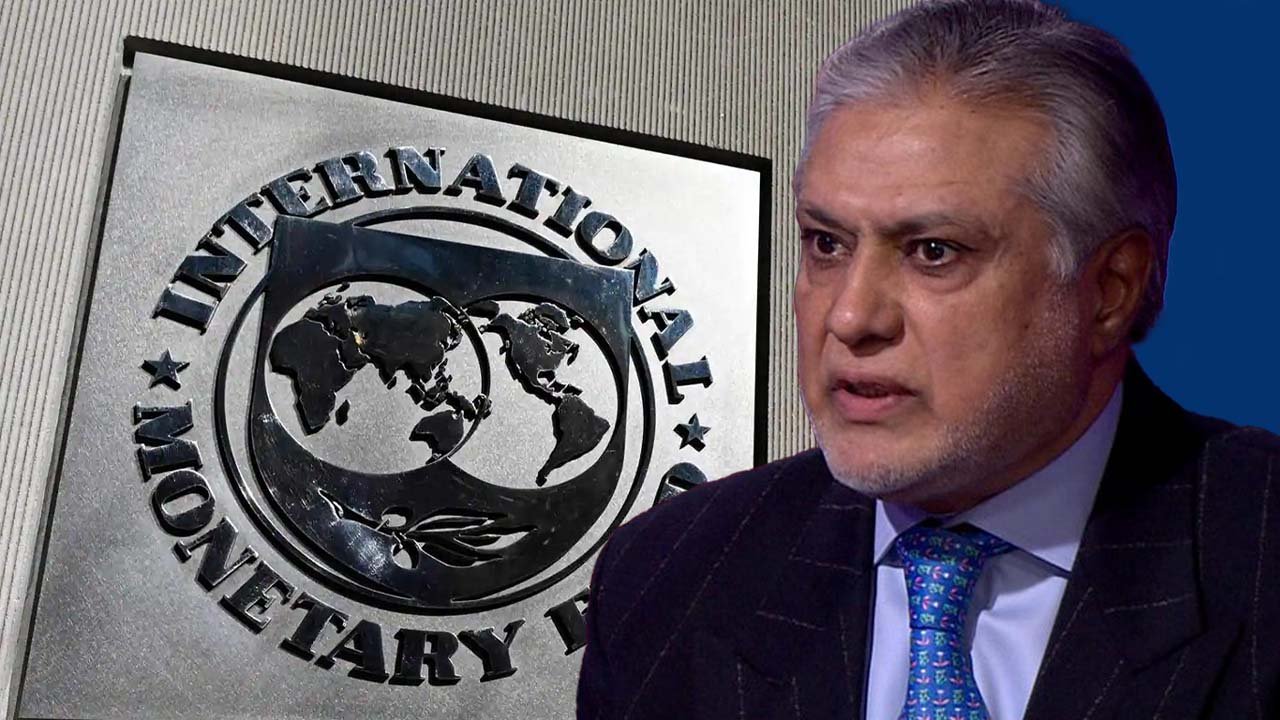
    Interestingly, Aurangzeb made a witty comment about former Finance Minister Ishaq Dar, “no one can imagine a plan B with only 15 days of reserves,” – a veiled reference to Dar’s mention of his Plan B in 2023.

    Aurangzeb spoke at the inaugural session of the 7th Edition of the “Leaders in Islamabad Business Summit” (LIIBS).

    The minister also stated that the last loan tranche is expected to be disbursed next week and the country would get more inflows in June. Which would help the foreign exchange reserves balloon to the $10 billion mark, according to Aurangzeb.

  • SBP’s foreign exchange reserves rise by $13 million

    SBP’s foreign exchange reserves rise by $13 million

    In a positive development for Pakistan’s economic landscape, the State Bank of Pakistan (SBP) reported a weekly increase of $13 million in its foreign exchange reserves, reaching a total of $8.05 billion as of February 9, according to data released on Thursday.

    The country’s overall liquid foreign reserves now stand at $13.15 billion, with commercial banks holding a significant share of $5.1 billion in net foreign reserves.

    The central bank, however, did not provide specific details or reasons for the notable upswing in reserves during the mentioned week.

    In a statement, the SBP stated, “During the week ended on February 9, 2024, the SBP’s reserves increased by US$ 13 million to US$ 8,056.5 million.”

    This positive development comes on the heels of last week’s decrease in Pakistan’s central bank reserves, which experienced a dip of $173 million.

    The recent rebound signals resilience and stability in the nation’s economic standing, and financial analysts are likely to scrutinise the factors contributing to this uptick in the coming days.

    As the global economic landscape continues to evolve, Pakistan’s foreign exchange reserves play a crucial role in navigating economic challenges, and the recent increase reflects ongoing efforts to bolster the country’s fiscal strength.

    Experts anticipate that a robust foreign reserve position will provide a buffer against external shocks and instill confidence in the financial markets.

  • SBP expected to hike interest rates by at least 150 bps to control inflation

    SBP expected to hike interest rates by at least 150 bps to control inflation

    The State Bank of Pakistan (SBP) is expected to hike interest rates by at least 150 basis points (bps) on Thursday in an effort to curb sky-high inflation and bolster diminished foreign exchange reserves. 

    The central bankas already raised its benchmark rate by 12.25 per cent points to 22 per cent since April 2022, but inflation remains in double digits, at 27.4 per cent in August. The rupee has also depreciated sharply in recent months, reaching an all-time low of 200 rupees per dollar. 

    A Reuters poll of 17 analysts shows that 15 are forecasting a rate hike, with nine predicting an increase of at least 150 bps. The other two analysts expect the rate to remain unchanged. 

    The SBP is under pressure to raise rates in order to cool inflation and attract foreign investment. However, a rate hike could also dampen economic growth, which is already slowing. 

    The central bank is also facing challenges from the International Monetary Fund (IMF), which has set conditions for the release of further tranches of its $3 billion bailout package. One of these conditions is that the SBP must raise interest rates. 

    The SBP is likely to balance these competing considerations when it makes its decision on Thursday. However, it is clear that the bank is under pressure to take action to address the country’s economic challenges. 

    Here are some additional details about the factors that are likely to influence the SBP’s decision: 

    • Inflation: Inflation remains a major concern for the SBP. The latest data shows that inflation fell slightly in August, but it remains in double digits. The SBP has said that it expects inflation to decline over the next 12 months, but it is unclear whether this will happen without further monetary tightening.  
    • Foreign exchange reserves: The SBP’s foreign exchange reserves have been declining in recent months, reaching a critical level of $10.3 billion in August. The SBP needs to bolster its reserves in order to meet its import obligations and avoid a sovereign debt default. A rate hike could help to attract foreign investment and slow the decline in reserves.  
    • IMF conditions: The IMF has set conditions for the release of further tranches of its bailout package. One of these conditions is that the SBP must raise interest rates. The SBP is likely to comply with this condition in order to secure the IMF’s support. 

    The SBP’s decision on Thursday will be closely watched by markets and investors. A rate hike is likely to be welcomed by those who are concerned about inflation, but it could also dampen economic growth. The SBP is facing a difficult balancing act, and its decision will have a significant impact on the country’s economic outlook. 

  • PM Shehbaz urges IMF to release stalled funds, assures compliance with conditions

    PM Shehbaz urges IMF to release stalled funds, assures compliance with conditions

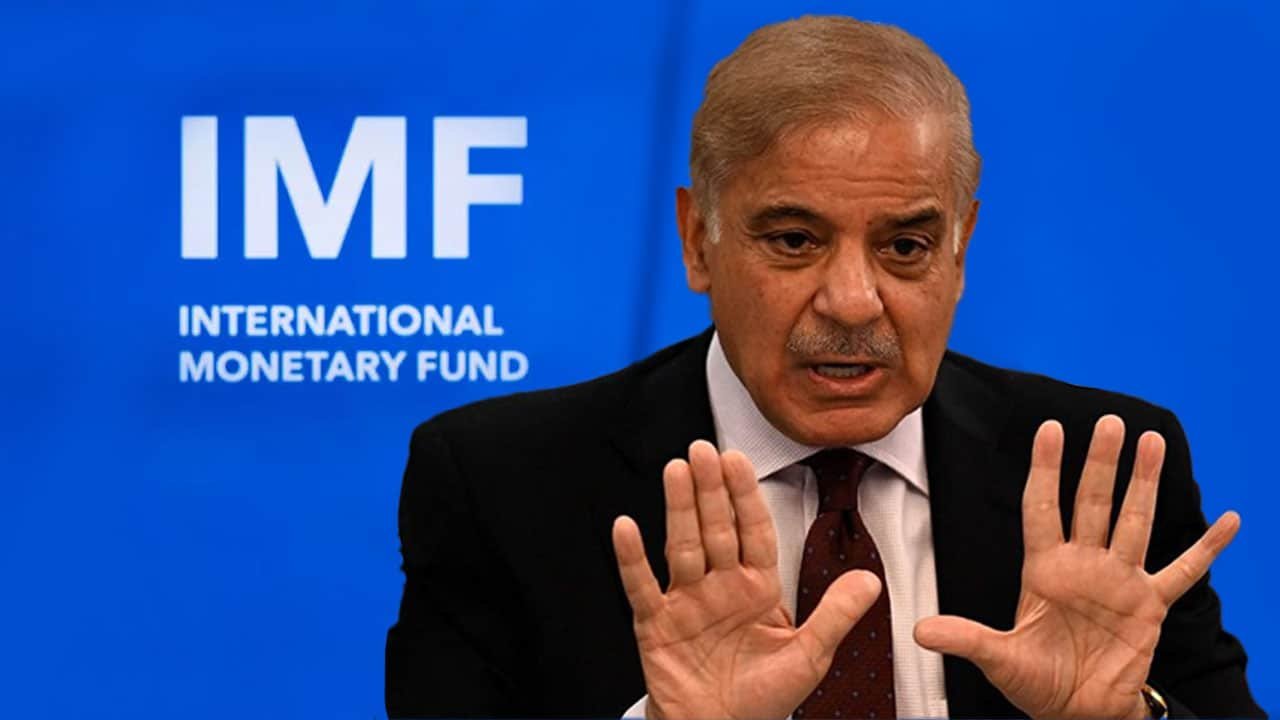
    On Thursday, Prime Minister (PM) Shehbaz Sharif had a meeting with Kristalina Georgieva, the Managing Director of the International Monetary Fund (IMF), where he urged the lender to release the stalled funds for Pakistan. He assured the IMF of Pakistan’s compliance with all the conditions set by the lender.

    The meeting took place during the Summit for a New Global Financial Pact held in Paris, emphasising Pakistan’s commitment to fulfilling its promises.

    During the meeting, the two leaders discussed the ongoing programmes and cooperation between Pakistan and the IMF. The prime minister briefed Georgieva on Pakistan’s economic outlook, highlighting the government’s efforts for economic growth and stability.

    He emphasised that all the necessary actions for the 9th review under the Extended Fund Facility (EFF) had been completed, and Pakistan was fully dedicated to meeting its obligations as agreed with the IMF.

    The prime minister expressed his hope for the timely release of the funds allocated under the EFF, as it would contribute to Pakistan’s ongoing efforts in economic stabilisation and provide relief to the people.

    Georgieva shared the IMF’s perspective on the ongoing review process and acknowledged the meeting as an opportunity to assess the progress made in that context.

    It is crucial to note that Pakistan’s currency reserves are currently sufficient to cover only one month’s worth of imports. The country had expected $1.1 billion of the funds to be released in November, but the IMF has imposed certain conditions before making further disbursements.

    With only one IMF board review remaining before the end of the $6.5 billion EFF programme, Pakistan is expected to present a budget aligned with the programme objectives, restore proper functioning of the foreign exchange market, and bridge the $6 billion gap before the board review.

  • IMF asks for more effort from Pakistan, loan programme in jeopardy

    IMF asks for more effort from Pakistan, loan programme in jeopardy

    Despite assurances from friendly countries regarding external funds for Pakistan, the International Monetary Fund (IMF) remains unconvinced and is asking Islamabad to make additional efforts to unlock a loan programme.

    According to sources, Pakistan has been requested to present a repayment plan for a $3.7 billion loan to the IMF in June and to demonstrate stronger support from friendly nations to fulfill this obligation.

    However, the IMF has not yet accepted a proposal to exchange reserves worth between $11 to $12 billion, equivalent to two months’ revenues. The Ministry of Finance has stated that the government has imposed Rs170 billion in taxes through a mini-budget to secure a staff-level agreement with the IMF, which was initially scheduled for February 9th.

    It is noteworthy that the IMF has not included Pakistan in any agenda until May 17th. The budget-making process may also be affected if transactions with the IMF are not concluded, as funding will not be available from international financial institutions without a staff-level agreement.

    Last month, the staff-level agreement between Pakistan and the International Monetary Fund was postponed due to the lender’s new demand.

    Finance Secretary Hamid Yakoob’s meeting with the International Monetary Fund in the United States did not yield positive results as the lender requested the arrangement of $1 billion from commercial banks to unlock the loan program.

    The staff-level agreement, originally scheduled for February 9th, was delayed due to the IMF’s demands.

  • Gas shortage worsens in Pakistan amid rising demand and low reserves

    Gas shortage worsens in Pakistan amid rising demand and low reserves

    Minister of State for Petroleum, Musadik Malik, stated on Wednesday that the general public cannot receive gas 24/7 due to a decline in the commodity’s reserves, which is a significant reason. Pakistan relies heavily on natural gas for energy, and with increasing demand and insufficient supply, load shedding has become a daily occurrence in many areas of the country. This situation worsens during Ramadan when Pakistanis consume more gas for cooking and other purposes, particularly during sehri and iftar timings.

    During a conversation with journalists in Karachi, the minister mentioned that gas load shedding would end during sehar and iftar but did not specify when. “We cannot provide gas for 24 hours as our reserves have decreased,” he stated. Recently, the issue of gas scarcity in Karachi has caught the attention of Prime Minister Shehbaz Sharif, who has directed relevant officials to ensure an uninterrupted supply of the commodity. He has instructed that the supply of gas must be monitored, and no negligence should be tolerated.

    Due to the widening gap between gas supply and demand, the Sui Southern Gas Company (SSGC) has announced its decision to suspend supplies to captive power plants and industries. The gas utility has stated that this decision has been made due to low gas supply, and the volume of gas in pipelines has decreased. In response, the Karachi Chamber of Commerce and Industry (KCCI) has called for immediate government action to address the shortage of gas supply to Karachi’s industries, stating that the industries cannot operate without gas and would be forced to halt production.

    KCCI President Muhammad Tariq Yousuf said, “It is highly unfair to have such an attitude towards Karachi’s business community, which, despite facing so many challenges, contributes around 54 per cent in terms of exports and more than 68 per cent in terms of revenue.”

    While talking to journalists, Malik said that his visit to Karachi was aimed at resolving the gas supply issues faced by the people and urged them to pay their utility bills. “The gas bill of the rich and poor has been separated; rich people will have to pay more now,” he said, adding that the separation of gas bills for the rich and the poor was now in effect.

  • Pakistan ‘very close’ to signing staff-level agreement with IMF, says Finance Minister

    Pakistan ‘very close’ to signing staff-level agreement with IMF, says Finance Minister

    Finance Minister Ishaq Dar has reaffirmed his team’s commitment to completing Pakistan’s $7 billion Extended Fund Facility programme with the International Monetary Fund (IMF).

    Speaking at a seminar organised by the Finance Ministry in Islamabad, Dar acknowledged the need for swift implementation of measures to reach an agreement with the IMF as the country has reserves barely sufficient for three weeks of essential imports.

    He noted that the government had inherited an economy that was “in a shambles” and that it had decided to honour the commitments made by the previous administration, despite a serious trust deficit with the lender.

    According to Dawn, the minister also confirmed that Pakistan was “very close” to signing a staff-level agreement with the IMF, which would unlock inflows from friendly countries and lead to a disbursement of $1.2 billion. The prerequisites by the lender are aimed at ensuring Pakistan reduces its fiscal deficit before its annual budget around June. The country has already taken most of the other prior actions, including hikes in fuel and energy tariffs, the withdrawal of subsidies in export and power sectors, and generating more revenues through new taxation in a supplementary budget.

    Furthermore, Dar highlighted the need for all stakeholders to contribute to overcoming the challenges facing the country, including the implementation of austerity measures. These measures, which include cabinet members forgoing their salaries, paying their own bills, banning the purchase of luxury vehicles from 2024, and slashing current expenditure by 15 per cent, have already been implemented and notified to the Finance Ministry.

    Dar also noted that Pakistan’s economic difficulties were compounded by the devastating 2022 floods, which affected 33 billion people and caused physical and economic losses of nearly $30 billion.

    Despite fiscal constraints and limitations, Dar pledged that the federal and provincial governments had jointly allocated Rs452 billion for relief and rehabilitation work of flood affectees. International agencies have calculated that around $16 billion would be required for reconstruction and rehabilitation work in Pakistan in the next two years, half of which will be met by Pakistan from its own resources.

  • National Assembly passes mini-budget to meet IMF targets

    National Assembly passes mini-budget to meet IMF targets

    The National Assembly of Pakistan passed the Finance (Supplementary) Bill, 2023, aimed at amending certain laws relating to taxes and duties. The bill is intended to generate an additional Rs170 billion within the next four and a half months, to fulfill the last prior actions agreed upon with the International Monetary Fund (IMF).

    Pakistan’s reserves have fallen to a critically low level of $2.9 billion, which experts believe is sufficient for only 16 to 17 days of imports. The completion of the ninth review of a $7 billion loan programme with the IMF would lead to a disbursement of $1.2 billion, as well as unlock inflows from friendly countries.

    The Finance Minister, Ishaq Dar, introduced the bill to the National Assembly on February 15, and the formal debate started on it after moving a motion by Commerce Minister Syed Naveed Qamar on February 17. In his concluding speech during the NA session, Dar said the new taxes proposed in the bill would not affect the poor segments of society, as most of the new taxes are being imposed on luxury items that they don’t use.

    The government has also proposed an increase of Rs40 billion in the budget of the Benazir Income Support Programme (BISP) to help the poor cope with rising inflation.

    The Finance Bill aims to increase the general sales tax (GST) rate from 17 per cent to 18 per cent, with an increase to 25 per cent on luxury items. The bill proposes to raise the federal excise duty (FED) on cigarettes, and aerated and sugary drinks. GST on 33 categories of goods covering 860 tariff lines, including high-end mobile phones, imported food, decoration items, and other luxury goods, will increase from 17 per cent to 25 per cent, however, the raise will be notified through another notification.

    The excise duty on cement has been raised from Rs1.5 to Rs2 per kilogram, a measure expected to generate an additional Rs6 billion. An excise tax of 10 per cent has been proposed on non-aerated drinks like juices, including mango and orange, to raise an additional tax of Rs4 billion.

    The finance bill also proposed a 10 per cent withholding tax on functions and gatherings held in marriage halls, marquees, hotels, restaurants, commercial lawns, clubs, community places, or other places, expected to raise Rs1 billion to Rs2 billion from this tax. The excise duty on carbonated or aerated drinks has been raised to 20 per cent from 13 per cent to generate an additional Rs10 billion for the government.

    The proposed increase in excise duty on business, first, and club-class air tickets will raise an additional Rs10 billion for the government, with a tax rate of 20 per cent (or Rs50,000, whichever is higher) proposed on the value of air tickets.