Tag: Restructuring Plan

  • Federal cabinet to approve FBR restructuring in upcoming meeting

    Federal cabinet to approve FBR restructuring in upcoming meeting

    In a significant development, the caretaker government has concluded the comprehensive restructuring plan for the Federal Board of Revenue (FBR).

    The approval for this pivotal reform comes from the Apex Committee of the Special Investment Facilitation Council (SIFC), highlighting a crucial step towards enhancing efficiency and transparency in Pakistan’s tax administration.

    According to reliable sources, the Apex Committee granted its approval for the FBR’s reforms and restructuring plan during its recent meeting. The caretaker government is now poised to move a summary for the approval of the FBR’s restructuring plan in the upcoming federal cabinet meeting.

    The decision to move the summary will follow the meticulous review of the minutes of the last SIFC committee meeting, ensuring a thorough examination of the proposed reforms. The anticipated summary aims at facilitating the implementation of a robust action plan geared towards restructuring Pakistan’s tax administration, thereby fortifying the internal governance mechanisms of the FBR.

    As part of the ongoing reform initiative, the caretaker government is contemplating the establishment of a dedicated Customs Board to oversee the operations of Pakistan Customs. This strategic move aims to streamline and enhance the efficiency of customs affairs while ensuring a clear demarcation from the revenue collection mechanism.

    It is expected that the revenue collection mandate will continue to be under the purview of the FBR. In line with this reform trajectory, the creation of a separate Inland Revenue Board is also under consideration, which will operate under the vigilant supervision of the Revenue Division.

    This bifurcation is designed to address concerns related to smuggling and other illicit activities, providing a specialised focus on each aspect of tax administration.

    Furthermore, as part of the tax reform programme, five federal secretaries, namely Finance, Industries and Production, National Food Security, Commerce, and Interior, are slated to become ex-officio members of the proposed Customs Board. This inclusion is envisioned to bring multidimensional expertise to the board, fostering collaboration among various sectors crucial for effective customs management.

    The restructuring plan marks a pivotal moment in Pakistan’s efforts to modernise and fortify its tax administration system. The caretaker government’s commitment to transparency and efficiency is evident in these strategic reforms, setting the stage for a more resilient and responsive revenue collection framework.

    The anticipated approval of the summary at the federal cabinet meeting will further propel the implementation of these transformative changes.
  • PIA to be privatised: assets, debt and staff to be transferred

    PIA to be privatised: assets, debt and staff to be transferred

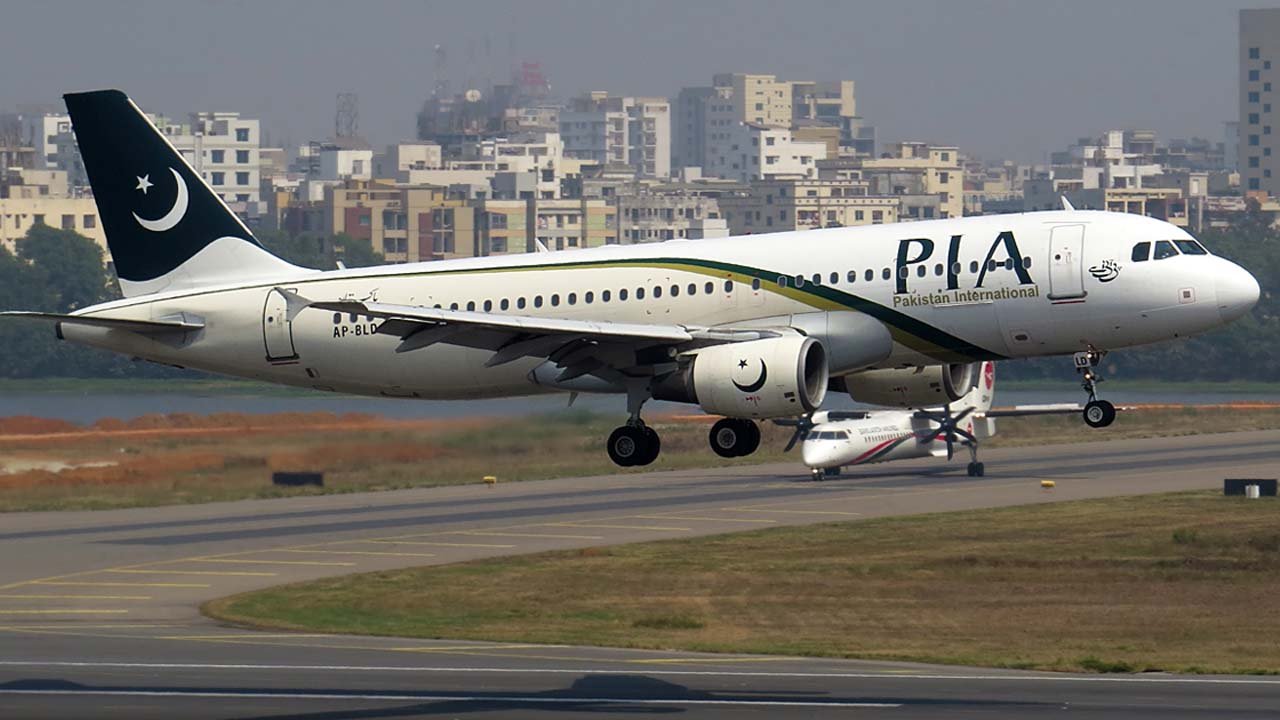
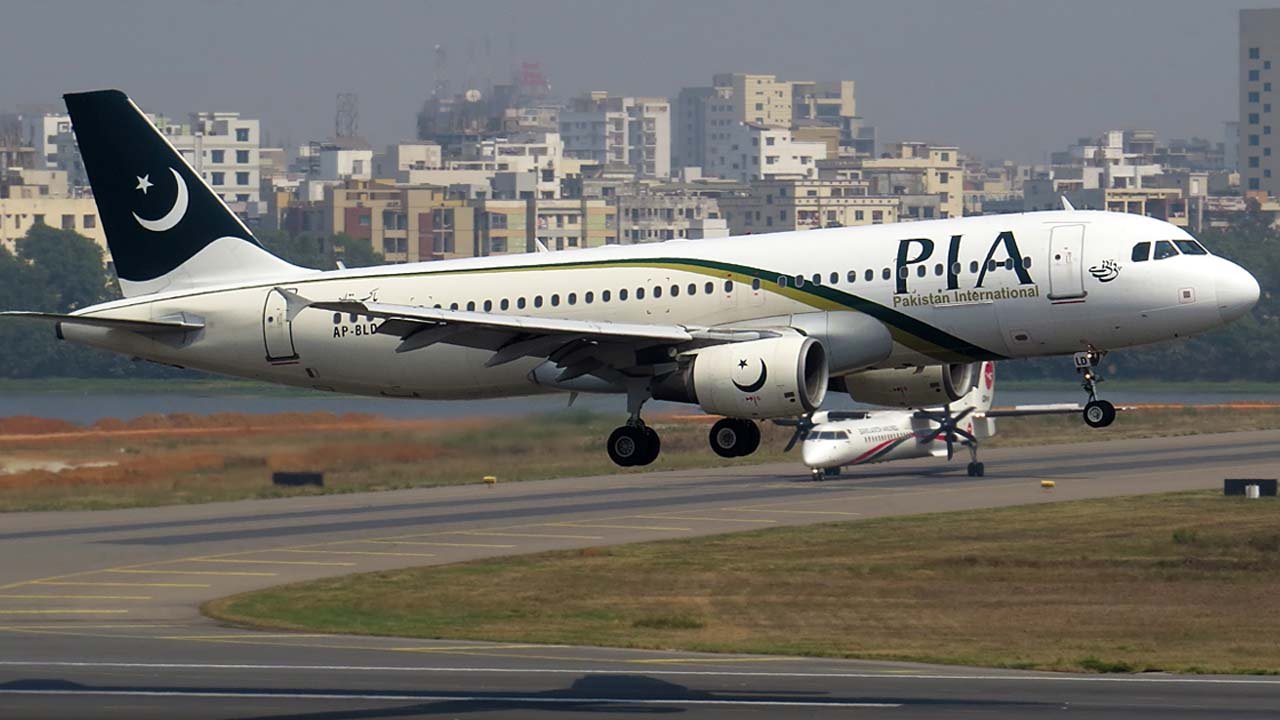
    Pakistan International Airlines (PIA), which has been running at a loss, has unveiled its privatisation plan. Sources indicate that this plan encompasses not only the privatisation of PIA but also the power distribution companies and the revival of Pakistan Steel Mills.

    Furthermore, it has been reported that the process of appointing a financial advisor for PIA’s privatisation is underway. While PIA’s affiliated institution will remain unaffected by privatisation, plans have been solidified to address issues related to PIA’s debt and government guarantees.

    According to ARY News, the Privatisation Commission sources have disclosed that, under the current circumstances, Pakistan Steel Mills cannot be privatised. However, efforts will be made to enhance the mill’s production and capabilities to attract potential investors.

    It’s worth noting that the restructuring plan for the privatisation of Pakistan International Airlines (PIA) is progressing rapidly. The PIA administration has invited applications from legal and corporate firms for assistance in this restructuring plan. The Department of Contract Management has been instructed to forward these applications by October 6.

    The assets of PIA, including properties, debts, aircraft, and employees, will be transferred to the new company, presenting PIA as a debt-free organisation to potential investors.

  • From ‘great people to fly with’ to ‘great debt to deal with’: PIA expected to ground several aircraft

    From ‘great people to fly with’ to ‘great debt to deal with’: PIA expected to ground several aircraft

    Pakistan International Airlines (PIA) is facing a critical financial crisis, prompting the grounding of several aircraft due to difficulties in securing funds. This crisis has resulted in arrears with various stakeholders, including creditors, aircraft lessors, fuel suppliers, insurers, and airport operators. Boeing and Airbus are also on the verge of discontinuing spare parts supply by mid-September.

    The Ministry of Aviation has urgently requested a cash injection of Rs23 billion and the suspension of duties, taxes, and service charges, although no concrete business plan has been presented. The restructuring of PIA is expected to be a complex eight-month process, and the airline must remain operational during this period for divestment to yield a fair value.

    Regrettably, PIA serves only a small fraction of Pakistan’s population while consuming significant public funds. The government, holding a 92 per cent share in PIA, faces mounting losses attributed to competition, mismanagement, and inadequate funding for fleet expansion.

    As of December 31, 2022, PIA’s debt and liabilities stood at Rs743 billion, five times more than its assets’ total value. The airline’s annual losses reached Rs86.5 billion for the last financial year, with projections indicating debt and losses could further rise.

    According to Dawn, previous attempts to make PIA sustainable through cost-cutting and fleet expansion have failed. Alternately, efforts focused on financial, legal, and operational restructuring to attract private investment have been explored but not implemented.

    In June 2023, a decision was made to restructure PIA based on the Dubai Islamic Bank Consortium Report. This involves creating a new holding company to retain legacy loans and non-aviation assets while keeping PIACL subsidiaries intact. Recent legal restrictions hindering private investment have been lifted.

    However, the restructuring plan is pending government approval. The Aviation Division has requested Rs23 billion in funds and relief from various financial obligations. A separate panel has been formed to assess the restructuring plan, with support from the finance ministry and the State Bank of Pakistan expected once the plan is fully finalised.