Tag: retailers

  • Govt plans to increase gas and electricity prices in January

    Govt plans to increase gas and electricity prices in January

    The interim Finance Minister, Dr Shamshad Akhtar, announced during a press conference that the caretaker government is planning to increase electricity and gas tariffs in January to address the circular debt issue, in line with the International Monetary Fund’s (IMF) Stand-By Arrangement (SBA). 

    The circular debt in the power and gas sectors, currently exceeding 4 per cent of the Gross Domestic Product, requires urgent action for reduction. 

    Dr Akhtar also discussed tariff revisions with the IMF and the potential imposition of additional taxes on sectors like real estate and retail, emphasizing that final decisions are pending. 

    She highlighted the necessity for a new short-term IMF program and anticipated a medium-term program under the Extended Fund Facility (EFF) after the SBA concludes. 

    Regarding the external financing gap, Finance Secretary Imdad Bosal expressed optimism that a successful IMF review would unlock programme and project loans from multilateral lenders. 

    He anticipated approvals in December for loans from the World Bank, Asian Development Bank, Asian Infrastructure Investment Bank, and Islamic Development Bank. 

    Bosal assured that there is no external financing gap, and the improved ratings post-review would attract foreign loans. 

    Dr Akhtar stated that the World Bank is expected to disburse $2 billion during the current fiscal year, contributing to foreign exchange reserves along with the $700 million tranche approval from the IMF, bringing the total disbursement under the SBA to $1.9 billion out of $3 billion. 

    The approval for the second tranche from the IMF’s Executive Board is anticipated within a month.

  • IMF pressures Pakistan for tax reforms, calls for intensified recovery efforts

    IMF pressures Pakistan for tax reforms, calls for intensified recovery efforts

    The International Monetary Fund (IMF) is urging Pakistan to intensify efforts towards tax recovery. 

    Specifically, the IMF calls for increased income tax collection from retailers and the real estate sector, alongside a heightened focus on agriculture income. 

    The IMF emphasises collaborative actions between the federal government and provinces to enhance tax recovery, considering the imposition of a fixed tax on retailers in case of collection shortfalls after December. 

    Additionally, the IMF recommends consultations with provinces for taxing agriculture and real estate. Proposals for tax policy amendments and addressing taxation flaws have been extended to the Federal Board of Revenue (FBR) by the IMF mission, emphasising effective taxation policies and enforcement in sectors with insufficient tax recovery. 

    The FBR has presented a revenue projection report to the IMF team for the current fiscal year, with the IMF expected to respond by Saturday. During the discussions, the FBR briefed the IMF on the task force dedicated to tax policy and administration. 

    As part of an agreement with the IMF, Pakistan commits to sharing data on tax evaders through collaboration with the FBR, banks, and NADRA, aiming to enhance overall tax collection. 

    This agreement was reportedly reached during policy review talks, facilitating the release of a $700 million loan tranche under the Standby Agreement (SBA).

  • Increase in organised retail robberies feared as iPhone 15 hits shelves

    Increase in organised retail robberies feared as iPhone 15 hits shelves

    As the highly anticipated release of Apple’s iPhone 15 approaches, mobile phone retailers are bracing themselves for a potential surge in organised robberies.

    Thefts involving groups of individuals targeting telecom stores, a phenomenon sometimes referred to as “steaming,” have become a growing concern in recent years. Shockingly, there were over 300 reported incidents of such robberies in telecom stores last year alone, with half of them occurring in the last three months of 2022, directly following an iPhone launch.

    Data published by the Crime Communications Strategy Group (CCSG) highlights this alarming trend. In response, Three UK is taking proactive steps to combat the rise in robberies by implementing watermarking technology in partnership with Selecta DNA and the National Business Crime Centre. This innovative approach involves placing unique codes on high-value products, enabling law enforcement to track stolen items more effectively.

    Mark Ward, Chair of CCSG, emphasises their commitment to this crime-fighting initiative, stating, “It’s a deterrent. We are going to have signs in our stores, and we are hoping that will deter people from taking them in the first place.”

    Read more: Here’s why you should think twice before buying the Apple iPhone 15

    Apple’s iPhone 15 is scheduled to hit the shelves on Friday, September 22, with the most expensive version carrying a hefty price tag of £1,199. The high value and desirability of these devices make them prime targets for thieves.

    Joel Thompson, store manager for Three UK’s flagship store in London’s Oxford Circus, shares a chilling experience: “The worst experience I had was when about four people came into the store, and you could see them really aggressively taking the phones.” He adds that this incident occurred while customers were browsing and that the thieves even threatened staff to step back and not intervene. Thompson also notes a concerning shift in the behaviour of these criminals, stating that they have become “more aggressive” over the years.

    Thompson raises a poignant question, wondering if the increase in these crimes could be connected to the broader cost of living crisis affecting many communities.

    According to Sky News, Paul Fagg, a police inspector with the National Business Crime Centre, sheds light on the impact of such incidents on victims and staff: “You have got a group of sometimes grown adults running into a store, threatening and intimidating [people]. We know firsthand the effect that has on the victim and the staff in that store. So we are very much trying to change the message and the mentality around the idea that business crime is   victimless crime.”

    Read more: Top 10 high-paying online jobs for introverts with anxiety

    While Three UK staff have been advised to step back during steaming incidents, smaller, independent phone shop owners are grappling with significant losses they cannot afford. Muhammad Fahad, the proprietor of Fone City Shop in St. Albans, experienced this firsthand when armed men entered his store earlier this year. He tried to resist but ultimately had to yield. “Basically, they took everything.”More than £10,000 worth of products,” Fahad recounts. He is still coping with the emotional and financial fallout, calling for increased police support to protect small businesses like his.

    As the launch of the iPhone 15 looms, retailers and law enforcement agencies are working together to deter and combat organised robberies. The watermarking technology, coupled with increased vigilance, aims to make these high-value products less appealing to thieves. However, it remains a challenging battle for businesses, especially smaller ones, to protect themselves from the growing threat of steaming incidents.


  • We’re not shocked: Salaried class pays 200% more tax than exporters, retailers

    We’re not shocked: Salaried class pays 200% more tax than exporters, retailers

    In the fiscal year 2022-23, Pakistan’s salaried class emerged as the leading contributor to the nation’s income tax, making a substantial contribution of Rs264.3 billion. Astonishingly, this amount was nearly 200 per cent higher than the combined income tax paid by the country’s exporters and largely undertaxed retailers.

    Data collected and released by the Federal Board of Revenue (FBR) unveiled that salaried individuals paid a total of Rs264.3 billion in taxes during the fiscal year, marking an impressive increase of over Rs75 billion or 40 per cent compared to the previous year. This rise was attributed to the imposition of up to a 35 per cent tax rate on their earnings.

    Ranked as the fourth-largest contributor to withholding taxes, following contractors, bank depositors, and importers, the salaried class has faced increased taxation in the latest budget. Despite grappling with this added burden alongside historically high inflation rates, the government once again raised taxes on salaried individuals earning more than Rs200,000 per month in the recent budget. In a surprising move, around 5,000 retailers were relieved from stricter registration conditions.

    It is noteworthy that during the preceding fiscal year, the FBR managed to collect over Rs2 trillion through withholding taxes, accounting for 61 per cent of the total income tax generated in the same period. However, concerns were raised over the ease of collecting withholding taxes, especially from non-filers at double rates, which has become a reliable revenue source for the FBR.

    The Salaried Class Alliance expressed apprehension over the prioritisation of additional taxation on existing taxpayers while allowing the informal sector to thrive. The highest income tax collections came from contractors, savings account holders, importers, salaried individuals, non-filers’ electricity bills, telephone & mobile phone users, and dividend income. According to Express Tribune, other significant contributors included taxes on property transactions, exports, foreign income fees, brokerage commissions, and car registrations.

    Comparatively, provisional figures revealed that exporters and retailers combined paid Rs175 billion less in taxes compared to the salaried class. Despite earning $27.7 billion during the last fiscal year, exporters contributed only Rs74 billion in taxes. Although their tax contribution increased by 17.4 per cent from the previous year, it did not match the rise in their income in rupee terms. Retailers, subject to a 0.5 per cent advance tax on sales, contributed a mere Rs15.6 billion, reflecting the lowest contribution among income groups. Surprisingly, despite accounting for approximately 19 per cent of the economy, retailers and wholesalers only contributed 0.4 per cent to the total income tax collection.

    The approach of the International Monetary Fund (IMF) came under criticism for disproportionately burdening the salaried class, which lacks representation in the corridors of power, unlike exporters and retailers.

    Lastly, tax collection from contractors and service providers reached an impressive Rs391 billion in the last fiscal year, marking the largest single-income tax collection head over which the FBR has no control. Additionally, profits on debt witnessed a remarkable 106 per cent increase, amounting to Rs320 billion, reflecting higher interest rates and increased savings. Importers also contributed significantly, paying Rs290 billion in income tax on various types of imports, ranking as the third-largest contributor to withholding taxes.

  • Govt to maintain 18% GST rate in upcoming budget 2023-24

    Govt to maintain 18% GST rate in upcoming budget 2023-24

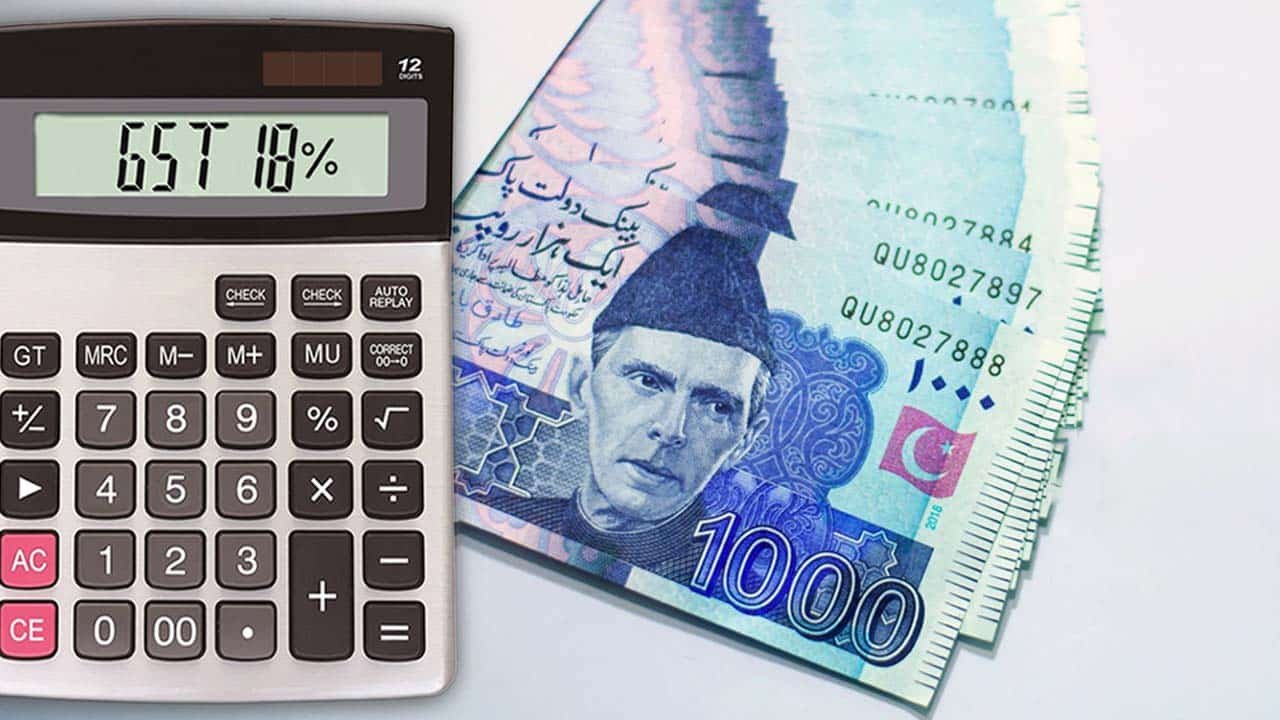
    In the forthcoming budget for 2023-24, it is anticipated that the government will maintain the current standard rate of General Sales Tax (GST) at 18 per cent. Additionally, efforts are being made by the government to increase the rates of withholding taxes, where applicable, with the aim of augmenting tax revenues.

    Another aspect being considered is the implementation of amendments for retailers, with the objective of including a larger number of businesses within the tax bracket. It is worth noting that previous schemes designed to entice retailers into the tax system have proved unsuccessful over the past few decades.

    According to The News, various proposals are currently being deliberated upon for the imposition of Minimum Asset Tax (MAT) on both movable and immovable assets. However, the Federal Board of Revenue (FBR) has been advised to seek constitutional validation for these proposed taxation measures in order to avoid potential legal disputes.

    Moreover, the government is exploring options to enhance documentation within the property sector, as part of its ambitious goal to achieve a tax collection target ranging between Rs9 and Rs9.2 trillion for the upcoming budget.

    These proposals were thoroughly discussed in a meeting chaired by Finance Minister Senator Ishaq Dar, which focused on budgetary considerations within the Finance Division. Present at the meeting were State Minister for Finance Dr Ayesha Ghous Pasha, Special Assistant to the Prime Minister (SAPM) on Finance Tariq Bajwa, SAPM on Revenue Tariq Mehmood Pasha, Chairman of the Reforms and Resource Mobilization Commission (RRMC) Ashfaq Yousuf Tola, the finance secretary, FBR chairman, and other senior officials from the Finance Division and FBR.

    During the meeting, FBR Chairman Asim Ahmad provided a comprehensive presentation on the budgetary proposals for the Federal Budget 2023-24.

  • Mobile banking grows by 100% during FY22 in Pakistan

    Mobile banking grows by 100% during FY22 in Pakistan

    According to the State Bank of Pakistan’s (SBP) Annual Payment Systems Review, the size of the digital payments ecosystem witnessed massive increase over the previous fiscal year. The report reveals that internet banking expanded by 51.7 per cent to 141.7 million users in FY22, while mobile phone banking increased by 100.4 per cent to 387.5 million.

    There were 15 million P2P (Person-to-Person) Raast users registered, who carried out 7.9 million transactions worth Rs102.1 billion.

    The report also notes that during FY22, there were 8.4 million and 12.3 million users of mobile phones and internet banking, respectively.

    In terms of transactions, mobile phone banking increased by 100.4 per cent to 387.5m, while internet banking grew by 51.7 per cent to 141.7m during the year.

    In 2021–2022, internet banking transactions had a value of Rs10.2 trillion, increasing 81.1 per cent. The volume of e-commerce transactions increased by 107.4 per cent to 45.5 million, and the value increased by 74.9 per cent to Rs106 billion.

    A total of 32,958 point-of-sale devices were installed during FY22, which caused the network to grow by 45.8 per cent to 104,865. The number of online retailers registered with the banks increased over this time from 3,003 to 4,887. The nation’s ATM network expanded by 4.8 per cent during the course of the year, totaling 17,133 machines.

  • New Zealand passes world’s first tobacco law to prevent future generations from smoking

    New Zealand passes world’s first tobacco law to prevent future generations from smoking

    As part of its attempts to become smoke-free by 2025, New Zealand has passed new regulations. The newest legislation prohibits anyone under the age of 14 from ever being able to legally purchase cigarettes. The decision to ban smoking for the next generation would be a first in the world.

    According to associate health minister Ayesha Verrall, “Thousands of people will live longer, healthier lives and the health system will be $5bn better off from not needing to treat the illnesses caused by smoking, such as numerous types of cancer, heart attacks, strokes, amputations.”

    The laws passed their final reading on Tuesday evening and will come into force in 2023. The number of stores legally allowed to sell cigarettes will be reduced to a tenth of their existing levels – from 6,000 to just 600 countrywide.

    Tobacco will not be sold to anyone who was born on or after January 1, 2009, in New Zealand, which will be the first country in the world to specify the age for smoking that increases every year.

    The amount of nicotine that is legally allowed to be present in tobacco products will be drastically reduced, and instead of being sold in corner stores and supermarkets, they will have to only be sold through specific tobacco stores, according to The Guardian.

    These laws will also be accompanied by a number of other initiatives to make smoking more expensive and less accessible.

  • Retailers in Lahore continue to overcharge for food items

    Retailers in Lahore continue to overcharge for food items

    Lahore residents are forced to pay high prices for basic food items since a number of store owners refuse to sell basic items at the government-recommended price list.

    Those who complain about price violations are asked to shop elsewhere where the items are offered at legal prices.

    The price of chicken was recently cut by Rs5 per kg to Rs226 per kg, which is being sold at Rs250–Rs280 per kg. The price of chicken meat was decreased by Rs8 per kg, to Rs339 per kg, while it is being sold at Rs360–Rs600 per kg.

    Although cucumber farm prices were reduced by Rs35 and maintained at between Rs35 and Rs37 per kg, they are now being sold for over double that amount. Cucumber is currently available for Rs70-Rs80 in different areas of Lahore.

    Local lemon prices increased by Rs10 per kg and were set at Rs180–Rs185 per kg. The price per kg is between Rs220 and Rs240. The price of pumpkin was reduced by Rs85 per kg and set at Rs65–Rs68 per kg. Still, it is priced between Rs80 and Rs100 per kg.

    Originally priced at Rs75–Rs80 per kg, tomato A-grade is selling for Rs120–Rs140 per kg.