Tag: Revenue collection

  • Rashid Mahmood’s appointment as FBR chairman sparks controversy over overlooked senior officers

    Rashid Mahmood’s appointment as FBR chairman sparks controversy over overlooked senior officers

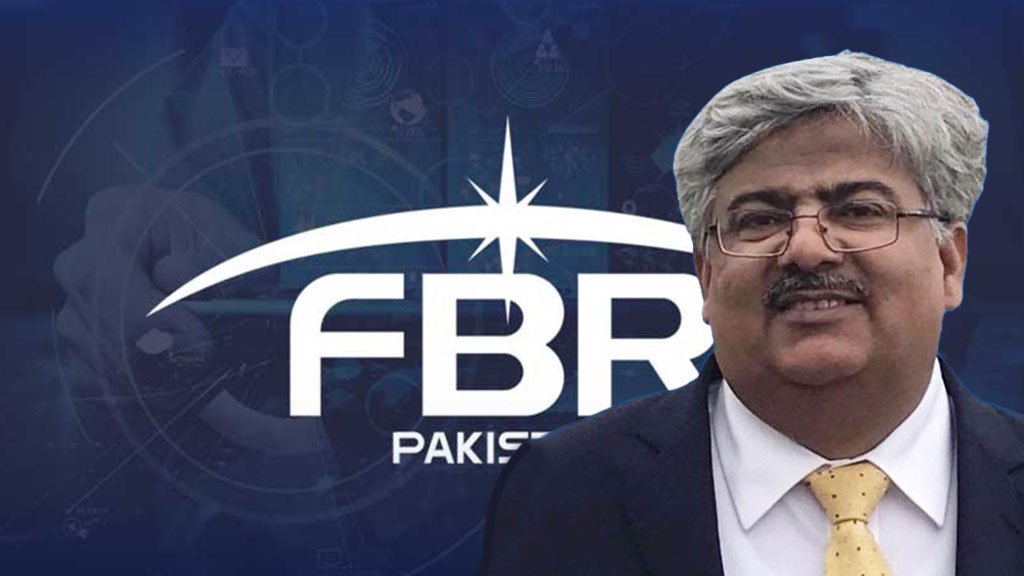
    The recent appointment of Rashid Mahmood as Chairman of the Federal Board of Revenue (FBR) has ignited debate, as it appears that a number of senior FBR officers were bypassed for the role.

    According to sources, Mahmood’s appointment has overlooked 24 senior officers in the field and 6 at the FBR headquarters, highlighting concerns over the lack of a seniority-based appointment process at the FBR—a stark contrast to other key institutions.

    Further sources reveal that Members of Customs Operations are currently on extended leave, and many senior officers are absent, which points to potential inefficiencies within the department

    Notably, Mahmood’s predecessors, including Amjad Zubair Tawana, Asim Ahmed, and Muhammad Ashfaq Ahmed, were also appointed despite more senior officers being available, raising questions about the appointment criteria.

    The timing of this appointment is particularly critical as the government faces a daunting tax target of Rs12.31 trillion for the coming 11 months. According to Mettis Global, if revenue collection falls short, even by a month or two, achieving this goal will be increasingly difficult.

    In addition to these challenges, the new chairman will need to navigate ambitious revenue collection targets and oversee essential system digitisation efforts.

  • Reducing financial burden on low-income groups remains top priority for govt: Aurangzeb

    Reducing financial burden on low-income groups remains top priority for govt: Aurangzeb

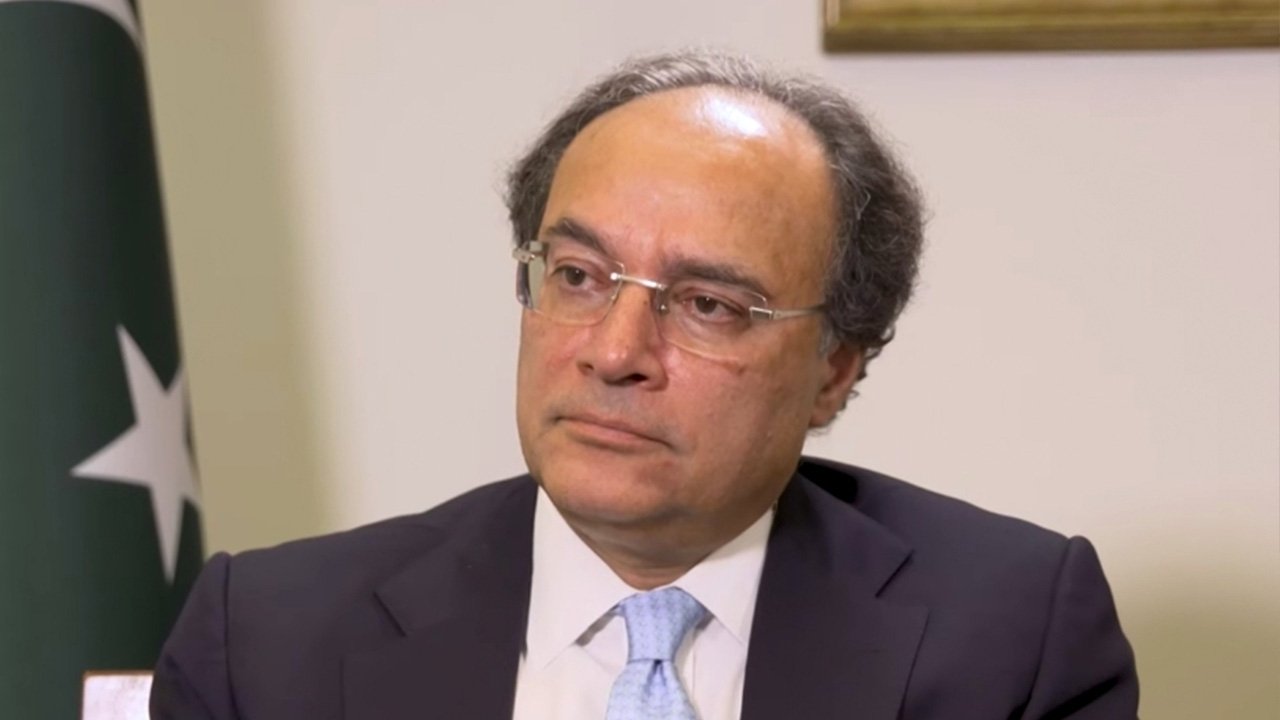
    Finance Minister Muhammad Aurangzeb said Sunday that the government is taking robust measures to improve the country’s economy.

    Addressing a press conference in Islamabad, he said reforms are being done in the Federal Board of Revenue (FBR) to increase revenue collection.

    He said weekly meetings are being held under the chair of Prime Minister Shehbaz Sharif. He said that putting less burden on the lower-income class is the government’s top priority.

    Expressing gratitude to the Chief Ministers of all four provinces for supporting the government’s tax reforms agenda, he expressed hope that they will introduce tax legislation for the inclusion of the Agricultural sector in the taxation regime.

    He said without including the untaxed and under-taxed community in the tax regime, we cannot achieve certainty and ease of collection which is vital for economic stability.

    Regarding facilitation to the business community, Aurangzeb said claims worth 68 billion rupees have so far been now refunded.

    The Minister said notices will be sent through a centralized system, while field formations will be authorized to collect taxes accordingly.

    Mentioning the details of tax evasions and frauds, he said we have identified a tax potential worth 600 billion rupees that was not collected, out of which one billion rupees has been recovered so far.

    In customs, through misclassification, tax worth around 50 to 200 billion rupees has been identified.

    He urged the media to start a campaign against the under-tax and un-taxed community.

    The Minister said the government is also working on the simplification of the tax processes to facilitate the business and salaried persons.

    Through this simplified process, they will be able to respond to our system in a very simple and easy manner without the involvement of any tax consultant.

    Stressing the importance of rightsizing, the Minister said five ministries, including Kashmir and Gilgit Baltistan, SAFRON, Industries and Production, IT and Telecom, and Health have been short-listed in this regard.

    He said Prime Minister Shehbaz Sharif will take the final decision to this effect, he said.

  • New tax measures: Pakistan aims for Rs1.3 trillion revenue

    New tax measures: Pakistan aims for Rs1.3 trillion revenue

    The upcoming budget for the fiscal year 2024-25 is set to introduce new taxation measures amounting to a hefty Rs1.3 trillion. These measures are poised to impact various sectors, with a focus on enhancing revenue generation.

    One significant aspect of the proposed measures involves heightened rates of withholding taxes on transactions conducted by non-filers.

    Additionally, there will be adjustments in tax rates pertaining to the purchase and sale of immovable properties, vehicle registration, and revisions in income tax brackets specifically targeting the salaried class.

    In response to economic dynamics, the government has tabled a proposal with the International Monetary Fund (IMF) to raise the income tax exemption threshold for the salaried class to Rs1 million. This move aims to alleviate the tax burden on this segment of taxpayers.

    According to reports from Business Recorder, there is a push to streamline the tax structure for individuals by eliminating the salaried/non-salaried categorisation and reducing the number of tax rate slabs. This proposed adjustment seeks to simplify the tax regime for greater efficiency and ease of compliance.

    Furthermore, policymakers are contemplating widening the gap between withholding tax rates for filers and non-filers of tax returns. This initiative includes plans to raise advance income tax on machinery imports by 1 percentage point, with an anticipated monthly revenue impact of Rs2 billion.

    Other proposals on the table include increasing advance income tax on raw material imports by industrial entities by 0.5 per cent, expected to yield Rs2 billion monthly.

    Similarly, there is a proposition to hike advance income tax on raw material imports by commercial importers by 1 per cent, projecting a monthly revenue gain of Rs1 billion.

    Additionally, the budgetary deliberations include plans to augment withholding tax rates on supplies and services by 1 per cent each, with estimated monthly collections of Rs1 billion and Rs1.5 billion, respectively. There is also a proposal to raise withholding tax on contracts by 1 per cent, with an anticipated monthly revenue impact of Rs1.5 billion.

    Lastly, the government is contemplating increasing withholding tax on cash withdrawals from banks by non-filers from 0.6 per cent to 0.9 per cent, aiming to incentivise tax compliance among this demographic.

    These proposed taxation measures underscore the government’s commitment to bolster revenue streams and ensure fiscal sustainability in the face of evolving economic challenges.

  • Govt surpasses petroleum levy collection targets despite declining sales

    Govt surpasses petroleum levy collection targets despite declining sales

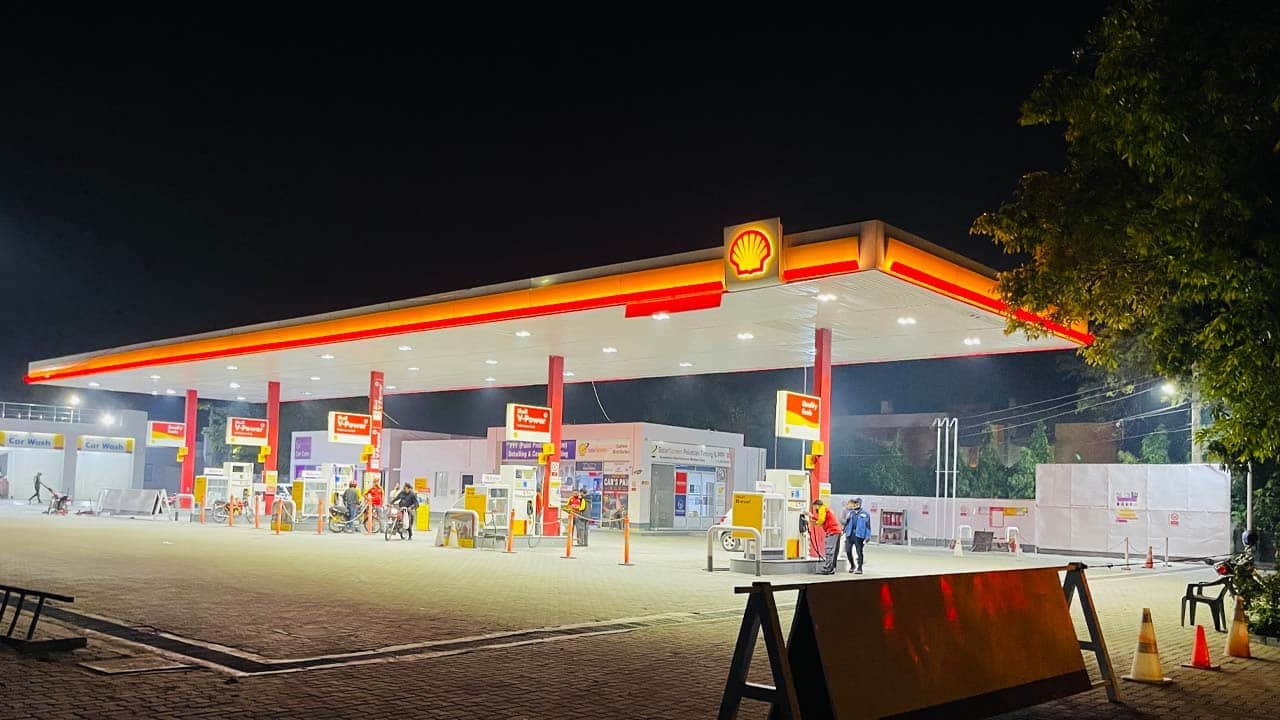
    In the first six months of fiscal year 2023–24, the federal government has exceeded expectations by collecting Rs472.77 billion in petroleum levy (PL), constituting an impressive 54 per cent of the total budgetary estimates for PL on petroleum products for the current fiscal year.

    This collection marks a significant uptick, registering a remarkable 166 per cent increase compared to the same period in the previous fiscal year. The government achieved a substantial PL collection of Rs222 billion in the initial three months of the current fiscal year.

    Originally budgeted at Rs869 billion for PL collection in the fiscal year 2023–24, the government revised its target to Rs918 billion following an increase in PL from Rs50 to Rs60 per litre on petrol and high-speed diesel (HSD). This adjustment aligns with the government’s commitment to the International Monetary Fund (IMF).

    However, against this backdrop of successful revenue generation, the country witnessed a notable 15 per cent decline in the sales of petroleum products in the first six months of the current financial year.

    According to the Oil Companies Advisory Council (OCAC), petroleum product sales dropped to 7.68 million tonnes, a considerable decrease from the 9.03 million tonnes recorded during the same period in the previous fiscal year (July to December).

  • Track and trace system failure threatens Pakistan’s tobacco industry

    Track and trace system failure threatens Pakistan’s tobacco industry

    Amid the increase in trade of non-duty-paid cigarettes, representatives from the Pakistan Tobacco Company (PTC) on Monday expressed profound apprehensions regarding the sustainability of their business.

    They attributed their concerns to ‘inappropriate’ policy measures.

    The recently released data from the Pakistan Bureau of Statistics (PBS) Large Scale Manufacturing (LSM) Index unveiled a significant and alarming trend within the legitimate tobacco sector.

    According to the report, the production of the legitimate tobacco sector experienced a forty-fold decline compared to the overall LSM output between July 2023 and November 2023.

    Interestingly, despite this decline, the consumption of cigarettes has remained stagnant.

    This troubling trend highlights the adverse impact of policy decisions that disproportionately affect the legitimate tobacco industry.

    The representatives emphasised the necessity for a comprehensive and balanced approach to ensure a level playing field for the sector, ultimately securing its long-term sustainability.

    Despite the implementation of a Track and Trace System (TTS), the representatives pointed out the rising incidence of fake stamps being affixed to counterfeit packs of leading cigarette brands.

    According to APP, Qasim Tariq, Senior Business Development Manager, revealed that approximately 850 million counterfeit cigarette sticks are currently being sold across Pakistan, resulting in a substantial loss of around Rs5.7 billion.

    This rise in counterfeiting raises serious questions about the efficacy of the much-lauded track and trace system, which is yet to be implemented across local cigarette manufacturers in Pakistan and Azad Jammu and Kashmir (AJK).

    The representatives urged law enforcement agencies (LEAs) to conduct extensive enforcement at the retail level to tackle this growing menace.

    Additionally, the representatives expressed concerns about a recent misleading report circulating in the media regarding missed revenue collection by the Federal Board of Revenue (FBR).

    They refuted the claims in the report, stating that they are not only false but also raise questions about the intentions behind publishing such information.

    The report suggested that the illicit sector is less than 10 per cent across Pakistan, contradicting the FBR’s claim of illicit trade being over 36.5 per cent for the period in question.

    Furthermore, the report alleged that government revenue declined due to fiscal changes in the excise structure but failed to present the complete picture.

    The representatives clarified that from 2012–16, the government switched to a 2-tier structure from a 3-tier structure, causing revenues to fall by more than 25 per cent.

    The subsequent increase in excise in 2015-16 led to illicit trade hovering close to 50 per cent of the market. To combat this, the government reintroduced a 3-tier system, increasing revenues by more than 40 per cent and discouraging the illicit cigarette trade.

    The representatives emphasised the need for an extensive government-led national anti-illicit trade strategy, effective fiscal measures, and strict enforcement against illicit trade across the value chain, with a key focus on the retail level.
  • Federal cabinet to approve FBR restructuring in upcoming meeting

    Federal cabinet to approve FBR restructuring in upcoming meeting

    In a significant development, the caretaker government has concluded the comprehensive restructuring plan for the Federal Board of Revenue (FBR).

    The approval for this pivotal reform comes from the Apex Committee of the Special Investment Facilitation Council (SIFC), highlighting a crucial step towards enhancing efficiency and transparency in Pakistan’s tax administration.

    According to reliable sources, the Apex Committee granted its approval for the FBR’s reforms and restructuring plan during its recent meeting. The caretaker government is now poised to move a summary for the approval of the FBR’s restructuring plan in the upcoming federal cabinet meeting.

    The decision to move the summary will follow the meticulous review of the minutes of the last SIFC committee meeting, ensuring a thorough examination of the proposed reforms. The anticipated summary aims at facilitating the implementation of a robust action plan geared towards restructuring Pakistan’s tax administration, thereby fortifying the internal governance mechanisms of the FBR.

    As part of the ongoing reform initiative, the caretaker government is contemplating the establishment of a dedicated Customs Board to oversee the operations of Pakistan Customs. This strategic move aims to streamline and enhance the efficiency of customs affairs while ensuring a clear demarcation from the revenue collection mechanism.

    It is expected that the revenue collection mandate will continue to be under the purview of the FBR. In line with this reform trajectory, the creation of a separate Inland Revenue Board is also under consideration, which will operate under the vigilant supervision of the Revenue Division.

    This bifurcation is designed to address concerns related to smuggling and other illicit activities, providing a specialised focus on each aspect of tax administration.

    Furthermore, as part of the tax reform programme, five federal secretaries, namely Finance, Industries and Production, National Food Security, Commerce, and Interior, are slated to become ex-officio members of the proposed Customs Board. This inclusion is envisioned to bring multidimensional expertise to the board, fostering collaboration among various sectors crucial for effective customs management.

    The restructuring plan marks a pivotal moment in Pakistan’s efforts to modernise and fortify its tax administration system. The caretaker government’s commitment to transparency and efficiency is evident in these strategic reforms, setting the stage for a more resilient and responsive revenue collection framework.

    The anticipated approval of the summary at the federal cabinet meeting will further propel the implementation of these transformative changes.

  • FBR restructuring: Govt plans to separate Customs and revenue collection system

    FBR restructuring: Govt plans to separate Customs and revenue collection system

    Caretaker Finance Minister Dr Shamshad Akhtar has announced that the government is implementing significant restructuring measures within the Federal Board of Revenue (FBR) to eliminate apparent conflicts of interest in tax collection and enhance overall performance. 

    Speaking at the Future Summit organised by the Nutshell Group, she outlined the action plan for restructuring Pakistan’s tax administration, emphasising the crucial aspect of strengthening the internal governance of the FBR. 

    One notable decision involves separating customs from the revenue collection mechanism. Customs will focus on tracking smuggling and related activities, while revenue collection will remain the exclusive mandate of the FBR. 

    Akhtar noted that a formal notification for this change will be issued next week, with additional notifications expected for further FBR restructuring initiatives. 

    Discussing FBR reforms, Akhtar highlighted the adoption of innovative digital technologies to broaden the tax base, minimise the tax policy and compliance gap, and increase tax collection. 

    The government aims to reduce the share of the shadow economy by more effectively identifying non-filers and those under-reporting incomes or business activities. 

    Furthermore, Akhtar revealed plans to separate the tax policy and revenue division, making it an independent entity reporting directly to the Minister of Finance. 

    According to Brecorder, this move aims to eliminate perceived conflicts of interest in tax collection, emphasising the need for fair, equitable, and productive tax policy design. 

    Collaboration with the National Database and Registration Authority (NADRA) is also underway to upgrade data systems, with a technical committee chaired by NADRA and FBR chairpersons established for this purpose. 

    The overall objective is comprehensive tax administrative reforms and increased efficiency in revenue collection. 

  • FBR exceeds revenue target by Rs63 billion for first three months of current fiscal year 

    FBR exceeds revenue target by Rs63 billion for first three months of current fiscal year 

    In the initial quarter of the ongoing fiscal year, the Federal Board of Revenue (FBR) successfully amassed a total of Rs2,041 billion, significantly surpassing the stipulated target of Rs1,978 billion by an impressive margin of Rs63 billion. 

    Furthermore, the FBR exhibited commendable dedication and diligence in pursuit of its revenue goals for the month of September 2023. Despite setting a target of Rs794 billion, the FBR managed to accumulate a noteworthy sum of Rs834 billion, as opposed to the Rs688 billion collected during the corresponding period in 2022. 

    Additionally, the FBR issued refunds totaling Rs37 billion, a notable increase compared to the Rs18 billion issued in September 2022. 

    Nonetheless, it is important to note a considerable reduction in import activities during September 2023, with taxes collected at the import stage amounting to Rs254 billion, down from the previous month’s figure of Rs299 billion. According to ARY News, this deficit of Rs45 billion was effectively compensated for through the collection of domestic taxes, particularly direct taxes. 

  • No extension for tax return deadline, only commissioner-requested extensions accepted

    The Federal Board of Revenue (FBR) has officially announced that the deadline for income tax return submissions remains unchanged, concluding on September 30.

    However, individuals may request an extension of up to 15 days by submitting an application to their respective commissioner.

    FBR officials report that over 1.7 million tax returns have already been filed, with expectations of the total reaching over Rs2 million by the September 30 deadline.

    More to follow..

  • IMF urges Pakistan to increase taxation on the rich and ‘protect the poor’

    IMF urges Pakistan to increase taxation on the rich and ‘protect the poor’

    International Monetary Fund (IMF) Managing Director (MD) Kristalina Georgieva has urged Pakistan to increase taxation for the rich and safeguard the well-being of the less privileged. She said that these actions align with the desires of the people in Pakistan. 

    According to Geo News, speaking on the sidelines of the 78th United Nations General Assembly (UNGA) session in New York, she stated, “What we are asking in our programme is that you please collect more taxes from the wealthy and please protect the poor people of Pakistan. I do believe this is in line with what people in Pakistan would like to see for the country.”

    In a separate social media post after a meeting with Pakistan’s caretaker prime minister, Anwaar ul Haq Kakar, Georgieva stated, “Very good meeting with Pakistan’s PM today on Pakistan’s economic prospects. We agreed on the vital need for strong policies to ensure stability, foster sustainable and inclusive growth, prioritise revenue collection, and provide protection for the most vulnerable in Pakistan.”

    Furthermore, the Prime Minister’s Office (PMO) released a statement expressing gratitude for the IMF’s approval of a $3 billion stand-by agreement (SBA) to support Pakistan’s economy. The arrangement, approved by the IMF’s Executive Board in July, is set for its second review in November.

    The statement mentioned that Kakar briefed the MD IMF on various measures taken by the Government of Pakistan to stabilise and revive the country’s economy, with a focus on creating a stable environment for sustainable economic growth and investment, particularly for vulnerable segments of society.

    Kristalina Georgieva commended Pakistan’s concerted efforts in implementing policies and reforms to revive the economy and assured continued engagement with Pakistan.

    Read more: UAE bans fresh meat imports from Pakistan 

    In July, Pakistan secured a last-minute SBA with the IMF, providing relief to its economy, which had long grappled with a boom-and-bust cycle due to the absence of meaningful structural reforms. High inflation and a balance-of-payments crisis have led to economic distress, prompting the Asian Development Bank (ADB) to revise its growth outlook for the country.

    Low foreign exchange reserves have resulted in import restrictions as debt payments remained high and avenues for dollar inflows were limited.

    Anwaar-ul-Haq Kakar also called upon the international community to find a lasting solution to the debt issues faced by 59 countries in debt distress, emphasising the need for global and regional cooperation to achieve sustainable development goals. 

    He highlighted the importance of resources for developing countries and reiterated Pakistan’s commitment to supporting the Global Development Initiative. Kakar also noted the significance of China’s Belt and Road Initiative (BRI) and China-Pakistan Economic Corridor (CPEC) in achieving sustainable development goals.