Tag: revenue targets

  • Rashid Mahmood’s appointment as FBR chairman sparks controversy over overlooked senior officers

    Rashid Mahmood’s appointment as FBR chairman sparks controversy over overlooked senior officers

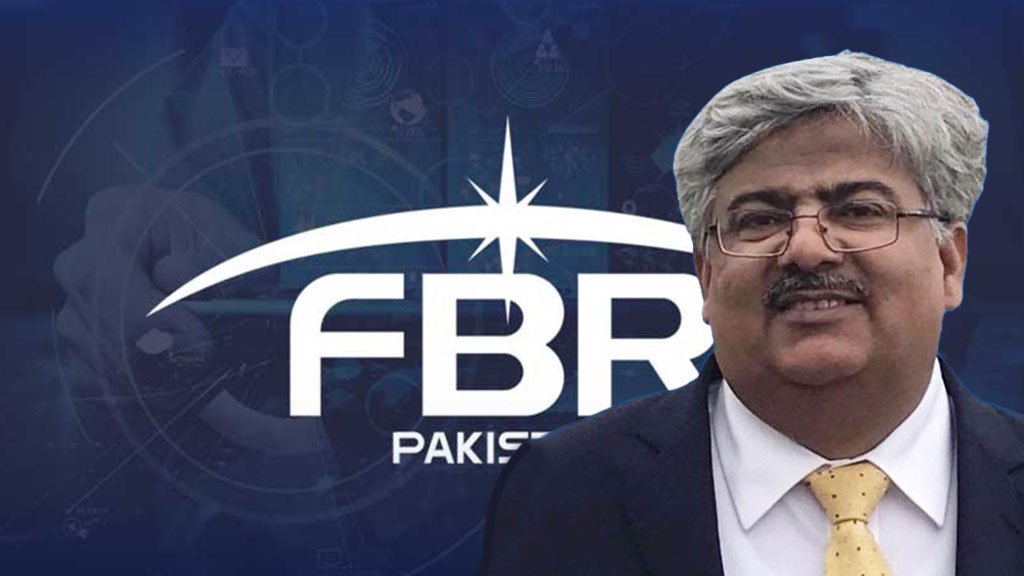
    The recent appointment of Rashid Mahmood as Chairman of the Federal Board of Revenue (FBR) has ignited debate, as it appears that a number of senior FBR officers were bypassed for the role.

    According to sources, Mahmood’s appointment has overlooked 24 senior officers in the field and 6 at the FBR headquarters, highlighting concerns over the lack of a seniority-based appointment process at the FBR—a stark contrast to other key institutions.

    Further sources reveal that Members of Customs Operations are currently on extended leave, and many senior officers are absent, which points to potential inefficiencies within the department

    Notably, Mahmood’s predecessors, including Amjad Zubair Tawana, Asim Ahmed, and Muhammad Ashfaq Ahmed, were also appointed despite more senior officers being available, raising questions about the appointment criteria.

    The timing of this appointment is particularly critical as the government faces a daunting tax target of Rs12.31 trillion for the coming 11 months. According to Mettis Global, if revenue collection falls short, even by a month or two, achieving this goal will be increasingly difficult.

    In addition to these challenges, the new chairman will need to navigate ambitious revenue collection targets and oversee essential system digitisation efforts.

  • Pakistan’s ambitious FY25 Budget could secure IMF deal, says Fitch

    Pakistan’s ambitious FY25 Budget could secure IMF deal, says Fitch

    On Tuesday, Fitch Ratings characterised Pakistan’s budget for the fiscal year 2024-25 as “ambitious,” noting that it enhances the likelihood of securing a deal with the International Monetary Fund (IMF).

    While Fitch acknowledged the uncertainty in meeting the fiscal targets, it highlighted that even partial implementation of the budget would likely narrow the fiscal deficit, thereby reducing external pressures, albeit at a potential cost to economic growth.

    “The FY25 budget draft, released on June 13, is the first presented by Prime Minister Shehbaz Sharif’s coalition government. It projects a headline deficit of 5.9 per cent of GDP and a 2.0 per cent primary surplus, compared to the FY24 estimates of 7.4 per cent and 0.4 per cent respectively, through wide-ranging tax increases and significant fiscal efforts at the provincial level. The budget includes a notable increase in developmental spending and forecasts growth to accelerate to 3.6 per cent in FY25, up from 2.4 per cent in FY24,” Fitch stated in its commentary.

    Pakistan’s Finance Minister Muhammad Aurangzeb unveiled the budget last week, targeting a modest 3.6 per cent growth for the upcoming fiscal year. The budget, with a total outlay of Rs18.9 trillion, represents a 30 per cent increase compared to the FY24 budget. Gross revenue receipts are expected to be Rs17.8 trillion, with the Federal Board of Revenue (FBR) taxes projected at Rs12.97 trillion, nearly 38 per cent higher than the previous fiscal year.

    With this ambitious tax target, Islamabad aims to secure the IMF’s approval for a larger and longer-term bailout.

    Fitch Ratings warned that these plans could face significant resistance within parliament from both coalition partners and opposition parties, as well as from broader society. This follows the close outcome of the February elections, which resulted in a weaker-than-expected mandate for the Pakistan Muslim League-Nawaz (PML-N).

    “Our updated fiscal forecasts assume partial implementation and project a primary surplus of 0.8 per cent, factoring in shortfalls in revenue generation and an overshoot in current spending, partly offset by under-execution in development spending,” Fitch added.

    “We believe tight policy settings may depress growth more than the government expects, reducing our growth forecast to 3.0 per cent for FY25, from 3.5 per cent, despite some improvements in short-term economic indicators. Nonetheless, the FY24 primary deficit is in line with the target, and the authorities have implemented unpopular subsidy reforms over the past year, supporting fiscal credibility.”

    Fitch noted Pakistan’s historically poor track record in sustaining reforms, but acknowledged that the lack of viable alternatives has bolstered support for tough policy decisions in the near term.

    Pakistan completed its nine-month IMF Stand-By Arrangement in April, and in May, the IMF reported “significant progress” towards agreeing on a new Extended Fund Facility (EFF).

    “Government debt is expected to decline to 68 per cent of GDP by the end of FY24 due to high inflation and deflator effects, which offset soaring domestic interest costs. We anticipate inflation and interest costs to decline in tandem, with economic growth and primary surpluses gradually reducing the government debt-to-GDP ratio. The State Bank of Pakistan cut policy rates for the first time in five years on June 10 by 150 basis points to 20.5 per cent. We now forecast FY25 inflation at 12 per cent, and the end-of-year policy rate at 16 per cent,” Fitch detailed.

    Despite stable debt dynamics, Fitch identified external liquidity and funding as Pakistan’s primary credit challenges.

    “We believe a new IMF deal will be agreed upon, underpinning other external funding. However, maintaining the stringent policy settings necessary to keep external financing needs in check and comply with a new EFF could become increasingly challenging,” Fitch stated.

    Pakistan’s external position has improved since February’s election, with the current account deficit on track to narrow to 0.3 per cent of GDP (just USD1 billion) in FY24, down from 1.0 per cent in FY23. This improvement is attributed to subdued domestic demand compressing imports, exchange rate reforms attracting remittance inflows back to the official banking system, and strong agricultural exports.

    Gross reserves, including gold, now stand at USD15.1 billion, covering over two months of external payments, up from USD9.6 billion at the end of FY23.

    “However, Pakistan’s projected funding needs still exceed reserves, at approximately USD20 billion per year in FY24–FY25, including maturing bilateral debt that we expect will continue to be rolled over. This leaves Pakistan vulnerable to external funding conditions and policy missteps,” Fitch concluded.

    Pakistan’s ‘CCC’ rating, reaffirmed in December 2023, reflects the high external funding risks amid substantial medium-term financing requirements.
  • Pakistan gears up for crucial IMF talks on $3 billion SBA programme

    Pakistan gears up for crucial IMF talks on $3 billion SBA programme

    Pakistan is set to commence vital discussions with the International Monetary Fund (IMF) concerning the completion of the second review under the $3 billion Standby Arrangement (SBA) programme.

    The formal invitation to the Washington-based lender is expected to be dispatched shortly after the formation and oath-taking of the federal cabinet, with negotiations anticipated to commence in the coming week.

    Simultaneously, Pakistan plans to request a new deal under the 36-month Extended Fund Facility (EFF).

    Sources have indicated that the size of the upcoming EFF programme is yet to be finalized, but Islamabad aims to explore the inclusion of climate finance to potentially increase the programme’s magnitude from $6 billion to $8 billion.

    A significant challenge facing the incoming finance minister is the pursuit of the Federal Board of Revenue’s (FBR) tax collection target of Rs890 billion for March 2024. Failure to meet this quarterly (Jan-March) target with the IMF may prompt additional taxation measures for the remaining fiscal year.

    Prime Minister Shehbaz Sharif chaired a high-level meeting on Tuesday to receive a comprehensive briefing from the FBR team on the future strategy for revamping the taxation system.

    The FBR has, to date, collected Rs5.82 trillion in the first eight months of the current fiscal year, experiencing a shortfall of Rs33 billion in achieving the February 2024 monthly target.

    To meet the targeted Rs9.415 trillion by June 30, 2024, the FBR must collect Rs3.58 trillion in the remaining four months (March-June) period.

    March 2024 holds particular significance, with the monthly target of Rs890 billion crucial for fulfilling the agreed third-quarter (Jan-March) period with the IMF.

    PM Shehbaz emphasized the immediate commencement of automation and digitization of the FBR, personally committing to monitor the entire process.

    According to The News, he urged the adoption of international best practices to enhance transparency, increase tax collection, and eradicate tax evasion, corruption, and smuggling.

    Expressing dissatisfaction with the current progress, PM Shehbaz directed the FBR to start the automation and digitization process immediately, urging the acquisition of services from international firms. He stressed the appointment of officers based on merit in the Track and Trace system.

    During the meeting, FBR Chairman Malik Amjad Tiwana briefed the prime minister on measures taken towards automation, tax net expansion, refund payments to exporters, and anti-smuggling efforts.

    PM Shehbaz, however, insisted on immediate progress, highlighting the collaboration with the Ministry of Interior and the Pakistan Army to combat smuggling effectively.

    As the meeting concluded, PM Shehbaz praised the efforts of caretaker finance minister Dr. Shamshad Akhtar and her team, commending their adherence to the policies laid by the previous government to avert default.

    The prime minister expressed confidence in achieving progress and prosperity through diligent efforts and adherence to the right direction.

    The meeting, attended by key officials, emphasized the urgency of digitalized invoicing and the inclusion of 1.5 million more individuals into the tax net, underlining the government’s commitment to fostering economic stability and growth.

  • FBR surpasses Rs1 trillion tax collection milestone in December

    FBR surpasses Rs1 trillion tax collection milestone in December

    In a historic achievement, the Federal Board of Revenue (FBR) announced the unprecedented collection of over Rs1 trillion in December, marking the first instance of such a milestone, as per a press release issued today.

    Furthermore, the FBR has set a new record by collecting Rs4.468 trillion in the initial six months of Fiscal Year 2024, indicating a notable increase of over Rs1 trillion when compared to the Rs3.43 trillion collected during the same period in FY23.

    Remarkably, the FBR has surpassed its targeted collection for the first half of FY24, which was initially set at Rs4.425 trillion. The government’s ambitious projection for the entire fiscal year stands at Rs9.415 trillion.

    Despite challenges such as the issuance of Rs230 billion in refunds, up from Rs177 billion in the corresponding period of the previous year, and sustained import compression, the FBR continues to face obstacles in revenue collection at the import stage.

    Traditionally, the revenue mix at the import stage and domestic taxes had a 50:50 ratio. However, this balance has shifted to 36:64, with the FBR mitigating the impact of import compression by generating more revenue domestically.

    The ratio of direct to indirect taxes has also experienced a shift, with the share of direct taxes increasing to 49 per cent in the first six months.

    Notably, in December alone, direct taxes accounted for 59 per cent, marking a 41 per cent increase in the first six months compared to the previous year.

    Within the category of direct taxes, the FBR has reduced the share of withholding taxes from 70 per cent to 55-58 per cent over the past two years. Remarkably, the share of withholding taxes reached as low as 40 per cent in December 2023.

    It’s worth noting that the FBR had achieved a Rs1 trillion annual collection back in 2007-08, a milestone that took 50 years to accomplish.

    In contrast, the FBR has achieved a comparable feat within a single month after 15 years, underscoring the relentless efforts, unwavering dedication, and hard work demonstrated by the field formations and top leadership of the FBR.

  • Govt collects Rs75 billion from consumers in one month through petroleum levy

    The Pakistani government collected a significant sum of Rs75 billion in revenue from the petroleum levy (PL) in July 2023. This levy is a crucial income source because it’s not part of the divisible pool. The increase in the petrol levy to Rs55 per litre has driven this boost in revenue.

    If this pattern continues for the remaining 11 months of the fiscal year, the government could surpass its ambitious budget target for the petroleum levy. The target of Rs869 billion might be exceeded by a notable Rs31 billion.

    In July, the first month of the fiscal year, petroleum consumption decreased by 6 per cent compared to the same month in the previous fiscal year. However, when we look at the month-to-month basis, petroleum product consumption remained constant in July 2023 compared to the previous month.

    An anonymous source from the Petroleum Division, speaking to Brecorder, expressed the government’s concern about the potential decline in consumption. Such a decline could jeopardise meeting the budget goals. However, the government has a plan in place. If needed, the petroleum levy could be increased to Rs60 per litre, which is the maximum limit according to an agreement with the IMF under the Stand-By Arrangement (SBA) and the Finance Act 2023–24.

    Predictions for the current month point to a collection of Rs70 billion from the petroleum levy due to recent price increases of Rs17.50 per litre for petrol and Rs20 per litre for high-speed diesel (HSD).

    The government has committed, under the ongoing IMF SBA, to gradually raising the levy rate to an average of Rs55 per litre over the fiscal year. This strategic move is estimated to bring in an additional Rs79 billion. Currently, the government enforces a petroleum levy of Rs55 per litre on petrol and Rs50 per litre on HSD.

    Keep in mind that any rise in the petroleum levy on fuel products could lead to inflation, increasing transportation costs for goods and people as well as input expenses for various sectors.

    Oil industry experts speculate that gasoline prices might increase further by the end of the month. This projected increase is mainly due to the ongoing depreciation of the Pakistani rupee against the US dollar, which is likely to reduce gasoline consumption.

    In the last fiscal year, the government collected Rs580 billion from the petroleum levy, falling short of the Rs855 billion target by Rs275 billion.

    During the first quarter of the fiscal year 2022–23 (July–September 2022), the collection of the petroleum levy was Rs47.476 billion. This lower amount was due to the lower levy rates of Rs10 on petrol and Rs5 on HSD. Subsequently, collections increased significantly to Rs177.805 billion in the first two quarters (July–December) and further to Rs362.480 billion in the first three quarters (July–March 2023) of the previous fiscal year.

    It’s noteworthy that total consumption of petroleum products dropped by 27 per cent year-on-year in the fiscal year ending on June 30, 2023. Consumption decreased from 22.6 million metric tonnes in the fiscal year 2021–22 to 16.61 million metric tonnes in 2022–23 (July–June).

  • Govt expected to present Rs13-15 trillion budget for FY23-24 amidst economic uncertainties

    Govt expected to present Rs13-15 trillion budget for FY23-24 amidst economic uncertainties

    The government is anticipated to present a budget ranging from Rs13-15 trillion for the fiscal year 2023-24, according to a budget preview report by Topline Securities. This substantial increase is attributed to the record-high markup cost caused by the soaring interest rates. The proposed budget target of Rs9-9.2 trillion marks a 21 per cent surge compared to the current fiscal year’s target of Rs7.5 trillion.

    Notably, if implemented, the tax target for the upcoming financial year would be 29 per cent higher than the projected tax collection for the outgoing FY23. However, the brokerage house highlights the challenging nature of formulating a budget amidst stagflation and uncertainties surrounding the upcoming elections and Pakistan’s ability to bridge its external account funding gap.

    The report emphasises the prevailing nervousness in currency, bond, and stock markets due to the uncertainty surrounding the financing of the US dollar funding gap. Furthermore, it states that revenue targets have historically deviated by an average of 8 per cent from the actual targets in the past five years, and a similar trend is expected in FY24 due to the economic slowdown.

    The non-tax revenue target for FY24 is estimated at Rs2.5 trillion (2.4 per cent of GDP), compared to Rs1.6 trillion (2 per cent of GDP) for FY23. The report predicts several taxation measures, including tax on undistributed reserves, continuation of the super tax, a shift from the final tax regime to the minimum tax regime, asset/wealth tax, higher tax on non-filers, tax on rental income, and taxes on banks, tobacco, and beverages.

    Regarding development spending, the Federal Public Sector Development Programme (PSDP) is projected to amount to Rs0.9 trillion for FY24. However, due to fiscal constraints, significant cuts are expected in this area. The consolidated PSDP (federal and provincial) is anticipated to reach Rs2.6 trillion (2.5 per cent of GDP) in FY24.

    With the Pakistan Tehreek-e-Insaf (PTI) party being sidelined, there is a possibility of a weak coalition government coming to power in the upcoming elections. The report highlights the importance of an aggressive and competent new setup to tackle the ongoing economic crisis.

    To create a favorable perception, the government may set unrealistic revenue targets in order to allocate more spending in the budget. The report suggests that it is unlikely for the government to complete the current International Monetary Fund (IMF) program on time and urges Pakistan to enter another, potentially larger, IMF program.

    In light of the economic slowdown and high inflation, the government may introduce expansionary policies in the budget to appease the public, such as direct cash subsidies for the underprivileged and an increase in minimum wages. However, the brokerage firm warns against excessive spending without substantial tax collection measures.

    In terms of its impact on the stock market, the upcoming budget is expected to be neutral to positive. Sectors such as oil and gas exploration, chemicals, pharmaceuticals, consumers, tobacco, technology and communication, textile, cement, fertilizers, and oil marketing companies may experience a neutral effect. Conversely, the budget might have a neutral to negative impact on banks and autos, while steel and independent power producers could experience a neutral to positive effect, according to the research.

    As the budget is unveiled, stakeholders and citizens alike will closely monitor the government’s strategies to address the economic challenges and promote stability and growth in Pakistan.