Tag: rice

  • Over Rs6.4 billion allocated for Ramzan subsidies: Essential items to be available at reduced rates

    Over Rs6.4 billion allocated for Ramzan subsidies: Essential items to be available at reduced rates

    The government has earmarked Rs6.484 billion to provide essential food items at subsidised rates through the Utility Stores Corporation (USC) during the holy month of Ramzan.

    A substantial portion of the allocation, Rs3.474 billion, will go towards subsidising flour, followed by Rs1.610 billion for sugar and Rs1.4 billion for ghee.

    Additionally, subsidies of Rs25 million for channa daal, Rs12 million for masoor daal, Rs37.50 million for white gramme, and Rs62.5 million for basmati rice are planned. Further, Rs20 million and Rs62.5 million are allocated for Sehlla rice and broken rice, respectively.

    The implementation of the Ramzan relief package is set to commence on March 4th.

    Further breakdown reveals Rs200 million for cooking oil, Rs20 million for washed moong daal, Rs6.25 million for washed maash daal, Rs100 million for chakki baisen, Rs50 million for dates, Rs22.50 million for carbonated drinks (1,500 ml), Rs30 million for squash and syrup (800 ml), Rs150 million for black tea, Rs15 million for UHT milk, and Rs50 million for spices.

    Moreover, an allocation of Rs145 million is designated for an awareness campaign through electronic and print media regarding the Ramzan Package, set to kick off on March 4th, 2024.

    The Economic Coordination Committee (ECC) has greenlit the Ministry of Industries and Production’s proposal for a Rs7.492 billion Ramzan Relief Package. This package aims to provide 19 essential items at subsidised rates through the USC.

    In response to IMF restrictions on untargeted subsidies, the government has opted to provide subsidies exclusively to beneficiaries registered under the PMT-40 of the Benazir Income Support Programme (BISP) for the fiscal year 2023–24.

  • Rice exports from Pakistan decline by 17.33% in first two months of current fiscal year 

    Rice exports from Pakistan decline by 17.33% in first two months of current fiscal year 

    During the initial two months of the current fiscal year, a total of 340,237 metric tonnes of rice, with a market value of $233.991 million, were exported. This marked a notable contrast with the previous year’s corresponding period, which recorded exports of 507,144 metric tonnes of rice valued at $283.056 million.  

    According to data provided by the Pakistan Bureau of Statistics, rice exports from July to August 2023 witnessed a 17.33 per cent decline in comparison to the same period in the previous year. 

    However, within this timeframe, Basmati rice exports experienced 8.29 per cent growth. Approximately 79,257 metric tonnes of Basmati rice, valued at $94.733 million, were exported, compared to the previous year’s figures of 84,709 metric tonnes at a cost of $87.480 million. 

    Concurrently, the nation achieved earnings of $39.338 million by exporting approximately 20,539 metric tonnes of fish and fish preparations, showing an improvement from the previous year when 15,922 metric tonnes of these products were exported, amounting to $38.086 million. 

    Read more: WhatsApp to introduce animated avatars for video calls soon 

    It is noteworthy that overall food group exports in the first two months of the current fiscal year registered a modest decrease of 1.65 per cent. The total value of food commodities exported during this period amounted to $711.748 million, contrasting with the previous year’s export value of $723.696 million for the same duration. 

    On the other hand, food group imports into the country during the initial two months of the current fiscal year witnessed a substantial decline of 26.91 per cent when compared to the corresponding period of the previous year. From July to August 2023, food imports decreased from $1.783 billion to $1.303 billion. 

  • Man kills wife for not cooking rice with curry

    Man kills wife for not cooking rice with curry

    According to the police, a man was apprehended in Odisha’s Sambalpur district on Monday on suspicion of murdering his wife because she didn’t cook rice with curry.

    The incident occurred in Nuadhi village in the Jamankira Police Station region on Sunday evening. The accused has been identified as Sanatan Dharua, a 40-year-old man, while his wife has been identified as Pushpa Dharua, a 35-year-old woman.

    Sanatan and Pushpa have a daughter and a son, with their daughter working as a domestic help in Kuchinda while their son was spending the night at a friend’s house on Sunday.

    Upon returning home, Sanatan discovered that Pushpa had prepared only curry and not rice, sparking an argument that resulted in him assaulting and killing his wife, as per a police officer.

    The matter came to light when Pushpa’s son returned home to find his mother dead. He contacted the authorities, who took the body and detained the husband.

    Jamankira Police Station Inspector-in-charge Premjit Das stated that an autopsy was conducted on Monday and the accused husband was held in custody.

  • Weekly inflation increases more than 38% as prices of petrol and food items hit the roof

    Weekly inflation increases more than 38% as prices of petrol and food items hit the roof

    According to the latest data released by the Pakistan Bureau of Statistics (PBS), the Sensitive Price Indicator (SPI) based inflation for the week ended February 16, 2023, registered an increase of 2.89 per cent. The rise in inflation can be attributed to an increase in the prices of both food and non-food items.

    Food Items that saw an increase in prices

    The following food items saw a significant increase in prices during the week ended February 16, 2023:

    • Cooking oil 5 litre (8.65 per cent)
    • Vegetable ghee 1kg (8.02 per cent)
    • Bananas (8.01 per cent)
    • Chicken (7.49 per cent)
    • Vegetable ghee 2.5 kgs (6.76 per cent)

    Non-food items that saw an increase in prices

    The following non-food items saw an increase in prices during the week ended February 16, 2023:

    • Petrol (8.82 per cent)
    • Diesel (6.49 per cent)
    • Cigarettes (6.18 per cent)

    Year-on-Year Trend

    The year-on-year trend depicts an increase of 38.42 per cent mainly due to an increase in the prices of the following items:

    • Onions (433.44 per cent)
    • Chicken (101.86 per cent)
    • Diesel (81.36 per cent)
    • Eggs (81.22 per cent)
    • Rice irri-6/9 (74.12 per cent)
    • Rice basmati broken (73.05 per cent)
    • Petrol (69.87 per cent)
    • Moong (67.98 per cent)
    • Bananas (67.68 per cent)
    • Tea Lipton (63.89 per cent)
    • Pulse gram (56.93 per cent)
    • Bread (55.36 per cent)
    • Maash (53.42 per cent)
    • LPG (52.68 per cent)
    • Cigarettes (50.02 per cent)

    On the other hand, the prices of tomatoes (65.30 per cent), electricity for q1 (7.50 per cent), and chillies powdered (7.42 per cent) saw a decrease during the same period.

    SPI for the week under review

    The SPI for the week under review in the above-mentioned group was recorded at 234.77 points against 228.17 points registered in the previous week. Out of 51 items, prices of 34 (66.67 per cent) items increased, 05 (9.80 per cent) items decreased and 12 (23.53 per cent) items remained stable.

    SPI for different consumption groups

    The SPI for the consumption group up to Rs17,732, Rs17,732-22,888, Rs22,889-29,517, Rs29,518-44,175 and above Rs44,175 consumption group increased by 2.45 per cent, 2.73 per cent, 2.79 per cent, 2.88 per cent, and 2.94 per cent, respectively.

    Items that recorded an increase in average prices

    The following items recorded an increase in their average prices during the week over previous:

    • Petrol super (8.82 per cent)
    • Cooking oil Dalda or other similar brand (sn), 5 litre tin each (8.65 per cent)
    • Vegetable ghee Dalda/Habib or other superior quality 1 kg pouch each (8.02 per cent)
    • Bananas (8.01 per cent)
    • Chicken (7.49 per cent)
    • Vegetable ghee Dalda/Habib 2.5 kg tin each (6.76 per cent)
    • Hi-speed diesel (6.49 per cent)
    • Cigarettes Capstan (6.18 per cent)
  • Pakistan’s GDP likely to decrease to 2% in FY23 as flood damage may cost $30 billion

    Pakistan’s GDP likely to decrease to 2% in FY23 as flood damage may cost $30 billion

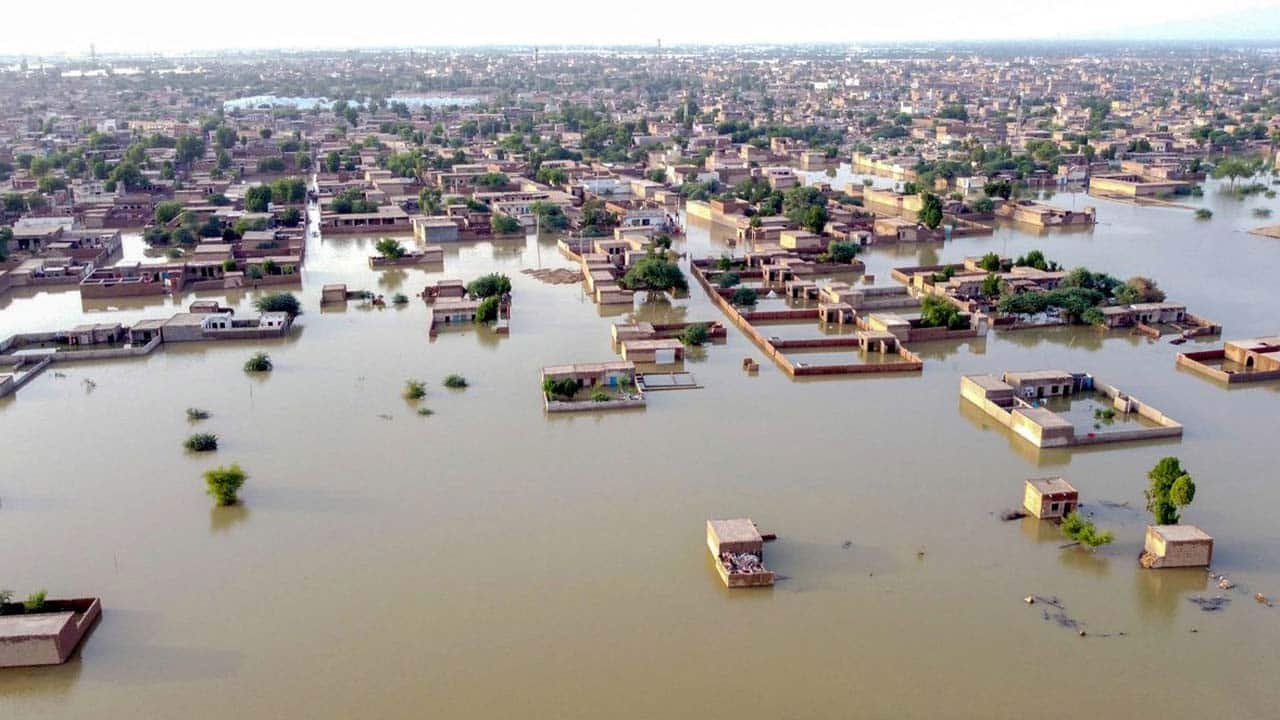
    Syed Zafar Ali Shah, Secretary of the Ministry of Planning, Development, and Special Initiatives, stated on Thursday that a preliminary estimate indicated that the GDP growth rate may remain at two percent in the current fiscal year and that the estimated cost of damage repair, including reconstruction, may be $30 billion as a result of the nation’s floods.

    He stated that we are gathering damage assessment data for a preliminary report and that the preliminary report and verification procedure would both be finished by October 15.

    According to The Nation, teams from the government and ten international development organisations, such as the World Bank (WB), the Asian Development Bank (ADB), the United Nations (UN), and others, are working together to prepare the preliminary report for the damage assessment of the country’s floods.

    In order to prepare early estimates on damage and reconstruction, he claimed that 100 specialists from development partners, such as the World Bank, the ADB, the UN, the EU, Turkey, etc., are currently working in 12 to 17 sectors.

    According to him, the Pakistani government would take the initiative in relief operations, and technical skills will be provided by professionals to evaluate the field damage and the cost of rehabilitation. The administration will solicit donations for reconstruction after making the final determination.

    In relation to the evaluation of the damage to the railways, Zafar Ali stated that it has been initially predicted that $2.3 billion will be needed for the reconstruction of the railroad tracks, bridges, and other associated facilities that have been harmed by floods. In total, 113 districts in Pakistan have been damaged by flooding, but 83 of those areas are catastrophe hit and require complete repair and rehabilitation work, according to him.

    He claimed that the cost to rebuild homes is projected to be $3 billion. However, he said that the provinces are consistently reassessing damage. When the water recedes, he said, the Sindh government will begin work on reassessing those places. He claimed that water covers the majority of Sindh’s railroad rails.

    He claimed that the Sindh flood had a significant negative impact on cotton, rice, and other crops. According to him, three million cotton bales are thought to have been lost. However, it appears that things are improving and the loss may only total 2.7 million bales, the secretary said, adding that it is still too early to provide a precise estimate of the cotton crop’s losses. He predicted that future wheat crop farming in Sindh and Khyber-Pakhtunkhwa would also be impacted.

    He claimed that the nation’s severe flooding has had an impact on 4.3 million families. He stated that more than 0.3 million people in Balochistan had been impacted by the floods. According to him, the ADB has authorised a $3 million grant to boost the Pakistani government’s emergency relief efforts in the wake of massive flooding around the nation.

    The planning secretary also mentioned that a Dutch expert would be working with NESPAK to update the flood prevention strategy for 2017. He said that the administration has so far used $303 million in donor funding that was intended for disaster relief. According to him, this sum consists of $3 million from the ADB and $300 million from the World Bank.

    Despite the $160 million in pledges made so far by the world community, he claimed that much more money will be needed to complete the reconstruction and rehabilitation.

    The planning secretary responded to a question concerning diverting PSDP-2022–23 monies for flood victims by saying that work is still being done on this issue, but no decisions have been made as of yet. He stated that the Benazir Income Support Program is now supporting the flood-affected population with Rs70 billion from the government.
  • PM Shehbaz decides to continue targeted subsidy on five essentials items

    PM Shehbaz decides to continue targeted subsidy on five essentials items

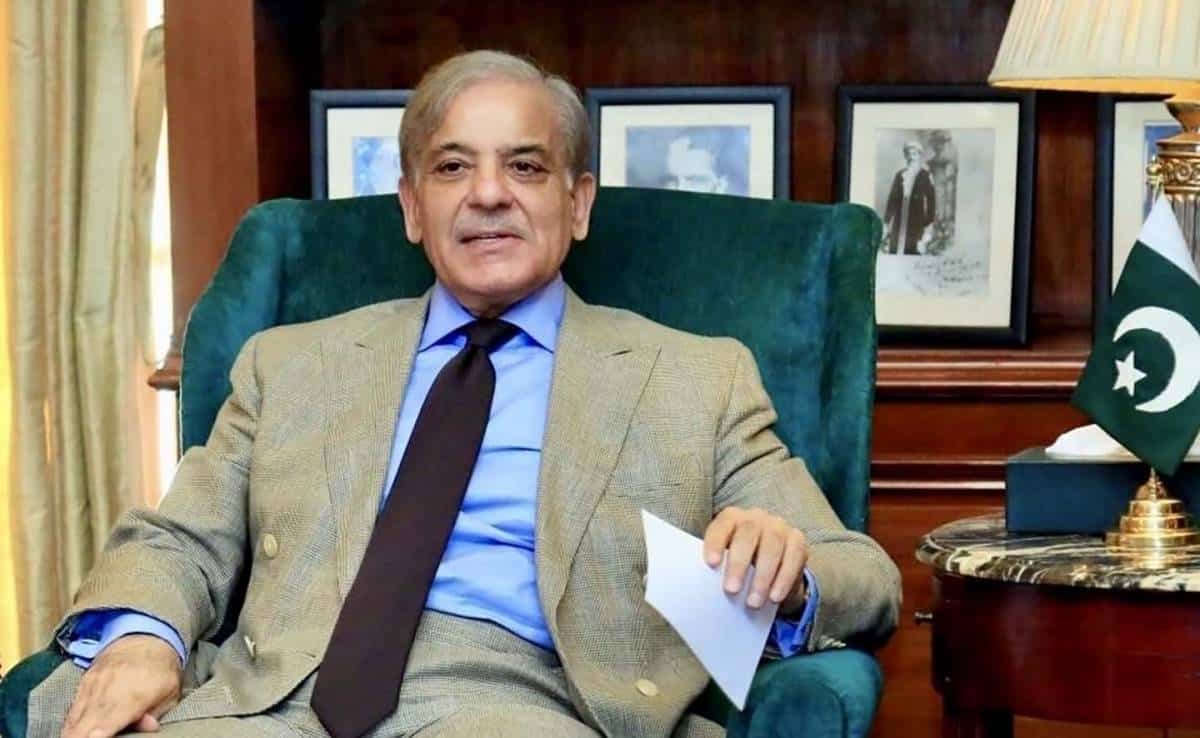
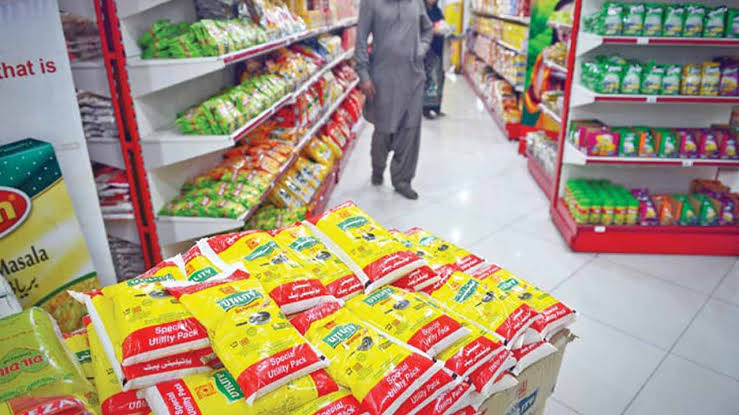
    Prime Minister (PM) Shehbaz Sharif on Monday decided to continue a targeted subsidy on five essential items — wheat flour, sugar, ghee/edible oil, pulses, and rice — at Utility Stores for the next financial year.

    The prime minister also approved the expansion of a network of Utility Stores in Karachi.

    “The small number of Utility Stores in Karachi is not acceptable in any way and a comprehensive plan for raising the number of Utility Stores in the megacity should be presented within two weeks,” tweeted PM Shehbaz.

    The decision was taken at a high-level meeting regarding Utility Stores in the country, with the PM in the chair. Minister for Finance Miftah Ismail, Minister for Industries and Production Murtaza Mahmood, and other senior officials were also in attendance.