Tag: rice production

  • Export-quality rice production at risk: Rising theft incidents targeting water pumps, transformers

    Export-quality rice production at risk: Rising theft incidents targeting water pumps, transformers

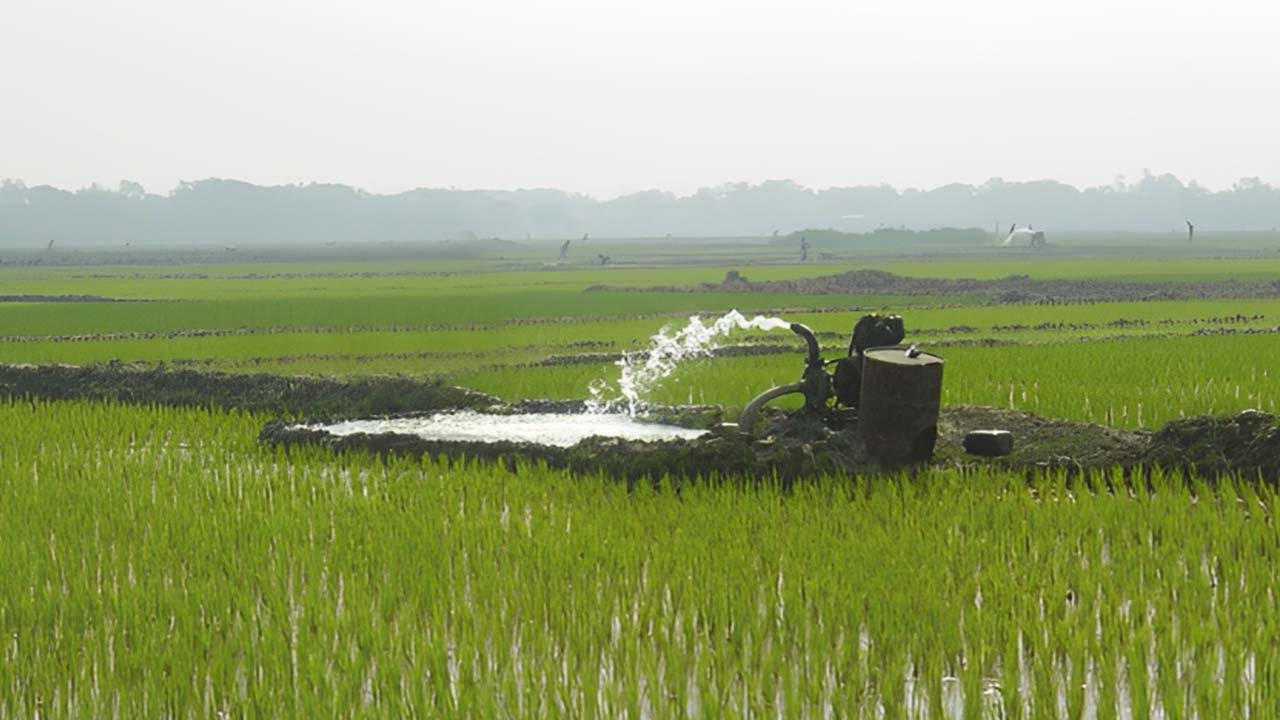
    Pakistan is currently facing a major threat to its export-quality rice production as a result of extensive theft of high-voltage electric wires, transformers, and water pumps. This theft has left vast stretches of rice-producing land along the Lahore to Sheikhupura Motorway without access to tube-well water, precisely during the critical rice sowing season.

    This alarming situation, which has been verified by both farmers and officials from the Water and Power Development Authority (Wapda), demands immediate attention.

    According to The News, the area most severely affected is near village Warran on the Motorway, where farmers are grappling with the challenges of rewiring their tube-wells and procuring replacements for the stolen equipment required for rice cultivation. The thefts of agricultural-related electrical hardware have been escalating precisely when water is in desperate demand for the rice crops.

    Although the rice-growing season began two weeks ago, many farmers are unable to sow their crops due to the thefts, which have deprived them of crucial equipment necessary for water extraction. Agricultural experts caution that any further delays in rewiring tube-wells and replacing stolen equipment could have severe repercussions for this year’s rice production.

    Regrettably, the motorway police’s lack of cooperation, attributed to resource constraints, has further complicated matters. Despite filing First Information Reports (FIRs) for each incident, no thieves have been apprehended thus far. Some Wapda officials suspect that the stolen wires and accessories are being sold at discounted prices to factories for various manufacturing purposes. Additionally, there are allegations that local politicians may be protecting the thieves, impeding the police’s efforts to apprehend them. These circumstances intensify the urgency surrounding this issue.

    Pakistan’s export-quality rice production is currently under a significant threat due to widespread theft of essential electrical equipment. The unavailability of water for irrigation poses a grave challenge to the entire rice crop, placing immense pressure on farmers. Swift action is imperative to address this issue and prevent further harm to the agricultural sector.
  • Pakistan faces second-highest food price inflation in South Asia: World Bank report

    Pakistan faces second-highest food price inflation in South Asia: World Bank report

    According to the World Bank’s “Food Security Update,” the consumer price inflation for food items in Pakistan in February 2023 on a year-on-year basis was 45.1 per cent, which is the highest in South Asia after Sri Lanka, which experienced 54.4 per cent inflation.

    The report further states that domestic grain and wheat flour prices remained volatile across South Asia at the beginning of 2023, and were well above their year-earlier levels. Specifically, in Pakistan, wheat flour prices in January 2023 reached record highs and were 20 to 140 per cent higher year on year.

    The high prices of food items have been attributed to several factors, including generally stagnant production since 2018, stock losses and disrupted trade flows due to the 2022 floods, high agricultural input and transportation costs, and high headline inflation, according to the Food and Agriculture Organization of the United Nations (FAO).

    The report noted that India, Bangladesh, and Nepal experienced year-on-year consumer price inflation for food prices of 6.2 per cent, 7.8 per cent, and 5.6 per cent, respectively, in January 2023. Rice production increased in 2022 in several countries, including India, despite reductions in Pakistan and Tanzania, according to the report.

    The US Department of Agriculture predicts a 4.5 per cent contraction in rice shipments due to a decrease in exports from Pakistan, Thailand, the United States, and Vietnam, which will more than offset an increase from India. Moreover, domestic food price inflation remains high around the world.

    According to Brecorder, the latest month between October 2022 and February 2023, for which food price inflation data are available, shows high inflation in almost all low- and middle-income countries, with inflation levels above 5 per cent in 94.1 per cent of low-income countries, 86 per cent of lower-middle-income countries, and 87 per cent of upper-middle-income countries, with many experiencing double-digit inflation.

    Furthermore, about 87.3 per cent of high-income countries are experiencing high food price inflation, and the countries affected most are in Africa, North America, Latin America, South Asia, Europe, and Central Asia, according to the report.