Tag: RLNG

  • SSGC, SNGPL customers face load shedding and low gas pressure

    SSGC, SNGPL customers face load shedding and low gas pressure

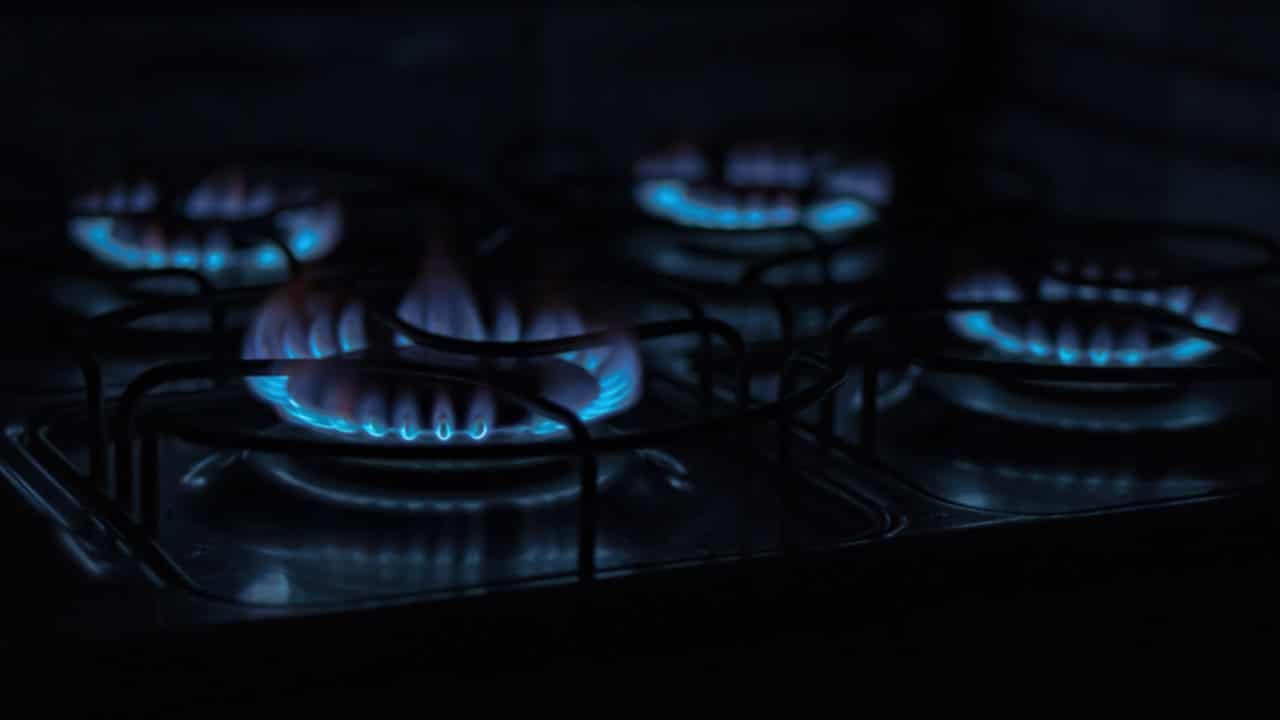
    Many households in Pakistan served by the Sui Southern Gas Company (SSGC) and Sui Northern Gas Pipelines (SNGPL) are experiencing low gas pressure or no gas supply in the month of May. SSGC customers are facing seven to eight hours of load shedding, from 10 pm to 5-6 am, while SNGPL residential consumers are encountering a similar situation.

    The SSGC is facing a gas shortfall of 265 mmcfd as its demand is 1,165 mmcfd, but its supply is only 900 mmcfd, including 90 mmcfd of RLNG. The Sui Northern system has also lost 85 mmcfd gas for 12 days due to annual maintenance.

    A spokesperson from SSGC stated that the gas load shedding is being done for seven to eight hours to maintain the gas line pack so that the gas supply can be provided for 16-17 hours. Balochistan is receiving only 109 mmcfd of gas. The Sui Northern system’s situation is also vulnerable due to the suspension of supply from the Nashpa plant for 12 days.

    An official from Sui Northern stated that the gas companies are only providing gas for cooking times as per their agreement with residential consumers and not for 24 hours. However, the gas companies used to supply gas for 24 hours, which was not agreed upon by the domestic consumers.

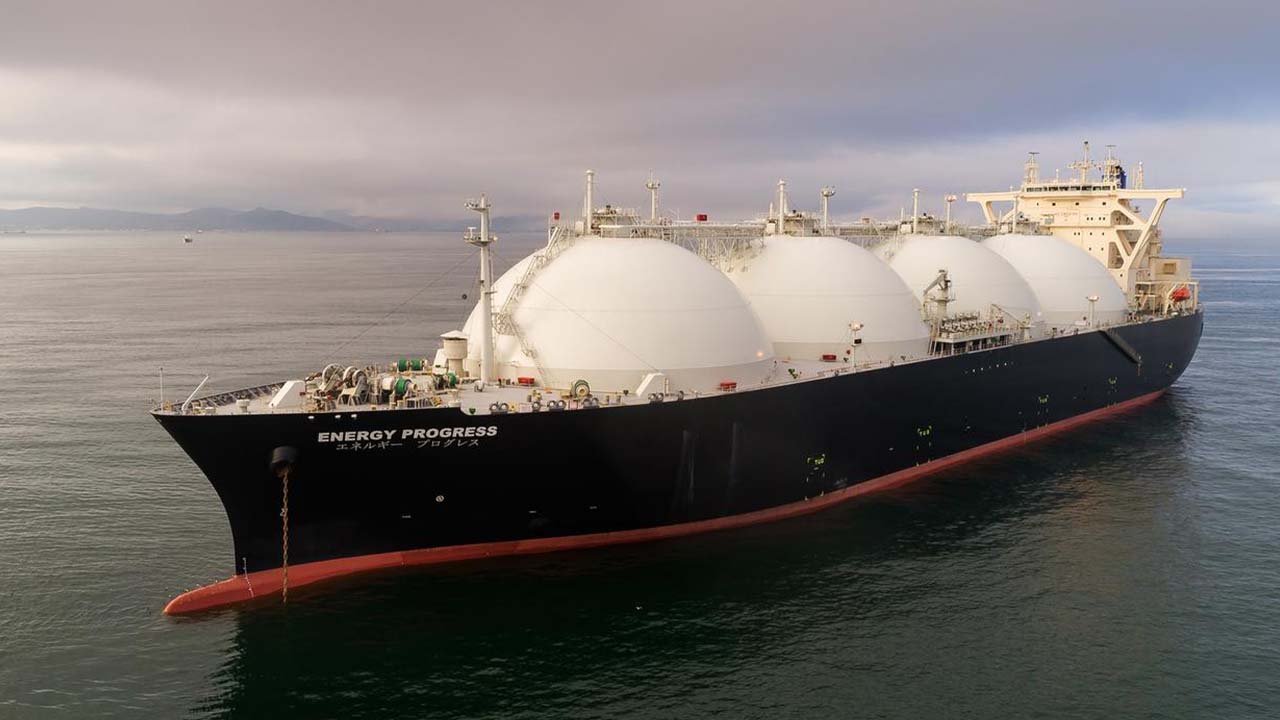
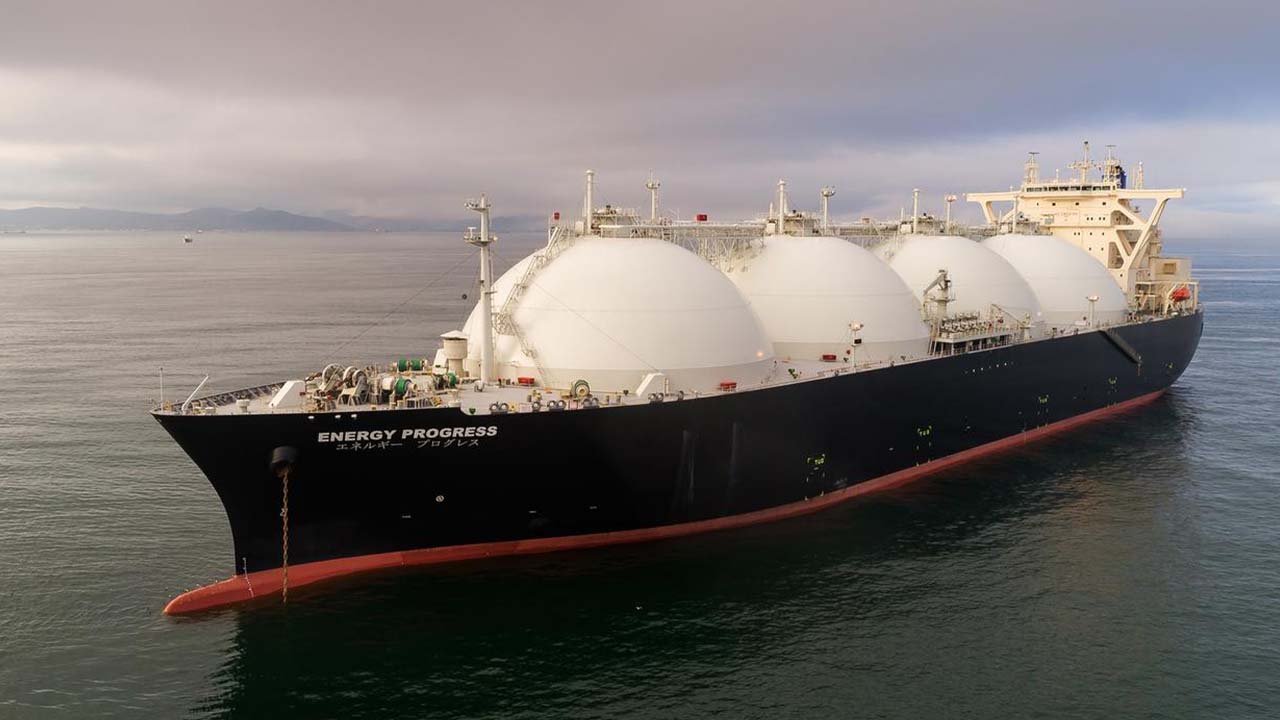
    According to The News, the Punjab power sector is receiving 605 mmcfd RLNG, while the fertiliser sector is receiving 88 mmcfd. The power sector’s RLNG consumption has reduced to 605 mmcfd due to low temperatures. The government is receiving 900 mmcfd gas, but it has a purchasing capacity of 1,200 mmcfd. Pakistan is receiving RLNG of nine cargoes on long-term agreements, eight from Qatar and one from ENI.

    Despite the decline in RLNG prices to $12-13 per barrel in the international market, Pakistan LNG Limited (PLL) is reportedly unable to purchase spot cargoes due to a dollar liquidity crisis.
  • OGRA announces 13% reduction in RLNG price

    OGRA announces 13% reduction in RLNG price

    The Oil and Gas Regulatory Authority (Ogra) has announced a 13 per cent decrease in the cost of re-gasified liquefied natural gas (RLNG) for this month, as the international spot market remained out of reach for Pakistan and the average cost of cargos under a long-term contract fell slightly as oil prices fell.

    According to Brecorder, the basket RLNG price was also lower owing to the second LNG contract with Qatar, which is available to Pakistan at 10.2 per cent of Brent, included four cargos instead of the usual two. The number of LNG cargos from Qatar under the first contract was four for the period, rather than the usual six, at a rate of 13.37 per cent of Brent.

    The average basket price for LNG supply at the import stage (delivered ex-ship), according to a notification from Ogra on Monday, was calculated to be $11.56 per million British thermal unit (mmBtu) for Pakistan State Oil (PSO) for eight cargos (all from Qatar) and $11.856 per mmBtu for Pakistan LNG Limited (PLL) for one cargo under another long-term contract with an LNG trader at 12.14 per cent of Brent.

    As a result, the price of imported RLNG for two gas firms, SSGCL and SNGPL, decreased by roughly $2.2 to $2.3 per mmBtu, or about 13 per cent. SNGPL’s sale price was announced as $14.78 per mmBtu and SSGCL’s as $15.19 per mmBtu. In addition, the price per mmBtu at transmission stage fell by 15–16 per cent in July, from $19.07 to $18.8 per unit in June, to $16.

  • OGRA lowers RLNG cost by $4.6 per MMBTU

    OGRA lowers RLNG cost by $4.6 per MMBTU

    Re-gasified liquefied natural gas (RLNG) will cost consumers of public gas utilities 20.57 per cent less in July 2022 than it did in June, according to a notification from the Oil and Gas Regulatory Authority (Ogra).

    The government has set the RLNG price for Sui Northern Gas Pipelines Limited’s (SNGPL) customers at $17.4603 per metric million British thermal units (MMBTU), according to a notification released on Friday.

    Compared to the rate of $20.7691 per MMBTU for June 2022, the new price is $3.3088 less. The general sales tax (GST) is not included in the weighted average sale price.

    The RLNG price will be $17.9575 per MMBTU for Sui Southern Gas Company (SSGC) customers as opposed to the SNGPL consumer price, which represents a $4.6501 per MMBTU decrease for July over $22.6076 per MMBTU.

  • OGRA slashes LPG prices by Rs13 per kilogram

    OGRA slashes LPG prices by Rs13 per kilogram

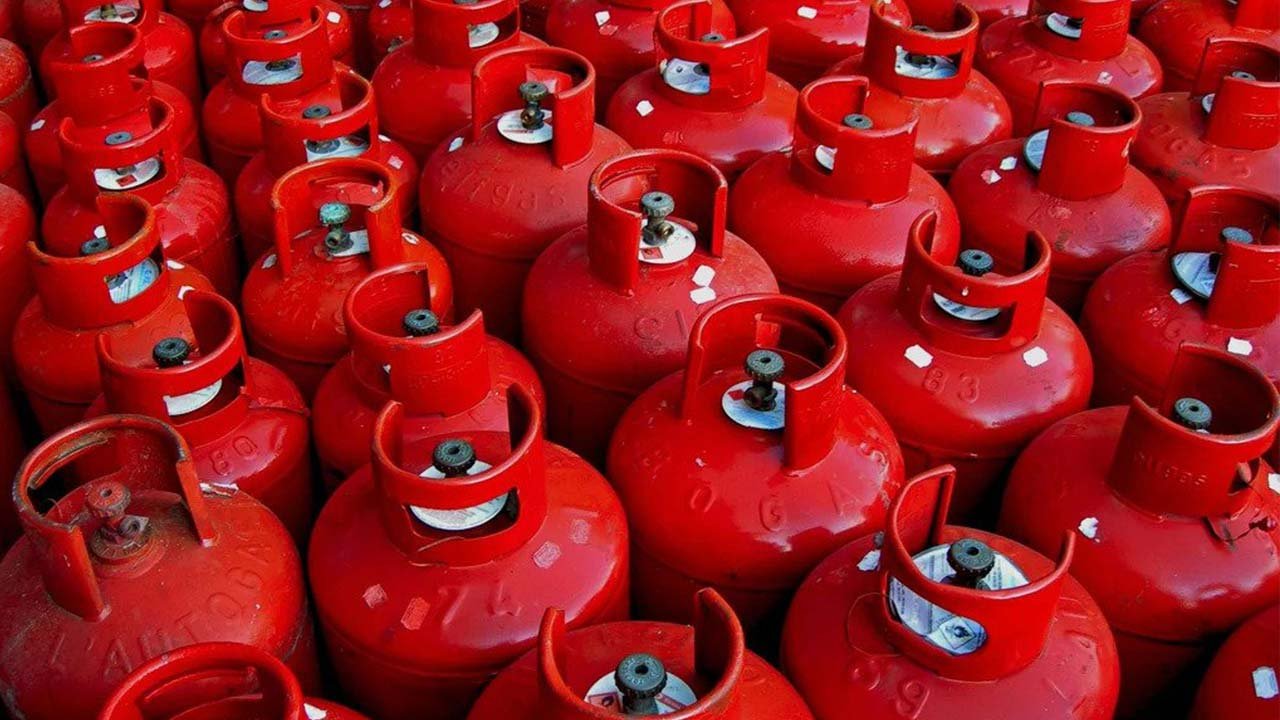
    The Oil and Gas Regulatory Authority (OGRA) has announced a Rs13 per kilog price cut for liquefied petroleum gas (LPG).

    The cost of an LPG household cylinder has been decreased by Rs155, according to a notification released today. Under the revised tariffs, it will be offered for Rs2,581.35, which includes the sale of a commercial cylinder for Rs9,931.65.

    Chairman of the LPG Distributors Association Pakistan, Irfan Khokhar, commented on the matter, claiming that LPG is 45 per cent cheaper than petrol and diesel at present pricing.

    If the government focuses on the sector, he claims that LPG prices can be decreased by another 60 to 65 per cent.

    This is somewhat good news, as many house owners in developing housing societies lack access to Sui Gas connections and rely on LPG cylinders, which are offered at exorbitant costs. The recent price reductions may help consumers cope with the effects of inflation.

    It is important to note that LPG is an alternative and fuel that is mostly utilised for cooking, heating, and lighting especially in rural and hilly sections of the country where natural gas pipelines are not available.

  • 40-50 per cent hike expected in gas tariff

    40-50 per cent hike expected in gas tariff

    The government plans to hike the system gas tariff by up to 50 per cent as part of its efforts to gain access to the International Monetary Fund (IMF) bailout.

    The Ministry of Energy anticipates the Oil and Gas Regulatory Authority (OGRA) determining the revenue requirement for the coming fiscal year in June. As per The News, which cited sources, the tariff increase will take effect on July 1, 2022.

    Sui Southern Gas Company Limited (SSGC) and Sui Northern Gas Pipelines Limited (SNGPL), according to an Energy Ministry official, have suffered massive combined losses of Rs550 billion in recent years.

    Both are losing money since the system gas rate has not been raised in a long time. SNGPL is expected to lose Rs350 billion, while SSGC is expected to lose roughly Rs200 billion.

    OGRA will now calculate the system gas tariff under the modified OGRA statute. The IMF has encouraged the government to ensure that gas firms do not lose money as a result of the gas tariff’s stagnation, as well as to follow the modified OGRA law in its entirety.

    It’s worth noting that the government raised the price of petroleum goods by Rs30 per liter last week after the IMF stated that the bailout package would not be resumed unless the country ended petroleum product subsidies.

  • Crisis-hit Sri Lanka has enough petrol left for one day, PM warns

    Crisis-hit Sri Lanka has enough petrol left for one day, PM warns

    As the country suffers its greatest economic crisis in more than 70 years, Sri Lanka’s new Prime Minister (PM) declared that the country is headed to its last day of petrol stock.

    PM Ranil Wickremesinghe said the country urgently needed $75 million in foreign currency to pay for crucial imports in a televised address. In order to pay government salaries, he claims the central bank will have to print money.

    Sri Lankan Airlines, which is owned by the government, may be privatised, according to PM Wickremesinghe.

    The pandemic, soaring energy prices, and populist tax cuts have all wreaked havoc on the island nation’s economy. Medicines, fuel, and other essentials were in low supply due to a chronic shortage of foreign cash and rising inflation.

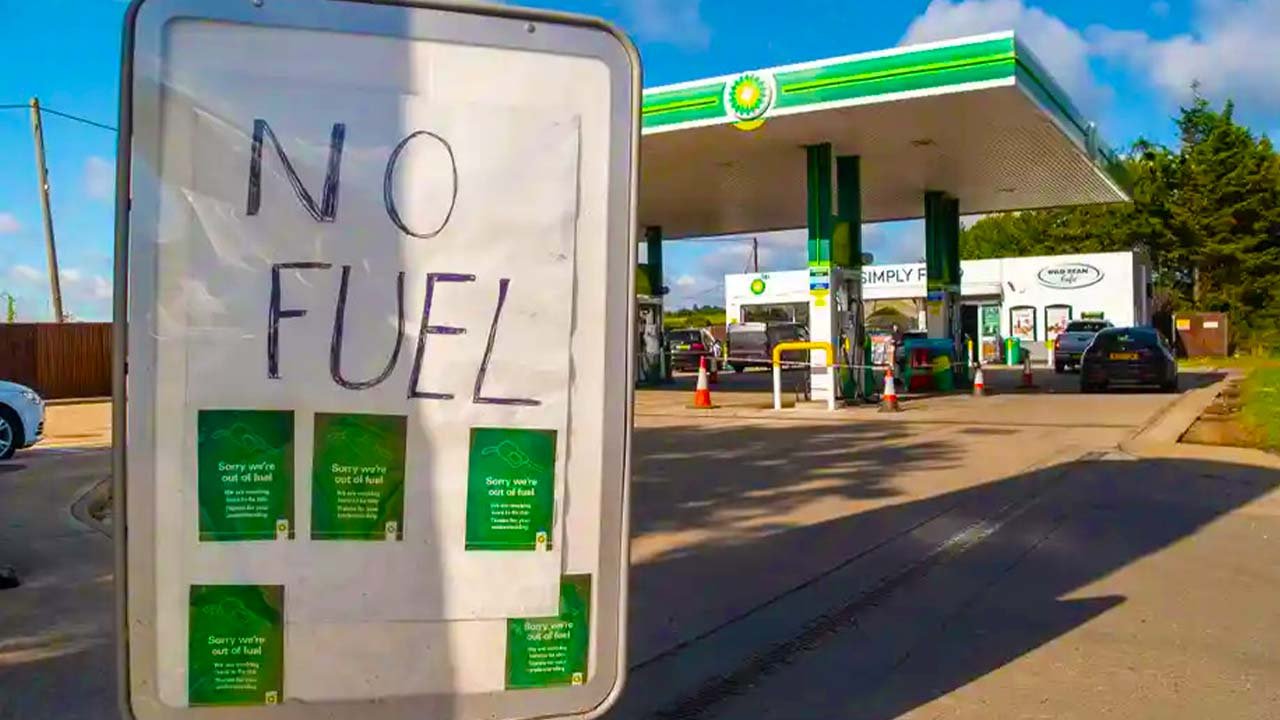
    Auto rickshaws, the city’s most popular mode of transportation, and other vehicles have been queuing at gas stations in Colombo.

    The country has enough petrol for one day at the time. Mr Wickremesinghe, who was appointed Prime Minister last week, cautioned that the next few months will be the hardest of our lives.

    He noted that shipments of petrol and diesel using an Indian credit line could provide fuel supplies in the coming days.

    Mr Wickremesinghe stated that the nation’s central bank will have to print money to assist the government in meeting its salary bill and other obligations.

    The PM stated that he is forced to allow the printing of money against his will in order to pay state employees and purchase vital products and services. However, the nation must keep in mind that printing money causes the local currency to depreciate.

    Read more: CNG prices pushed to Rs140 per kg for sales tax collection

    As part of his efforts to stabilise the country’s finances, he advocated selling out Sri Lankan Airlines. In the fiscal year ended March 2021, the airline lost 45 billion rupees ($129.5 million; £105 million).

  • CNG stations in Sindh to open on April 11

    CNG stations in Sindh to open on April 11

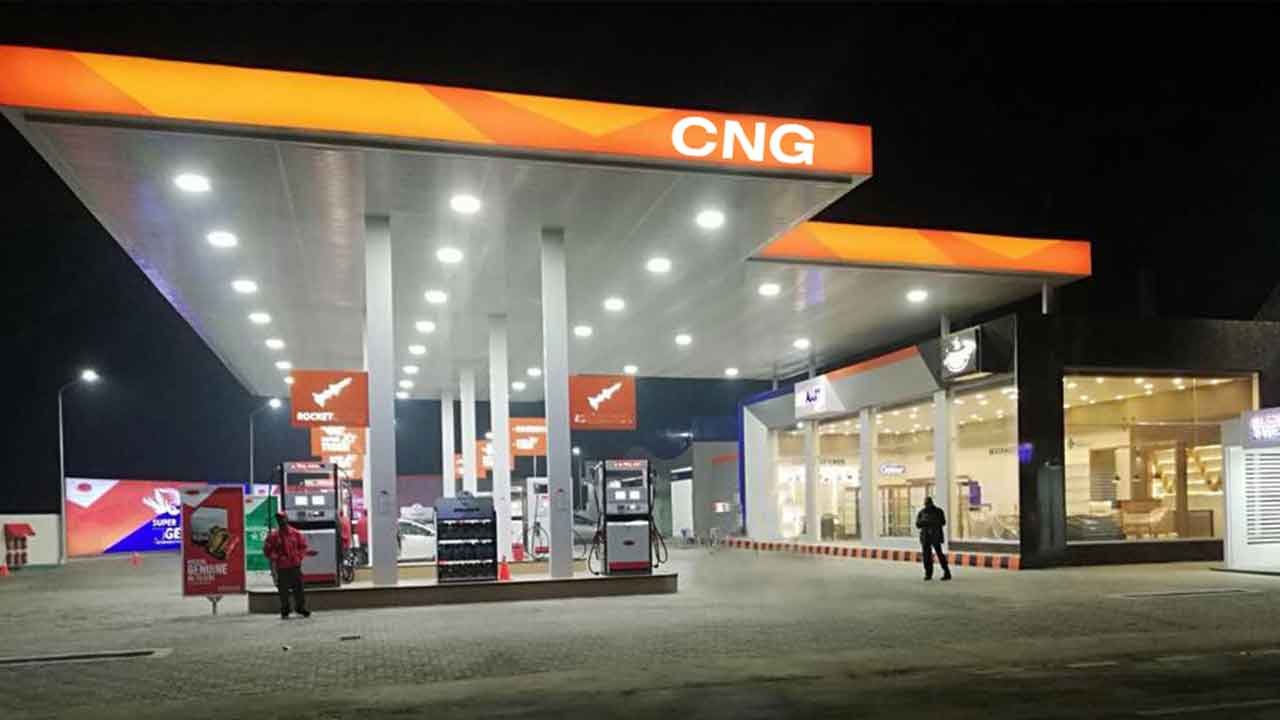
    On April 6, the Sui Southern Gas Company Limited (SSGC) ordered the three-day closure of all compressed natural gas (CNG) stations in Sindh.

    According to a statement from the gas company, all CNG stations will remain closed for 72 hours, starting at 8 AM on Friday and ending at 8 AM on Monday.

    The CNG stations were closed in the province to address the gas shortage in the country and as a part of the gas load management plan.

    “Due to the short supply of gas in the SSGCL system, the availability of gas has diminished, resulting in line pack depletion and low pressure in the system,” according to the statement.

    “All CNG stations in Sindh (including those using RLNG) would stay closed in accordance with the current sectoral priority order for gas load management”.

    It is worth noting that CNG dealers had reopened their business on February 14 after a two-and-a-half-month hiatus. Following the gas load management plan, gas supplies to the CNG sector were suspended from December 1, 2021, to February 15, 2022.

    The unavailability of CNG multiplied the problems of the common man as the masses were forced to top their automobiles up with Petrol, which nearly touched Rs160 during that period.