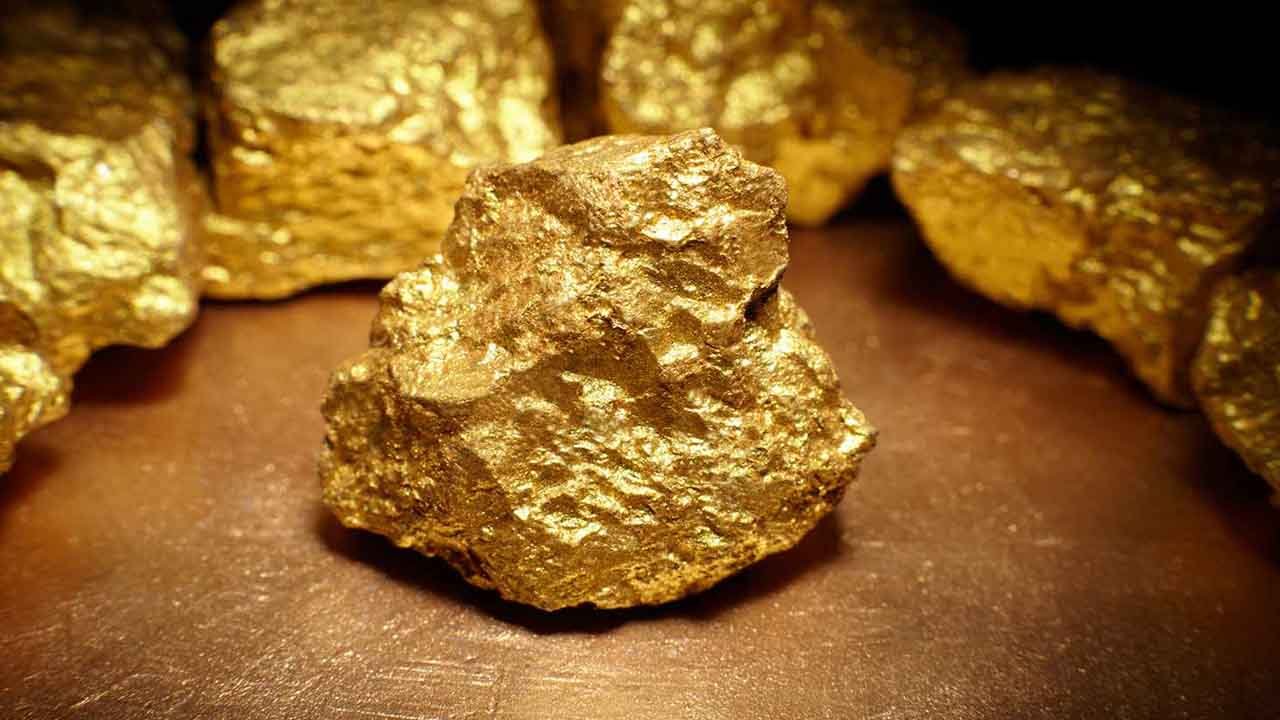
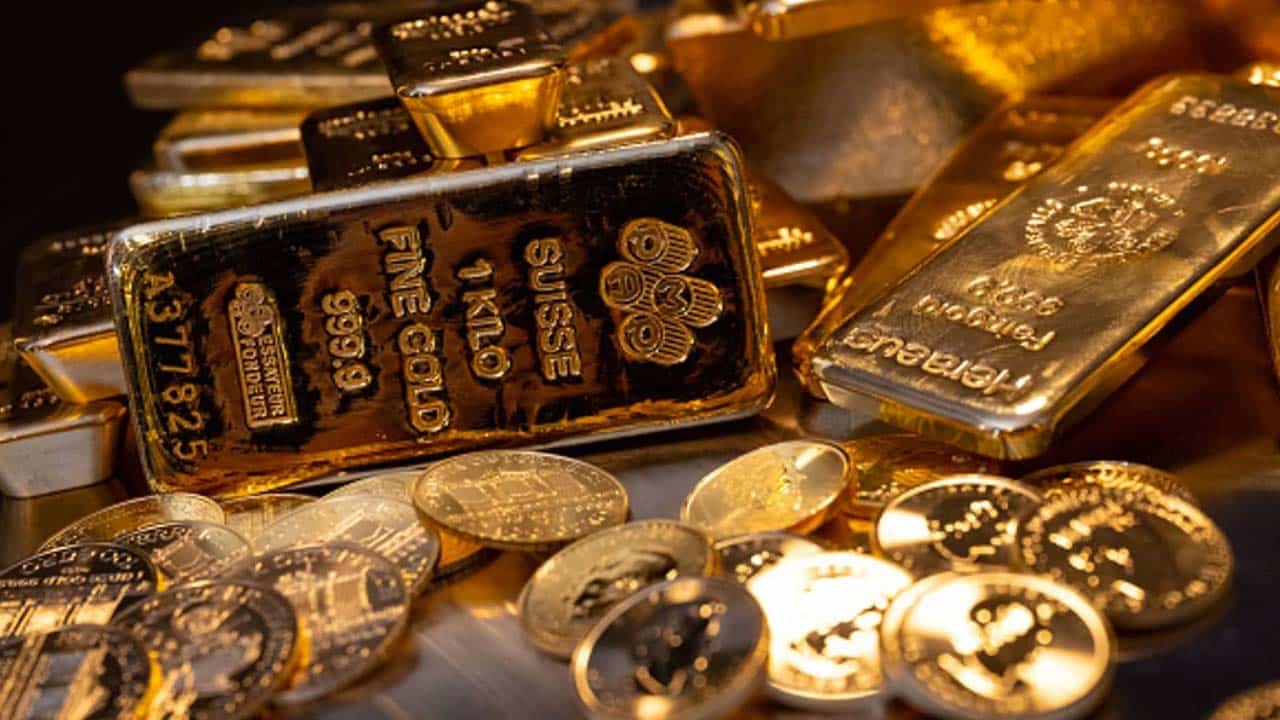
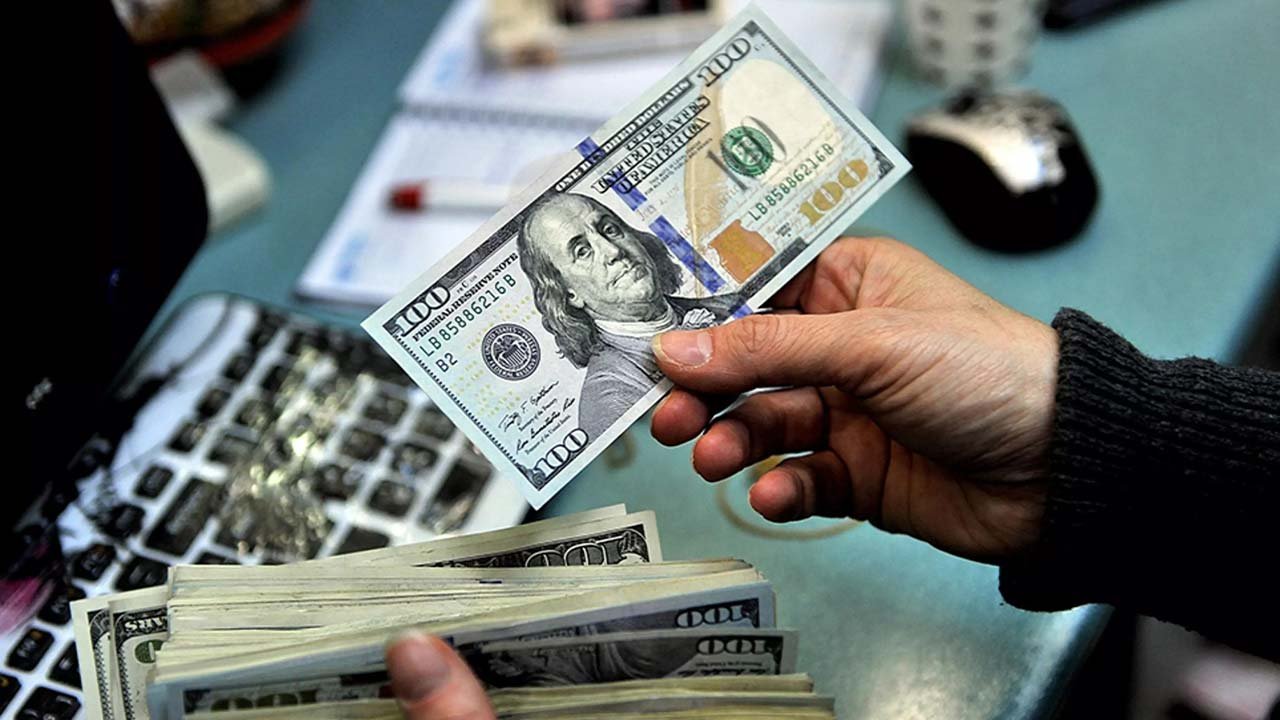
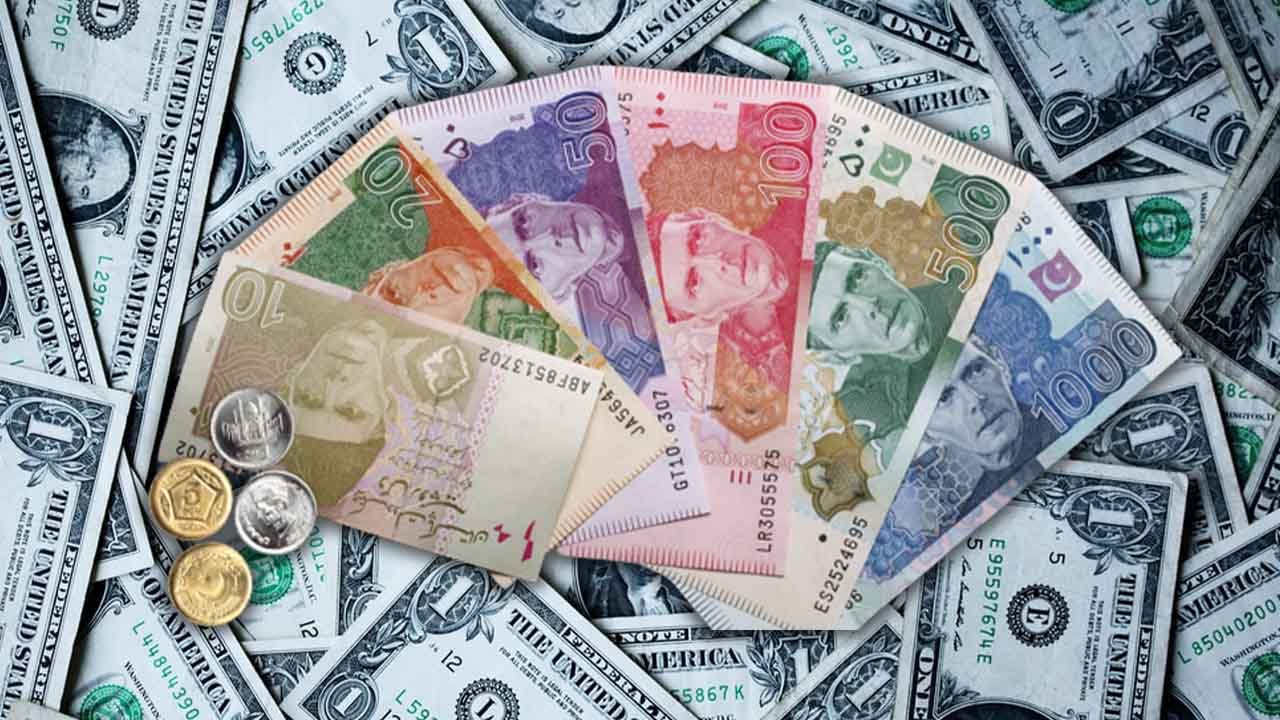
In Pakistan, the domestic gold price continued its decline for the second consecutive week, with the cost of 24-karat gold dropping by Rs550 per tola to Rs217,450.
The Karachi Sarafa Association noted that 24-karat gold concluded the week’s last trading session with a gain of Rs950 per tola.
The 10-gramme 24-karat gold settled at Rs186,428, reflecting a gain of Rs814, while the 10-gramme 22-karat gold closed at Rs170,146.
The international spot rate, used for calculating local rates, closed at $2,068, marking a $3 increase compared to last week.
Escalating concerns over the Middle East conflict led to a rise in the safe-haven asset, but gains were limited due to hawkish remarks from Federal Reserve officials.
Despite the international rate showing an uptick, domestic bullion faced a downside this week due to the strengthened value of the Pakistani rupee against the US dollar.
The PKR marked its ninth consecutive weekly gain against the USD, driven by positive developments as the Executive Board of the IMF concluded the first review of Pakistan’s economic reform programme under the Stand-by Arrangement.
This successful review further boosted investor confidence, contributing significantly to the PKR’s upward trend against the dollar.
The interplay between the domestic gold price and the local rupee is evident, as gold, denominated in US dollars, tends to decrease in value when the home currency appreciates against the greenback.
The gold prices in Pakistan concluded the initial week of 2024 on a downward trajectory, witnessing a notable drop in the value of 24-karat gold.
According to reports from the Karachi Sarafa Association, the price of 24-karat gold plummeted by Rs2,000 per tola, settling at Rs218,000.
Contrary to this trend, the association noted that 24-karat gold experienced a gain of Rs1,000 per tola in today’s trading session, offering a glimmer of positivity in an otherwise challenging week.
The closing figures for the last trading session revealed that 10-gramme 24-karat gold reached Rs186,900, showcasing an increase of Rs857.
Similarly, the price of 10-gramme 22-karat gold stood at Rs171,325, marking a rise of Rs786.
Investors in the domestic bullion market enjoyed substantial returns in 2023, with the yellow metal delivering an impressive 19.63% yield for the year.
The concluding price of 24-karat gold in 2023 stood at Rs220,000 per tola, a notable surge compared to Rs183,900 per tola in the same period last year (SPLY).
Adding to the dynamics of the market, the Pakistani Rupee (PKR) extended its winning streak, appreciating by an additional 46 paisa against the US dollar.
This marks the eighth consecutive appreciation for the Pakistani rupee, driven by positive market sentiments.
Analysts attribute this positive trend to the anticipation of the approval of the second loan tranche worth $700 million by the International Monetary Fund (IMF).
Pakistan’s inclusion in the IMF’s meeting agenda for January 11, 2024, has heightened expectations of economic support.
It’s essential to recognise the intricate relationship between domestic gold prices and the local currency.
As gold is denominated in US dollars, any appreciation of the Pakistani rupee against the greenback tends to result in a decline in the value of gold.
In conclusion, the first week of 2024 has been a mixed bag for the gold market in Pakistan, with fluctuating prices and external factors influencing the dynamics.
Investors are likely to keep a close eye on both international economic developments and local market conditions as they navigate the complexities of the gold trade.
Indus Motor Company, the leading assembler of Toyota-brand vehicles in Pakistan, has made a significant move to benefit its customers.
In a recent announcement sent to its dealers on Tuesday, the company revealed a substantial reduction in car prices, effective October 24. This decision was prompted by the recent strengthening of the Pakistani rupee against the US dollar.
Following this development, the basic Yaris model 1.3MT LO is now more affordable, with a price decrease of Rs100,000, or 2.2 per cent, bringing its new price to Rs4.399 million.
Similarly, the top variant, 1.5 CVT Aero, will now be available at Rs5.849 million after a reduction of Rs120,000.
The Toyota Corolla’s variant prices have been reduced between Rs200,000 and Rs250,000. Furthermore, Toyota’s pickup Revotrucks are now more budget-friendly, with price reductions ranging from Rs450,000 to Rs790,000.
One of the most notable changes is seen in the Fortuner G4x2 Petrol STD, which will now be priced at Rs14.499 million after a substantial reduction of Rs1.31 million, or 8.3 per cent.
This price adjustment follows the footsteps of other major players in the industry, including MG Motors and Lucky Motor Corporation (LMC), both of which have also announced price reductions for their vehicles.
The automobile sector in Pakistan has faced challenges recently, mainly due to fluctuating exchange rates and restrictions on imports.
The rupee experienced a significant depreciation against the dollar, reaching a record low of Rs307.1 on September 5.
However, it has since recovered, stabilising around the Rs279–280 level. This positive trend aligns with the efforts of the caretaker government, which took measures against smugglers and hoarders, contributing to the currency’s recovery.
Apart from currency fluctuations, the auto sector was affected by previous government policies, including import restrictions aimed at preserving foreign exchange reserves.
Additionally, higher finance costs and a considerable rise in car prices led to a decrease in consumer demand. In the first quarter of FY24, car sales in Pakistan plummeted to 20,983 units, marking a 40 per cent decline compared to the same period the previous year.
Here are the latest prices of all Toyota cars in Pakistan:
The recent surge in the performance of the benchmark KSE-100 Index at the Pakistan Stock Exchange (PSX) can be attributed to the combination of a positive earnings season and notable economic improvements.
On Tuesday, the index breached the significant 50,000-point threshold, marking the first time in over six years since June 7, 2017.
Around 11 am, the benchmark index was trading at 50,017 points, reflecting a gain of 286 points, equivalent to a 0.58 per cent increase. However, it later retracted from this milestone.
This momentous achievement was supported by multiple factors, including an enduring upward trend observed in various sectors, such as automobile assemblers, commercial banks, cement, chemical, oil marketing companies, and oil and gas exploration firms.
The bullish momentum on the Pakistan Stock Exchange has been a consistent theme, extending through 11 consecutive trading sessions. Intra-day trading on Monday nearly brought the KSE-100 Index to the 50,000 level, closing at 49,731.35 points.
One significant driver behind this surge has been the strengthening of the Pakistani rupee against the US dollar, with the exchange rate holding steady at around Rs275 in the inter-bank market.
Additionally, the ongoing earnings season has instilled confidence in the market, with high expectations, especially in the banking sector, for positive financial results. These factors collectively contribute to the robust performance witnessed in the Pakistani stock market.
In continuation of its recent positive streak, the Pakistani rupee extended its upward trajectory against the US dollar for the 14th consecutive session, marking a gain of 0.31 per cent in the interbank market on Monday.
According to data released by the State Bank of Pakistan (SBP), the rupee closed at Rs290.86, representing a noteworthy increase of Re0.9 in the inter-bank market. This sustained appreciation trend has seen the rupee make significant gains, amounting to 5.28 per cenr, or Rs16.24, since its record low of Rs307.1 against the US dollar on September 5 in the inter-bank market.
In the previous week, the rupee experienced a further appreciation of 1.74 per cent, concluding positively for all five trading sessions and settling at Rs291.76 against the US dollar in the inter-bank market by the end of the week. Additionally, the rupee’s performance in the open market has strengthened, reducing the ‘premium’ to negligible levels and aligning with the benchmarks established by the International Monetary Fund (IMF).
While several experts attribute the rupee’s recent gains to administrative and enforcement measures, some argue that these increases reflect the currency’s intrinsic value when speculative influences and negative sentiment are excluded.
In the aftermath of securing last-minute funding from the International Monetary Fund (IMF), the Pakistani rupee exhibited a substantial gain of Rs15 against the US dollar in the interbank market on Tuesday.
As reported by the Forex Association of Pakistan, the local currency’s exchange rate appreciated to Rs271 around 10 am. It is worth noting that the rupee had closed at 285.99 against the dollar on June 27, with trading activities suspended due to the Eid holidays last week and a bank holiday on Monday.
This positive development follows a previous record-high exchange rate of Rs290.93 reached on May 11. Since then, the dollar has experienced a considerable decline of more than Rs23.
The anticipated 3 per cent appreciation of the rupee has been realised, but the sustainability of these gains will be verified in the days ahead. The government has indicated that the partial funds from the IMF deal will be disbursed by mid-July.
Additionally, the government has expressed confidence in securing approximately $4 to $5 billion from Saudi Arabia, the United Arab Emirates, and the Islamic Development Bank. These additional funds would contribute to resolving the dollar liquidity issues.
The strength and stability of the rupee are likely to be maintained if these payments materialise. However, any delays could potentially increase pressure on the currency.
According to the government’s projections, Pakistan’s reserves are expected to increase to $14 billion by August. Should this estimation hold true, it is anticipated that the rupee will stabilise around the range of 270 to 280, as suggested by experts.
The Drug Regulatory Authority of Pakistan (DRAP) has announced an increase of up to 14 per cent in the prices of life-saving medicines, following approval from the federal government.
According to ARY News, DRAP stated that life-saving drugs will experience a 14 per cent hike, while all other medicines will see a 20 per cent increase.
The regulatory authority clarified that these price adjustments are considered a one-time dispensation, in line with the 70 per cent rise in the consumer price index (CPI). This increase will be regarded as the annual raise for the fiscal year 2023-24, with no further increments in the upcoming financial year.
The DRAP’s Policy Board will evaluate the situation after three months, specifically in July 2023, and submit recommendations to the federal government for potential price reductions, should the Rupee appreciate in value.
The Economic Advisory Committee had already endorsed the price hike, taking into account the escalating fuel prices and the devaluation of the Rupee, which have contributed to record-high inflation in recent months, impacting various sectors of the economy.
Earlier reports indicated a 0.16 per cent year-on-year decrease in weekly inflation, as measured by the Sensitive Price Indicator (SPI), for the week ending on May 18. However, short-term inflation surged to an unprecedented 48.35 per cent for the period ending on May 4.
The Pakistan Bureau of Statistics (PBS) released data indicating a combined index of 255.12, compared to 255.53 on May 11, 2023. In contrast, the index stood at 175.08 a year ago, on May 19, 2022.