Tag: Rupee depreciation

  • Pakistan navigates economic turbulence in 2023: A year of challenges and resilience 

    Pakistan navigates economic turbulence in 2023: A year of challenges and resilience 

    2023 posed significant challenges for Pakistan’s economy, characterised by a sharp slowdown, escalating inflation, and a near-default situation. However, amidst the turbulence, glimpses of progress emerged, suggesting a potential path towards recovery. 

    To meet International Monetary Fund (IMF) conditions, the government undertook stringent fiscal reforms, such as raising taxes and cutting subsidies. Despite being unpopular, these measures were deemed necessary to control the budget deficit and rein in inflation. 

    The latter part of the year witnessed positive indicators. Inflation, though still elevated, began to exhibit a downward trend. The agricultural sector experienced a robust comeback, particularly in cotton and rice production, while large-scale manufacturing showed a modest improvement. 

    Despite these positive developments, Pakistan’s economic recovery remains precarious. The global economic slowdown and geopolitical tensions continue to pose external challenges. Internal factors, such as political uncertainty and ongoing security issues, further contribute to the risks. 

    Throughout 2023, Pakistan consistently made headlines, grappling with economic crises, food shortages, mass protests, political arrests, and election-related upheavals. Here’s a recap of the key events in Pakistan during the year: 

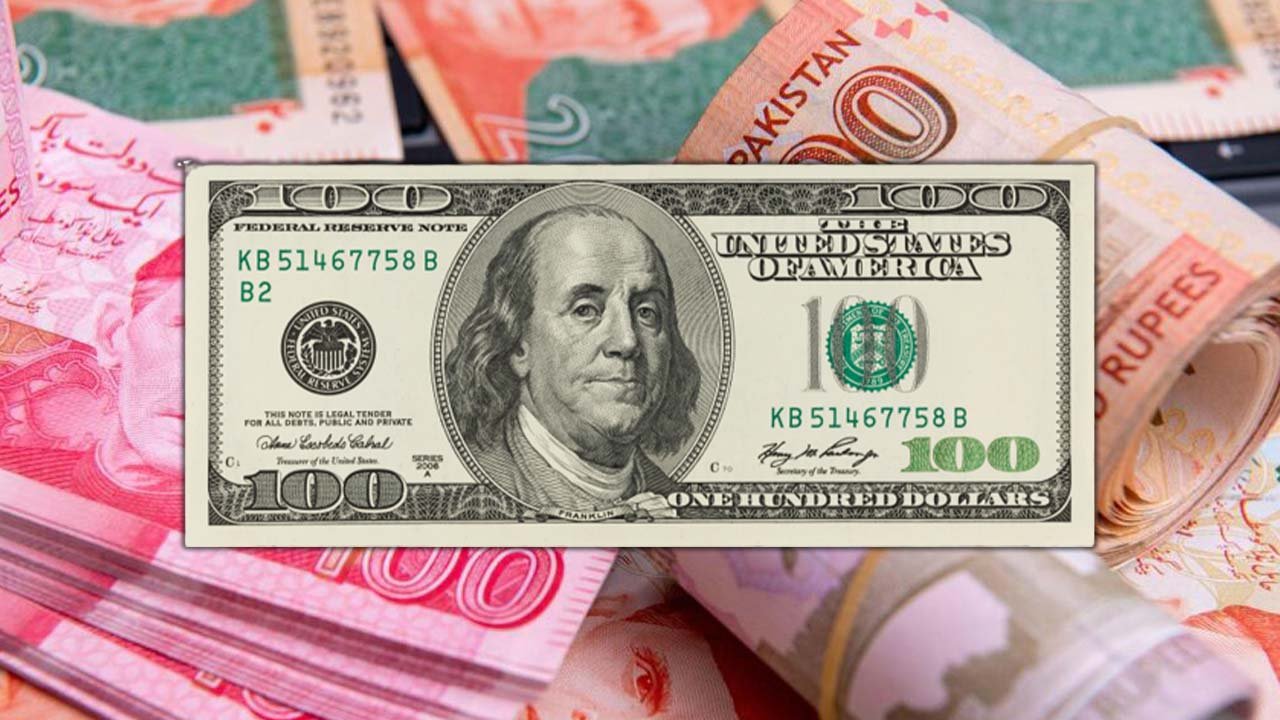
    In 2023, Pakistan faced new lows, with the Pakistani rupee hitting an all-time low, surpassing the PKR 300 mark against the US dollar in August. Foreign reserves with the State Bank of Pakistan (SBP) dwindled to a concerning $3.1 billion in January 2023. 

    The country struggled to secure funding from the IMF, leading the SBP to raise interest rates by 300 basis points to 20 per cent, the highest since October 1996. Additional taxes were introduced, accompanied by increases in gas and electricity prices. Despite occasional reductions, petrol prices remained above Rs250 per litre. 

    The Consumer Price Index (CPI) reached an unprecedented 38.0 per cent YoY in May 2023, as per the CEIC database. Although it moderated to 26.9 per cent YoY in October, essential items like milk and onions became prohibitively expensive. 

    To combat inflation, Pakistan launched a free flour scheme, particularly in Punjab, under the Ramzan package. However, a tragic stampede in Karachi in April-March resulted in over 10 casualties at a free food distribution centre. 

    In a significant development, Pakistan secured a staff-level agreement with the IMF for a $3 billion, nine-month standby arrangement (SBA). The IMF executive board is set to convene on January 11, 2024, to consider final approval for the next $700 million tranche. 

    Summing up 2023 for Pakistan, the year was marked by elevated bank credit costs, volatile energy supplies, import restrictions, political instability, and weakened law and order. While some sectors, such as sugar, fertilisers, cement, and IT services, performed relatively well, others, like textiles, automotive, and pharmaceuticals, faced considerable distress. 

    Entrepreneurs faced unprecedented challenges, with a myriad of crises affecting the business landscape. Experts described the first six months as particularly challenging, citing uncertainty, a balance of payments crisis, and a shortage of foreign exchange. 

    The latter half of the year saw some alignment of factors, but challenges persisted, including inflation, unemployment, and continued monetary policy tightening. Despite these, there was improvement in donor relationships, credit rollovers, and foreign exchange inflows. 

    The automotive industry faced an extremely challenging year with import restrictions and demand suppression contracting the market. Despite absorbing the impact, optimism prevails for long-term gains from the envisioned economic restructuring. 

    For sustainable economic growth, Pakistan must commit to fiscal prudence, structural reforms, and export diversification. Investments in human capital, especially in education and healthcare, are crucial for long-term success. 

    In the backdrop of Pakistan’s economic challenges, its relations with neighbouring countries, particularly Afghanistan and India, continue to play a pivotal role in shaping the economic landscape.

    Islamabad’s interactions with Kabul and New Delhi remain tense, adding another layer of complexity to the existing economic challenges.

    Pakistan faces persistent challenges in its relationship with Afghanistan, characterized by sporadic skirmishes along the Afghanistan-Pakistan border.

    These clashes, involving Pakistani and Taliban forces, result in temporary cross-border closures and gunfire exchanges.

    In September 2023, a key closure led to an estimated $1 million loss over one week. Diplomatic efforts to curb cross-border attacks and pressure the Taliban demonstrate the evolving nature of these regional ties.

    Furthermore, Pakistan’s implementation of the Illegal Foreigners Repatriation Plan in late 2023 triggered widespread public unrest, particularly impacting nearly 2 million undocumented Afghan refugees.

    The policy raised concerns about its implications for cross-border trade and travel, leading to protest campaigns along the Chaman-Spin Boldak border.

    Unlike the Russia-Ukraine war, the ongoing Israel-Palestine conflict has had a limited economic impact on Pakistan. The main consequence is an increased cost, which, fortunately, has remained around six per cent thus far.

    Officials in the planning ministry and the State Bank closely monitor Middle East developments, formulating strategies to mitigate potential adverse impacts on the economy.

    While the likelihood of an Arab oil embargo is low, vigilance is crucial, especially for a country with a fragile economy. Contingency plans should be in place to address various possible scenarios, considering the potential for disruptions in global markets and supply chains.

    Global conflicts and economic stability

    Conflicts worldwide, including the Russia-Ukraine war, have demonstrated the potential for disruptions in fuel and food prices. Middle East nations, as key global oil suppliers, significantly influence Pakistan’s economy.

    The intensifying Middle East conflict poses challenges, impacting oil prices, currency fragility, and potential cost escalations in goods and services.

    Given Pakistan’s historical ties with Western countries, including FDI, the conflict raises concerns about the stability of the economy. The textile industry emphasises the necessity for early elections and a stable elected government to effectively address challenges arising from the conflict.

    Business organisations, such as the Federation of Pakistan Chamber of Commerce and Industry (FPCCI), view the situation as evolving and refrain from taking a stance at this point.

    The president of Pakistan’s textile industry advocates for early elections and a stable government to address challenges effectively.

    Economists highlight Pakistan’s susceptibility to oil price fluctuations and the potential impact of the Gulf crisis on remittance inflows.

    While some businesses anticipate no major shift in consumer preferences regarding Western brands, concerns linger about negative sentiments affecting certain brands. Calls to boycott Western brands may arise, although consistent follow-through remains uncertain.

    In the midst of these regional and global challenges, Pakistan’s economic resilience is being tested. Successful navigation through these complexities requires strategic planning, continued reforms, and a steadfast commitment to stability and prosperity.
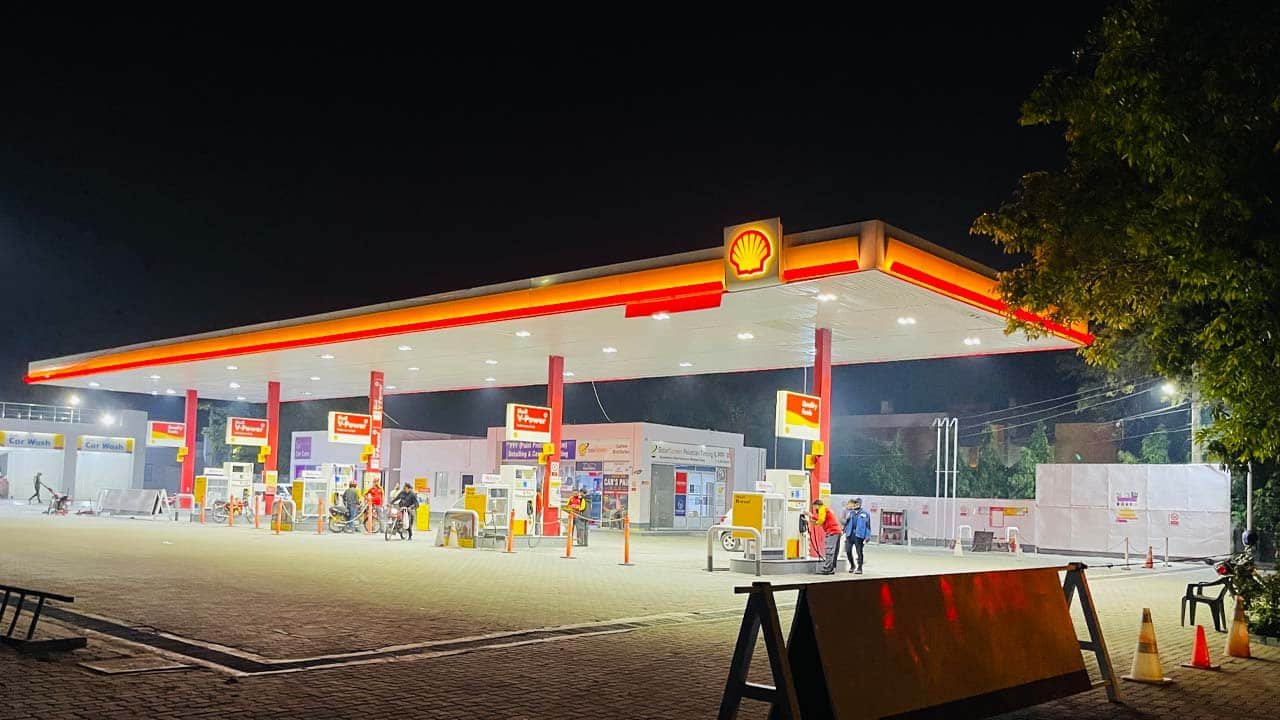

  • Slight relief for consumers: Petrol price dropped by Rs2.04 per litre

    Slight relief for consumers: Petrol price dropped by Rs2.04 per litre

    The government announced a reduction in the prices of petrol and high-speed diesel (HSD) by Rs2.04 and Rs6.47 per litre, respectively, for the upcoming fortnight.

    According to a notification from the Ministry of Finance, the revised prices for petrol and HSD now stand at Rs281.34 and Rs296.71.

    Simultaneously, there was a decrease in the prices of kerosene oil and light-diesel oil by Rs6.05 and Rs9.01 per litre, bringing their new prices to Rs204.98 and Rs180.45, respectively.

    Prior to this decision, officials had anticipated a more substantial decline in the prices of petrol and HSD, ranging from Rs8 to Rs10 per litre.
    This projection was primarily based on the recent drop in international prices.

    However, despite the decrease in global prices for both HSD and petrol over the past two weeks, the rupee experienced depreciation against the dollar in the same period, mitigating the benefit of lower international prices for consumers.

    According to officials, the international prices indicated a reduction of about $9 per barrel on average for HSD, decreasing from approximately $113 to $104 during the week.

    Similarly, the price of petrol saw a decline of one dollar, moving from $91 to $90. Conversely, the rupee depreciated by Rs6 against the dollar, falling from Rs280 to Rs286.

  • Pakistan Stock Exchange sets record at 56,665 points following strong buying activity

    Pakistan Stock Exchange sets record at 56,665 points following strong buying activity

    The Pakistan Stock Exchange (PSX) experienced a positive trading session on Tuesday, with the benchmark KSE-100 index concluding at a record high of 56,665.93 after gaining 142 points.

    The day commenced with optimistic market sentiment, but a brief shift into negative territory occurred due to profit-taking activities.

    Nevertheless, a robust surge in buying activity during the latter part of the day allowed the index to finish in positive territory, reflecting a 0.25 per cent increase or 142 points. Despite notable profit-taking during the session, the market achieved a positive closure following periods of heightened volatility.

    Key contributors to the market’s performance during the session were identified in the power generation and distribution, technology, and communication sectors, as well as the automobile assembly sector, according to the brokerage house.

    This positive trend follows Monday’s milestone, where the KSE-100 Index surpassed the 56,500 level for the first time, recording a historic gain of over 1,132 points.

    Conversely, the Pakistani rupee sustained losses against the US dollar for the 16th consecutive session, depreciating by 0.11 per cent in the inter-bank market on Tuesday.

    According to the State Bank of Pakistan, the currency settled at 287.87, indicating a decrease of Re0.32.

    Market metrics revealed a decrease in volume on the all-share index, registering 526.3 million compared to the previous session’s 660.6 million.

    However, the value of shares witnessed an uptick, reaching Rs22.4 billion from Rs21.1 billion in the preceding session.

  • IMF review puts pressure on rupee as Pakistan negotiates loan tranche 

    IMF review puts pressure on rupee as Pakistan negotiates loan tranche 

    The Pakistani rupee is anticipated to face continued depreciation against the US dollar in the upcoming week due to heightened demand from importers outweighing the supply from exporters, according to analysts.

    The situation is further complicated by the visit of the International Monetary Fund (IMF) delegation to Pakistan for a review mission, which typically results in increased volatility for the local currency.  

    The IMF’s review discussions with Pakistani authorities are expected to conclude on November 15, potentially leading to the disbursement of a second loan tranche of approximately $700 million from the IMF. 

    In the past week, the rupee experienced a 1.19 per cent decline against the US dollar in the interbank market, closing at 284.31 on Friday, compared to 280.95 at the beginning of the week. Export proceeds have slowed down, impacting the availability of dollars.  

    Additionally, new regulations in the forex market have limited banks’ ability to fund their nostros through buy-sell swaps, leading to higher forward premiums and challenges for importers in processing payments. 

    According to The News, the rupee is expected to stabilise around 285 for the coming week, with occasional fluctuations to 288 per US dollar. A potential recovery is also anticipated once the IMF completes its review. 

    Notably, there have been positive developments, such as a boost in exports to $2.7 billion in October and a decrease in consumer price index inflation from 31.4 per cent to 26.9 per cent.  

    These developments, along with a decrease in the Karachi interbank offered rate, suggest that interest rates have likely peaked in the short to medium term, which has positively impacted equity markets, with the KSE Index reaching an all-time high. 

    Equity traders are also optimistic about the IMF’s discussions with government stakeholders and the announcement of election dates. They are hoping for a resolution on circular debt, which has constrained many profitable companies in the index. 

  • Pakistan’s exports surge by 22.45% in FY23-24’s first two months, crossing Rs1.27 trillion mark

    Pakistan’s export sector has demonstrated remarkable growth, achieving a substantial 22.45 per cent increase, reaching the noteworthy milestone of Rs1.27 trillion during the initial two months of the fiscal year 2023-24 (FY23-24).

    According to data released by the Pakistan Bureau of Statistics (PBS), exports from July to August 2023 stood at Rs1.27 trillion, marking a remarkable 22.45 per cent surge compared to the Rs1.04 trillion recorded during the corresponding period the previous year.

    In a year-on-year analysis, exports in August 2023 surged by an impressive 26.75 per cent, reaching Rs695.1 billion, as opposed to the Rs548.4 billion recorded in August 2022. Furthermore, on a month-to-month basis, exports surged by 19.62 per cent when juxtaposed with the Rs581.1 billion recorded in July 2023. The textile and knitwear sector emerged as the most substantial export contributor, accounting for an impressive Rs117.8 billion.

    In contrast, imports during July and August of the fiscal year 2023-24 experienced a modest decline of 2.42 per cent, totaling Rs2.3 trillion. This is in contrast to the imports recorded at Rs2.4 trillion during the corresponding period the previous year. Of note, Pakistan’s imports in August 2023 included Rs180.6 billion worth of petroleum products, followed by crude oil and liquefied natural gas (LNG) valued at Rs119.4 billion and Rs89.8 billion, respectively.

    When analyzed on a year-on-year basis, imports into Pakistan in August 2023 displayed a marginal 0.5 per cent decrease when compared to August 2022. On a month-on-month basis, imports into the country saw a significant uptick of 27.79 per cent in August 2023 when compared to the Rs1.04 trillion worth of imports in July 2023.

    According to Geo, this surge in exports is indeed promising as it holds the potential to bolster Pakistan’s diminishing foreign exchange reserves, a much-needed development in light of the challenging economic situation stemming from the depreciation of the Pakistani rupee

  • Pakistan’s textile exports dip 6% in August 2023, posing economic challenges

    Pakistan’s textile exports dip 6% in August 2023, posing economic challenges

    Pakistan’s textile sector has experienced a continued decline in exports, with provisional data released by the All Pakistan Textile Mills Association (APTMA) indicating that in August, exports reached $1.48 billion, down by 6 per cent compared to the same month in the previous year when they stood at $1.58 billion.

    Moreover, the data reveals that Pakistan’s textile exports for the first eight months of the calendar year 2023 have seen a significant drop of 19 per cent, totaling $10.58 billion, as opposed to the $13 billion recorded during the equivalent period in 2022. This year-on-year decline raises concerns for Pakistan’s economy, especially in light of its foreign exchange shortage, which has already led to a depreciation of the rupee by more than 25 per cent in the inter-bank market since the beginning of 2023.

    However, there is a glimmer of optimism as monthly figures indicate a 13 per cent improvement in textile exports, rising to $1.48 billion in August compared to $1.31 billion recorded in July.

  • Petrol and diesel prices expected to surpass Rs300 per litre this week

    As global oil rates surge and the rupee’s value against the US dollar weakens, there are growing indications that petrol and diesel prices in Pakistan could soon breach the significant Rs300 mark. The Oil and Gas Regulatory Authority (Ogra) is reportedly contemplating recommending a substantial increase in petroleum product prices for the upcoming fortnight, in an attempt to address the challenges posed by these economic dynamics.

    Sources indicate that if the proposal is approved, petrol prices might experience a sharp upswing of around Rs12 per litre, while diesel could see an even more substantial increase of Rs14.83 per litre. These potential hikes, set to take effect from September 1, 2023, have sparked concerns about their impact on the already high inflation rate, which currently stands at 28 per cent.

    A senior official from the Energy Ministry has expressed apprehensions regarding the potential consequences of these price adjustments. Balancing the need to mitigate citizens’ financial burdens with the demands of existing agreements, the government is grappling with a challenging decision. Notably, any attempt to counteract the price hikes could put the caretaker government in a precarious situation, as it might be perceived as a default on the International Monetary Fund’s (IMF) stipulations tied to a $3 billion standby agreement (SBA) loan.

    The depreciation of the rupee against the dollar has further fueled the need for these adjustments. With the dollar’s value reaching Rs301.75 in the interbank market and around Rs319 in the open market, the impact on petroleum prices is undeniable. The authorities have decided to recalibrate their calculations, opting for a dollar rate of Rs299 to account for the recent Rs12 exchange rate impact.

    Beyond the exchange rate, the recent surge in LC (letter of credit) confirmation charges, marked by a 10 per cent increase, has also played a role in pushing petroleum prices upwards. These charges have contributed to the overall increase in the cost of PSO (Pakistan State Oil) petroleum products. Presently, Mogas (motor gasoline) is priced at Rs290.45 per litre; however, this could rise by Rs12 per litre if the recommendations are greenlit. Similarly, the price of HSD (high-speed diesel) might surge from Rs293.40 per litre to Rs308.23 per litre, assuming the proposed Rs14.83 increase goes into effect.

    According to The News, of particular concern is the potential hike in diesel prices, given its primary use in powering heavy transport vehicles, trains, and various agricultural engines. This ripple effect could raise the cost of essential commodities, putting pressure on consumers’ wallets. 

    On the other hand, a surge in petrol prices would directly affect private transportation, rickshaws, two-wheelers, and small vehicles, disproportionately impacting the budgets of middle and lower-middle-class citizens. The impending decision on petroleum prices presents a delicate challenge for the government, requiring a careful balance between economic realities, inflation concerns, and public sentiment.

  • Gold price in Pakistan jumps to Rs229,900 per tola, up by Rs3,100

    Gold price in Pakistan jumps to Rs229,900 per tola, up by Rs3,100

    Starting the week on a high note, gold prices in Pakistan increased due to the Pakistani rupee’s decline against the US dollar and a rise in global rates. 

    Recent data from the All-Pakistan Sarafa Gems and Jewellers Association (APSGJA) shows that the price of 24-carat gold increased by Rs3,100 per tola, reaching Rs229,900, and by Rs2,658 per 10 grammes, reaching Rs197,102.

    Likewise, the price of gold in the international market saw a modest $2 increase, reaching $1,891 per ounce today. 

    Over the last six sessions, the local market experienced a substantial rise of Rs8,100 per tola in gold prices.

    According to the association’s data, the price of silver remained steady at Rs2,800 per tola and Rs2,400.54 per 10 grammes.

    The PKR continued its decline against the US dollar on Monday. The local currency went down by 0.45 per cent, which is about Rs1.35, and closed the day at Rs297.13 in the interbank market, as reported by the State Bank of Pakistan.

    Gold prices in the Pakistani market are consistently rising due to the depreciation of the local unit. Analysts suggest that despite the decline in global prices, local prices remain stable owing to the strengthening US dollar.

    In the event that the PKR continues to depreciate and global prices remain subdued, local gold prices are likely to hold steady. On the contrary, if global prices surge and the Pakistani currency remains weak, gold prices in the country might witness further escalation.

  • Gold price increases to Rs209,000 per tola amid depreciation of Pakistani rupee

    Gold price increases to Rs209,000 per tola amid depreciation of Pakistani rupee

    The price of gold in Pakistan experienced a slight increase at the beginning of the week, corresponding to the devaluation of the rupee against the dollar.

    As per the data released by the All-Pakistan Sarafa Gems and Jewellers Association (APSGJA), the price of 24-carat gold rose by Rs800 per tola and Rs686 per 10 grammes, reaching Rs209,000 and Rs179,184 respectively.

    In contrast, the international market maintained a stable price for gold at $1,925 per ounce. The gold market in Pakistan has displayed volatility in recent times, influenced by ongoing political and economic uncertainties, as well as high inflation. Consequently, individuals tend to view gold as a secure investment and a hedge during such periods.

    Data provided by the association indicates that the price of silver remained unchanged at Rs2,480 per tola and Rs2,26.20 per 10 grammes. During the previous session on Saturday, the price of gold experienced a decrease of Rs200 per tola.

    Meanwhile, the local currency underwent a marginal depreciation of 0.68 per cent against the US dollar in the interbank market, as reported by the State Bank of Pakistan (SBP). The rupee concluded the day at Rs279.80 against the dollar.