Tag: rural areas

  • Rural areas in Pakistan are facing up to 10 hours of load shedding due to massive power shortfall

    Rural areas in Pakistan are facing up to 10 hours of load shedding due to massive power shortfall

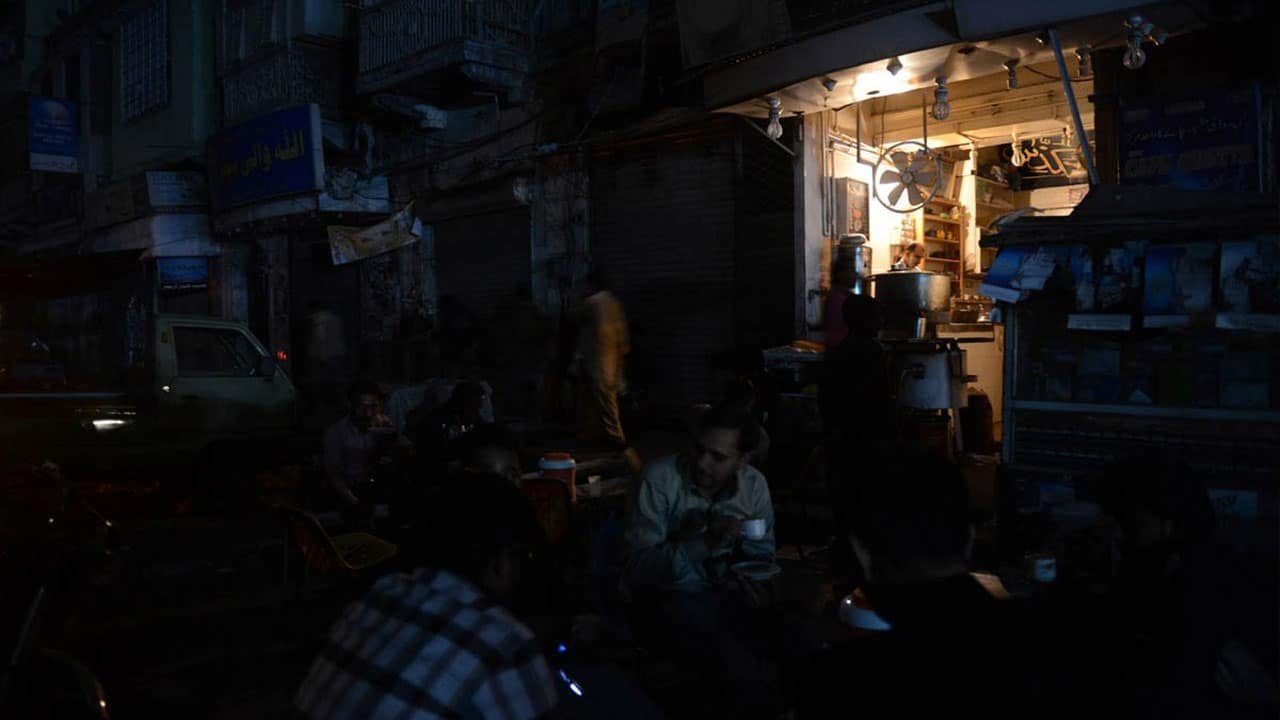
    Amidst a severe heatwave sweeping across the nation, the persistent electricity crisis shows no signs of relenting, with a power shortfall of 6,000 megawatts being recorded. The demand for electricity stands at 28,500 megawatts, while the actual production amounts to 22,500 megawatts.

    Reports indicate that cities are currently enduring load shedding periods lasting from three to five hours. In rural areas, outages are even more prolonged, stretching from eight to 10 hours, whereas urban regions experience load shedding for approximately two to four hours, according to officials from the power division.

    These officials further emphasise that the duration of load shedding is extended on feeders where there are reports of theft and outstanding recovery of line losses.

    As reported by the power division officials, the electricity production breakdown is as follows: 6,900 megawatts from hydroelectric sources, 10,800 megawatts from private power plants, 1,500 megawatts from thermal sources, and 2,300 megawatts from wind, solar, and nuclear plants.

  • Pakistan’s inflation rate surges to an all-time high, reaching 38.9% in rural areas

    Pakistan’s inflation rate surges to an all-time high, reaching 38.9% in rural areas

    According to recent reports, the finance ministry’s expectations of high inflation were met due to market frictions caused by the relative demand and supply gap of essential items, exchange rate depreciation, and recent upward adjustment of administered prices of petrol and diesel. However, there was a monthly decline in the inflation rate, which dropped to 3.7 per cent in March compared to February.

    Despite this, the inflation situation has worsened significantly over the months, causing mass distress due to the high prices of almost every edible item. The core inflation rate, which excludes volatile energy and food prices, increased in March to 18.6 per cent in urban areas and 23.1 per cent in rural areas. Experts believe that Pakistan is now heading towards hyperinflation, where prices are out of control and expected to surge by 50 per cent.

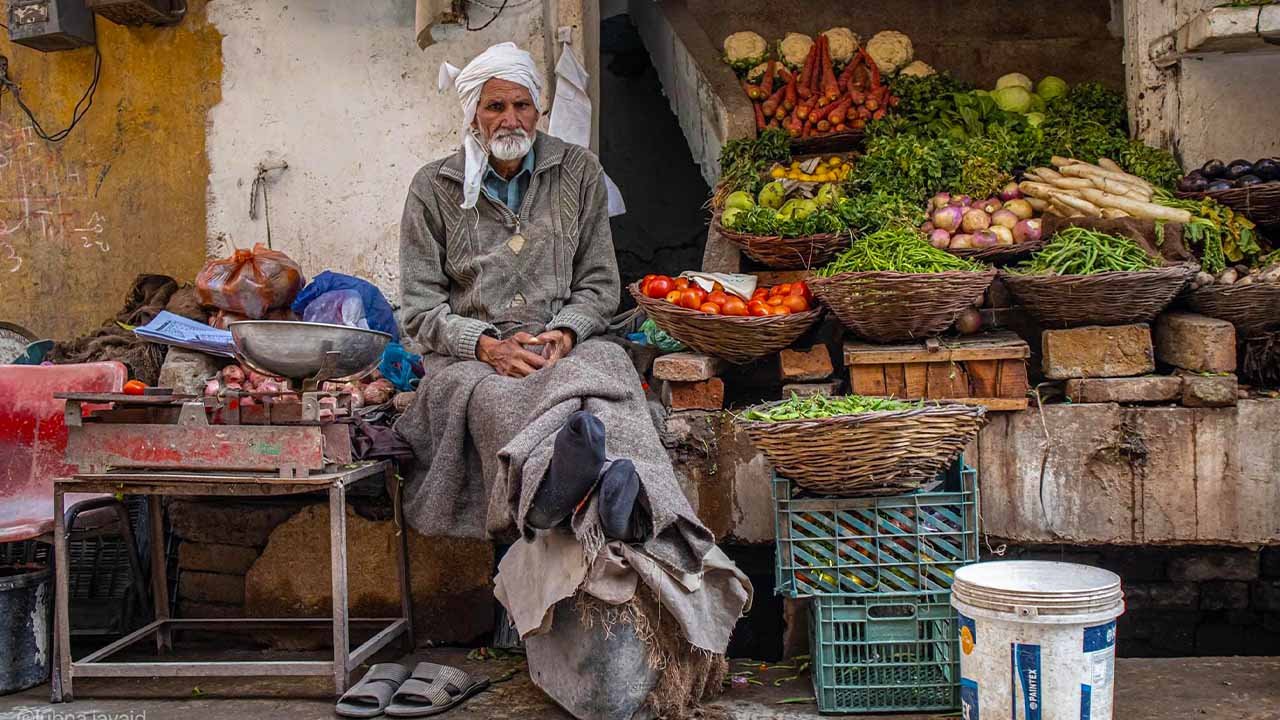
    The Pakistan Bureau of Statistics (PBS) reported that the inflation rate in rural areas reached 38.9 per cent, while it surged to 33 per cent in the cities. Food inflation rose sharply to 50.2 per cent in rural areas and increased to 47.1 per cent in urban areas last month. Supply chain disruptions and weak checks have led to a substantial rise in the food inflation rate.

    Unfortunately, both the federal and provincial governments are unable to provide steady essential food supplies, and the prices of most consumer goods remain out of reach for the people. This surge in prices coincides with a significant economic slowdown, and poverty and unemployment levels are rising.

    A majority of the surge in prices was seen in rural areas where income levels were already low. The food group prices rose by 47.15 per cent in March compared to the same month last year. Both perishable and non-perishable food items witnessed unprecedented increases in prices.

    The Wholesale Price Index (WPI), which monitors prices in the wholesale market, also rose sharply to 37.5 per cent in March compared to 23.8 per cent in the same month last year. The inflation rate has remained above 20 per cent since June after the coalition government curtailed imports.

    The overall inflation rate recorded an increase in both urban and rural areas, with urban areas surging to 33 per cent in March, while rural areas soared to 38.9 per cent over the same month last year. In March last year, the inflation rate in urban areas was 11.9 per cent, while in rural areas, it stood at 13.9 per cent.

    The non-food inflation rate increased to 24.1 per cent in urban areas and 28.5 per cent in rural areas compared to 10.4 per cent and 12.5 per cent in the same month last year. Prices of non-perishable food items surged by 46.44 per cent on an annualized basis, and the prices of perishable goods surged by 51.81 per cent year-on-year.
  • ‘I don’t think PML-N can clean sweep in elections’: Miftah Ismail

    ‘I don’t think PML-N can clean sweep in elections’: Miftah Ismail

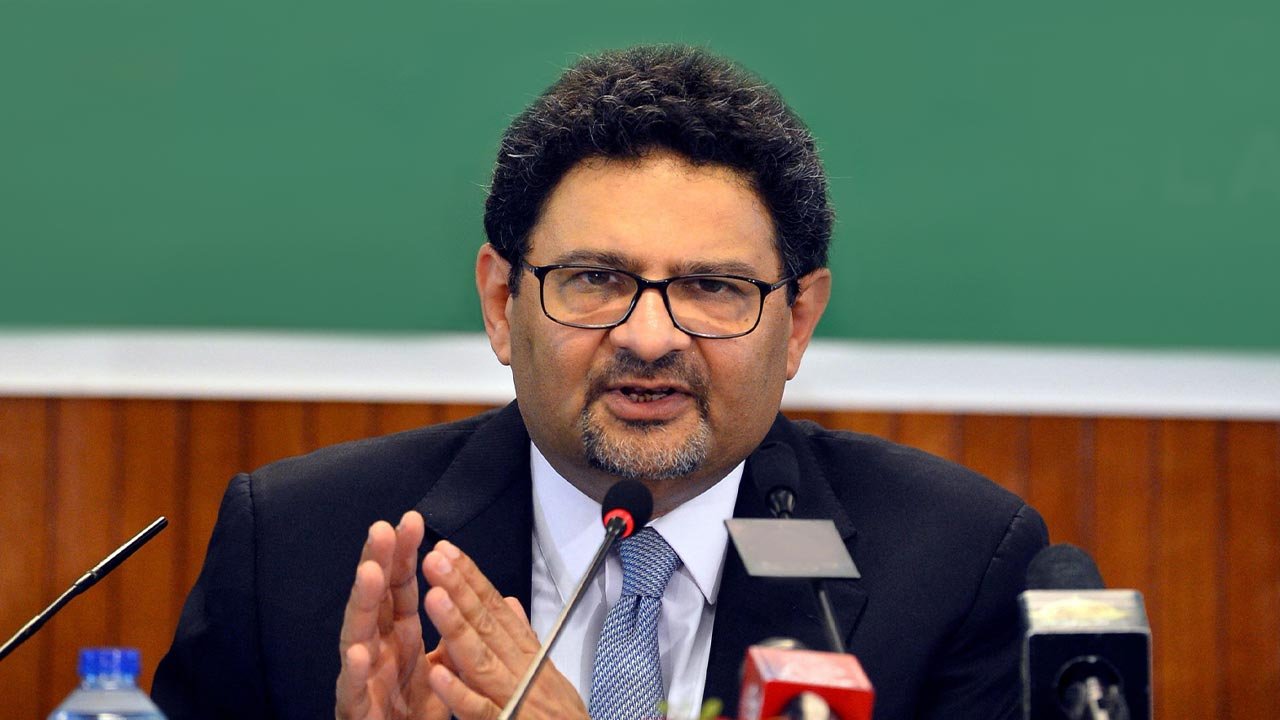
    Former Finance Minister Miftah Ismail has cast doubts over his party’s ability to sweep the upcoming general elections. In an interview with Geo News, the disgruntled Pakistan Muslim League-Nawaz (PML-N) leader said that he believed whether Pakistanis have Pakistan Tehreek-e-Insaaf (PTI) Chairman Imran Khan, PML-N supremo Nawaz Sharif, Pakistan Peoples Party (PPP) Co-Chairman Asif Ali Zardari or martial law, nothing will improve the system until “we make systemic changes”.

    Talking about the upcoming general elections, Miftah said that he doesn’t see any party sweeping the elections; however, the PML-N leader was sure that he “absolutely does not see PML-N sweeping the elections.”

    Miftah said that any political party be it PML-N, PPP or PTI needs to talk to the people of Pakistan asking them about their real problems and needs.

    “When you hear the leaders today, you hear them say that I want to be the prime minister, there is one leader who is more into I, me and myself than others but it is all about them,” he said.

    “Nobody is talking about the people of Pakistan. What about the 60 per cent of people who earn Rs40,000 a month? What about the young people who cannot find jobs? What about the people living in rural areas? What about an average Pakistani child failing in science and mathematics,” he asked.

    Declaring that nobody is talking about real solutions, Miftah Ismail slammed politics as “just a fight for power, nothing else.”

    There are no new ideas and absolutely no competence, he maintained.

  • NADRA introduces a new digital payment system to replace ATMs

    NADRA introduces a new digital payment system to replace ATMs

    The National Database and Registration Authority (NADRA) has introduced an innovative system that will serve as an alternative to automated teller machines (ATMs) and let citizens pay utility bills and identity documents.

    This development comes as a result of NADRA’s partnership with 1Link, Pakistan’s largest and fully licensed payment gateway system. The two authorities have formed a strategic alliance to evolve and administer an e-payment system that will build on NADRA’s already existing e-Sahulat franchise.

    According to DAWN, the collaboration will make it possible for the more than 17,000 e-Sahulat centers to conduct financial transfers, cash-in and cash-out transactions, as well as P2G, G2P, and P2P payments.

    NADRA Chairman Tariq Malik and 1Link CEO Najeeb Agrawal inked the agreement on Monday at the organization’s headquarters. In response to this development, Malik stated that NADRA has been trying to enhance e-governance by empowering organisations from the public and commercial sectors through its digital services.

    He asserted that one of Pakistan’s most cutting-edge digital services for financial payments is NADRA’s e-Sahulat facility.

    Through this cooperation, the more than 17,000 e-Sahulat locations operated by NADRA will be able to quadruple the capacity of more than 16,500 1Link ATMs nationwide. As was already mentioned, this will make it simple for consumers to deposit and withdraw money.

    In the future, the digital platform will also be accessible in rural Pakistan, enabling students there to continue their studies while earning money to cover their tuition.

  • Federal Shariat Court declares ‘compensation marriages’ to resolve disputes un-Islamic

    A three-judge bench, headed by Chief Justice Noor Mohammad Meskenzai, observed that the tradition of giving away a minor girl to settle disputes was against the teachings of Islam, Malik Asad reports for Dawn.

    Taking up a petition filed by Sakeena Bibi, the bench held that Ulema had come to an agreement that vani, or swara, was against the teachings of Islam.

    Swara is a tradition where girls, often minors, are given for marriage or servitude to a distressed family as compensation to solve disputes, often murder. It is a punishment decided by a jirga (group of tribal elders).

    The petitioner challenged the custom of vani for many reasons. According to the petition, the tradition which is being practiced in jirgas and panchayats seizes the fundamental rights of a woman or minor girl. The petitioner requested the court to declare this custom as illegal.

    Dr Mohammad Aslam Khaki, Jurist Consult at FSC, said vani violated at least four basic rights. According to him, since the girl is offered by the accused family, she in most of the cases is not provided with even basic facilities, hence subjected to discrimination.

    Secondly, she is wedded to a man without her consent. Thirdly, she is not entitled to dower, and fourthly, she cannot file legal suit for khula — dissolution of marriage.

    According to Dr Khaki, the legitimate way to settle a murder is payment of diyat or blood money, which is allowed in Islam. However, traditional forums especially in rural areas consider vani or swara as a legitimate way to settle disputes. But Ulema do not accept the practice as Islamic.