Tag: Russia

  • Russia supports Pakistan’s bid to join BRICS

    Russia supports Pakistan’s bid to join BRICS

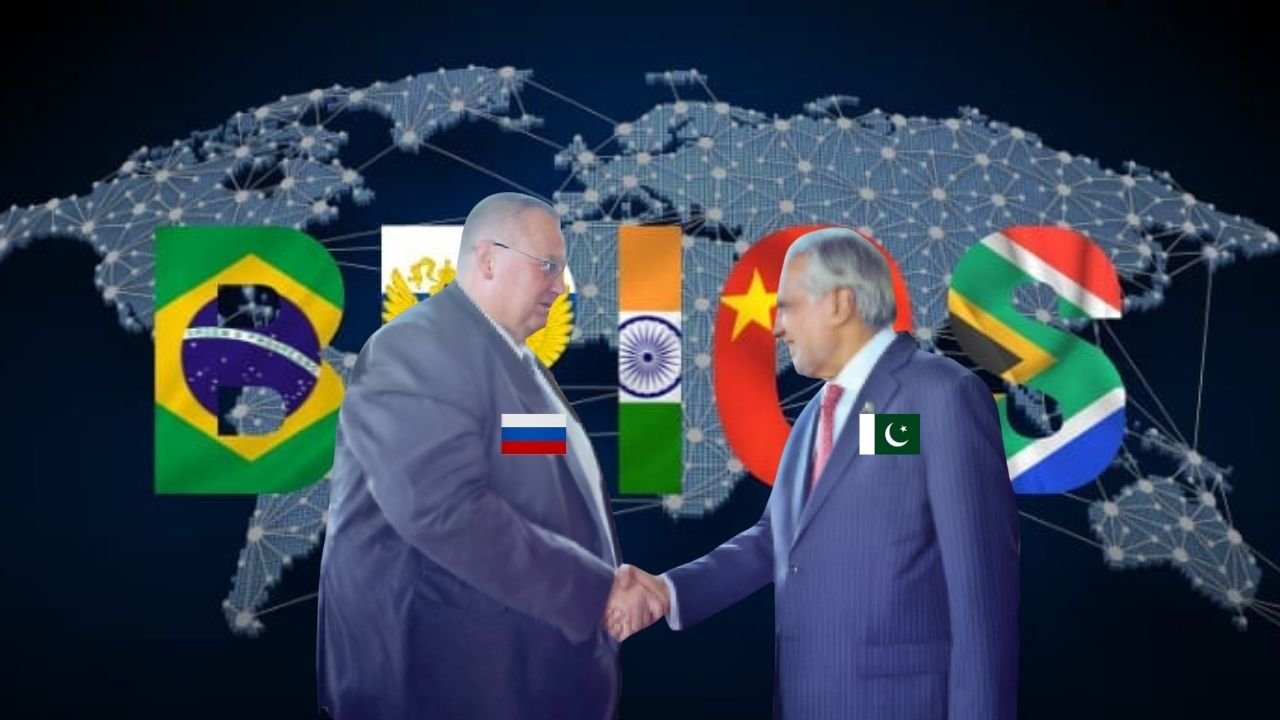
    Russian Deputy Prime Minister Alexei Overchuk on Wednesday said that his country will back Pakistan’s endeavour to join BRICS, a bloc of the world’s five major emerging economies.

    Speaking at a press conference along with Deputy Prime Minister Ishaq Dar, Overchuk said, “We would be supportive of Pakistan’s request to be part of BRICS.”

    Responding to Overchuk’s statement, Foreign Minister Ishaq Dar remarked, “Pakistan is extremely grateful for Russian support in our bid for BRICS membership.”

    Commenting on Russia’s visit to the Shanghai Cooperation Organisation (SCO) scheduled in Islamabad next month, Overchuk confirmed that Russian President Vladimir Putin will attend it.

    He also wished Pakistan to join the North-South Transport Corridor (NSTC), a Russian initiative to connect its economy with Asian countries.

    BRICS is an acronym for five of the world’s emerging economies: Brazil, Russia, India, China, and South Africa. Last year, the bloc also invited Saudi Arabia, Ethiopia, Iran, Egypt, Argentina, and the United Arab Emirates.

  • Opposites don’t attract in Russia as politics makes its mark on dating

    Opposites don’t attract in Russia as politics makes its mark on dating

    Sitting at a cafe in Moscow, Yulia swiped through a carousel of men on her phone’s dating app, trying to guess if the people in the pictures shared her views.

    “I started to include the artists that I listen to in the bio. It’s kind of a hint at my thinking,” the 21-year-old freelance photographer said, choosing her language carefully.

    Since Russia launched its full-scale military operation in Ukraine in February 2022, thousands of people have been denounced, fined or thrown in jail for expressing opposition to the conflict.

    According to opinion polls, only a minority of young people living in Russia disapprove of the offensive.

    A June poll by the independent Levada centre suggested 30 percent of 18-24 year-olds disapprove, compared with 59 percent who approve.

    For young, liberal Russians who want to avoid hooking up with hardline pro-army patriots, dating has become a minefield.

    “After 2022, I stopped giving links to any publications that I read,” Yulia said of her online dating profile.

    Gone were any articles expressing tolerance towards LGBTQ people or opposition to the Ukraine conflict — opinions that can land you in jail.

    Instead, she listed her favourite musicians as Zemfira and Monetochka, singers who have criticised Russia’s offensive in Ukraine and have been declared “foreign agents” by Moscow.

    ‘Very classy’

    The dating scene can also be tricky to navigate for those who back the offensive.

    Several groups on social media organise “patriotic meetings” for supporters of the Kremlin and military to search for potential matches offline.

    Arseny Blavatsky, a 24-year-old PR manager and self-confessed admirer of President Vladimir Putin, said he was looking for “an ideologically close partner”.

    “Since February 2022, nobody can be apolitical,” he told AFP at a speed-dating event held in a Moscow restaurant, his fourth so far.

    For Arseny, avoiding ideological conflict in a relationship is a must.

    He recalled his frustration after meeting one girl whom he called “very classy” but politically incompatible.

    “I was getting on very well with this one girl, everything was cool. On the same wavelength, the same language,” he said.

    But after Russian opposition leader Alexei Navalny died in prison in February, she became extremely upset — to his dismay.

    “She was in absolute hysterics. I told her that changed nothing between us. And she says, ‘Well, that’s it, we can’t go on’. I mean, that’s a bit rubbish, isn’t it?” he told AFP.

    After meeting a dozen girls at the speed-dating event, Arseny chose two to follow up with.

    Arseny said he doesn’t know if it’s going to work out this time.

    ‘Unexpected joy’

    To avoid encountering such differences, other young people have found partners within political movements.

    Katya Anikievich and Matvei Klestov, both 21, met in January while campaigning for Boris Nadezhdin, an opposition politician who wanted to challenge Putin in March’s presidential election.

    “Thousands of people, often my age, spoke freely. It was an unexpected joy,” Matvei said of the campaign.

    In the end, the authorities blocked Nadezhdin from running.

    But life changed for Katya and Matvei.

    Hand in hand, they have gone on to support jailed anti-offensive activists in court and taken part in gatherings to write letters to prisoners.

    “Katya shares my opinions, it makes me want to go on living,” Matvei said.

    ‘I’ll follow him’

    Maria Smoktiy and Mikhail Galyashkin also found love through politics.

    They met at a demonstration organised by the “Other Russia” party, an offshoot of the far-left National Bolshevik movement founded by the late activist and writer Eduard Limonov.

    The party backs Russia’s military operation in Ukraine. But its politics is generally more hardline than that of the government, which has sometimes brought it into conflict with the authorities.

    Maria, 18, said she gave up her Arabic studies to deliver aid to parts of eastern Ukraine controlled by Russia with the 24-year-old Mikhail, whom she called “an accomplished adventurer”.

    “When some turbulent historical events happen, you immediately realise who’s on your side and who’s on the other side,” she said, speaking to AFP in the kitchen of their small Moscow flat.

    The couple have travelled a lot in Russia and organised unauthorised demonstrations that have often landed Mikhail in prison for a few days.

    “Setting up barricades, having a family, I want to do everything with him,” Maria said, stroking a bust of Lenin on the table with one hand.

    “I’ll follow him all the way to Siberia,” she added.

    “Maria is a diamond like no other in the world,” Mikhail replied, unabashedly proud.

    But for some in Moscow, the adage that opposites attract still applies.

    Lev, a 28-year-old salesman at a patriotic bookshop in Moscow, and Yevgenia, а 20-year-old English teacher, say they found love even though they are ideologically opposed.

    A “stubborn conservative” by his own admission, Lev said he was about to marry a “liberal open to the West”.

    “She contradicts me and I often take her side,” he confessed, surprised.
  • Gunmen attack Churches, Synagogues in Russia

    Gunmen attack Churches, Synagogues in Russia

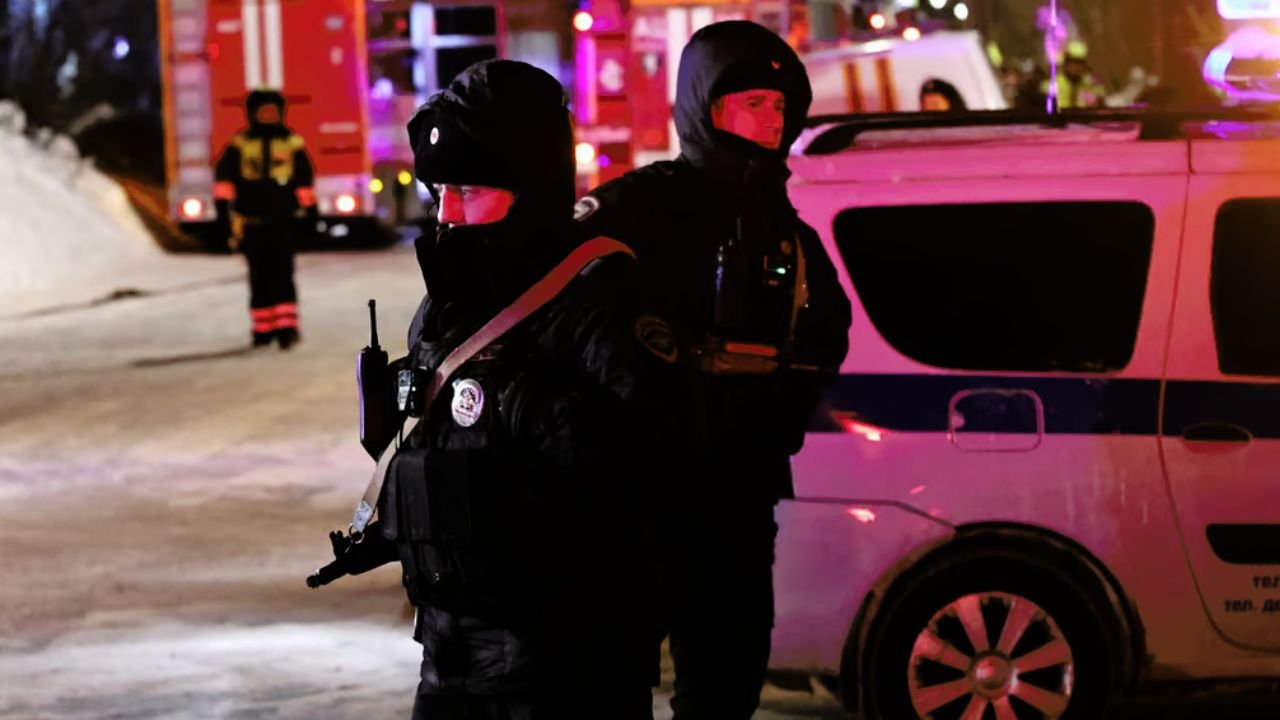
    Gunmen attacked churches and synagogues in Russia’s North Caucasus region of Dagestan on Sunday, killing at least eight police and national guard officers and a priest, officials said.

    The unidentified gunmen launched simultaneous attacks in Dagestan’s largest city of Makhachkala and in the coastal city of Derbent.

    Russia’s Investigative Committee said it had opened criminal probes over “acts of terror” in Dagestan, a largely Muslim region of Russia neighbouring Chechnya.

    The leader of Dagestan, Sergei Melikov, wrote on Telegram: “This evening in Derbent and Makhachkala unknown (attackers) made attempts to destabilise the situation in society.”

    “We know who is behind these terrorist attacks and what objective they are pursuing,” he added later, without specifying but referring to the war in Ukraine.

    “We must understand that war comes to our homes too. We felt it, but today we face it,” he said.

    Melikov said the “active phase” of operations in Derbent and Makhachkala had ended and that “six bandits have been liquidated”.

    The authorities will try to find “all the members of these sleeper cells who prepared (the attacks) and who were prepared, including abroad”, he added.

    Russian officials said police had killed four gunmen in Makhachkala and two in Derbent.

    Patriarch Kirill, head of the Russian Orthodox Church and a fervent supporter of the Kremlin, said the “enemy” was seeking to destroy “inter-religious peace” in Russia, without naming who was responsible.

    The attacks targeted “two Orthodox churches, a synagogue and a police checkpoint”, the National Anti-terrorism Committee said in a statement to RIA Novosti news agency.

    “As a result of the terrorist attacks, according to preliminary information, a priest from the Russian Orthodox Church and police officers were killed.”

    The Russian Orthodox Church said archpriest Nikolai Kotelnikov was “brutally killed” in Derbent.

    In all, six officers were killed and 12 wounded in the attacks, the spokeswoman for Dagestan’s interior ministry, Gayana Gariyeva, told RIA Novosti.

    The ministry later added that a local police chief had died from his wounds.

    Russia’s National Guard meanwhile said one of its officers had been killed in Derbent and several others wounded.

    The Dagestan interior ministry said a total of 16 people, including 13 police officers, were wounded in the attacks.

    In a separate incident, the ministry said gunmen had also shot at a police car in the village of Sergokal, 65 kilometres (40 miles) from Makhachkala, wounding one officer.

    Synagogues on fire

    Sunday is a religious holiday, Pentecost Sunday, in the Russian Orthodox Church.

    Dagestan’s interior ministry said 19 people took shelter inside a church in Makhachkala and were later led out to safety.

    Gunmen also attacked synagogues in both cities.

    “The synagogue in Derbent is on fire,” the chairman of the public council of Russia’s Federation of Jewish Communities, Boruch Gorin, wrote on Telegram.

    “The synagogue in Makhachkala has also been set on fire and burnt down,” he said.

    The rabbi of Makhachkala, Rami Davidov, later told RIA Novosti that no one was killed or injured there.

    The Russian Jewish Congress said on its website the Derbent synagogue was attacked about 40 minutes before evening prayers.

    Gunmen fired at police and security guards and threw in Molotov cocktails, it said, adding that the attack in Makhachkala was similar.

    State news agency TASS cited a law enforcement source as saying the “gunmen who carried out attacks in Makhachkala and Derbent are supporters of an international terrorist organisation”, without naming it.

    Russia’s FSB security service in April said it had arrested four people in Dagestan on suspicion of plotting the deadly attack on Moscow’s Crocus City Hall concert venue in March, which was claimed by the Islamic State group.

    Militants from Dagestan are known to have travelled to join IS in Syria, and in 2015, the group declared it had established a “franchise” in the North Caucasus.

    Dagestan lies east of Chechnya, where Russian authorities battled separatists in two brutal wars, first in 1994-1996 and then in 1999-2000.

    Since the defeat of Chechen insurgents, Russian authorities have been locked in a simmering conflict with Islamist militants from across the North Caucasus that has killed scores of civilians and police.

  • Putin takes oath for record fifth presidential term

    Putin takes oath for record fifth presidential term

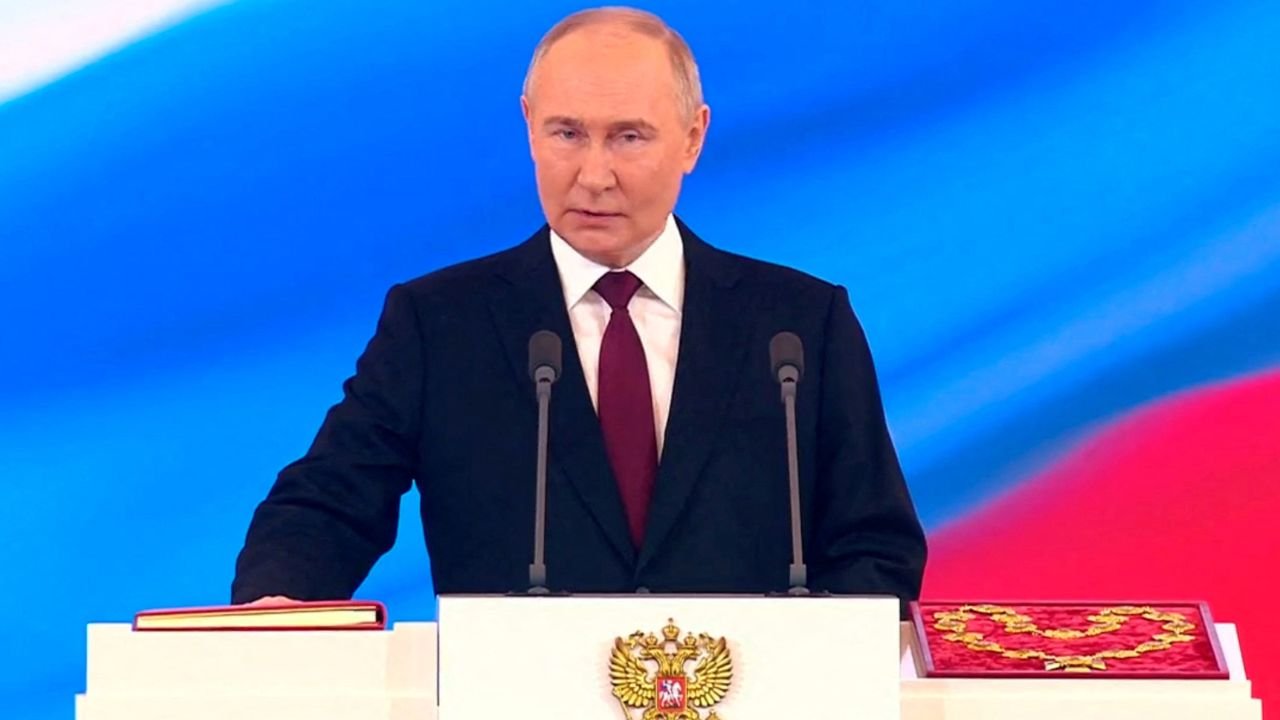
    Russian President Vladimir Putin was Tuesday sworn into office at a lavish Kremlin ceremony for a record-breaking fifth term with more power than ever before.

    The 71-year-old has ruled Russia since the turn of the century, securing a fresh six-year mandate in March after winning presidential elections devoid of all opposition.

    ‘Together we will win’: Putin tells Russians at inauguration

    Vladimir Putin said Tuesday that Russia would pass through the current “difficult” period stronger and emerge victorious, as he took power for a record fifth presidential term.

    “We will pass through this difficult period with dignity and become even stronger,” Putin said at his inauguration ceremony, adding: “We are a united and great nation, and together we will overcome all obstacles, realise everything we have planned, and together, we will win.”

  • More war debris in Gaza than Ukraine: UN

    More war debris in Gaza than Ukraine: UN

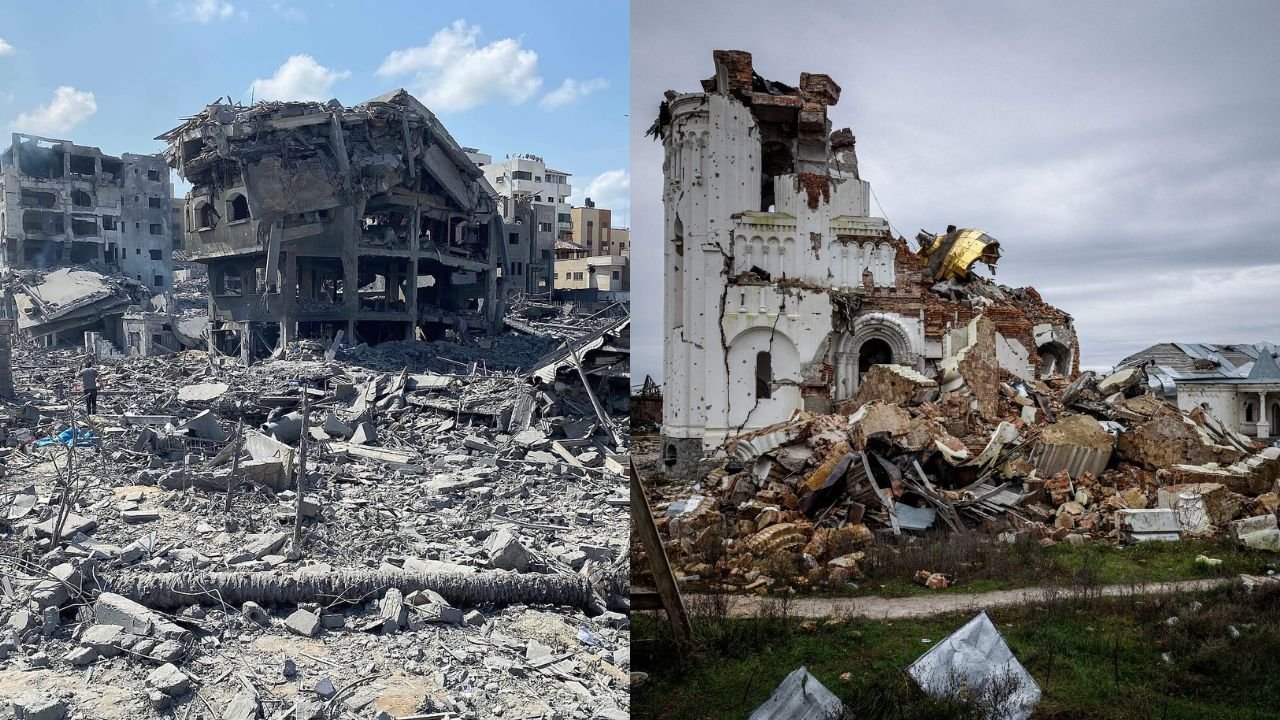
    Geneva (AFP) – The Gaza Strip is filled with more war debris and rubble than Ukraine, the head of UN demining operations for the narrow Palestinian territory said Wednesday.

    And the danger for clearance work is restricted not just to unexploded ordnance but includes possible exposure to toxic substances such as asbestos.

    The United Nations Mine Action Service (UNMAS) estimated the amount of debris in Gaza at 37 million tonnes in mid-April, or 300 kilogrammes per square metre.

    “Gaza has more rubble than Ukraine, and to put that in perspective, the Ukrainian front line is 600 miles (nearly 1,000 kilometres) long, and Gaza is 25 miles (40 km) long,” said Mungo Birch, head of the UNMAS programme in the Palestinian territories.

    But the sheer volume of rubble is not the only problem, said UNMAS.

    “This rubble is likely heavily contaminated with UXO (unexploded ordnance), but its clearance will be further complicated by other hazards in the rubble,” Birch told journalists.

    “There’s estimated to be over 800,000 tonnes of asbestos, for instance, alone in the Gaza rubble.” The cancer-causing mineral used in construction requires special precautions when handling.

    Birch said he hoped UNMAS, which works to mitigate the threats posed by all types of explosive ordnance, would become the coordination body for mine action in Gaza.

    It has secured $5 million of funding but needs a further $40 million to continue its work in Gaza over the next 12 months.

    However, “the sector as a whole will need hundreds of millions of US dollars over multiple years in order to make Gaza safe again for the population”, Birch added.

    Israel’s retaliatory offensive has killed at least 34,568 people in Gaza, mostly women and children, according to the health ministry.

  • Canadian who died in Cuba mistakenly buried in Russia

    Canadian who died in Cuba mistakenly buried in Russia

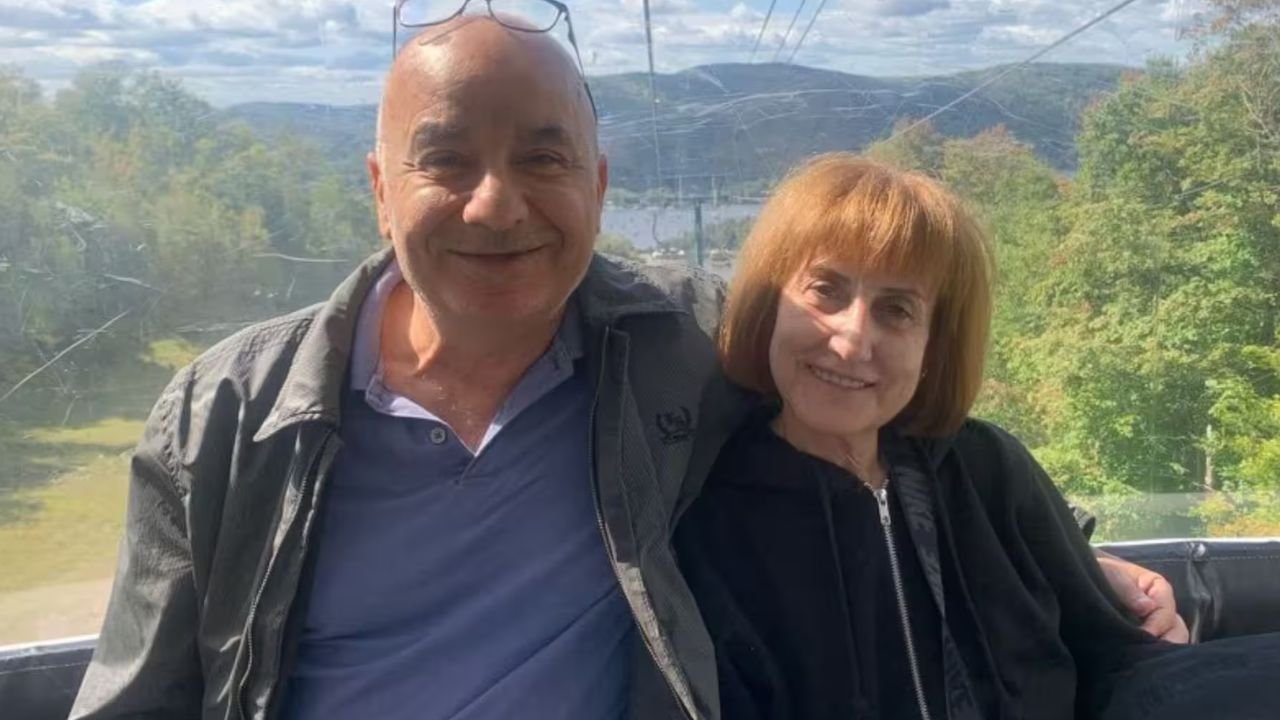
    A Canadian man who died in Cuba last month was mistakenly buried in a Russian town north of Moscow, and officials on Friday were scrambling to repatriate his body.

    A government source who was not authorized to speak on the matter told AFP it had been a challenge to determine what had happened to the body of Faraj Allah Jarjour.

    Efforts were now being made to bring his body back to Canada, the official said, after it was found that two bodies had been switched in Cuba before being sent to the wrong countries.

    Jarjour, originally from Syria, was vacationing in Varadero, Cuba, when he died suddenly during a swim in the ocean in late March.

    His remains were believed to have been sent to Canada, but mortuary technicians in Quebec tasked with preparing the body for burial discovered the man in the coffin looked nothing like a photograph his family provided.

    The cadaver, public broadcaster CBC reported, had a full head of hair, tattoos and looked 20 years younger.

    Jarjour, who landed in Canada in 2016 after fleeing war in Syria, was 68 years old and had no hair.

    Cuban Foreign Affairs Minister Bruno Rodriguez apologized to the family for the mix-up, describing it in a social media post as “an unfortunate incident.”

    His Canadian counterpart, Melanie Joly, said she “shares the utmost concern for the unimaginable situation his family faces.”

    “They’re going to un-bury him and send him to Canada,” Jarjour’s daughter Miriam told CBC. “It’s not a good situation, but we don’t have a choice. It’s not in our control. We can only be patient.”

  • Teenager muslim ‘hero’ credited for saving more than 100 in Moscow attack

    Teenager muslim ‘hero’ credited for saving more than 100 in Moscow attack

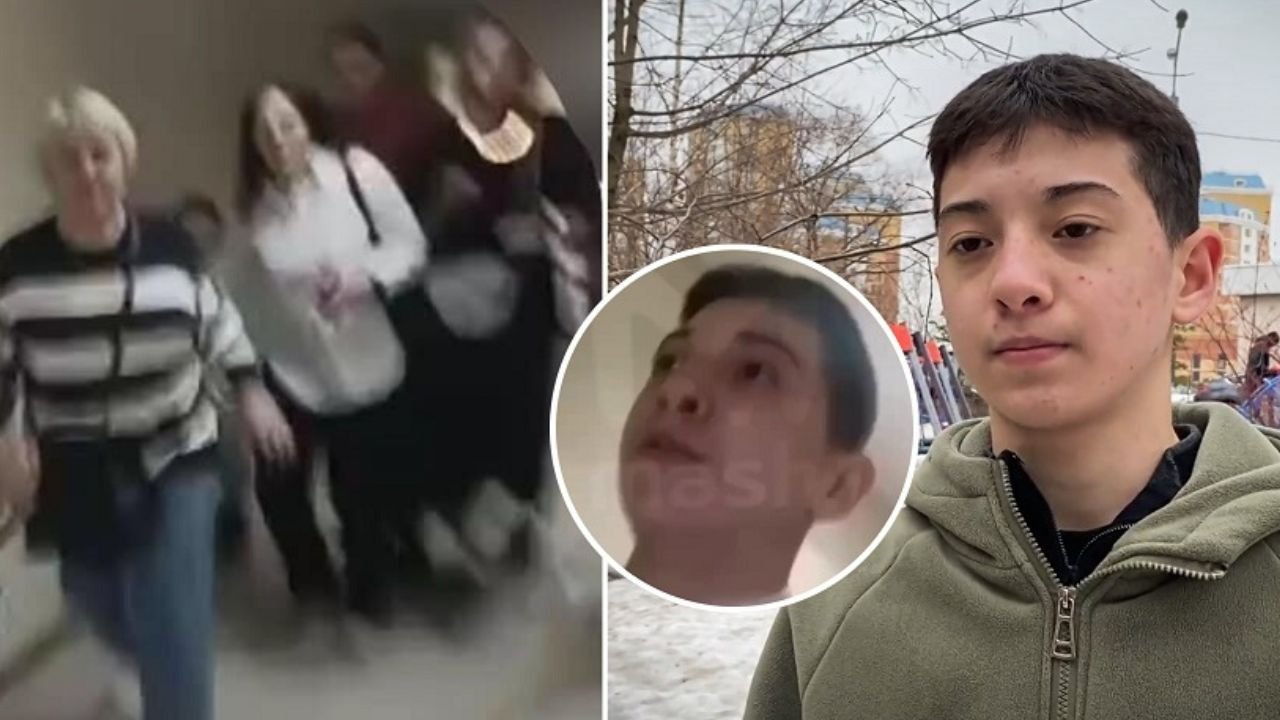
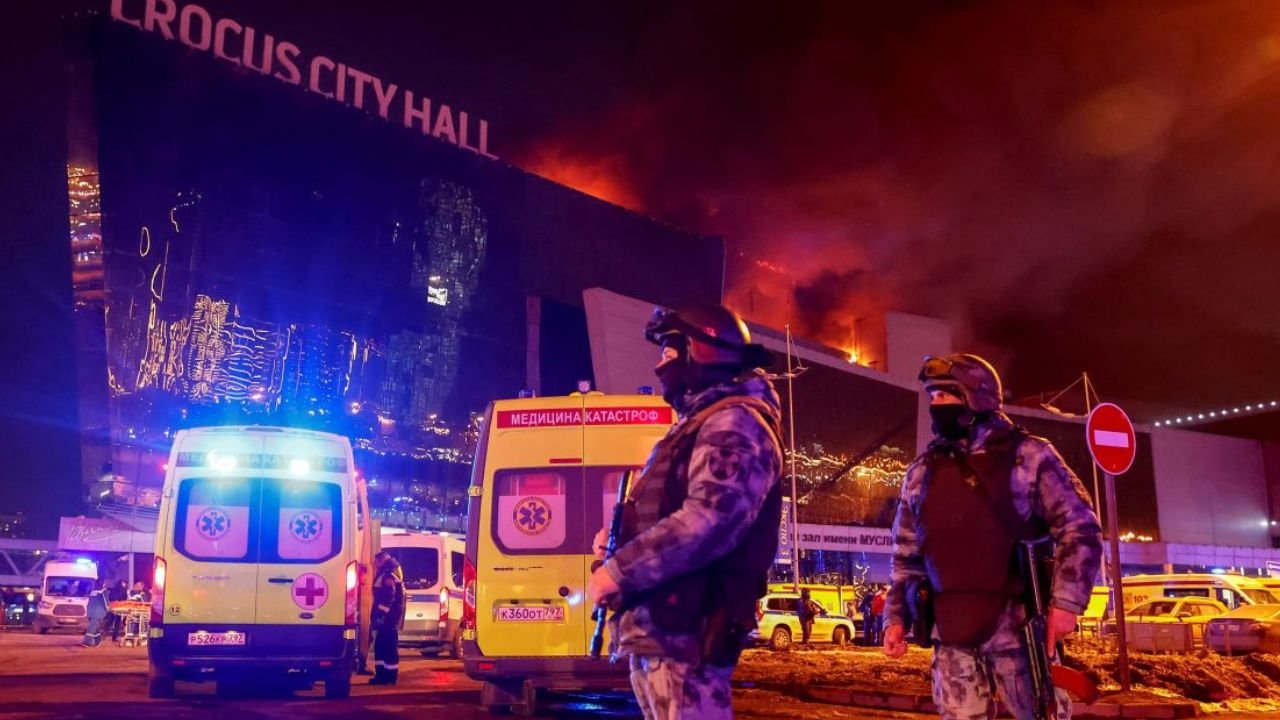
    A 15-year-old boy is being credited with saving over 100 people from the terrorist massacre at a Moscow concert hall on Friday.

    The teen, Islam Khalilov, who worked as a cloakroom attendant at the Crocus City Hall, quickly moved to open doors and provide exits when he saw a large crowd of people running from the besieged concert hall.

    “At first we heard some strange sounds on the first floor. We thought maybe some noisy group had come,” he explained later in an interview, according to the Daily Mail. “I understood that if I didn’t react, I would lose my life and the lives of many people,” he added.

    “We were shown and told where to send people if something happened. I knew where to take people to keep them safe,” Khalilov said.

    Islam recalled seeing one of the terrorists and how it scared him. “To be honest I don’t consider myself a hero. It was part of my job. It is better to sacrifice oneself than allow a hundred people to die,” the boy stated in a humble tone while talking to Al Jazeera.

    Russian children’s rights commissioner awarded Khalilov and 14-year-old Artyom Donskov-who was also working at the venue during the attack-with an official thank-you letter from the government.

    Russia’s Council of Muftis announced that it would award Khalilov with the Medal for Merit, the highest award of Russia’s Islamic community in the upcoming Friday prayer at Moscow’s Cathedral Mosque, reports The Moscow Times.

    At least 139 people were killed in last Friday’s attack. Russian authorities have arrested 11 suspects, four of whom they say were directly involved in the massacre.

  • Russia claims West aided Moscow attackers

    Russia claims West aided Moscow attackers

    The head of Russia’s FSB security agency claimed Tuesday that Western and Ukrainian special services had aided the attackers who stormed a Moscow concert hall last week, killing dozens.

    Russia continues to allege Ukraine was somehow involved in Friday’s massacre, even after President Vladimir Putin acknowledged “radical Islamists” had carried it out.

    “We believe the action was prepared both by the radical Islamists themselves and, of course, facilitated by Western special services, and Ukraine’s special services themselves have a direct connection to this,” FSB head Alexander Bortnikov was cited as saying by Russian news agencies.

    He also repeated the Kremlin’s claim that the attackers tried fleeing over the Ukrainian border, an assertion that Kyiv has called absurd.

    “I’ll let you in on a little secret: they were going to be greeted as heroes on the other side,” Bortnikov said.

    He added that while Russia understood who organised the attack, “the one who ordered it has not been identified yet”.

    He did not provide evidence for his assertions and Ukraine has vehemently denied any role.

    Islamic State jihadists have said several times since Friday that they were responsible, and IS-affiliated media channels have published graphic videos of the gunmen inside the venue.

  • Hamas welcomes China, Russia veto of US-backed Gaza resolution

    Hamas has reportedly shown “appreciation” as Russia and China vetoed a US-led draft resolution on a Gaza ‘ceasefire’ at the UN Security Council on Friday.

    The United States proposed a resolution endorsing “the urgent need for an immediate and enduring ceasefire” and, notably, condemning the October 7 attack carried out by Hamas for the first time.

    “We express our appreciation for the position of Russia, China and Algeria who rejected the biased American resolution of aggression against our people,” the Hamas said in a statement.

    They added that the draft consists of “misleading wording that is complicit” with Israel and “grants it cover and legitimacy to commit a genocidal war against the Palestinian people in the Gaza Strip.”

    On the other hand, prior to the vote, Russia’s ambassador to the UN, Vassily Nebenzia, urged members against endorsing the resolution, deeming it as “excessively politicized” and implying it endorsed Israeli military operations in Rafah, Gaza, where more than half of its 2.3 million residents sought shelter in camps to escape the Israeli offensive in the northern regions.

    Nebenzia asserted that several non-permanent Security Council members had crafted an alternative resolution, which he portrayed as a fair proposal, calling on all members to support it.

  • Iran Launches Imaging Satellite From Russia

    Iran Launches Imaging Satellite From Russia

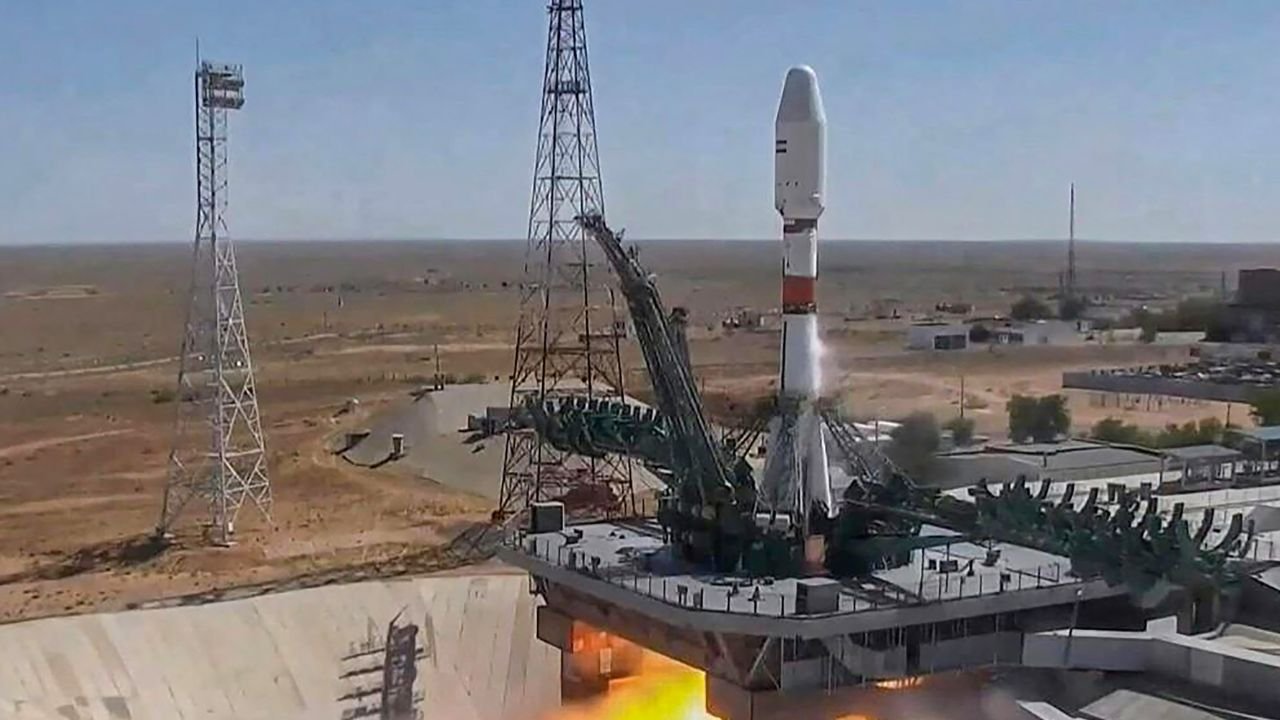
    Iran announced on Thursday the launch of a remote sensing and imaging satellite into orbit from Russia, according to state media.

    The launch of “Pars-I” with the Russian Soyuz-2.1b launcher was broadcast live by state television in Iran.

    The satellite was launched “from Russia’s Vostochny launch base”, some 8,000 kilometres (5,000 miles) east of Moscow, according to the official IRNA news agency.

    Iran’s telecommunications minister Issa Zareppur said “Pars-I” was “fully domestically developed” in Iran, which he said carried out a dozen satellite launches over the past two years.

    In January, Iran said it simultaneously launched three satellites into orbit, nearly a week after the launch of a research satellite by its Revolutionary Guards.

    Western governments including the United States have repeatedly warned Iran against such launches, saying the same technology can be used for ballistic missiles, including ones designed to deliver a nuclear warhead.

    Iran has countered that it is not seeking nuclear weapons and that its satellite and rocket launches are for civil or defence purposes only.

    In August 2022, Russia launched Iran’s remote-sensing Khayyam satellite into orbit from Kazakhstan amid controversy that Moscow might use it to boost its surveillance of military targets in its war in Ukraine.

    Moscow has sought to strengthen its alliances with other countries ostracised by the West, including Iran, which has been accused of supplying Moscow with armed drones for its offensive in Ukraine.

    This month, the United States said it would soon impose new sanctions on Iran over its backing for Russia’s invasion of Ukraine.

    Tehran denies the allegations.