Tag: Russia

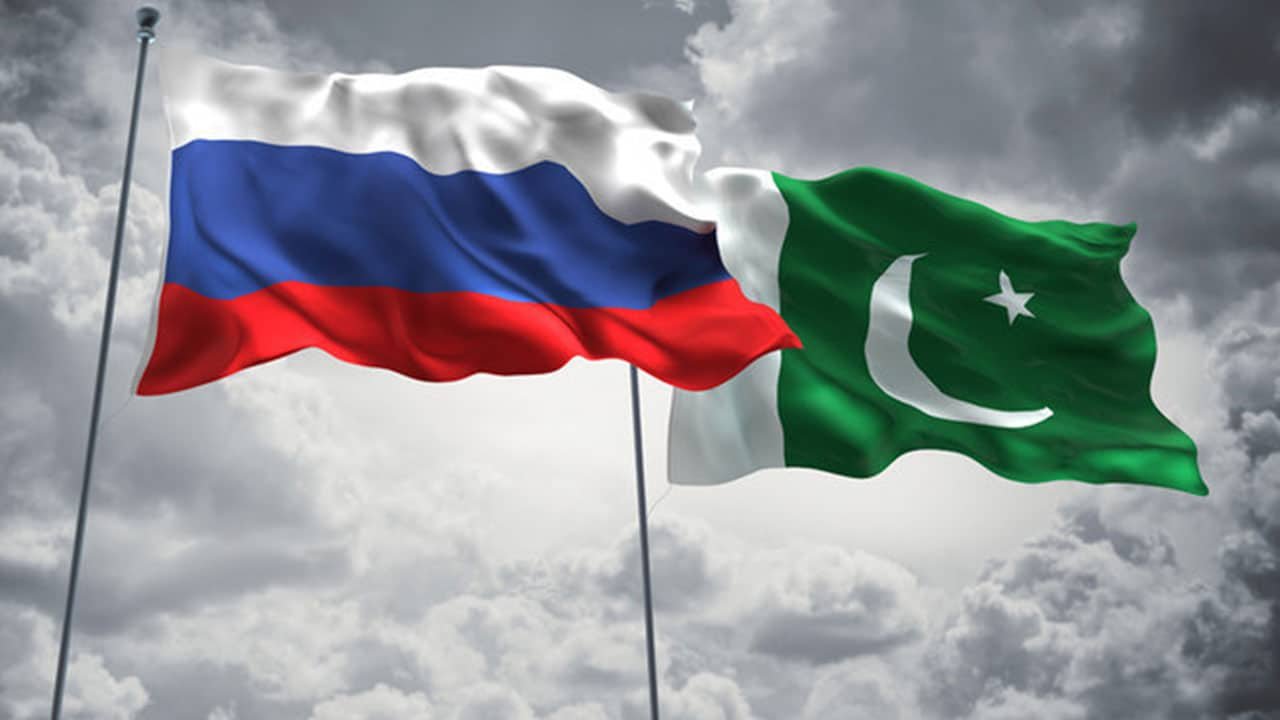
  • Pakistan and Russia aim to strengthen bilateral relations in trade, investment, and energy sectors

    Pakistan and Russia aim to strengthen bilateral relations in trade, investment, and energy sectors

    In an effort to strengthen bilateral relations between Pakistan and Russia, Chairman Senate Muhammad Sadiq Sanjrani engaged in productive talks with Chairman of the Russian Duma, Mr Volodin, during a delegation-level meeting held in Moscow on Wednesday.

    The discussion encompassed various areas of mutual interest and emphasised the significance of parliamentary exchanges in fostering effective diplomacy.

    A press release issued by the Pakistan embassy in Moscow highlighted the consensus reached during the meeting. Both sides expressed their commitment to enhancing parliamentary interaction between the two nations. This step is expected to bolster bilateral ties and pave the way for increased cooperation in trade, investment, and energy sectors.

    Chairman Sanjrani reiterated Pakistan’s dedication to strengthening relations with Russia across all domains of mutually beneficial cooperation. Trade, investment, and energy were particularly emphasised as key areas for future collaboration.

    The significance of continued cooperation in international forums, such as the United Nations and the Shanghai Cooperation Organisation (SCO), was also acknowledged and agreed upon by both parties.

    During the talks, Chairman Sanjrani extended an invitation from the Speaker of the National Assembly of Pakistan to Chairman Volodin, inviting him to visit Pakistan. In a positive response, Chairman Volodin accepted the invitation, reflecting the willingness of both countries to further solidify their ties.

    The meeting between Chairman Senate Sanjrani and Chairman Volodin serves as a significant milestone in the diplomatic efforts between Pakistan and Russia. It highlights the mutual desire to strengthen bilateral relations and lays the groundwork for increased cooperation in various fields, including trade, investment, and energy.

    The forthcoming visit of Chairman Volodin to Pakistan is expected to further enhance the ties between the two nations and open new avenues for collaboration.
  • Pakistan to receive $10 billion investment in refinery sector soon

    Pakistan to receive $10 billion investment in refinery sector soon

    Minister of State for Petroleum, Musadik Malik, announced that Pakistan will soon receive a $10 billion investment in its refinery sector. The investment, to be inaugurated by Prime Minister Shehbaz Sharif, holds significant details that cannot be disclosed at this time, according to Malik’s statement at a ceremony.

    This development follows the approval of a new refinery policy by the current government, which aims to incentivise greenfield investment.

    Malik emphasised the need for sustained GDP growth of 5 per cent in Pakistan’s growing population. To achieve this, he stated that an annual energy sector growth rate of 7.5-10 per cent is necessary. As part of this plan, the government aims to establish a comprehensive energy agreement with Central Asian countries and Russia, which will be made public by the end of the year.

    Additionally, Pakistan intends to leverage its historical ties with the Gulf Cooperation Council (GCC) countries for trade and commerce, including meeting energy needs such as LNG and petroleum products.

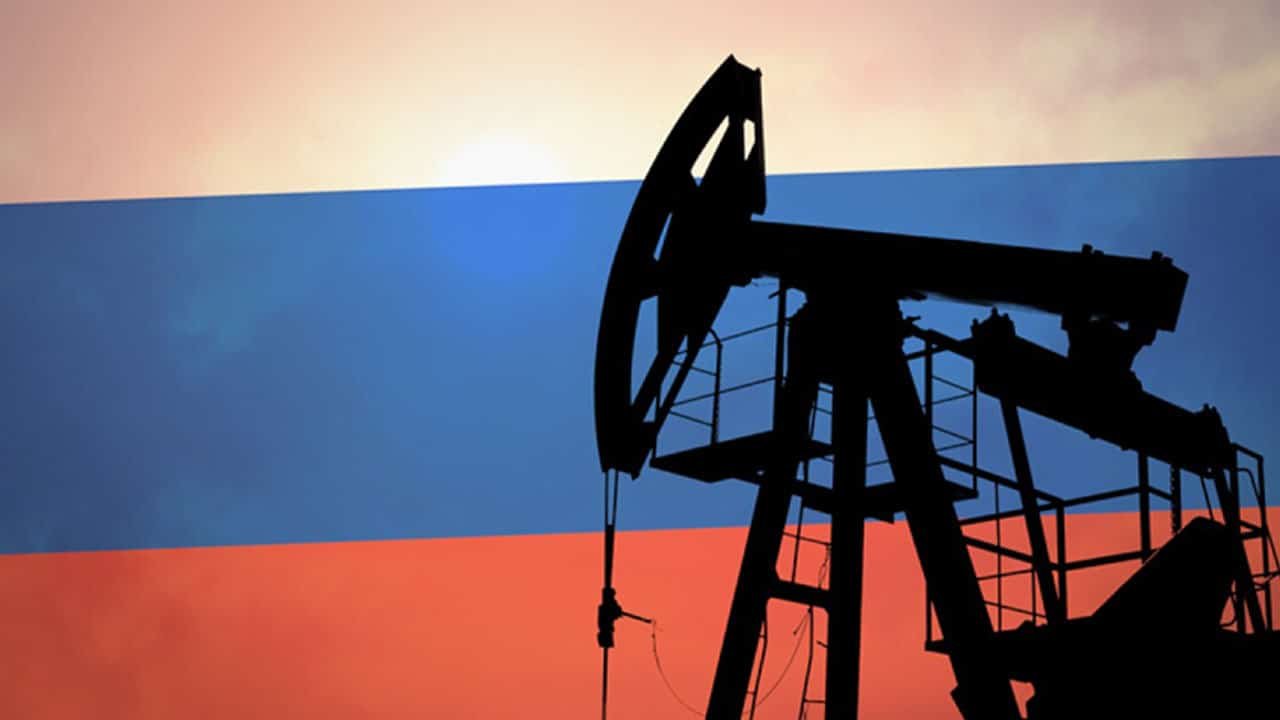
    The government also plans to open energy corridors with Central Asia and the GCC countries. Malik highlighted the significance of purchasing crude oil from Russia, stating that it will have a transformative impact on Pakistan, leading to industrial proliferation. The goal is to establish small industrial areas in rural regions to promote value addition.

    Malik underscored that Pakistan possesses the necessary infrastructure, labour force, and technology to present itself as an attractive investment destination. He emphasised the government’s efforts to enhance border enforcement to curb oil smuggling from Iran, expressing confidence that the flow of smuggled oil will reduce in the coming days.

    In an off-camera meeting with media persons, the minister revealed that vessels carrying 100,000 tonnes of discounted Russian oil will arrive at Pakistan’s ports in the first week of June as part of the government’s energy security plan. The oil will be transported from Oman port to Pakistan in smaller vessels within seven to ten days. Malik assured that although transportation costs may increase slightly, the impact will be minimal.

  • Strengthening economic ties: Pakistan expects substantial benefits from trade agreement with Russia

    Strengthening economic ties: Pakistan expects substantial benefits from trade agreement with Russia

    Pakistan and Russia have successfully concluded a bilateral trade agreement during a three-day economic conference in Kazan, Russia. The deal aims to streamline trade operations and reduce costs between the two nations, strengthening economic ties.

    The agreement includes provisions that benefit Pakistan’s economy. It facilitates the smooth movement of goods and offers Pakistani products a customs duty discount upon entering the Russian market. This tariff reduction presents an opportunity for Pakistani exporters to enhance their competitiveness and expand their presence in Russia.

    The protocol also establishes administrative cooperation and information exchange within the framework of the unified Tariff Preferences of the Eurasian Economic Union. This approach will promote efficient customs procedures and create a conducive business environment, bolstering trade relations between Pakistan and Russia.

    Pakistan’s Commerce Minister, Naveed Qamar, represented the country at the conference and engaged in discussions and negotiations. He met with Rustam Minnikhanov, the leader of Tatarstan, Russia, to strategize measures for enhancing trade and economic relations. The minister also networked with influential business figures, strengthening Pakistan’s outreach in the global business community.

    According to Dawn, the signing of this landmark protocol signifies a vital step forward in establishing the necessary legal framework for commercial relations between Pakistan and Russia. Minister Qamar expressed satisfaction with the improvement in trade and political relations between the two nations. Both countries have made substantial strides in enhancing their trade and political ties, particularly in the oil and gas trade sector.

    With the bilateral trade agreement in place, Pakistan stands to reap substantial economic benefits. The provisions, including customs duty discounts and streamlined procedures, offer new opportunities for Pakistani businesses to expand their market presence and capitalize on the growing demand in Russia. This agreement also paves the way for stronger political and diplomatic ties between Pakistan and Russia, fostering long-term economic growth and cooperation.

  • Pakistan to pay for Russian oil in Chinese yuan, shipping expected in June

    Pakistan to pay for Russian oil in Chinese yuan, shipping expected in June

    According to a senior official from Pakistan’s Ministry of Energy, the country is expected to pay for a test cargo of 750,000 barrels of Russian oil in Chinese Yuan. The cargo is set to dock in Pakistan in June, with a possibility of arrival by the end of May.

    It has been suggested that the Bank of China will play a role in the transactions. However, the exact mode of payment and discount offered have not been made public to avoid backlash from other countries purchasing Russian oil directly from Moscow.

    The test cargo will likely contain URAL crude, which will be refined by Pakistan Refinery Limited. Commercial analysis of Russian crude has been conducted in favour of Pakistan’s economy, but will be further assessed after refining. The estimated shipping cost of the Russian oil is around $15 per barrel, which will be confirmed upon arrival at the Pakistani port.

    Pakistan has reportedly settled on a per barrel price of $50-52, lower than the cap price of G7 countries at $60 per barrel. Pakistani refineries currently import 80 per cent of crude under long-term agreements with ADNOC and Saudi Aramco. However, the remaining 20 per cent provides a cushion to purchase Russian oil under GtG on a long-term agreement to some extent. The government plans to keep some cushion for purchasing crude from the international market, as crude prices can fluctuate.

    Pakistan had initially hoped to obtain Russian crude at a discount close to $50 per barrel, $10 per barrel below the cap price imposed by G7 countries in response to the Ukraine conflict. However, a top official from the coalition government has expressed concern that importing Russian crude at a 30 per cent discount under the GtG agreement may not provide sufficient relief.

  • World War 3? Russia says Ukraine tried to kill Putin with drone attack

    World War 3? Russia says Ukraine tried to kill Putin with drone attack

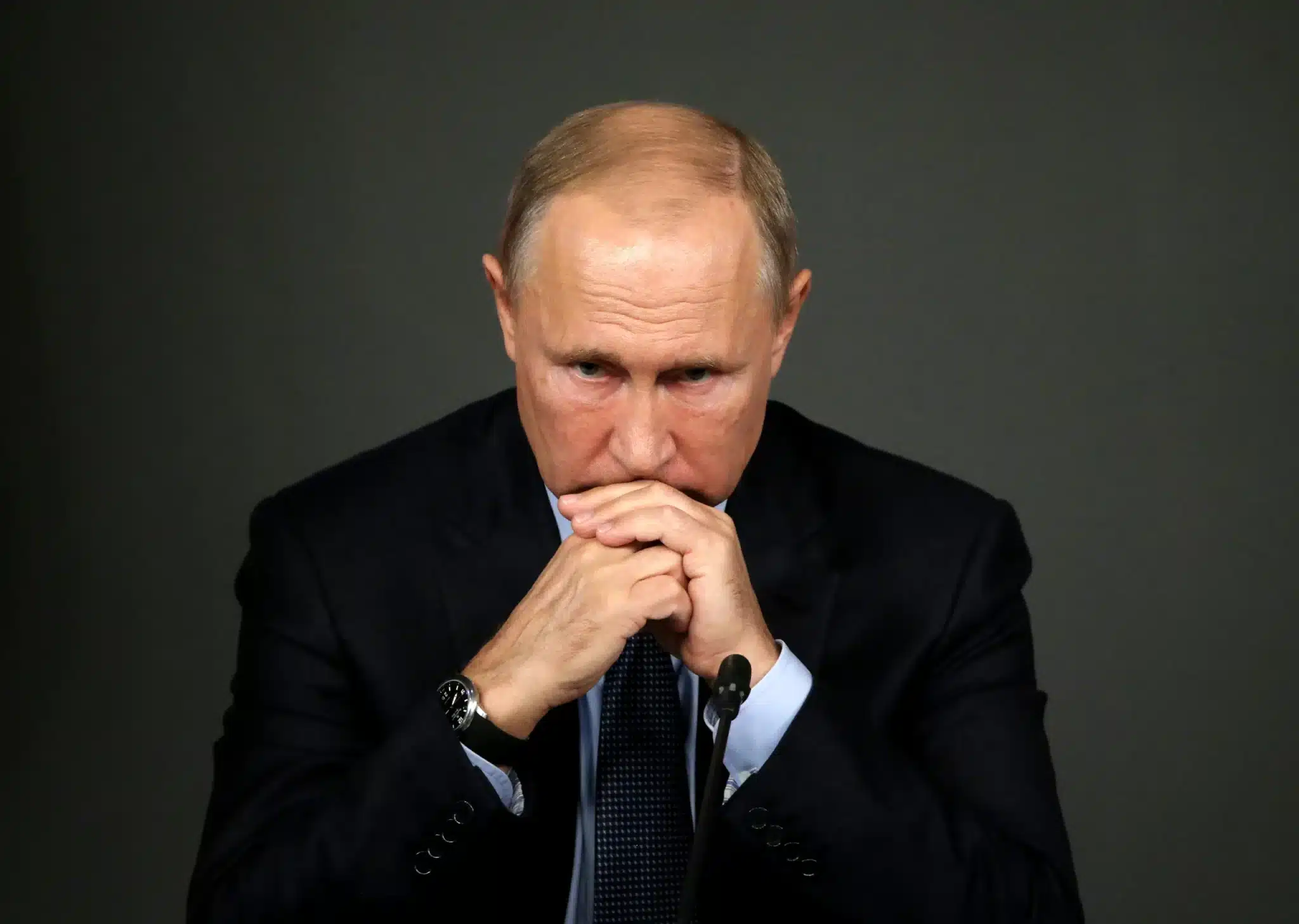
    Russia has accused Ukraine of trying to assassinate President Vladimir Putin by attacking Kremlin with drones.

    The two countries are at war since February 2022.

    In a statement, Russia said that Ukraine attempted to carry out a strike on the Kremlin residence of the President. Kremlin is a large government complex in central Moscow.

    It said it regarded this “as a planned terrorist act and an assassination attempt on the president”.

    Putin himself was not present at the location at the time.

    Ukraine’s President Volodymyr Zelensky denied his country was behind it.

    “We don’t attack Putin or Moscow. We fight on our territory. We are defending our villages and cities,” he said, speaking on a visit to Finland.

    Meanwhile, senior Ukrainian Presidential official Mykhailo Podolyak said the reported incident indicates that “Russia is clearly preparing a large-scale terrorist attack”.

    Last year, despite immense backlash, Russia invaded Ukraine, leading to a bloody war that shows no signs of abating.

  • Pakistan set to receive cheap Russian oil, says PM Shehbaz

    Pakistan set to receive cheap Russian oil, says PM Shehbaz

    During a National Assembly session on Thursday, Pakistan’s Prime Minister, Shehbaz Sharif, announced that the country is set to receive cheap oil from Russia.

    Minister of State for Petroleum, Musadik Malik, had previously confirmed that the government had made its first purchase of Russian crude oil, and a shipment is expected to arrive at Karachi port in May.

    Malik also revealed that the country aims to import 100,000 barrels of Russian crude oil per day, subject to the success of the first transaction.

    In the initial stages, Pakistan Refinery Limited will conduct a trial run to refine the crude oil, with other refineries, including Pak-Arab Refinery Limited, set to follow suit.

    This move marks a significant step forward for Pakistan’s oil industry, which has traditionally relied on imports from the Middle East.

  • Pakistan places first order for discounted Russian crude oil

    Pakistan places first order for discounted Russian crude oil

    Pakistan has placed its first order for discounted Russian crude oil under a new deal negotiated between Pakistan and Russia, following months of discussions.

    State Minister for Petroleum, Musadik Malik, confirmed that one cargo will dock at Karachi port in May.

    Pakistan will only purchase crude oil, not refined oil, and imports are expected to reach 100,000 barrels per day if the initial transaction goes smoothly. Pakistan’s Refinery Limited (PRL) will initially refine the Russian crude, with other refineries to be included after a trial run.

    A delegation from Russia arrived in Pakistan earlier this month to discuss the payment mode. During these talks, the Russian side requested that the deal with Moscow be kept secret as they do not want the disclosure to other Russian crude buyer countries.

    Consequently, Pakistan’s top officials decided not to disclose the mode of payment and the exact discount. Russian Energy Minister Nikolay Shulginov led a delegation to Islamabad in January to hold talks on the deal, after which he said oil exports to Pakistan could begin after March.

  • Pakistan moves closer to finalising oil deal with Russia as team arrives in Karachi

    Pakistan has taken a step forward in its efforts to secure a loan deal with Russia, as a delegation has arrived in Karachi to finalise a crude oil deal with Pakistan State Oil (PSO). However, the Energy Ministry has not yet revealed the payment method or the discount rate for the crude oil prices, keeping it confidential for now.

    Technical teams from the Operational Services Centre held talks with the PSO team last month, but progress was not made on the constitution of a Special Purpose Vehicle responsible for importing crude and making payments. The Russian delegation is now in Pakistan to finalise the government-to-government agreement, including the mode of payment. Pakistan wants to pay in rupee, while Russia is asking for payment in China’s Yuan or Ruble. Once the deal is done, Pakistan will place an order with Russia for crude oil purchase.

    According to sources, the Russian ship will arrive in mid-May, and the current Brent price in the international market is $85.16 per barrel, while Russian oil is available at $47-48 per barrel. The State Bank of Pakistan (SBP) is asking local banks to open letters of credit for importing Russian oil, but they are hesitant to do so mainly because of the G7 countries’ regulations of following the price cap of $60 per barrel or below it and making payments under Society for Worldwide Interbank Financial Telecommunications (SWIFT) arrangement.

    PSO has never imported crude oil before, and refineries have been importing crude under long-term agreements from ADNOC and Saudi Aramco. However, in the case of Russian crude, refineries will not be involved in the import, but it will be an SPV with representatives from PSO and PSC. Pakistan may get Russian crude price with a discount close to $50 per barrel, $10 per barrel below the cap price imposed by G7 countries on Russian oil in the wake of the war on Ukraine.

    One of the top officials in the coalition government suggests that the decision to import Russian crude under the government-to-government agreement at a 30 per cent discount may not provide the required relief as shipping and refining costs will erode the maximum discount. Additionally, Pakistan refineries will only be able to extract 10 per cent MS out of Ural crude and 50 per cent furnace oil.

    The government needs to conduct a commercial analysis to determine if importing Russian oil will benefit Pakistan’s economy and to what extent. Industrial sources suggest that the government should evaluate the economic benefits of importing Russian oil carefully.

  • Pakistan to receive first-ever shipment of low-cost oil from Russia in May

    Pakistan to receive first-ever shipment of low-cost oil from Russia in May

    Minister of State for Petroleum, Musadik Malik, announced on Sunday that Pakistan will receive its first-ever shipment of low-cost oil from Russia next month, which is expected to benefit the general public.

    In an interview with a private news channel, the minister confirmed that the government had finalised a deal with Russian authorities following successful dialogues. The shipment is expected to arrive in May via cargo. The minister also ensured that the government will pass on the cost savings to consumers.

    Regarding power and gas tariffs, Malik stated that the government is planning to introduce different tariffs for the poor and elite classes. He stated that the government has already made progress in this regard and hopes to issue separate billing for the underprivileged and elite class. The new tariff structure is expected to provide relief to the poor segment of society.

    Last month, officials from the Petroleum Division had disclosed that Pakistan was in talks with Russia to procure crude oil at around $50 per barrel, which is $10 per barrel lower than the price cap imposed by the G7 countries on oil imports from Russia due to its conflict with Ukraine.

    The officials had shared that Moscow was keen on completing all the prerequisites, such as the mode of payment, shipping cost with premium, and insurance cost, before signing the agreement with Pakistan.

  • Russia detains Wall Street Journal reporter on suspicion of spying for Washington

    Russia detains Wall Street Journal reporter on suspicion of spying for Washington

    On Thursday, the Federal Security Service (FSB) of Russia announced that it had detained Evan Gershkovich, a US national who works as a reporter for The Wall Street Journal, on suspicion of espionage on behalf of the United States.

    The FSB has initiated a criminal investigation against Gershkovich, alleging that he gathered information classified as state secrets about a military factory. The FSB did not disclose the name or location of the factory but stated that Gershkovich was apprehended in Yekaterinburg, a city in the Urals, while attempting to obtain secret information. No evidence was provided to support the charges.

    The FSB asserted in a statement that Gershkovich was acting on behalf of the American side and had been collecting sensitive information on one of Russia’s military-industrial complexes. The detention of Gershkovich marks the most serious public move against a foreign journalist since Russia’s military intervention in Ukraine.

    Russia has implemented tighter censorship laws since its military operation in Ukraine began in February 2022. The Wall Street Journal and the US Embassy in Moscow did not respond immediately to requests for comment from Reuters. A US diplomatic source stated that the embassy had not been notified of the incident and was seeking information from Russian authorities about the case.

    Foreign journalists covering Russia expressed their support for Gershkovich online, contending that he was a professional journalist and not a spy. Andrei Soldatov, an author and an expert in Russia’s security agencies, who is currently outside the country, stated on social media that Gershkovich was an excellent and courageous journalist and not a spy. He further noted that the detention of Gershkovich represented a frontal attack on all foreign correspondents still working in Russia and that the FSB was off the leash.

    According to Russia’s Kommersant newspaper, Gershkovich will be transported to Moscow and detained in the Lefortovo prison, an FSB pre-trial detention facility. Gershkovich, who has covered Russia since 2017, previously worked at The Moscow Times and France’s Agence-France Presse news agency.

    In recent months, he had primarily reported on Russian politics and the Ukraine conflict. On Thursday, his mobile phone was unreachable, and according to the Telegram messenger service, he was last online on Wednesday at 1:28 pm Moscow time.