Tag: Russia

  • Pakistan’s Petroleum Division eyes discounted Russian crude oil amid high global prices

    Pakistan’s Petroleum Division eyes discounted Russian crude oil amid high global prices

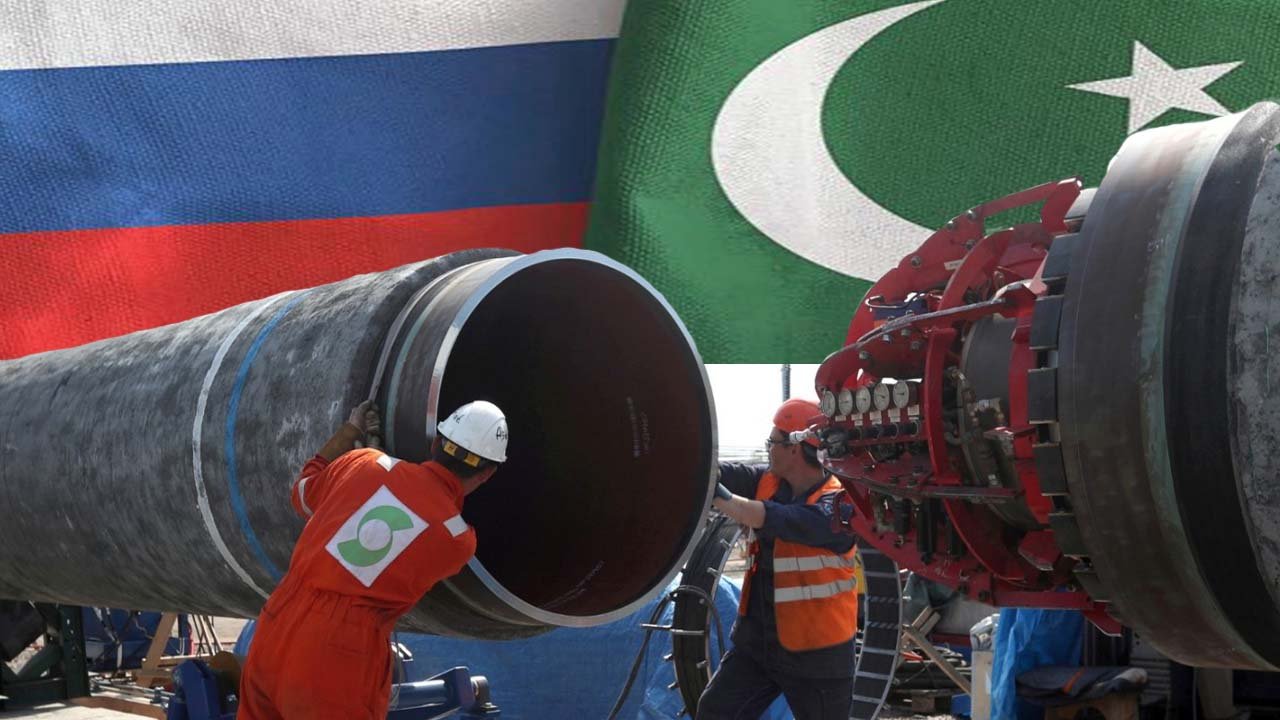
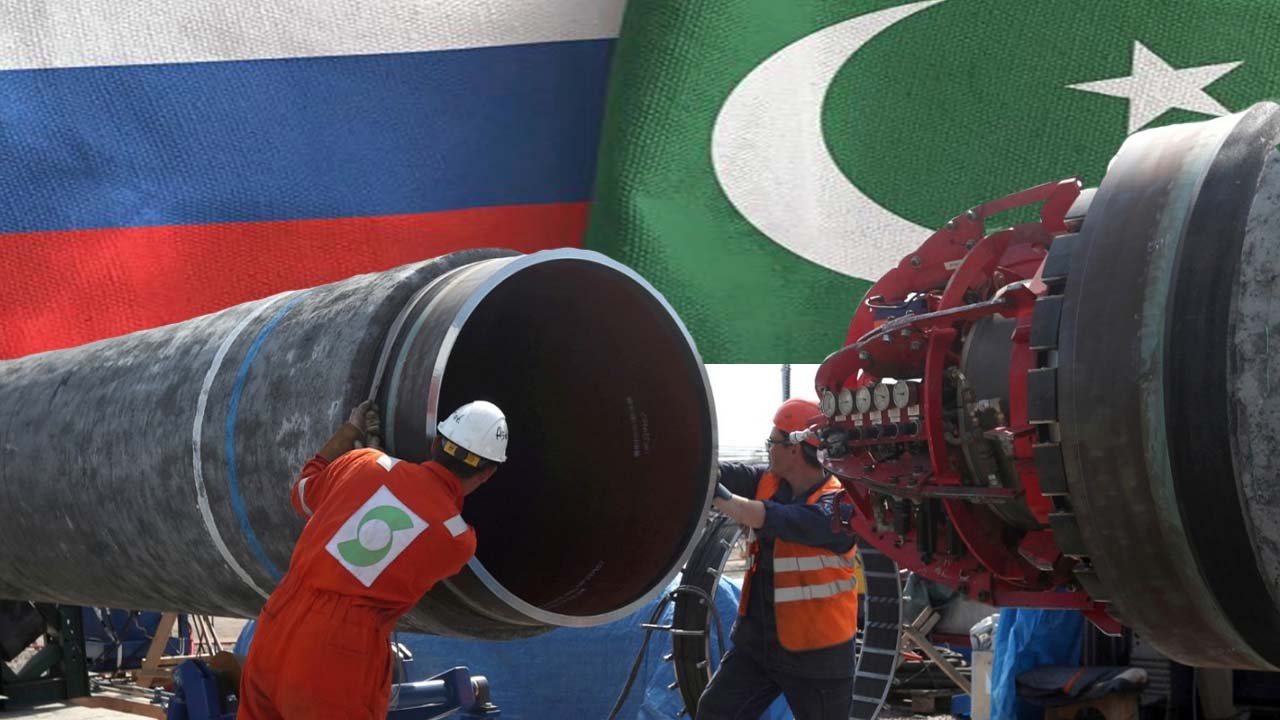
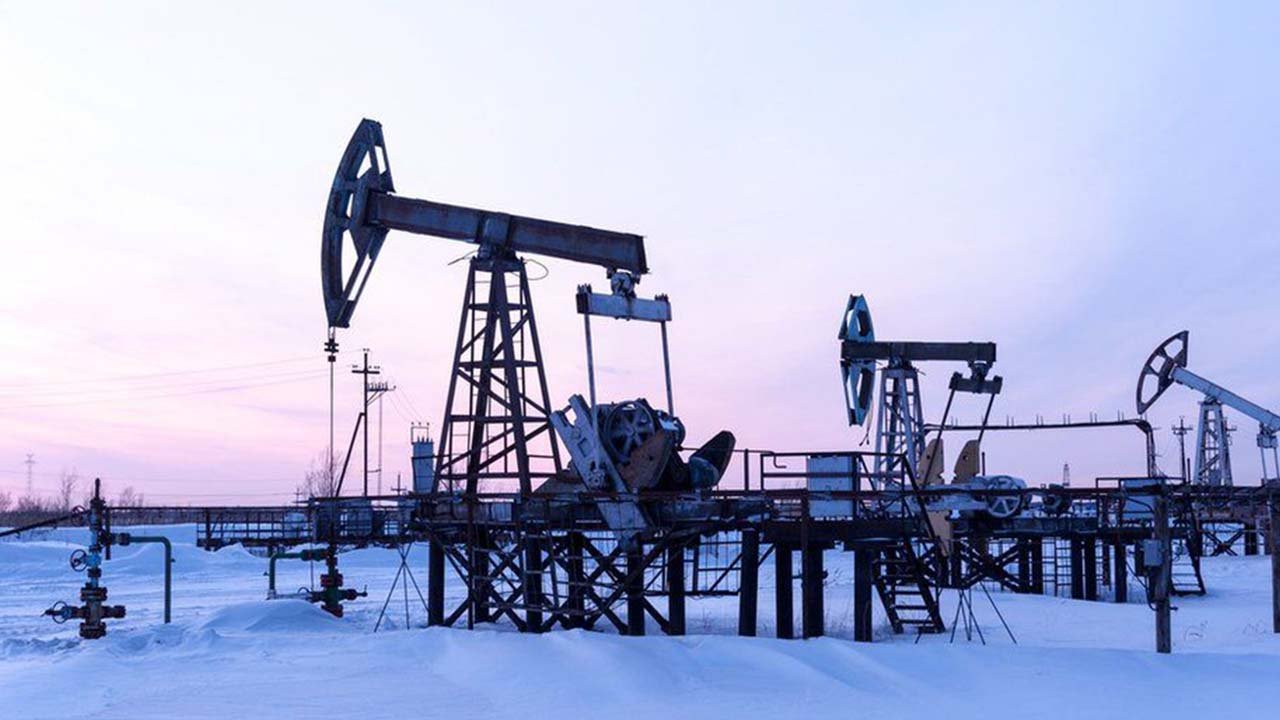
    Petroleum Division is attempting to purchase Russian crude oil for approximately $50/barrel, which is at least $10/barrel below the price ceiling imposed by G7 countries on this valuable commodity originating from Russia because of its conflict with Ukraine. Presently, crude oil is being sold internationally for $82.78/barrel.

    Officials participating in the virtual negotiations with Russia have disclosed that Moscow is primarily focused on fulfilling all prerequisites, such as deciding on the method of payment, shipping costs with premium, and insurance expenses, before entering into an agreement with Pakistan. These officials, who requested anonymity, revealed that Russia will respond regarding the discount on the base price after the prerequisites are finalized. They also stated that shipping the crude oil from Russian ports will take 30 days, resulting in a $10-15/barrel increase due to transportation costs.

    The talks between Moscow and Islamabad are progressing positively, with the expectation that a government-to-government deal on Russian crude oil imports will be finalized by the end of March. When asked, officials stated that the government has decided not to disclose the payment method to Russia for crude oil imports, but authorities are considering using Pakistan National Shipping Corporation (PNSC) ships or Russian tankers for transportation.

    An official cautioned that the landed cost of Russian crude must be considered because the crude vessel will arrive in 30 days, leading to a per barrel shipping cost of $10-15. They added that Moscow has not agreed on the discount yet, and the maximum discount may be offset by the crude oil’s shipping costs.

    State Minister Musadik Malik had previously claimed that Pakistan would receive a 30% discount on Russian crude oil during a press conference. The government plans to import one Russian crude oil ship to test the landed cost compared to the existing cost of crude being imported from Abu Dhabi National Oil Company (ADNOC) of the United Arab Emirates and Saudi Aramco.

    According to Geo, the Petroleum Division secretary is currently in Karachi to further discuss the import of Russian crude oil to process it for finished products with the top management of Pak-Arab Refinery Company Limited (PARCO), Pakistan State Oil (PSO), Pakistan Refinery Limited (PRL), and other refineries. If the test ship’s cost is low enough to bring down the prices of petroleum, oil, and lubricants, Pakistan will approve Russian oil cargos within a month.

    Due to a US dollar liquidity crunch, Pakistan will pay Russia in the currencies of friendly countries such as China, Saudi Arabia, and the UAE. The officials revealed that the ship carrying Russian crude will be insured by the National Insurance Company Limited (NICL) and Pakistan Reinsurance Company Limited (PakRE). The State Bank of Pakistan (SBP), which was previously hesitant about transactions with Russian banks due to G7 restrictions, has now expressed a willingness to communicate with the Russian counterpart bank regarding a payment mechanism for oil imports in three currencies other than dollars.
  • India invites Pakistani FM Bilawal Bhutto-Zardari to SCO

    India invites Pakistani FM Bilawal Bhutto-Zardari to SCO

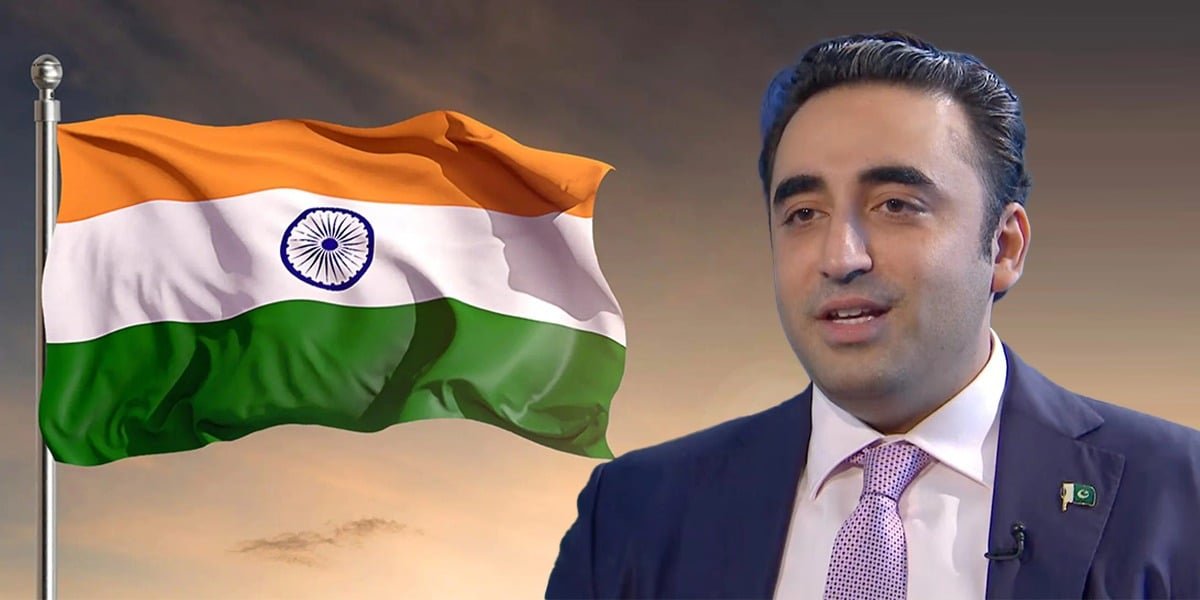
    In a surprise move, India has invited Pakistan’s Foreign Minister (FM) Bilawal Bhutto-Zardari to attend an upcoming meeting of the Shanghai Cooperation Organisation (SCO) scheduled to be held in Goa in May, The Indian Express has reported.

    The invitation to the meeting of SCO ministers has been sent by the office of S Jaishankar, the Minister for External Affairs and has been forwarded by the Indian High Commission in Islamabad.

    Were Bilawal Bhutto-Zardari to accept the invitation, the visit would mark the first visit of a Foreign Minister to India in 12 years. The last minister to visit the neighbouring country was Hina Rabbani Khar who travelled to India in July 2011.

    The unexpected development comes a few weeks after Prime Minister (PM) Shehbaz Sharif expressed hope that relations between the two arch rivals will improve. In an interview with a UAE-based media outlet, the Pakistani Premier asked for “sincere and serious” talks with India.

    The SCO moot in Goa will also be attended by China, Russia, Kazakhstan, Kyrgyzstan, Tajikistan and Uzbekistan.

  • Pakistan will start importing crude oil from Russia in March

    Pakistan will start importing crude oil from Russia in March

    Pakistan and Russia have decided on the deadline for crude oil exports in late March after the conclusion of the annual inter-governmental commission between the two countries concluded.

    The Minister of State for Petroleum, Musadik Malik, said that Pakistan intends to import 35 per cent of its entire crude oil needs from Russia. He added that Russia does not have liquefied natural gas (LNG) for Pakistan currently.

    Russian Energy Minister Nikolay Shulginov also stated that Pakistan will pay for its energy purchases from Russia in the currencies of friendly nations when they begin in late March.

    Last year, the government of Pakistan sent representatives to Russia, and as a result, the state minister for petroleum of Pakistan announced that Russia would supply crude oil at a reduced price.

    Russian oil and gas have not historically been widely imported by Pakistan.

    Islamabad and Moscow agreed during the negotiations that the oil and gas trading transaction will be set up such that both nations can profit economically after reaching an agreement on the technical details.

    The leaders also decided to expand energy infrastructure investment, improve energy trade, and strengthen energy cooperation under advantageous strategic and commercial circumstances.

    A “Comprehensive Plan for Energy Cooperation” that will serve as the framework for future work and be completed in 2023 has been agreed to by both parties.

    The federal and provincial governments of Pakistan welcomed the Russian side to consider prospective initiatives, including those involving public-private partnerships and asked the Russian businesses to investigate these options.

    “Both sides have resolved the pending issues related to the exchange of information on certificates of origin of goods with the use of an electronic verification system and shall endeavour to finalise the above-mentioned protocols by the end of May 2023,” the joint statement issued in this regard read.

    In order to improve their mutual collaboration and talk about issues pertaining to connectivity and logistics in Central and South Asia, the authorities decided to designate focus points for each side.

    It was also resolved at the talks held over the last three days that creative business practises, such as bartering, would be used. They also agreed to further investigate the possibility.

    “In the context of the desire of both parties to promote regional integration and Eurasian connectivity, the two sides agreed to share information towards developing and improving rail and road infrastructure,” the statement read.

    The documents signed during the session included an “Agreement regarding cooperation and mutual assistance in customs matters,” a “Protocol on the Exchange of Documents and Data on the Customs Value of Goods Transported,”  and a “Working Agreement on the Airworthiness of Aeronautical Products.”

    The seventh IGC’s debates and choices served as the foundation for the eighth session, which moved the process ahead and looked at new possibilities for collaboration.

    Additionally, Pakistan and Russia decided to extend their cooperation in the areas of commerce and investment, energy, communication, transportation, higher education, industry, railroads, banking, finance, customs, agriculture, science, and technology.

  • Helicopter crash near children nursery kills Ukraine’s interior minister

    Helicopter crash near children nursery kills Ukraine’s interior minister

    A helicopter crash near a children’s nursery outside Kyiv resulted in 16 deaths, including the country’s Interior Minister Denys Monastyrskyi.

    Three children are also among the dead.

    Nine bodies have been identified as yet including six ministry officials.

    Alongside the 42-year-old interior minister, his first deputy Yevheniy Yenin, and the ministry’s state secretary also died in the crash.

    The regional governor said 18 people had been killed but emergency services later announced a death toll of 16.

    Head of Ukraine’s Presidential Office, Kyrylo Tymoshenko, said that the minister had been en route to a war “hot spot” when his helicopter went down.

    He stated that there is currently no information on the number of missing children. “Identification is ongoing. Parents are coming, lists are being compiled,” he confirmed.

    Monastyrskyi was a prominent member of President Volodymyr Zelenskyy’s cabinet. He was appointed in 2021 and played a key role in updating the public about the casualties caused by Russian missile strikes since Ukraine was invaded in February 2022.

    As of yet, the reason for the crash is unknown. However, Ukrainian officials have made no reference to Russian attacks in the area at the time.

    The helicopter crashed at a time when the country has still not recovered from the loss of 45 people killed in an apartment block in a Russian missile attack in the city of Dnipro on Saturday.

  • Bilawal blames PTI policies for TTP attacks

    Bilawal blames PTI policies for TTP attacks

    Foreign Minister (FM) Bilawal Bhutto-Zardari— who is currently in Davos for the World Economic Forum’s (WEF) annual meeting— has spoken to Al Jazeera about the recently held conference in Geneva for Pakistan’s devasting flood losses, a looming economic crisis and the soaring threats of terrorism.

    In his interview, the 34-year-old minister blamed the previous government led by Pakistan Tehreek-e-Insaf (PTI) for its wrong approach and “policy of appeasement” towards the Taliban.

    He said, “I believe that the previous government had the wrong approach. Its policy of appeasement towards the Taliban has created problems for the people of Pakistan”, adding that this approach has been ended by the incumbent government.

    He said that recently the government also had a national security meeting and it was decided then that Pakistan would adopt a zero-tolerance policy against terrorist groups.

    Talking about the oppressive Taliban reign in Afghanistan, Bilawal urged the world to continue engaging with Afghanistan as it is the only solution. He said, “We [Pakistan] are neighbours, we couldn’t separate if we wanted to. The only way to enhance leverage on both sides is to continue to engage with them.”

    “I do not think turning our back and disengaging is an option. And it’s certainly not an option for Pakistan which shares such a long and porous border with Afghanistan”, he said, highlighting that both “Pakistanis and Afghanis are victims of terrorism”.

    About the economic and food crisis back home, the minister pointed out that Pakistan is not alone in facing the economic crisis as the world is also suffering and these all are the result of post-covid and Russia’s invasion of Ukraine.

    However, he hoped that the situation will get better in the coming days. `

    Terming the Geneva conference “resilient”, he thanked the international community for pledging more than $9 billion for Pakistan’s flood rehabilitation and climate resilience building.

  • Russian delegation will visit Pakistan tomorrow to discuss long-term oil and gas deal

    Russian delegation will visit Pakistan tomorrow to discuss long-term oil and gas deal

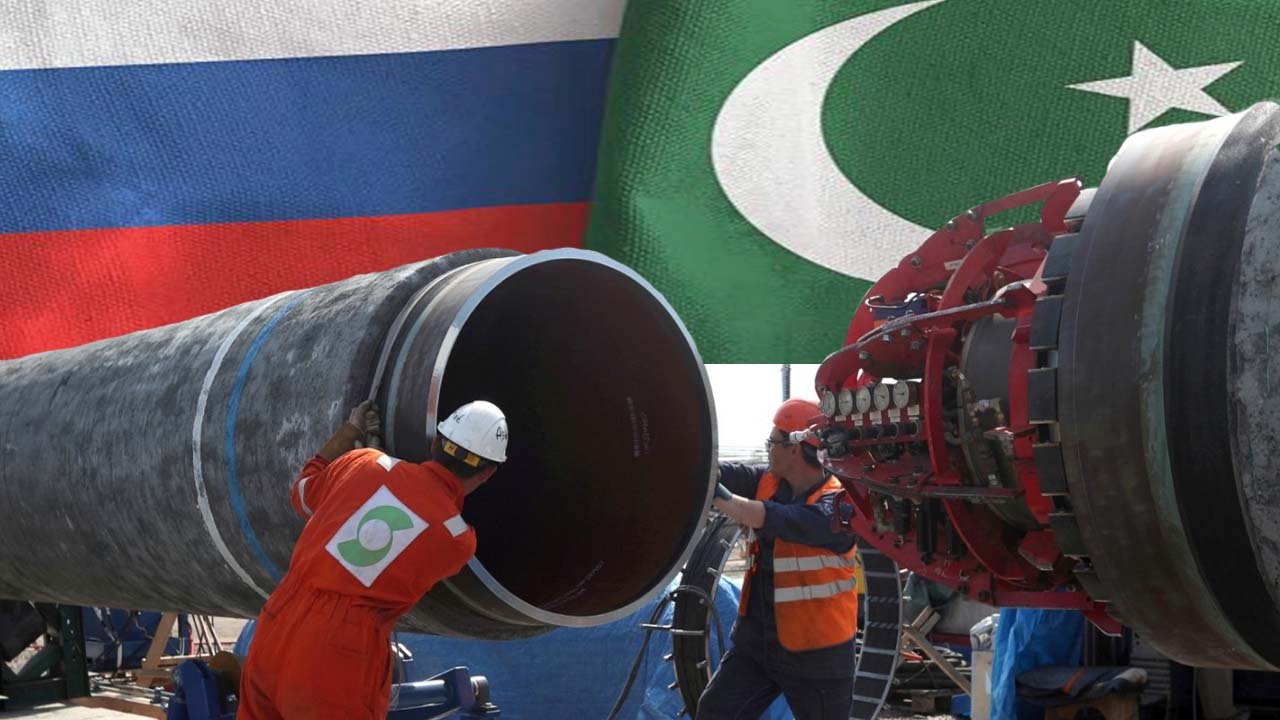
    The much-touted $3 billion Pakistan Stream Gas Pipeline (PSGP) project, as well as a long-term trade agreement for oil and liquefied natural gas (LNG), will be the topics of bilateral negotiations between Pakistan and a Russian delegation that will arrive tomorrow.

    The team, which consists of 80 personnel, will land in Pakistan on Tuesday for three days of bilateral discussions through the Inter-Governmental Commission forum (IGC).

    For the IGC negotiations, the Pakistani delegation will be led by Federal Minister Sardar Ayaz Sadiq. Both states must first negotiate the IGA (inter-governmental agreement), which was finalised and signed in the case of the Pakistan Stream Gas Pipeline Project (PSGP), formerly known as the North-South Gas pipeline project, in order to import Russian oil and LNG on a GtG basis.

    According to The News, the shareholding and facilitation agreement for PSGP was still in draught form on February 24, 2022, when former prime minister Imran Khan travelled to Moscow. Both parties wanted to sign the PSGP agreement during the Imran and Putin meeting, but it was not able to be done since the experts from both sides could not agree on several terms of the shareholding agreement.

    Currently, the G7 nations have capped the price of Russian crude oil at $60 per barrel and forbade the use of Russian ships to carry oil. In exchange, Moscow promised to stop selling oil to nations who agree to a Western price restriction on its petroleum.

    The Pakistani side will talk about the shipment costs, the premium by the shipping trader, the insurance coverage, and the payment options.

    Agribusiness, energy, customs, industry, education, research and technology, information and communication technologies, communication, roads and postal service, railroads, and finance are all included in the IGC’s agenda as areas for cooperation in trade and investments. Additionally, Pakistan’s debt to Russia will be settled and discussed.

    The potential for cooperation in the areas of electric power, hydropower, renewable energy sources, and oil and petrol production will also be discussed by the two sides.

    In their response, the Pakistani team proposed to change the model of the PSGP project. The Russian side said that the model of the project under GtG (government-to-government) arrangement had already been settled, save for some clauses of the shareholding agreement, which would soon be finalized.

  • Russia may send natural gas supplies to Pakistani markets in long term: Russian Deputy PM

    Russia may send natural gas supplies to Pakistani markets in long term: Russian Deputy PM

    According to Russian Deputy Prime Minister Alexander Novak, Moscow is ready to resume gas supplies to Europe via the Yamal-Europe Pipeline and can also send supplies to Pakistan and Afghanistan in the long term.

    “The European market remains relevant, as the gas shortage persists, and we have every opportunity to resume supplies,” TASS cited Novak as saying in remarks published by the agency on Sunday.

    “For example, the Yamal-Europe Pipeline, which was stopped for political reasons, remains unused.”

    The Yamal-Europe Pipeline normally flows westward, but it has been mostly reversed since December 2021, when Poland chose to draw on stored gas in Germany rather than buy from Russia.

    Warsaw canceled its arrangement with Russia in May, after previously rejecting Moscow’s demand that it pay in roubles.

    Gazprom, Russia’s largest supplier, responded by cutting off supply and announcing that it would no longer be allowed to export gas through Poland after Moscow slapped sanctions on the company that operates the Polish section of the Yamal-Europe pipeline.

    Novak also stated that Moscow is exploring increased gas deliveries via Turkey following the establishment of a hub there.

    He also stated that by 2022, Moscow intends to have exported 21 billion cubic meters (bcm) of liquefied natural gas (LNG) to Europe.

    “This year we were able to significantly increase LNG supplies to Europe,” Novak said. “In the 11 months of 2022, they increased to 19.4 bcm, by the end of the year 21 bcm are expected.”

    Novak also stated, in a wide-ranging interview with the TASS news agency, that in the long run, Russia can provide natural gas to the markets of Afghanistan and Pakistan, either through Central Asian infrastructure or through an exchange from Iranian territory.

    He also stated that Russia and Azerbaijan have agreed to enhance gas supplies for domestic usage.

    “In the future, when they increase gas production, we will be able to discuss swaps,” he said.

    Moscow is also discussing higher supplies of its gas to Kazakhstan and Uzbekistan, he said.

  • Russia to sell cheap crude oil to Pakistan, Musadik Malik reiterates

    Russia to sell cheap crude oil to Pakistan, Musadik Malik reiterates

    State Minister for Petroleum Musadik Malik on Friday reiterated that Russia will provide Pakistan with crude oil at discounted rates.

    Speaking at a press conference, Malik claimed that Russia will offer Pakistan crude at a discount, just like the energy giant does for other nations across the globe.

    “It (the discount) could be greater than what others receive,” he added. 

    The remarks come a day after PBS Newshour journalist Amna Nawaz interviewed Foreign Minister Bilawal Bhutto-Zardari, who said: “As far as Russia is concerned, we aren’t pursuing or receiving any discounted energy, but we are facing an extremely difficult economic situation.”

    In response to a question on the $60 per barrel limit on Russian seaborne oil imposed by the Group of Seven and the EU in connection to Russia’s war in Ukraine, Bilawal said, “Up until now we actually haven’t received nor are we getting any oil from Russia.”

    “As far as discounted rates, no one is giving discounted rates for oil these days,” Bilawal also told reporters at the United Nations. “That’s not a reality. It is true that we’re actively pursuing ways and means to address the energy shortfalls and difficulties we’re facing in Pakistan.”

    Malik, who had earlier in the month claimed that Russia will supply cheaper oil, revealed on Friday that Pakistani refineries could process Russian crude, namely Siberian Light and Ural Light. Islamabad’s inability to obtain oil from Moscow is attributed to Pakistan’s refineries’ capacity to handle Russian crude.

    “Pakistan Refinery Limited (PRL), owned by Pakistan State Oil (PSO), told us that they could utilise up to 50 per cent light crude of Russian origin. Similarly, PARCO has told us that they could utilise up to 30 per cent of Russian crude.”

    “Whereas, Cnergyico, the third largest oil refinery in the country, could not only process these two (Siberian Light and Ural Light) crudes but also heavy crudes as well.”

    “We will get these light crudes from Russia on a discount,” added Malik.

    Discounts on finished goods, such as gasoline and petrol, will also be discussed, the state minister added. The Russian delegation is expected to visit Pakistan in 2023.

    According to DAWN, in the second week of January, there will be an Inter-Governmental Commission (IGC) meeting between Pakistan and Russia. During the conference, the Russian energy minister is likely to visit.

    In connection to the TAPI project, which “may offer us with 1.3bcf of gas,” Malik continued, the administration has also reestablished contacts with Turkmenistan.

    “A special strategic cell has been established in the Ministry to follow up these projects,” he said.

    On liquid natural gas (LNG), Malik said the government is working with Azerbaijan on a gas purchase framework agreement, which is being drafted. “Under this framework, we would have a government-to-government level agreement with the State Oil Company of Azerbaijan Republic, largely known as SOCAR,” he said.

    “SOCAR will provide us with distressed cargoes on a monthly basis, and the Government of Pakistan would have the option to purchase these cargoes at given rates or not. “This will help us increase our gas supply,” he said.

    The minister said that SOCAR has already offered Pakistan LNG cargo for December 14. “However, we were unable to purchase it as both our terminals were not available,” he said.

    Additionally, the government is still working to come to an arrangement with the UAE that would allow for the purchase of diesel and petrol cargoes.

    “I want to reiterate that the policies of the current government are meant to alleviate hardships of poverty-ridden masses,” said Malik.

    He said that despite a 10 per cent yearly loss in gas reserves, the government is giving its people more gas this year than it did the year before. ”We will have an additional cargo of gas in the coming months of January and February, in comparison to the same period in 2022,” he said.

    “We are also bringing in 20,000 tons LPG in addition to facilitate our consumers.”

  • Pakistan is not ‘pursuing or receiving’ any discounted energy from Russia: FM Bilawal Bhutto

    Pakistan is not ‘pursuing or receiving’ any discounted energy from Russia: FM Bilawal Bhutto

    Pakistan is not “pursuing or receiving” any discounted energy from Russia, according to Foreign Minister Bilawal Bhutto Zardari, who is in the US for a seven-day visit.

    Earlier, State Minister for Petroleum Musadik Malik had announced that Russia had decided to provide crude oil, petrol, and diesel to Pakistan at lesser rates.

    He had stated that specific terms and conditions of the discounted oil commodities will be decided upon during the upcoming visit of the Russian energy minister to Islamabad by mid-January, but that prices would be on par with or even lower than those being offered to other nations, according to Geo.

    Before that meeting, Malik had stated, the two parties would refine their ideas to the point at which an executive summary or an agreement could be signed and supplies would begin to flow.

    As winter approaches, Pakistan struggles to meet domestic gas supply needs while also trying to control a current account deficit that has been swollen by energy purchases, largely for oil.

    Because spot prices are still out of reach for the nation and shipments under long-term contracts are still insufficient to meet the expanding demand, the nation has been unable to purchase liquefied natural gas from the international market.

    In an interview, the PPP chairman said: “As far as Russia is concerned, we aren’t pursuing or receiving any discounted energy, but we are facing an extremely difficult economic situation, inflation, pump prices.”

    However, he acknowledged Pakistan’s energy insecurity. “We are exploring various avenues to expand our areas where we can get our energy from,” FM Bilawal said, adding that “any energy from Russia will take a long time for us to develop.”

  • Russia agrees to provide petrol and diesel to Pakistan at discounted rates

    Russia agrees to provide petrol and diesel to Pakistan at discounted rates

    State Minister for Petroleum Musadik Malik announced on Monday that Russia has agreed to supply Pakistan with cheap petrol, diesel, and crude oil.

    Malik said he wanted to congratulate the public for a fruitful trip to Russia, calling it “more successful than our expectations,” during a news conference in Islamabad.

    According to The News, the state minister for petroleum, the secretary for petroleum Capt. (retd) Muhammad Mahmood, the joint secretary, and representatives of the petroleum division made up the delegation from Pakistan that travelled to Moscow to look into the possibility of obtaining Russian crude oil and other petroleum products at a lower price.

    Malik said that Russia lacked liquefied natural gas (LNG). The import of LNG is the subject of ongoing discussions with Russian private companies, and Malik added that state-run LNG producers in Russia have also been contacted.

    The state minister claims that negotiations with Moscow about the pipeline projects have advanced significantly.

    The News last week stated, citing sources, that during negotiations in Moscow, the Pakistani team requested a 30–40 per cent discount on Russian crude oil; however, the Russians refused, stating that all volumes had already been promised.