Tag: safety

  • ‘Drive like a woman’, French road safety campaign tells men

    ‘Drive like a woman’, French road safety campaign tells men

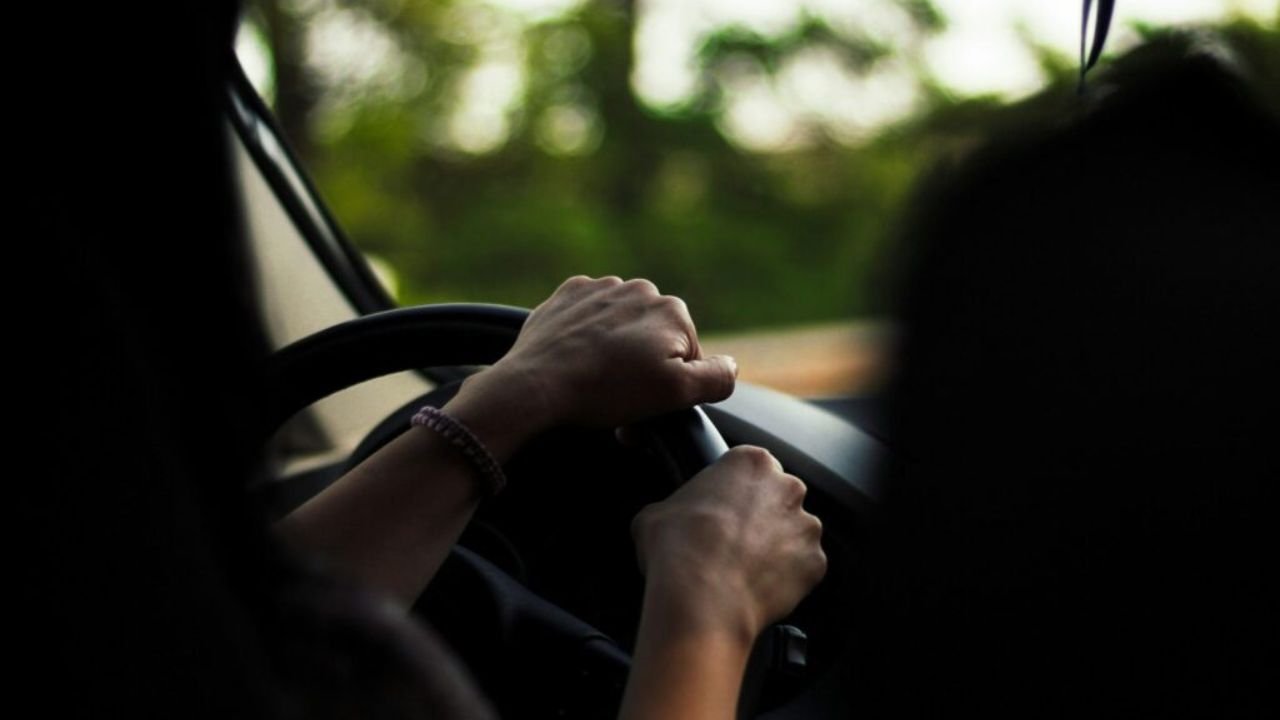
    A French road safety association said Monday it had launched a campaign urging men to drive like women, aiming to cut traffic deaths while debunking the sexist stereotype that men are better behind the wheel.

    “Drive Like A Woman”, runs the slogan on the ads, seen mostly in metro stations and posted online, from the association Victims and Citizens.

    “A look at the data tells you that there’s no truth” to the stereotype that men are better drivers, the association said in a statement.

    Some 84 percent of deadly road accidents were caused by men, it said, citing a governmental road safety report.

    Victims and Citizens, which assists people injured in traffic accidents and runs awareness campaigns, said it hoped to prompt a change in the “mentality of men and therefore in their behaviour”.

    According to the government report, 93 percent of drivers causing an accident under the influence of alcohol were men.

    “Driving like a woman just means one thing, staying alive,” the ad campaign said.

    Close to 3,200 people died in road accidents in France last year, with early data for this year pointing to a possible increase in 2024.

    cco/jh/sjw/rlp

    © Agence France-Presse

  • Robot mistakes man for box, crushes him to death

    Robot mistakes man for box, crushes him to death

    A South Korean man was misidentified as a box by a robot that crushed him to death, local media has reported.

    The incident took place when the worker, reportedly in his 40s, was inspecting the robot’s sensor at a warehouse for agricultural products.

    Yonhap news agency reports that the robot was lifting boxes of bell peppers when it mistook the man for a receptacle.

    According to police sources, the “Mechanical arm pushed the man’s upper body onto a conveyor belt and crushed his face and chest”.

    The man later died in hospital.

    In an official statement released by the Donggoseong Export Agricultural Complex, the plant owner, called for a “precise and safe” system to be established.

    Sky News reports that in March, another South Korean man in his 50s, endured serious injuries after getting trapped by a robot while working at a vehicle parts manufacturing plant.

  • Lahore High Court issues directives on safety, environmental hazards

    Lahore High Court issues directives on safety, environmental hazards

    Lahore High Court has issued a written order pertaining to environmental problems and safety hazards on roads.

    The court order said that those who use green belts for parking should be fined Rs 5,000, forwarding the order to all housing societies and authorities concerned.

    The court has also ordered the shutting down of polluting brick kilns, and filing criminal cases against the officials who do not take action against the kilns.

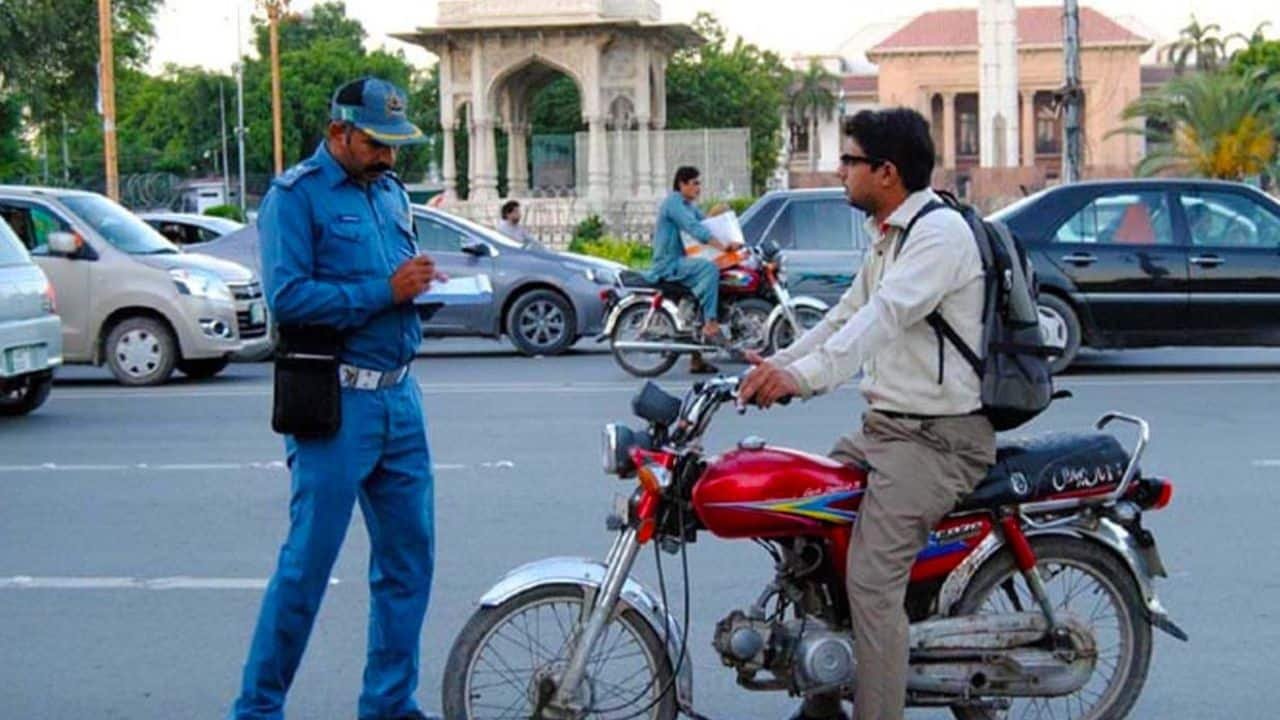
    Additionally, the court ordered the CTO to impose a fine of Rs 2,000 on motorcycle riders without helmets and this order will be enforced across the province.

    The Dolphin police have also been directed to keep a check on people in case of violation of the latest orders.

    Reforestation

    The Lahore High Court also shed light on the importance of reforestation, pointing at the Miyawaki model where more urban forests should be planted.

    To ensure that they meet the necessary environmental standards, the LDA will be closely working with the Environment Department while planning and executing development projects.

    Additionally, strict action is to be taken against kilns emitting black smoke which is one of the major contributors to poor air quality.

  • Punjab police allocates Rs400 million for police force healthcare

    Punjab police allocates Rs400 million for police force healthcare

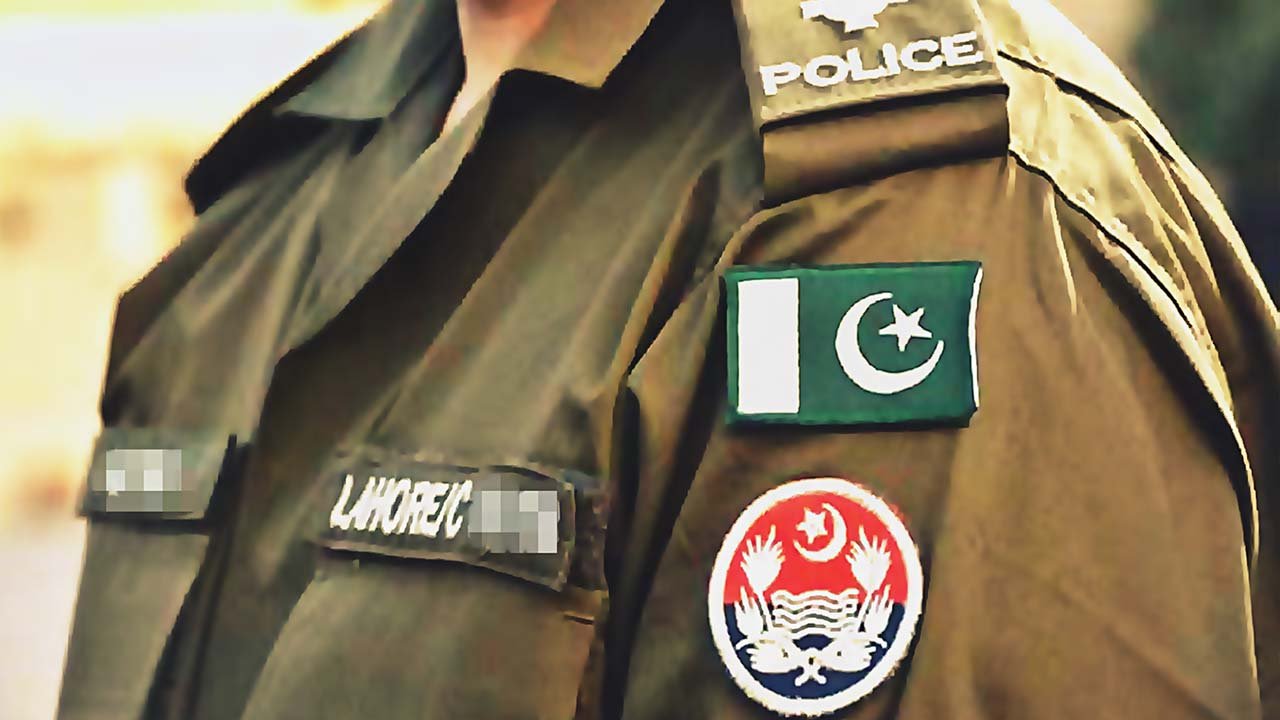
    Inspector General Police Punjab, Dr Usman Anwar, announced that an estimated amount of Rs300 to 400 million will be allocated towards the healthcare welfare of the police force. This funding will cover all essential medical tests and treatments for conditions such as heart diseases, kidney ailments, and other vital organ disorders.

    Dr Anwar conveyed this message through a video addressed to the police force on Monday, emphasizing the importance of health screening and the provision of medical facilities. He informed that 50 per cent of the constabulary has already undergone health screening, with certain districts achieving 100 per cent completion. The Inspector General commended the District Police Officers (DPOs) responsible for ensuring the health screening of the constabulary in their respective districts.

    During the health screening process, employees were made aware of previously undetected diseases, including hepatitis B and C. Dr Anwar assured that a treatment for Hepatitis C has been discovered, and the department will provide free treatment to all affected employees suffering from the disease.

    Regarding hepatitis B, he mentioned that a permanent cure has not yet been found, but supportive treatment options are available to benefit affected employees. In order to safeguard the remaining police force and their families from this disease, it has been decided to administer vaccinations. The police department will bear all expenses associated with this initiative.

    Dr Anwar highlighted the safety of the vaccine, stating that he will personally receive the vaccination as a testament to its reliability. These measures are being taken to prioritize the health, well-being, and treatment of police personnel. He urged the police force to stand united as an impenetrable barrier against criminals, oppressors, and terrorists. The primary duty of the police force, as stated by the Inspector General, is to protect the lives, properties, and dignity of Pakistani citizens.

    In a separate development, a sum of Rs200,000 has been allocated from the welfare fund of Punjab Police for the medical treatment of the mothers of two martyrs from the Lahore Police, Constable Ghulam Murtaza and Constable Ali Raza. Additionally, a medical grant of Rs100,000 has been approved for ASI Qadeer Akhtar of Multan Police to cover the expenses of his brain surgery.

    Furthermore, the Inspector General has authorized an honorarium for the staff working in training colleges and schools throughout the province. An amount of Rs1.25 crore will be distributed among the staff members in training institutes located in Lahore, Sihala, Multan, Rawalpindi, Farooqabad, and Sargodha.

  • Twitter’s new Safety Mode will automatically block harassers

    Twitter has rolled out Safety Mode feature for a limited number of users.

    Safety Mode is a feature that temporarily blocks accounts for seven days for using potentially harmful language — such as insults or hateful remarks — or sending repetitive and uninvited replies or mentions.”

    “When the feature is turned on in your settings, our systems will assess the likelihood of a negative engagement by considering both the tweet’s content and the relationship between the tweet author and replier. Our technology takes existing relationships into account, so accounts you follow or frequently interact with will not be autoblocked.”

    Authors of the tweets found by Twitter to be harmful or uninvited will be autoblocked, meaning they will temporarily be unable to follow your account, see your tweets, or send you direct messages.

    This feature has been rolled out to a small feedback group on iOS, Android, and Twitter.com, beginning with accounts that have English-language settings enabled.

  • Aviation in hot water

    Aviation in hot water

    “The cat is out of the bag and the current government faces another uphill task to make amends within the aviation industry.”

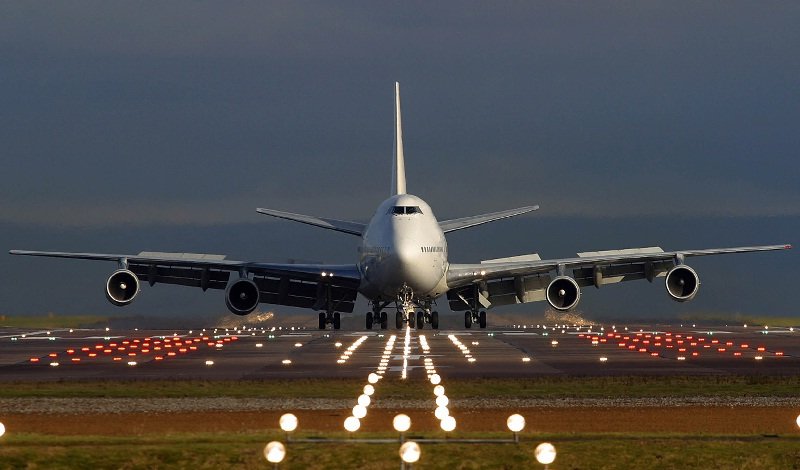
    The aviation industry has transformed due to various kinds of security threats that have emerged over time. Starting from 2001 after the 9/11 hijackings, airports around the world tightened their screening of passengers, and pilots began locking their cockpits. Ever since a detonator was caught inside a passenger’s shoes, passengers have been told to take their shoes off at security checkpoints. The increasing threats have led the United States (US) to spend nearly $100 billion on revamping airport security. A few years later, the second threat surfaced in the United Kingdom (UK) when a terror plot to smuggle explosive liquids on to planes was uncovered in 2006, after which the number of liquids allowed on flights was restricted.    

    The latest security threat that has wreaked havoc is the coronavirus pandemic that emerged in China in late 2019. The industry had been growing over the decade and was estimated to earn more than $800 billion in revenue until 2020 hit, and things took an ugly turn. Approximately seven million flights were canceled between January and July as people stopped booking flights and thousands of planes that needed to be grounded struggled to find parking spots. Many travelers and foreigners were left stranded in various countries around the world and even stuck at airports when countries closed their borders.   

    A century ago, when the Spanish Flu struck, air travel was in its infancy. As a result, the effect on flights was minimal. Now, air travel is the most popular mode of transport with approximately 40 million flights a year and billions of travelers.    

    The virus has bogged down the entire flying process and made it more painstaking because masks and social distancing are mandatory. Airlines now need to follow new protocols such as leaving seats between passengers to ensure social distancing — this adds to the losses being faced by many airlines.

    “The virus, however, is not the only problem the industry will be facing this year thanks to Pakistan’s Federal Aviation Minister, Ghulam Sarwar.”

    The devastating impact of COVID-19 will not dissipate until a few years. The damage has compelled airlines to seek multi-billion-dollar bailouts from their respective governments. Airlines such as Lufthansa and Thai Airways were saved through bailouts.

    The virus, however, is not the only problem the industry will be facing this year thanks to Pakistan’s Federal Aviation Minister, Ghulam Sarwar.   

    On May 22, an Airbus A320, operated by Pakistan International Airlines (PIA) and en route from Lahore to Karachi, crashed moments before attempting a second landing, which led to the death of 97 passengers. Luckily, two passengers managed to survive the crash. The damage did not end there. When the aviation minister was expected to present the crash report, he went on to bring to light the pilots’ licensing issue that was still under investigation.    

    The revelation by Pakistan’s aviation minister unveiled a new type of security threat that jolted the entire aviation industry. Speaking on the floor of the National Assembly, the minister announced that 262 out of 860 Pakistani licensed pilots, who are working within Pakistan and abroad, had fake licenses and certificates. He repeated the number in a press conference the next day but added that the 262 pilots’ credentials were “suspected” to be fake.    

    This unprecedented revelation made frontlines, astonished the entire aviation industry, and damaged whatever little credibility the Civil Aviation Authority (CAA) had, since it is responsible for providing legitimate licences and certifications, hence ensuring travelers’ safety.

    “[Aviation minister’s] announcement rang alarm bells and dealt a heavy blow to the faltering national carrier. Now, not only PIA, but the entire CAA, needs to prove that it is capable of ensuring that its pilots are airworthy.”

    As soon as the news broke out, the European Union (EU) and the United Kingdom (UK) barred Pakistani commercial planes from entering their airspace. The European Union Air Safety Agency (EASA) issued letters to airline operators in member countries to suspend PIA’s authorisation to operate in the EU for six months. The US Department of Transportation also revoked the PIA’s authorisation to conduct flights to and from the country due to safety concerns.    

    The announcement rang alarm bells and dealt a heavy blow to the faltering national carrier. Now, not only PIA, but the entire CAA, needs to prove that it is capable of issuing legitimate licences and certificates while ensuring that its pilots are airworthy. It will definitely take a long time to recover, but the fact that such a thing could occur has alerted aviation authorities around the world. 

    Pakistan has been struggling to improve its image in the international world while being scrutinised by the Financial Action Task Force (FATF) and monitored by the International Monetary Fund (IMF). This incident might lead to the country being closely investigated by other organisations, such as the International Civil Aviation, which will be liable for ensuring that trained and certified pilots are flying planes around the world. With the Pakistani passport already being ranked among the worst in the world, the repercussions of this announcement will only cause its ranking to drop further, wiping out whatever efforts had been made to improve the country’s global image in the past. 

    It is heartbreaking to see PIA, which helped set up Emirates by leasing its aircraft and training its staff, in such a dilapidated state. Even though the coronavirus had pushed a large number of airlines towards bankruptcy, PIA’s poor global image and tarnished reputation will solely be responsible for its ill fate. The cat is out of the bag and the current government faces another uphill task to make amends within the aviation industry.