After the National Assembly approved the controversial economic budget for the next fiscal year last week, a group called the Salaried Class Alliance of Pakistan has filed a petition in the Supreme Court of Pakistan, citing discrimination in taxation against salaried classes in the recent budget.
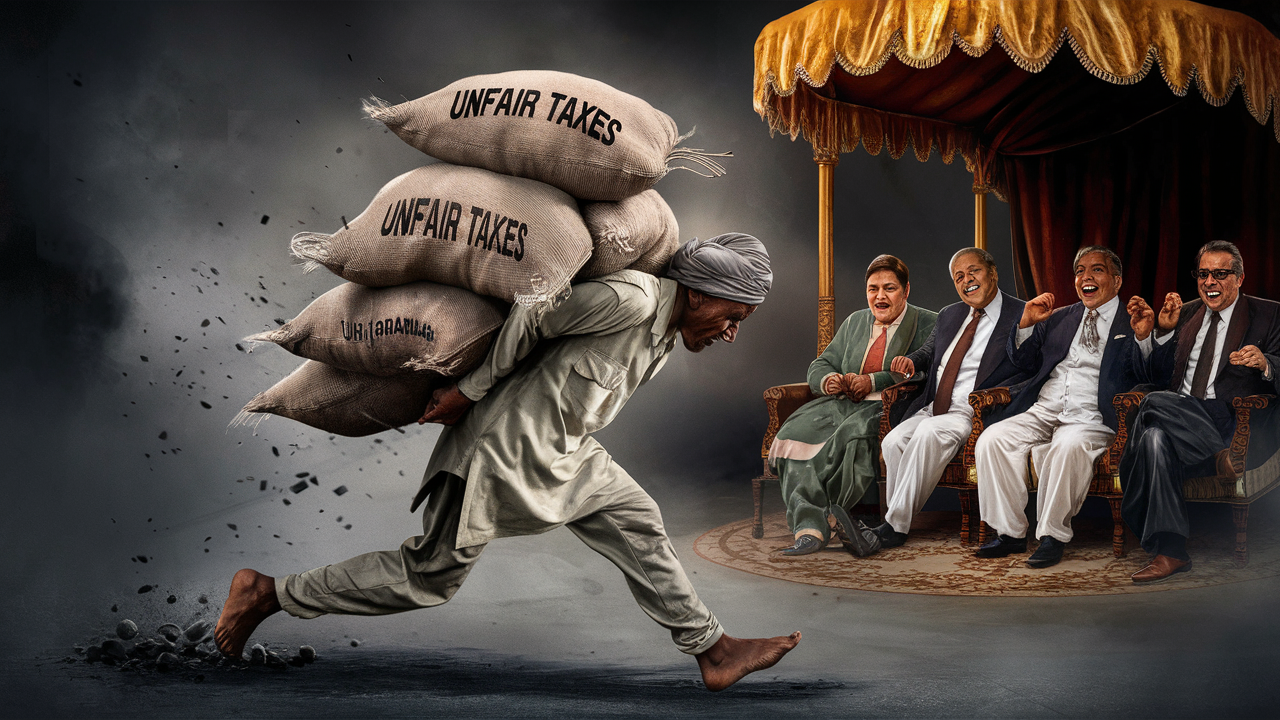
“This budget marks the third consecutive year in which the burden of taxation has disproportionately fallen upon the salaried class, neglecting broader efforts to expand the tax base in the country,” read the petition.
The alliance raised key issues such as an unbalanced tax burden, neglect of tax base expansion, impact on economic growth and brain drain, and disparities in taxation.
It urged the Supreme Court, “Under Article 184(3) of the constitution of Pakistan to uphold justice and protect the rights of salaried class and all taxpayers in Pakistan.”
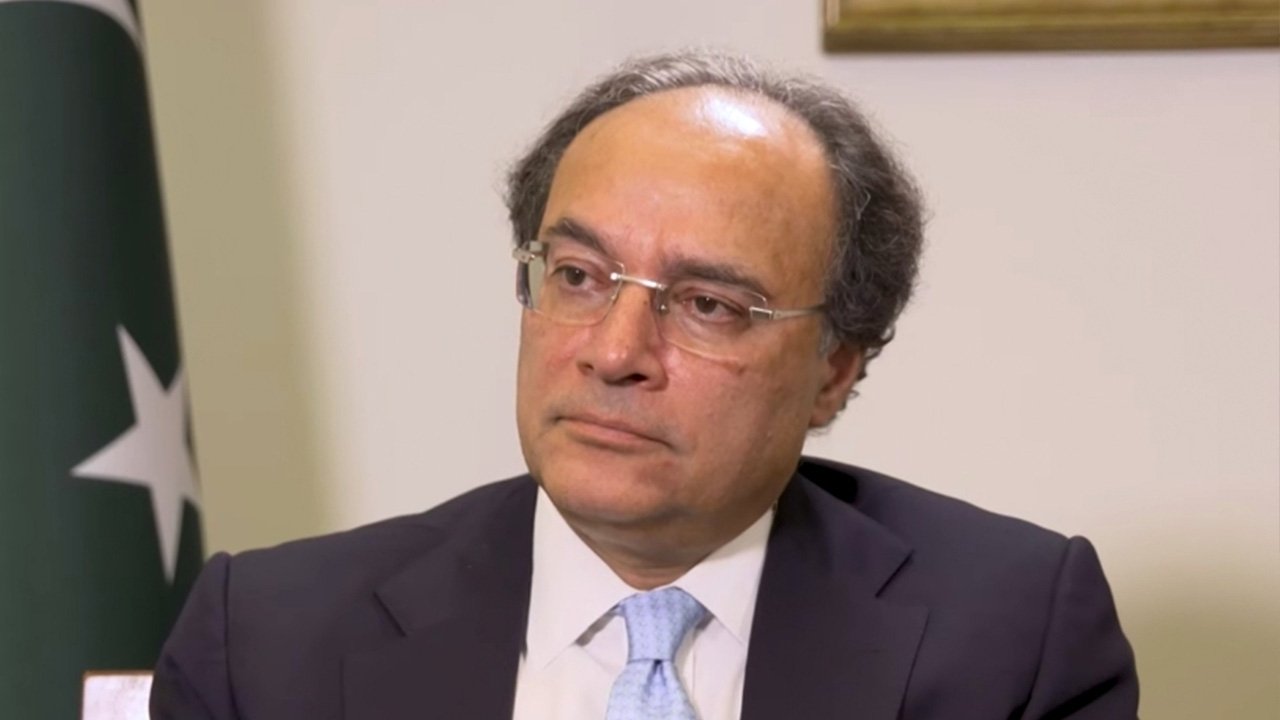
Federal Minister for Finance and Revenue Muhammad Aurangzeb has stated that the government will review measures to protect the salaried class following the increased tax burden introduced in the Budget 2024-25.
Aurangzeb said that the government tried to “ring-fence the salaried class as much as it could.” He acknowledged the impact of the new tax measures on this group, highlighting his six years of experience in understanding the nuances of tax brackets, super tax, and capital value tax (CVT).
“We made significant efforts to protect them,” Aurangzeb said, emphasising that individuals earning less than Rs600,000 annually remain exempt from income tax.
He added that the highest tax bracket of 35 per cent was also shielded from additional taxes to prevent talent from leaving the country.
Aurangzeb mentioned ongoing reviews to assess potential relief for the tax slabs, aiming to balance the need to increase tax revenue from Rs9.4 trillion to Rs12.9 trillion with the burden on the salaried class.
“We will generate Rs1.5 trillion through additional revenue measures by removing exemptions and imposing more taxes,” he noted, revealing that the overall impact of these measures on the salaried class is approximately Rs70 billion out of the Rs1.5-1.6 trillion in new taxes.
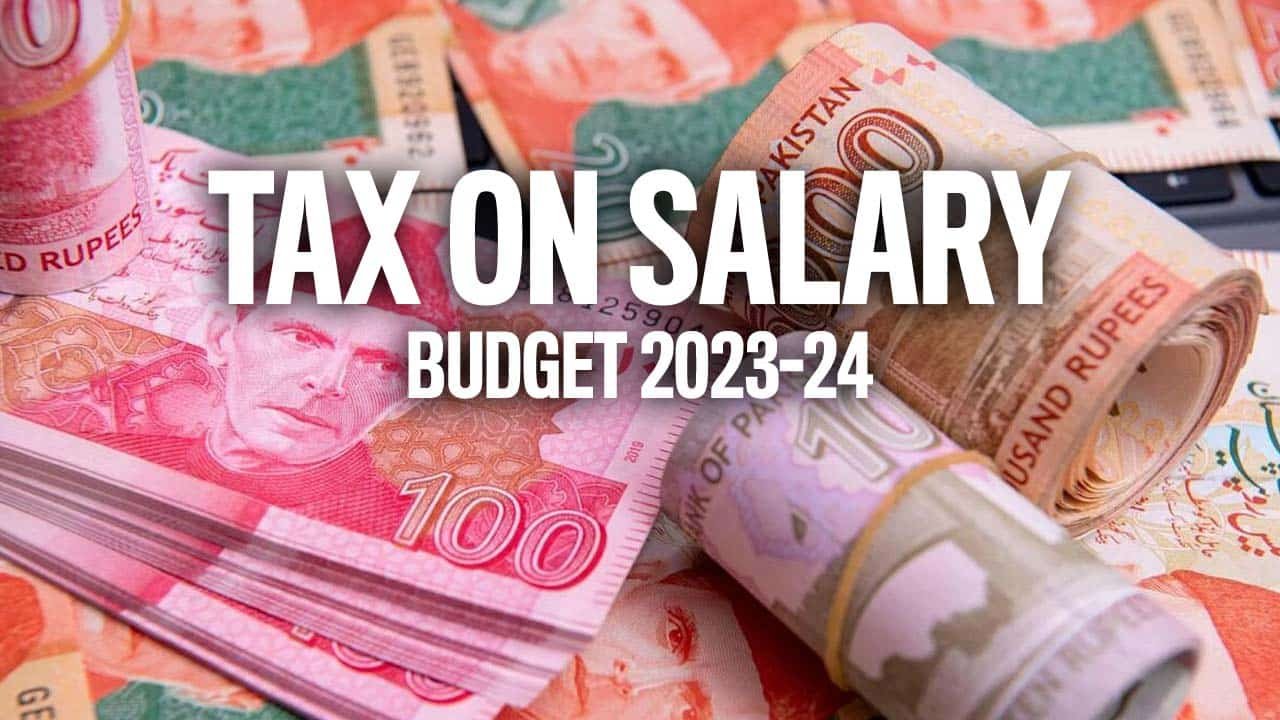
The Finance Minister’s comments come after the government’s decision to increase tax liability for individuals earning more than Rs50,000 monthly in the Budget 2024-25.
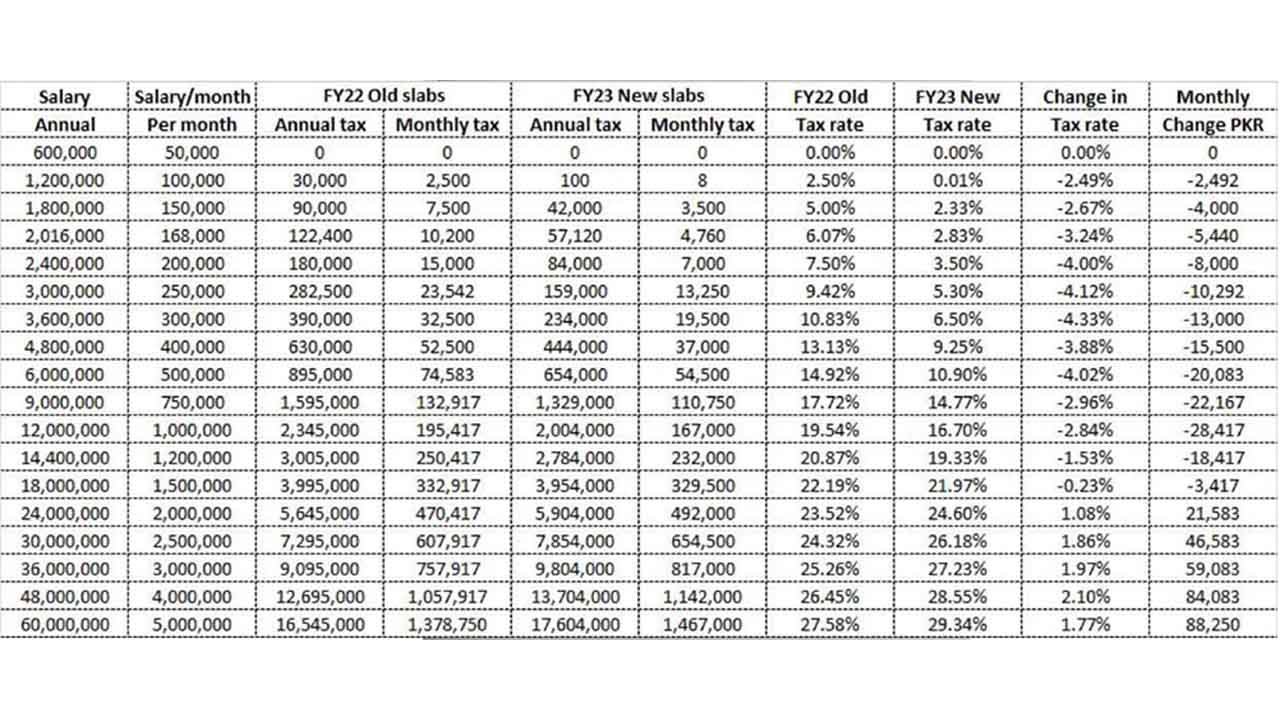
The Finance Bill 2024 indicates that the highest impact will be on those earning Rs6 million annually (Rs500,000 monthly), with a tax liability increase of Rs22,500. Interestingly, those earning Rs12 million annually (Rs1 million monthly) will face the same increase.
On Friday, lawmakers, including those from allied political parties, criticised the government for imposing additional taxes on the salaried class while providing subsidies and exemptions to the real estate and agriculture sectors.
During the budget debate in the National Assembly, they argued that the heavy taxation on the salaried class is irrational and could exacerbate brain drain. They called for substantial revisions to the federal budget to offer more relief to the masses and extend the tax net to previously exempt sectors.
The salaried class in Pakistan has seen a significant increase in tax burden over recent years as the government targets what many consider “soft targets” in its efforts to boost the tax-to-GDP ratio.
The government has faced criticism for focusing on formal sectors and not adequately addressing the informal economy.
In the fiscal year 2022-23, Pakistan’s salaried class emerged as the leading contributor to the nation’s income tax, making a substantial contribution of Rs264.3 billion. Astonishingly, this amount was nearly 200 per cent higher than the combined income tax paid by the country’s exporters and largely undertaxed retailers.
Data collected and released by the Federal Board of Revenue (FBR) unveiled that salaried individuals paid a total of Rs264.3 billion in taxes during the fiscal year, marking an impressive increase of over Rs75 billion or 40 per cent compared to the previous year. This rise was attributed to the imposition of up to a 35 per cent tax rate on their earnings.
Ranked as the fourth-largest contributor to withholding taxes, following contractors, bank depositors, and importers, the salaried class has faced increased taxation in the latest budget. Despite grappling with this added burden alongside historically high inflation rates, the government once again raised taxes on salaried individuals earning more than Rs200,000 per month in the recent budget. In a surprising move, around 5,000 retailers were relieved from stricter registration conditions.
It is noteworthy that during the preceding fiscal year, the FBR managed to collect over Rs2 trillion through withholding taxes, accounting for 61 per cent of the total income tax generated in the same period. However, concerns were raised over the ease of collecting withholding taxes, especially from non-filers at double rates, which has become a reliable revenue source for the FBR.
The Salaried Class Alliance expressed apprehension over the prioritisation of additional taxation on existing taxpayers while allowing the informal sector to thrive. The highest income tax collections came from contractors, savings account holders, importers, salaried individuals, non-filers’ electricity bills, telephone & mobile phone users, and dividend income. According to Express Tribune, other significant contributors included taxes on property transactions, exports, foreign income fees, brokerage commissions, and car registrations.
Comparatively, provisional figures revealed that exporters and retailers combined paid Rs175 billion less in taxes compared to the salaried class. Despite earning $27.7 billion during the last fiscal year, exporters contributed only Rs74 billion in taxes. Although their tax contribution increased by 17.4 per cent from the previous year, it did not match the rise in their income in rupee terms. Retailers, subject to a 0.5 per cent advance tax on sales, contributed a mere Rs15.6 billion, reflecting the lowest contribution among income groups. Surprisingly, despite accounting for approximately 19 per cent of the economy, retailers and wholesalers only contributed 0.4 per cent to the total income tax collection.
The approach of the International Monetary Fund (IMF) came under criticism for disproportionately burdening the salaried class, which lacks representation in the corridors of power, unlike exporters and retailers.
Lastly, tax collection from contractors and service providers reached an impressive Rs391 billion in the last fiscal year, marking the largest single-income tax collection head over which the FBR has no control. Additionally, profits on debt witnessed a remarkable 106 per cent increase, amounting to Rs320 billion, reflecting higher interest rates and increased savings. Importers also contributed significantly, paying Rs290 billion in income tax on various types of imports, ranking as the third-largest contributor to withholding taxes.
The National Assembly has passed an amended Finance Bill 2023, marking a significant milestone in the country’s ongoing financial saga. With the revised bill meeting the rigorous conditions set forth by the International Monetary Fund (IMF), hopes are high that this last-ditch effort will unlock a vital infusion of bailout funds.
The IMF had previously voiced its disappointment with the country’s initial budget, deeming it a missed opportunity to implement a more progressive and comprehensive tax framework.
However, determined to rectify this setback, Finance Minister Ishaq Dar introduced a series of new taxes and expenditure cuts, which were instrumental in garnering the Assembly’s approval.
Undoubtedly, the standout feature of this momentous bill is the introduction of fresh taxation measures projected to generate an impressive Rs215 billion in revenue.
In a bold move towards fairness and equity, the Finance Bill also sanctions an increase in tax rates for higher income brackets within both the salaried and non-salaried classes.
Outlined below are the revised income tax slabs for the year 2023, reflecting a more balanced approach to income taxation:
Taxable income range
Tax rate
Not exceeding Rs600,000
0% (Tax-free)
Rs600,001 – Rs1,200,000
2.5% of the amount exceeding Rs600,000
Rs1,200,001 – Rs2,400,000
Rs15,000 + 12.5% of the amount exceeding Rs1,200,000
Rs2,400,001 – Rs3,600,000
Rs165,000 + 22.5% of the amount exceeding Rs2,400,000
Rs3,600,001 – Rs6,000,000
Rs435,000 + 27.5% of the amount exceeding Rs3,600,000
Exceeding Rs6,000,000
Rs1,095,000 + 35% of the amount exceeding Rs6,000,000
1. Tax-free threshold:
Individuals with a taxable income not exceeding Rs600,000 are exempt from income tax obligations.
2. Progressive tax rates:
For those with taxable incomes exceeding Rs600,000 but not surpassing Rs1,200,000, a tax rate of 2.5 per cent will be levied on the amount exceeding Rs600,000.
3. Unchanged tax rate for salaried individuals:
Salaried individuals with taxable incomes ranging from above Rs1,200,000 to Rs2,400,000 will continue to face a tax rate of Rs15,000 plus 12.5 per cent of the amount exceeding Rs1,200,000.
4. Moderate income brackets:
Taxpayers with taxable incomes exceeding Rs2,400,000 but not surpassing Rs3,600,000 will experience a tax rate of Rs165,000 plus 22.5 per cent of the amount exceeding Rs2,400,000.
5. Higher income brackets:
Individuals falling within the income range of Rs3,600,000 to Rs6,000,000 will face a tax rate of Rs435,000 plus 27.5 per cent of the amount exceeding Rs3,600,000.
6. Top earners:
Those with taxable incomes exceeding Rs6,000,000 will be subject to a tax rate of Rs1,095,000 plus 35 per cent of the amount exceeding Rs6,000,000.
With this bold and progressive tax structure, the Finance Bill 2023 promises to forge a more equitable financial landscape.
As the nation eagerly awaits the release of the much-needed bailout funds, this resolute step taken by the National Assembly stands as a testament to the government’s determination to safeguard the country’s economic well-being and chart a path towards sustainable growth.
In response to the International Monetary Fund’s (IMF) recommendation to eliminate relief provided on June 10, the coalition government on Friday announced amended tax deduction rules for the salaried class.
The News reported on Saturday that the Federal Board of Revenue’s (FBR) target for tax collection for the fiscal year 2022–23 has been raised to Rs7,470 billion, an increase of Rs466 billion.
In order to raise the collection, the government had to take harsh measures, such as boosting the tax rates for high earners to raise Rs120 billion for fighting poverty and Rs35 billion for the salaried class.
For the upcoming fiscal year 2022–2023, the government imposed a 10 per cent super tax on 13 high-earning sectors, which will cost Rs80 billion in income.
The government increased the Personal Income Tax (PIT) by Rs80 billion by abolishing tax relief worth Rs47 billion and then increasing the tax amount by Rs35 billion. As a result, the FBR was expected to collect Rs235 billion from the salaried class in the upcoming budget, up from Rs200 billion in the preceding fiscal year.
The PTI-led government had promised to raise the tax revenue by Rs335 billion by increasing the tax slab rates for the salaried class, but the PDM-led coalition government persuaded the IMF to accept Rs100 billion less than the amount the PTI-led government had promised to raise.
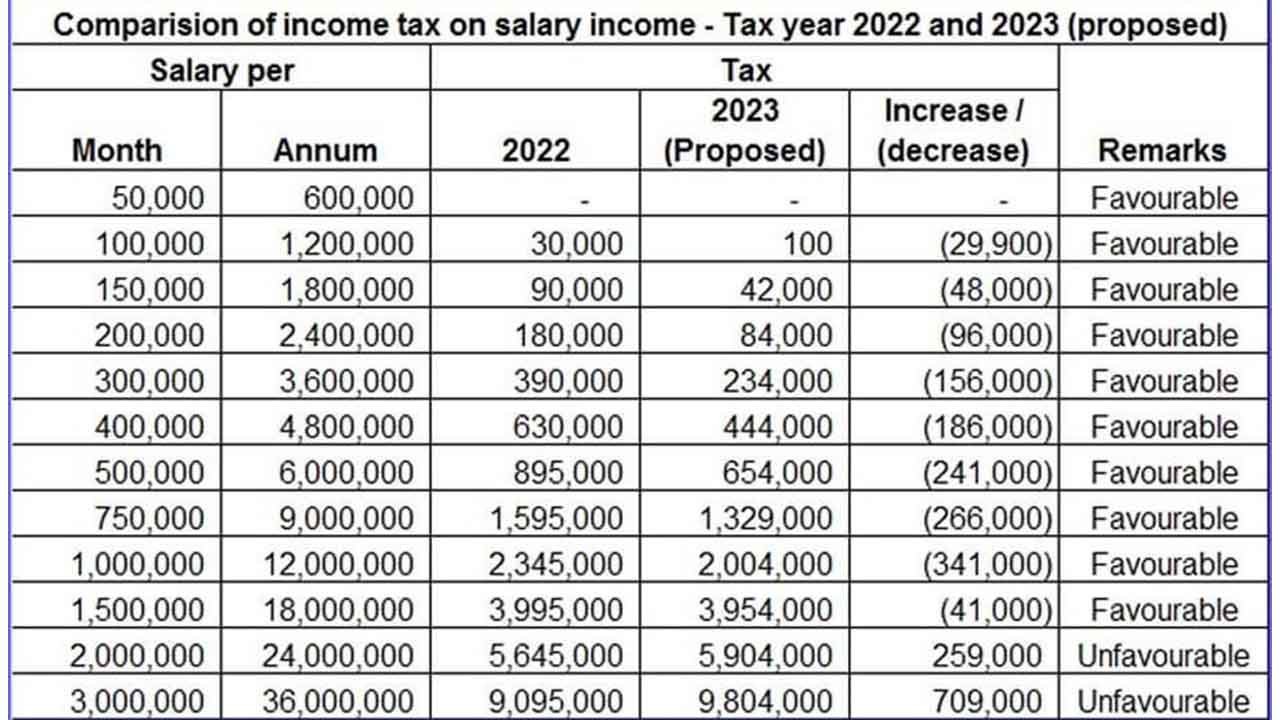
The government suggested a tax rate of 2.5 per cent for the salaried class for income brackets of Rs50,000 to Rs100,000. The proposed tax rate increased to 12.5 per cent for income earners who make between Rs100,000 and Rs300,000 per month.
The FBR proposed raising the tax rate from 17.5 per cent to 20 per cent in cases where the taxable income is greater than Rs3,600,000 but not greater than Rs6,000,000. The FBR tax rate is proposed to rise from 22.5 per cent to 25 per cent where the taxable income exceeds Rs6,000,000 but does not exceed Rs12,000,000.
The FBR will charge a tax amount of Rs2,004,000 plus 32.5 per cent of the amount exceeding Rs12,000,000 on an annual basis where the taxable income exceeds Rs12,000,000. The FBR suggested a 35 per cent tax rate for the aforementioned income.
The Minister for Information and Broadcasting Marriyum Aurangzeb announced on Monday that the government would provide a Rs3 billion subsidy to lower the price of ghee to assist the masses.
She told a press conference that the market price of ghee is currently Rs550 per kg, but it is being sold at Rs300 per kg in utility stores across the country, according to AAJ News
“The government is bearing a cost of Rs250 per kg,” she added, adding that the price of ghee was Rs150 per kg when the Pakistan Muslim League-Nawaz (PML-N) handed over the office to the Pakistan Tehreek-e-Insaf (PTI) in 2018.
On the other hand, the government has increased the price of ghee and cooking oil at other retailers.
She further stated that a 10 kg wheat bag could be purchased for Rs400 at any utility store in Pakistan.
The minister said that on June 6, about one hundred mobile vans were added to the Utility Stores Corporation (USC) network, citing residents of Khyber-Pakhtunkhwa (KP) having difficulty obtaining discounted items due to limited distribution of utility stores.
9,500 new utility stores
“In addition, on June 9, 500 new USC stationary stations were set up to deliver wheat, and 100 more items are being added today,” she stated. “Since June 6, the USC network has grown by 700 units”.
Price control committees have also been established, according to her, to keep hoarding and reselling of USC materials under check. The availability of items at utility retailers, she said, was also being watched.
The minister stated that Rs17 billion had been set aside to give the public with low-cost sugar, ghee, and wheat.
In the budget for fiscal year 2022-23, the government has exempted those earning up to Rs100,000 per month from paying income tax, up from Rs50,000 last year.
For the salaried income group, the latest budget is a mishmash as the government reduced tax rates and the number of slabs while eliminating available credit through the omission of deductible allowance for profit on debt and tax credit for investment in shares, health insurance, and pension funds.
Moreover, the government has released a revamped list of income tax brackets for salaried employees. There were previously 12 slabs, which have now been shrunk to seven.
Here are the new slabs:
For annual incomes less than Rs600,000 (below Rs50,000 per month)
For a yearly income of Rs600,000-Rs1.2 million (Rs50,000 to Rs100,00 per month).
For annual earnings of Rs1.2m-2.4m (Rs100,000 to Rs200,000 per month)
For annual earnings of Rs2.4m-3.6m (Rs200,000 to Rs300,000 per month)
For earnings of Rs3.6m-6m (Rs300,000 to Rs500,000 per month)
For annual earnings of Rs6m-12m (Rs500,000 to Rs10,00,000 per month)
For annual earnings of more than $12 million (more than $100,000 per month), income tax is not to be levied on people earning between 0 and Rs600,000 per year (where income from salary exceeds 75 per cent of taxable income). A nominal amount of Rs100 will be subtracted per year from those earning between Rs600,000 and Rs1.2 million.
Employees getting paid more than Rs1.2 million but less than Rs2.4 million per year will be levied 7 per cent of the amount that exceeds Rs1,200,000 in the third slab.
An employee getting paid Rs1,400,000 per year will be levied 7 per cent of Rs200,000 (Rs1,400,000 minus Rs1,200,000 since that is the amount exceeding Rs1,200,000).
As per the latest budget resolution, the government recommended an income tax rate of 20 per cent on small business earnings, 42 per cent on banking, and 29 per cent on related companies.
On May 15, the provincial president of the Muttahida Labour Federation (MLF) in Peshawar, Muhammad Iqbal stated that the current price hikes had made life difficult for poor workers but the government had remained silent.
He remarked that the provincial and federal governments should enhance monthly wages and the Employees’ Old-Age Benefit Institution pension in relation to the country’s current price hikes and inflation, speaking during a protest gathering staged in honour of May Day here at Shobra Chowk.
The leader was of the view that workers had played a critical part in the country’s progress, but that each subsequent government had crushed them under one excuse or another. He claimed that the government and investors had teamed up to close down industrial units in the province as part of a well-planned plot.