Tag: salaries

  • Budget 2023-24: How much tax will you pay on your salary?

    Budget 2023-24: How much tax will you pay on your salary?

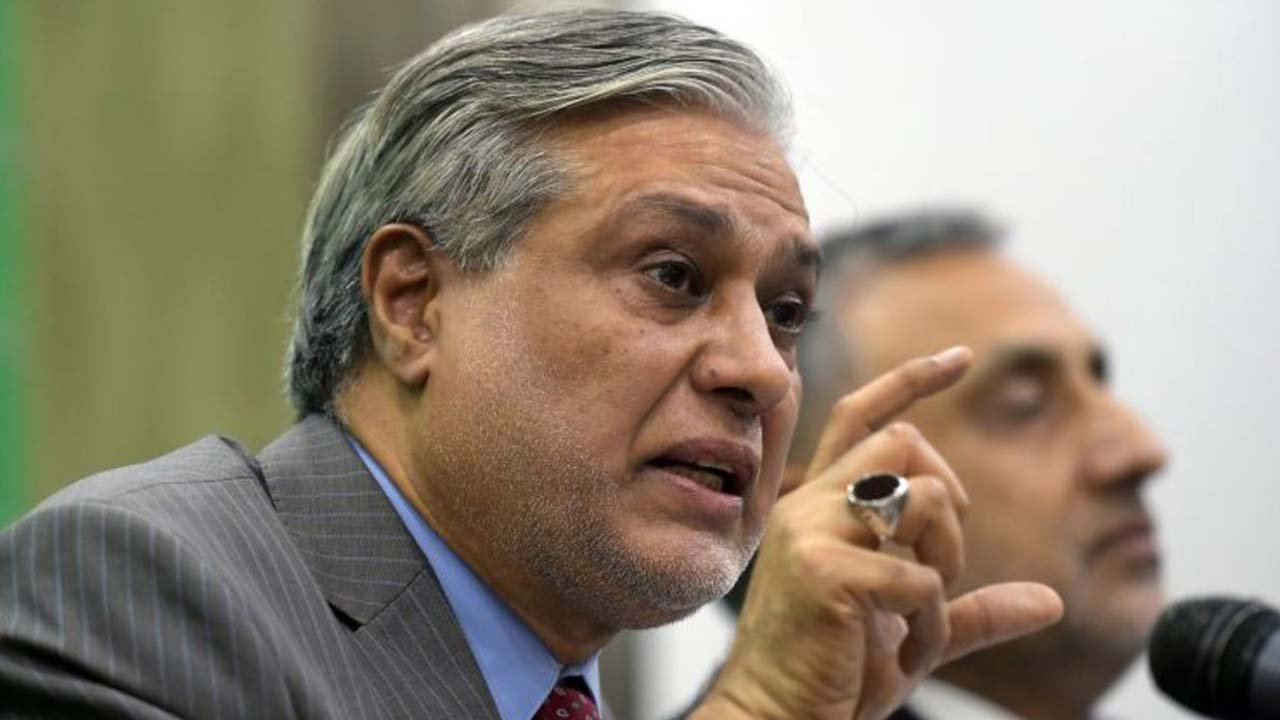
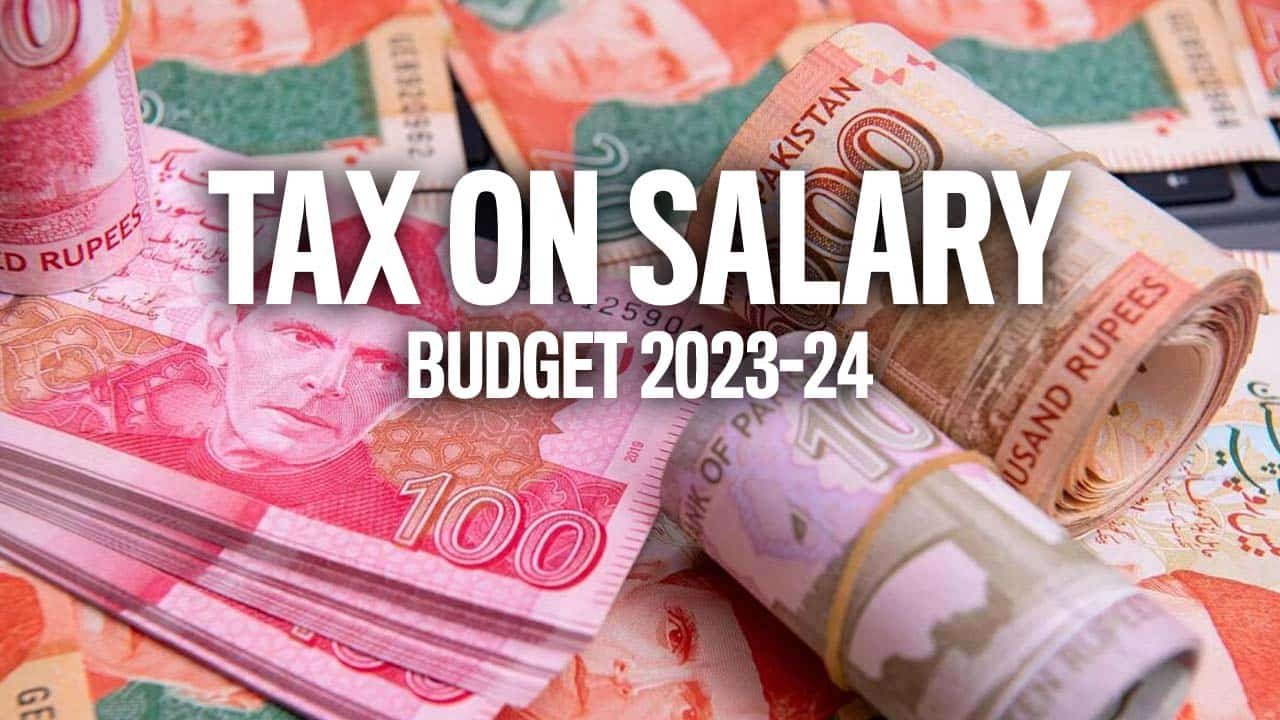
    Finance Minister Ishaq Dar presented a comprehensive budget proposal of Rs14.46 trillion for the fiscal year 2023-24, emphasising an expansionary approach. One of the key highlights of the proposal was a substantial increase in the salaries of government employees, aimed at providing much-needed relief.

    In order to ensure that the burden on the salaried class remained unchanged, the coalition government decided not to make any alterations to the existing tax slabs, which were approved in the previous year’s Finance Bill of 2022.

    Outlined below are the tax slabs for different income brackets:

    1. Income below Rs600,000 per year (Rs50,000 per month):

       – No tax will be deducted.

    2. Income between Rs600,000 to Rs1.2 million per year (Rs50,000 to Rs100,000 per month):

       – Tax will be levied at a rate of 2.5 per cent on the amount exceeding Rs600,000.

    3. Income between Rs1.2 million to Rs2.4 million per year (Rs100,000 to Rs200,000 per month):

       – Tax will be levied at a rate of Rs15,000 plus 12.5 per cent on the amount exceeding Rs1.2 million.

    4. Income between Rs2.4 million to Rs3.6 million per year (Rs200,000 to Rs300,000 per month):

       – Tax will be levied at a rate of Rs165,000 plus 20 per cent on the amount exceeding Rs2.4 million.

    5. Income between Rs3.6 million to Rs6 million per year (Rs300,000 to Rs500,000 per month):

       – Tax will be levied at a rate of Rs405,000 plus 25 per cent on the amount exceeding Rs3.6 million.

    6. Income between Rs6 million to Rs12 million per year (Rs500,000 to 1,000,000 per month):

       – Tax will be levied at a rate of Rs1.005 million plus 32.5 per cent on the amount exceeding Rs6 million.

    7. Income exceeding Rs12 million per year (exceeding Rs1,000,000 per month):

       – Tax will be levied at a rate of Rs2.955 million plus 35 per cent on the amount exceeding Rs12 million.

    These tax slabs have been carefully designed to ensure a fair and balanced approach to income taxation, considering various income brackets. By maintaining consistency with the previous year’s tax slabs, the government aims to alleviate the burden on the salaried class while still generating the necessary revenue for public welfare and development initiatives.

    Overall, the budget proposal presented by Finance Minister Ishaq Dar reflects the government’s commitment to supporting government employees and maintaining a progressive tax system that promotes economic growth and fairness.

    Tax slabs Annual income Monthly income Tax rate
    Slab 1 Below Rs600,000 Below Rs50,000 No tax deducted
    Slab 2 Rs600,000 – Rs1.2 million Rs50,000 – Rs100,000 2.5 per cent of the amount exceeding Rs600,000
    Slab 3 Rs1.2 million – Rs2.4 million Rs100,000 – Rs200,000 Rs15,000 + 12.5 per cent of the amount exceeding Rs1.2 million
    Slab 4 Rs2.4 million – Rs3.6 million Rs200,000 – Rs300,000 Rs165,000 + 20 per cent of the amount exceeding Rs2.4 million
    Slab 5 Rs3.6 million – Rs6 million Rs300,000 – Rs500,000 Rs405,000 + 25 per cent of the amount exceeding Rs3.6 million
    Slab 6 Rs6 million – Rs12 million Rs500,000 – Rs1,000,000 Rs1.005 million + 32.5 per cent of the amount exceeding Rs6 million
    Slab 7 Above Rs12 million Above Rs1,000,000 Rs2.955 million + 35 per cent of the amount exceeding Rs12 million
  • Ministry of Finance halts clearing of bills including salaries due to deteriorating financial condition

    Ministry of Finance halts clearing of bills including salaries due to deteriorating financial condition

    The Ministry of Finance and Revenue has instructed the Accountant General Pakistan Revenues (AGPR) to stop clearing bills, including salaries, due to the current economic crisis and the deteriorating financial situation of the country. The ministry has also directed the halt of clearings of attached departments until further notice.

    According to The News, official sources have confirmed that operational cost-related releases have faced difficulties due to the economic hardships of the country. However, attempts to obtain a comment from Finance Division officials were unsuccessful, and the Minister for Finance Ishaq Dar promised to respond after confirming the report’s accuracy, which he had not done by the time of the report’s filing.

    Sources who went to the AGPR office for clearance of their outstanding bills were informed that the Ministry of Finance had directed them to stop clearing all bills, including salaries, due to the prevailing financial difficulties. The reasons for the immediate stoppage of the clearance of bills were not ascertained.

    The lingering financial difficulties are considered to be a significant reason for this move. However, salaries and pensions of defence-related institutions have already been cleared for the following month.

    During a meeting with a delegation of M/s Rothschild & Co on February 22, Finance Minister Ishaq Dar said that the government is committed to steering the economy towards stability and growth, and completing the International Monetary Fund (IMF) programme, and fulfilling all international obligations.

    To this end, on February 20, the National Assembly unanimously approved the Finance (Supplementary) Bill 2023, or ‘mini-budget’, which is mandatory for seeking the $1.1 billion tranche of the IMF. The bill increases sales tax from 17 to 25 per cent on imports ranging from cars and household appliances to chocolates and cosmetics, while a general sales tax was raised from 17 per cent to 18 per cent.

    As the bill was passed, the minister told the lower house of parliament that the prime minister would unveil austerity measures in the next few days, adding, “we will have to take difficult decisions.”

    UPDATE:

    The Finance Ministry has rejected the rumours that the government has instructed to stop payment of pay and pension.

    The ministry stated in a press release, “There are rumours floating around that Government has instructed to stop payment of pay, pension, etc. This is completely false as no such instructions have been given by Finance Division, which is the concerned federal ministry. AGPR has confirmed that pay and pension have already been processed and will be paid on time. Further, other payments are being processed as per routine.”

  • Ministers decide to give up salaries amid economic crisis

    Ministers decide to give up salaries amid economic crisis

    A total of 12 federal ministers and three state ministers have decided to give up their salaries and work on voluntary basis due to the worsening economic crisis in the country.

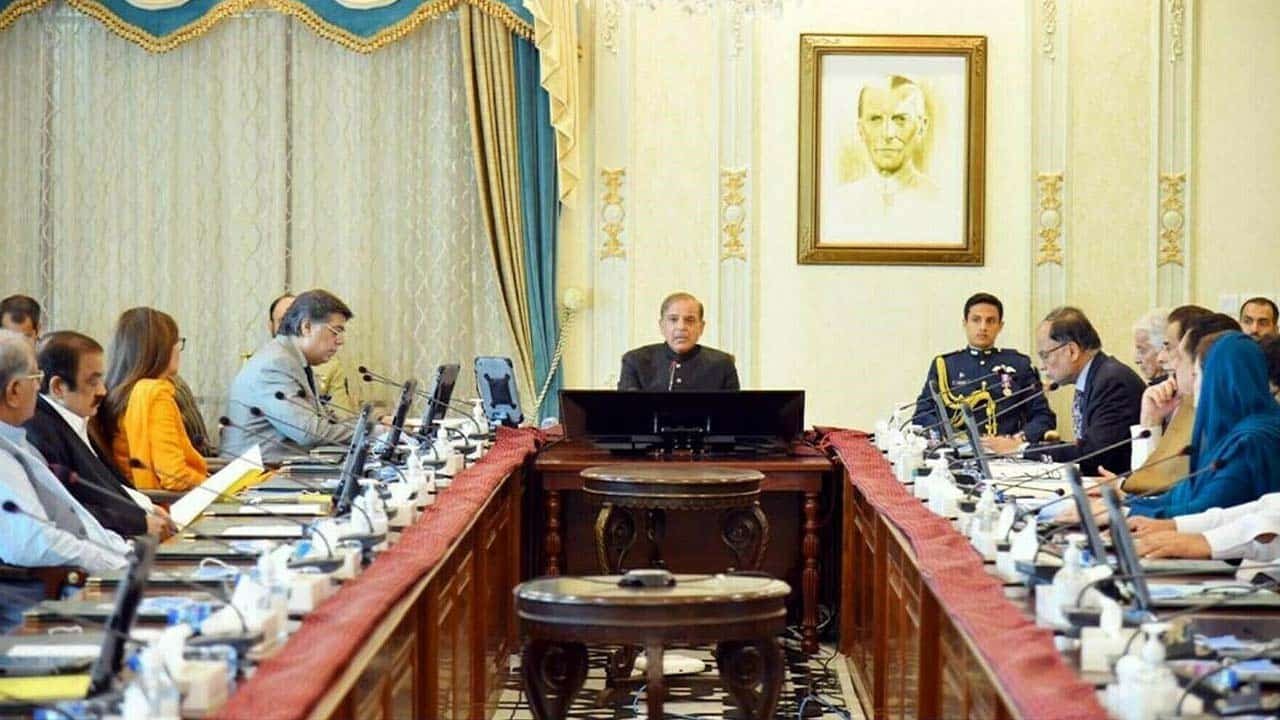
    The ministers themselves proposed to Prime Minister (PM) Shehbaz Sharif that they will work without pay. The Premier has approved the request and appreciated their concern for the nation.

    This will be the very first time that such a large number of cabinet members will be serving without getting paid.

    It has also been reported that the Members of the National Assembly (MNAs) have decided to donate one-month salary each to the earthquake victims in Turkiye and Syria.

  • Pakistani traders threaten to launch nationwide protests if new taxes imposed

    Pakistani traders threaten to launch nationwide protests if new taxes imposed

    Traders in Pakistan have threatened to launch a nationwide protest in response to the government’s potential imposition of new taxes to meet the International Monetary Fund’s (IMF) conditions. The Central Organisation of Traders has called for the government to reduce the salaries of army generals, judges, and parliamentarians instead.

    On Saturday, representatives of the Central Organisation of Traders spoke to the media in Islamabad and announced their plan for a protest movement starting on February 13th if the new taxes are introduced. The leaders of the organization warned the government that the current economic situation in the country cannot withstand further taxation of the general public and the trading community.

    They expressed dismay that the state of the economy of a nuclear country was in dire straits and the situation was worsening with each passing day, and said that the public should not suffer because of the “flaws or crimes committed by the leaders of this country.”

    “Our reaction will be severe if more taxes worth billions of rupees were imposed, as being reported in the media,” Kashif Chaudhry, the organisation’s president, said, asking the stakeholders, including the ruling elites, to make “sane decisions” if they want to improve the economy.

    Mr Chaudhry has proposed that the government reduce the expenses of high-level officials such as the President, Prime Minister, legislators, judges, army officers, and bureaucrats. He believes the government should immediately decrease “non-productive expenditures” by half.

    The trader representatives have also made demands of the government. They have called for the creation of both short-term and long-term economic policies and for more consistent income tax collection across all sectors, instead of imposing billions of dollars in new taxes.

    “I assure the government that the business community was ready to contribute to steering the country out of the current economic crises and we traders are ready to pay fixed taxes,” he said.

    Khawaja Salman Siddiqui, the chairman of the organization, criticized Finance Minister Ishaq Dar. According to Siddiqui, Dar was appointed by the PML-N to stabilize the economy and prevent the depreciation of the rupee, but he failed to deliver on his responsibilities.

    Mr Siddiqui said putting an artificial cap on the dollar’s rate led to a wide gap between the interbank and open market rates, and despite the demand to remove the cap, Mr Dar “remained stubborn and did not listen to anybody.”

    Other speakers called for the implementation of the decision of the Federal Shariat Court to make Pakistan’s economy interest-free to “eradicate exploitation in the system.”

    According to Dawn, the speakers also suggested an amnesty program that would allow wealthy individuals to repatriate their foreign wealth. The government could then borrow money from these individuals and provide them with profits instead of taking loans from the International Monetary Fund (IMF) and World Bank with unfavorable conditions.

  • Man disappears after company pays 286 times his salary accidentally

    Man disappears after company pays 286 times his salary accidentally

    A company in Chile accidentally paid one of its employees 286 times his salary in May, after which the employee resigned from the company and disappeared.

    The man worked at Consorcio Industrial de Alimentos (Cial), one of the largest producers of cold cuts in Chile. The company paid nearly Rs37 million to the man although his salary was Rs111,760.

    Soon after the incident, the company realised its mistake. The management reached out to the employee who at the time agreed to get the money refunded.

    However, when the company did not get the amount back, they tried to contact the employee again but their messages were not answered.

    Later, the man got in touch with the management and promised that he would visit the bank.

    However, on June 2, he handed over his resignation and disappeared without any trace.

    Subsequently, the company was forced to take legal action against the man to recover their money.

  • PM Shehbaz approves 15 per cent pay raise for govt employees

    PM Shehbaz approves 15 per cent pay raise for govt employees

    On Friday, the federal cabinet approved a 15 per cent raise in federal government employee salaries and a 5 per cent increase in pension payments.

    The federal cabinet convened to discuss the budget ideas. Finance Minister, Miftah Ismail will propose the budget to the National Assembly today, following cabinet agreement.

    The announcement comes less than an hour before the administration of Prime Minister (PM) Shehbaz Sharif is expected to submit its first budget.

    The Minister of Information and Broadcasting, Marriyum Aurangzeb also tweeted in this regard that PM Shehbaz has ‘rejected’ the Finance Ministry’s recommendation of a 10 per cent pay raise for government personnel and approved a 15 per cent pay raise along with merging adhoc allowances into basic salaries.

  • Crisis-hit Sri Lanka has enough petrol left for one day, PM warns

    Crisis-hit Sri Lanka has enough petrol left for one day, PM warns

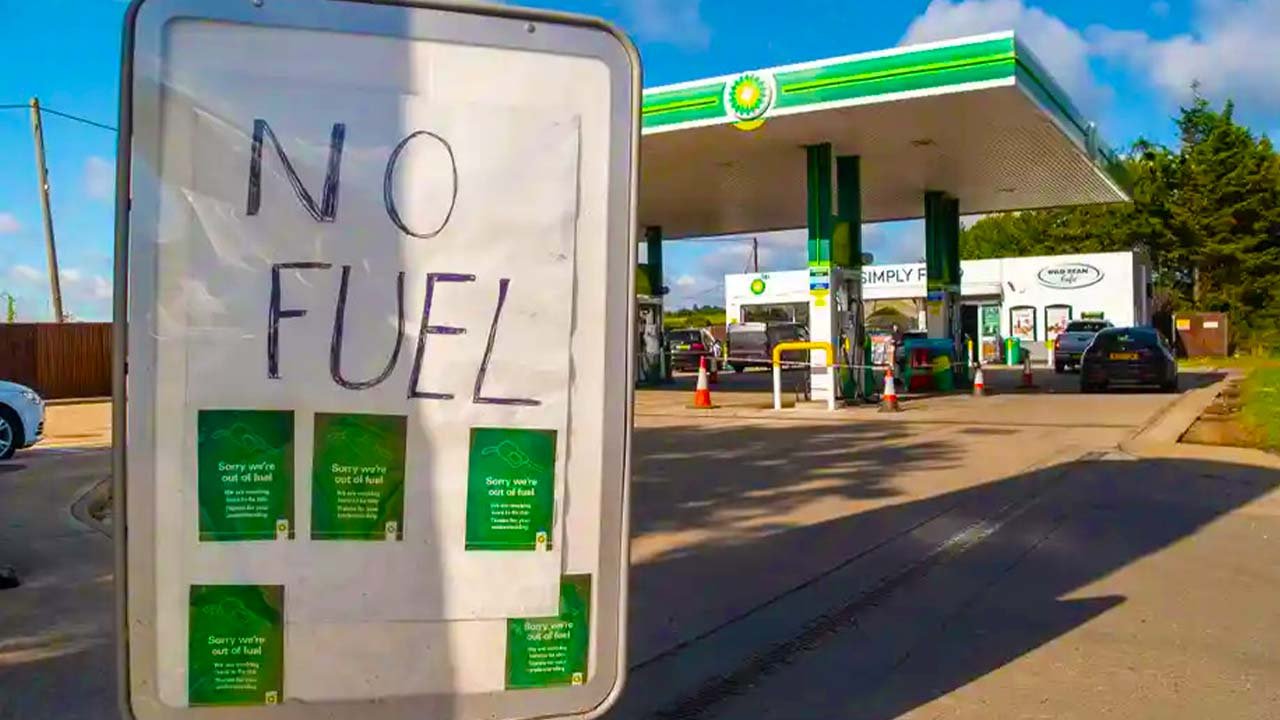
    As the country suffers its greatest economic crisis in more than 70 years, Sri Lanka’s new Prime Minister (PM) declared that the country is headed to its last day of petrol stock.

    PM Ranil Wickremesinghe said the country urgently needed $75 million in foreign currency to pay for crucial imports in a televised address. In order to pay government salaries, he claims the central bank will have to print money.

    Sri Lankan Airlines, which is owned by the government, may be privatised, according to PM Wickremesinghe.

    The pandemic, soaring energy prices, and populist tax cuts have all wreaked havoc on the island nation’s economy. Medicines, fuel, and other essentials were in low supply due to a chronic shortage of foreign cash and rising inflation.

    Auto rickshaws, the city’s most popular mode of transportation, and other vehicles have been queuing at gas stations in Colombo.

    The country has enough petrol for one day at the time. Mr Wickremesinghe, who was appointed Prime Minister last week, cautioned that the next few months will be the hardest of our lives.

    He noted that shipments of petrol and diesel using an Indian credit line could provide fuel supplies in the coming days.

    Mr Wickremesinghe stated that the nation’s central bank will have to print money to assist the government in meeting its salary bill and other obligations.

    The PM stated that he is forced to allow the printing of money against his will in order to pay state employees and purchase vital products and services. However, the nation must keep in mind that printing money causes the local currency to depreciate.

    Read more: CNG prices pushed to Rs140 per kg for sales tax collection

    As part of his efforts to stabilise the country’s finances, he advocated selling out Sri Lankan Airlines. In the fiscal year ended March 2021, the airline lost 45 billion rupees ($129.5 million; £105 million).

  • Babar Azam proposes a 20 per cent raise in cricketers’ salaries

    Babar Azam proposes a 20 per cent raise in cricketers’ salaries

    The Pakistan Cricket Board (PCB) met with officials, including captain Babar Azam and head coach Saqlain Mushtaq, to review the specifics of the new central contracts.

    As the players’ current central contracts will be expiring on June 30, discussions on new central contracts have begun at PCB Headquarters.

    According to sources, Babar Azam and Saqlain Mushtaq have proposed a 20 per cent raise in salaries. They have also provided opinions on the cricketers’ potential and participation in future plans.

    The details for the next cricket season, including contract contracts, budgets, and player categories, were discussed at the conference. The increase in monthly compensation for centrally contracted players was also a topic of discussion.

    Read more: Shoaib Akhtar reveals he was his mother’s driver for 11 years, pays tribute

    The new contracts will be finalised soon by the PCB, but the official list of new central contracts will be issued on July 1st. Major changes are predicted in the new central contracts, according to reports, with numerous superstars losing their contracts.

  • ‘No salaries for non-vaccinated employees,’ Sindh govt

    ‘No salaries for non-vaccinated employees,’ Sindh govt

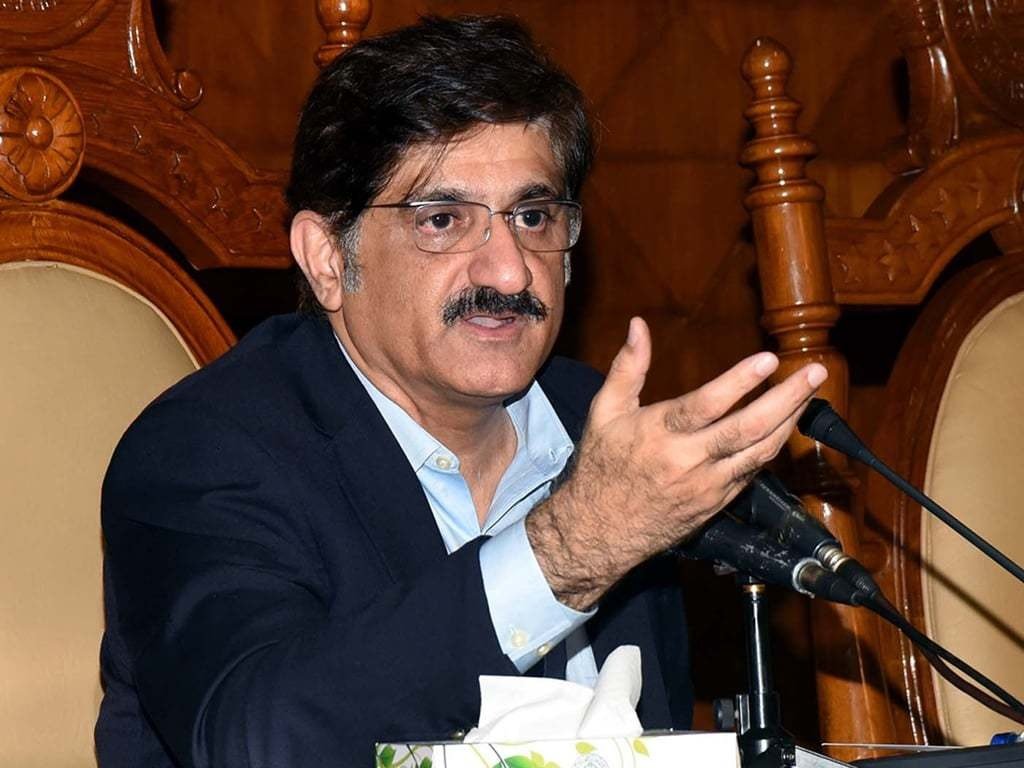
    Sindh Chief Minister Murad Ali Shah has directed authorities to stop the salaries of government employees who are not getting themselves vaccinated against the coronavirus.

    During the Coronavirus Task Force meeting held under the supervision of the chief minister, the coronavirus situation in Sindh was discussed and the overall statistics of vaccination in the province were also reviewed.

    CM Murad said salaries of unvaccinated Sindh government employees should not be released if they did not get the coronavirus vaccination and issued directives to the finance ministry in this regard. 

    According to the National Command and Operations Centre (NCOC), more than 79.53 million people have been vaccinated across the country so far. The national coronavirus monitoring body has set a target of vaccinating 70 million people in the country this year.

  • Govt to pay pensions, salaries via Raast instant payment system

    Govt to pay pensions, salaries via Raast instant payment system

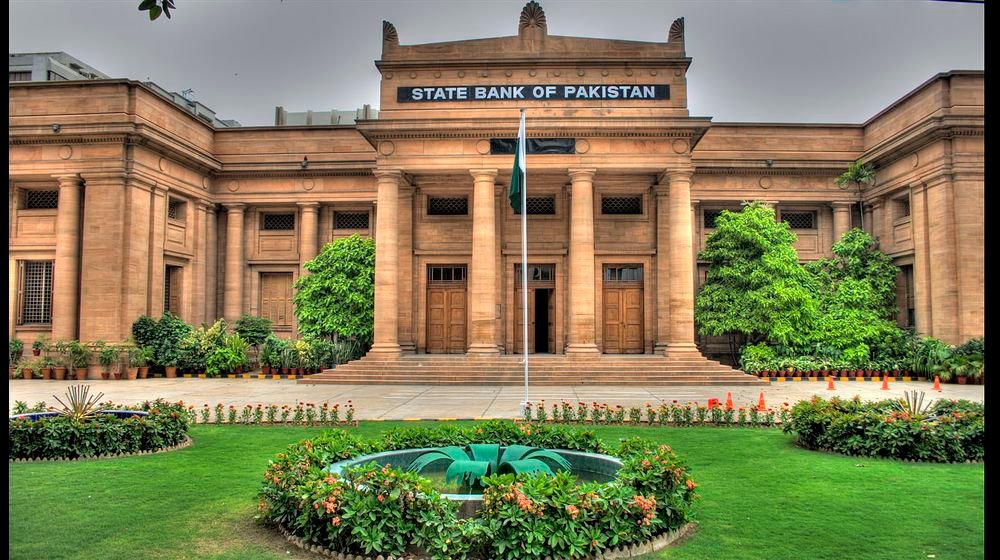
    The State Bank of Pakistan (SBP) and Controller General of Accounts Pakistan (CGAP) have decided to digitise the payment system for salaries/payments of government employees.

    The payments will be made through Raast.

    Raast is an initiative taken by Prime Minister (PM) Imran Khan to promote easy tax collection and move the country towards a cashless economy.

    According to a press release, SBP and CGAP have signed a memorandum of understanding (MoU) to use Raast for payments. The payroll and pension-roll data will be shared from the CGA system to SBP’s Raast through a highly secure interface, and payments to the beneficiaries’ accounts will be made instantly after validating the beneficiaries’ detail.

    To ensure that payments are only credited in the intended beneficiary’s account, the digital payment system will verify the beneficiaries’ details with their banks in real-time before crediting the payment in the beneficiary’s account.

    The central bank further added that they are working to make payments of social security nets like Ehaas Programme, Benazir Income Support Programme (BISP), and other government programmes through Raast.

    Raast is Pakistan’s first digital payment system that will ensure payments instantaneously for individuals, businesses and the government.

    The system can also make payments to multiple beneficiaries at a time to cater to high volume government payments like salaries, pension and social security payments.