Tag: sales tax

  • Toyota Yaris prices reduced by up to Rs133,000

    Toyota Yaris prices reduced by up to Rs133,000

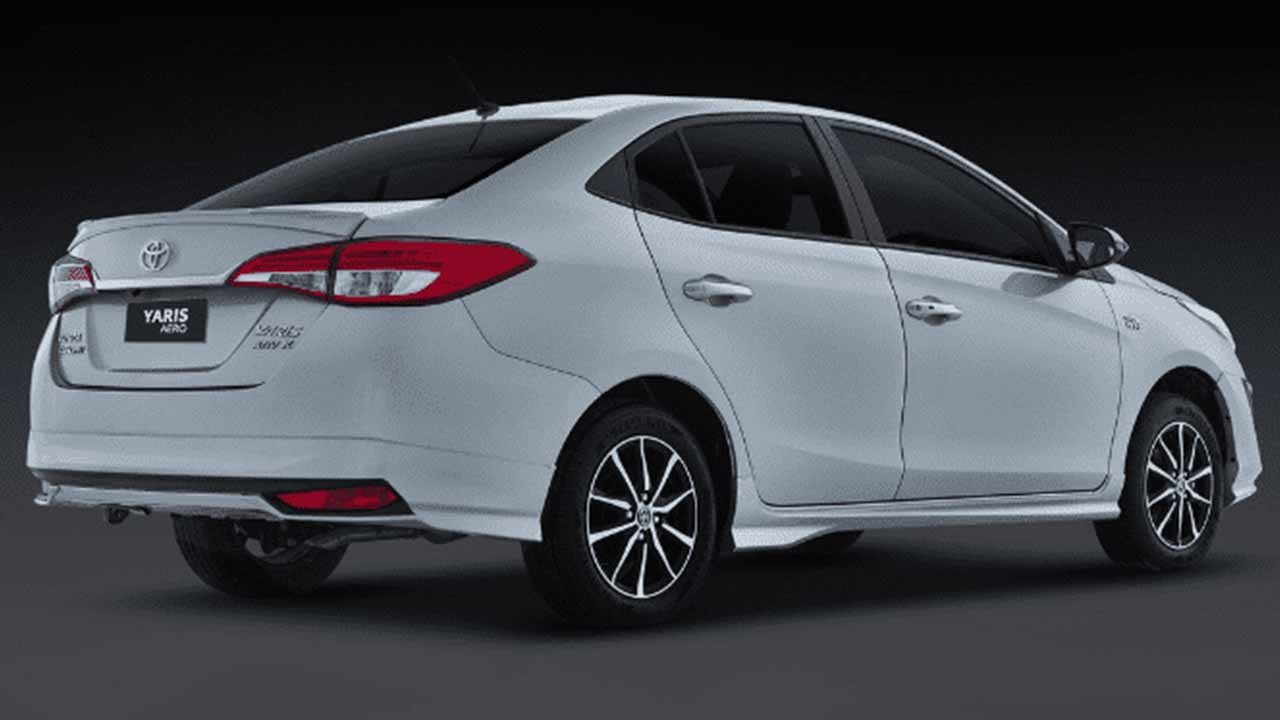
    Indus Motor Company, the manufacturer of Toyota vehicles in Pakistan, has announced a significant price adjustment for its Yaris sedan range.

    This adjustment, effective from Thursday, reflects a reduction in prices ranging from Rs73,000 to Rs133,000.

    The revised pricing structure for the Yaris lineup is as follows: the 1.3 MT LO, 1.3 CVT LO, and 1.3 MT Hi variants will now be priced at Rs4.326 million, Rs4.616 million, and Rs4.586 million, respectively, representing a reduction of Rs73,000 for each model.

    Additionally, the price of the Yaris CVT Hi has been lowered by Rs133,000 and is now priced at Rs4.766 million.

    According to Business Recorder, this decision comes in response to the recent imposition of a 25 per cent sales tax on vehicles priced above Rs4 million.

    By implementing these price cuts, Indus Motor Company aims to ensure that the Yaris remains within the 18 per cent sales tax bracket.

    Initially, the government’s decision to raise the sales tax was targeted at vehicles with engine sizes of 1,400 cc and above, as well as those priced above Rs4 million.

    However, it later extended to include SUVs below the 1,400cc threshold, prompting manufacturers to advocate for a Rs4 million price cap.

    As a consequence of this tax adjustment, certain models from Toyota, Honda, and Suzuki are now subject to the increased sales tax regime.
  • Car sales increase in Pakistan despite high prices, economic challenges

    Car sales increase in Pakistan despite high prices, economic challenges

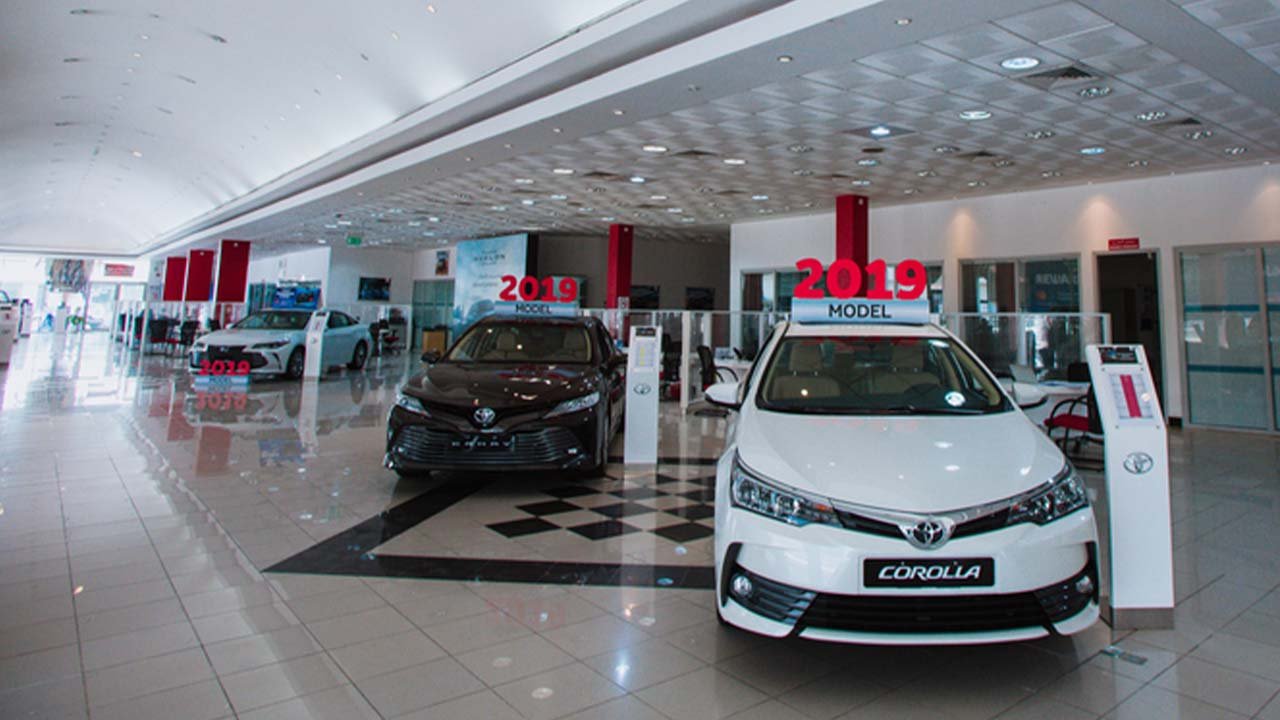
    In a surprising turn of events, the soaring prices of cars in Pakistan have not deterred buyers, as car sales experienced a notable uptick in February 2024.

    According to data released by the Pakistan Automotive Manufacturers Association (PAMA), car sales edged up by 1.94 per cent, reaching 7,953 units, compared to 7,802 units recorded in January 2024.

    This positive momentum follows a robust performance in the preceding month, where car sales hit their highest mark since December 2022.

    Analysts attribute this continued growth to the momentum generated by the new year, which has carried over into February.

    Year-on-year comparisons reveal a substantial increase, with car sales spiking by 2.18 times compared to February 2023, when only 3,642 units were sold.

    However, despite this recent surge, cumulative sales for the first eight months of fiscal year 2024 stand at 46,417 units, marking a 40.93 per cent decline from the same period last year.

    Similarly, the production of passenger cars has witnessed a significant downturn, with 8MFY24 recording 48,402 units, reflecting a 40.84 per cent decrease compared to the previous fiscal year.

    In February alone, production plummeted by 16.77 per cent month-on-month, totaling 8,002 units, down from 9,614 units in January 2023.

    Nonetheless, on a year-on-year basis, production saw a remarkable surge of 69.97 per cent, indicating a shift in manufacturing trends.

    Despite these fluctuations, the automotive landscape faces challenges, notably with Pak Suzuki Motor Company announcing two price hikes within a span of ten days in response to increased sales tax.

    The repercussions of these adjustments on sales are anticipated to unfold in the coming weeks, as the market adapts to the new pricing structure.

  • FBR grants importers, wholesalers direct access to digital invoicing

    FBR grants importers, wholesalers direct access to digital invoicing

    The Federal Board of Revenue (FBR) has granted permission to importers, manufacturers, and wholesalers/dealers/distributors of fast-moving consumer goods to seamlessly integrate their electronic invoicing system with the FBR’s digital invoicing platform, eliminating the requirement for licenced integrators.

    The clarification, issued by the FBR, states that starting from February 1, 2024, entities involved in the import, manufacturing, wholesale, and distribution of fast-moving consumer goods must electronically transmit sales tax invoices.

    To ease the process for registered individuals, the FBR emphasises that until licenced integrators are officially designated, those notified under S.R.O. 28 of Sales Tax should integrate their electronic invoicing system with the FBR’s digital platform, readily accessible on the FBR’s website.

    The FBR has outlined specific categories of registered persons obligated to electronically transmit sales tax invoices, as per rule 150Q of Notification No. 1525(1)/2023 under Chapter XIV of the Sales Tax Rules 2006. This directive is effective February 1, 2024.

    Notably, the mentioned registered persons may request an extension for compliance by submitting an application to the Commissioner of Inland Revenue with jurisdiction, citing plausible reasons. In the context of this notification, “fast-moving consumer goods” refers to consumer goods supplied in retail markets based on daily consumer demand, excluding durable goods, according to the FBR’s definition.

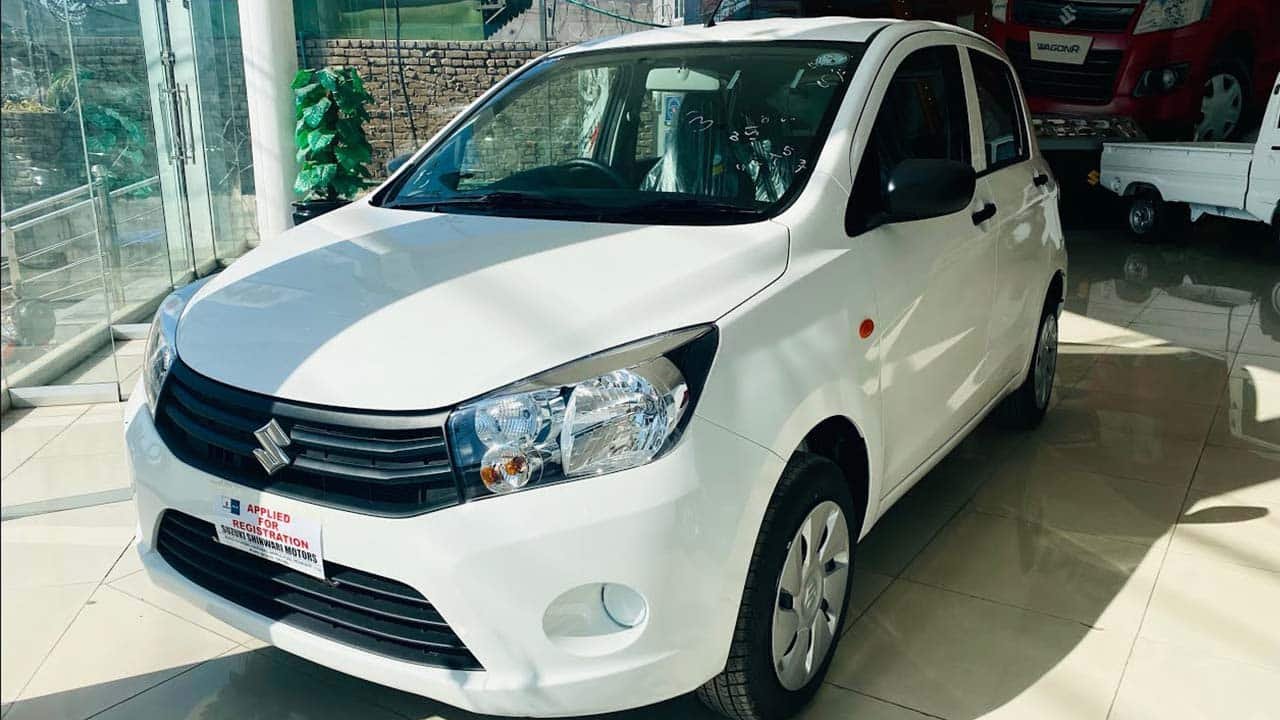
  • Suzuki Cultus will now be sold for Rs4.36 million following latest price increase

    Suzuki Cultus will now be sold for Rs4.36 million following latest price increase

    On Wednesday, Pak Suzuki Motor Company (PSMC) made an announcement that has stirred up the automobile industry – a decision to increase the prices of their diverse range of car models by a substantial amount, up to Rs235,000. The automaker released a notification detailing the revised retail sales prices which will take effect from April 6th.

    As the premier assembler, manufacturer, and marketer of Suzuki cars, pickups, vans, 4x4s, motorcycles, and their spare parts in the local market, PSMC’s pricing strategy has a significant impact on the consumer market. This decision will undoubtedly spark discussions and debates, as car enthusiasts and industry experts alike try to make sense of its implications.

    The latest notification from the automobile giant has set tongues wagging as it brings about changes that may impact the pricing of their products. As per the announcement, the revised retail prices of their vehicles are inclusive of federal excise duty and sales tax, but advance income tax is not included.

    Here are the latest prices of all Suzuki cars effective April 6, 2023:

    Model Old prices New prices Increase 
    Alto VX 2,144,000 2,251,000 +107,000
    Alto VXR  2,487,000 2,612,000 +125,000
    Alto VXR AGS  2,665,000 2,799,000 +134,000
    Alto AGS 2,795,000 2,935,000 +140,000
    Wagon R VXR  3,062,000 3,214,000 +152,000
    Wagon R VXL  3,248,000 3,412,000 +152,000
    Wagon R AGS  3,563,000 3,741,000 +178,000
    Cultus VXR  3,540,000 3,718,000 +178,000
    Cultus VXL  3,889,000 4,084,000 +195,000
    Cultus AGS  4,157,000 4,366,000 +209,000
    Swift GL MT 4,052,000 4,256,000 +204,000
    Swift GL CVT 4,355,000 4,574,000 +219,000
    Swift GLX CVT 4,725,000 4,960,000 +235,000
    Ravi  1,768,000 1,856,000 +88,000
    Ravi w/o Deck  1,848,000 1,940,000 + 92,000
    Bolan Van  1,848,000 1,940,000 +92,000
    Bolan Cargo 1,852,000 1,944,000 +92,000

    It’s worth noting that the prices are subject to change without prior notice, which might cause some concern among potential buyers. Additionally, the company made it clear that any government taxes and levies applicable at the time of delivery will be the responsibility of the customers.

    With this new development, the automobile industry is bracing for a potentially significant shift in pricing, and it remains to be seen how it will affect the purchasing behavior of consumers.

  • Another IMF condition met as Pakistan imposes 25% sales tax on luxury items

    On Tuesday, the federal cabinet led by Prime Minister Shehbaz Sharif approved the imposition of a 25 per cent sales tax on luxury items, fulfilling a condition set by the International Monetary Fund (IMF) for the revival of the $7 billion Extended Fund Facility (EFF) that had been stalled for months.

    The cabinet approved the 25 per cent general sales tax (GST) on luxury items through a circulation summary. The Federal Board of Revenue will issue a formal notification in the coming days, and the new rate will be applicable from March 1.

    The list of items subject to the 25 per cent GST includes aerated water and juices, imported cars, mobile phones, pet food, sanitary and bathroom wares, carpets (excluding Afghanistan), chandeliers and lighting devices or equipment, chocolates, cigarettes, confectionery items, corn flakes, cosmetics, shaving items, tissue papers, crockery, decorative devices, doors and window frames, fish, footwear, fruits and dry fruits, furniture, home appliances (CBU), luxury leather jackets and apparel, mattress and sleeping bags, frozen or processed meat, musical instruments, arms and ammunition, shampoos, sunglasses, tomato ketchup and sauces, and travel bags and suitcases.

    The federal government also imposed a 25 per cent GST rate on locally manufactured luxury vehicles of 1,400cc and above. The FBR has estimated that it will collect an additional Rs15 billion in taxes through the enhanced GST rate of 25 per cent in the four-month period.

    According to sources, Pakistan and IMF held virtual negotiations on Monday to revive the loan program that had been stalled for months. During the meeting, the lender expressed satisfaction with the country’s measures, while Pakistan insisted on early finalization of the staff-level agreement.

    The negotiations were moving positively as the Fund did not place any new demands during the virtual session. The State Bank of Pakistan (SBP) informed IMF representatives about the estimated collection of foreign exchange reserves of $10 billion until June, and sources claimed that Pakistan had achieved future targets before the staff-level agreement.

    It is worth mentioning that the government has expedited the implementation of IMF demands to unlock the loan tranche for the country’s economic recovery.

  • IMF likely to announce staff level agreement with Pakistan by this week

    IMF likely to announce staff level agreement with Pakistan by this week

    According to Syed Naveed Qamar, the Federal Minister for Commerce, Pakistan has taken all necessary measures to unfreeze a $6.5 billion credit line and is expected to reach a staff level agreement (SLA) on Extended Fund Facility (EFF) with the International Monetary Fund (IMF) this week.

    Dr Aisha Ghaus Pasha, the Minister of State for Finance, stated that Pakistan and the IMF are close to reaching an SLA, but that basic structural reforms are necessary regardless of whether they are part of the IMF program or not.

    After the formal announcement, Pakistan will receive a $1.2 billion tranche under the EFF. Qamar stated that the agreement would give investors and creditors confidence in Pakistan’s stabilising economy and that their money would remain protected.

    Qamar emphasized that the IMF program is the beginning of other funds flowing in and that increased imports would benefit exports.

    However, Pakistan is struggling to meet the tough conditions set by the IMF, such as increasing its low tax base, ending exemptions for the export sector, and raising artificially low energy prices. The country is in dire need of funds as the State Bank of Pakistan-held foreign exchange reserves only cover one month of imports.

    To meet IMF conditions, Pakistan has raised taxes, cut subsidies, and devalued its currency. Additionally, a supplementary finance bill was approved that increases sales tax from 17 per cent to 25 per cent on imports and raises general sales tax from 17 per cent to 18 per cent, increasing the burden on already inflation-stricken people.

  • Honda Atlas passes on sales tax burden to customers with another massive price hike

    Honda Atlas passes on sales tax burden to customers with another massive price hike

    Honda Atlas Cars announced on Friday that it would be increasing the prices of its completely knocked down (CKD) models in response to a rise in sales tax.

    The car manufacturer cited several reasons for this decision, including the devaluation of the Pakistani rupee against the US dollar, a volatile business environment, and the increase in sales tax.

    As a result, the company will raise the prices of its CKD models by up to Rs550,000, marking the third hike.

    The new retail sale price (RSP) will be effective for all new orders placed from February 18 onwards.

    Here are the new prices of all Honda cars:

    Model Od price New price Hike
    City MT 1.2L Rs4,329,000 Rs4,579,000 Rs250,000
    City CVT 1.2L  Rs4,469,000 Rs4,729,000 Rs260,000
    City CVT 1.5L  Rs4,739,000 Rs5,019,000 Rs280,000
    City Asp MT 1.5L Rs4,939,000 Rs5,229,000 Rs290,000
    City Asp CVT 1.5L Rs5,119,000 Rs5,419,000 Rs300,000
    BR-V CVT S Rs5,649,000 Rs5,949,000 Rs300,000
    HR-V VTI Rs6,799,000 Rs7,199,000 Rs400,000
    HR-V-VTI S Rs6,999,000 Rs7,399,000 Rs400,000
    Civic 1.5L M CVT Rs7,299,000 Rs7,779,000 Rs480,000
    Civic 1.5L Oriel M CVT Rs7,599,000 Rs8,099,000 Rs500,000
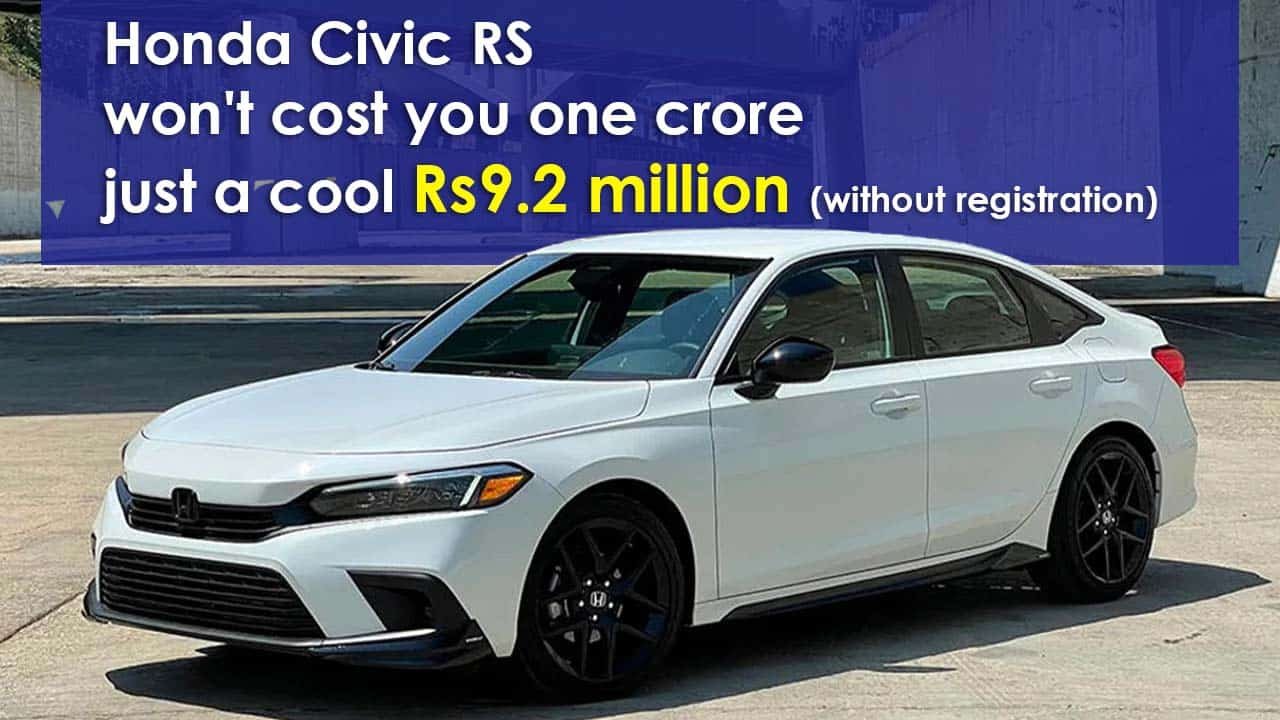
    Civic RS 1.5LL CVT Rs8,649,000 Rs9,199,000 Rs550,000
    Honda Cars Latest Prices in Pakistan – February 18, 2023

    Customers who have existing back orders as of February 17 will also be subject to the new retail sale price. Additionally, a 1 per cent additional sales tax will be applied to all back orders that have been paid in full as of the previous price increase letter, dated February 6.

    Honda Atlas Cars stated that any unclear back orders, with the exception of the Civic model, that are due up until March 23 can be invoiced if full payment (February 6 price + 1 per cent additional sales tax) is received by February 27 (with an instrument date of February 27). However, the automaker noted that the prices are subject to change and that the prices prevailing at the time of delivery will be final. Any changes in government levies or taxes will be borne by the customers.

    Furthermore, Honda Atlas announced an increase in the rates of its motorcycles the day before.

  • From soap to air tickets: What’s getting costlier after mini-budget?

    From soap to air tickets: What’s getting costlier after mini-budget?

    The Federal Board of Revenue (FBR) has issued an SRO to increase the standard 17 per cent general sales tax (GST) to 18 per cent, which will collect taxes worth Rs115 billion. The remaining Rs55 billion will be generated through other measures mentioned in the Finance (Supplementary) Bill 2023.

    The top tax collection authority stated in the notification that the 18 per cent GST would be applicable to consumer packaged goods, which include various items used in everyday life.

    Following the increase in GST, the following items will experience a hike in their prices:

    • Biscuits
    • Jam
    • Jelly
    • Noodles
    • Edible oil
    • Coffee
    • Chocolates
    • Make-up
    • Shampoos
    • Creams
    • Lotion
    • Soap
    • Toothpaste
    • Hair colour
    • Hair removal cream
    • Hair gel
    • Shaving foam
    • Shaving gel
    • Shaving cream
    • Shaving blades
    • Computers
    • Laptops
    • Electronic gadgets
    • Smartphones
    • iPods
    • TVs
    • LEDs
    • LCDs
    • Juicers
    • Blenders
    • Other electronic machinery
    • Car shampoos
    • Car polishes
    • Perfumes
    • Children’s toys

    In addition to the aforementioned actions, the government intends to raise the Goods and Services Tax (GST) on luxury items from 17 per cent to 25 per cent. The Federal Excise Duty (FED) on first and business class air tickets will be increased to either Rs20,000 or 50 per cent, whichever amount is higher.

    Marriage halls will be subject to a ten percent withholding adjustable advance income tax, and the FED on soft drinks, sugary drinks, and cement will also be increased.

  • Imported mobiles priced above $500 to become more expensive under proposed GST of 25%

    Imported mobiles priced above $500 to become more expensive under proposed GST of 25%

    The Federal Board of Revenue (FBR) has put forward a proposal to significantly augment the sales tax on imported mobile phones.

    This proposal is part of the Finance (Supplementary) Bill, 2023, which incorporates amendments to the Ninth Schedule of the Sales Tax Act 1990, specifically focusing on mobile phones.

    As per the proposed bill, a sales tax of 25 per cent would be applicable on premium mobile phones that are imported and have a value of more than Rs132,000 ($500).

    The proposed amendment entails an increase in sales tax from 17 per cent to 18 per cent for imported mobile phones with an import value ranging from Rs53,000 ($200) to Rs132,000 ($500).

    It is noteworthy that this range includes two distinct categories within the Ninth Schedule, namely $200-$350 and $350-$500.

    It has been announced that the sales tax rate for imported mobile phones with a value up to $200 will remain unchanged. No proposed changes have been put forward for this import value category.

  • FBR increases WHT rates for non-filers to raise additional revenue

    FBR increases WHT rates for non-filers to raise additional revenue

    In order to enhance the cost of non-filers and generate additional income in the second quarter (October-December) 2022–2023, the Federal Board of Revenue (FBR) has decided to carefully monitor budgetary measures established under the Finance Act 2022.

    The higher cost to non-filers was one of the budget’s driving concepts (for the years 2022-23), sources told Business Recorder. For those who don’t submit income tax returns, the withholding tax rates have increased significantly.

    The last budget included new steps in this regard (2022-23). The remainder of the current fiscal year must see some measures completely implemented, though. All procedures put in place for individuals who do not appear on the FBR’s list of active taxpayers are tightly under the FBR’s vigilance.

    For instance, the government raised the tax rate for people who don’t pay taxes regularly from 100 per cent to 250 per cent when they buy property. Similar to this, the tax rate on the acquisition of a motor vehicle by a person who is not an active taxpayer has increased from 100 per cent to 200 per cent. The financial impact of raising the advance tax rate for non-ATL individuals who purchase real estate from the current 2 per cent to 5 per cent is Rs20 billion.

    The Excise and Taxation authorities currently collect advance tax on passenger transport vehicles operating for hire based on the vehicle’s seating capacity. By substituting the Table in the manner described below, the rates of adjustable advance tax on such vehicles stipulated in Division III of Part IV of the First Schedule of the Ordinance have been increased. According to rule 1 of the Tenth Schedule to the Income Tax Ordinance, the tax rate has been increased by 100 per cent in cases where a person’s name does not appear on the Active Taxpayers List.

    The rate of tax to be collected under section 236K will rise by 250 per cent of the rate indicated in Division XVIII of Part IV of the First Schedule in the case of a purchaser of immovable property who is not listed on the Active Taxpayers List. Rule 1 of the Income Tax Ordinance’s Tenth Schedule has been updated as necessary.

    The provision 236Y has been reinserted by Finance Act 2022. When sending money outside of Pakistan on behalf of a person who has completed a credit card, debit card, or prepaid card transaction with a person outside of Pakistan, every banking company will collect this adjustable advance tax. In the case of individuals who are not on the Active Taxpayers List, the rate will increase by 100 per cent.

    The advance tax on motor vehicles that is collectible under this section will increase by 200 per cent in the event that a person does not appear in ATL. Rule 1 of the Income Tax Ordinance’s Tenth Schedule has been updated as necessary.