Tag: Sales Tax Hike

  • PM Shehbaz rejects FBR’s sales tax hike and carbon tax proposals

    PM Shehbaz rejects FBR’s sales tax hike and carbon tax proposals

    Prime Minister Shehbaz Sharif has rejected two significant budgetary proposals put forth by the Federal Board of Revenue (FBR) aimed at increasing revenue.

    The proposals included raising the standard rate of sales tax from 18 to 19 per cent and imposing an 18 per cent sales tax on petroleum products, often referred to as a “carbon tax”.

    The FBR had suggested a 1 per cent increase in the sales tax rate, projecting an additional revenue generation of Rs40-50 billion for the fiscal year 2024-25. However, Prime Minister Sharif declined this proposal, citing the potential for immediate inflationary effects on the general public.

    In response, the Prime Minister directed the FBR to enhance its enforcement and administrative measures and to draft alternative proposals targeting untaxed or under-taxed sectors of the economy. Additionally, he instructed the FBR to consider proposals to increase taxes on non-essential and luxury items.

    The second proposal, which aimed to impose an 18 per cent sales tax on petroleum products, was also rejected due to its likely inflationary impact on the public.

    According to sources, out of the total proposed measures worth Rs1,200 billion to Rs1,300 billion by the FBR, the government is anticipated to approve measures amounting to approximately Rs400-500 billion.
  • ECC greenlights 25% sales tax increase on domestic cars

    ECC greenlights 25% sales tax increase on domestic cars

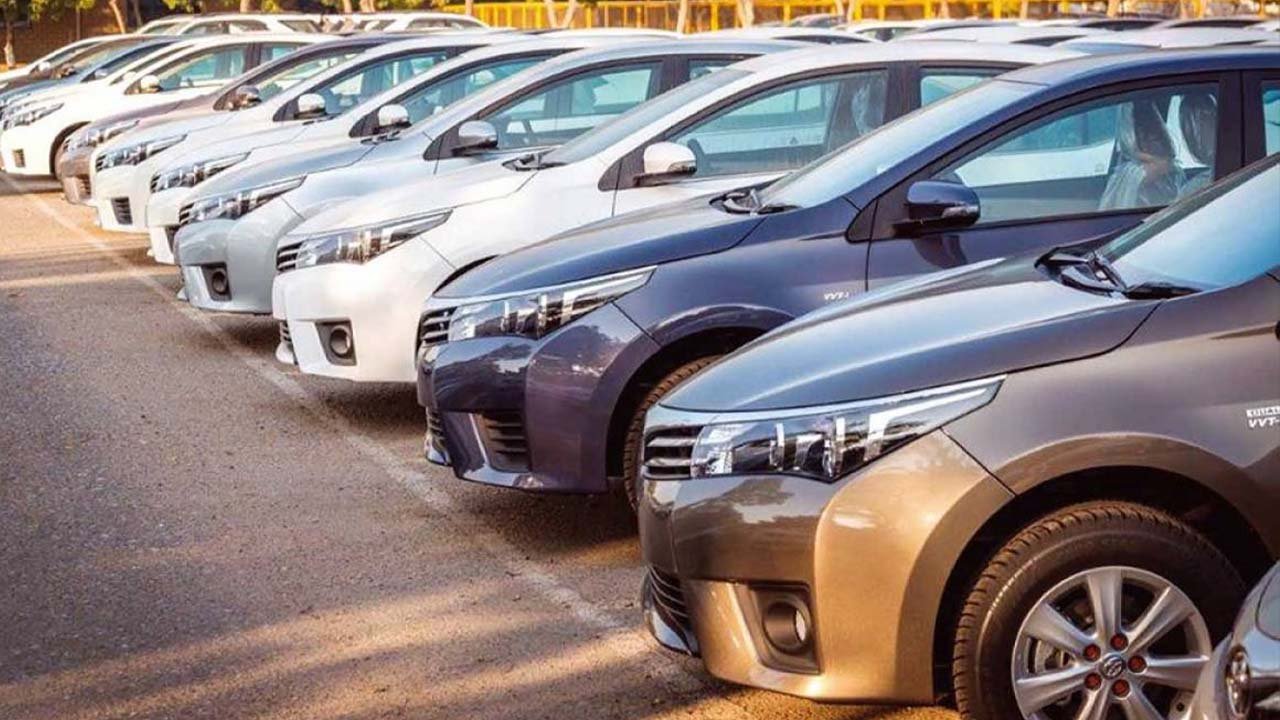
    In a significant development, the Economic Coordination Committee (ECC) of the Cabinet has given its nod to a proposal for increasing the sales tax on vehicles manufactured and assembled within the borders of Pakistan.

    The decision was finalised during a pivotal ECC meeting held in the capital city on Wednesday.

    The proposal, presented by the Federal Board of Revenue (FBR), suggested an elevation in the sales tax applicable to the auto sector, particularly on vehicles produced and assembled domestically.

    Following a comprehensive deliberation, the ECC cabinet sanctioned the process for determining a 25 per cent sales tax rate on locally manufactured and assembled vehicles.

    As per the endorsed proposal, vehicles valued at Rs4 million or equipped with 1400 cc engines will be subject to a 25 per cent sales tax.

    This taxation structure is anticipated to persist in the upcoming budget, signalling potential implications for consumers as a result of the price hike.

    The imposition of a 25 per cent sales tax on 1400cc vehicles is expected to have a direct impact on the pricing structure, leading to a potential surge in vehicle costs. The ECC’s decision aligns with ongoing efforts to streamline fiscal policies in the country.

    In addition to this decision, the ECC also greenlit a substantial subsidy of Rs7,492.75 million under the Ramazan Relief Package 2024.

    Chaired by Caretaker Finance Minister Shamshad Akhtar, the meeting aimed to address the financial aspects of the relief package, particularly subsidising the targeted beneficiaries of the Benazir Income Support Programme (BISP).

    According to a press statement issued by the finance ministry, the subsidy allocation is part of the budget for 2023–24, with a primary focus on providing support to those identified under the BISP. This move underscores the government’s commitment to social welfare initiatives.

    Furthermore, the ECC approved a proposal related to the “Permission to Import Wheat and Export of Wheat Flour under the Export Facilitation Scheme 2021.” This decision, brought forth by the Ministry of Commerce, reflects the government’s strategic measures to balance wheat supply and demand dynamics in the country.

    The ECC meeting signifies a pivotal moment in shaping economic policies, with decisions that carry far-reaching implications for both the automotive sector and social welfare initiatives in Pakistan.

    The approved proposals are poised to contribute to the broader economic landscape and address pertinent challenges in the nation’s fiscal framework.