Tag: Sales Trends

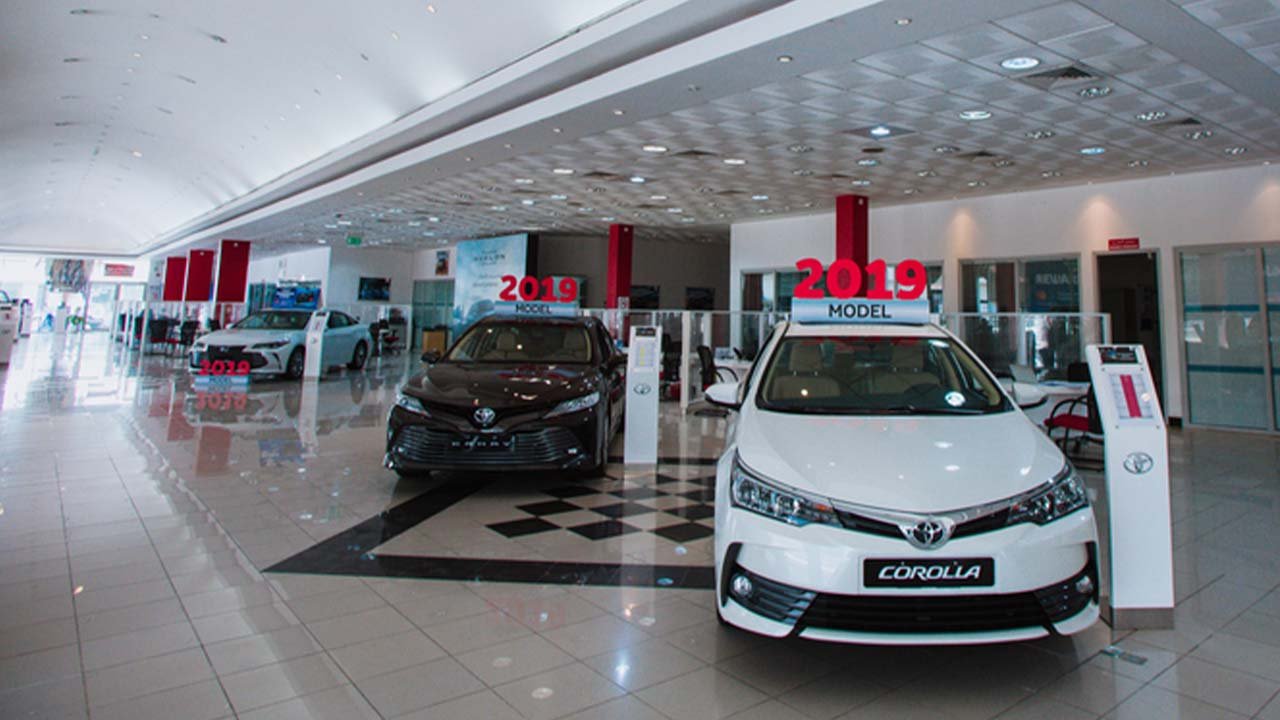
  • Car sales increase in Pakistan despite high prices, economic challenges

    Car sales increase in Pakistan despite high prices, economic challenges

    In a surprising turn of events, the soaring prices of cars in Pakistan have not deterred buyers, as car sales experienced a notable uptick in February 2024.

    According to data released by the Pakistan Automotive Manufacturers Association (PAMA), car sales edged up by 1.94 per cent, reaching 7,953 units, compared to 7,802 units recorded in January 2024.

    This positive momentum follows a robust performance in the preceding month, where car sales hit their highest mark since December 2022.

    Analysts attribute this continued growth to the momentum generated by the new year, which has carried over into February.

    Year-on-year comparisons reveal a substantial increase, with car sales spiking by 2.18 times compared to February 2023, when only 3,642 units were sold.

    However, despite this recent surge, cumulative sales for the first eight months of fiscal year 2024 stand at 46,417 units, marking a 40.93 per cent decline from the same period last year.

    Similarly, the production of passenger cars has witnessed a significant downturn, with 8MFY24 recording 48,402 units, reflecting a 40.84 per cent decrease compared to the previous fiscal year.

    In February alone, production plummeted by 16.77 per cent month-on-month, totaling 8,002 units, down from 9,614 units in January 2023.

    Nonetheless, on a year-on-year basis, production saw a remarkable surge of 69.97 per cent, indicating a shift in manufacturing trends.

    Despite these fluctuations, the automotive landscape faces challenges, notably with Pak Suzuki Motor Company announcing two price hikes within a span of ten days in response to increased sales tax.

    The repercussions of these adjustments on sales are anticipated to unfold in the coming weeks, as the market adapts to the new pricing structure.


  • Apple’s iPhone sales decline by 24% in China, while Huawei’s sales surge

    Apple’s iPhone sales decline by 24% in China, while Huawei’s sales surge

    In the first six weeks of 2024, Apple experienced a significant downturn in iPhone sales in China, facing a 24 per cent year-on-year decrease, according to a report by research firm Counterpoint.

    The decline was attributed to heightened competition from local rivals, notably Huawei, which witnessed a remarkable 64 per cent increase in unit sales during the same period.

    Apple, once holding the second position in the Chinese smartphone market in 2023 with a 19 per cent market share, now finds itself in fourth place with a reduced share of 15.7 per cent.

    On the other hand, Huawei climbed to second place, expanding its market share from 9.4 per cent to 16.5 per cent year-over-year.

    Counterpoint’s senior analyst, Mengmeng Zhang, explained the dynamics, stating that Apple faced formidable competition from a resurgent Huawei at the high end while also encountering pricing pressures from domestic brands like OPPO, Vivo, and Xiaomi in the middle segment.

    To counteract the decline, Apple initiated measures such as subsidising certain iPhone models by up to 1,300 yuan ($180.68) through flagship stores on Tmall, Alibaba’s major marketplace platform.

    Earlier, the company had offered discounts of up to 500 yuan on its official sites.

    Huawei’s resurgence in premium smartphone sales was attributed to the successful release of its Mate 60 series in August.

    Overcoming years of challenges posed by US restrictions on key component exports, Huawei managed to reclaim its position in the market.

    Additionally, Honour, the smartphone brand that separated from Huawei in 2020, witnessed a 2 per cent increase in unit sales, making it the only other top-five brand to experience growth in the first six weeks of the year.

    Contrastingly, Chinese brands Vivo, Xiaomi, and Oppo faced declines of 15 per cent, 7 per cent, and 29 per cent, respectively, highlighting the fiercely competitive landscape in the Chinese smartphone market.

    Overall, the report indicates a 7 per cent shrinkage in the country’s smartphone market during this period.

  • Car sales in Pakistan witness 57% decline in July 2023 compared to last year

    Car sales in Pakistan witness 57% decline in July 2023 compared to last year

    In the midst of ongoing economic uncertainty, the automobile sector has encountered a substantial decline in car sales, marking another significant setback.

    The most recent data released by the Pakistan Automotive Manufacturers Association (PAMA) unveils a noteworthy trend, with exclusive member carmakers collectively retailing a mere 5,092 vehicles during July 2023. This figure represents a notable downturn both in comparison to the previous month, with a 16 per cent decrease in sales, and to the same period last year, with a staggering 57 per cent reduction.

    Among the industry leaders, the Toyota Indus Motor Company (IMC) experienced a sales figure of 1,368 cars, indicating a 26 per cent reduction in sales on a month-on-month basis. On the other hand, the Honda Atlas Cars Limited (HACL) reported a sale of 494 cars, reflecting an unexpected 61 per cent surge in monthly sales. Meanwhile, the Pak Suzuki Motor Company (PSMC) encountered a decline of 19 per cent in its monthly sales, with a total of 2,444 cars sold.

    Hyundai Nishat Motors Private Limited (HNMPL) also made its mark by selling 569 cars in the past month, showcasing a modest 2 per cent increase in sales compared to the previous month. The resounding success of the Tucson model has been a driving force behind the company’s performance.

    While a slight uptick in sales has been witnessed, the overarching trajectory of the local car industry remains somber. Production disruptions persist as car companies grapple with inventory shortages, further exacerbated by the escalating prices and taxes that have curbed consumer demand.

    Experts caution that the challenges facing the industry are far from over, with more potential production obstacles and price escalations looming on the horizon. The road ahead continues to be a demanding one, requiring the industry to navigate through these formidable headwinds.