Tag: samsung

  • Samsung workers begin three-day general strike over pay

    Samsung workers begin three-day general strike over pay

    Workers at South Korean tech giant Samsung began a three-day general strike over pay and benefits on Monday, the head of a union representing tens of thousands of employees told AFP, warning the action could impact memory chip production.

    Samsung Electronics is the world’s largest memory chip maker and accounts for a significant chunk of global output of the high-end chips.

    Wearing rain jackets and ribbons saying “fight with solidarity”, thousands of workers gathered outside the company’s foundry and semiconductor factory in Hwaseong, Gyeonggi, an hour south of Seoul.

    Samsung management has been locked in negotiations with the union since January, with the two sides failing to narrow differences on benefits and a rejected 5.1 percent pay raise offer from the firm.

    “The strike has started from today,” Son Woo-mok, head of the National Samsung Electronics Union, told AFP.

    “Today’s general strike is just the beginning,” he added.

    “Recalling why we are here, please do not come to work until July 10th and do not receive any business calls,” he told the crowd of workers.

    The union said about 5,200 people from factory facility, manufacturing and development had joined the protest.

    “Do they still not think this will affect their production line?” said Lee Hyun-kuk, vice president of the union.

    The union, which has more than 30,000 members, or more than a fifth of the company’s total workforce, announced the three-day general strike last week, saying it was a last resort after talks broke down.

    The move follows a one-day walkout in June, the first such collective action at the company, which went decades without unionisation.

    “We are now at critical crossroads,” the union said in an appeal sent out to members last week, urging them to support the strike.

    “This strike is the last card we can use,” it said, saying that workers at the company needed to “act as one”.

    “I’m really excited,” one union member and protester told AFP. “We’re making history.”

    Workers rejected the offer of a 5.1 percent pay hike in March, with the union having previously outlined demands including improvements to annual leave and transparent performance-based bonuses.

    Samsung declined a request for comment.

    “While the ongoing strike is only scheduled for three days, the participating members include those working in chip assembly lines,” business professor Kim Dae-jong at Sejong University told AFP.

    “Given that the union could carry out additional strikes in case the gridlock continues, it could pose a great risk to Samsung management amid its race for dominance in the competitive chips market.”

    Samsung Electronics avoided its employees unionising for almost 50 years — sometimes adopting ferocious tactics, according to critics — while rising to become the world’s largest smartphone and semiconductor manufacturer.

    Company founder Lee Byung-chul, who died in 1987, was adamantly opposed to unions, saying he would never allow them “until I have dirt over my eyes”.

    The first labour union at Samsung Electronics was formed in the late 2010s.

    The firm is the flagship subsidiary of South Korean giant Samsung Group, by far the largest of the family-controlled conglomerates that dominate business in Asia’s fourth-largest economy.

    It recently predicted a 15-fold increase in its on-year second quarter operating profits, thanks to growing demand for generative AI.

    Semiconductors are the lifeblood of the global economy, used in everything from kitchen appliances and mobile phones to cars and weapons.

    And demand for the advanced chips that power artificial intelligence systems has skyrocketed thanks to the success of ChatGPT and other generative AI products.

    Semiconductors are South Korea’s leading export and hit $11.7 billion in March, their highest level in almost two years, accounting for a fifth of South Korea’s total exports, according to figures released by the trade ministry.
  • Apple reportedly testing Samsung-made camera sensor for iPhone 16

    Apple reportedly testing Samsung-made camera sensor for iPhone 16

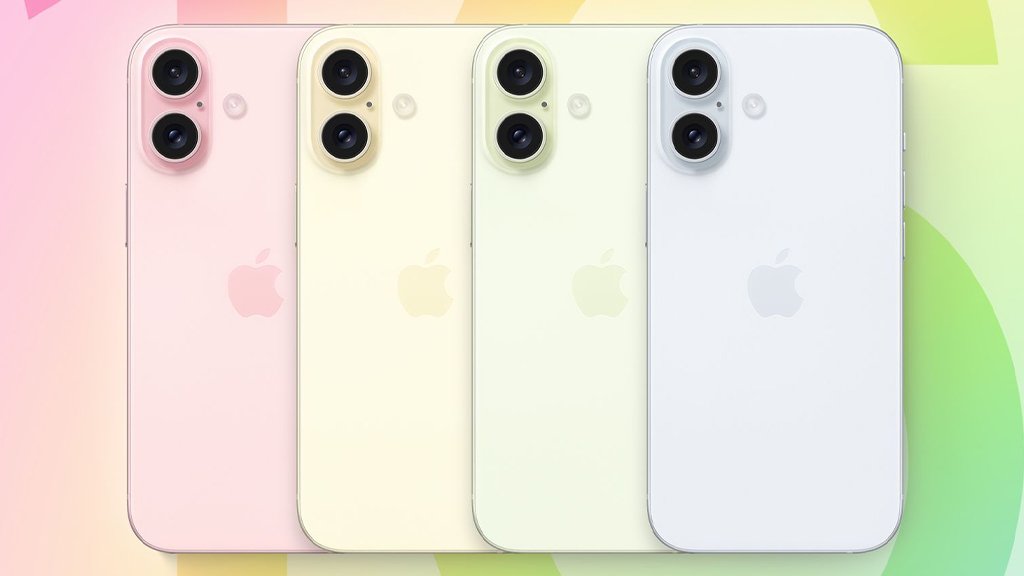
    Apple is reportedly testing advanced CMOS image sensors (CIS) from Samsung, which could feature in the iPhone 16 later this year. According to The Elec, Apple is conducting a final quality assessment of these sensors, provided by Samsung System LSI, the logic business unit of Samsung.

    Traditionally, Apple has relied exclusively on Sony for its CIS needs. However, recent developments suggest a strategic shift away from the Japanese supplier due to concerns about reliability and the desire to integrate new technologies into its camera systems.

    This change in direction comes after Apple encountered issues with Sony last year. In response, Apple asked Samsung to develop new image sensors in 2023 when Sony failed to deliver in a timely manner, complicating the launch schedule for the iPhone 15.

    If Samsung successfully passes the current quality tests, it will mark the first time the company supplies CIS for an iPhone. The new sensors from Samsung boast a more advanced three-wafer stack design, compared to the two-stack design used in current and previous iPhone models. These three wafers separately house the photodiode, transistors, and analog digital converter logics, which allows for higher pixel density, reduced noise, and smaller pixel sizes.

    In a CIS, the photodiode converts light into electrical signals, while four transistors are responsible for transferring, amplifying, reading, and erasing these signals. The separation of these components into three wafers enhances the sensor’s performance.

    Additionally, the new technology uses wafer-to-wafer hybrid bonding, which directly attaches the wafers through a copper pad, eliminating the need for signal-transferring bumps. This results in a smaller CIS with faster data transfer speeds.

    The iPhone 16 lineup is expected to be announced in the autumn, featuring new camera capabilities, including a dedicated “Capture” button and a 48-megapixel Ultra Wide camera.

  • Booming demand for Samsung Galaxy S24 leads to shortage in Pakistan

    Booming demand for Samsung Galaxy S24 leads to shortage in Pakistan

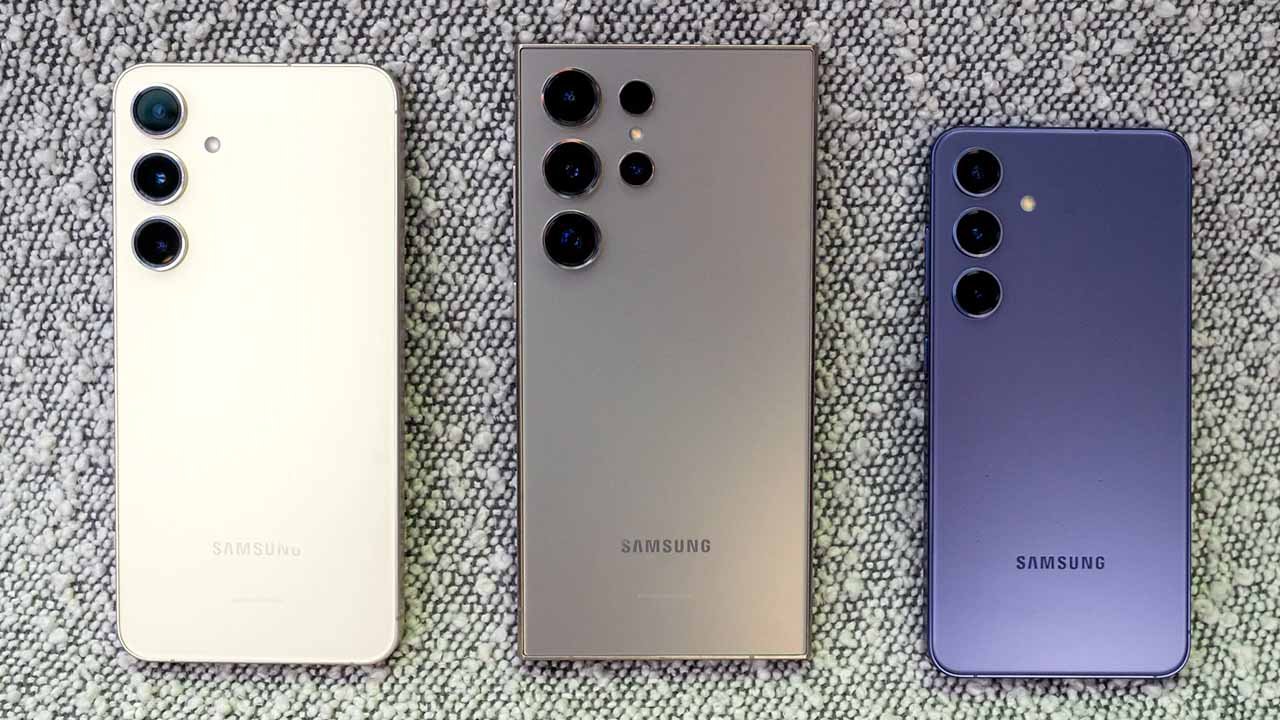
    Samsung Electronics Co. is experiencing a shortage of its Galaxy S24 smartphones in Pakistan due to overwhelming demand for the flagship device, according to Bloomberg.

    Since the device’s launch earlier this year, demand has surged, leading to limited availability across the country.

    The Galaxy S24 series, which is assembled in Pakistan, has garnered considerable interest, particularly for its premium models like the Galaxy S24 Ultra.

    This surge in demand suggests a growing market for high-end smartphones among Pakistan’s more affluent consumers.

    With 192 million mobile phone users, Pakistan is the world’s fifth-most populous nation, representing a significant market for smartphone manufacturers.

    Samsung Electronics acknowledged the shortage in an email statement, stating that the company is working to meet customer demand and expects sales to resume shortly.

    The Pakistani government has introduced financial incentives that have transformed the country’s smartphone industry.

    In 2017, Pakistan primarily imported smartphones, but the majority of handsets are now assembled domestically. This shift has contributed to a growing mobile phone manufacturing sector.

    According to the Pakistan Telecommunication Authority, mobile companies in Pakistan produced about 21 million units last year, with local and Chinese brands such as VGOTEL, Infinix, and Itel leading production. An additional 1.7 million units were imported.

    Despite the shortage, the Galaxy S24 models are crucial for Samsung’s position in the global smartphone market.

    The company lost its top ranking to Apple Inc. last year, marking the first time since 2010 that Samsung was not the world’s leading smartphone maker, according to industry tracker IDC.

  • Samsung returns to top of the smartphone market: industry tracker

    Samsung returns to top of the smartphone market: industry tracker

    San Francisco (AFP) – Samsung regained its position as the top smartphone seller, wresting back the lead from Apple as Chinese rivals close the gap on both market leaders, industry tracker International Data Corporation (IDC) reported Monday.

    South Korea-based Samsung overtook Apple as worldwide smartphone shipments grew nearly 8 percent in the first quarter of this year to 289.4 million, IDC said, citing its preliminary data.

    It was the third consecutive quarter of growth in the global smartphone market, signalling that a recovery from a slump in the sector is underway, according to IDC.

    IDC Worldwide Mobility and Consumer Device Trackers team vice president Ryan Reith expected top smartphone companies to gain share and small brands to struggle for position as recovery progresses.

    Samsung shipped 60.1 million smartphones in the first quarter of this year, claiming nearly 21 percent of the market, according to IDC figures.

    Apple shipped 50.1 million iPhones, garnering just over 17 percent of the market in the same period, IDC reported.

    Apple smartphone shipments were down 9.6 percent in a quarter-over-quarter comparison, while Samsung shipments slipped less than one percent, according to the market tracker.

    Meanwhile, China-based Xiaomi saw shipments grow about 33 percent to 40.8 million and Transsion about 85 percent to 28.5 million, taking third and fourth positions in the overall smartphone market, IDC reported.

    “While Apple managed to capture the top spot at the end of 2023, Samsung successfully reasserted itself as the leading smartphone provider in the first quarter,” Reith said.

    IDC expects Samsung and Apple to maintain their hold on the high end of the smartphone market while Chinese competitors seek to expand sales, according to Reith.

    Nabila Popal, research director with IDC’s Worldwide Tracker team, said: “There is a shift in power among the Top 5 companies, which will likely continue as market players adjust their strategies in a post-recovery world.

    “Xiaomi is coming back strong from the large declines experienced over the past two years and Transsion is becoming a stable presence in the Top 5 with aggressive growth in international markets.”

  • Samsung Electronics expects 10-fold rise in Q1 profit

    Samsung Electronics expects 10-fold rise in Q1 profit

    Samsung Electronics said Friday it expects first-quarter operating profits to rise more than 10-fold year on year as chip prices recover.

    The firm is the flagship subsidiary of South Korean giant Samsung Group, by far the largest of the family-controlled conglomerates that dominate business in Asia’s fourth-largest economy.

    The tech giant said in a regulatory filing that January-March operating profits were expected to rise 931.3 percent to 6.6 trillion won ($4.89 billion). Operating profits in the same period last year totalled around 640 billion won.

    The expectation exceeded the average estimate by 20.5 percent, according to South Korea’s Yonhap news agency, which referenced its financial data firm.

    Sales, meanwhile, are expected to rise 11.4 percent to 71 trillion won, Samsung said.

    South Korean chipmakers, led by Samsung, enjoyed record profits in recent years as prices for their products soared, but a global economic slowdown dealt a blow to memory chip sales.

    However, the semiconductor market had been predicted to recover this year and grow 11.8 percent, according to industry monitor World Semiconductor Trade Statistics.

    The news from Samsung comes after South Korea’s SK Hynix — the world’s second-largest memory chip maker — announced in January that it had returned to profit after four consecutive quarters of losses.

    Samsung’s overall outlook is “fortified by a resurgence in the smartphone market, escalating DRAM (memory chip) prices”,  Neil Shah, vice president of Counterpoint Research, told AFP.

    Samsung is expected to release its final earnings report at the end of this month.

  • Future Samsung smartphones to offer lightning-fast data transfer rates

    Future Samsung smartphones to offer lightning-fast data transfer rates

    Samsung Semiconductor is propelling mobile device technology forward with its latest advancements in non-volatile memory.

    After successfully integrating the UFS 4.0 solution into its previous flagship models such as the Galaxy S23 series and the 2023 foldable phones, followed by the latest Galaxy S24 lineup, Samsung is now gearing up for the next phase.

    In a recent announcement on the social media platform Weixin, Samsung Semiconductor unveiled its roadmap for the evolution of UFS (Universal Flash Storage) solutions.

    According to the roadmap, Samsung is set to introduce the UFS 4.0 4-lane CS next year, with a significant leap to UFS 5.0 anticipated in 2027.

    These advancements promise substantial improvements in data transfer speeds, with UFS 4.0 4-lane expected to double the current speed from approximately 4GB/s to 8GB/s.

    Looking further ahead, the highly anticipated UFS 5.0 update, slated for 2027, aims to push speeds even higher, potentially exceeding 10GB/s.

    Samsung Semiconductor is committed to commencing mass production of UFS 4.0 4-lane solutions before 2025, emphasizing the integration of two UFS controllers to enhance sequential read speed.

    These advancements are poised to revolutionize mobile experiences, offering faster loading times and empowering on-device AI applications.

    While Samsung has not disclosed specific models set to adopt the UFS 4.0 4-lane technology first, speculation suggests it could be integrated into the Galaxy S25 series.

    Moreover, UFS 5.0 is expected to debut alongside future Galaxy S27 models, promising an even more seamless user experience.

    In line with these technological advancements, Samsung is also exploring AI-based features for its next-generation devices, potentially introducing some through a subscription-based model.

  • Here’s how to pay PTA approval fees in installments with 0% markup

    Bank Alfalah’s e-marketplace, Alfa Mall, has recently launched a new service that offers interest-free installments for Pakistan Telecommunication Authority (PTA) approvals on some of the most popular and expensive smartphones. The smartphones that qualify for this service include the Samsung Galaxy S22, S22 Ultra, iPhone 13, and all iPhone 14 series phones.

    According to the Alfa Mall website, the total PTA charges for these phones range between Rs130,000 to Rs190,000, which can be paid in 3 to 6 monthly installments with 0 per cent markup. The process is simple: customers need to select an installment plan, enter their CNIC number, and also provide the IMEI code of their phone.

    It is important to note that the PTA approval process may take up to 3 to 5 working days, and customers will be notified of their approval through a confirmation call from the merchant.

    With this new service, Alfa Mall aims to provide customers with a more affordable and convenient way to purchase high-end smartphones without the burden of upfront payment for PTA approvals.

    You can visit this link for more details: How to pay PTA fees in installments

  • Imported mobiles priced above $500 to become more expensive under proposed GST of 25%

    Imported mobiles priced above $500 to become more expensive under proposed GST of 25%

    The Federal Board of Revenue (FBR) has put forward a proposal to significantly augment the sales tax on imported mobile phones.

    This proposal is part of the Finance (Supplementary) Bill, 2023, which incorporates amendments to the Ninth Schedule of the Sales Tax Act 1990, specifically focusing on mobile phones.

    As per the proposed bill, a sales tax of 25 per cent would be applicable on premium mobile phones that are imported and have a value of more than Rs132,000 ($500).

    The proposed amendment entails an increase in sales tax from 17 per cent to 18 per cent for imported mobile phones with an import value ranging from Rs53,000 ($200) to Rs132,000 ($500).

    It is noteworthy that this range includes two distinct categories within the Ninth Schedule, namely $200-$350 and $350-$500.

    It has been announced that the sales tax rate for imported mobile phones with a value up to $200 will remain unchanged. No proposed changes have been put forward for this import value category.

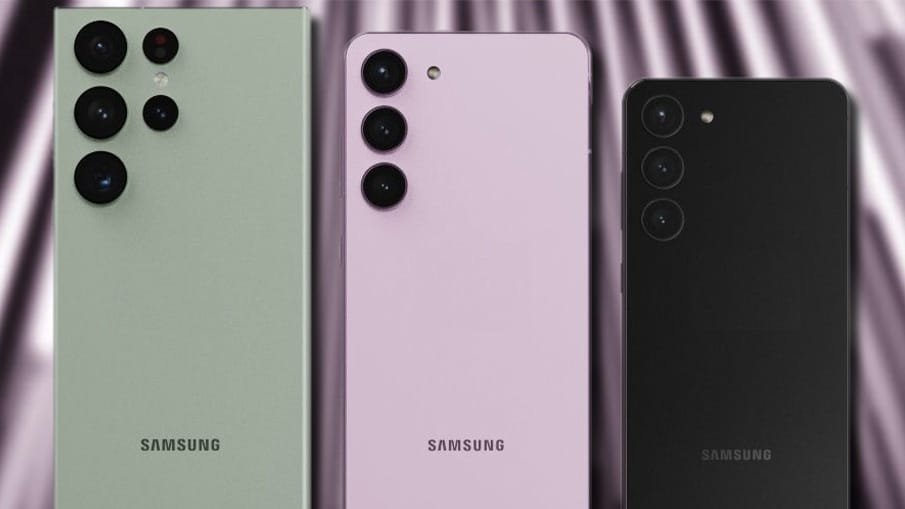
  • Samsung Galaxy S23 series to launch with 256 GB minimum storage option

    Samsung Galaxy S23 series to launch with 256 GB minimum storage option

    The tipster Ahmed Qwaider says that Samsung has listened to its customers and is bringing a significant upgrade. The 128GB base storage for the Galaxy S23 series may no longer be offered by the South Korean company.

    The Galaxy S23, Galaxy S23+, and Galaxy S23 Ultra base models all seem to include 256GB of internal storage. There will also be 512GB and 1TB storage options for the Galaxy S23 Ultra.

    The South Korean tech giant used to give free upgrades to 256GB models of its phones to anyone who pre-ordered or purchased them during a sale, but these deals were only available in the US and a very small number of other countries. Therefore, this year will be happier for everyone in the world. The Galaxy S23 Ultra will have 12GB RAM, whereas the Galaxy S23 and S23+ appear to have 8GB RAM.

    The tipster further believes that the Galaxy S23 Ultra will have a display that is significantly flatter than that of its predecessor. This modification ought to enhance the S Pen’s ability to write and draw on the screen. One UI 5.1, which is based on Android 13, will come preinstalled on all Galaxy S23 units.

    There may be more choices for customising the lock screen with this more recent software version.

  • Samsung introduces AI-powered fridge with 32-inch smart touchscreen

    Samsung introduces AI-powered fridge with 32-inch smart touchscreen

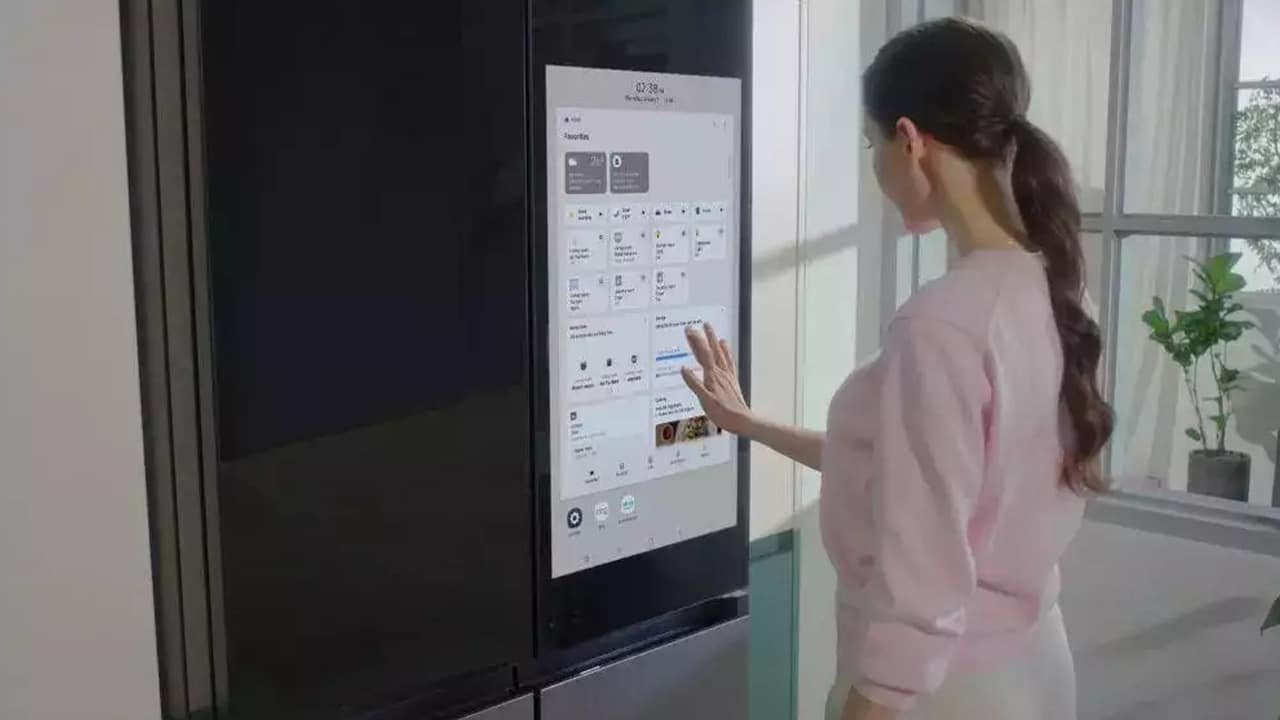
    Samsung has launched the “Bespoke Refrigerator Family Hub Plus,” its latest fridge with a built-in 32-inch HD touchscreen display.

    Its display, which can be used to watch films, prepare digital shopping lists for Amazon delivery, and operate SmartThings-compatible smart home gadgets, is substantially bigger at 32 inches than the 21.5-inch screen featured on earlier versions of Samsung Family Hub refrigerators.

    The Family Hub Plus, which was unveiled in a press release in Korean, comes with the free Samsung TV Plus service, which enables customers to view 190 TV channels in the US or about 80 stations in South Korea via the Samsung TV Plus app.

    The vertical orientation of the display also makes it ideal for viewing social media content like TikTok videos and YouTube Shorts. It also has a picture-in-picture (PIP) mode that allows you to watch films in a floating window while using the rest of the screen for other purposes.

    Along with the OneDrive integration that was previously present on Samsung’s Family Hub refrigerators, Google Photos users may now share material made on the Family Hub to any mobile device thanks to Samsung’s addition of support for the Google Photos cloud.

    The Family Hub Plus allows for the download and display of images from Google Photos. If you prefer to exhibit artwork and paintings rather than family photos, the Family Hub Plus now supports Samsung’s Bespoke Atelier app.

    The integrated SmartThings hub offers six SmartThings Home Life services: Air Care, Home Care, Pet Care, Clothing Care, Energy, and Cooking. It may be used to control and monitor various SmartThings devices.

    Other details (such the display refresh rate or resolution) as well as the cost and release date of Samsung’s new Family Hub refrigerator have not been made public.