Tag: Sania Saeed

  • The first episode of ‘Shanaas’ gets rave reviews from social media

    The first episode of ‘Shanaas’ gets rave reviews from social media

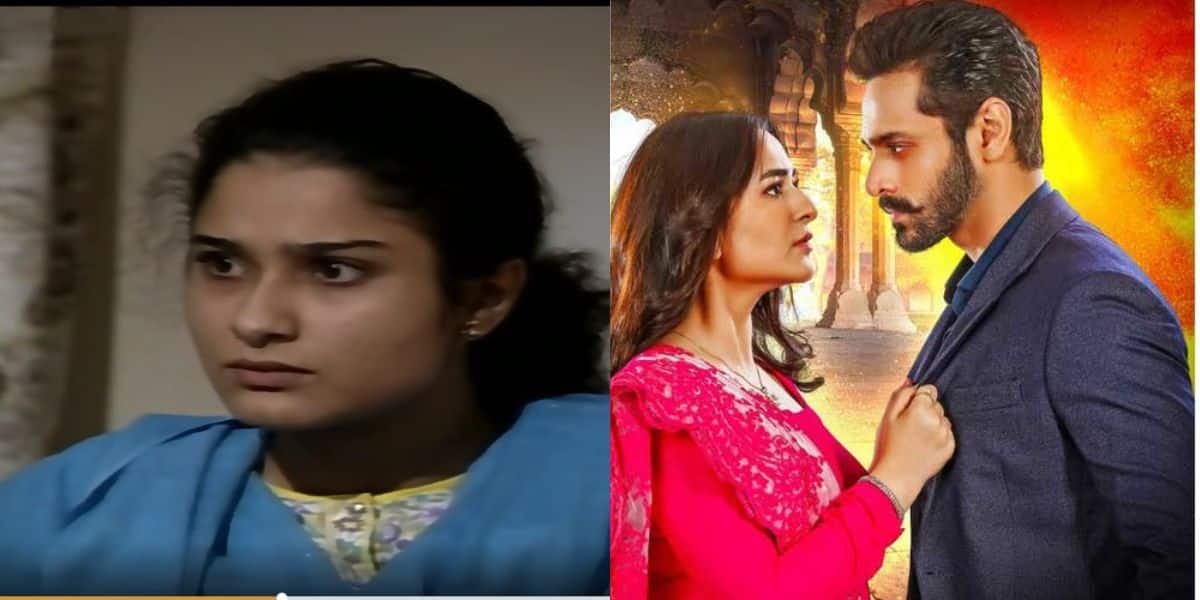
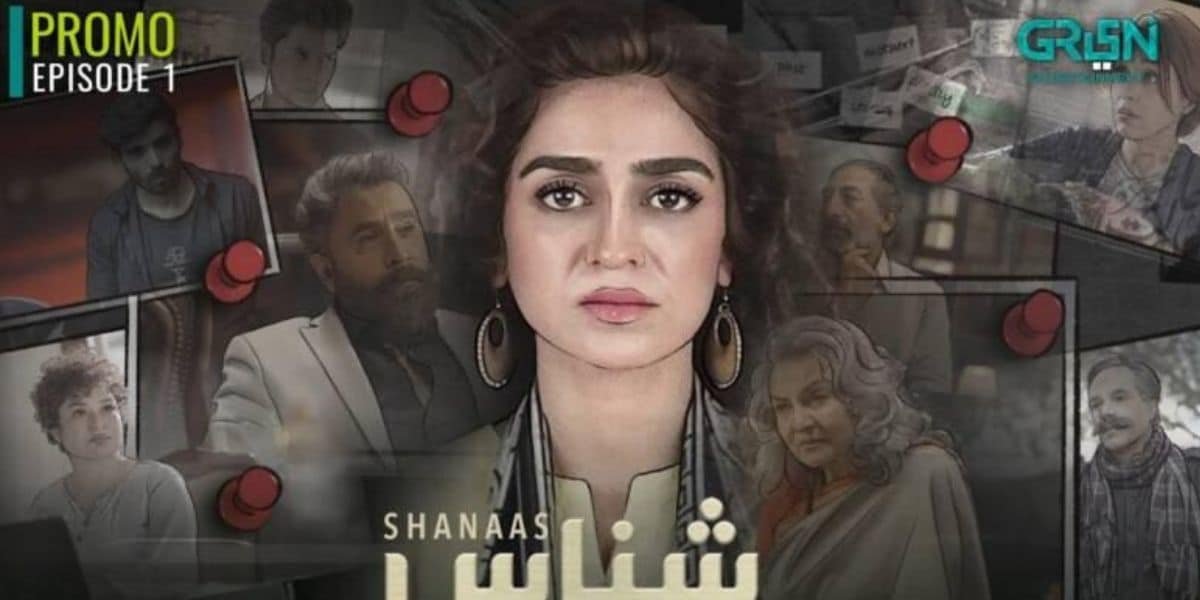
    Shanaas is a new drama serial on the recently launched Green Entertainment TV. The drama centers on a young girl named Aneesa, who is striving to find her biological parents.

    In the first episode we see that Aneesa and Ramees’ family are very happy about their children’s engagement. But suddenly happiness changes into shock when the groom’s family finds out that Aneesa was adopted. Despite Ramees’ love for Aneesa, his parents do not agree to the marriage.

    The serial has a heartbreaking story that triumphs with the brilliant direction of Yasra Rizvi.

    In an appearance on Geo’s ‘Hasna Mana Hai’, Rizvi was asked about whether she liked acting more or directing, and she said acting takes less stress and is a more rewarding experience

    The episode got positive reviews from social media:

  • Want to know how to talk about domestic violence? Tere Bin has nothing on 1990’s Aahat

    Want to know how to talk about domestic violence? Tere Bin has nothing on 1990’s Aahat

    In a triggering scene, a house helper is seen violently beaten, dragged across the floor by her hair as her husband screams at her to give him more money. The woman keeps refusing, since the man is a drunkard who steals all their money to gamble it away. When the house help begins crying for help, another woman steps outside from her apartment and stands between them to protect her. The drunkard orders her to leave, as its a personal matter between a husband and his wife. But the woman refuses to do so, threatening to call the police. She takes the beaten woman inside her house.

    Did this scene come from a recent hit drama like ‘Tere Bin’, or from a forgotten, classical drama from the 90’s which talked about post- partum depression, pressure to give birth to sons and struggles of a working class family to make a living for their three daughters? Haseena Moin’s ‘Aahat’ was decades ahead of its time when it came to discussing sensitive topics, giving women the catharsis they need that decades later, ‘Tere Bin’ glorified with toxic relationships.

    In several ways, Aahat was ahead of its time when it pulled back the curtain to reveal the struggles Pakistani women underwent, talking about the things that today’s television dramas would have been called ‘vulgar’. It explores the struggles of Rabiya, who gave birth to a fourth daughter, and is being pressurised by her mother-in-law to give her a son, or her husband must marry another woman. Rabiya’s pain is nothing new for Pakistani women, who bear the brunt of family problems, and the drama never shies away from being blunt about the pain: like a scene where Rabiya is made to isolate herself from her children in a room until she is able to give birth to a healthy son, under the orders of a peerni. Or the taunts for only giving birth to daughters which puts pressure on her health as she toils around the house, regardless of the warnings of her doctor and friend.

    But most importantly, what makes ‘Aahat’ the exemplary drama that proved Haseena Moin knew what Pakistani women yearned for, better than the writers today, was how she crafted female friendships that rose from the pains women shared with each other. Rabiya’s friendship with the brilliant and witty Naheed (played by Talat Naseer) is what guides her to take a stand for herself and eventually for her children. Naheed’s boldness and selfless love for Rabiya rescues her in moments when her post-partum depression make the worst of her, like in the first episode, she immediately begins working around the house after undergoing a critical surgery, because her mother-in-law refuses to take care of her three daughters, calling them a burden. Or the humiliation Rabiya endures because of the limited money her husband makes, that eventually push her into making shocking decisions. It was Naheed who offered her safety, and eventually proved that the drama was a love letter to the magic of female friendships.

    In an episode when Rabiya has to make a critical decision, Naheed reminds her that she will never be granted a place on the table, but she needs to keep raising her voice to make it happen.

    “Hum aurtoon kay pass koi jagah nahi hoti’ she urges. “Mein isliee har dafa chala rahi hoti hoon kyun kay mujhay pata hai kay istarhaan meri awaaz koi sunay ga. Islie apni awaaz uthaya karo ta ke log tumhein sunien.”

    Would this message remain evergreen in the years ahead ? Tere Bin, currently rated as a critical hit drama on Pakistani screens, proved that the enduring message of friendships and female empowerment has been lost forever. For 58 episodes, the drama stomped out any effort Moin made to give Pakistani women the space they needed to find their voice; instead glorifying the opposite with a clueless storyline featuring two toxic characters, and an even toxic slutty savitri who plotted to break them apart. From the first five episodes, Meerub was slapped for refusing to marry Murtasim, lead a toxic storyline of stalking, abuse, harassment, and even marital rape to a point. What was once a space crafted by the gentle and clever writing of Haseena, is now bombarded with 45 minutes of Haya plotting to make sure Murtasim catches Meerab in a scene that makes him slap her and then divorce her so Haya could become his wife.

    The wound left behind by the passing of Haseena bleeds anew when we come to realise that what television dramas show on our screens is what even female drama writers today staunchly believe is what the audience needs. When the writer of Tere Bin Nooran Mahkdoom, had been questioned about the controversial marital rape episode, she defended it as ‘a demand of a serial’, a complete 180 from the time when a decades old drama written in the times of Zia had not only condemned domestic abuse and rape, but even made sure that the message that abusers should be punished is given to the audience.

    The problem never was just about Tere Bin, but the complete decline in the quality of our dramas, pushed by an industry that now considers that any show featuring one of out the following: domestic violence, wailing women, a satti savitri desperately wanting a man’s attention. Pick one of them and you have a hit on your hands, even get a Pride of Pakistan award ready. Take a stand and make a drama like ‘Udaari’ that talks about child abuse and sexual assault, PEMRA is at your doorstep ready to call you a traitor for going against the Islamic Republic of Pakistan.

    In a time even Pakistani women can’t find a place to be still, with the economy ravaging, human rights violations growing even worse by the day, public spots becoming hunting grounds for rapists and harassers, the grief we carry in our bodies is understood by no one better than Haseena Moin, and the prevailing message that becomes relevant as currently a hit drama featuring two cousins falling in love features a scene accusing women for falsifying rape accusations for the sake of attention. It’s no surprise that more women are turning to classical dramas because the gentleness and sharp writing of Moin will keep outshining whatever dumpster bin dramas we’re fed in the name of ‘hit dramas’.

  • ACF’s Ayesha Chundrigar teams up with Marina Khan, Sania Saeed to make short film about animal rights

    ACF’s Ayesha Chundrigar teams up with Marina Khan, Sania Saeed to make short film about animal rights

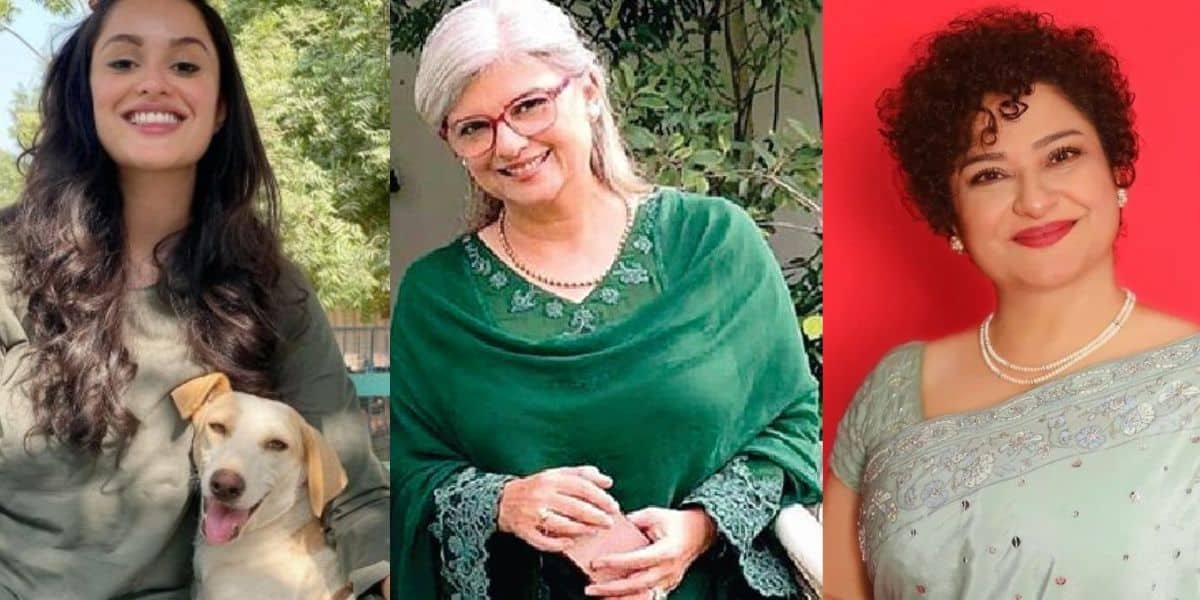
    Animal Rescue Foundation ACF announced on Wednesday that they are making a short film ‘Aisa He Hota Hai’ which will explore the issue of animal rights in Pakistan. The five minute film will be directed by powerhouse Marina Khan, while the script was written by the founder Ayesha Chundrigar and veteran actress Sania Saeed will star in the film.

    The Current spoke to Chundrigar about how this project came about. The animal rights activist revealed that the short film reflected how animal abuse isn’t an isolated issue, but connects with every other issue in society. She also told us that the project was made without a budget, except for necessities like cameras and petrol, describing it as “a film about animals, but at the same time, it’s not about animals, its so much more.”

    “I am a psycho therapist by profession and what is very interesting for me, especially in my line of work with animals, is that I have to deal with human behavior of all sorts. I meet some of the best people, the kindest people, but then I also meet the worst kind of people that abuse those who are more vulnerable than them, who exploit them and treat them very badly. I have had the privilege of doing my work, while also looking at it through the lens of a psycho-therapist. And everything I do on social media, if you look at ACF’s, I tell stories of animals, of how we help…I try to get to the root of the problem.”

    Chundrigar said that the film was born out of her fascination by the connection between animal abuse and all other kinds of things that can happen in society:

    “We normally see animals and animal abuse as totally separate from issues in society. But what I find fascinating is how animal abuse is linked so deeply to every other issue in society, we just have a blind spot to it. But it’s so necessary to look at it because it’s so pivotal to everything else. So I thought it’s finally time to address it through the most powerful medium, which is a film, because it can reach all sorts of patents on social media and can have a really wide range. The difficult part is to put it in a story form, but it was honestly one night. I was just sitting and thinking…and this idea just came into my head. I wrote it within five minutes.”

    Chundrigar partnered with long time animal activist Sania Saeed, who is often spotted at the shelter and during rescue operations as well. Chundrigar gushed about Saeed’s enthusiasm for the project, and said she was the first person who Ayesha had reached out for the script:

    “I shared this idea with Sania because she’s the most amazing human who comes to the shelter all the time to help us with our rescues, with re-habilitating, and grooming animals there. She’s come with us to places like Empress Market to spread awareness. She is truly one of my top five most favorite people in the world. She’s so deep, incredible and empathetic. When I told her about the idea, she immediately came on board and also wrote all the dialogue because I wrote it in English, she translated it into Urdu.”

    It was through Saeed that Ayesha connected to the producer Imaan, veteran actress and director Marina Khan’s niece, who both came on board to help push the project forward:

    “Marina herself is amazing”, Chundrigar praised the ‘Dhoop Kinare’ actress. “She has visited us several times, and has even adopted a paralysed puppy from us who has grown to become this naughty little cartoon who lives with her. And Marina is the biggest animal lover, and an inspiring woman. I was lucky to be in her and Sania’s presence and working and learning with them. It happened organically, like I didn’t have to do anything. We talked with each other, and then had a couple of meetings, and then everything came together easily. Iman got the best team together for our sound, photography and so on.”

    We also spoke to Marina Khan on what drove her to participate in the project. She said that it was to help encourage empathy towards animals, and to show respect to all of God’s creatures:

    “The project was about addressing empathy towards animals and show respect to all of God’s creatures. We may use animals for labour and we may use them as food but we can still show them some respect. Also to show that the mistreatment of animals leads to the mistreatment of humans.”

    Pakistan is currently witnessed a rise in animal cruelty cases, most notoriously the elephant Noor Jehan, who passed away in Karachi Zoo in April due to poor health and neglect. Furthermore, there have been consistent cases of dog culling, as was the case in a May incident, when a man was arrested after a video showed him killing a dog by hanging and another case in KPK where another man was arrested for butchering dogs.

    To ensure that there is a shift in society in how animals are seen and treated, Chundrigar said that her organisation has been working through their social media pages to raise awareness about showing empathy and compassion to animals, so that the work for ensuring better rights for animals keeps progressing:

    “The state of animal rights in Pakistan has always been bad, the difference is that animals were never highlighted as a cause being worthy of even talking about. But now you and I are talking about it. Animal rights has become news now, and that is what my organization has been building towards. Because it’s very easy to say something like ‘we need laws’ or ‘we need our rights’. Of course we need them, that’s common sense! But to implement a policy, we need to ensure that the cause is seen as important. This is what my organization has been working towards for the last ten years, we have been building this case to become worthy of news. This is how we know about Noor Jehan, or the rising reports of dog culling, and the reason why people are trying to stop it and those in charge and now taking notice. This is a movement of animal rights, and like any movement its not just going to happen. You cant force it, but let it take shape slow and steady, but you have to be consistent and set an example through your actions. This is what we share on our social media about why animals are important, and what it takes to make a compassionate society. This is what I’m keep doing, because I look at it through a psychological perspective. The moment people start noticing animals, automatically you’ll seem ore things done to benefit them, which is why I’m working on psychological roots of change as oppose to just working on surface level stuff, because that is the way to bring about change not just through laws or policy, but through the mindset.”
  • ‘Constant attack, lies’: Sara Bhatti hits out at ex-husband Mikaal Zulfiqar’s ‘I am scarred’ revelation

    ‘Constant attack, lies’: Sara Bhatti hits out at ex-husband Mikaal Zulfiqar’s ‘I am scarred’ revelation

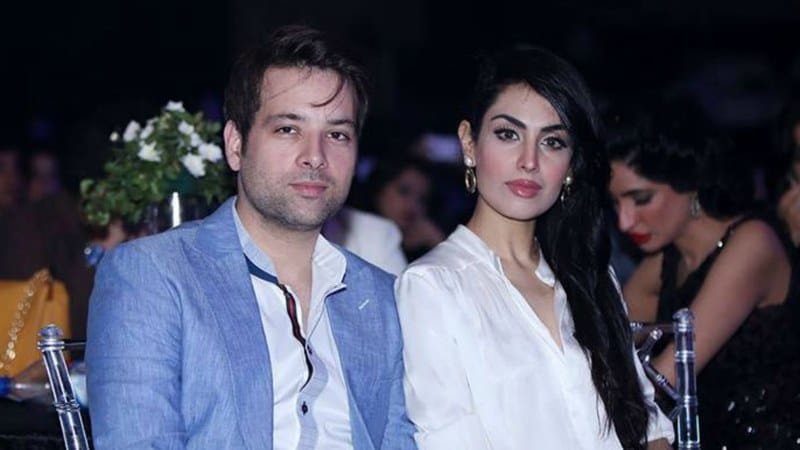
    Actor Mikaal Zulfiqar recently opened up about his divorce and idea of remarriage for the first time in a recent interview.

    During a recent outing at a digital talk show, the Diyar-e-Dil star broke the silence on his failed marriage, while he also clarified the chances of him going for remarriage in future.

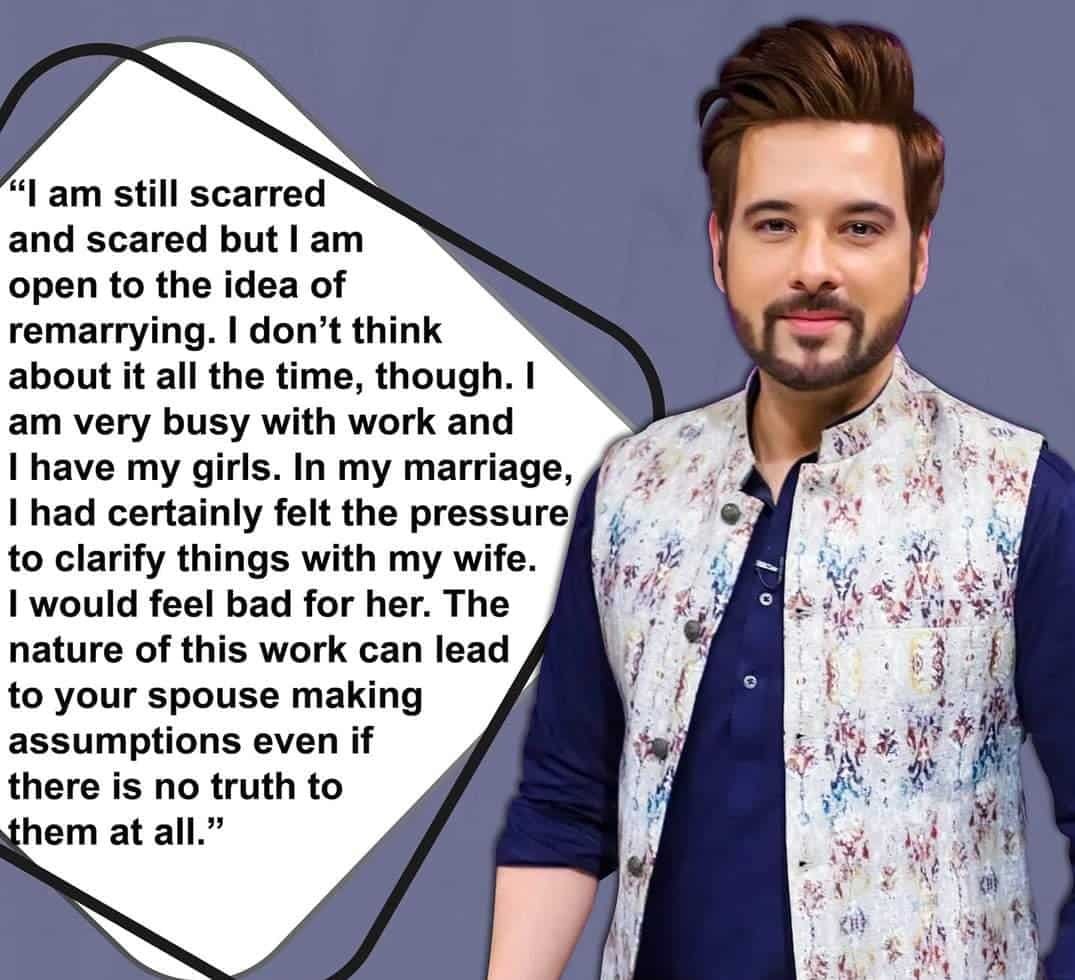
    Addressing the question about his marriage with his ex-wife, model Sara Bhatti, Zulfiqar responded, “In my marriage, I had certainly felt the pressure to clarify things with my wife. I would feel bad for her.”

    Dunya News

    “The nature of this work can lead to your spouse making assumptions even if there is no truth to them at all,” he added.

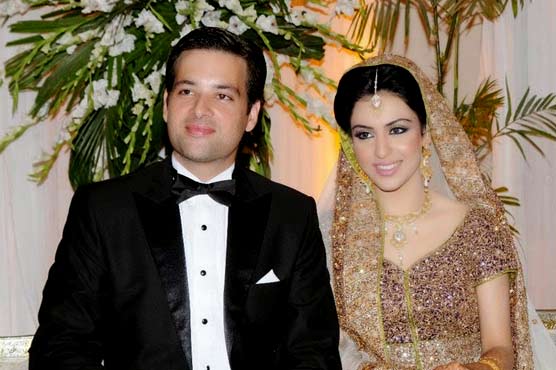
    He also touched upon the idea of remarriage but elaborated that his work and daughters with his ex-partner are his current priority. “I am still scarred and scared but I am open to the idea of remarrying,” he told the show host. “I don’t about it all the time, though. I am very busy with work and I have my girls.” For those unversed, Mikaal Zulfiqar married model Sara Bhatti in 2012 after being engaged for two years. In 2017, the former couple announced their divorce publicly.

    The ex-pair have two daughters together.

    Mikaal Zulfiqar opens up about his life after divorce

    He announced his split in 2017 on Facebook: “Wanted to say this for a while. Finally found the courage to do so. Sad to announce, unfortunately my marriage of 6 years has ended. After a long separation and despite efforts from both ends, things could not be resolved, which has resulted in divorce.”

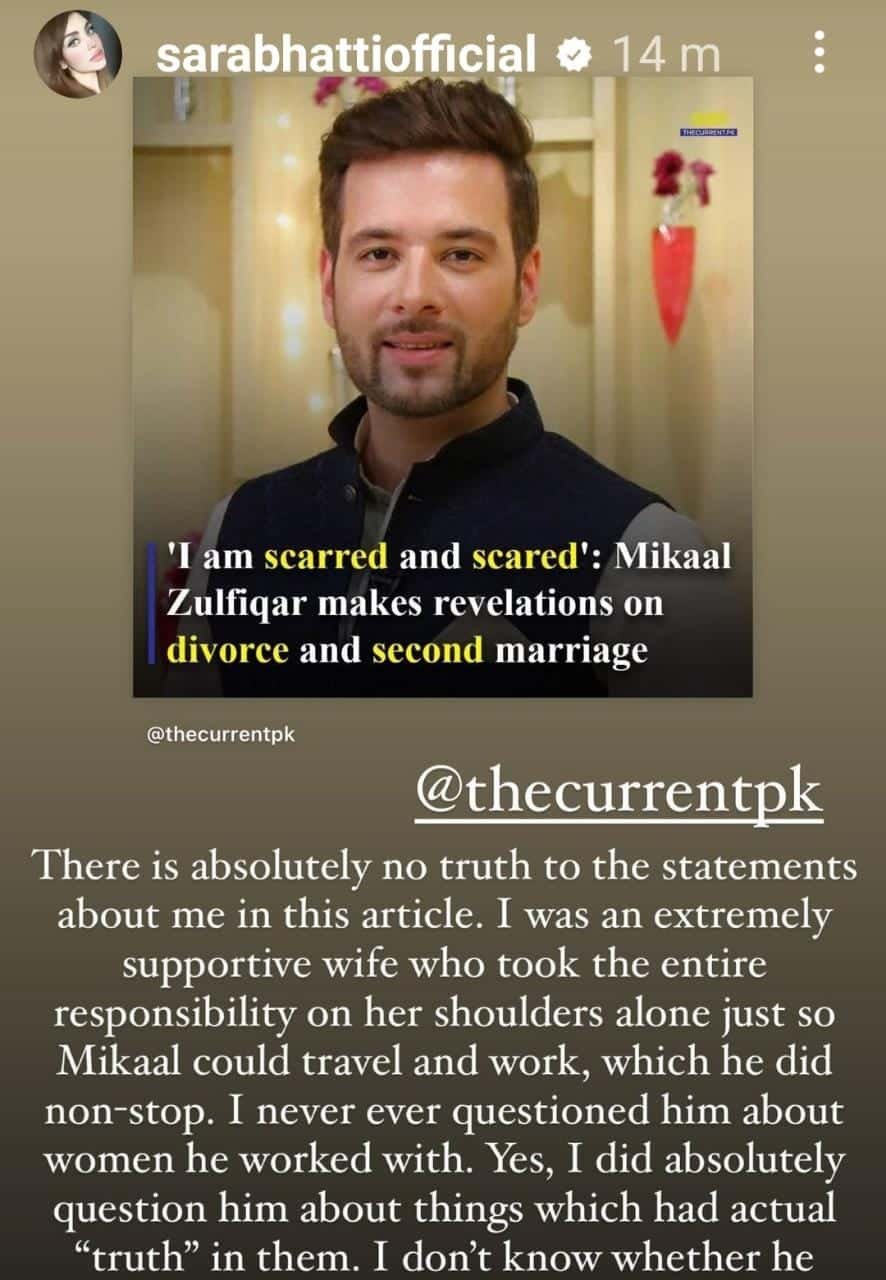
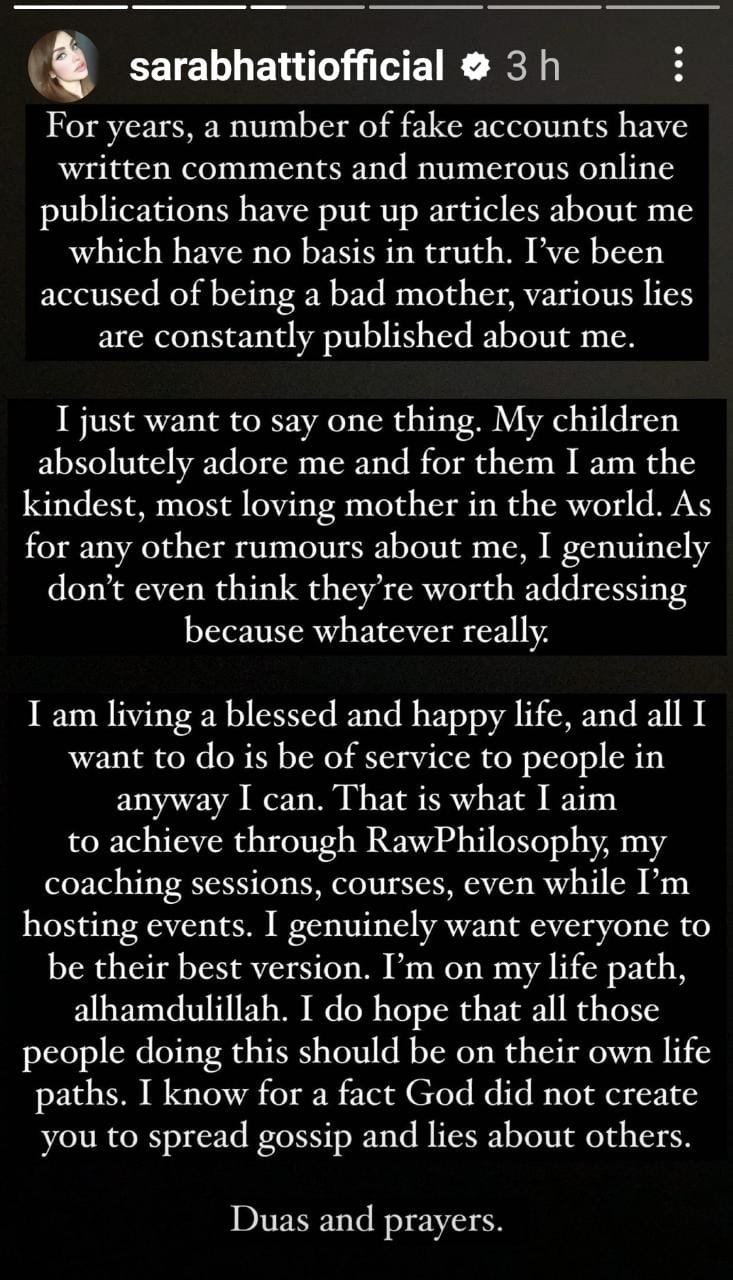
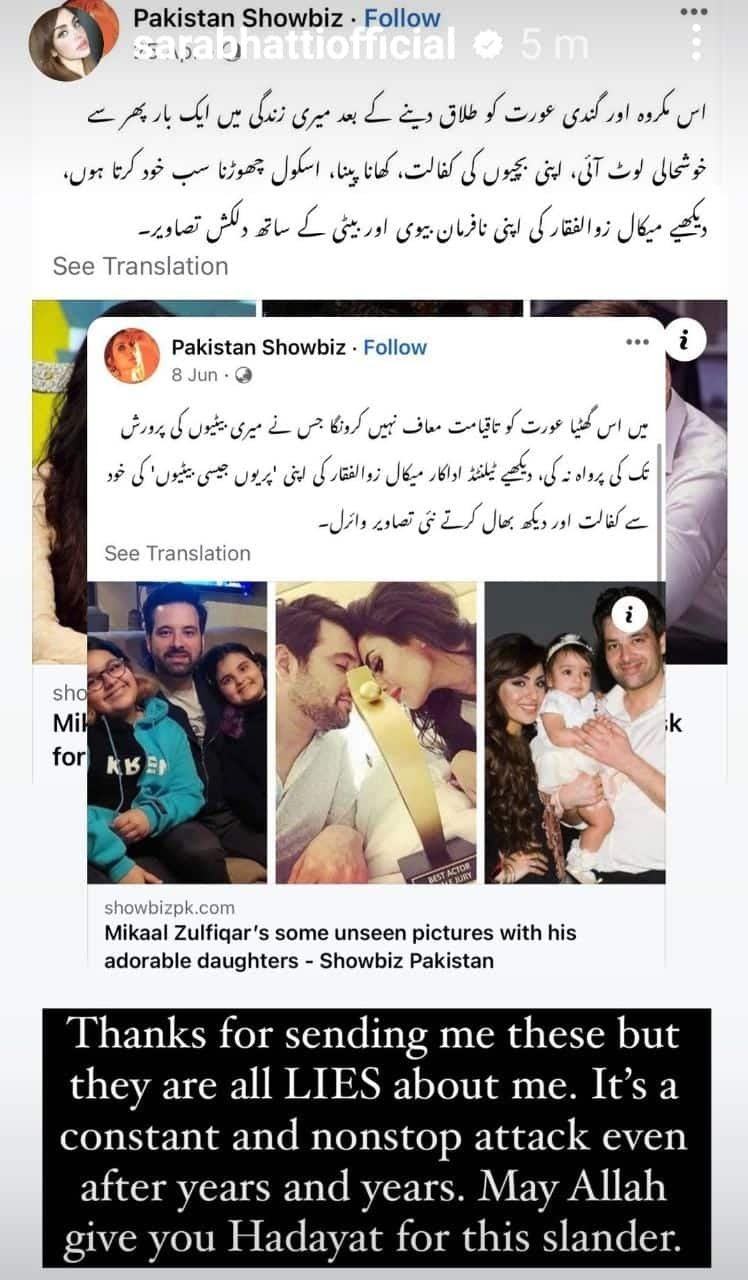
    Now his ex-wife Sara Bhatti has reacted to this new in her Instagram stories. She termed Mikaal’s revelations to be false and claimed that she was a supportive spouse.

    Sara also revealed that she has been slammed on social media over the last few years.

    On the work front, Mikaal is currently being seen in ARY Digital’s Fraud and Geo’s Chauhraha.

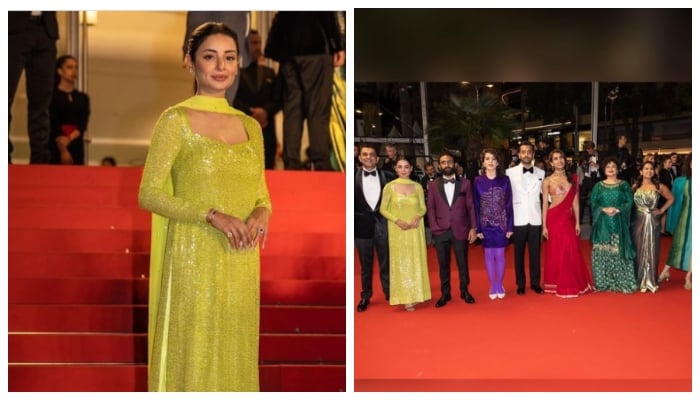
  • Sarwat Gilani, Sania Saeed impress in traditional dresses at the Cannes Film Festival 2022

    Sarwat Gilani, Sania Saeed impress in traditional dresses at the Cannes Film Festival 2022

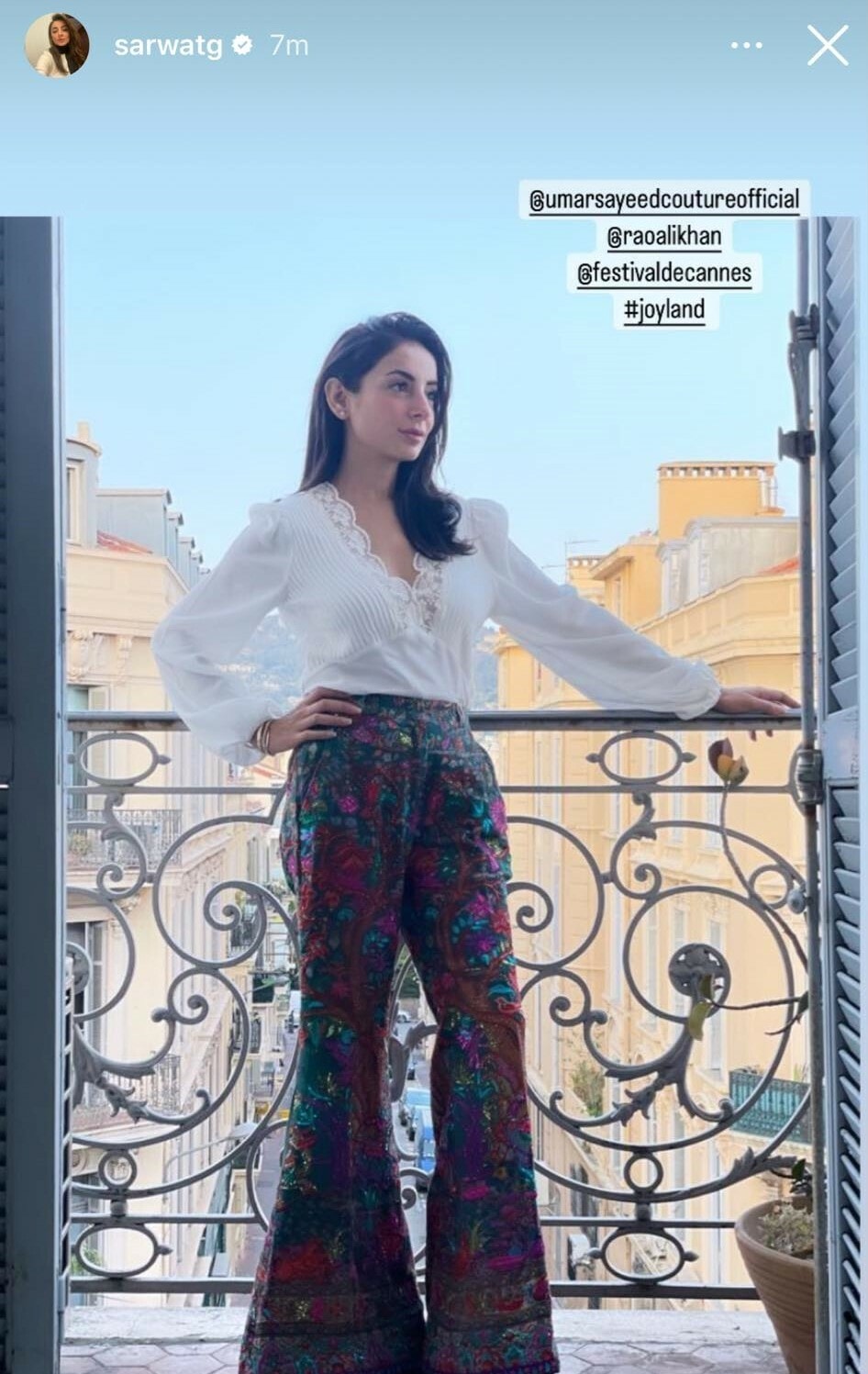
    Pakistani actresses Sarwat Gilani and Sania Saeed walked at the red carpet at the 75th Cannes Film Festival in traditional attires, making local netizens proud.

    While the Churails star impressed in an exquisite glittery ensemble with high heels and minimal accessories including earrings and statement rings..

    The 39-year-old starlet looked ethereal in her mint green long gowns by Elon. 

    Sarwat Gilani slays spectators in a glittery mint green gown at Cannes red carpet

    Senior actress Sania Saeed opted for a vibrant dark blue and pink floral outfit, complete with silver embellishments. 

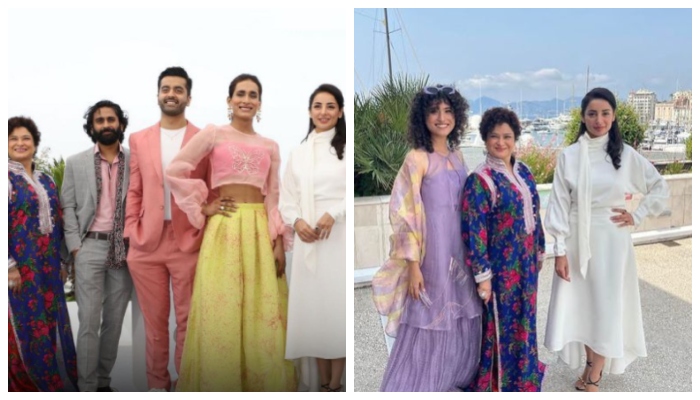
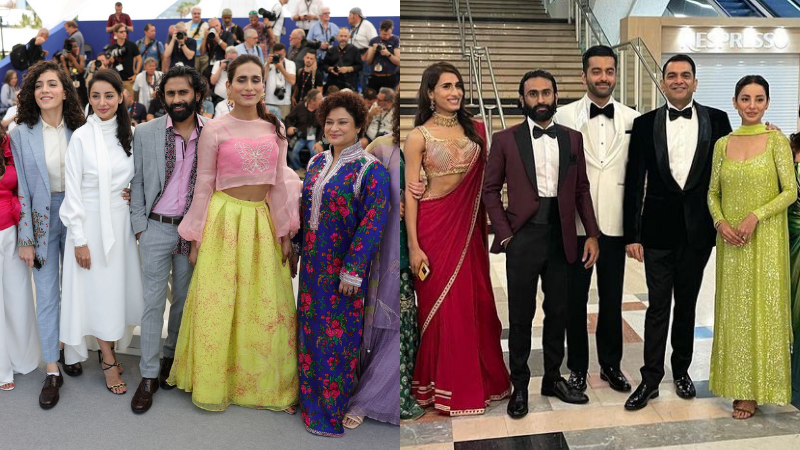
    Pakistan represent: Cast of Pakistani film ‘Joyland’ pose at Cannes 2022

    The cast of the Pakistani film Joyland is proudly representing Pakistan at the prestigious Cannes Film Festival along with the director Saim Sadiq.

    The category for feature films at Cannes only takes in a limited number of 14 films and it is a moment of immense pleasure that a Pakistani film made the list.

    Photo: AFP and Sarmad Khoosat/Instagram

    Alina Khan, a transgender actress, also stars in the film.

    Sadiq arrived at the festival in a salmon pink suit paired with a white t-shirt, with Sarwat donning a white, puffy-sleeved dress and strappy black heels for the event. Actor Alina Khan, who starred in Darling, opted for a pink crop top with butterfly detailing, pairing it with a yellow skirt and hair tied into a high ponytail for a daytime-appropriate look. 

    It stars Sarwat Gilani, Salman Peerzada, Sania Saeed, Ali Junejo, Alina Khan and Rasti Farooq. The film is produced by Sarmad Khoosat, Apoorva Guru Charan, and Lauren Mann.