Tag: Sar e Rah

  • ‘Don’t label things as agenda without knowing the complete context’: Muneeb Butt responds to Maria B’s criticism of Sar-e-Rah

    ‘Don’t label things as agenda without knowing the complete context’: Muneeb Butt responds to Maria B’s criticism of Sar-e-Rah

    When Sar-e-Rah aired its fourth episode, the story shifted to the struggles of an intersex boy who struggled to get love and acceptance from his family, and was determined to work hard and make his father proud. A significant moment in this episode which had caused social media users to declare it as the best television series of the decade, was an interaction between father and son when he explained to his child that it was okay to embrace gender fluidity.

    However, fashion designer Maria B had criticized the episode for encouraging acceptance of the transgender community, and called the actors who had taken part in the show ‘sell outs’ who were contributing to the destruction of Pakistan.
    In an interview with Maliha Rehman, actor Muneeb Butt addressed the criticism of the episode being ‘anti-Islamic’ by calling it wrong and entirely taken out of context.

    “I was disappointed to listen to her accusation because we are not anti-Islamic, we are Muslim, as well as the writers who wrote this script. We have a problem that we are quick to label other people as having agendas, or we distribute certificates that they’re anti- Muslim or taking an anti-Islamic stance. We think that we’re right, and the other people around them are wrong…When I read this drama, I was analyzing that there is nothing insensitive being spoken, clashing with my Islamic beliefs, and I didn’t think it was contradicting any Islamic value.”

    Butt addressed the scene which was slammed by B and other right wing critics as promoting ‘vulgarity’, by explaining that these critics had not taken into account the back story of these characters to understand the scene properly:

    “You should listen to the context behind this clip. If you watch a clip and judge an entire drama from this, then you’re completely wrong. No one can predict an entire drama from just a clip, because you don’t remember what happened before it. Before this, the father had seen his son dancing like a woman and wearing makeup, and his mother was forcing him to do this. The dad simply asked him did he want to do all of this in the bathroom, to which the son responded yes he does. The father is silent for a minute, then again asks ‘Beta, if you like doing this then tell me. I won’t feel bad at all.’ Then the son says ‘Baba, I don’t want to do this.’ It’s after that the father gently explains to him that right now his son is young but when he grows up that’s when you will learn to understand the feelings inside your body. He wasn’t saying that it’s your choice if you want to become a girl or a boy. The father was trying to make his son understand that the feelings your body is trying to tell you, whether you’re a male or female, that is something you will decide on your own. Right now it’s not necessary for you to figure out these things, you have to focus on your studies. This is the entire context, and it was beautiful how the father was encouraging his son to keep moving forward and study hard.”

    Given the entire context, Butt slammed critics for labeling him and the rest of the ‘Sar-e-Rah’ crew, saying it could have placed his life in danger.

    While social media overflowed with different takes on Sarang’s character, Butt had chosen to remain silent and did not address the allegations on social media. Butt explained that he had planned to write a note as soon as episode 6 came out, when Sarang gives a speech at a convocation.

    Butt revealed that the wife of a prominent actor had reached out to him when this episode had aired, and had sent him an audio note which said some things that proved she wasn’t happy with the drama.

    “It was her right to say all of these things because we make shows for the public. It’s their right to tell us about their opinions about our dramas, but for that you need to watch the complete episode to understand the context rather than judging it from a small video clip.”

    Listen to the complete interview here:
  • Editorial: Are we betraying our culture if we accept something might be different?Bilkul nahi

    Editorial: Are we betraying our culture if we accept something might be different?Bilkul nahi

    Sar-e-Rah, a drama well known to the Pakistani audience, recently aired one of its most anticipated episodes that explored the struggles of a transgender boy who tries to gain acceptance from his family by studying hard.

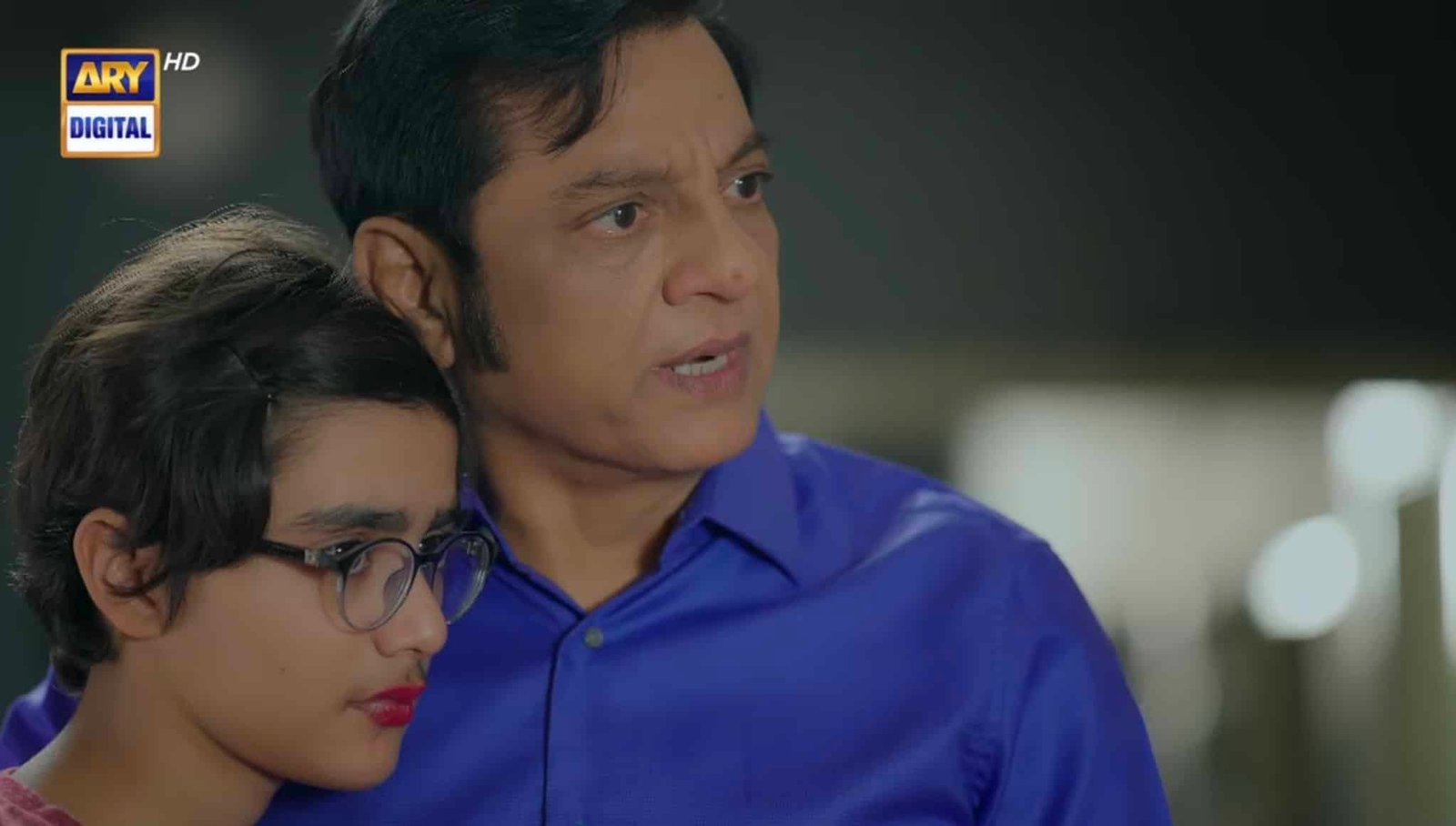
    The episode delved into how Sarim (played by Muneeb Butt) is bullied by his stepmother and brother because of the fact that he is an intersex boy. However, Sarim and his father have a close bond, who encourages him to work hard and is the only one who embraces his true nature rather than hiding it away.

    In a scene that gained massive audience attention and praises on Twitter, the father and son are sitting by the sea where he teaches his son that there is no shame in wanting to be feminine, and he can choose to be whatever he likes because it won’t diminish his father’s love for him.

    Many users praised the way this episode depicted the relationship between the father and son, as portrayed by Nabeel Zafar and Butt’s moving acting. The show was lauded for handling a taboo subject in a delicate manner, and showing how important it is for parent’s to empathise with and support their children.

    In a time when censorship overrules freedom of thought, and many drama creators refuse to engage with the audience, there are creators who are making stories for the audience by taking bold steps in crafting unique stories that tackle social issues in a sensitive yet thorough manner.

    Unfortunately this message did not resonate with everyone, as harsh critics like fashion designer Maria B once again stepped up to criticise the drama for ‘promoting vulgarity’ and encouraging the acceptance of the transgender community. This isn’t the first time Maria B has targeted the transgender community through her hate campaigns and probably won’t be the last time either. But it all comes down to a few questions we really need to ask ourselves: How is being an intersex a bad thing? Why can’t we as people accept everyone for who they are and what they are? Why is it so hard for us to choose kindness? What are we so afraid of? How is accepting a child for what and who they are a problem? At a tender age, a child only needs validation and acceptance. Parents don’t love in categories, their love is unconditional. Then why do we always put conditions on things which only need love and kindness.

    Moving forward to the larger debate, which is about culture and what will people say. We need to understand that the world has massively changed. It’s the 21st century and people have a way of living on their own terms. Why do we always bring society, culture in things we ourselves are afraid to handle? Take the example of the scene in this drama itself, in our society a father is mostly shown as the angry adult, who doesn’t speak much, expresses even lesser and then here was a father, calm, tender and accepting of his son. We should promote such culture where fathers shower their children with kindness and love.

    Kindness and love is the need of the hour. Pakistan already has a lot of problems. Let’s not make acceptability a problem as well. Our children deserve better. They deserve peace, security and assurance that yes our parents have our back. It all starts from home. Children need these little affirmations from a young age. Let’s not disappoint them just because they are different.

  • While Twitter praises Sar-e-Rah for encouraging empathy, Maria B claims it’s actually ‘spreading destruction’

    While Twitter praises Sar-e-Rah for encouraging empathy, Maria B claims it’s actually ‘spreading destruction’

    Sar-e-Rah dropped its most anticipated episode this Saturday which explored the struggles of a transgender boy who tries to gain acceptance from his family by studying hard.
    The episode delved into how Sarim (played by Muneeb Butt) is bullied by his step-mother and brother a because of the fact that he is an intersex man, who is regularly pushed away from spending time with them. However, Sarim and his father have a close bond, who encourages him to work hard and is the only one who embraces his true nature rather than hiding it away.
    In a scene that is gaining praises on Twitter, the father and Sarim are sitting near a beach where he teaches his son that there is no shame in wanting to be feminine, and he can choose to be whatever he likes because it won’t diminish his father’s love for him.
    Prominent transgender activist Mehrub Moiz Awan praised this scene for its ‘beautiful message’.

    ‘What a beautiful message! Who wrote this scene?’ she wrote.

    Actress Iffat Omar also sent praises to this scene

    Many users praised the way this episode depicted the relationship between the father and son, as portrayed by Nabeel Zafar and Butt’s moving acting. They lauded the show for handling a tabooed in a delicate manner, and showing how important it is for parent’s to empathize with and support their children.

    “The relationship between Sarang & his father is beautiful in #SarERah this week. This father is honest with his son, loves & supports him – what every child needs, but particularly those struggling against society. Nabeel Zafar & Muneeb Butt are brilliant,” one user wrote.

    Another user praised how the show was uplifting the minorities that it depicted on screen:

    “Best thing about #SareRah is that its not depressing. There is always hope and light at the end and thats what makes it special.”

    In a time when censorship overrules freedom of thought, and many drama creators refuse to engage with the audience they are creating stories for, this user praised Sar-e-Rah for taking a bold step in crafting unique stories that tackled social issues in a sensitive but thorough manner.

    #SareRah @arydigitalasia a breath of fresh air,every minute worth spent. Meticulously crafted stories reflect talent, passion and time spent to study each one. Brought alive by superb acting,a rare positive take on negative social issues,absolutely no loose ends.”

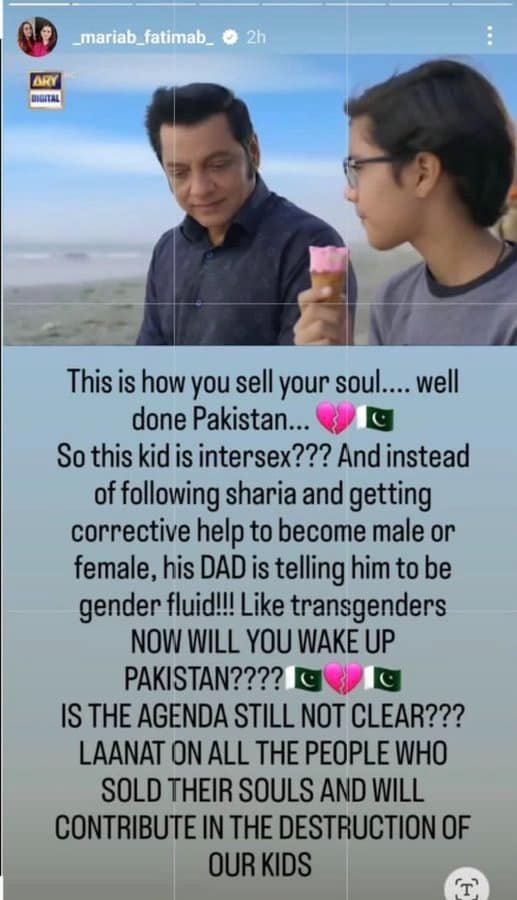
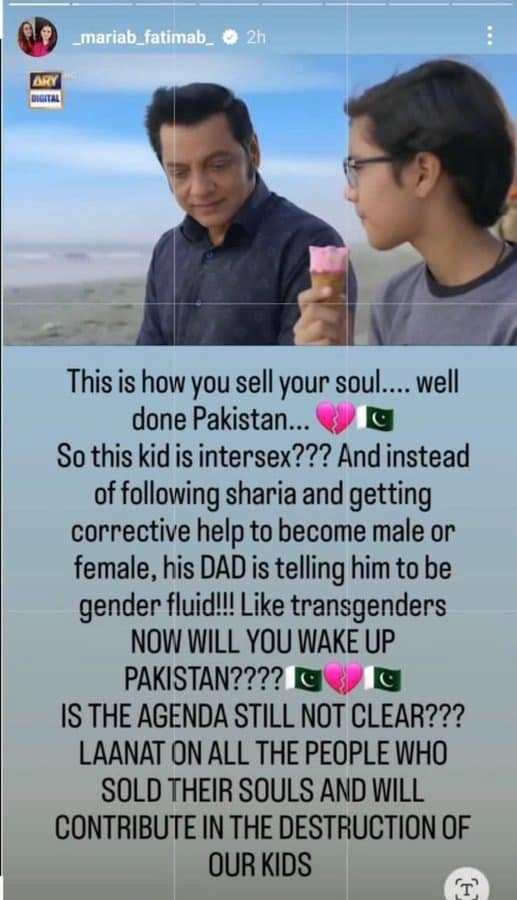
    Unfortunately this message did not resonate with everyone, as harsh critics like fashion designer Maria B once more stepped up to criticize the drama for promoting vulgarity and encouraging the acceptance of the transgender community. On her Instagram stories, the fashion designer said:

    “So this is how you sell your soul…well done Pakistan.

    So this kid is intersex??? And instead of following sharia and getting corrective help to become male or female, his DAD is telling him to be gender fluid!!! Like transgenders.

    Now will you wake up Pakistan??

    Is the agenda still not clear? Lannat on all the people who sold their souls and will contribute to the destruction of our kids.”

  • Sar-e-Rah empowers the way independent women inspire each other

    Sar-e-Rah empowers the way independent women inspire each other

    If the first episode of Sar-e-Rah was about the impact one woman makes when she stands up for herself, the next episode shows us how she can keep on inspiring women from different backgrounds to take a stand for themselves.

    In this episode, our protagonist Rabia meets Dr Muzna, a woman who has longed for a child has kept her husband’s infertility a secret from the rest of their family. Muzna faces the burden of this secret because of the taunts her mother-in-law gives her for not being able to give the family a child, and because she decides to go back to her job and refuses to abandon her practice.

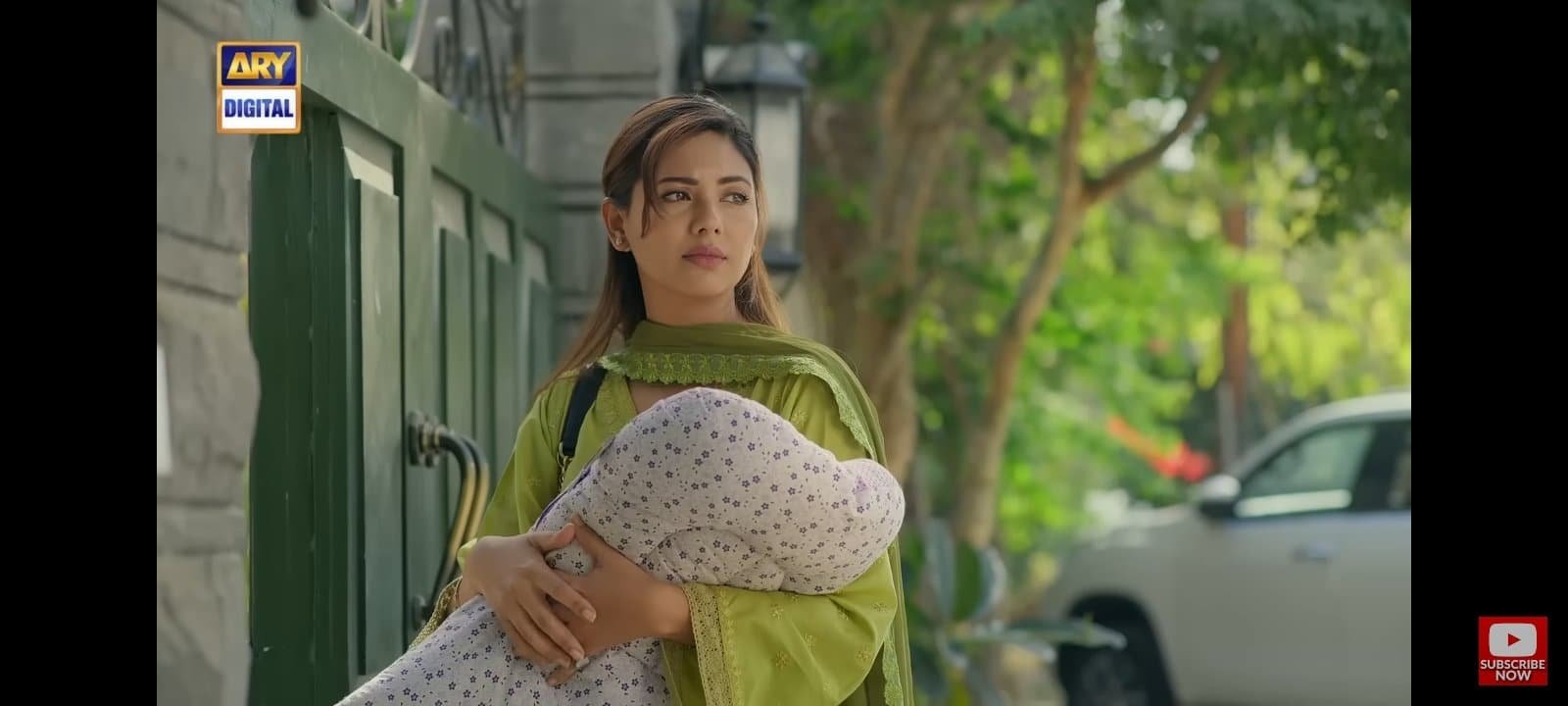
    In this episode, Sar-e-Rah explores how empowered women who broke away from the shackles of patriarchy are able to recognize the burden society puts on women who chose alternative paths towards motherhood. In one scene, when a grandmother and her child scold Muzna in a cafe for bringing her newborn child along with her, Rabia takes a stand by telling them that Muzna did a noble thing by choosing to give shelter to a child that had been abandoned.

    In the rest of the episode, we watch the two women find solace in one another as Muzna faces opposition from her husband and mother-in-law for choosing to adopt a baby with taunts telling her that bringing home another woman’s child won’t make her a mother, but Razia keeps reminding her that what she is doing is quite noble. Their wholesome bond remains steady as Rabia helps Muzna in facing her husband and the rest of the family, and also to search for the mother’s child.

    https://twitter.com/lattedeprresso/status/1625468993975853062?s=20&t=winx6AlTJw6UDtjZu27pYA

    At a time when triggering topics like domestic violence, child abuse and forced marriages are not treated with the sensitivity and depth they deserve, it is heartening that a show like Sar-e-Rah isn’t shying away from exploring such tabooed topics and reminding women that they can find the strength they needed in each other.

  • In its first episode, Sar-e-Rah salutes female taxi drivers

    In its first episode, Sar-e-Rah salutes female taxi drivers

    Pakistani dramas aren’t the first place to turn to if we happen to be looking for entertainment, but it seems like the tide is finally turning. After the ever popular Kuch Ankahi, ARY’s new drama Sar-e-Rah, is exploring the issues faced by women in this society. In its first episode it welcomes female taxi drivers to public spaces.

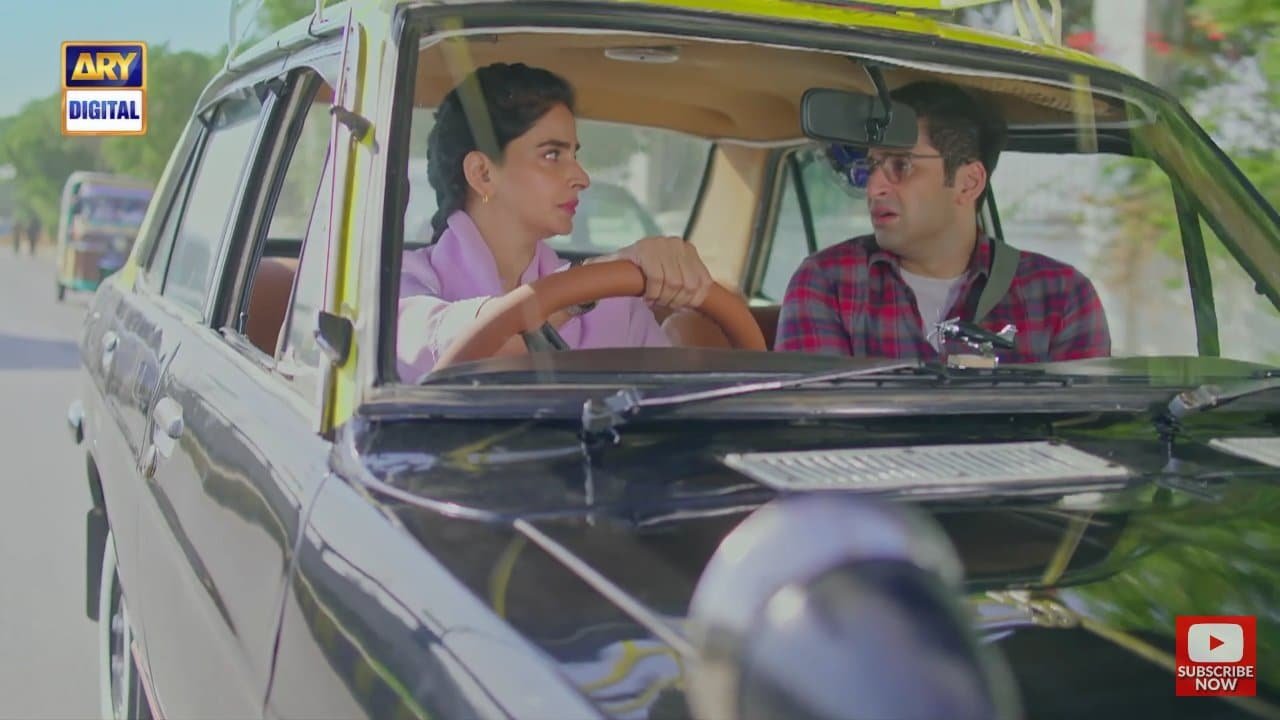
    The drama explores the lives of four women and an intersex man, and the struggles they face in society. This episode opens with the life of Rabia, a woman who has been waiting for five years for her aunt and fiance Faraz to finalize her wedding date. When her father, the head of the family, suddenly has a heart attack and it begins impacting the family’s household expenditure, Rabia decides to follow his footsteps to become a taxi driver.

    The episode wasn’t afraid to explore the kind of push back and harassment women face at the hands of men when they venture in to public spaces. In one scene, a customer arrives as Rabia’s car and notices that a woman driving . He starts exclaiming “God’s wrath is upon us!” and walks away muttering that this was a sign of the Day of Judgement. Rabia’s family members, especially her fiance, taunt her with the age-old saying ‘Log Kya Kahengee’ if a woman is boldly stepping out in the streets to make an earning. To whom Rabia gives a powerful response by reminding them that no one is more honorable than a woman who chooses to look after her family by making an earning.

    Twitter users are already fans of Saba Qamar’s powerful acting, calling it a well needed show that has arrived at the right time.
    “I’m very excited about Sar e Rah and the engaging, progressive and uplifting narrative it has taken off with. So many issues are being addressed in a natural and (so far) non preachy or patronising way. Can’t wait for the next episode,” wrote drama critic Aamna Isani.

    “Such a unique & powerful concept. This show is giving OG Pakistani show’ vibe . Hats off to #SabaQamar for always trying to do something different,” another user wrote.

    Users especially showered praises on a powerful scene where a customer guides Qamar’s character to never be afraid to charge her customers the price she deserves, and also reminds her to keep her confidence strong and stare back at the same men leering at her.

    We had been waiting for a long time to see Pakistani dramas get on with the times and start wriiting stories that reflected the lives and struggles of women in Pakistan, and it seems like that time has arrived. The drama is a breath of fresh air for welcoming female taxi drivers in to the public sphere, and we are anticipating how it will play out in the next few episodes!