Tag: satellite

  • Pakistan’s first satellite completes six years in orbit

    Pakistan’s first satellite completes six years in orbit

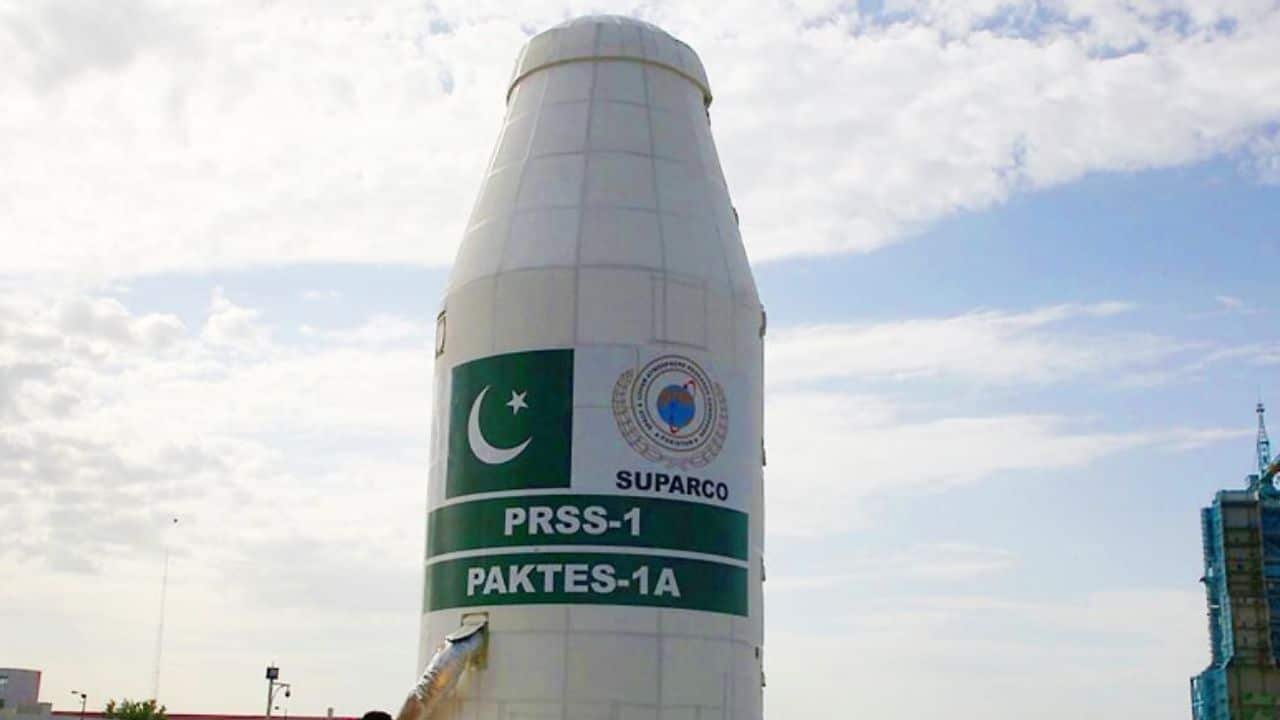
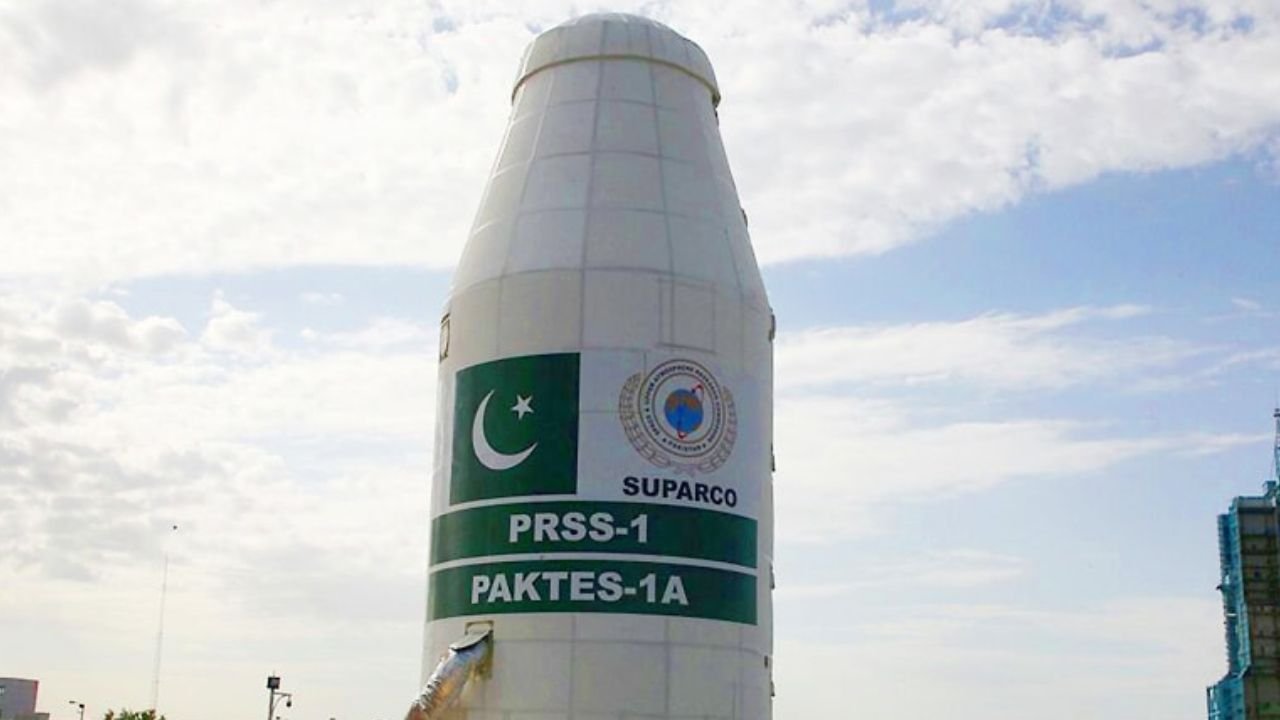
    Pakistan’s first remote sensing satellite and technology evaluation satellite has completed six years in orbit.

    According to SUPARCO’s spokesperson, images taken by the technology evaluation satellite Pak TES One have been released, including images of various places in Dubai, Saudi Arabia, and Pakistan.

    It is said that the data obtained from the satellite has proven to be helpful in national development and scientific research.

    Further progress towards the development of Pakistan’s space program has also been reported.

    The PRSS One and Pak TES One satellites were launched on July 9, 2018, from China’s Jiuquan Satellite Launch Center.

  • Iran Launches Imaging Satellite From Russia

    Iran Launches Imaging Satellite From Russia

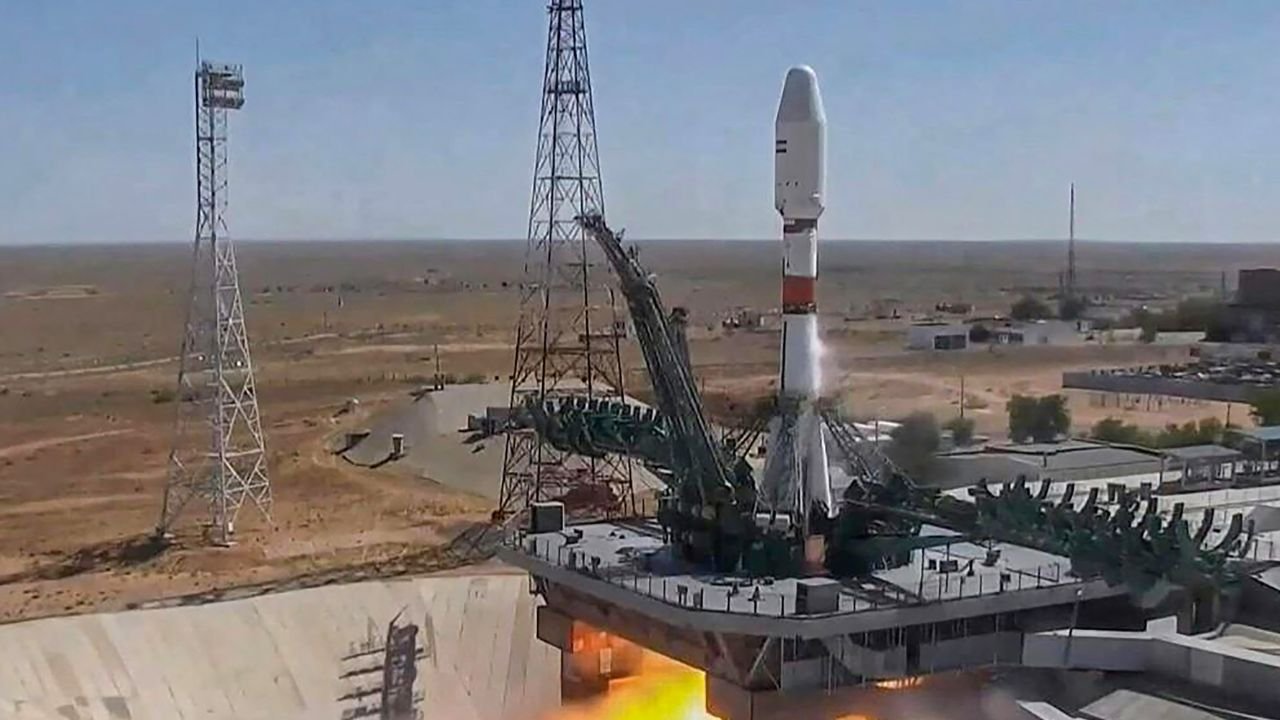
    Iran announced on Thursday the launch of a remote sensing and imaging satellite into orbit from Russia, according to state media.

    The launch of “Pars-I” with the Russian Soyuz-2.1b launcher was broadcast live by state television in Iran.

    The satellite was launched “from Russia’s Vostochny launch base”, some 8,000 kilometres (5,000 miles) east of Moscow, according to the official IRNA news agency.

    Iran’s telecommunications minister Issa Zareppur said “Pars-I” was “fully domestically developed” in Iran, which he said carried out a dozen satellite launches over the past two years.

    In January, Iran said it simultaneously launched three satellites into orbit, nearly a week after the launch of a research satellite by its Revolutionary Guards.

    Western governments including the United States have repeatedly warned Iran against such launches, saying the same technology can be used for ballistic missiles, including ones designed to deliver a nuclear warhead.

    Iran has countered that it is not seeking nuclear weapons and that its satellite and rocket launches are for civil or defence purposes only.

    In August 2022, Russia launched Iran’s remote-sensing Khayyam satellite into orbit from Kazakhstan amid controversy that Moscow might use it to boost its surveillance of military targets in its war in Ukraine.

    Moscow has sought to strengthen its alliances with other countries ostracised by the West, including Iran, which has been accused of supplying Moscow with armed drones for its offensive in Ukraine.

    This month, the United States said it would soon impose new sanctions on Iran over its backing for Russia’s invasion of Ukraine.

    Tehran denies the allegations.

  • Iran launches three satellites into orbit

    Tehran, Iran: Iran on Sunday said it simultaneously launched three satellites into orbit, nearly a week after the launch of a research satellite by the Revolutionary Guards drew Western criticism.

    “Three Iranian satellites have been successfully launched into orbit for the first time,” state TV reported.

    The satellites were carried by the two-stage Simorgh (Phoenix) satellite carrier and were launched into a minimum orbit of 450 kilometres (280 miles), it added.

    The Mahda satellite, which weighs around 32 kilogrammes and was developed by Iran’s Space Agency, is designed to test advanced satellite subsystems, the official IRNA news agency said.

    The other two, Kayhan 2 and Hatef, weigh under 10 kilogrammes each and are aimed to test space-based positioning technology and narrowband communication, IRNA added.

    Last week, Iran’s Islamic Revolutionary Guard Corps sent the research satellite Soraya into space.

    Britain, France, and Germany condemned that launch in a statement rejected by Iran as “interventionist”.

    Western governments including the United States have repeatedly warned Iran against such launches, saying the same technology can be used for ballistic missiles, including ones designed to deliver a nuclear warhead.

    Iran has countered that it is not seeking nuclear weapons and that its satellite and rocket launches are for civil or defence purposes only.

    The Islamic republic has struggled with several satellite launch failures in the past.

    The successful launch of its first military satellite into orbit, Nour-1, in April 2020 drew a sharp rebuke from the United States.

    Tehran has been under crippling US sanctions since Washington’s 2018 withdrawal from a landmark nuclear deal which granted Iran sanctions relief in return for curbs on its nuclear activities designed to prevent it from developing an atomic warhead.

    Iran has always denied any ambition to develop nuclear weapons capability, insisting that its activities are entirely peaceful.
  • A Pakistani component will soon be going to the moon

    A Pakistani component will soon be going to the moon

    China’s new mission to the moon, Chang’e 6, will be launched in 2024, carrying a Pakistani satellite.

    As per a statement issued by the China National Space Administration (CNSA), Chang’e 6 mission will be launched to the moon in the first half of 2024.

    The mission is set to carry payloads to the moon from Pakistan, the European Space Agency (ESA), France and Italy.

    This includes French instruments to test radioactive gas, ESA’s Negative Ion Detector, Italy’s Valle Brett Radar System, and Pakistan’s satellite named CubeSat.

    China is currently expanding the International Lunar Research Station project that will result in more international partnerships in the future as well as an increased international cooperation.

    Constituting a first in history, Chang’e-6 mission is to journey towards the dark side of the moon and gather specimens from its surface.

    Previously, samples were collected from the near surface of the moon.

    The aim is to collect samples from various areas of the moon to evaluate its age. This is said to be followed by Chang’e 7 robotic mission to the moon’s south pole.

    This will trace for signs of ice and examine the region’s atmosphere and weather.

    The Chang’e 8 mission is said to conclude the Chang’e missions and to possibly establish a research station on the planet.

  • Nasa Earth releases satellite images of Hingol National Park

    Nasa Earth releases satellite images of Hingol National Park

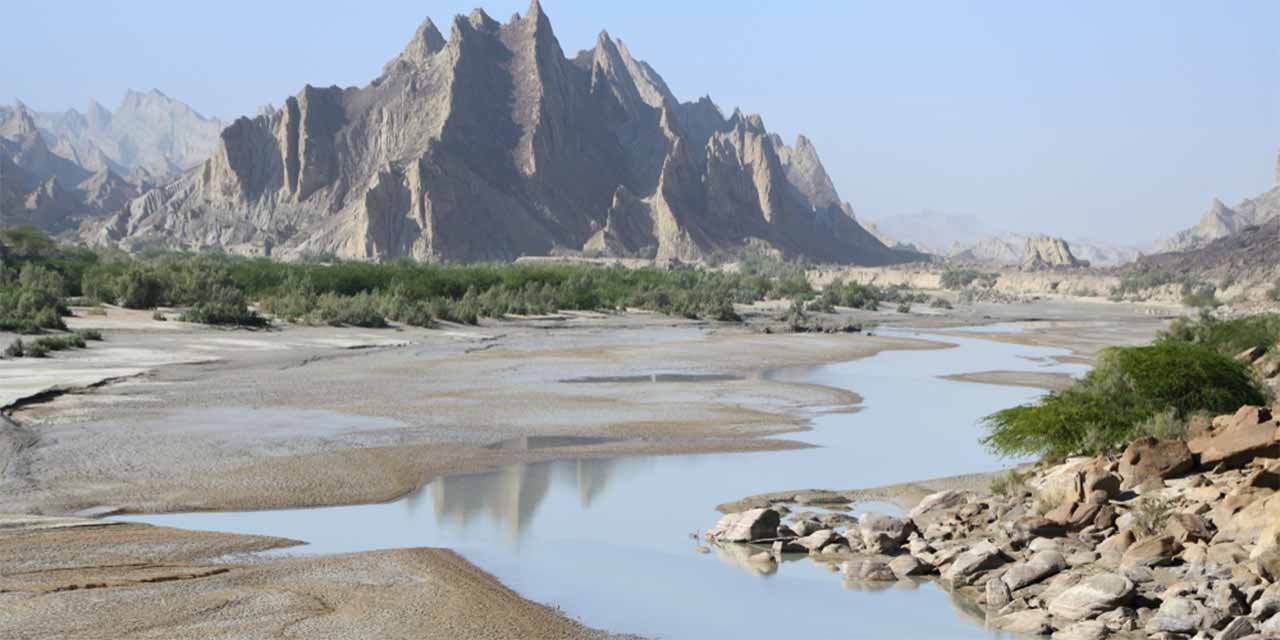
    The National Aeronautics and Space Administration (NASA) has shared satellite images of the Hingol National Park, located 120 miles from Karachi. The image was acquired in February this year.

    Read more – NASA shares picture of snow-covered Himalayan ranges from space

    Nasa Earth observatory describes Hingol Park with its “rocky terrain, mountain caves, and beautiful beaches” as “one of the natural wonders of Pakistan”.

    Hingol spans around 6,200 square kilometres (2,400 square miles) across three districts of the Balochistan Province: Lasbela, Awaran, and Gwadar,.

    The park is named after the Hingol River, which flows through this dry region year-round and is the longest in Balochistan. Before emptying into the Arabian Sea, the Hingol flows into an estuary that supports threatened fish, birds, and crocodiles. It is part of the largest national park for the protection of endangered species in the country. The park is also home to wild Sindh Ibex, Balochistan Urial, and Chinkara Gazelle.

    Located approximately 200 kilometers (120 miles) northwest of Karachi, Hingol National Park features several distinct ecosystems. In the north, it includes an arid subtropical forest, while dry, mountainous terrain covers the western portion.

    In the east, the park is renowned for a group of mud volcanoes that spew methane and mud instead of lava. Along the coast, Hingol includes caves, beaches, and a marine ecological zone that is home to dolphins, sea turtles, and mangroves. The water body in the image above is an ephemeral lake near Sapat Beach.

    The park also holds a significance amount for Hindu community because of the Hinglaj Mata Mandar located there.