Tag: Saudi Arabia

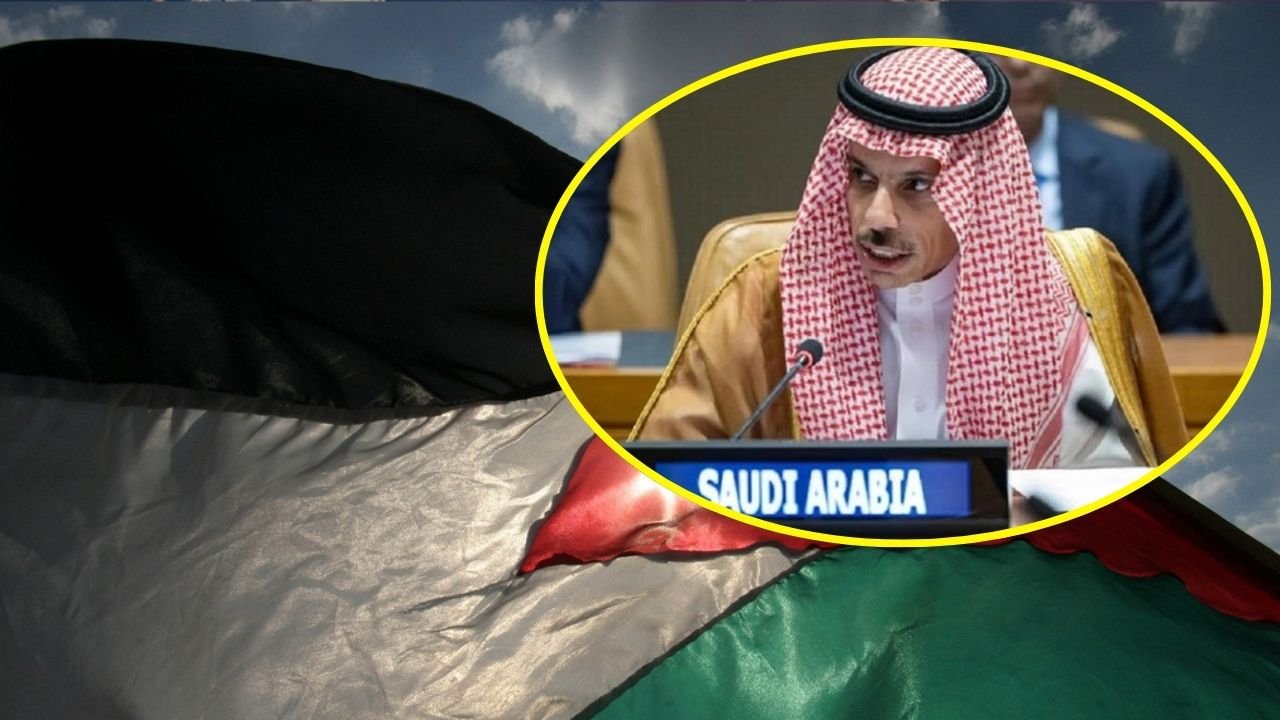
  • Saudi Arabia forms coalition to push for Palestinian statehood

    Saudi Arabia forms coalition to push for Palestinian statehood

     Saudi Arabia’s foreign minister on Friday announced an “international alliance” to press for Palestinian statehood, on the sidelines of the United Nations General Assembly.

    Prince Faisal bin Farhan said the “International Alliance to implement the two-state solution” included Arab and Islamic countries, as well as European partners, the Saudi Press Agency said.

    The Gaza crisis has revived talk of a “two-state solution” of Israeli and Palestinian states living in peace side by side, but analysts said the goal seems more unattainable than ever.

    The hard-right Israeli government of Prime Minister Benjamin Netanyahu remains implacably opposed to Palestinian statehood.

    Saudi Arabia, the world’s biggest oil exporter, paused US-brokered talks on recognising Israel after the Israeli invasion of Gaza in October last year.

    Earlier this month, Crown Prince Mohammed bin Salman toughened his tone, explicitly saying that an “independent Palestinian state” is a condition for normalisation.

    A senior official of the Saudi-based Organisation of Islamic Cooperation (OIC) said the new coalition “consists mainly of Islamic and Arab members of OIC plus some European countries”.

    “There will be meetings in Arab and European countries to discuss the practical execution of the initiative and a conference later this year in Riyadh,” added the official, who asked to remain anonymous.

    Prompting Israeli anger, Ireland, Norway and Spain announced their recognition of a Palestinian state in May. Slovenia followed, bringing the number of countries that recognise a Palestinian state to 146 out of the 193 United Nations member states.

    Prince Faisal said the nearly year-long Gaza conflict could not be justified by Israel as “self-defence”.

    “Self-defence cannot justify the killing of tens of thousands of civilians, the practice of systematic destruction, forced displacement (and) the use of starvation as a tool of war,” Prince Faisal told a ministerial meeting on the Palestinian crisis, on the sidelines of the UN General Assembly.

  • No more bhikaaris; Saudi Arabia tells Pakistan to control beggars

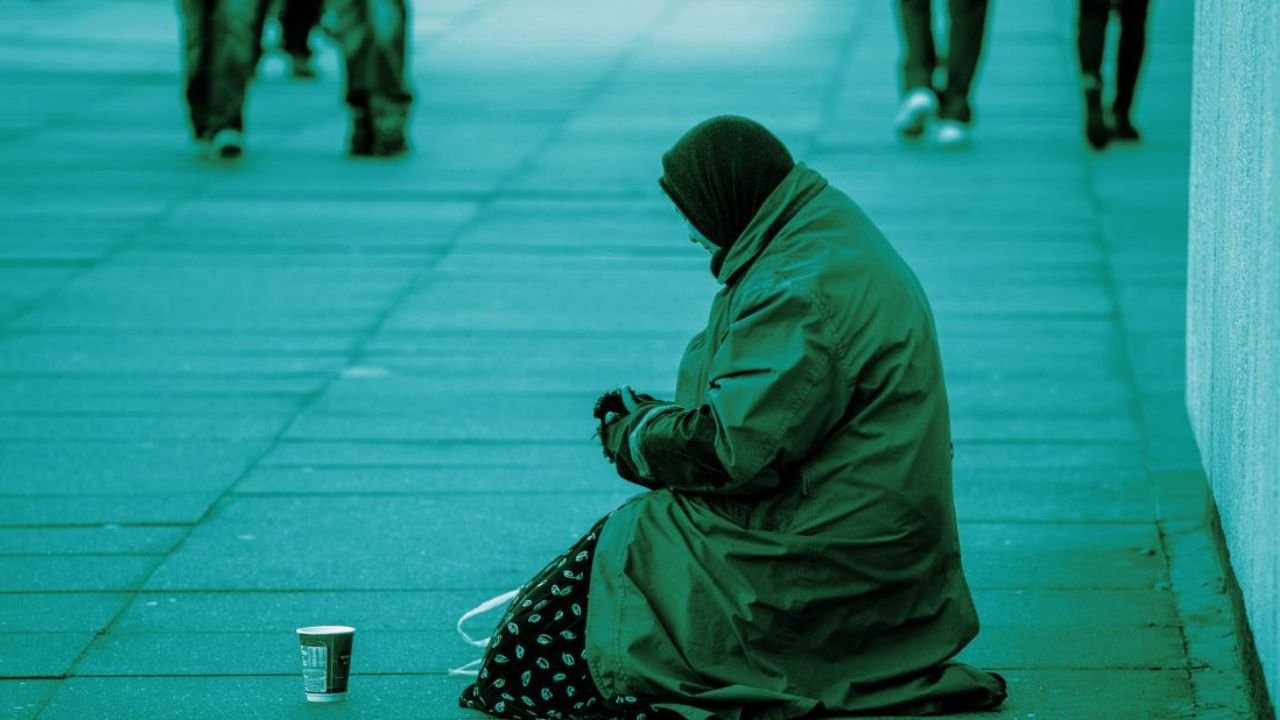
    No more bhikaaris; Saudi Arabia tells Pakistan to control beggars

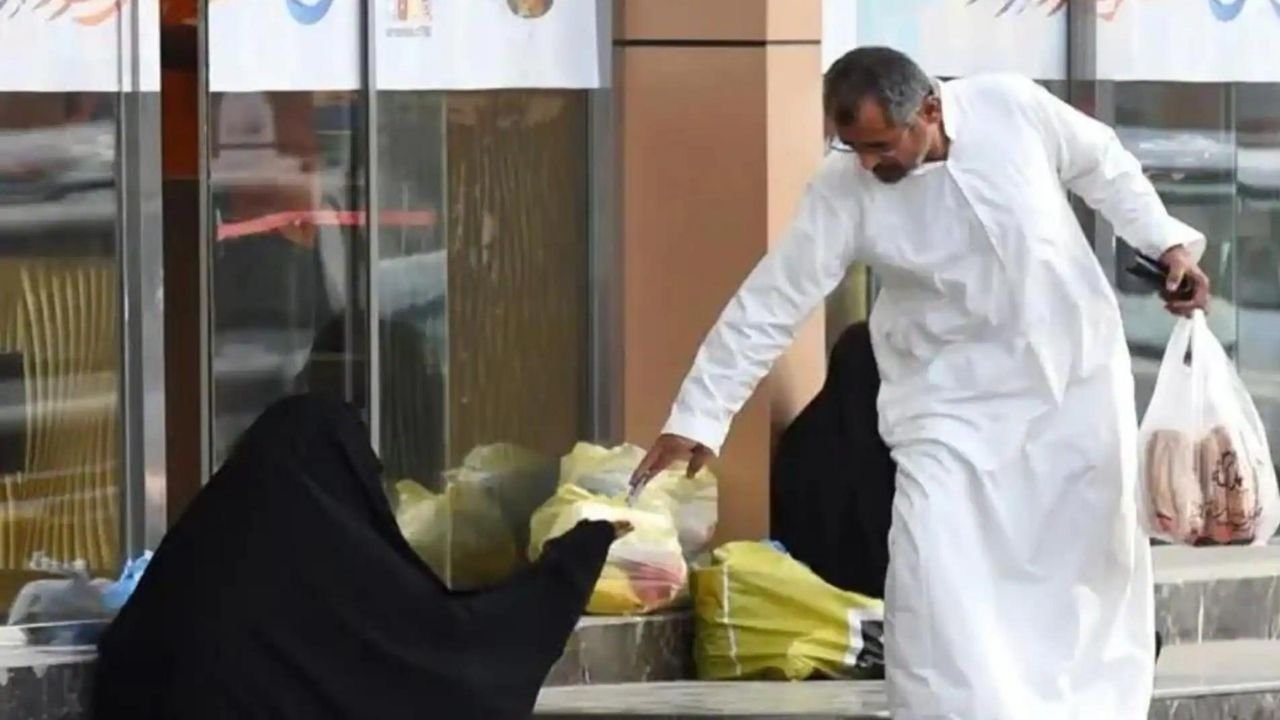
    The Kingdom of Saudi Arabia has expressed serious concern over the growing number of Pakistani beggars coming to the Kingdom on Hajj and Umrah visas.

    Geo reports that sources in Pakistan’s Ministry of Religious Affairs have stated that Saudi authorities have warned about the beggars who come under the guise of Umrah and Hajj. If they are not controlled, it will have a negative impact on Pakistani Umrah and Haj pilgrims going to the Kingdom in the future.

    Local media reports suggest that the Saudi Ministry of Religious Affairs has asked the Pakistani government to take action against the beggars entering the country under Umrah and Hajj visas, or it will severely affect normal Pakistani pilgrims.

    Consequently, Pakistan’s Ministry of Religious Affairs has decided to bring an Umrah Act, according to which the government will regulate travel agencies conducting Umrah and Hajj and bring them under legal supervision.

    Earlier, it was reported that Pakistani beggars go to Saudi Arabia on Umrah visas and then take part in activities like begging there, which infuriates the governments of the Gulf countries. In turn, the Pakistani government also decided to block the passports of the people involved.

    Read more: Pakistanis involved in 50% of crimes in Gulf; shocking revelation in Senate

  • PM Shehbaz Sharif credits ‘friendly nations’ for securing IMF deal

    PM Shehbaz Sharif credits ‘friendly nations’ for securing IMF deal

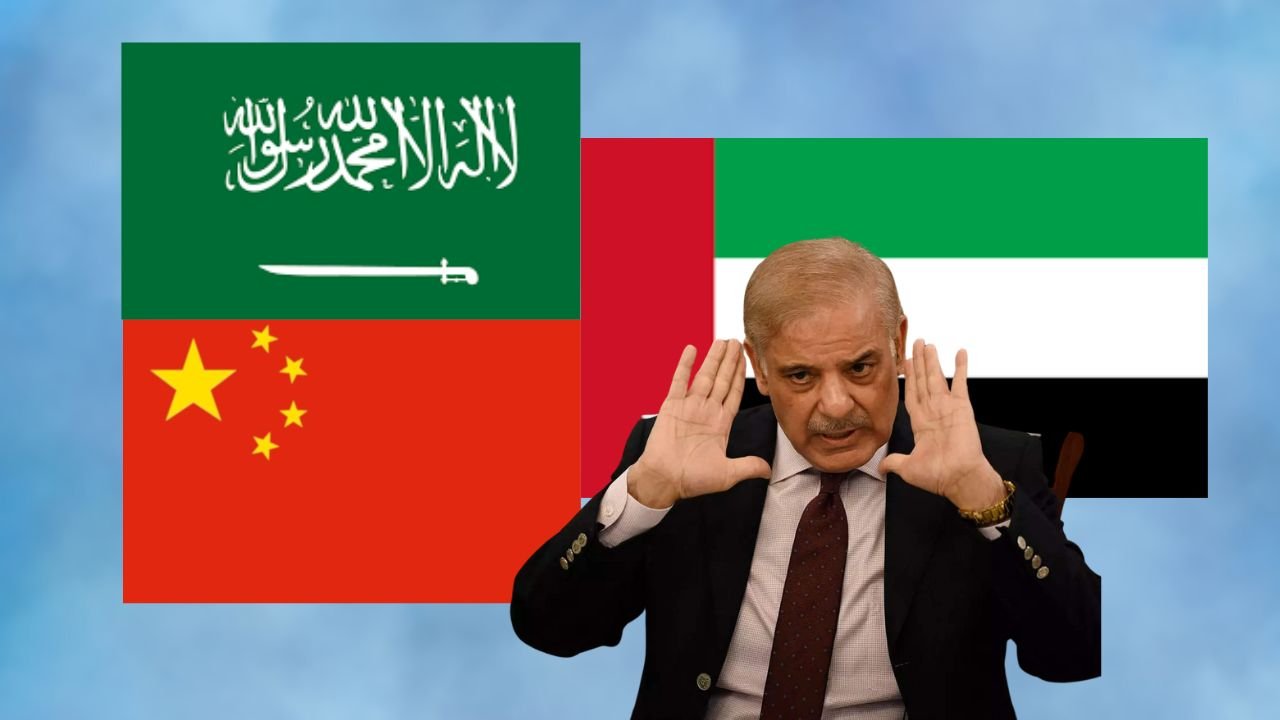
    Prime Minister (PM) Pakistan Shehbaz Sharif has acknowledged the efforts of friendly countries for facilitating Pakistan in securing the International Monetary Fund (IMF) loan programme.

    Speaking to young parliamentarians of the Pakistan Muslim League (PML-N), he lauded the efforts of China, the United Arab Emirates (UAE), Saudi Arabia, the Army Chief and the incumbent government’s economic plan team.

    PM Sharif said that he hoped the upcoming IMF programme would be the last.

    He clarified that there will be no tolerance for tax evasion and stressed extending tax collection.

    Journalist Fakhar Durrani revealed in Talk SHOCK, a YouTube channel, that the IMF demanded two things from the Pakistan government before approving a seven-billion-dollar loan.

    He claimed that the first demand was a two billion dollars guarantee, which the government fulfilled by securing it from Standard Chartered Bank; the second demand was also fulfilled by securing a guarantee from Saudi Arabia on the deferred oil payment.

  • July remittances post significant hike

    July remittances post significant hike

    The Pakistani diaspora has sent $3 billion back home in July, 48 percent higher than the previous year, The News has reported.
    State Bank Pakistan (SBP) data shows that remittances from Saudi Arabia increased by 56 percent to $761 million in July, while those from the United Arab Emirates increased by $611 million.
    The percentage reflected a 94 percent surge from the UAE compared to July 2023.

    Remittances from the United Kingdom totaled $443 million, a 45 percent increase from the previous year. Workers also sent $300 million from the United States, a 24 percent hike from last July.
    The research director at AKD Securities Limited, Awais Ashraf said, ‘’This increase is mainly due to the movement of worker remittance into the formal channel, spurred by the reduced rate difference between exchange companies and the interbank market’’.

    Throughout FY24, Pakistan posted a current account deficit of $681 million, equivalent to 0.2 percent of the gross domestic product.

  • Beggar found unconscious in Sargodha with over Rs 5 lakhs in pocket

    Beggar found unconscious in Sargodha with over Rs 5 lakhs in pocket

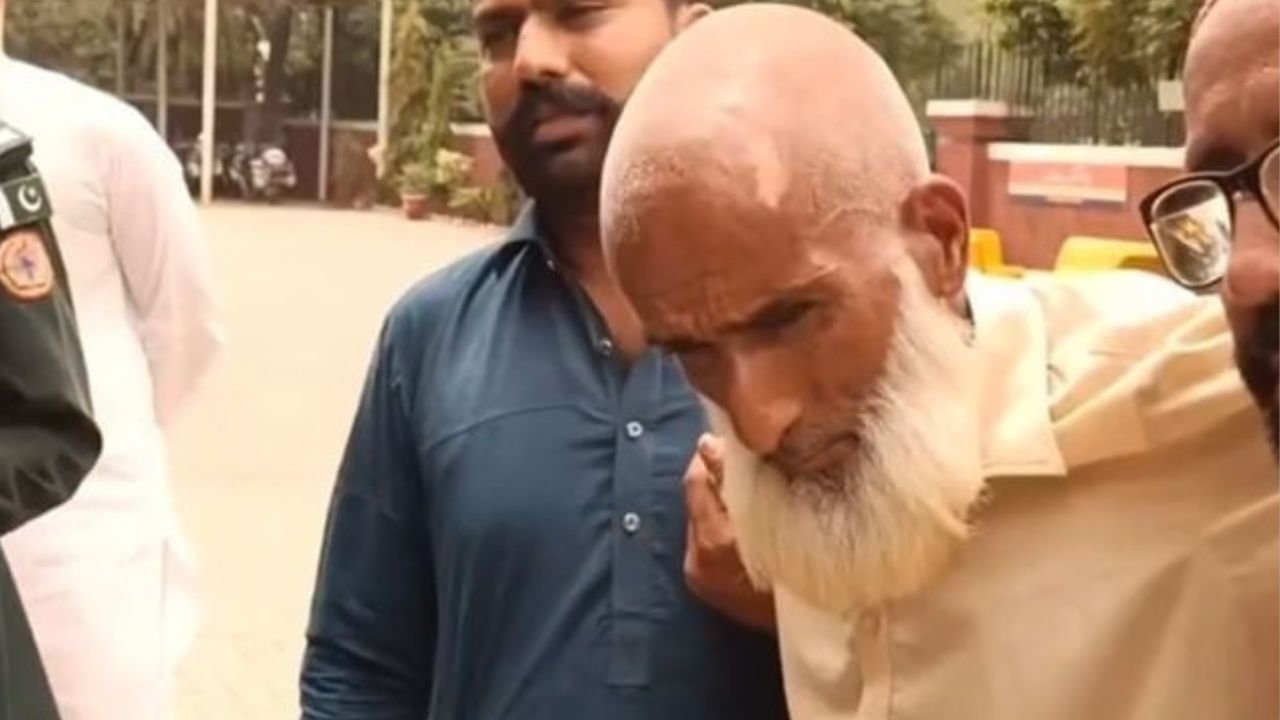
    An unconscious man, allegedly a beggar, was found in Sargodha with more than Rs 5 lakhs in his pocket.

    Rescue officials received a call reporting an unconscious person lying on Khushab Road.

    District Emergency Officer Mazhar Shah stated that during the rescue operation, locals informed them that the individual was known for begging in the area. While transferring the elderly person to DHQ Hospital, Rs 534,000 was discovered in his pocket. A passport was also recovered from his possession, which contained multiple Saudi Arabian visas, indicating frequent travel to Saudi Arabia.

    Officials confirmed that after providing medical aid and discharging him from the hospital, rescue personnel returned the money and passport to the man.

  • 20 year sentence for Saudi teacher over social media posts

    20 year sentence for Saudi teacher over social media posts

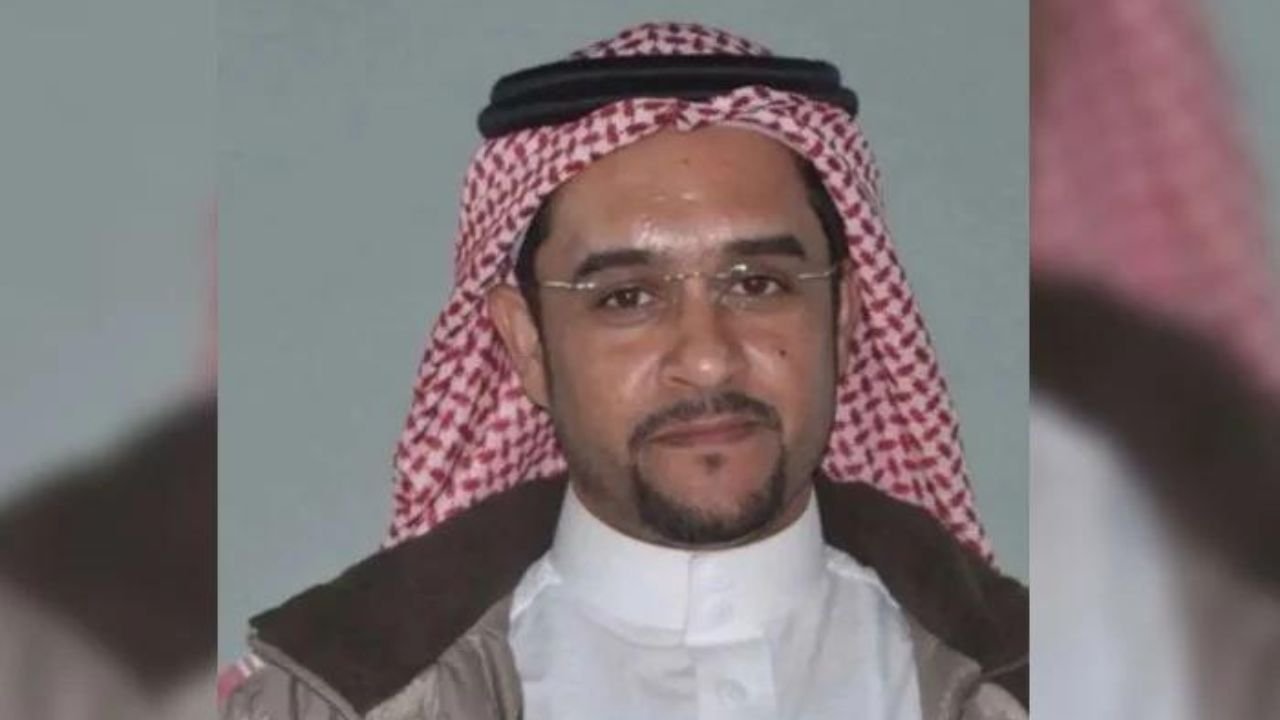
    Saudi Arabia has sentenced a teacher to 20 years in prison over critical social media posts, Human Rights Watch and the convicted man’s brother said Tuesday.

    Asaad al-Ghamdi, 47, was arrested in November 2022, in a nighttime raid on his home in the Saudi city of Jeddah, according to HRW.

    He was convicted on May 29 by Saudi Arabia’s Specialised Criminal Court, which was established in 2008 to try suspects accused of terrorism, the New York-based rights group said.

    He was sentenced “to 20 years in prison on charges related to his peaceful social media activity”, HRW added, calling it “yet another escalation in the country’s ever-worsening crackdown on freedom of expression”.

    Court documents reviewed by HRW showed that Ghamdi was charged with “challenging the religion and justice of the King and the Crown Prince” and “publishing false and malicious news and rumors”.

    According to HRW, the posts used as evidence against him criticised projects related to the Vision 2030 reform agenda.

    One post mourned Abdallah al-Hamed, a leading Saudi human rights figure who died in prison following his conviction on charges relating to his activism.

    Ghamdi faces the same charges as his brother Mohammad, a government critic who denounced alleged corruption and human rights abuses on social media.

    Mohammad was sentenced to death last year based on his social media activity.

    Their third brother, Saeed, an Islamic scholar and government critic living in exile in the United Kingdom, condemned the latest move by Saudi authorities.

    “The accusations are arbitrary and unjust because they are all based on tweets,” Saeed told AFP, commenting on the verdict against Asaad.

    “Maybe I am the target,” he added.

    Over the past two years, the Saudi judiciary has convicted and handed down lengthy prison terms to dozens of individuals for their social media posts, according to rights groups.

    They include Nourah al-Qahtani, who was sentenced to 45 years in prison in 2022, largely over social media posts criticising the government

    Salma al-Shehab, a member of the Sunni-ruled kingdom’s Shiite minority, was sentenced to 34 years behind bars in 2022 for aiding dissidents seeking to “disrupt public order” in the kingdom by relaying their tweets.

    Manahel al-Otaibi, a 29-year-old blogger and fitness instructor, was arrested in November 2022 for challenging Saudi male guardianship laws and requirements for women to wear the customary body-shrouding abaya robe.

    The Specialised Criminal Court sentenced her to 11 years in prison on January 9, but the sentence was only made public later in a Saudi submission to United Nations special rapporteurs enquiring about the case.

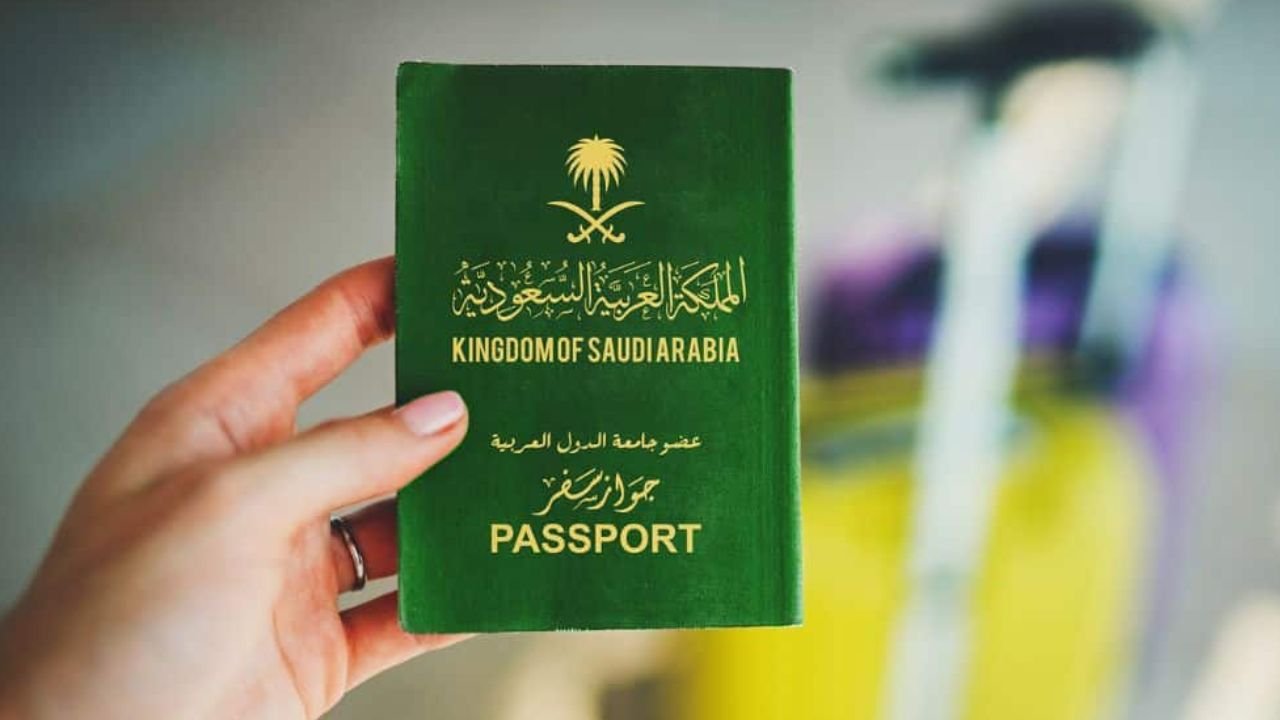
  • Government to block passports of over 2,000 ‘beggars’

    Government to block passports of over 2,000 ‘beggars’

    The federal government has decided to block the passports of more than 2,000 Pakistani beggars operating in foreign countries.

    The Director General (DG) of Immigration and Passports has requested details from the Ministry of Foreign Affairs regarding these beggars. The Ministry will obtain lists of these beggars from its missions worldwide.

    Passports of Pakistanis engaged in begging in foreign countries will be blocked for seven years.

    The government has also decided to block the passports of agents who facilitate the movement of beggars abroad.

    Most beggars travel to Saudi Arabia, Iran, and Iraq for Umrah and pilgrimage purposes.

    Data on individuals travelling abroad for begging purposes has been compiled.

    The Ministry of Interior and the Ministry of Foreign Affairs are developing a coordinated policy.

  • Saudi Arabia to give citizenship to foreign professionals

    Saudi Arabia to give citizenship to foreign professionals

    The Kingdom of Saudi Arabia has issued a royal decree to grant citizenships to scientists, medical doctors, researchers, innovators, entrepreneurs, and distinguished talents with unique expertise and specialisation in their respective fields.

    The announcement was made on Thursday, according to the Saudi Press Agency.

    The desert Kingdom, in the midst of modernising the vast country, wants to attract people with unique talents and expertise in their fields that can contribute to the development of various sectors throughout the Kingdom to achieve its Vision 2030 goal.

    Vision 2030, which highlights Saudi Arabia’s keen interest in attracting, investing in and retaining exceptional creative minds, was launched in 2016 under the directive of King Salman bin Abdulaziz and Crown Prince Mohammed bin Salman, according to a report by Al Arabiya News earlier this year.

    It aims at creating a “diversified, innovative and world-leading nation,” through the Kingdom’s deeply rooted cultural heritage and strategic advantages, according to the official webpage of the initiative.

    The present announcement follows a similar royal decree which was previously issued in 2021 to grant Saudi citizenships to the first group of select distinguished talent in these fields.

  • Hajj death toll exceeds 1,000 as temperatures reach 52 degrees

    Hajj death toll exceeds 1,000 as temperatures reach 52 degrees

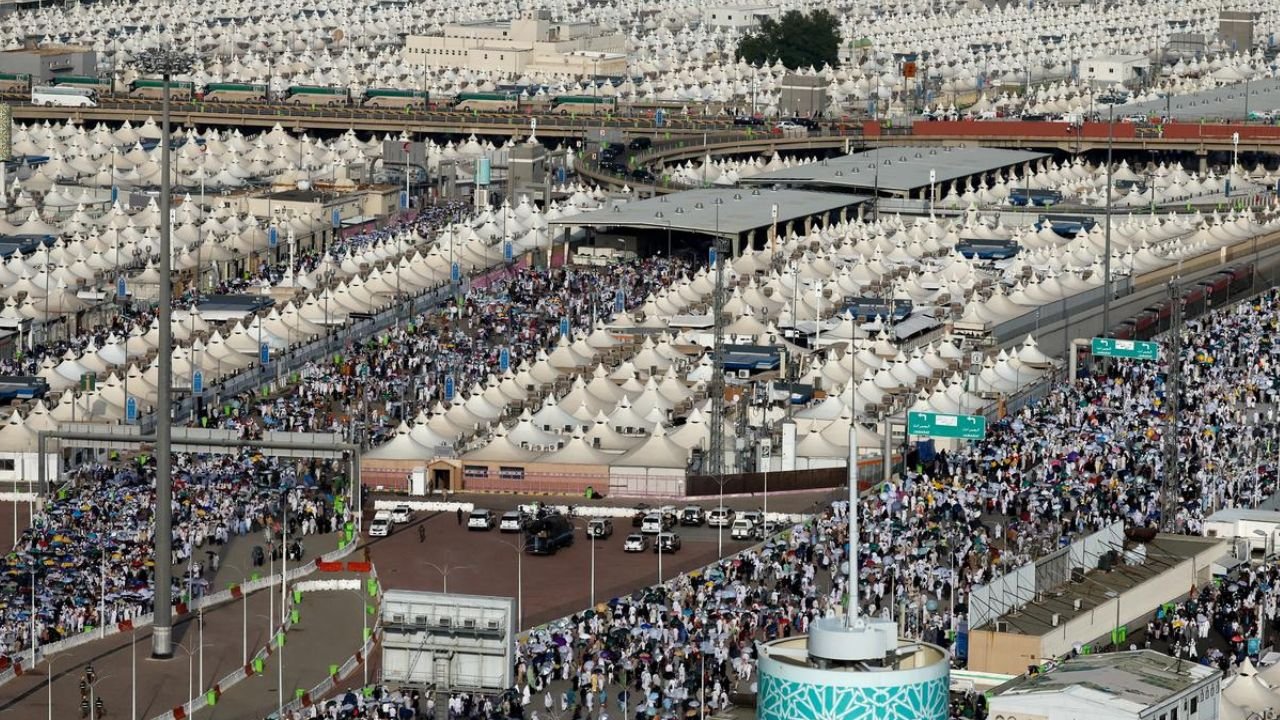
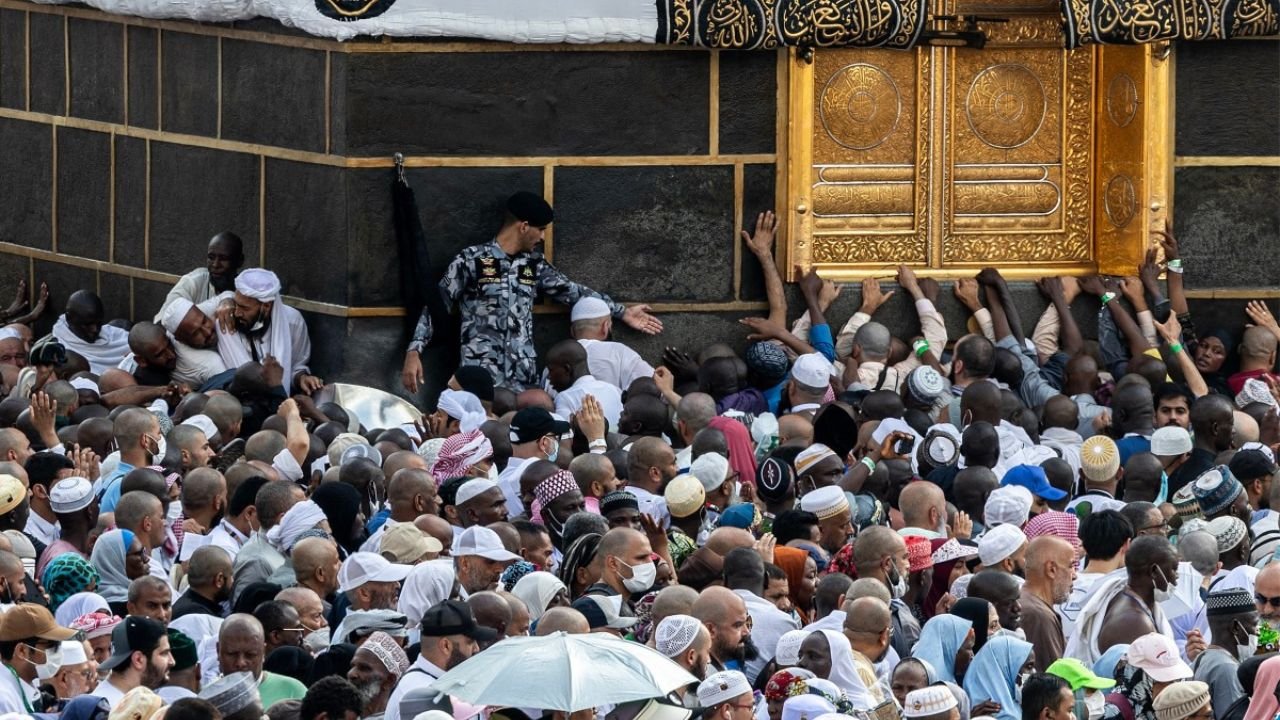
    The death toll from this year’s hajj has exceeded 1,000, an AFP tally said Thursday, more than half unregistered worshippers who performed the pilgrimage in extreme heat in Saudi Arabia.

    The new deaths reported Thursday included 58 from Egypt, according to an Arab diplomat who provided a breakdown showing that of 658 Egyptians who died, 630 were unregistered pilgrims.

    Around 10 countries have reported 1,081 deaths during the pilgrimage, one of the five pillars of Islam which all Muslims with the means must complete at least once.

    The hajj, whose timing is determined by the lunar Islamic calendar, fell again this year during the oven-like Saudi summer.

    The national meteorological centre reported a high of 51.8 degrees Celsius (125 Fahrenheit) this week at the Grand Mosque in Mecca.

    A Saudi study published last month said temperatures in the area are rising 0.4 degrees Celsius each decade.

    Each year tens of thousands of pilgrims try to join the hajj through irregular channels as they cannot afford the often costly official permits.

    Saudi authorities reported clearing hundreds of thousands of unregistered pilgrims from Mecca this month, but it appears many still participated in the main rites which began last Friday.

    This group was more vulnerable, because without official permits they could not access air-conditioned spaces provided for the 1.8 million authorised pilgrims to cool down.

    “People were tired after being chased by security forces before Arafat day. They were exhausted,” one Arab diplomat told AFP on Thursday of Saturday’s day-long outdoor prayers that marked the hajj’s climax.

    The diplomat said the main cause of death among Egyptian pilgrims was the heat, which triggered complications related to high blood pressure and other issues.

    Egyptian officials were visiting hospitals to obtain information and help Egyptian pilgrims get medical care, the foreign ministry said in a statement on Thursday.

    “However, there are large numbers of Egyptian citizens who are not registered in hajj databases, which requires double the effort and a longer time to search for missing persons and find their relatives,” it said.

    Egyptian President Abdel Fattah El-Sisi has ordered that a “crisis cell” headed by the prime minister follow up on the deaths of the country’s pilgrims.

    Sisi stressed “the need for immediate coordination with the Saudi authorities to facilitate receiving the bodies of the deceased and streamline the process,” said a statement from his office.

    Burials begin

    More fatalities were also confirmed on Thursday by Pakistan and Indonesia.

    Out of around 150,000 pilgrims, Pakistan has so far recorded 58 deaths, a diplomat told AFP.

    “I think given the number of people, given the weather, this is just natural,” the diplomat said.

    Indonesia, which had around 240,000 pilgrims, raised its death toll to 183,  its religious affairs ministry said, compared with 313 deaths recorded last year.

    Deaths have also been confirmed by Malaysia, India, Jordan, Iran, Senegal, Tunisia, Sudan and Iraq’s autonomous Kurdistan region. In many cases, authorities have not specified the cause.

    Friends and relatives have been searching for missing pilgrims, scouring hospitals and pleading online for news, fearing the worst.

    Two diplomats told AFP Thursday that Saudi authorities had begun the burial process for dead pilgrims, cleaning the bodies and putting them in white burial cloth and taking them to be interred.

    “The burial is done by the Saudi authorities. They have their own system so we just follow that,” said one diplomat, who said his country was working to notify loved ones as best it could.

    The other diplomat said that given the number of fatalities it would be impossible to notify many families ahead of time, especially in Egypt which accounts for so many of the dead.

    Jordan’s foreign ministry said on Thursday that Saudi authorities had granted 68 permits for Jordanian pilgrims to be buried in Mecca.

    Sixteen Jordanians remain missing and 22 are in hospital, including seven who are in critical condition, the foreign ministry said in a statement.

    ‘Extreme danger’

    Saudi Arabia has not provided information on fatalities, though it reported more than 2,700 cases of “heat exhaustion” on Sunday alone.

    Last year various countries reported more than 300 deaths during the hajj, mostly Indonesians.

    The timing of the hajj moves back about 11 days each year in the Gregorian calendar, meaning that next year it will take place earlier in June, potentially in cooler conditions.

    A 2019 study by the journal Geophysical Research Letters said because of climate change, heat stress for hajj pilgrims will exceed the “extreme danger threshold” from 2047 to 2052 and 2079 to 2086, “with increasing frequency and intensity as the century progresses”.

    Hosting the hajj is a source of prestige for the Saudi royal family, and King Salman’s official title includes the words “Custodian of the Two Holy Mosques”, in Mecca and Medina.

    The hajj has seen a number of disasters over the years, most recently in 2015 when a stampede during the “stoning the devil” ritual killed up to 2,300 people.

    bur/srm

    © Agence France-Presse
  • Loved ones search for missing as hajj death toll passes 900

    Loved ones search for missing as hajj death toll passes 900

    Riyadh, Saudi Arabia – Friends and family searched for missing hajj pilgrims on Wednesday as the death toll at the annual rituals, which were carried out in scorching heat, surged past 900.

    Relatives scoured hospitals and pleaded online for news, fearing the worst after temperatures hit 51.8 degrees Celsius (125 Fahrenheit) in Mecca, Islam’s holiest city, on Monday.

    About 1.8 million people from all over the world, many old and infirm, took part in the days-long, mostly outdoor pilgrimage, which this year fell during the oven-like Saudi summer.

    An Arab diplomat told AFP that deaths among Egyptians alone had jumped to “at least 600”, from more than 300 a day earlier, mostly from the unforgiving heat.

    That figure brought the total reported dead so far to 922, according to an AFP tally of figures released by various countries.

    The diplomat later added that Egyptian officials in Saudi Arabia had received “1,400 reports of missing pilgrims”, including the 600 dead.

    Mabrouka bint Salem Shushana of Tunisia, in her early 70s, has been missing since the climax of the pilgrimage on Saturday at Mount Arafat, her husband Mohammed told AFP on Wednesday.

    Because she was unregistered and did not have an official hajj permit, she was unable to access air-conditioned facilities that allow pilgrims to cool down, he said.

    “She’s an old lady. She was tired. She was feeling so hot, and she had no place to sleep,” he said. “I looked for her in all the hospitals. Until now I don’t have a clue.”

    Facebook and other social media networks have been flooded with pictures of the missing and requests for information.

    Those searching for news include family and friends of Ghada Mahmoud Ahmed Dawood, an Egyptian pilgrim unaccounted for since Saturday.

    “I received a call from her daughter in Egypt begging me to put any post on Facebook that can help track her or find her,” said one family friend based in Saudi Arabia, who spoke on condition of anonymity because he did not want to anger Saudi authorities.

    “The good news is that until now we did not find her on the list of the dead people, which gives us hope she is still alive.”

    Searing heat

    The hajj is one of the five pillars of Islam and all Muslims with the means must complete it at least once.

    Its timing is determined by the Islamic lunar calendar, shifting forward each year in the Gregorian calendar.

    For the past several years the mainly outdoor rituals have fallen during the sweltering Saudi summer.

    According to a Saudi study published last month, temperatures in the area are rising 0.4 degrees Celsius (0.72 degrees Fahrenheit) each decade.

    In addition to Egypt, fatalities have also been confirmed by Jordan, Indonesia, Iran, Senegal, Tunisia and Iraq’s autonomous Kurdistan region, though in many cases authorities have not specified the cause.

    A second Arab diplomat told AFP on Wednesday that Jordanian officials were looking for 20 missing pilgrims, though 80 others who were initially reported missing were located in hospitals.

    An Asian diplomat told AFP there were “around 68 dead” from India and that others were missing.

    “Some (died) because of natural causes and we had many old-age pilgrims. And some are due to the weather conditions, that’s what we assume,” he said.

    Saudi Arabia has not provided information on fatalities, though it reported more than 2,700 cases of “heat exhaustion” on Sunday alone.

    Last year more than 200 pilgrims were reported dead, most of them from Indonesia.

    ‘No news’

    Each year tens of thousands of pilgrims attempt to perform the hajj through irregular channels as they cannot afford the often costly official permits.

    This has become easier since 2019 when Saudi Arabia introduced a general tourism visa, said Umer Karim, an expert on Saudi politics at the University of Birmingham.

    “Before, the only people who could have done that were residents of the kingdom, and they know the situation,” he said.

    “For these tourist visa guys, it’s like being on the migrant route without any idea of what to expect.”

    One of the Arab diplomats who spoke to AFP on Wednesday said many of the dead Egyptians were unregistered.

    Even pilgrims who have official permits can be vulnerable, including Houria Ahmad Abdallah Sharif, a 70-year-old Egyptian pilgrim who has been missing since Saturday.

    After praying on Mount Arafat, she told a friend she wanted to go to a public bathroom to clean her abaya, but she never came back.

    “We’ve searched for her from door to door and we have not found her until now,” said the friend, who also spoke on condition of anonymity.

    “We know many who are still searching for their family members and relatives and they are not finding them, or if they are finding them they are finding them dead,” the friend added.

    bur/th/dcp/jsa

    © Agence France-Presse