Tag: Saudi Arabia

  • King Salman, Crown Prince MBS secluded on the island as coronavirus invades royal family

    King Salman has secluded himself for his safety in an island palace near the city of Jeddah on the Red Sea, while Crown Prince Mohammed bin Salman, his son and the 34-year-old de facto ruler, has retreated with many of his ministers to the remote site on the same coast.

    The governor of Riyadh is in the intensive Care Unit (ICU) with the coronavirus. Several dozen other members of the royal family have been sickened as well. 

    The doctors at the elite hospital that treats Al-Saud clan members are also preparing more than 500 beds for an expected influx of other royals and those closest to them.

    As many as 150 royals in the kingdom are now believed to have contracted the virus, including members of its lesser branches, according to a person close to the family.

    Senior officials at the hospital said, “We don’t know how many cases we will get, all chronic patients to be moved out ASAP,” and that only “top urgent cases” will be accepted. It said any sick staff members would now be treated at a less elite hospital to make room for the royals.

    More than six weeks after Saudi Arabia reported its first case, the coronavirus is striking terror into the heart of the kingdom’s royal family.

  • Saudi oil giant slammed for dressing migrant worker as a sanitiser

    Oil giant Saudi Aramco has come under fire after photos, showing one of its migrant workers wearing a surgical mask and a large hand-sanitiser dispenser, went viral on social media.

    Twitter users labelled the act by the oil company as “racist” and “classist” as the worker appeared to be walking around distributing sanitiser to staff members inside and outside one of its buildings in wake of the coronavirus outbreak.

    Following the backlash, the company released an official statement in which it expressed its “strong dissatisfaction with this abusive behaviour that was used to emphasise the importance of sanitization, without the approval of the company’s concerned party,” Al Jazeera reported.

    “The company immediately stopped this act and took strict measures to prevent it from happening again,” the statement said.

    However, Twitter users did not buy the company’s apology and demanded them to apologise to the “person himself” and not to the public.

  • Saudi king appears in public, dispelling rumours about his death, critical health

    With two senior Saudi princes, including a former heir to the throne, being detained in a crackdown against potential rivals of Saudi Arabia’s powerful crown prince, Mohammed bin Salman, the Saudi king has appeared in public, dispelling rumours about his death or critical health.

    The two princes are being held in private villas and have been allowed to call their families, according to a person with ties to the royal family.

    As speculation about the motivation for the arrests swirled, the Saudi royal court sought to quell rumours that King Salman was in poor health, releasing photographs said to have been taken Sunday that show him greeting two Saudi diplomats and appearing to be well.

    The move came as two other princes who had also been arrested were freed late on Sunday. Reports confirmed that both Prince Abdul Aziz bin Saud bin Nayef and Prince Saud bin Nayef had been questioned by royal court aides since being seized from their homes on Friday.

    According to The Guardian, Saudi officials continued to insist on Sunday that the detentions had foiled the early stages of a coup against the heir to the throne, Prince Mohammed bin Salman, who had ordered his relatives arrested. He is viewed as the de facto ruler, controlling all the major arms of government from defence to the economy.

    Officials said King Salman himself had signed the arrest warrants, an unusual move against two of the Kingdom’s most senior royals — one of whom, Prince Ahmed, is his only surviving full brother.

    Both men had been seen as among the last remaining obstacles to Prince Mohammed’s almost inevitable ascension. Earlier purges of business figures and rivals had already cleared the way for the 34-year-old crown prince.

    The early-morning arrests caused new shockwaves in a kingdom shaken by three years of cultural reforms combined with a ruthless crackdown on dissent, highlighted by the 2018 murder of the critic and journalist Jamal Khashoggi, which was carried out by royal court aides.

    King Salman’s support for his son appeared consistent throughout. However, persistent reports from inside the palace revealed glimpses of an ongoing tussle for power, which the young crown prince appeared to be winning.

  • Land in Saudi, get a visa on arrival

    Land in Saudi, get a visa on arrival

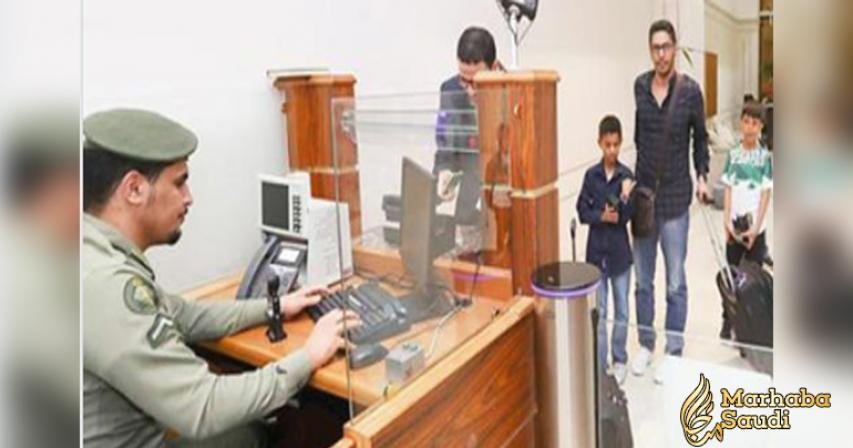
    Saudi Arabia is introducing a one-year multiple-entry visit visa for Pakistanis who have a valid UK, US or Schengen visa on their passports, reports The News. The visa will also be applicable for Umra but not for Hajj. There’s a catch though. The visa can only be issued to a credit card holder. When you land at any international airport in Saudi, a visa charge of Rs.18,000 will be charged to your card: cash is not accepted.

    People waiting at immigation. Photo credit: Marhaba Saudi

    You can stay in the country for 90 days and enter multiple times until the visa expires.

    There is another catch. You cannot enter the country if you have a valid UK, US, Schengen visa but have never used it Catch number three is that the first time to fly to Saudi to get an on arrival visa, you have to travel via Saudi Arlines, Flynas or Flydeal. The second time you visit, you can use any airline.

    The Kingdom Tower in Jeddah

    You can also apply for a tourist visa online. Once you submit it and it’s accepted, you will receive an electronic visa that you can show at immigration.

  • Saudi Arabia observes first legal Valentine’s Day

    After decades of marking the practice as forbidden, the Kingdom of Saudi Arabia is observing its first legal Valentine’s Day by selling and buying gifts, flowers and chocolates, which was not thought possible until a few years ago due to the strict laws deeming the same un-Islamic.

    According to Middle East Monitor, the once-feared religious police used to ensure that the laws forbidding the celebration were strongly enforced, but that was before they were disbanded and their powers of arrest were stripped from them. Store owners were previously obligated to hide red roses and chocolates on the day, and restaurant owners were pressured to ban birthday and anniversary celebrations on February 14.

    The main turning point in the kingdom’s decision came in 2018, when the former president of Makkah’s Commission for the Promotion of Virtue and the Prevention of Vice (CPVPV) Sheikh Ahmed Qasim Al-Ghamdi declared that the celebration of Valentine’s Day did not actually contradict Islamic teachings. According to him, the celebration of love was a universal phenomenon and not limited to the non-Muslim world.

    The legalisation of the public celebration of Valentine’s Day – rooted in the Roman pagan festival celebrating and honouring fertility – comes amid the recent liberalisation of traditional social conventions within the kingdom and the reforms being carried out by Crown Prince Mohammed Bin Salman in order to “modernise” the country.

    While bin Salman has made headlines across the world after promising the kingdom will return to a “moderate” form of Islam, he also guarantees a brighter future for his people as he promotes modernisation plans to wean the country off oil, attract foreign investment and diversify the economy.

    2017’s royal decree allowing women to drive was an equally eye-catching element of bin Salman’s national makeover. It certainly makes sense economically, as it boosts female participation in the workforce, and women can now also go to sports stadiums.

  • Dating in Saudi Arabia

    Dating in Saudi Arabia

    In Saudi Arabia’s rigid past, religious police once swooped down on rose sellers and anyone peddling red paraphernalia around Valentine’s Day, but now a more open – albeit risky – dating culture is taking root.

    Pursuing relationships outside of marriage in the conservative Islamic kingdom once amounted to a death wish, and would-be Romeos resorted to pressing phone numbers up against their car window in hope of making contact with women.

    Now a sweeping liberalisation drive – which has rendered the religious police toothless and allowed gender mixing like never before – has made it easier for young couples to meet in cafes and restaurants. Well-heeled millennials also hunt for romantic liaisons via Twitter and Snapchat, and apps such as Swarm – designed to log places the user visits but often repurposed to look for dates.

    “Selling red roses was like selling drugs,” one young Saudi filmmaker told AFP, sitting in a music-filled Riyadh cafe with his girlfriend while a courting couple gazed into each other’s eyes on the next table.

    “Even this was once unthinkable – a woman sitting next to an unrelated man,” said the girlfriend, a media professional. “Now women are asking men out.”

    Pre-marital relationships remain a cultural minefield though in a country steeped in Islamic tradition and where matchmaking is typically overseen by family elders, forcing couples to keep unsanctioned romance under wraps.

    Secrets and lies

    Samirah, a 27-year-old finance executive in the Saudi capital, felt a flutter of nerves when her boyfriend’s mother stumbled upon a handwritten birthday card and gift she gave him – and that risked her own family finding out.

    In a society where family honour is often tied to female chastity, the revelation would have provoked fury from her family and jeopardised their months-long courtship that began through common friends.

    Her boyfriend managed to deflect his mother, but the scare prompted the young couple yearning for more freedom to plan a forbidden rendezvous – a long weekend in Dubai disguised as a business trip.

    “Saudi society is more open, but everyone lies about relationships because people are judgemental,” said Samirah, who like other interviewees requested that her real name be withheld.

    Crown Prince Mohammed bin Salman, the millennial heir to the Saudi throne, has loosened social norms in a seismic cultural shift away from hardline Islam, allowing cinemas and parties while reining in clerics opposed to events like Valentine’s Day.

    In scenes unimaginable until just two years ago, women have been seen swaying on the shoulders of men at music concerts as the kingdom tears down the walls of sex segregation.

    But while the religious police have stepped back, the internal policing within Saudi families and society at large has not stopped, highlighting the limits of a Western-style liberalisation drive in a deeply conservative country.

    Saudi women also bridle at pervasive sexism in a society that — despite undergoing change particularly in urban areas — some say reduces them to their future role as wives and mothers.

    Sex outside of marriage remains a criminal offence in most of the Arab world, and the restrictions also fuel the risk of blackmail.

    “It is a big concern if you break up on bad terms,” said Samirah. “Women live in terror: What if he recorded photos and videos of me? What if he tells my father? What if he lands up at home?”

    Modern romance is also perilous for men — getting a hotel room can cause huge anxiety as couples are often expected to prove they are married at check-in.

    Nasser, a 25-year-old advertising professional, said last year one of his friends was caught kissing his girlfriend inside a private booth in a Riyadh restaurant.

    The restaurant manager threw open the screens and started filming them while shouting: “This is haram!” or un-Islamic.

    “Sometimes the only safe place to date is in your car,” Nasser lamented. “Dating is full of risks.”
  • Israelis thought they could visit Saudi Arabia: Saudi says No

    Israelis thought they could visit Saudi Arabia: Saudi says No

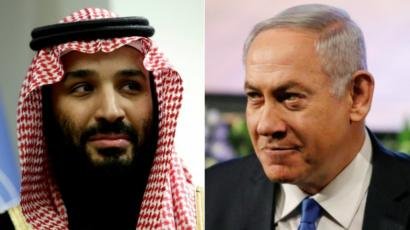
    Israel had officially given its citizens the right to travel to Saudi Arabia for religious and business visits but the Saudi foreign minister, in response, said that Israelis are not welcome to Saudi Arabia “at the moment”.

    The Israeli interior ministry announced the decision saying that they approve the travel to Saudi Arabia for Hajj or Umrah and also that business travellers must have an invitation and arranged visitation approval.

    Although Israel has made the decision, the gesture was seen as a warming of ties between the two countries since Saudi Arabia does not recognise the State of Israel.

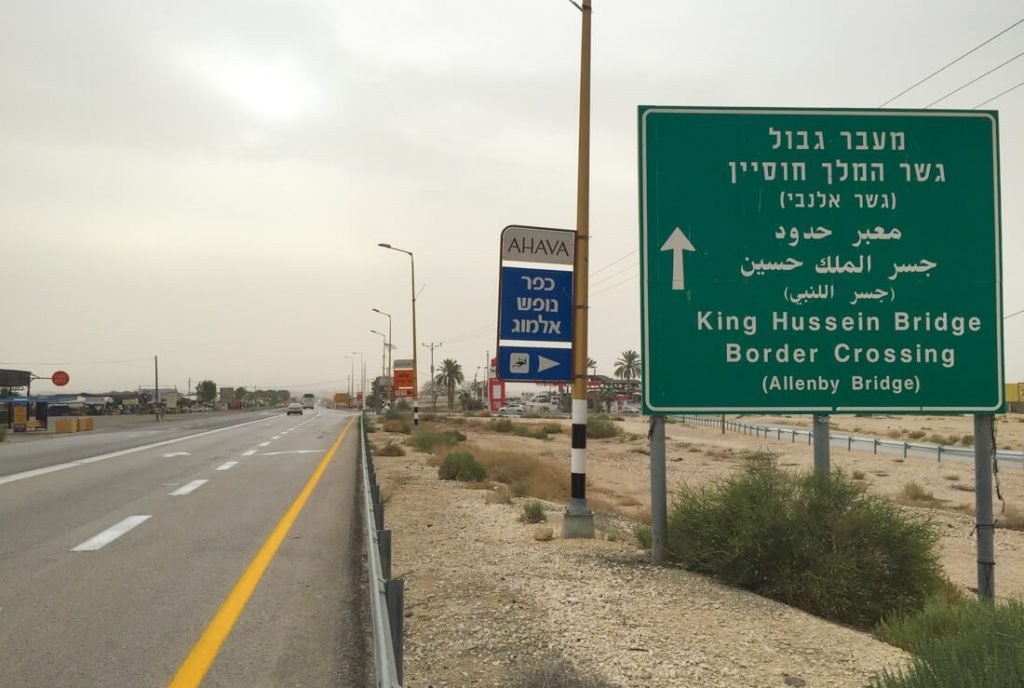
    Travelers to Middle Eastern countries would use this border crossing into Jordan to go to other countries

    Israelis travel to Saudi Arabia through countries like Jordan and Egypt, which have peaceful ties with Israel. The visits were never official but nonetheless, they take place.

    Israel has had difficult ties with Saudi Arabia and the Gulf countries due to its illegal occupation of Palestine and the atrocities it has committed against the Palestinian people.

  • Businesses in Saudi Arabia will no longer shut down during namaz

    Businesses in Saudi Arabia will no longer shut down during namaz

    The Saudis, known for their strict adherence to Shariah laws, have recently progressed in technology and societal aspects as they attempt to rebrand themselves as a modern state. Keeping that in mind, concerned authorities have decided not to close businesses during prayer time because they want to create a 24 hours business environment and a promising economy.

    Dr Al Gaith, a member of Saudi Arabia’s Shoura Council, expressed “There is no legal base for closing shops for prayer after amending the bylaws of the authority. Forcing shops to close their doors and people to pray right at the beginning of prayer time, and to do this in a mosque, stands no ground – neither in Shariah nor in law.”

    “Rather is rather a breach of both of them, and an infringement on people’s religious rights (right of Ijtihad freedom to follow a reference) and worldly rights (freedom of movement, shopping, benefiting of services round the clock without being forced to abide by judicial matters subject to conflict and differences.” 

    Saudi Arabia is now aiming to become tourist-friendly. Non-Muslims are allowed to visit the country and last year the government granted permanent residence to a foreigner. A few years back, it was near to impossible.

  • Maximum number of Umrah pilgrims in 2019 were Pakistanis

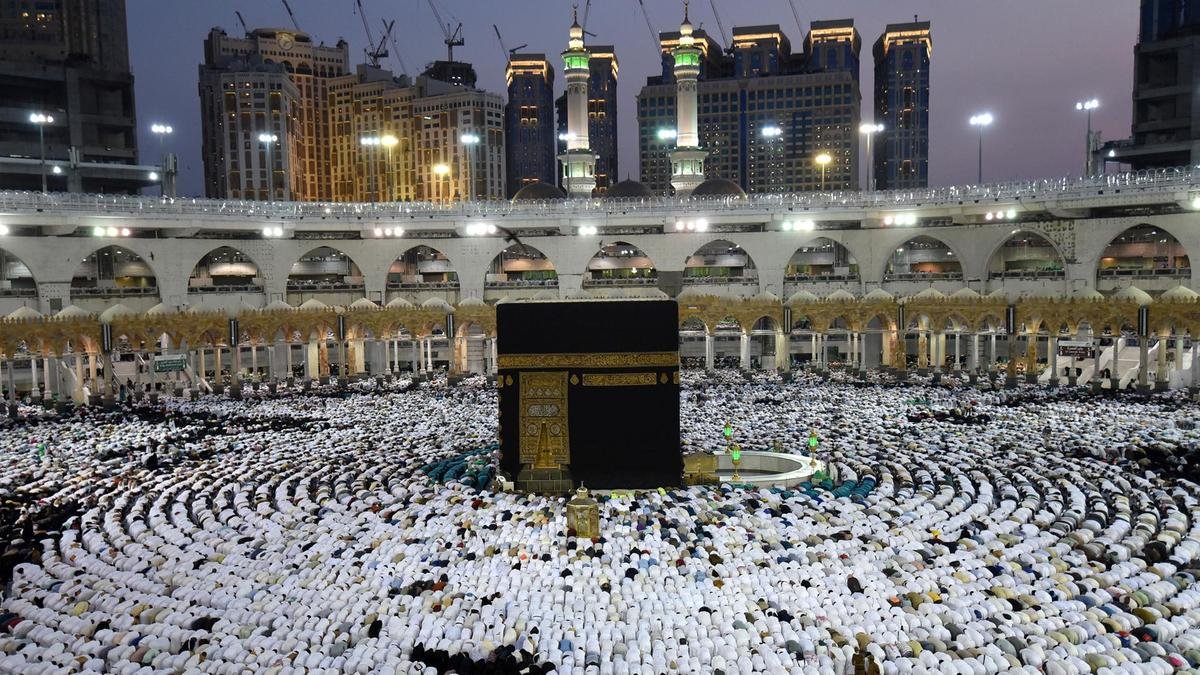
    The maximum number of Umrah pilgrims to Saudi Arabia since the beginning of the season on August 31 until December 26, 2019 were Pakistanis official statistics released by the Kingdom have revealed.

    According to a report in Arab News, 495,270 Pakistanis performed their Umrah during the period, followed by 443,879 Indonesians and 262,887 Indians. Other countries on the list included Malaysia, Egypt, Algeria, Turkey, Bangladesh, the United Arab Emirates and Jordan.

    Pakistan’s Religious Affairs Ministry Spokesman Imran Siddiqui expressed his happiness at the news and iterated that “Pakistan was the number one country with more than 1.7 million people performing Umrah last year.”

    While Pakistan and Saudi Arabia have always enjoyed good relations in the past, following Prime Minister Imran Khan’s ascent to office, the friendship between the two countries has further strengthened.

    Saudi Arabia has also relaxed its strict laws under the Vision 2030 reforms plan, making it easier for pilgrims to visit the Arab state. The plan aims to attract more than 30 million Umrah pilgrims and provide them with excellent services.

  • Imran now an international puppet: Bilawal

    Imran now an international puppet: Bilawal

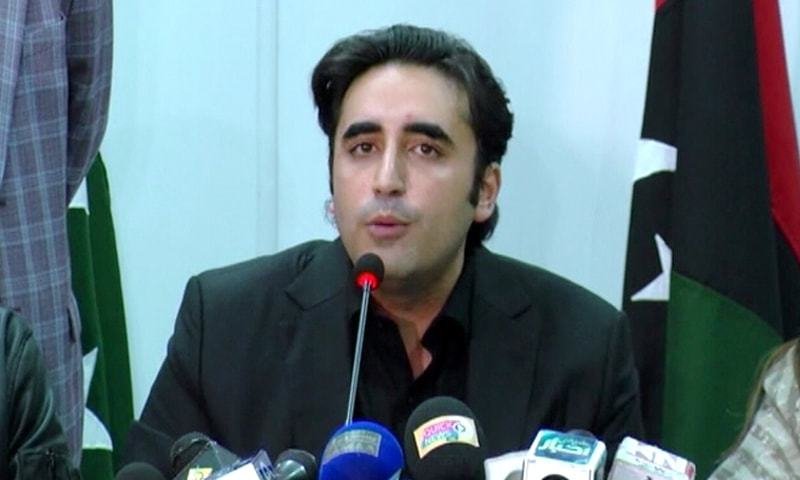
    Pakistan People’s Party (PPP) cheif Bilawal Bhutto-Zardari on Monday took a jibe at Prime Minister (PM) Imran Khan and called him an “international puppet” for reportedly having succumbed to pressure from Saudi Arabia and cancelling his trip to Malaysia.

    Turkish newspaper Daily Sabah had last week quoted Turkish President Recep Tayyip Erdogan as saying that Pakistan had decided to stay away from the recently concluded Kuala Lumpur summit because of Saudi Arabia’s threats of economic sanctions.

    The statement had come amid claims by media outlets that Saudi Arabia and the United Arab Emirates (UAE) had “pressurised and threatened” Pakistan to refrain from participating in the summit that was attended by hundreds of government officials, businessmen, representatives of civil societies and experts from different sectors across the Muslim world.

    Besides Erdogan, Qatari Emir Tamim bin Hamad Al Thani and Iranian President Hassan Rouhani were among the Muslim world leaders who attended the summit hosted by Malaysian PM Mahathir Mohammad. Meanwhile, Riyadh had rejected claims that Islamabad was told not to participate.

    With the PPP chief continuing to taunt the ruling Pakistan Tehreek-e-Insaf (PTI) for being “selected to power” and PM Imran for being “powerless”, he has now said that the premier “is not just a puppet of Pakistan, but also that of another country”.

    Addressing a press conference in Karachi, Bilawal also announced that he would not appear before the Nat­ional Accountability Bureau (NAB) on December 24, saying the call-up notice served to him by the anti-corruption watchdog is “unconstitutional and illegal”.

    NAB had summoned the PPP chairperson for a second time this month in the fake bank accounts and money laundering case on December 24.

    According to Dawn, Bilawal accused the government of creating obstacles in his party’s plans to observe late former PM Benazir Bhutto’s death anniversary on December 27, and also called out the Imran administration for “preventing a son from observing the death anniversary of his mother” by not yet issuing permission to hold the death anniversary observance ceremony.

    “I will become even more dangerous if I am arrested. Arrest me if you can,” the PPP chief maintained as he criticised the government for “selective accountability” and for attempting to “pressurise the opposition”.