Tag: Saudi Arabia

  • Saudi court orders media to publicly disclose identity of harasser doctor

    Saudi court orders media to publicly disclose identity of harasser doctor

    A Saudi court has sentenced a doctor to five years in prison after he was found guilty of harassing a nurse, ordering the media to publicise the case and expose the harasser.

    The doctor was reportedly a Syrian who sexually harassed a Filipino nurse.

    Hospital management sent the issue to Public Prosecution which led to an extensive investigation, proving the doctor guilty of misconduct.

    The arrest was made without any delay after solid proof against the doctor and legal proceedings were initiated right away.

    In criminal court, the doctor was initially ordered to to pay SR5,000 in fine and sentenced to one year in prison but then the Court of Appeal increased the sentence to five years.

    In addition to the prison sentence, the Saudi court also issued an order to publicly disclose the doctor’s name.

  • MoU signed between Pakistan, Saudi Arabia to promote digital economy

    MoU signed between Pakistan, Saudi Arabia to promote digital economy

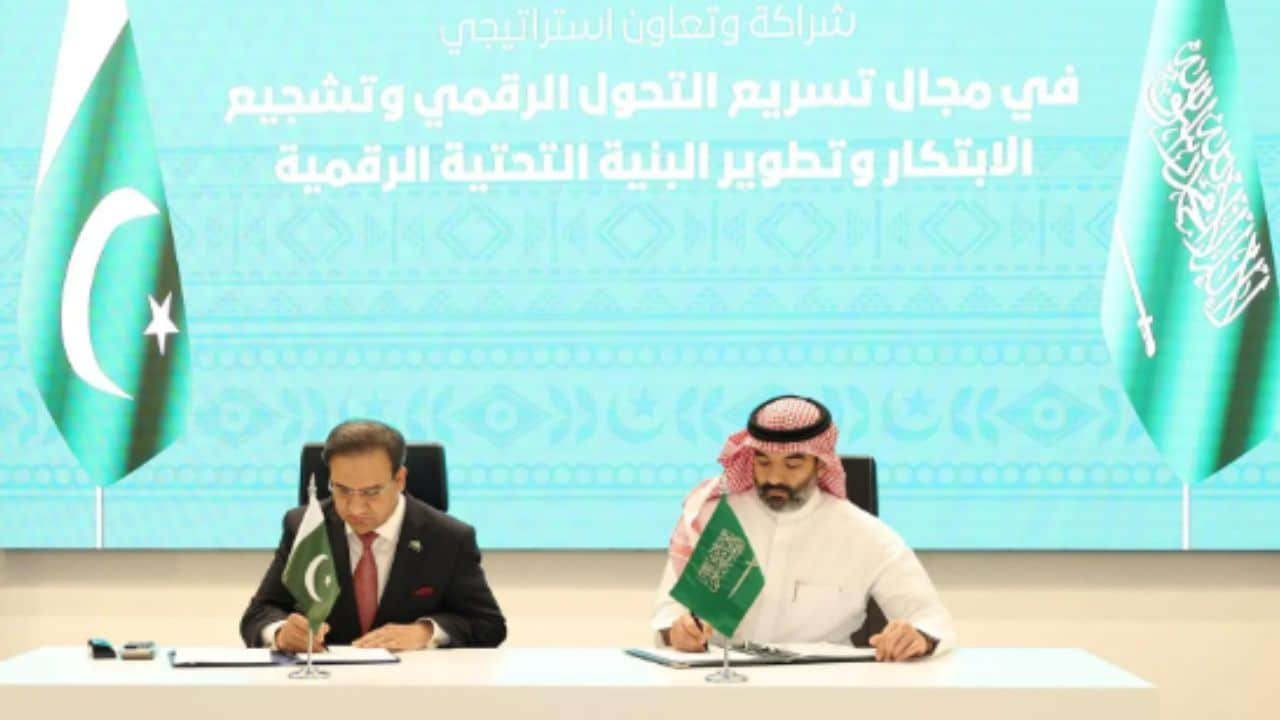
    Pakistan and Saudi Arabia have signed a Memorandum of Understanding (MoU) to work together in communication and information technology, in a bid to promote the digital economy.

    According to Saudi Arabia’s official news agency SPA, the purpose of the memorandum is to establish cooperation in the fields of communication and information technology for digital transformation, promotion of innovation and development of digital infrastructure.

    This memorandum of understanding was signed by Saudi Arabia’s Minister of Communications and Information Technology, Engineer Abdullah Bin Amir Al-Sawaha and Pakistan’s Caretaker Federal Minister for Information and Communication Technology, Dr. Umar Saif.

    Under the MoU, the two countries will establish innovation hubs, centres of excellence and university branches for advanced technologies, as well as strengthen cooperation in the systems of small and medium-sized enterprises and emerging companies.

    They will also work on policies, technologies, systems and legislation in the field of digitization and electronic manufacturing.

    Both sides have pledged to focus on e-governance, smart infrastructure, e-health and e-education, the use of emerging technologies such as artificial intelligence, robotics, cloud computing, games and more.

  • Pakistan’s forex reserves decline by $59 million to $7.64 billion due to debt payments

    Pakistan’s forex reserves decline by $59 million to $7.64 billion due to debt payments

    The State Bank of Pakistan (SBP) reported a weekly decrease in foreign exchange reserves, with a decline of $59 million, bringing the total to $7.64 billion as of September 22, according to data released on Thursday.

    The overall liquid foreign reserves of the country amounted to $13.16 billion, with commercial banks holding net foreign reserves of $5.52 billion.

    The central bank attributed this reduction in reserves to debt repayments, stating, “During the week ending on September 22, 2023, SBP’s reserves decreased by $59 million to $7,636.7 million due to debt repayments.”

    Notably, Pakistan’s central bank reserves had increased by $56 million the previous week, following four consecutive weeks of decline, during which SBP reserves had dwindled by a cumulative total of $416 million.

    In July, SBP’s reserves received a boost when Pakistan received approximately $1.2 billion as the first tranche from the International Monetary Fund (IMF), following approval of a new $3-billion stand-by arrangement. Additionally, inflows from Saudi Arabia and the UAE contributed to the increase.

    Despite these positive developments, the central bank’s reserves have come under pressure due to ongoing debt repayments, increased import payments following the easing of restrictions, and a lack of fresh inflows.

  • Israeli minister visits Saudi Arabia in a first

    Israeli minister visits Saudi Arabia in a first

    Israeli tourism minister, Haim Katz, visited Saudi Arabia for a United Nations (UN) conference. It is said to be the first public trip of an Israeli cabinet member to Saudi Arabia.

    Leading a delegation, Katz arrived in Riyadh to attend the UN event on Tuesday.

    “Cooperation in the field of tourism has the potential to bring hearts together, and economic progress,” Katz stated.

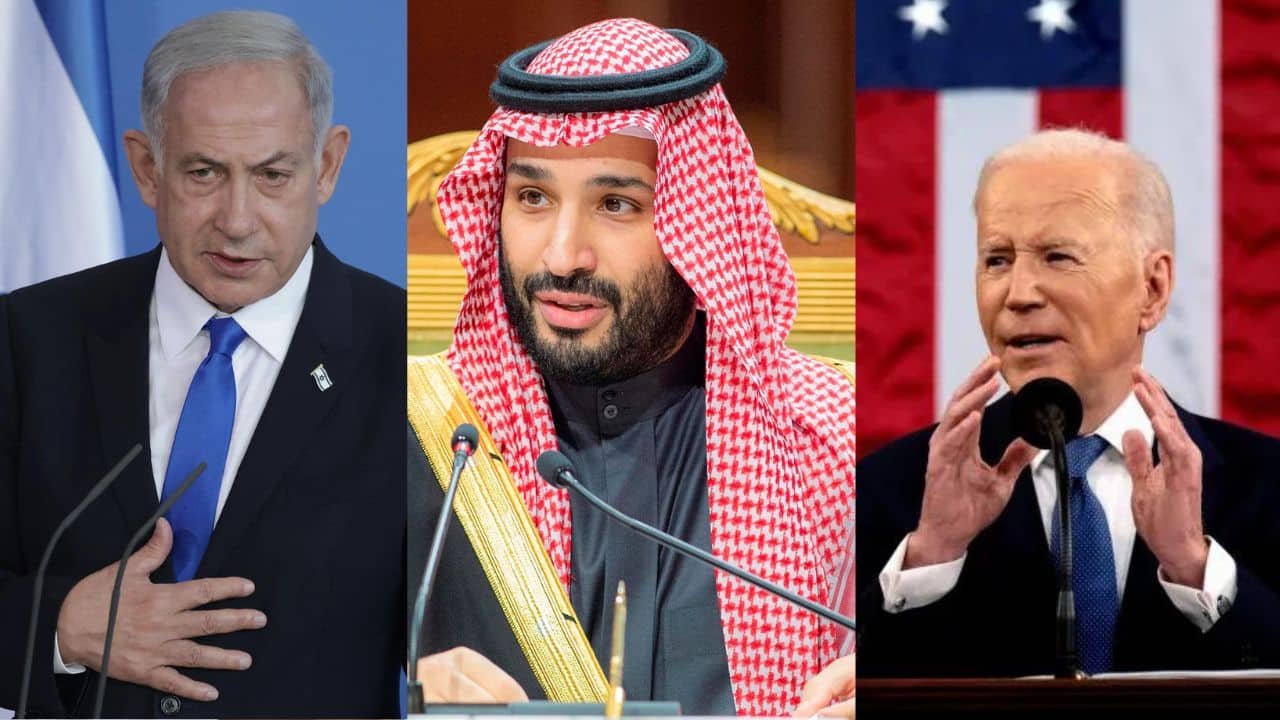
    The meeting has been held a few days after US President Joe Biden urged the establishment of formal ties between Israel and Saudi Arabia.

    “I think such a peace would go a long way first to advance the end of the Arab-Israeli conflict, achieve reconciliation between the Islamic world and the Jewish state, and advance a genuine peace between Israel and the Palestinians. This is something within our reach,” Israeli prime minister had said to Biden.

    On Tuesday, the same day as Saudi Arabia and Israel met, a Saudi delegation went to the occupied West Bank — first in three decades — to reassure Palestinians that despite the improving relationship with Israel, Saudi Arabia will continue to stand by Palestinians.

    “The Palestinian matter is a fundamental pillar,” said Naif bin Bandar Al Sudairi, head of the Saudi delegation and new ambassador to Palestine. He met with top Palestinian diplomat Riyad al-Maliki in Ramallah.

  • As Saudi Arabia gets closer to Israel deal, Pakistan reiterates support for Palestine

    Caretaker Foreign Minister Jalil Abbas Jilani has asserted that the establishment of a strong, independent and integrated Palestinian state is essential.

    Caretaker Foreign Minister Jalil Abbas Jilani saif that Pakistan stands with Palestine and does not recognize Israel at all. The statement comes days after Pakistan’s ally Saudi Arabia confirmed that it is nearing a deal with Israel linked to normalisation of relations between the two countries.

    Minister Jilani clarified Pakistan’s position in the OIC Contact Group on September 19.

    Jalil Abbas Jilani said that by implementing the resolutions of the United Nations and the OIC, an independent Palestinian state should be established under international laws.

    Jilani’s comments were given after Israeli Foreign Minister Eli Cohen spoke about normalisa­tion of Israel’s relations with the Muslim states. Reported by Israeli media outlet Kan News, Cohen claimed that ‘six or seven’ Islamic nations would possibly establish ties with Israel after Sau­di Arabia’s possible inclusion in the Abraham Ac­cords. The declaration already includes the United Arab Emirates, Bahrain, Morocco, and Sudan.

    Recently, Saudi Crown Prince Mohammed bin Salman talked about ‘normalisation’ of his country’s relationship with Israel.

    MBS told Fox’s Special Report programme that the Palestinian issue was “very important” to Riyadh. “We need to solve that part,” he said when asked what it would take to get a normalisation agreement.

    “We got to see where we go. We hope that will reach a place, that it will ease the life of the Palestinians, get Israel as a player in the Middle East,” he said.

  • CAA gathers global players: Meeting in Dubai to discuss Islamabad airport outsourcing 

    CAA gathers global players: Meeting in Dubai to discuss Islamabad airport outsourcing 

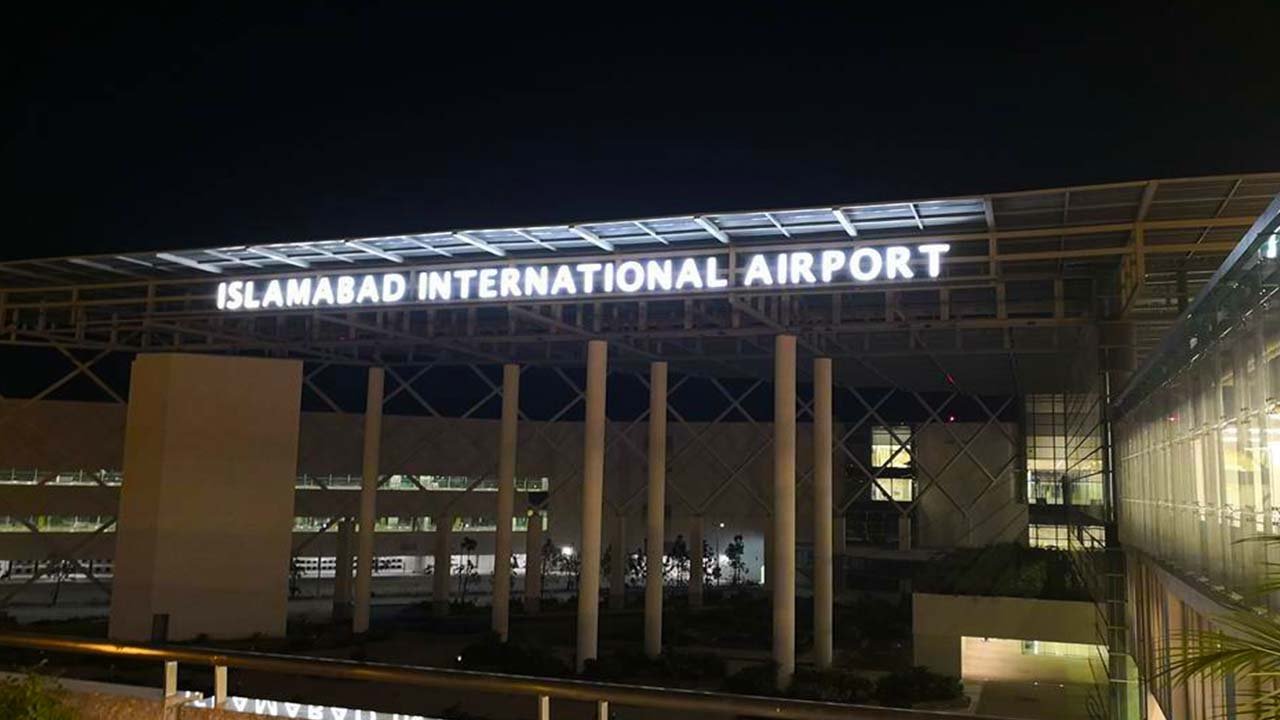
    The Civil Aviation Authority (CAA) has convened a significant meeting in Dubai to address matters pertaining to the outsourcing of Islamabad airport. 

    Sources indicate that the CAA administration has scheduled this meeting for September 26 in Dubai, extending invitations to international companies interested in participating in the outsourcing of the airport. 

    This development follows the federal government’s issuance of tenders, soliciting applications for the outsourcing of Islamabad International Airport for a duration of 15 years. 

    According to ARY News, the Civil Aviation Authority has stipulated that interested bidders must submit their applications, along with a Rs5,000 fee, in favour of CAA by November 8. 

    Notably, the government recently made the decision to pursue the outsourcing of Karachi, Lahore, and Islamabad International Airports, drawing keen interest from the United Arab Emirates, Qatar, Turkey, China, and Saudi Arabia. 

    In response to this decision, CAA unions launched a protest movement, which has persisted despite attempts at negotiation by Aviation Minister Khawaja Saad. 

    The steadfast stance of CAA employees remains unwavering, with a spokesperson for the CAA Union asserting during a media address that the protest movement will persist until their demands are met. 

  • Saudi Arabia enters talks with Tesla for potential manufacturing facility in kingdom

    Saudi Arabia enters talks with Tesla for potential manufacturing facility in kingdom

    Saudi Arabia is engaged in preliminary discussions with the American electric vehicle manufacturer, Tesla, regarding the establishment of a manufacturing facility within the kingdom, as reported by The Wall Street Journal

    This development coincides with Turkish President Recep Tayyip Erdogan’s request to Tesla CEO Elon Musk to consider the construction of a vehicle production plant in Turkey. Furthermore, Elon Musk is scheduled to meet with Israeli Prime Minister Benjamin Netanyahu in California today.

    To incentivize Tesla, Saudi Arabia has been offering the company access to essential metals and minerals required for electric vehicle production, procured from various nations, including the Democratic Republic of the Congo. 

    This effort aligns with Saudi Arabia’s broader strategy to diversify its economy away from its dependence on oil. Notably, the kingdom’s sovereign wealth fund holds a majority stake in Lucid Group, an electric vehicle startup aiming to challenge Tesla’s market dominance.

    One proposal being explored by Saudi Arabia involves extending financial support to Trafigura, a prominent commodities trading company, for a struggling cobalt and copper project in the Congo. 

    This project could potentially serve as a source of crucial supplies for a prospective Tesla factory. Both Tesla and Trafigura have not yet provided responses to Reuters’ inquiries, while Saudi Arabia’s sovereign fund, the Public Investment Fund, has declined to comment.

    Elon Musk previously mentioned in May that Tesla was likely to select a location for a new factory by the end of the year. Presently, Tesla operates six factories worldwide and is in the process of constructing a seventh in Mexico as part of its ambitious global expansion strategy. 

    The company’s goal is to achieve annual vehicle sales of 20 million units by 2030, a significant increase from the approximately 1.3 million vehicles sold in 2022.

  • Saudi Arabia to invest $25 billion in Pakistan over five years: PM Kakar

    Saudi Arabia to invest $25 billion in Pakistan over five years: PM Kakar

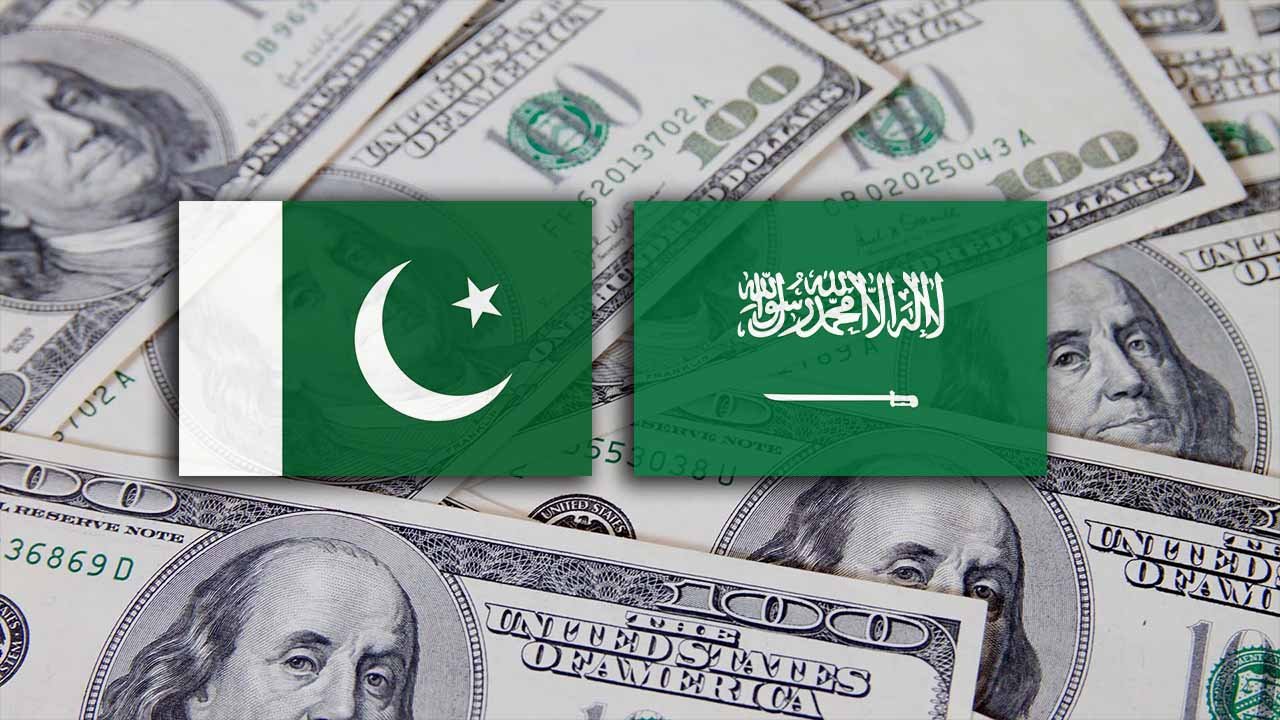
    On Monday, Interim Prime Minister Anwaar ul Haq Kakar announced that the Kingdom of Saudi Arabia (KSA) intends to invest a substantial sum of up to $25 billion in Pakistan over the next two to five years.

    During a media briefing, PM Kakar explained that Saudi Arabia’s investment focus will primarily encompass the mining, agriculture, and information technology sectors. This initiative aims to boost foreign direct investment in Pakistan, which is currently facing financial challenges. 

    If this investment materialises, it will mark the largest-ever commitment by Saudi Arabia to Pakistan. The country is grappling with a pressing need for funds to address its trade deficit and repay international loans in the ongoing fiscal year. 

    While specific projects earmarked for Saudi investment were not disclosed during the meeting, Barrick Gold Corp. expressed interest last month in partnering with Saudi Arabia’s wealth fund for the Reko Diq mine in Pakistan. 

    Kakar emphasised that Pakistan holds substantial untapped mineral resources valued conservatively at $6 trillion. Additionally, the government intends to expedite two privatisation transactions, likely involving state-owned power sector entities, within the next six months. There is also a plan to privatise another government-owned company, preferably outside the energy sector. 

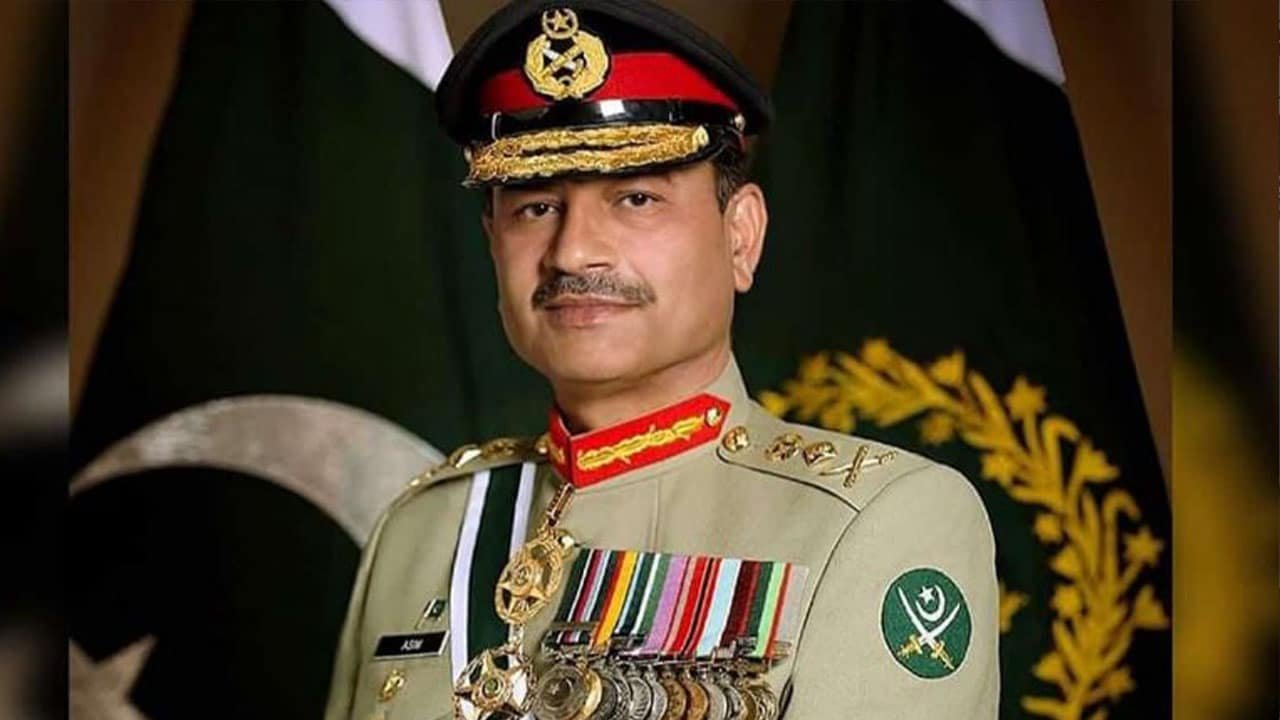
    Read more: Business community finds hope as COAS Munir vows to tackle corruption and boost investment  

    It’s worth noting that privatisation efforts in Pakistan have faced challenges in the past, as the sale of state assets is a politically sensitive issue that previous elected governments have largely avoided. 

    Currently, Pakistan is navigating a challenging path to economic recovery under a caretaker administration, following the approval of a $3 billion loan plan by the International Monetary Fund in July, which prevented a sovereign debt default. Islamabad is confronted with a balance of payments crisis and requires substantial funds to rectify its trade deficit and settle outstanding debts. 

  • Business community finds hope as COAS Munir vows to tackle corruption and boost investment 

    Business community finds hope as COAS Munir vows to tackle corruption and boost investment 

     
    In response to the pressing economic crisis facing the country, Chief of Army Staff (COAS) General Syed Asim Munir has pledged unwavering efforts to attract foreign investment and rejuvenate the economy, as reported by The News on Tuesday. General Munir made these assurances during a recent extensive meeting with members of the business community, where he engaged openly and candidly with them. 

    During an appearance on Geo News‘ “Aaj Shahzeb Khanzada Kay Sath” programme on Monday, President of the Federation of Pakistan Chambers of Commerce & Industry (FPCCI), Irfan Iqbal Sheikh, expressed optimism following their meeting with the army chief. He revealed that General Munir had conveyed discussions of a potential $25 billion investment from Saudi Arabia, encompassing sectors such as IT, minerals, agriculture, and defence. 

    Highlighting a pivotal development, General Munir disclosed that Saudi Crown Prince Mohammad Bin Salman had committed to depositing $10 billion of this investment in the State Bank of Pakistan (SBP), to be reimbursed in Pakistani rupees or goods, thereby bolstering foreign exchange reserves. 

    General Munir also acknowledged the bureaucratic obstacles hindering investment and emphasised the establishment of a Special Investment Facilitation Council (SIFC) to streamline processes and eliminate bureaucratic impediments. He assured that this initiative would protect investors from interference, bureaucratic hurdles, or legal complications. 

    Irfan Iqbal Sheikh further mentioned that Saudi Arabia and the United Arab Emirates (UAE) had both pledged $25 billion in investments, with Qatar and Kuwait following suit with similar commitments. 

    General Munir expressed determination to combat corruption, particularly by curbing land-grabbing and extortion mafias. To this end, he announced the formation of four task forces to address issues related to the Federal Board of Revenue of Pakistan (FBR), border control, smuggling, and social media, aiming to improve the overall situation. 

    Sheikh stressed that the business community had grown disillusioned but found renewed courage and hope through the army chief’s commitments. 

    Meanwhile, Business Group Chairman Zubair Motiwala noted the distinct approach of General Munir in engaging with traders compared to his predecessors. He highlighted the COAS’s efforts to revive the economy through engagements in Saudi Arabia, the UAE, and upcoming visits to Qatar and Kuwait. 

    Motiwala reported that General Munir had instructed the corps commander to prevent the influx of Iranian diesel into Karachi and issued directives to address land encroachments, corruption, and law enforcement issues. 

    General Munir also emphasised that only registered Afghan refugees would be allowed to stay in Pakistan, while the rest would need to return to their home country. He conveyed Saudi Crown Prince Mohammad Bin Salman’s concerns regarding corruption and bureaucracy in Pakistan. 

    Motiwala further disclosed discussions about the charter of the economy with General Munir, expressing hope that such substantial investments would significantly improve the economic conditions in the country. 

    He also pointed out that state-owned enterprises were incurring significant losses, amounting to Rs1,300 billion, and stressed the need for action, noting that political governments might not fully embrace privatisation but would seek to relieve this burden. General Munir expressed his understanding of the government’s approach to this issue and its commitment to addressing it comprehensively. 

  • Social media giant X faces lawsuit for allegedly assisting Saudi Arabia in human rights abuses

    Social media giant X faces lawsuit for allegedly assisting Saudi Arabia in human rights abuses

    The social media giant formerly known as Twitter, now referred to as X, faces a revised civil lawsuit in the US that accuses it of aiding Saudi Arabia in committing severe human rights violations against its users. This includes allegations of disclosing confidential user data to Saudi authorities at a significantly higher rate than for other countries such as the US, UK, or Canada. 

    According to The Guardian, the lawsuit was originally filed in May by Areej al-Sadhan, the sister of a Saudi aid worker who was forcibly disappeared and later sentenced to 20 years in prison. The case revolves around the infiltration of Twitter by three Saudi agents, two of whom posed as Twitter employees in 2014 and 2015. This infiltration led to the arrest of al-Sadhan’s brother, Abdulrahman, and the exposure of the identities of thousands of anonymous Twitter users, some of whom were reportedly detained and tortured as part of the Saudi government’s crackdown on dissent. 

    The updated lawsuit alleges that Twitter, under the leadership of then-CEO Jack Dorsey, knowingly ignored or had knowledge of the Saudi government’s campaign to identify critics but provided assistance due to financial considerations and its close ties to the Saudi government, a major investor in the company. 

    The lawsuit highlights how Twitter was initially seen as a tool for democratic movements during the Arab Spring, which raised concerns for the Saudi government as early as 2013. 

    These allegations come shortly after Human Rights Watch criticised a Saudi court for sentencing a man to death solely based on his Twitter and YouTube activity. The convicted individual, Muhammad al-Ghamdi, had minimal online presence and was accused of having two accounts with a few followers and tweets, both containing retweets of government critics. 

    The lawsuit claims that Twitter was aware of security risks related to insider access to personal data and ignored red flags. It also alleges that Saudi authorities filed emergency disclosure requests with Twitter to obtain user identity information, often approved promptly. 

    Between July and December 2015, Twitter allegedly granted information requests to Saudi Arabia more frequently than to other countries, including Canada, the UK, Australia, and Spain. 

    Despite becoming aware of FBI concerns about Saudi infiltration, Twitter continued to engage with Saudi Arabia as a crucial regional partner. CEO Jack Dorsey even met with Mohammed bin Salman about six months after the FBI raised the issue. 

    The lawsuit ultimately seeks justice for Areej al-Sadhan’s brother, Abdulrahman, and aims to hold Twitter accountable for its alleged complicity in human rights abuses.