Tag: Saudi Arabia

  • Pakistani citizen goes missing in Jeddah

    Pakistani citizen goes missing in Jeddah

    Pakistani citizen and UK resident Syed Hussain Ali has gone missing in Jeddah, Saudi Arabia, on August 28 while on a transit visa in the Kingdom.

    Ali’s father Syed Asim Ali told The Friday Times that he wrote a letter to the Saudi Ambassador to Pakistan and requested caretaker Prime Minister Anwaar ul Haq Kakar to probe into his son’s disappearance.

    Hussain departed from Lahore on Monday 28 August at 11:40am on Saudi Airlines SV735. He landed in Jeddah at 14:50 pm, local time.

    Hussain had an eighteen hour transit and obtained a visa at the airport to perform Umrah.

    He messaged via WhatsApp using the Wi-Fi of a restaurant and then travelled to Mecca to perform Umrah. He then talked to his parents via Messenger video call from McDonald’s restaurant opposite Haram. This, according to the father, was his last communication, between 12:30-1:00 am.

    Hussain wanted to spend a couple of more hours in the Holy Mosque before his flight from Jeddah to London which was scheduled for 9:05 am.

    According to the father, Hussain was only carrying his laptop, phone, wallet and a change of clothing in his laptop bag.
    “He had only $100 on him and the rest of the expenditures he would pay using his debit and credit card,” Asim said.
    Hussain never boarded his flight to London.

    Asim noted that “Normally he is very communicative. It is very unlike him to not be in touch especially when he may know that we are waiting to hear from him,”

    In the letter to the officials, Asim requested to file a missing persons report.

    However, Properganda has commented under the Instagram news of the disappearance that Hussain has been found. That comment, however, is no longer posted.

  • Pakistan women’s football team set to participate in six-nation tournament in Saudi Arabia next month

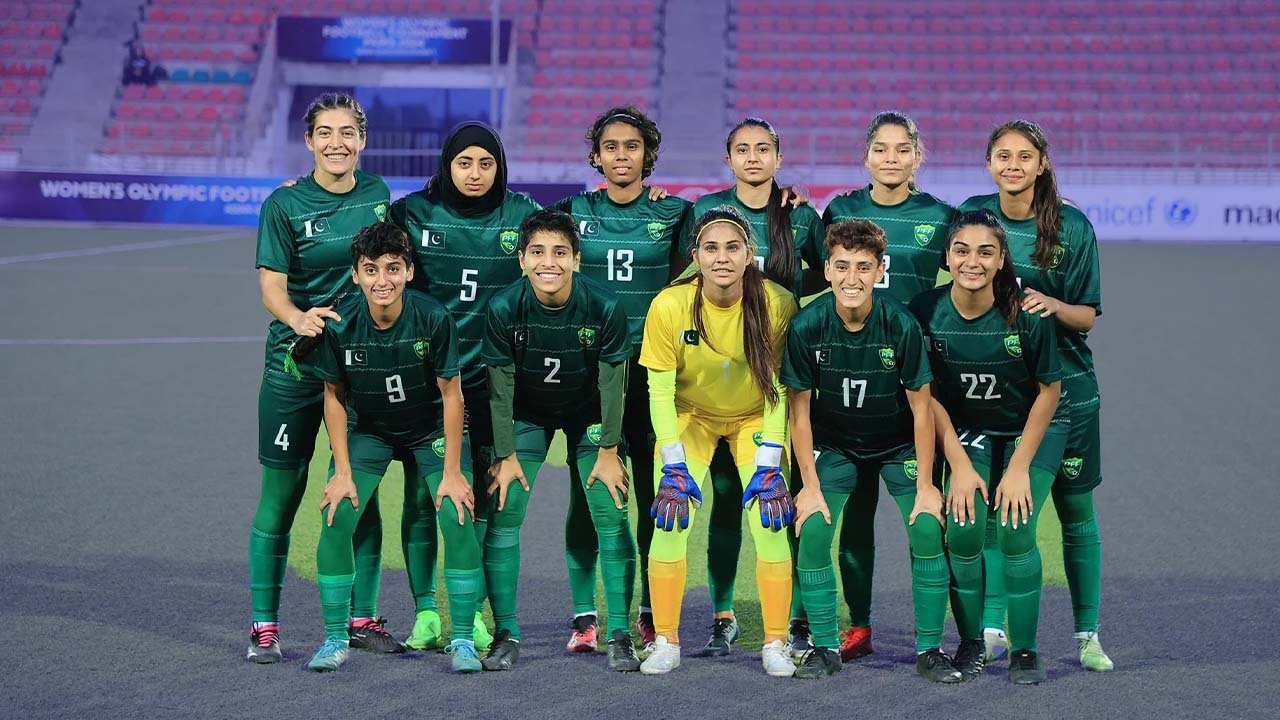
    Pakistan women’s football team set to participate in six-nation tournament in Saudi Arabia next month

    Pakistan’s women’s football team is set to participate in a six-nation tournament hosted by Saudi Arabia from September 18 to 30, as confirmed by the Pakistan Football Federation (PFF). The tournament will include teams from Saudi Arabia, Lebanon, Laos, Malaysia, and Bhutan. The PFF will soon announce a training camp to prepare the women’s squad for the upcoming event.

    The PFF released a statement mentioning that the Pakistan women’s football team will be part of the six-nation tournament taking place in Saudi Arabia from September 18 to 30.

    In January of this year, Pakistan traveled to Saudi Arabia for a four-nation tournament, competing against Comoros and Mauritius. The team achieved victory against Comoros but lost to Mauritius 2-1. They concluded the tournament on a strong note by drawing 1-1 against Saudi Arabia, which ultimately won the tournament.

    According to Arab News, one of the recent accomplishments of the Pakistani women’s football team was a significant 7-0 triumph over the Maldives in the South Asian Football Federation championship in September 2022. In April of the same year, Pakistan achieved an impressive 1-0 victory over Tajikistan in the qualifiers for the 2024 Paris Olympics.

    This win marked Pakistan’s first major tournament victory since resuming regular international football in September 2022, following a lengthy break. Previously, the team had secured victories mainly in friendly matches or exhibition tournaments such as the Four-Nation Cup in Saudi Arabia.

  • Pakistan invites Saudi Arabia to invest in key sectors like agriculture, IT, and energy

    Pakistan invites Saudi Arabia to invest in key sectors like agriculture, IT, and energy

    Prime Minister (PM) Shehbaz Sharif has extended a warm invitation to companies from Saudi Arabia, encouraging them to explore exciting investment prospects in various sectors such as agriculture, mining, technology, energy, and more.

    This friendly call was made during a meeting with Saudi Arabia’s Vice Minister for Foreign Affairs, Waleed Abdulkarim El Khereji, held in Islamabad.

    To boost economic partnerships, PM Shehbaz highlighted the creation of a Special Investment Facilitation Council (SIFC). This council is designed to simplify and speed up potential investments from countries in the Gulf Cooperation Council (GCC), with a special focus on enhancing collaborations with Saudi Arabia.

    PM Shehbaz also expressed heartfelt appreciation for Saudi Arabia’s timely financial support, particularly in the aftermath of natural disasters like floods. He acknowledged the Kingdom’s crucial role in helping Pakistan work towards a stable economy.

    He emphasised the importance of the visit by the Saudi delegation, underscoring the shared interest and eagerness on both sides to elevate their long-standing friendly relations to a practical and mutually beneficial economic partnership.

    In a significant earlier announcement, PM Shehbaz revealed plans to auction gifts from the Toshakhana. The funds generated from this auction will be directed towards the well-being of underprivileged individuals, especially those who are orphaned and vulnerable.

  • Sending heart emojis to women online can land you in jail in Kuwait and Saudi Arabia

    Sending heart emojis to women online can land you in jail in Kuwait and Saudi Arabia

    In a surprising move, Kuwait and Saudi Arabia have both passed laws that criminalise the sending of heart emojis via WhatsApp and other social networking sites, considering it an act of incitement to debauchery and harassment, respectively.

    According to Kuwaiti lawyer Haya Al Shalahi, individuals found guilty of sending heart emojis in Kuwait may face severe consequences. A conviction of this offence could lead to up to two years of imprisonment, along with a fine not exceeding 2,000 Kuwaiti dinars.

    Likewise, in Saudi Arabia, the consequences are equally harsh. Sending ‘red heart’ emojis on WhatsApp may result in a jail term ranging from two to five years, accompanied by a fine of 100,000 Saudi Riyals, as per Saudi law.

    Saudi cybercrime expert Al Moataz Kutbi highlighted that certain images and expressions used in online conversations, like red hearts, could be deemed harassment within the country’s jurisdiction. The act might lead to a lawsuit being filed by the aggrieved party, turning it into a serious offence.

    Moreover, for repeat offenders in Saudi Arabia, the financial penalty could escalate to a staggering 300,000 Saudi Riyals, coupled with a maximum imprisonment of five years.

    The rationale behind these strict measures is to combat online harassment and protect individuals from potentially harmful or inappropriate content shared through emojis. Authorities in both countries view such seemingly innocuous expressions as having the potential to incite indecent behaviour or cause emotional distress to recipients.

    As social media and messaging platforms continue to play a significant role in modern communication, governments are increasingly taking measures to regulate online interactions and enforce cyber laws. Individuals in Kuwait and Saudi Arabia are now urged to exercise caution in their online communication to avoid potential legal consequences.

    It remains to be seen how these laws will be enforced and how they will impact digital communication practises in both nations. In the meantime, citizens are encouraged to be aware of these recent legal developments and adapt their online behaviour accordingly.

  • Dar credits govt’s prudent economic policies as Pakistan’s forex reserves rise to $14 billion

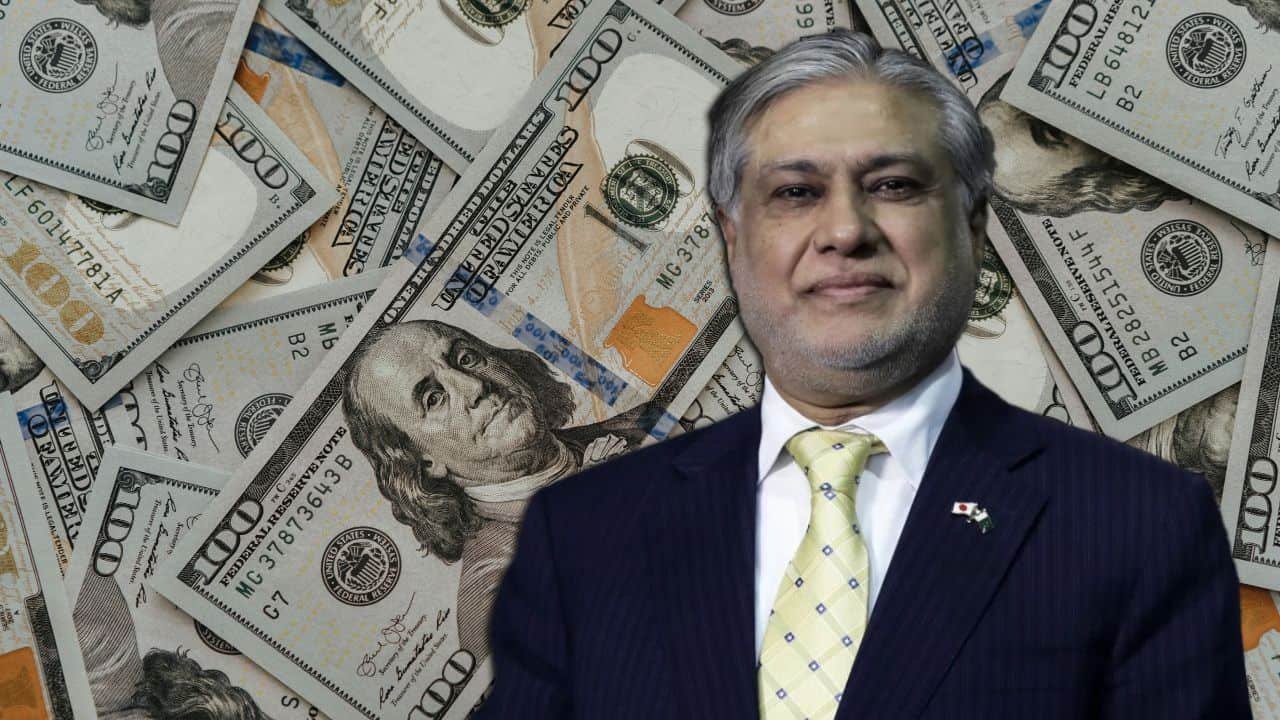
    Dar credits govt’s prudent economic policies as Pakistan’s forex reserves rise to $14 billion

    In a recent Senate session, Finance Minister Ishaq Dar announced that Pakistan’s foreign exchange reserves have witnessed a significant increase, rising from $8 billion to an impressive $14 billion. He attributed this remarkable growth to the government’s prudent economic policies and the unwavering support received from friendly nations, including Saudi Arabia, Qatar, and China.

    Dar said that China played a pivotal role in bolstering Pakistan’s financial position. Recognising Pakistan’s adherence to all technicalities regarding loan repayment, China graciously agreed to roll over the country’s loans. This move from China came as a testament to Pakistan’s commitment to fulfilling its financial obligations.

    Speaking about the nation’s economic future, Dar urged all political forces to unite and collaborate on a charter for the economy. The proposed charter aims to tackle the country’s financial challenges collectively, serving as a guiding framework to lead Pakistan out of the current financial crisis.

    Addressing a specific issue, the Finance Minister expressed concern over Pakistan International Airlines (PIA) annual loss of approximately Rs70 billion. He attributed this financial setback to an irresponsible statement made by a former minister during the previous regime. Dar highlighted the need for careful and responsible statements from leaders, as they can have far-reaching consequences for the national flag carrier.

    In a piece of encouraging news for the aviation sector, the minister also shared that the Pakistan Airports Authority Bill 2023 is on track to be implemented. Once enacted, this bill will pave the way for the resumption of PIA’s operations in Europe. The move is expected to bolster the airline’s revenue and contribute positively to the nation’s economic growth.

  • Pakistan’s foreign exchange reserves rise to $8.4 billion

    Pakistan’s foreign exchange reserves rise to $8.4 billion

    Foreign exchange reserves held by the State Bank of Pakistan (SBP) have surged by over $4 billion following a deposit of $1.2 billion from the International Monetary Fund (IMF).

    As per data shared by the central bank, Pakistan has also received $1 billion from the UAE and $2 billion from Saudi Arabia, resulting in a significant increase in the SBP’s foreign exchange reserves, which now stand at $8.4 billion.

    During a televised address earlier today, Finance Minister Ishaq Dar stated that Pakistan’s foreign exchange reserves are projected to reach approximately $13-$14 billion by July 14.

    He emphasised that Pakistan is experiencing a resurgence in development and prosperity. Minister Dar acknowledged the instrumental role played by Prime Minister Shehbaz Sharif in reaching an agreement with the IMF, highlighting the unwavering support provided by the economic team throughout the intricate process.

    It is noteworthy that the International Monetary Fund granted approval for a $3 billion loan to Pakistan, subsequent to the signing of a staff-level agreement last month.

  • Pakistan’s foreign exchange reserves boosted by $2 billion deposit from Saudi Arabia

    Pakistan’s foreign exchange reserves boosted by $2 billion deposit from Saudi Arabia

    Pakistan’s central bank has received a significant financial boost of $2 billion from Saudi Arabia, as announced by Federal Minister Ishaq Dar. This infusion of funds will greatly bolster the country’s low foreign exchange reserves.

    During a media briefing on Tuesday, Dar expressed gratitude, stating, “Our brother nation, Saudi Arabia, has deposited $2 billion into the account of the State Bank of Pakistan (SBP).” He further emphasised that this contribution will directly enhance Pakistan’s foreign exchange reserves.

    At the close of last week, the SBP’s forex reserves grew by $393 million to reach $4.463 billion, primarily due to official government inflows. Over the past two weeks, the SBP’s reserves have surged by $937 million. However, it is important to note that these reserves still only cover approximately a month’s worth of imports.

    Dar stated, “These $2 billion will be reflected in the SBP’s reserves by the week ending 14th July.” The finance minister also commended the Saudi government, specifically King Salman and Crown Prince Mohammad bin Salman, for their instrumental role in this gesture of support. Dar extended heartfelt appreciation to the leadership of the Kingdom of Saudi Arabia for depositing $2 billion with the SBP and expressed optimism about future positive economic developments. He declared that Pakistan’s economic situation has nearly stabilised and is poised for growth.

    This development follows the recent announcement by the International Monetary Fund (IMF) that its staff and Pakistani authorities have reached an agreement on policies backed by a $3 billion, nine-month Stand-By Arrangement (SBA). The staff-level agreement is pending approval by the IMF Executive Board, with a decision expected on 12th July.

    Read more: Pakistan commits to 4% annual profit on $2 billion deposit from Saudi Arabia

    Nathan Porter, IMF Mission Chief to Pakistan, stated, “The new SBA builds upon the authorities’ efforts under Pakistan’s 2019 EFF-supported program, which expires at the end of June.” The new IMF arrangement, viewed as highly favorable for the government and economy amidst the ongoing crisis, extends Pakistan’s commitment to the lender well into the second half of fiscal year 2023-24. Moreover, it represents an upgrade from earlier expectations of receiving $1.1 billion following the ninth review.

    Experts have consistently emphasised the critical nature of resuming the IMF bailout package for Pakistan, a cash-strapped South Asian economy grappling with a balance of payments crisis. In addition to mitigating risks of potential default, the funding from the international lender is expected to pave the way for additional inflows from Pakistan’s multilateral and bilateral partners.

  • Pakistan commits to 4% annual profit on $2 billion deposit from Saudi Arabia

    Pakistan commits to 4% annual profit on $2 billion deposit from Saudi Arabia

    According to reliable sources, Pakistan has agreed to pay an annual profit of four per cent to Saudi Arabia on a deposit of $2 billion with the State Bank of Pakistan (SBP) for a duration of one year.

    This decision was made to fulfill one of the prerequisites set by the International Monetary Fund (IMF), which demanded that Pakistan secure external funding of approximately $6 billion, according to Brecorder.

    Additionally, the United Arab Emirates (UAE) has also confirmed to the IMF that it will deposit $1 billion with the State Bank of Pakistan.

    On May 10, 2023, the Finance Division presented an additional agenda item to the Federal Cabinet, informing them that the Kingdom of Saudi Arabia, through its Ministry of Finance, had agreed to deposit $2 billion with the State Bank of Pakistan for a one-year period. The proposed annual profit rate was set at 4 per cent.

    The draft Deposit Agreement, provided by the Saudi side, was sent to the Ministry of Law and Justice and the Office of the Attorney General for Pakistan for examination and clearance in accordance with the Cabinet’s decision on May 14, 2019.

    Upon approval by the Federal Cabinet, the Finance Division of the Government of Pakistan will authorize the State Bank of Pakistan to proceed with the Deposit Agreement. The Ministry of Law and Justice has given its clearance to the draft

    Agreement, subject to the completion of all necessary formalities, while the Federal Board of Revenue (FBR) has granted its approval for tax exemption.

  • Pakistan fails to meet Hajj quota due to rising inflation and dollar shortage

    Pakistan fails to meet Hajj quota due to rising inflation and dollar shortage

    On Wednesday, sources within the Ministry of Religious Affairs reported that the government has decided to return Pakistan’s quota of Hajj pilgrimage to Saudi Arabia due to a shortfall of applications caused by rising inflation.

    This year marked the first time a quota for Hajj pilgrimage was available in the country, but the shortage of dollars and rising inflation prevented Pakistanis from applying for Hajj.

    The final decision to return the Hajj quota will be made by the federal cabinet. The authorities considered giving the official Hajj quota to private operators after a few applications turned out for the government scheme. However, this option would lead to private operators collecting dollars from the open market, causing unnecessary demand for foreign currency.

    Pakistan had been demanding an increase in the Hajj quota, allowing 179,210 pilgrims to 202,000 or 201,000 pilgrims. This year, the country received its complete quota of 179,000 pilgrims after many years but couldn’t utilize it entirely. It’s worth noting that the cost of government-sponsored Hajj is around Rs1.2 million.

    Due to an acute shortage of the greenback amid the collapsing economy, the Ministry of Religious Affairs and Interfaith Harmony decided to allocate a 50% special quota in the Government Hajj Scheme-2023 for pilgrims who will pay in US dollars. However, a quota of 89,605 Hajj pilgrims was set under the government scheme, falling short of 9,000 applicants.

    The government received 72,869 applicants under the regular scheme and only 8,000 under the sponsorship scheme. Moreover, 28,679 additional applications were received under the official regular scheme against the quota of 44,190. Additional applicants are being sent for Hajj pilgrimage without a lucky draw.

    The sources indicated that a total of $235 million is required for the government scheme, some of which will be provided by the sponsorship scheme and the rest by the government.

  • Saudi Arabia and UAE pledge $3 billion to Pakistan as IMF agreement nears

    Saudi Arabia and UAE pledge $3 billion to Pakistan as IMF agreement nears

    On Monday, Finance Minister Ishaq Dar stated that Pakistan has fulfilled all conditions set by the International Monetary Fund (IMF). He expressed hope that the IMF would soon sign the staff-level agreement, which would allow for the release of the $1.1 billion tranche.

    Since February, the two parties have been negotiating various conditions and external financing from friendly nations before signing the agreement. Speaking to Geo News, Dar stated that Saudi Arabia and the United Arab Emirates (UAE) have informed the IMF of their commitments to provide $3 billion to Pakistan.

    Riyadh has pledged $2 billion, while Abu Dhabi has promised $1 billion. The IMF has also been notified of this, according to Dar. The finance minister emphasized that all conditions for the staff-level agreement have been met, and he expressed optimism that the IMF’s Executive Board would approve it soon.

    The country’s foreign exchange reserves have dwindled to cover barely a month of imports since the IMF funding stalled in November. Pakistan must resume the bailout package, which was agreed upon in 2019 and is worth $6.5 billion, to avoid risking default on external payment obligations.

    Pakistan had to take several steps demanded by the IMF, including reversing subsidies in its power, export, and farming sectors, raising energy and fuel prices, imposing a permanent power surcharge, among other measures.

    These moves have pushed Pakistan’s inflation to its highest level ever, rising to over 35 per cent YoY in March. The IMF programme will disburse another tranche of $1.4 billion to Pakistan before it ends in June, and it will unlock other bilateral and multilateral financing for the cash-strapped country.

    In recent weeks, neighbouring China has rolled over $2 billion and refinanced another $1.3 billion.