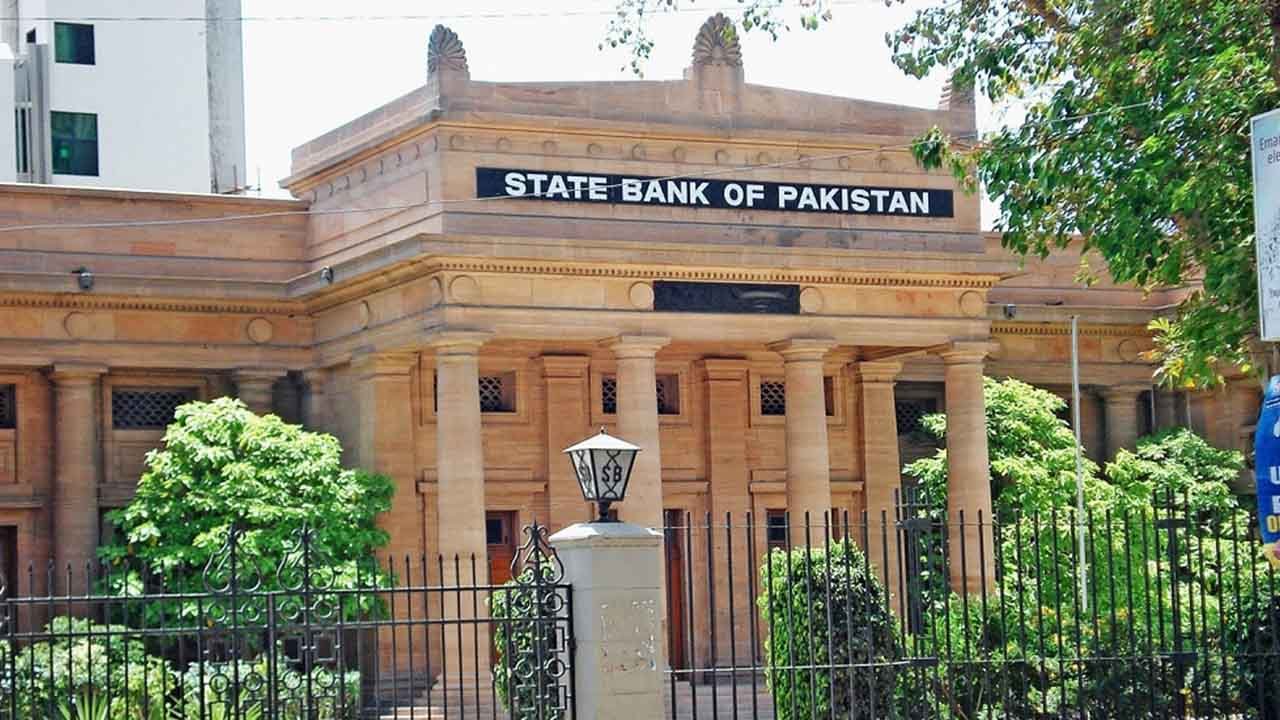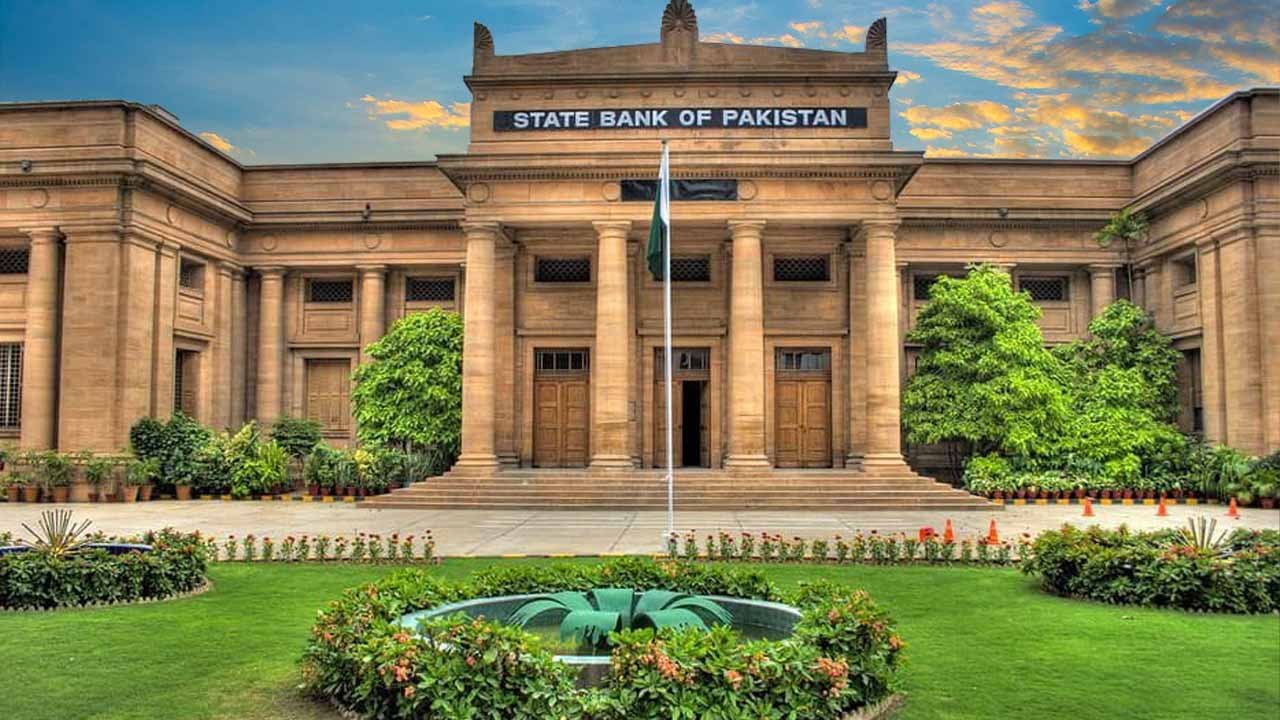
The State Bank of Pakistan (SBP) reported a significant decline in its foreign exchange reserves for the week ending April 19, 2024, attributing the drop to external debt repayments.
The central bank’s reserves fell by $73.5 million, a 0.91 per cent week-on-week reduction, bringing the total to $7.98 billion.
This decrease reflects Pakistan’s ongoing struggles to maintain a stable foreign exchange reserve position amid mounting economic pressures.
The SBP issued a statement explaining the decline, citing debt repayments as the primary reason for the dip. “During the week ended on April 19, 2024, SBP’s reserves decreased by $74 million to $7.98 billion due to external debt repayments,” the statement read.
Concurrently, the total reserves of Pakistan, which include those held by commercial banks, also fell. The country’s total reserves dropped by $93.2 million, a 0.7 per cent week-on-week decrease, to $13.28 billion.
Commercial banks’ reserves diminished by $19.7 million, or 0.37 per cent week-on-week, bringing their total to $5.3 billion.
Last week, the SBP reported a slight increase in its reserves, up by $14.4 million despite a $1 billion Eurobond repayment. However, this week’s decline indicates continued pressure on the country’s foreign exchange reserves.
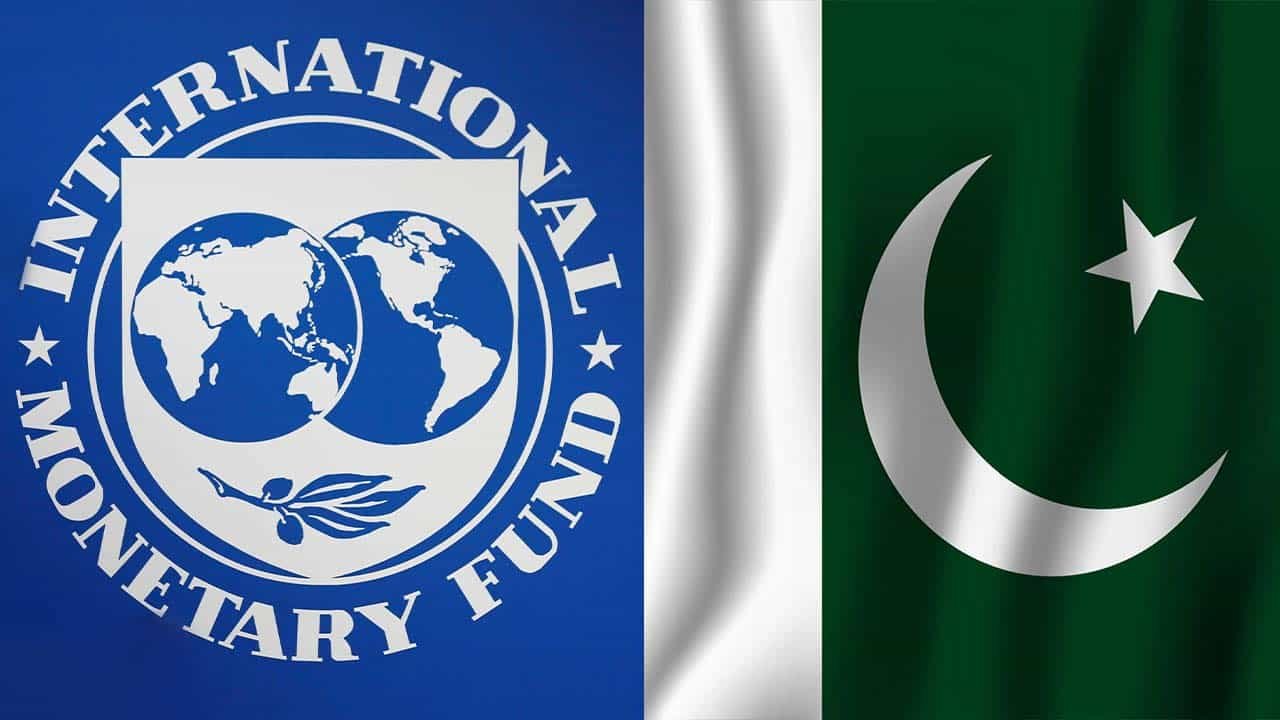
In a recent development, the International Monetary Fund’s (IMF) executive board is set to meet on April 29 to discuss the approval of a $1.1 billion funding tranche for Pakistan.
This funding represents the second and final installment of a $3 billion standby arrangement with the IMF, which was agreed upon last summer to avert a sovereign default.
The current arrangement with the IMF is due to expire at the end of this month, prompting Pakistan to seek a new long-term and larger loan from the IMF.
Finance Minister Muhammad Aurangzeb expressed optimism about the country’s foreign exchange reserves, stating that he expects the reserves held by the SBP to rise to around $9–10 billion by the end of the current fiscal year.
Despite the recent decline, the total liquid foreign reserves have increased by $4.12 billion, or 44.98 per cent, since the beginning of the fiscal year.
Additionally, the current calendar year has seen an increase of $0.61 billion, or 4.79 per cent.
The fluctuations in Pakistan’s foreign exchange reserves underscore the country’s ongoing economic challenges and the critical importance of securing international funding to maintain financial stability.