Tag: SBP

  • Monetary policy committee maintains status quo: SBP keeps policy rate at 22% to tackle elevated inflation

    Monetary policy committee maintains status quo: SBP keeps policy rate at 22% to tackle elevated inflation

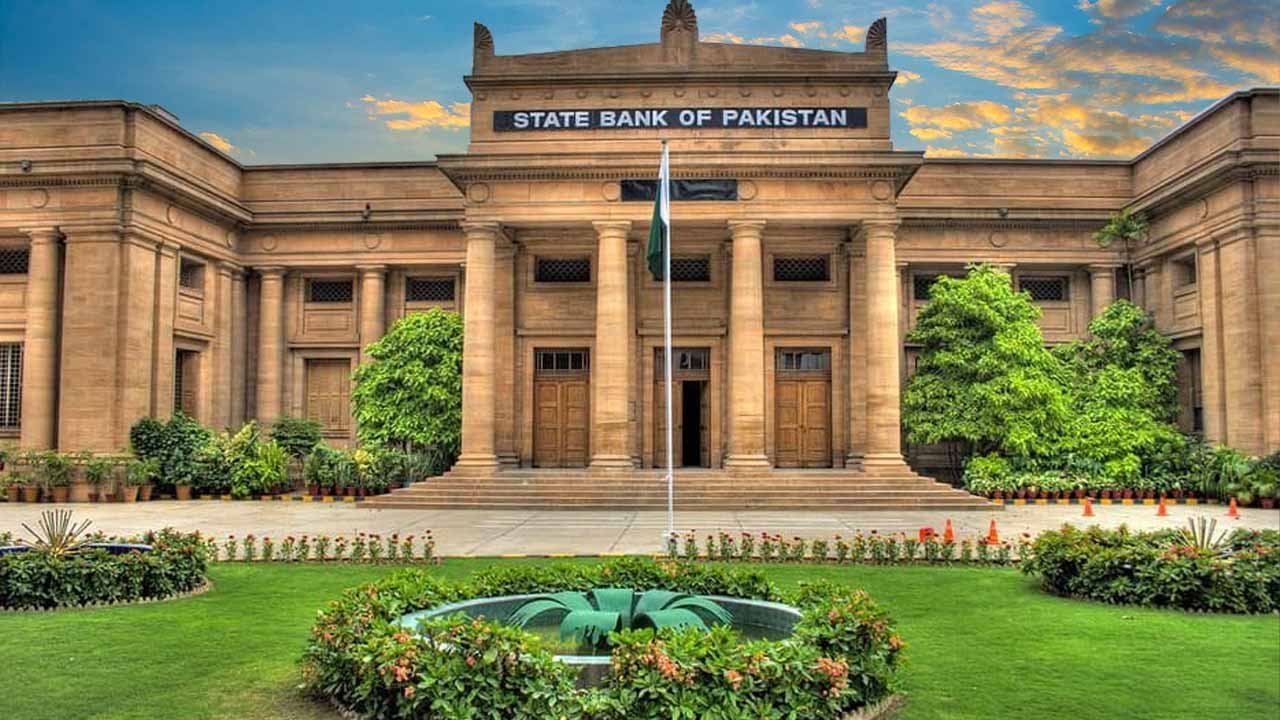
    In a decision announced on Monday, the Monetary Policy Committee (MPC) of the State Bank of Pakistan (SBP) has opted to maintain the status quo, retaining the key policy rate of 22 per cent. 

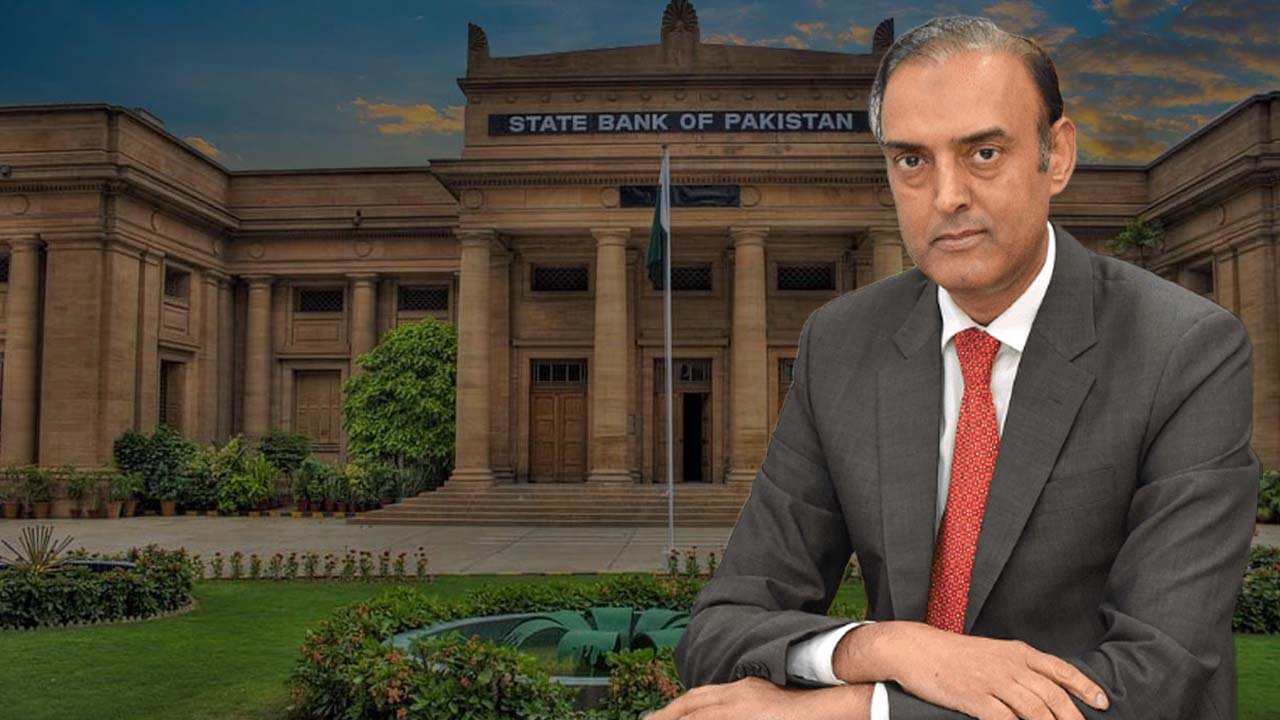
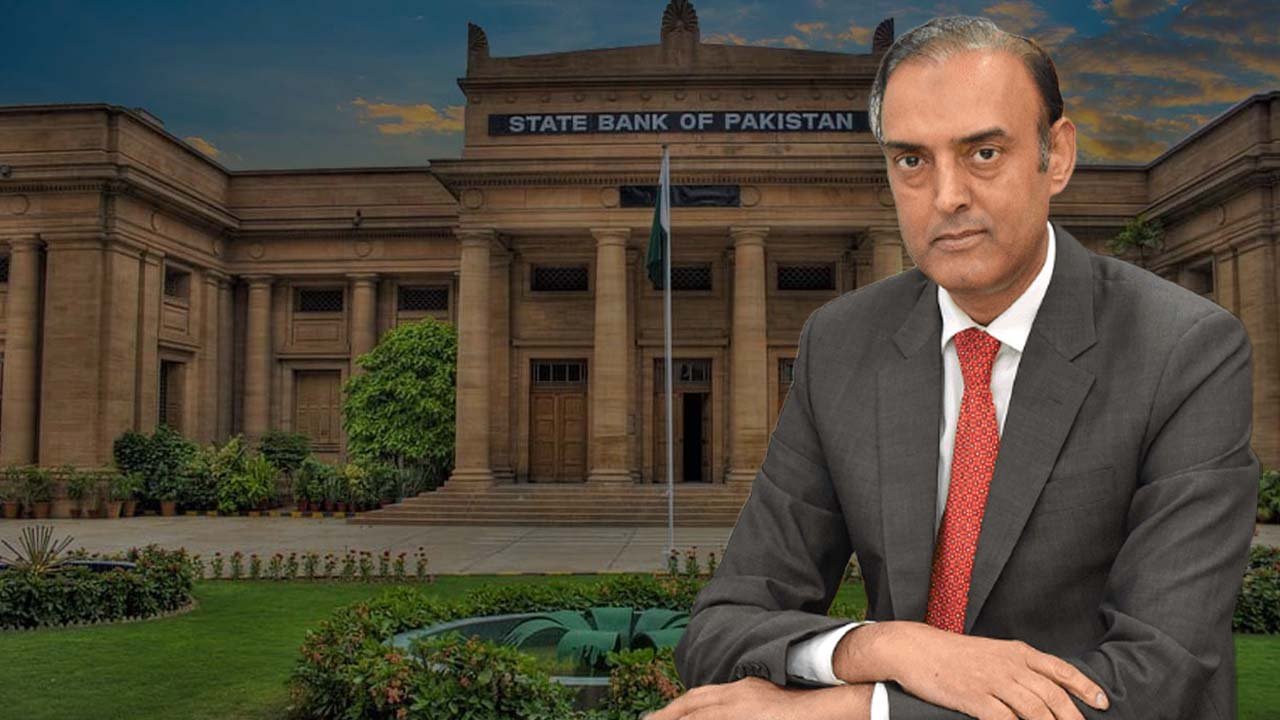
    SBP Governor Jameel Ahmad highlighted the persistent elevation of inflation, disclosing a revised forecast for the fiscal year 2023–24 ranging from 23 per cent to 25 per cent.

    Market analysts, anticipating the decision, noted that the sustained high inflation rate was a contributing factor to the MPC’s decision to keep the key policy rate unchanged.

  • Pakistan’s forex reserves witness a dip of $127 million

    Pakistan’s forex reserves witness a dip of $127 million

    In a recent report, it was revealed that the foreign exchange reserves held by the State Bank of Pakistan (SBP) experienced a decline of $127 million during the week ending January 12, settling at $8.03 billion.

    The country’s total liquid foreign reserves, including those held by commercial banks, amounted to $13.15 billion. Specifically, commercial banks held net foreign reserves of $5.12 billion.

    The SBP attributed the reduction in reserves to debt repayments, stating, “During the week ending on January 12, 2024, the SBP’s reserves decreased by US$ 127 million to US$ 8,027.4 million due to debt repayments.”

    Notably, the previous week had also seen a decrease in Pakistan’s central bank reserves, amounting to $66 million.

    In a significant development, Pakistan received a tranche of $705.6 million from the International Monetary Fund (IMF), as confirmed in a statement by the SBP on Wednesday.

    The central bank stated, “The SBP has received SDR 528 million (equivalent to $705.6 million) on January 16, 2024, from the IMF following the successful completion of the first review by the Executive Board of the IMF under Standby Arrangement (SBA).”

    The impact of this disbursement will be reflected in the central bank reserves for the week ending January 19.

  • SBP receives second IMF installment, total disbursements reach $1.9 billion

    SBP receives second IMF installment, total disbursements reach $1.9 billion

    The State Bank of Pakistan (SBP) announced today that it has successfully received the second installment of SDR 528 million, equivalent to $705.6 million, from the International Monetary Fund (IMF).

    This disbursement, slated to be reflected in SBP reserves for the week ending on January 19, 2024, marks a significant step in the ongoing financial collaboration between Pakistan and the IMF.

    The latest disbursement brings the total disbursements under the stand-by arrangement (SBA) to a substantial $1.9 billion.

    It is noteworthy that the remaining $1.1 billion is expected to be received after another comprehensive review scheduled for February 2024.

    As of January 5, 2024, the State Bank of Pakistan’s total reserves stand at $8.15 billion, showcasing the positive impact of the financial support received through the IMF programme.

    To recall, Pakistan secured a $3 billion SBA from the IMF towards the end of FY23, crucially preventing the nation from defaulting on its sovereign debt.

    The disbursement of the IMF funds has been phased out over two installments, subject to meticulous reviews.

    On January 11, 2024, Pakistan successfully completed the first review of the economic reform programme, a significant milestone in ensuring the country’s financial stability.

    Following the board’s approval, the IMF highlighted that economic activity has stabilised, though acknowledging that the outlook remains challenging and is contingent on the implementation of sound policies.

    Pakistan’s 9-month SBA aims to provide a robust policy anchor for addressing both domestic and external balances, serving as a framework for continued financial support from multilateral and bilateral partners.

    This financial collaboration with the IMF is instrumental in navigating Pakistan through economic challenges, providing a solid foundation for sustained growth and stability in the region.

    The country remains committed to implementing prudent economic policies as outlined in the reform programme, with the ongoing support of international partners.

  • Overseas remittances to Pakistan soar to $2.4 billion

    Overseas remittances to Pakistan soar to $2.4 billion

    The State Bank of Pakistan (SBP) revealed that the inflow of overseas workers’ remittances reached $2.4 billion in December 2023, marking a notable 5.4 per cent increase from the previous month’s $2.25 billion, according to data released on Wednesday.

    On a yearly basis, December’s remittances exhibited a robust growth of 13.4 per cent, totaling $2.1 billion compared to the same period in the previous year.

    These remittances continue to play a pivotal role in sustaining Pakistan’s external account, fostering economic activity, and supporting the disposable incomes of remittance-dependent households.

    Despite the December upswing, the cumulative workers’ remittances for July-December FY24 recorded a decline of 6.8 per cent Year-on-Year (YoY), amounting to $13.43 billion.

    This decrease amounted to $982.8 million compared to the $14.42 billion reported in the corresponding period of FY23.

    Saudi Arabia

    Overseas Pakistanis in Saudi Arabia led the remittance surge in December, contributing $577.6 million. This figure marked a 6 per cent increase from the previous month and over 9 per cent higher than the same month in the previous year.

    United Arab Emirates (UAE)

    Remittances from the UAE witnessed a marginal monthly increase of nearly 2 per cent, rising from $411.8 million in November to $419.2 million in December. Year-on-year, these remittances surged by almost 27 per cent.

    United Kingdom (UK)

    December saw an uptick in remittances from the United Kingdom, totaling $368 million—a 7.5 per cent increase compared to November 2023.

    European Union (EU)

    Remittances from the European Union demonstrated substantial growth, rising by 19 per cent YoY and 6 per cent on a monthly basis, reaching $284.9 million in December 2023.

    United States (US)

    Overseas Pakistanis in the United States sent $263.9 million in December 2023, reflecting an 8.5 per cent YoY increase.

    This breakdown underscores the significance of remittances from various regions, contributing to Pakistan’s economic resilience amid global challenges. 

    The upward trajectory in December bodes well for the nation’s economic prospects as it navigates through the fiscal year.

  • Inflation may drop to 20-22% in the coming year: SBP report

    Inflation may drop to 20-22% in the coming year: SBP report

    In the Governor’s Annual Report 2022–23, released ahead of the upcoming national election, the Chief of the State Bank of Pakistan (SBP) conveyed that the country’s inflation is expected to decrease to approximately 20–22 per cent in fiscal year 2024.

    The SBP remains committed to making decisions aimed at preventing persistently high inflation. Notably, Pakistan’s economy fell significantly short of its fiscal and primary surplus targets in FY23, resulting in a contraction of the real GDP to 0.2 per cent.

    During FY23, Pakistan, with a population of 241 million, witnessed its highest-ever inflation, leading to historic lows in its currency value. The situation was mitigated by a $3 billion IMF bailout in July, preventing an imminent sovereign default.

    Governor Jameel Ahmed highlighted in the report that the Consumer Price Index (CPI) surged to 29.2 per cent in FY23, aligning with the upper bound of the bank’s revised projections.

    The SBP remains committed to anchoring inflation expectations to achieve its medium-term target of 5-7 per cent by the end of FY25.

    Fiscal and policy measures implemented before and after the bailout are contributing to stabilising Pakistan’s $350 billion economy as the country approaches the national election scheduled for February 8.

    Despite missing fiscal and primary surplus targets by a considerable margin, the SBP emphasises its dedication to curbing inflation.

    Simultaneously, the finance ministry anticipates a moderate inflation outlook for the remaining months of FY24, even with the upward revision of administered prices, particularly gas prices.

    According to the ministry’s monthly economic report, Consumer Price Index (CPI)-based inflation in Pakistan for December is projected to be in the range of 27.5-28.5 per cent.

    Looking ahead, the ministry foresees a further easing of inflation to 24–25 per cent in January 2024.

  • PKR records eighth consecutive gain, closes at Rs282.79 vs dollar

    PKR records eighth consecutive gain, closes at Rs282.79 vs dollar

    In a notable financial trend, the Pakistani rupee (PKR) sustained its positive trajectory against the US dollar (USD) for the eighth consecutive session, witnessing a 0.04 per cent appreciation in the interbank market on Thursday.

    According to the State Bank of Pakistan (SBP), the rupee concluded at Rs282.79 after experiencing a rise of Re0.11.

    The preceding day saw a slight uptick in the PKR’s value, settling at Rs282.9 against the US dollar. 

    A significant development unfolded as the government successfully secured a historic amount of Rs397 billion ($1.4 billion) in Wednesday’s local currency bond auction. 

    This achievement surpassed expectations, marking the highest borrowing in years within a single auction, showcasing sustained market interest even as December draws to a close.

    The substantial participation of investors underscores their confidence in long-term bonds, fueled by the anticipation of an early 2024 rate cut. 

    The government strategically opted for long-term borrowing in response, effectively mitigating rollover risks and minimisingreliance on short-term funding in the future.

    On the global front, the US dollar regained strength on Thursday, prompted by a sudden end to a robust rally for US stocks, compelling investors to seek safety. 

    In the final hour of equities trade on Wall Street, heavy selling induced a ripple of risk aversion through markets, lifting the previously under-pressure greenback from lows.

    As of early Asia trade on Thursday, the dollar index, which is down 1 per cent for the year so far, remained steady at 102.37. 

    In a comparison with major currencies, the Pakistani currency strengthened by 69.15 paisa against the Euro, concluding at Rs309.57 as opposed to the previous rate of Rs310.26. 

    The British Pound saw a reduction in value of 79.58 paisa, settling at Rs357.41 in comparison to the previous day’s Rs358.21.

    However, PKR experienced a slight decline of 0.38 paisa against the Japanese yen, closing at Rs1.974 as compared to the previous day’s rate of Rs1.97. 

    The Saudi Riyal concluded at Rs75.38, registering a decrease of 1.15 paisa from its value of Rs75.39 a day ago. 

    Similarly, the UAE Dirham witnessed a decrease in value of 2.81 paisa, shifting from Rs77.027 the previous day to Rs76.999.

    Meanwhile, oil prices, a crucial indicator of currency parity, experienced a decline on Thursday due to concerns over low demand following an unexpected US crude inventory build, outweighing apprehensions about global trade disruptions linked to tensions in the Middle East. 

    Brent crude futures dropped by 3 cents to $79.67 a barrel, while US West Texas Intermediate crude stood at $74.16 a barrel, reflecting a 6-cent decrease.

  • Pakistani rupee gains 20 paisa against US dollar

    Pakistani rupee gains 20 paisa against US dollar

    The Pakistani rupee (PKR) extended its positive trajectory against the US dollar for the sixth consecutive session, appreciating by 0.07 per cent in the inter-bank market on Tuesday.

    According to the State Bank of Pakistan (SBP), the rupee concluded at Rs283.01, marking an increase of Re0.20.

    In the previous session, the rupee saw a marginal gain, settling at Rs283.21 against the US dollar.

    Meanwhile, in a noteworthy development, Pakistan secured $4.285 billion from various financing sources in the first five months (July–November) of the current fiscal year 2023–24.

    This represents a decrease from the $5.114 billion borrowed during the corresponding period in 2022–23, as disclosed by data from the Economic Affairs Division (EAD).

    On the global front, the US dollar experienced a 0.3 per cent decline against the yen, maintaining its position close to a four-month high of 140.95 reached last week.

    Additionally, the greenback lingered near approximately five-month lows against the Australian and New Zealand dollars.

    This was attributed to the strength of risk-sensitive currencies, driven by the anticipation that the US Federal Reserve might initiate interest rate adjustments as early as the beginning of next year.

    In the realm of commodities, oil prices stabilised on Tuesday as investors assessed the potential repercussions on oil supply arising from attacks by Yemen’s Iran-aligned Houthi militants on ships in the Red Sea.

    These attacks have disrupted maritime trade, compelling companies to reroute vessels. Notably, crude prices surged nearly 2 per cent on Monday due to concerns about trade disruptions through the Suez Canal, a vital shipping route that accounts for approximately 15 per cent of global shipping traffic.

    Brent crude declined by 12 cents to $77.83 per barrel.

    The US West Texas Intermediate crude for January, set to expire on Tuesday, experienced a decrease of 62 cents, reaching $71.85. In contrast, the more active February contract only incurred a marginal loss of 3 cents.

  • Pakistani rupee appreciates 0.02% against US dollar to close at Rs283.21

    Pakistani rupee appreciates 0.02% against US dollar to close at Rs283.21

    In a continuing upward trend, the Pakistani rupee demonstrated resilience in the inter-bank market by securing gains against the US dollar for the fifth consecutive session, appreciating by 0.02 per cent on Monday.

    According to the State Bank of Pakistan (SBP), the rupee closed at Rs283.21, marking an increase of Re0.05.

    Throughout the preceding week, the rupee exhibited a noteworthy appreciation, gaining Re0.61 or 0.21 per cent to settle at Rs283.26 against the US dollar in the inter-bank market.

    This marks the fifth consecutive week of the rupee’s advancement against the dollar, a momentum attributed to the recent announcement of a staff-level agreement (SLA) between Pakistan and the International Monetary Fund (IMF) concerning the first review of the $3 billion Stand-by Arrangement (SBA).

    Since the revelation of the SLA on November 15, the local currency has strengthened by Rs4.88, or 1.7 per cent, against the greenback.

    Meanwhile, on a global scale, currencies commenced the week with caution following significant fluctuations in the previous week, driven by various central bank meetings, including rate decisions from the Federal Reserve, the European Central Bank (ECB), and the Bank of England (BoE).

    The greenback, which had been bolstered throughout most of 2022 and 2023 by aggressive rate hikes from the Fed and expectations of prolonged higher rates, experienced a notable decline of approximately 1.3 per cent against a basket of currencies last week in response to the outcomes of the Fed’s policy meeting.

  • State Bank of Pakistan maintains policy rate at 22% despite inflation concerns 

    State Bank of Pakistan maintains policy rate at 22% despite inflation concerns 

    The Monetary Policy Committee (MPC) of the State Bank of Pakistan (SBP) convened today to deliberate on the prevailing economic conditions and has resolved to maintain the policy rate at 22 per cent for the fourth consecutive meeting. 

    This decision aligns with market expectations, as a majority of market participants were in agreement regarding the rate remaining unchanged. 

    The Monetary Policy Statement issued by the central bank indicates that the decision takes into consideration the impact of the recent increase in gas prices on November’s inflation, which exceeded the MPC’s earlier projections.  

    The Committee acknowledged the potential implications of this on the inflation outlook while also noting offsetting factors such as the recent decline in international oil prices and the improved availability of agricultural produce. 

    Additionally, the Committee conducted an assessment indicating that the real interest rate remains positive over a 12-month forward-looking horizon and anticipates a downward trajectory for inflation. 

    Key developments since the October meeting were considered by the MPC. Firstly, the successful completion of the staff-level agreement for the first review under the IMF SBA programme, which is expected to unlock financial inflows and enhance the SBP’s foreign exchange serves, 

    Secondly, the quarterly GDP growth for Q1–FY24 met the MPC’s expectations for a moderate economic recovery. 

    Lastly, consumer and business confidence surveys reflected positive sentiment improvements. Lastly, core inflation persists at elevated levels, showing a gradual reduction. 

    Considering these developments, the Committee determined that the existing monetary policy stance is conducive to achieving the inflation target of 5-7 per cent by the end of FY25. 

    The Committee emphasised that this assessment is contingent on the sustained implementation of targeted fiscal consolidation and the timely realisation of planned external inflows. 

  • State Bank of Pakistan to announce monetary policy decision on December 12

    State Bank of Pakistan to announce monetary policy decision on December 12

    The State Bank of Pakistan (SBP) is set to unveil its monetary policy on Tuesday, December 12. A statement released by the central bank on Friday informed that the Monetary Policy Committee (MPC) of SBP will convene in Karachi on December 12 to deliberate on monetary policy. 

    Subsequently, the central bank will issue the official monetary policy statement. In its preceding meeting on October 30, the MPC judiciously opted to uphold the policy rate at 22%, citing global market volatility. 

    The committee underscored the imperative of persisting with a stringent monetary policy stance to mitigate inflation.

    PKR ends another week in green

    The Pakistani currency is experiencing an upward trend against the US dollar for the past several sessions, concluding the week in positive territory on Friday. 

    According to the SBP, the Pakistani rupee gained 0.09 per cent, closing at Rs283.87 against the US dollar.