Tag: SBP

  • SBP likely to hike key policy rate by up to 300 basis points next month

    SBP likely to hike key policy rate by up to 300 basis points next month

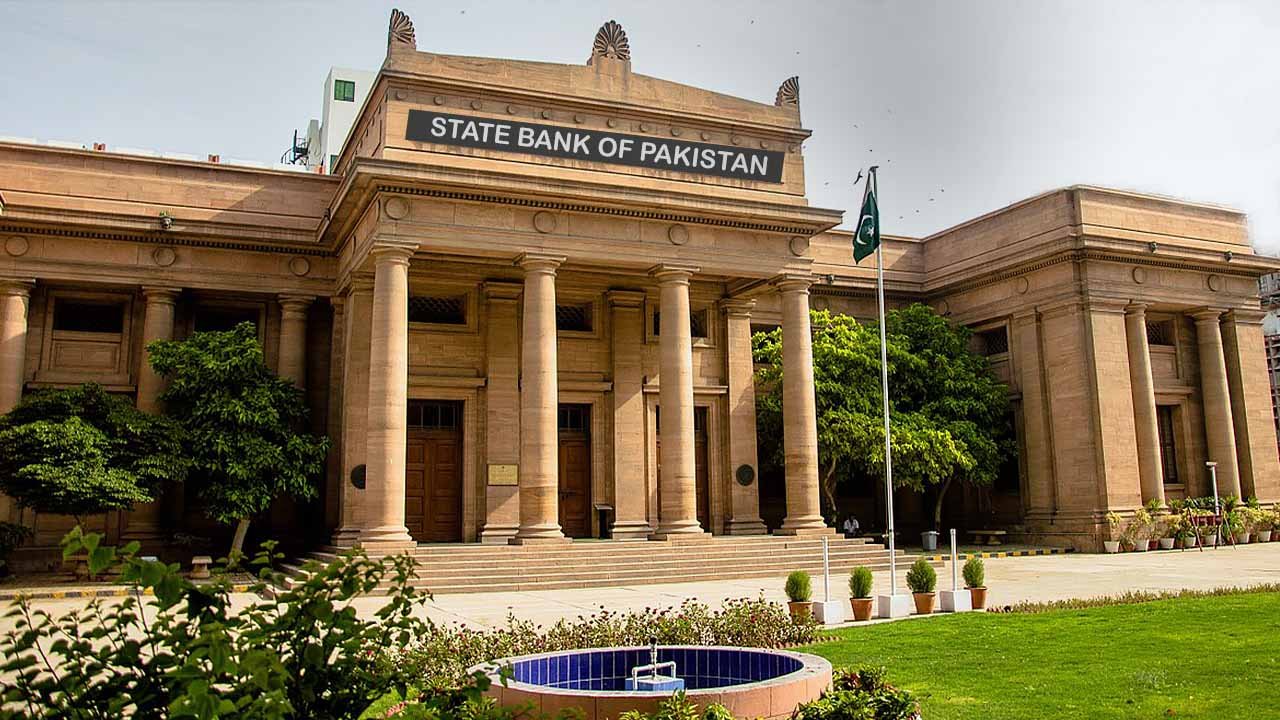
    The Monetary Policy Committee (MPC) of the State Bank of Pakistan (SBP) will likely meet at its upcoming meeting to decide on the key policy rate, and the market anticipates a possible rate increase of up to 300 basis points.

    According to the analysts contacted by the Brecorder, the SBP is likely to increase the rate from its current historic high of 22 per cent. As per the advance calendar issued in July, the SBP is currently slated to hold its MPC meeting on September 14.

    Notably, the central bank has previously taken the initiative to declare changes in its key policy rate through ’emergency’ meetings, similar to what occurred in June.

    Market speculation hints that the central bank might adopt a more patient approach this time, making an emergency meeting less probable.

     Tahir Abbas, the Head of Research at Arif Habib Limited (AHL), foresees a rate hike ranging between 100 and 150 basis points.

    He emphasised, the inflation rate is projected to remain elevated not only in August but also in the upcoming months. Furthermore, the persistent depreciation of the currency might compel the SBP to push interest rates upwards.

    Abbas added, “We expect a policy rate hike of around 100-150 bps.”

    In a previous report, AHL stated that headline inflation is expected to climb higher in August, surpassing the 28.3 per cent figure recorded in July 2023.
  • SBP-held forex reserves rise by $12 million to $8.05 billion, sufficient to cover over two months’ worth of imports

    SBP-held forex reserves rise by $12 million to $8.05 billion, sufficient to cover over two months’ worth of imports

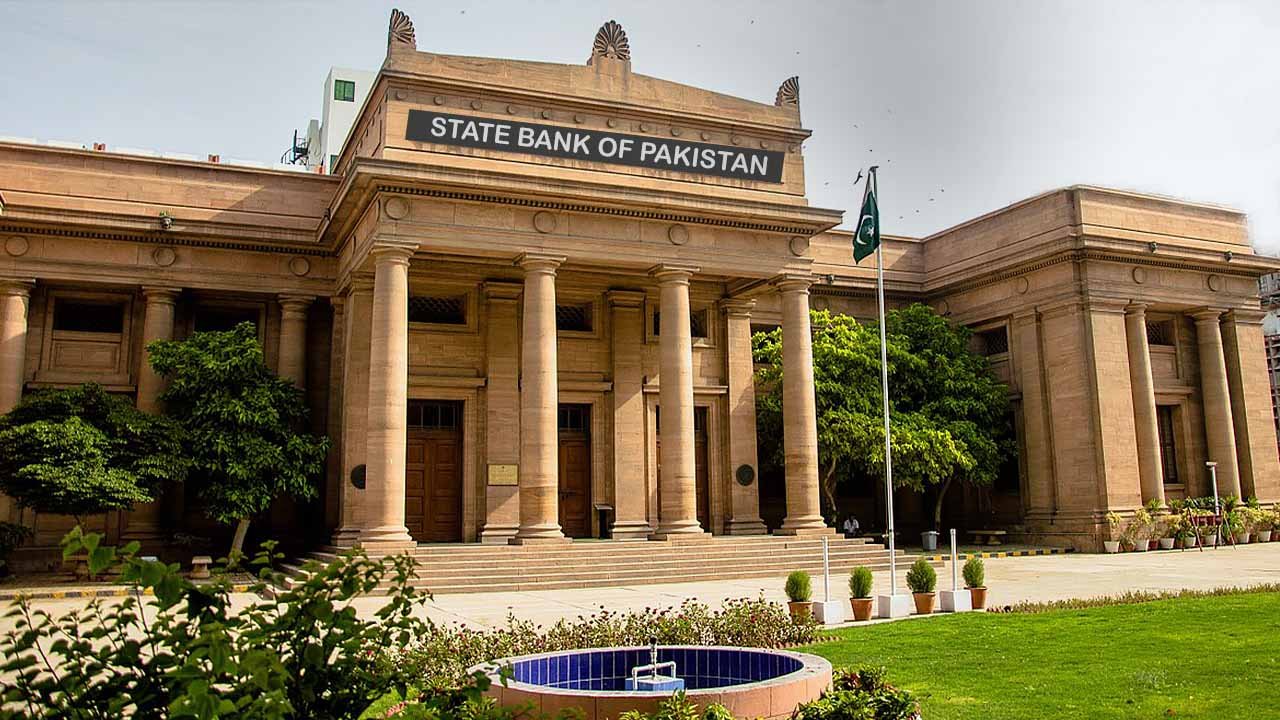
    The State Bank of Pakistan (SBP) announced a rise of $12 million in its foreign exchange reserves, reaching $8.05 billion, as detailed in a statement released on Thursday. The nation’s overall liquid foreign reserves, encompassing both SBP and commercial banks, amounted to $13.379 billion as of August 11. Among these, commercial banks held net reserves totaling $5.3237 billion, as reported by the SBP.

    While the central bank did not provide specifics on the cause behind the augmentation of foreign exchange reserves, the situation presents an upbeat stance. Nevertheless, it’s worth noting that the existing reserves would barely cover imports for a span slightly exceeding two months.

    Notably, the previous month saw a notable escalation in SBP reserves due to inflows from the United Arab Emirates, Saudi Arabia, and the International Monetary Fund (IMF), following the formalisation of a $3 billion Stand-by Arrangement (SBA) with the global financial institution.

    According to Geo, in a departure from market predictions, the SBP opted to maintain the key policy rate at 22 per cent during the preceding month. This stance diverged from expectations, particularly those guided by IMF recommendations. SBP Governor Jameel Ahmed conveyed this decision following a Monetary Policy Committee (MPC) meeting. Explaining the rationale, he stated that given the decline in inflation, there was no inclination to increase the interest rate.

    During a press conference, Governor Ahmed also shared insights into the nation’s economic trajectory. He projected a growth rate ranging from 2 per cent to 3 per cent for the upcoming year. Highlighting the government’s actions, he mentioned the complete removal of import restrictions. This move, coupled with financial inflows from the IMF and other supportive nations, led to a $4.2 billion upswing in Pakistan’s foreign exchange reserves in July.

  • Pakistani rupee drops to Rs295 against US dollar

    Pakistani rupee drops to Rs295 against US dollar

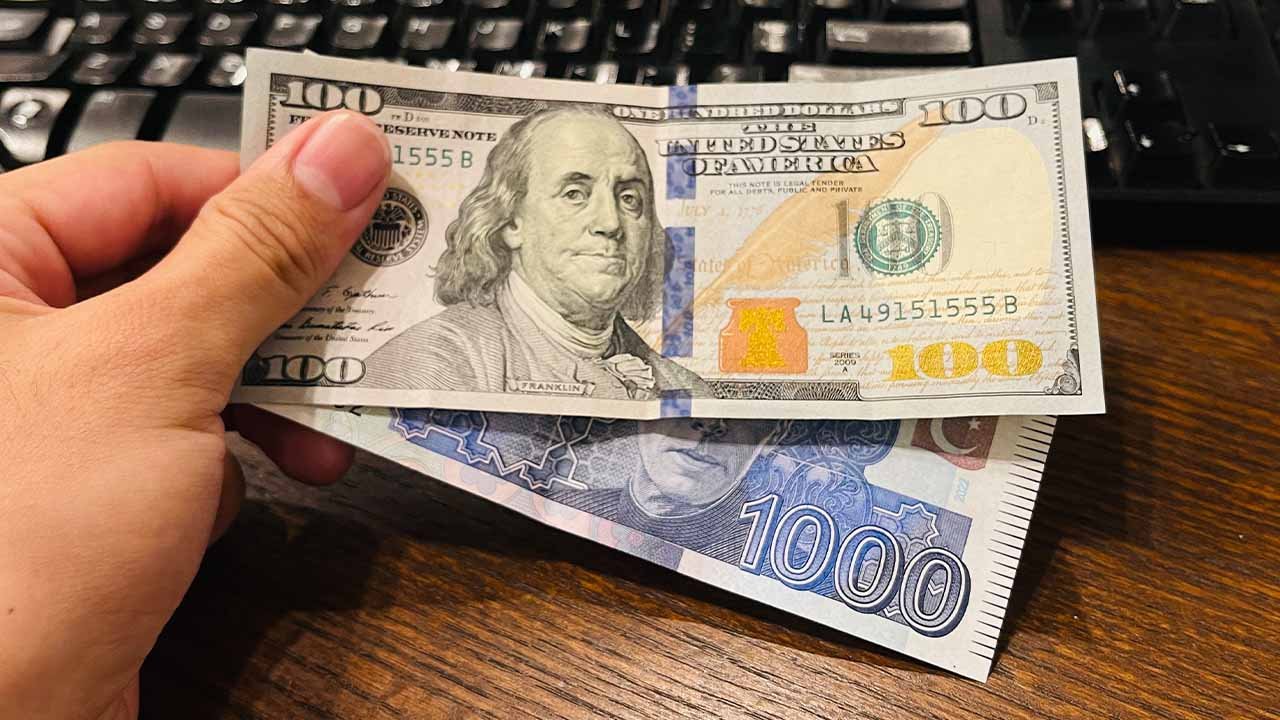
    It appears that the Pakistani rupee is poised to shatter previous records and reach an new all-time low, as the local currency continued its decline against the US dollar on Wednesday, decreasing by 1.16 per cent in the inter-bank market.

    By the end of the day, the rupee settled at Rs294.93 against the US dollar, marking a decline of Rs3.42, as reported by the State Bank of Pakistan (SBP).

    This represents its lowest point since May 11 of this year, when it hovered near Rs299.

    Just one day prior, on Tuesday, the rupee also experienced a setback against the US dollar, concluding at Rs291.51.

  • Pakistan’s foreign exchange reserves rise to $8.4 billion

    Pakistan’s foreign exchange reserves rise to $8.4 billion

    Foreign exchange reserves held by the State Bank of Pakistan (SBP) have surged by over $4 billion following a deposit of $1.2 billion from the International Monetary Fund (IMF).

    As per data shared by the central bank, Pakistan has also received $1 billion from the UAE and $2 billion from Saudi Arabia, resulting in a significant increase in the SBP’s foreign exchange reserves, which now stand at $8.4 billion.

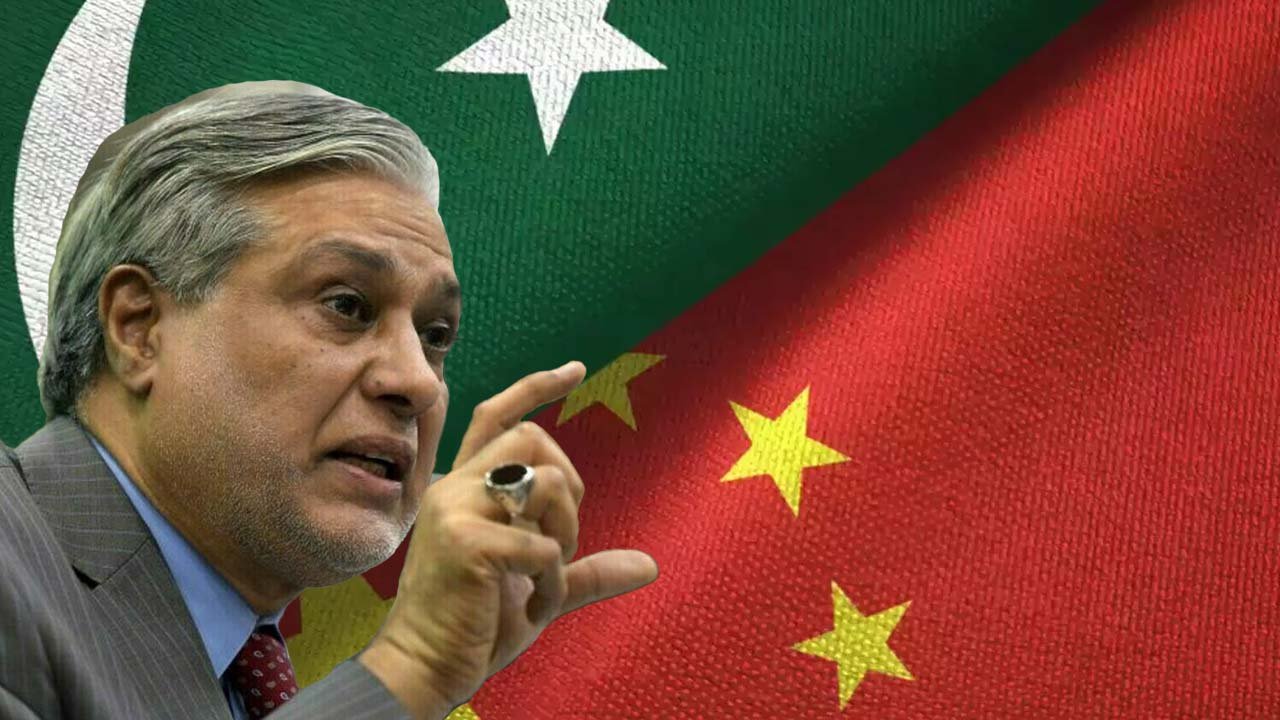
    During a televised address earlier today, Finance Minister Ishaq Dar stated that Pakistan’s foreign exchange reserves are projected to reach approximately $13-$14 billion by July 14.

    He emphasised that Pakistan is experiencing a resurgence in development and prosperity. Minister Dar acknowledged the instrumental role played by Prime Minister Shehbaz Sharif in reaching an agreement with the IMF, highlighting the unwavering support provided by the economic team throughout the intricate process.

    It is noteworthy that the International Monetary Fund granted approval for a $3 billion loan to Pakistan, subsequent to the signing of a staff-level agreement last month.

  • Pakistan receives $1.2 billion deposit from IMF

    Pakistan receives $1.2 billion deposit from IMF

    The State Bank of Pakistan (SBP) has received a substantial deposit of $1.2 billion from the International Monetary Fund (IMF), offering a glimmer of hope to the economically strained nation that has been on the verge of default for an extended period.

    This deposit follows the approval by the IMF’s executive board, during a late-night session, of a nine-month programme under a $3 billion Stand-By Agreement (SBA). The agreement, reached after arduous negotiations over fiscal discipline lasting eight months, marks a significant milestone for Pakistan.

    Last month, Pakistan successfully reached a staff-level agreement with the IMF, securing a short-term pact that exceeded expectations in terms of funding for the country, which is home to 230 million people. This achievement is of particular importance given the acute balance of payments crisis that Pakistan faced, with its central bank reserves barely sufficient to cover a month’s worth of controlled imports.

    During a televised address from Islamabad, Finance Minister Ishaq Dar expressed that Pakistan will receive the remaining balance of the agreed amount following two reviews. The first review is scheduled for November, while the second review will take place in February.

    These reviews are crucial milestones that need to be met to ensure the disbursement of the funds by the IMF, thus supporting Pakistan’s pursuit of economic stability.

  • State Bank of Pakistan’s foreign exchange reserves surge to $4.46 billion with $393 million increase

    State Bank of Pakistan’s foreign exchange reserves surge to $4.46 billion with $393 million increase

    The State Bank of Pakistan (SBP) has announced an increase of $393 million in its foreign exchange reserves, bringing the total to $4.46 billion. In an official statement, the central bank stated that this rise occurred on June 30, 2023. The boost in reserves is seen as a positive development for the country’s economy.

    At the same time, the overall liquid foreign reserves held by Pakistan now stand at $9.74 billion, with commercial banks accounting for $5.28 billion of that amount. These figures reflect the country’s efforts to stabilise its foreign reserves and strengthen its financial position.

    This increase in foreign exchange reserves is largely attributed to Pakistan’s recent agreement with the International Monetary Fund (IMF). The country signed a staff-level agreement with the IMF, amounting to $3 billion, for a duration of 9 months. The IMF’s “Stand-By Arrangement” with Pakistan has been successfully concluded, signaling a positive outlook for the nation’s economic stability.

    Nathan Porter, the IMF Mission Chief, commended Pakistan for its commitment to achieving its economic goals and acknowledged the parliament’s crucial role in this accomplishment. He emphasised that the staff-level agreement under the Stand-By Arrangement is a significant milestone.

    The agreement is now awaiting final approval from the IMF’s executive board, which is anticipated to occur in mid-July. Once approved, Pakistan will be eligible to receive the $3 billion loan from the IMF.

    In his remarks, Porter highlighted the parliament’s efforts to enhance tax revenues, an essential component of Pakistan’s economic growth. The parliament has taken noteworthy steps to increase funds allocated to the Benazir Income Support Programme and has also limited tax exemptions.

    These measures are expected to lead to an increase in tax revenues, which, in turn, could result in a primary surplus of 0.4 per cent for Pakistan’s economy. The additional funds generated through these increased tax revenues can then be directed towards crucial social sectors.

    Overall, the increase in foreign exchange reserves for the State Bank of Pakistan is an encouraging sign for the country’s economic stability. With the IMF agreement on the horizon and the parliament’s dedication to boosting tax revenues, Pakistan is poised to make significant strides in its economic development.

    The final approval of the agreement by the IMF’s executive board will mark a crucial milestone in Pakistan’s journey towards a more prosperous future.

  • Pakistani rupee closes at Rs277.41 as US dollar recovers by nearly Rs2 in interbank trade

    Pakistani rupee closes at Rs277.41 as US dollar recovers by nearly Rs2 in interbank trade

    The US dollar appears to have bounced back on Wednesday at the opening of interbank trade, as it gained 31 paisas. The American currency closed at Rs277.41 after gaining Rs1.97 against the local unit. The dollar was exchanged for Rs275.75 at the start of the trading session on Wednesday.

    However, later the greenback gained even more value with Rs1.31 in interbank trade and was being traded at Rs276.75. In just a short while, the currency gained even more strength with Rs1.56 and was traded at Rs277.

    Owing to the strengthening of the dollar in the interbank trade, the currency’s value stopped falling in the open market also. Its value remained stable at Rs280 in the open market. On Tuesday, the greenback had lost a massive Rs10 in the interbank market.

    On the other hand, the Pakistan Stock Exchange continued its bullish trend. The shares of energy, oil and gas, and refinery companies were shared in the market.

    The stock exchange retained its limit of 44,000 points on Wednesday morning. The KSE-100 index rose with 472 points to 44,030 points. At the start of the trading session, the index gained 200 points to reach 43,770 points.

  • SBP calls for action against unauthorised mobile apps providing online banking services

    SBP calls for action against unauthorised mobile apps providing online banking services

    The State Bank of Pakistan (SBP) has raised concerns about commercial banks jeopardising depositors’ funds by allowing unauthorised mobile phone applications to offer online banking services to clients.

    The central bank issued a notification to regulated entities (REs) that provide digital banking services, warning about the use of unlicensed digital lending mobile applications and platforms.

    These applications integrate with customers’ bank accounts for loan disbursement, creditworthiness checks, and collections, posing consumer protection risks and potential harm to banks’ reputation.

    Regulated entities encompass commercial banks, microfinance banks (MFBs), payment system operators, payment service providers, and electronic money institutions (EMIs).

    The central bank explicitly stated that REs should not provide services such as deposits, lending products, mobile application integration with third parties, payment gateway services, credit scoring and creditworthiness checks, wallet services, and/or API integration services to unlicensed digital lending platforms, whether directly or indirectly.

    IT expert Noman Ahmad, speaking to The Express Tribune, emphasised the need for the central bank to disclose the names of financial institutions offering services through unlicensed applications. By doing so, depositors would have the opportunity to withdraw and safeguard their deposits before any unexpected events occur. He expressed surprise that unauthorised mobile platforms were offering banking services despite the SBP’s status as a responsible regulator.

    Banks in Pakistan manage deposits totaling approximately Rs23 trillion and serve 67.52 million depositors in a population of 227 million. The country has 103 million branchless banking accounts, while EMIs oversee 1.60 million accounts (e-wallets).

    The SBP’s notification advises REs to verify the licensing status and authorisation of digital lending platforms and mobile applications from relevant regulatory bodies, including the Securities and Exchange Commission of Pakistan and the central bank itself. This verification should be conducted as part of the know-your-client and customer due diligence processes.

    Furthermore, REs are urged to implement reasonable measures during customer onboarding and transaction monitoring to prevent unauthorised financial service providers from utilising their banking channels and platforms, either directly or indirectly.

  • Pakistan’s foreign exchange reserves get a boost as China rolls over $1 billion loan

    Pakistan’s foreign exchange reserves get a boost as China rolls over $1 billion loan

    In a significant development, China has rolled over a $1 billion loan to Pakistan, bolstering the country’s foreign exchange reserves held by the State Bank of Pakistan (SBP). This move comes as a much-needed relief for cash-strapped Pakistan, which has been grappling with a severe liquidity crunch and the looming expiration of its International Monetary Fund (IMF) programme.

    Pakistan’s Finance Minister Ishaq Dar said that the $1 billion loan from China would be received on Monday. Additionally, negotiations are underway with the Bank of China for a loan amounting to $300 million. Pakistan is also set to benefit from the dollars obtained through its swap agreement with China.

    Prior to this infusion of funds, the SBP and commercial banks jointly held foreign exchange reserves amounting to $9.4 billion as of June 9. With the $1 billion loan, the reserves will rise to $10.4 billion, providing some stability to Pakistan’s economic situation.

    The IMF has made external financing a prerequisite for Pakistan, emphasising the importance of securing additional funds. In an effort to address its financial challenges, Pakistan had approached China to refinance commercial loans worth $1.3 billion. However, without the revival of the IMF programme, the SBP’s foreign exchange reserves were at risk of plummeting to less than $3 billion.

    Despite these positive developments with China, Pakistan is still struggling to secure external financing in a timely manner, primarily due to ongoing political instability. The country’s fragile economy, valued at $350 billion, continues to be in turmoil, with financial woes exacerbating the situation. The delayed agreement with the IMF has further compounded the need for crucial funding to avoid the risk of default.

    Negotiations between the Pakistani government and the IMF have been ongoing since the end of January to resume the $1.1 billion loan tranche that has been on hold since November. This loan is part of a larger $6.5 billion Extended Fund Facility agreed upon in 2019. The impending challenge lies in repaying $900 million to multilateral creditors, which includes both principal and mark-up repayments, by the end of June 2023.

    Pakistan remains hopeful that these recent developments with China will provide some respite in the face of its economic challenges. However, the government must continue its efforts to secure external financing and navigate through the political instability to ensure long-term stability and growth for the country’s economy.