Tag: SBP

  • Saudi Arabia mulls increasing investments in Pakistan to $10 billion

    Saudi Arabia mulls increasing investments in Pakistan to $10 billion

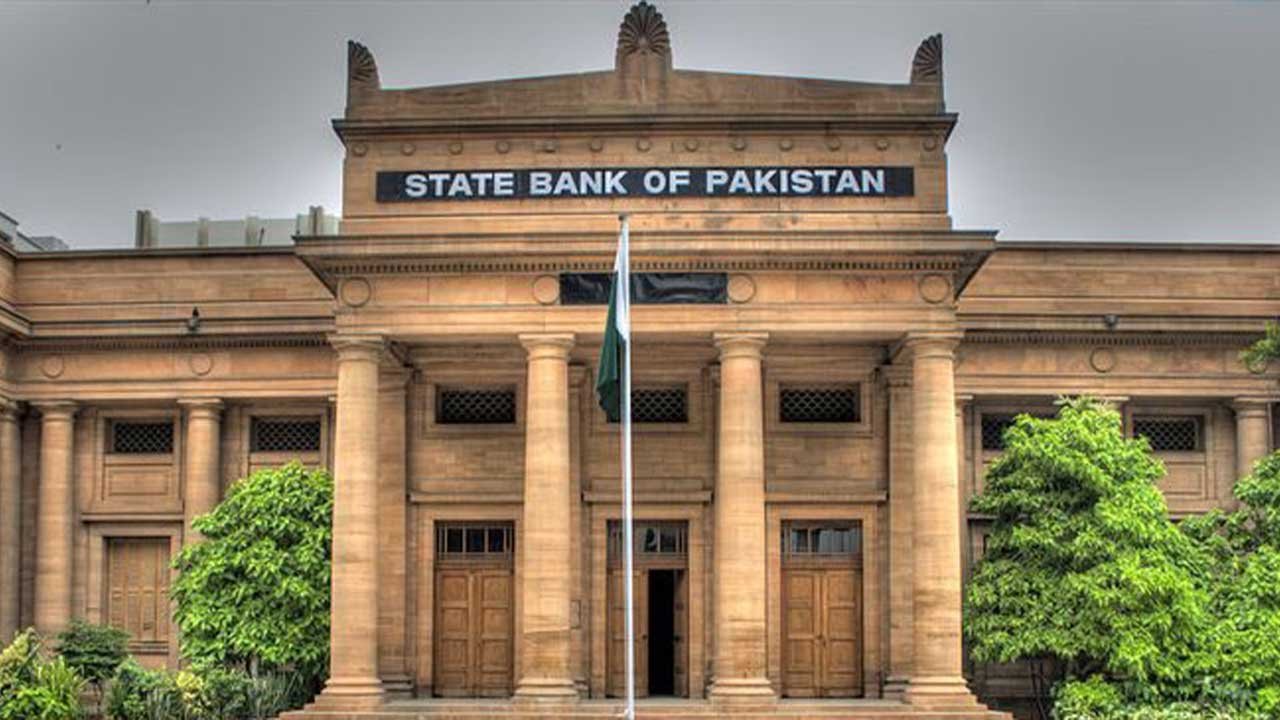
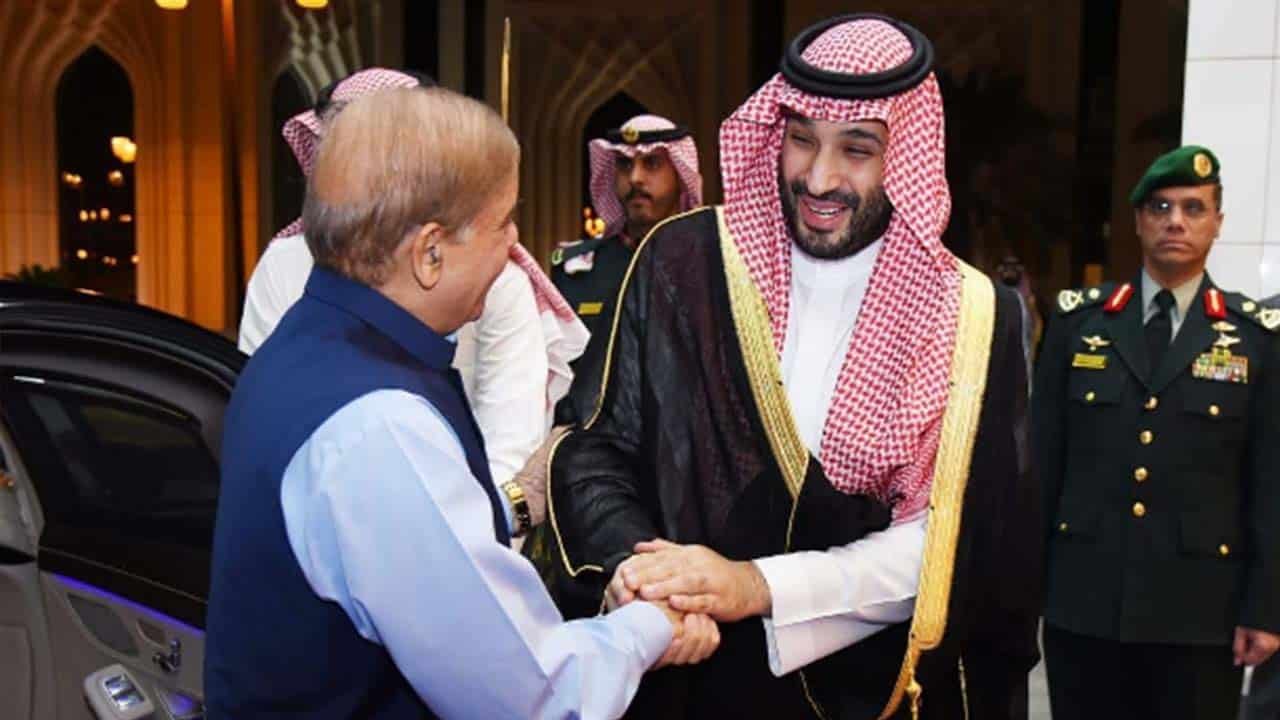
    Saudi Crown Prince Mohammed Bin Salman has directed the Saudi Development Fund (SDF) to study increasing the deposit amount in the State of Bank of Pakistan (SBP) to $5 billion.

    “His Royal Highness Prince Mohammed bin Salman bin Abdulaziz Al Saud, Crown Prince and Prime Minister, has directed to study augmenting the Kingdom of Saudi Arabia’s investments in the sisterly Islamic Republic of Pakistan which have previously been announced on August 25, 2022, to reach $10 billion,” it said.

    “The crown prince also directed the Saudi Development Fund to study increasing the amount of the deposit provided by the Kingdom of Saudi Arabia in favour of the Central Bank of Pakistan which have previously been extended on December 2, 2022, to hit a $5 billion ceiling,” according to Saudi Press Agency.

    The move, according to SPA, confirmed Saudi Arabia’s commitment to assist Pakistan’s economy and its sisterly people.

    The development was reached within the framework of the ongoing dialogue between Prime Minister Shehbaz Sharif and Prince Salman.

    The announcement made today comes the day after Prince Salman and Chief of Army Staff General Asim Munir met in Madina to discuss ways to strengthen bilateral ties between the two nations. Munir was on a week-long official visit to Saudi Arabia and the United Arab Emirates.

    The SBP and SFD entered into a contract in 2021 for the SBP to receive $3 billion, which would be deposited in the central bank’s account to increase its foreign exchange reserves.

    The SFD subsequently acknowledged the rollover of a $3 billion deposit for an additional year in September of last year. The deposit was supposed to maturity on December 5 but Saudi Arabia extended its term on December 2.

    Saudi Arabia had previously committed to restart its financial assistance to Pakistan in the final week of October 2021, providing $1.2 billion in oil deliveries on a deferred payment plan and around $3 billion in safe deposit boxes.

    The accord was made the same month when former prime minister Imran Khan visited Saudi Arabia.

  • Ishaq Dar says Pakistan’s foreign exchange reserves will strengthen soon

    Ishaq Dar says Pakistan’s foreign exchange reserves will strengthen soon

    Pakistan’s foreign exchange reserves, which currently stand at $10 billion, will strengthen very soon, according to Finance Minister Ishaq Dar.

    Dar recalled the economic achievements made by the PML-N government from 2013 to 2018, saying that during that time, the GDP of the nation increased from $244 billion to $356 billion.

    He said, “Pakistan reserves stood at a total of $10 billion — $4 billion of the State Bank of Pakistan and $6 billion of commercial banks. Pakistan is repaying its loans on time, and the foreign exchange reserves will soon boost.”

    The finance minister announced that an IMF group would soon be in the nation and that he would be seeing IMF representatives at the Geneva summit.

    The coalition administration plans to seek money at the International Conference on Climate Resilient Pakistan on January 9 in Geneva, Switzerland, in order to recover from the disastrous floods.

    Dar informed the media outlet that he will travel to the United Arab Emirates (UAE) for a three-day official tour after his visit to Geneva comes to an end.

    “Funds from Saudi Arabia and other friendly countries will soon be received,” the finance minister said, who told journalists earlier this week that he expects inflows from China “in a few days.”

  • Pakistani banks start charging dollar transactions at open market rates

    Pakistani banks start charging dollar transactions at open market rates

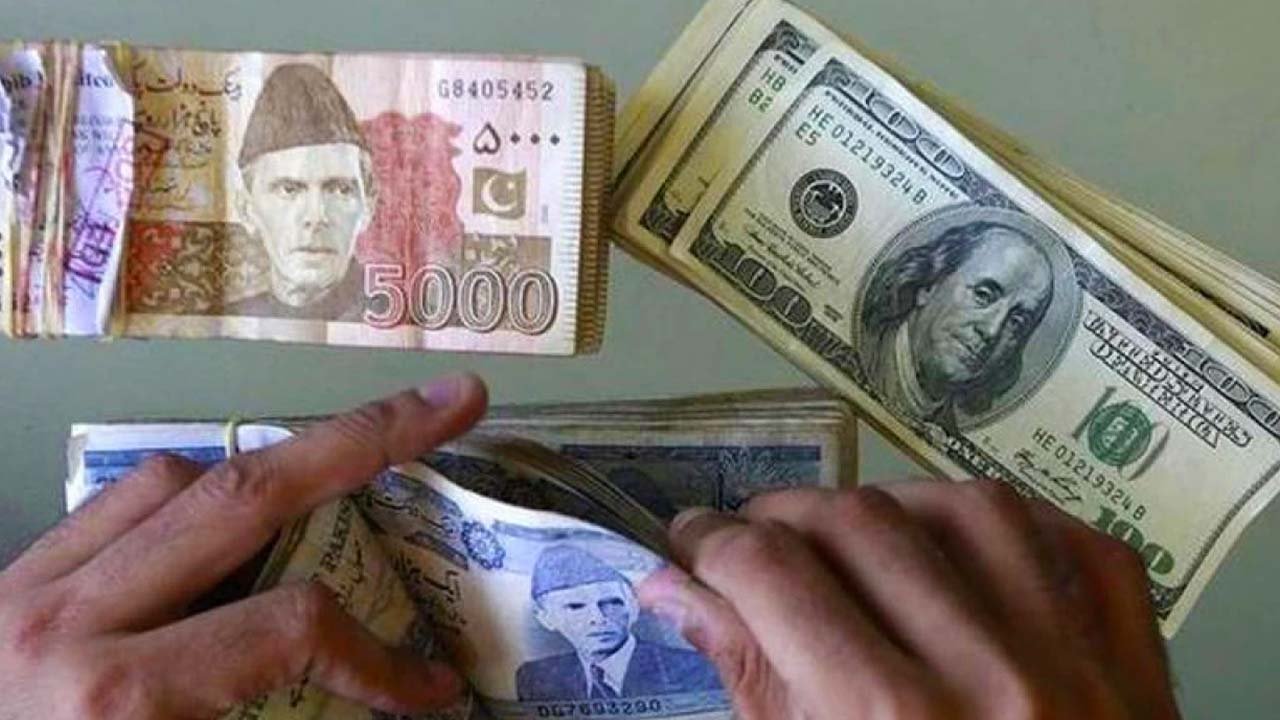
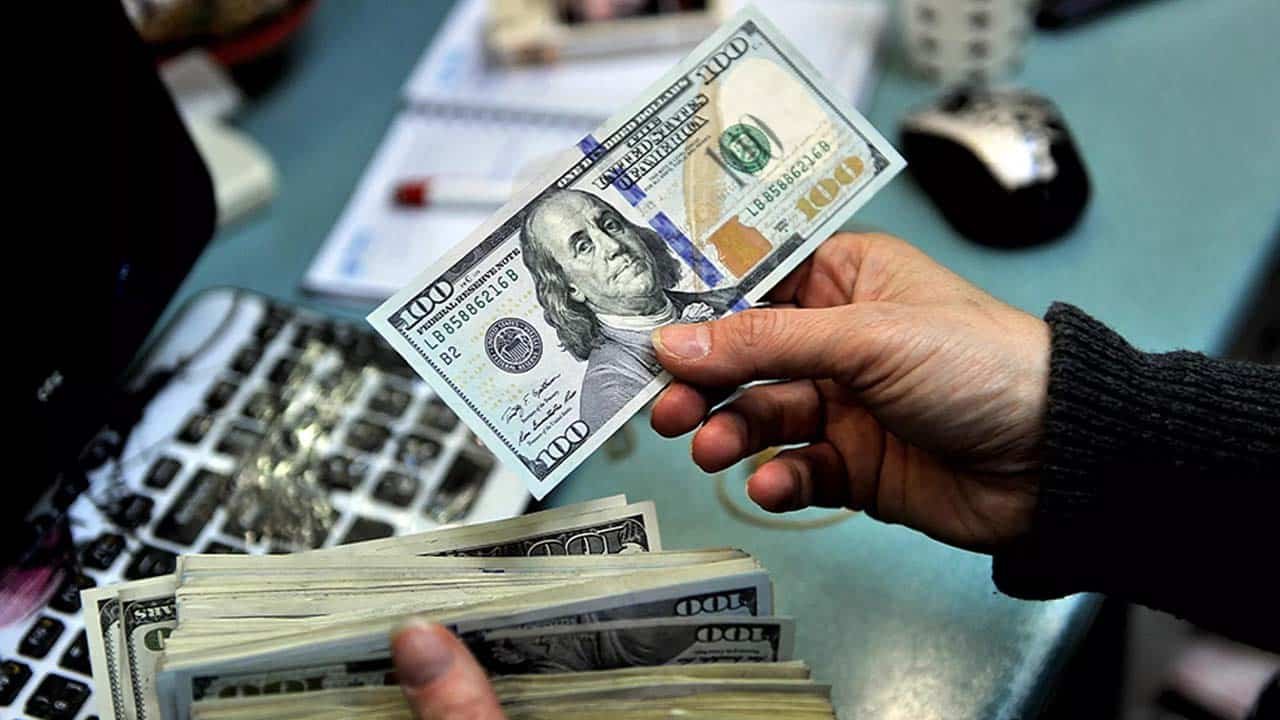
    Pakistani banks have announced that they will settle debit and credit card transactions made with foreign retailers and websites at the open market exchange rate for the US dollar.

    The conversion rate for the transactions would be calculated by the open market rate in place at the time, which might not match the rate listed on the foreign merchant’s website.

    Customers were advised by the banks in a statement that they could only settle debit or credit card purchases with foreign retailers or websites by buying dollars on the open market. As a result, the conversion rate for these transactions will be determined by the current open market rate.

    The statement, according to bankers, was made in response to several client concerns over the increased exchange rate.

    On Friday, the Pakistani rupee lost Rs0.02 to the US dollar in the interbank market, continuing its downward trajectory.

    The State Bank of Pakistan (SBP) reported that the exchange rate of the local currency for the dollar was Rs227.12. Which shows a 0.01 per cent decline from the close of Rs227.12 on Thursday.

    According to SBP, the Pakistani rupee is valued at Rs227–228 against the dollar. However, in the open market, the greenback is priced above Rs250 and goes as high as Rs275.

  • SBP to start issuing new banknotes with Governor Jameel Ahmad’s signature from today

    SBP to start issuing new banknotes with Governor Jameel Ahmad’s signature from today

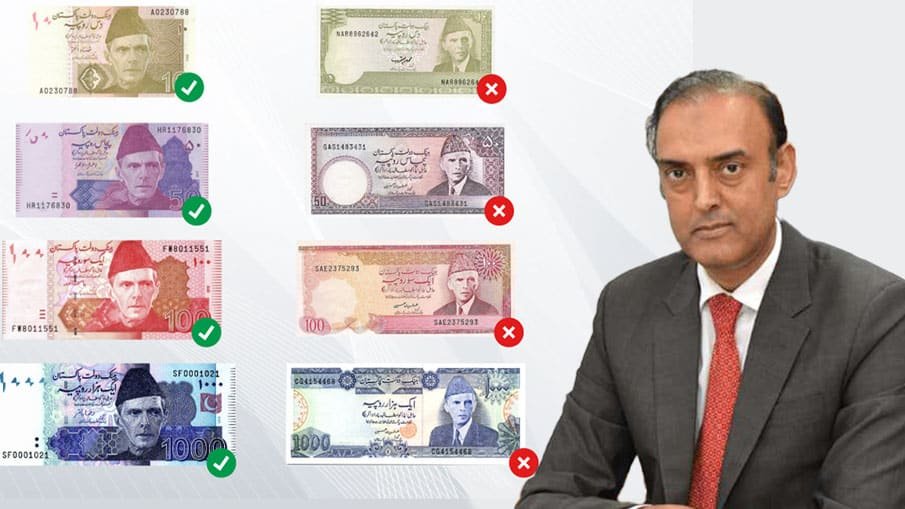
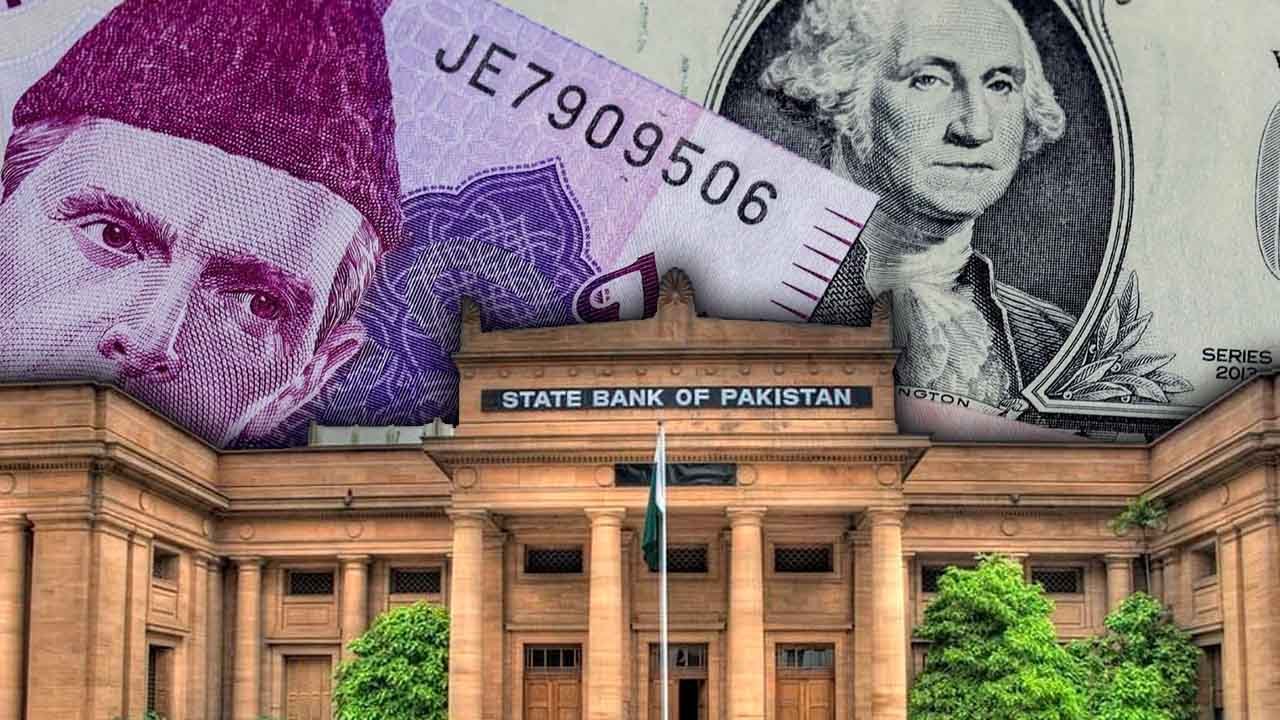
    The State Bank of Pakistan (SBP) will start issuing new banknotes on December 29, 2022.

    The new SBP Banking Services Corporation banknotes will include the signature of the new governor, Jameel Ahmad.

    Banknotes containing the signatures of his predecessors will also remain legal tender.

    Earlier, the SBP stated that banknotes of the old design, large-sized banknotes with denominations of Rs10, Rs50, Rs100, and Rs1,000 could be exchanged from the SBP till December 31, 2022.

    The federal government extended the deadline for exchanging old designed large-size banknotes in Notification F.No.2(1)IF-III/2010 until December 23, 2021.

    In a statement, State Bank stated that December 31, 2022, was the “last and final deadline for exchange of such banknotes, upon expiry of which, these banknotes shall no longer be exchangeable from the counters of the SBP Banking Services Corporation (BSC) and thus will lose their value.”

  • SBP to lift import restrictions next week

    SBP to lift import restrictions next week

    The government has lifted import restrictions on commodities intended for vehicle manufacturing, mobile production, solar power equipment, and nuclear reactors for power generation projects commencing in 2023, despite Pakistan’s limited foreign exchange reserves.

    Simultaneously, authorised dealers (ADs – largely commercial banks) have been encouraged to prioritise the import of food and energy products. They should consider enabling the import of non-essential and luxury products after first providing for the necessities.

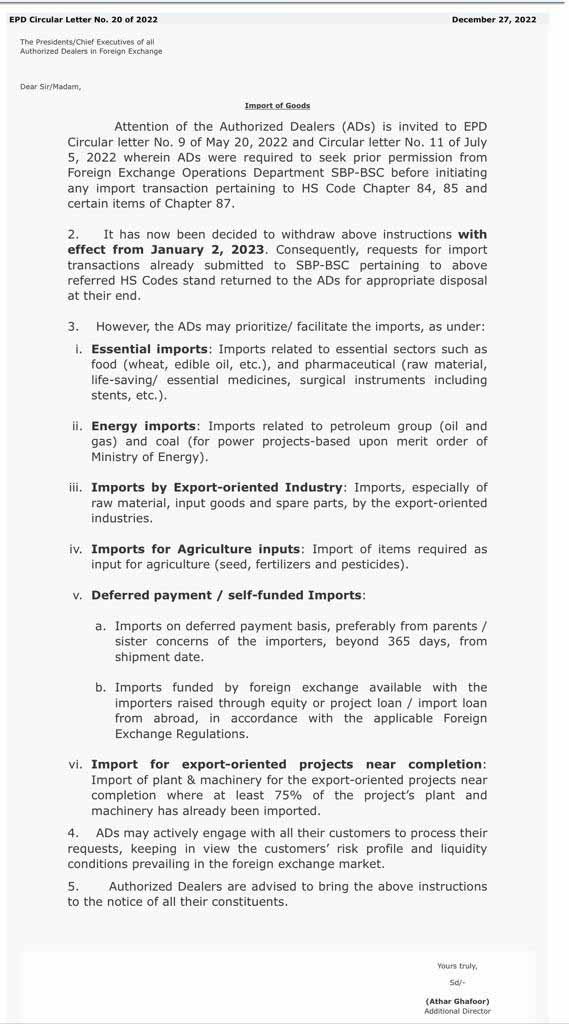
    The State Bank of Pakistan (SBP) reminded ADs on Tuesday that for the past eight months, they had been required to obtain prior permission from the Foreign Exchange Operations Department, SBP-BSC, before initiating any import transaction involving HS Code Chapters 84, 85, and certain items of Chapter 87.

    “It has now been decided to withdraw instructions (of prior permission) with effect from January 2, 2023. Consequently, requests for import transactions already submitted to SBP-BSC pertaining to referred HS codes stand returned to the ADs for appropriate disposal at their end,” the SBP said in the circular.

    Arif Habib Limited (AHL) Head of Research Tahir Abbas said that the import system may “continue to work in its present form. The removal of restrictions will not re-open imports in a full-fledged manner.”

    He stated that due to the country’s short foreign exchange reserves, the government has encouraged banks to first allow the import of necessary items before catering to others.

    The SBP advised ADs (commercial banks) to “prioritise and facilitate the import of essential sectors such as food (wheat and edible oil) and pharmaceuticals (raw material, life-saving or essential medicines, and surgical instruments, including stents).”

    According to Express Tribune, the second priority of ADs is to focus on energy imports “like oil, gas, and coal” (for power projects based on the merit order of the Ministry of Energy).

    Imports for export-oriented businesses should be prioritised as well. They should facilitate “imports, especially of raw materials, input goods, and spare parts, by the export-oriented industries,” stated the SBP. Imports of agri-inputs should be the fourth priority of ADs, as explained by SBP: “import of items required as inputs for agriculture (seed, fertilizers, and pesticides).”

  • SBP-held foreign exchange reserves drop to 8-year low

    SBP-held foreign exchange reserves drop to 8-year low

    The foreign exchange reserves held by the State Bank of Pakistan (SBP) continued their declining spree, plunging by $584 million to reach $6.1 billion as of December 16.

    According to SBP, this is the lowest level of reserves since April 2014.

    SBP’s reserves have decreased by $11.6 billion over the past 12 months. The central bank’s reserves, which were $17.7 billion in December 2021 and are now at $6.1 billion, hardly cover a month’s worth of imports.

    Pakistan’s total liquid foreign reserves are currently $12 billion, with $5.9 billion of that amount held by commercial banks as net foreign reserves.

    The lack of foreign assistance along with a delay in the IMF program’s revival, a greater trade imbalance, and rising foreign debt payments severely depleted the reserves.

    The Fund’s criticism over an elevated budget deficit is said to be the reason why the ninth review discussions have been postponed.

    While the IMF urges that the government must stabilize the economy, the government seems unwilling to levy more taxes in order to raise income.

  • Auto financing in Pakistan declines for fourth straight month due to high interest rates

    Auto financing in Pakistan declines for fourth straight month due to high interest rates

    The number of outstanding auto loans declined for the fourth consecutive month at the end of October, according to data issued by the State Bank of Pakistan (SBP).

    At the end of November, the total amount of outstanding vehicle loan was Rs345 billion, which is Rs0.1 billion less than the Rs346 billion number for October 2021. The most recent amount owed on auto loans is 1.4 percentage points less than it was in September 2022.

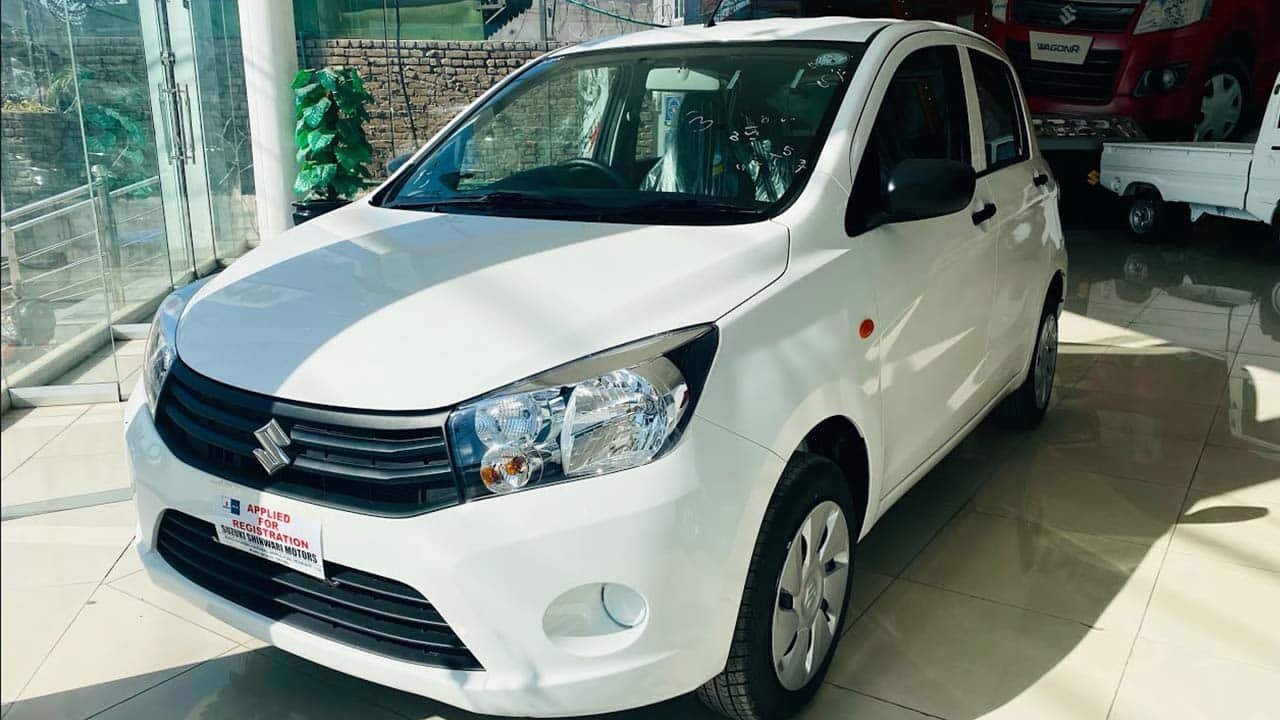
    Buyers have been compelled to put off making purchases due to a sharp rise in car prices, skyrocketing interest rates, different SBP efforts to slow down auto financing, factory closures of several assemblers in recent months due to import restrictions, and delays in the delivery of vehicles.

    However, a few new automakers have recently begun to provide immediate delivery of cars in exchange for full payment following the port clearance of their imported auto kits. However, their sales may still be hampered by high pricing and a sharp rise in the benchmark interest rate last month.

    The SBP is forecasting another 100 basis point increase in the key interest rate to 16 per cent, which will cause auto demand to remain subpar for at least the coming year.

    Consumers must now make larger monthly payments on auto loans because the benchmark interest rate has increased from 7.25 per cent to 16 per cent since September 2021.

    The average 40 per cent increase in car costs since September 2021 is one of the key causes of buyer concerns.

    For instance, the price of a Honda City manual is now Rs3.77 million as opposed to Rs2.59 million in September 2021.

    In order to prevent the sale of expensive vehicles, auto loans were limited to a maximum of Rs3 million, and the length of time it took to repay them was also shortened.

  • PKR remains largely stable after Pakistan receives $500 million

    PKR remains largely stable after Pakistan receives $500 million

    Strangely, the Pakistani rupee (PKR) did not increase or decrease at the time of closing on Tuesday. The PKR’s closing rate was Rs223.95 and showed no change from its previous closing rate of Rs223.95.

    The local currency only declined by one paisa on Monday.

    After falling for four straight days, the rupee’s slide against the US dollar came to an end today. The market confidence was bolstered by the Finance Division’s earlier confirmation of receiving $500 million from the Asian Infrastructure Investment Bank (AIIB).

    What do Pakistanis think of the current dollar exchange rate?

    Some Twitter users claim that the government is controlling exchange rates, which will harm the economy in the long run since exporters are reluctant to accept payments made through banking channels and question why they should sell dollars to banks for less when the open market price is more than Rs250.

    The daily dollar rate announcement from SBP, according to a Twitter user, has lost all relevance because “the rate is controlled and not determined by market forces. The hefty difference between the interbank rate and the open market rate proves the point.”

  • Pakistan receives $500 million from Asian Infrastructure Investment Bank

    Pakistan receives $500 million from Asian Infrastructure Investment Bank

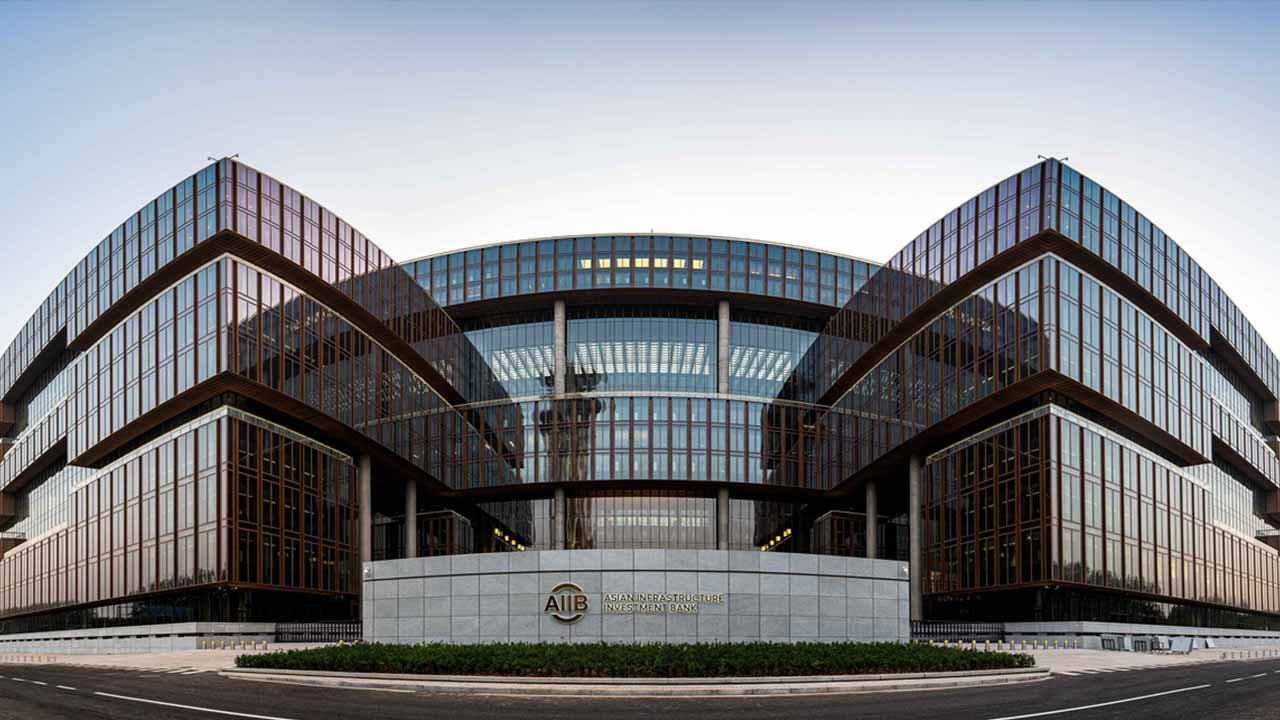
    The government of Pakistan on Tuesday received $500 million from Asian Infrastructure Investment Bank (AIIB), the Ministry of Finance announced on Tuesday.

    “Government of Pakistan has today received $500 million from AIIB. The funds are deposited with the State Bank of Pakistan (SBP) and will augment our reserves,” the ministry said.

    The funds by AIIB are crucial for the cash-strapped country, which has seen its foreign exchange reserves dwindle in recent months. The country’s reserves stood at $7.8 billion as of November 18.

    “During the week ended on November 18, 2022, SBP’s reserves decreased by $134 million to $7,825.7 million due to external debt repayment,” said the SBP on Friday.

    It is important to note that on October 26, 2022, the SBP got $1.5 billion from ADB as a loan disbursement for the government of Pakistan.

    An agreement between the ADB and Pakistan was inked last month to offer a $1.5 billion loan for budgetary support as well as assistance with flood-related repair and reconstruction efforts.

    The government’s $2.3 billion countercyclical development spending programme, created to lessen the effects of external shocks like the Russian invasion of Ukraine, was funded in part by a loan issued under the BRACE Program.

  • Pakistan will pay back $1 billion international bond 3 days before its due date: SBP governor

    Pakistan will pay back $1 billion international bond 3 days before its due date: SBP governor

    State Bank of Pakistan (SBP) Governor Jameel Ahmad said on Friday that Pakistan will pay back a $1 billion international Sukuk bond three days before its due date of December 5, 2022.

    Given that Pakistan is recovering from terrible floods that claimed more than 1,700 lives and experiencing an economic crisis, there has been rising concern about its capacity to satisfy its obligations for external finance.

    SBP Governor stated during a briefing that the bond repayment, which expires on December 5, totals $1.08 billion.

    In order to guarantee that the repayment would not have an impact on foreign exchange reserves, Jameel noted that finance had been arranged from both international and bilateral sources. Next week on Tuesday, the Asian Infrastructure Investment Bank was anticipated to make an immediate infusion of $500 million, he added.

    As of November 18, Pakistan’s reserves at the central bank were just $7.8 billion, which is not enough to pay for a month’s worth of imports.

    However, Jameel stressed that he was optimistic the reserve number will be “far higher” by the end of the financial year in June 2023. Reserve levels will rely on the continuous realisation of anticipated inflows and the rollover of loans from friendly nations.

    He stated at the briefing that he anticipates that the inflows from foreign lenders would allow him to meet his external finance needs on schedule. Despite payments of $1.8 billion in November, he emphasised that reserves were steady.

    The early completion of Pakistan’s flood recovery plan, according to the International Monetary Fund (IMF), is crucial for negotiations and ongoing financial assistance from multilateral and bilateral partners.

    Pakistan is now enrolled in an IMF bailout programme, which it joined in 2019. Despite the fact that Pakistan is fighting a full-blown economic crisis with decades-high inflation and limited reserves, a fixed date for the ninth review to release much-needed cash is still pending.