Tag: schools

  • B Form no longer needed for admission to federal government schools

    B Form no longer needed for admission to federal government schools

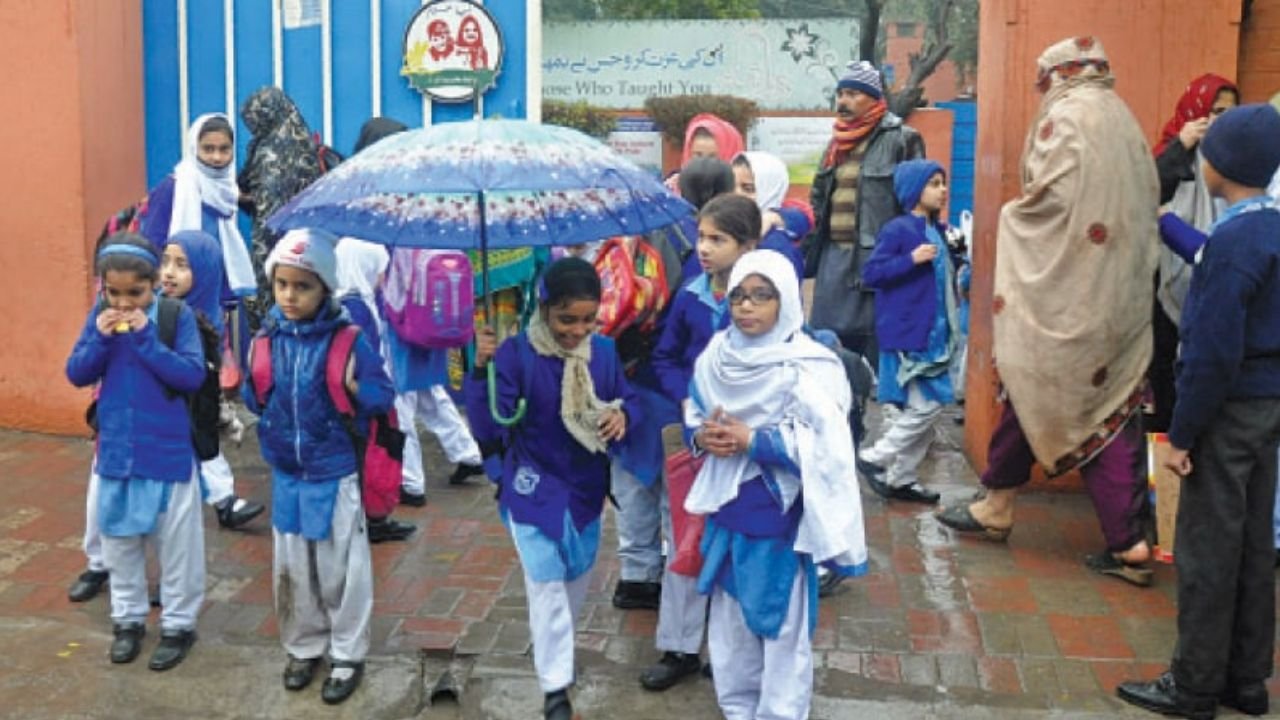
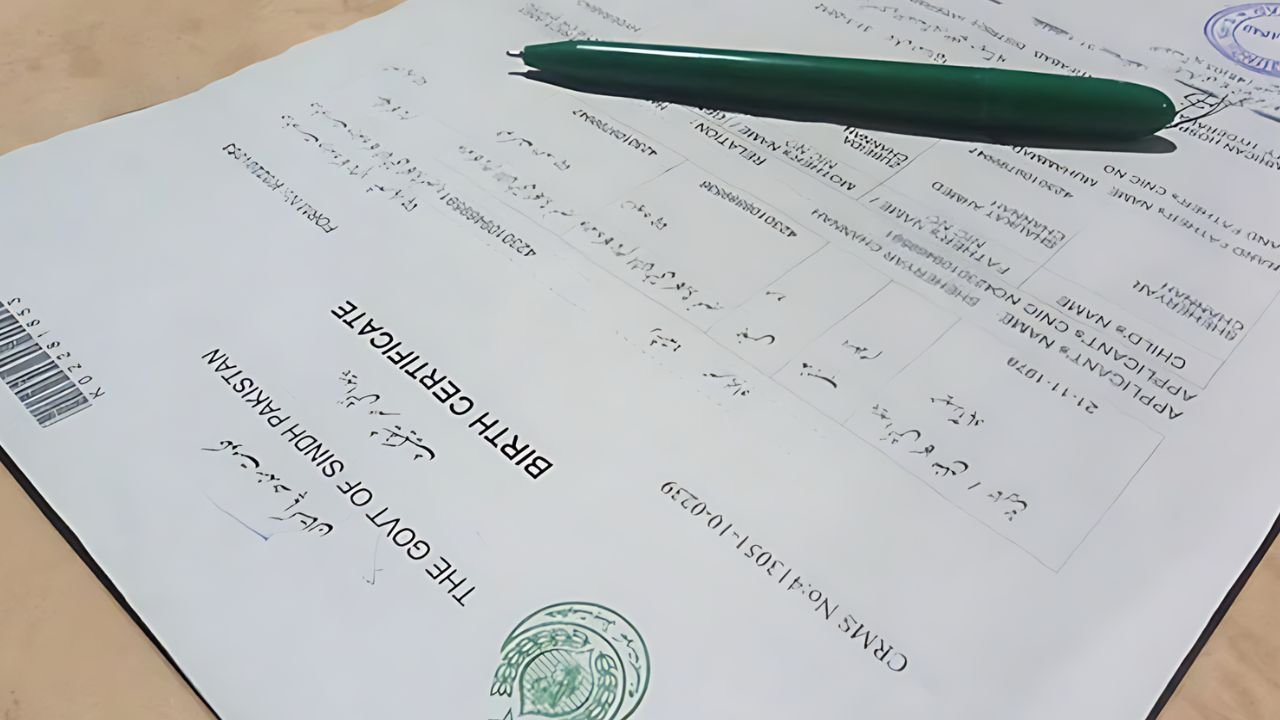
    The government has abolished the B-form — or Child Registration Certificate (CRC) — requirement for admission to federal government schools.

    Geo reports that according to Education Secretary Mohiuddin Wani, the B-form has been one of the major reasons for the growing number of out-of-school children, disproportionately affecting vulnerable populations.

    All children residing in Islamabad, regardless of their documentation status, will now be eligible for admission to government schools.

  • UN agency finds unexploded 1,000-pound bombs in Gaza schools

    UN agency finds unexploded 1,000-pound bombs in Gaza schools

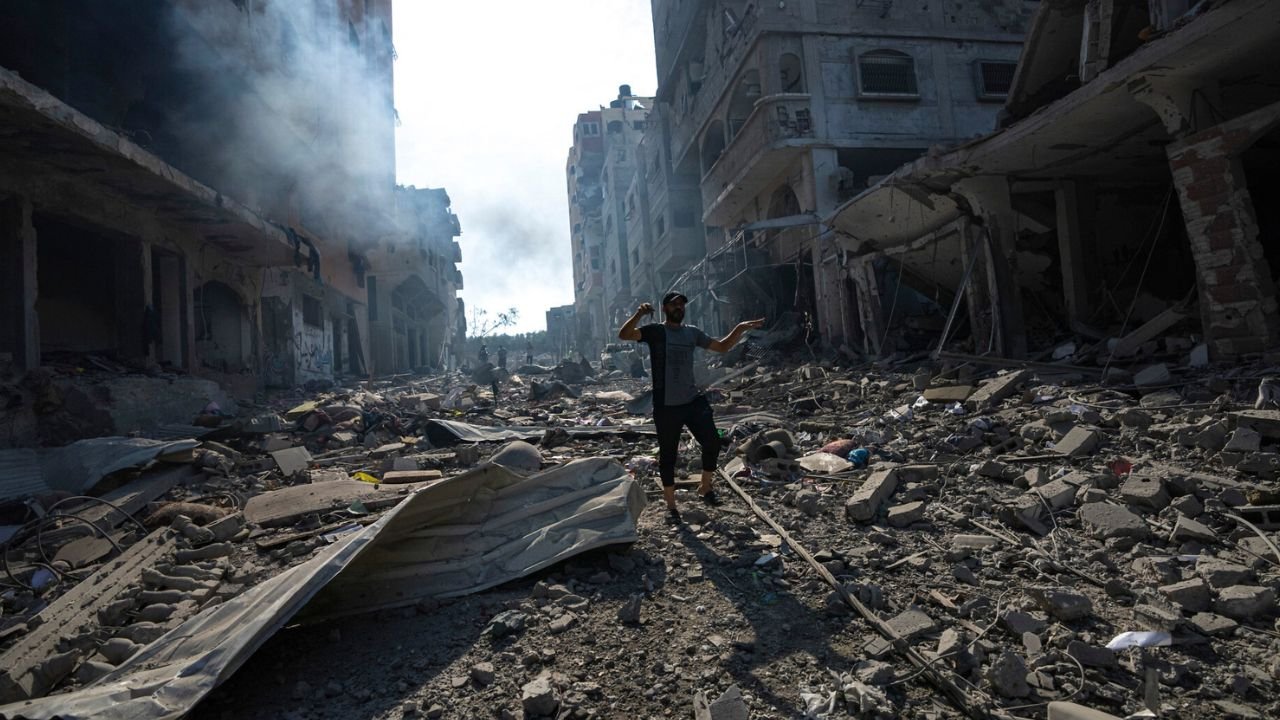
    The UN agency for Palestinian refugees said Tuesday it had found unexploded 1,000-pound bombs inside schools after Israel pulled troops out of southern Gaza’s main city Khan Yunis.

    The Israeli army has carried out relentless air strikes and bombardments in Gaza since October 7 attacks.

    UN agencies led an “assessment mission” in Khan Yunis after Israeli forces withdrew from the embattled city last week, UNRWA said.

    It found “significant challenges in operating safely due to the presence of unexploded ordnance (UXOs), including 1,000-pound bombs inside schools and on roads”.

    “Thousands of internally displaced persons (IDPs) require a range of lifesaving assistance, including health, water and sanitation, and food,” it said.

    Earlier this month, the United Nations said it would take “millions of dollars and many years to decontaminate the (Gaza) Strip from unexploded munitions”.

    “We work off the rule of thumb that 10 percent of ordnance doesn’t function as designed,” UN Mine Action Service chief Charles Birch said in a statement earlier this month.

    “We estimate that, to begin the clearance of Gaza, we need around $45 million.”

    Israeli genocide in Gaza since October 7 has killed at least 33,843 people in the besieged strip, mostly women and children, according to the health ministry.

    lcm/jd/kir

    © Agence France-Presse

  • Grades 9 and 10 to have fewer subjects

    Grades 9 and 10 to have fewer subjects

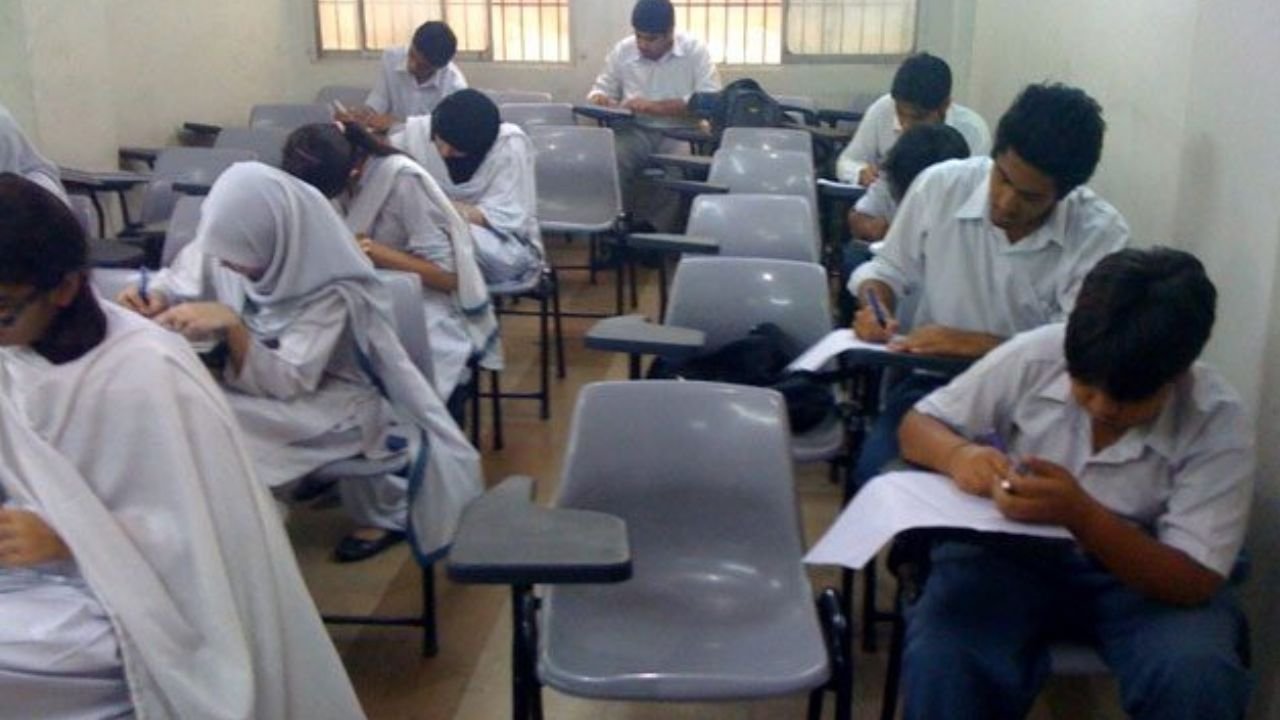
    Lahore Board of Intermediate and Secondary Education (BISE) announced the reduction of one subject each for matric and ninth classes.

    In a report, Geo’s Ummay Farwa talked to the spokesperson of the board who said that for the session 2024-2026, only ninth-standard students will take Islamic Studies exams, while matric students will appear for the Pakistan Studies examination.

    The report elaborates that marks for Islamic Studies have been increased from 50 to 100, while the same applies to Pakistan Studies. Since the marks have been moved up, the Punjab Textbook Board has been asked to print books in line with the development, it added.

    Moreover, BISE Lahore has also announced that Punjab Matric Exams for 2024 will begin on March 1.

  • No extension in school holidays in Punjab but timings have been changed

    No extension in school holidays in Punjab but timings have been changed

    Caretaker Chief Minister Punjab, Mohsin Naqvi has announced on X that school will resume on January 10, 2024, as planned.

    However, considering the ongoing winter wave, schools will start at 9:30 am from January 10 to 22nd. After the 22nd, it is expected that they will resume their regular school timings.

  • Khyber Pakhtunkhwa schools in plains get short winter holidays

    Khyber Pakhtunkhwa schools in plains get short winter holidays

    Winter vacations have been announced for all the educational institutions in Khyber Pakhtunkhwa in a notification released by the provincial Education Department.

    Holidays in all the plain areas, typically the summer zone, will span from December 23 to December 31. However in the winter zone, including the mountainous region, winter vacations will be for an extensive time, from December 23 to February 29.

    The long break in the mountainous regions of Khyber Pakhtunkhwa and Balochistan is due to the severe winter conditions in the region which brings all the activities to a halt.

  • A school in India charges plastic bottles as fee

    A school in India charges plastic bottles as fee

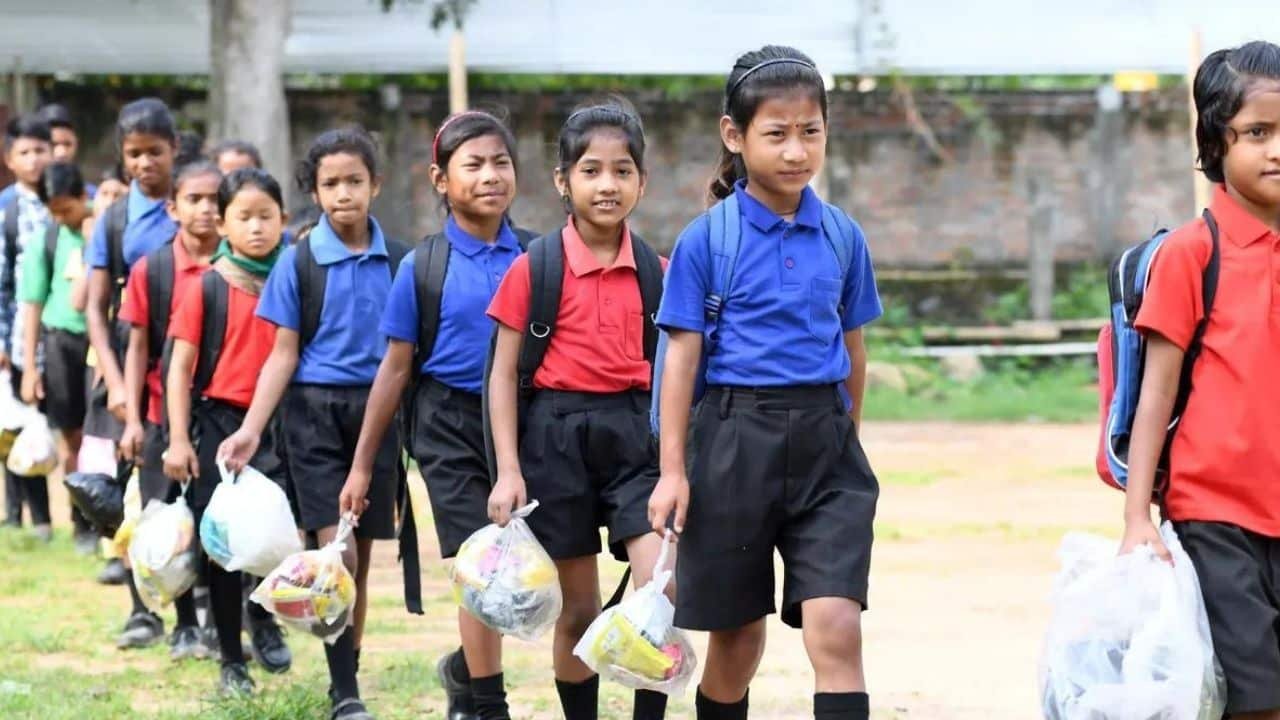
    A school in India has adopted a unique means of educating underprivileged children while creating awareness about environmental concerns at the same time.

    In a remote village of the Indian state of Assam, plastic bottles are taken from children as fees.

    The school was started by a couple, Mazin Mukhtar and Parmita Sarma, in 2016 to reduce the growing pile of garbage in the village and to provide free quality education to the children.

    While no fee is taken from the students, they have to deposit 25 plastic bottles full of waste to the school every week.

    By recycling these plastic bottles and the waste they contain, roads, bricks and toilets are made.

    Older students earn a living by teaching the younger children.

    Apart from education, children are taught different languages, recycling of plastics, carpentry and gardening.

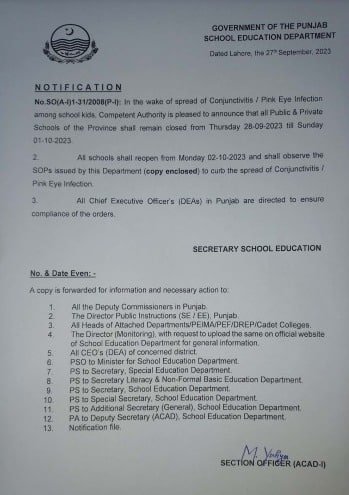
  • Punjab govt ‘pleased to announce’ school holiday tomorrow due to pink eye

    Punjab govt ‘pleased to announce’ school holiday tomorrow due to pink eye

    Government and private schools across Punjab will remain closed on Thursday after Punjab government issued an alert in the light of increasing cases of the viral infection, pink eye.

    The Punjab Education Department has issued a notification to announce the closure.

    Teachers have been instructed to thoroughly check students at the main entrance of schools from Monday in order to detect any patients suffering from pink eye and stop the spread of the eye infection.

    The Punjab Health Department has reported 85 new cases of conjunctivitis within the past 24 hours.

  • ‘Impressive, beautiful’: Social media lauds Shehzad Roy for introducing music education at Zindagi Trust school

    ‘Impressive, beautiful’: Social media lauds Shehzad Roy for introducing music education at Zindagi Trust school

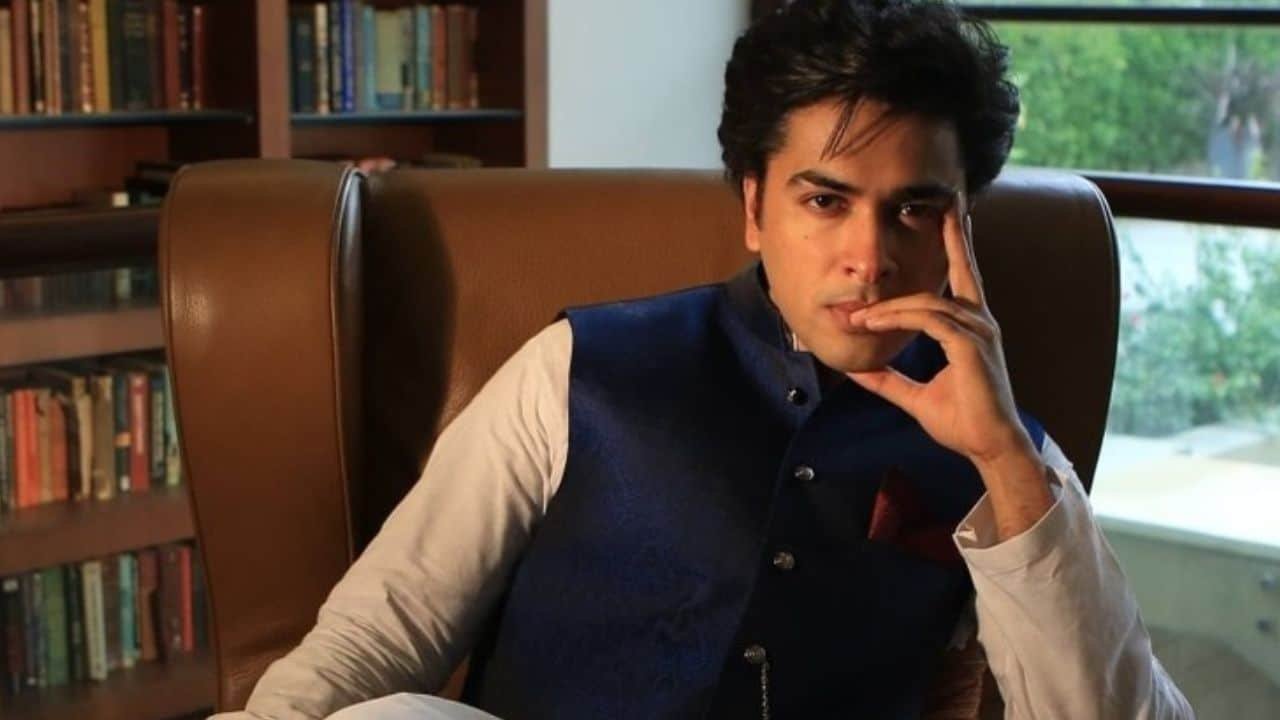
    Is there anything Shehzad Roy can’t do? A phenomenal singer, pro at the youthful glow (we’re still convinced he’s a vampire) and a philanthrope working towards changing the education system of Pakistan are just proof that he’s the G.O.A.T.

    Recently the singer wowed social media with a new education initiative at his Zindagi Trust where students from working class families are given the best education. A clip, showing three young students playing violins in the music program of Fatima Jinnah government school, has gone viral.

    “This isn’t an elite private school,” the ‘Laga Re’ singer wrote. “It’s Fatima Jinnah government school adopted by @ZindagiTrust Here V also run a world-class music program in professionally designed studios. Young girls play everything from Beethoven to Eastern classical & there is no fee. We are driving change.”

    The short clip has recieved praise from politicians like Sherry Rehman and other social media users who attended institutions run by Zindagi Trust, confirming that the organisation was making sure their students are well provided for, and are giving them quality education.

    Digital Rights activist Hija Kamran wrote:

    “As an all-time fan of ZindagiTrust, I just want to say that this particular school can easily beat elite private schools based on how it looks, managed and taken care of. I miss the few mornings I spent here for work. Did you know that they also have their own vegetable garden?”

    Another user wrote:

    “I’ve been to the Fatima Jinnah School on two occasions: once to judge an inter-class dramatics competition (in which a Chacha Chakkan rendition was particularly delightful) and once to judge oratory. Roy and his team are doing such good work there—and they keep aiming higher!”

    Social media users lauded how the education initiative continued to take progressive steps that even private schools could not provide, and hoped more schools could introduce arts programs to their students.

  • Sindh becomes the first province to introduce teaching license policy

    In a historical move, Sindh has become the first province to introduce a teaching license policy for instructors from the public and private sector.

    Under this policy, two teacher training insitutes will be established under the Sindh Teacher’s Education Development Authority (STEDA) and a board will be set up to oversee teacher trainings as well as provide professional licenses.

    With this initiative, anyone who wishes to join with a Bachelor’s in Education (BEd.) can give the exam, after which they will be provided with a license to teach students from one of the three categories: elementary (Grades 1-8), primary (Grades 1-5) and secondary (Grades 6-12).

    The Sindh government has also taken a step to attract more people towards the teaching sector by opening up 700 new vacancies for elementary school teachers for BPS-16 across the province, which will be offered to those with a BEd and a teaching license obtained by passing the exam.

    Speaking on the success of the policy, the Provincial Minister of Sindh for Education, Culture, Tourism and Antiquites, Syed Sardar Ali Shah said:

    “Conceptualising and bringing the teaching license policy to life has not been easy. However, I am grateful to Aga Khan University’s Institute for Educational Development (AKU-IED), Sindh Teachers Education Development Authority (STEDA), Durbeen and all other partners who have worked tirelessly to make this policy a possibility. The success of the next generation of teachers and students ultimately depends on its smooth implementation.”

    He also added that Sindh was the only province in Pakistan to pass the landmark bill which shall improve the teaching profession and attract mroe bright minds to the field:

     “Sindh is the only province that has approved a teaching license policy, which represents a proactive approach to recognising the value and importance of effective teaching. With the policy in place, the Sindh Government has laid the foundation for a more robust and professional teaching workforce, which will have a positive and lasting impact on the educational landscape in the province.”
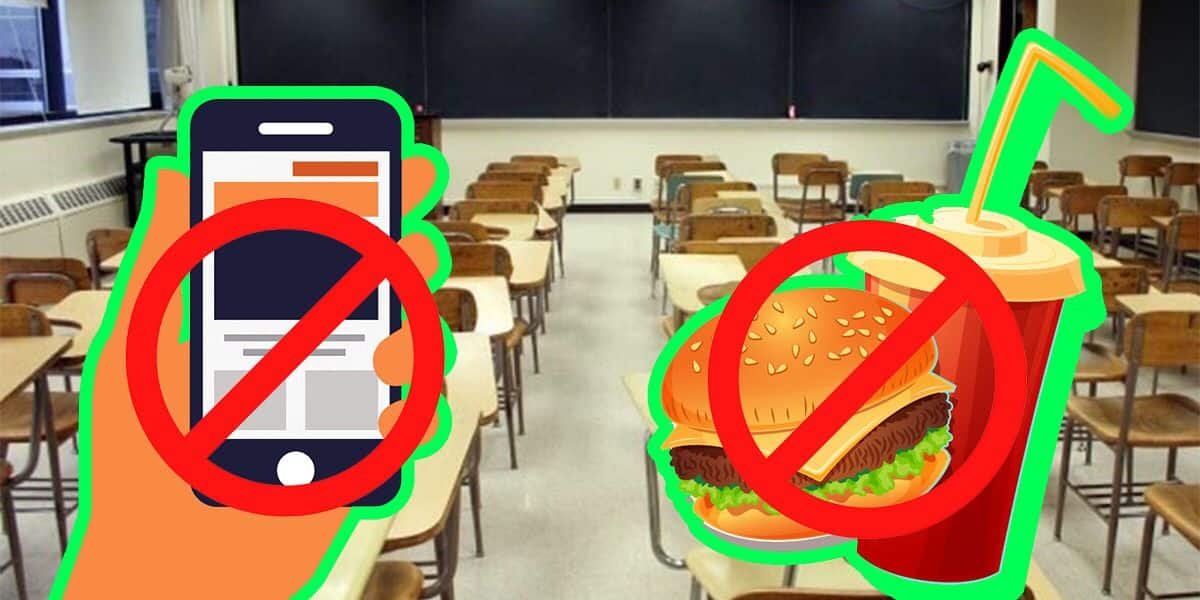
  • Mobile phones, junk food and energy drinks banned in Punjab schools

    Mobile phones, junk food and energy drinks banned in Punjab schools

    The Punjab School Education Department has banned mobile phones, junk food and energy drinks in all private schools across the province, ARY has reported.
    The notification issued by the education Department instructed administrators of all private schools to strictly enforce adherence to the new guidelines.

    Monitoring teams will frequently visit private schools to check on the application of new policies.

    Junk food and sodas are banned in schools in many countries, including some states in India.