Tag: Science

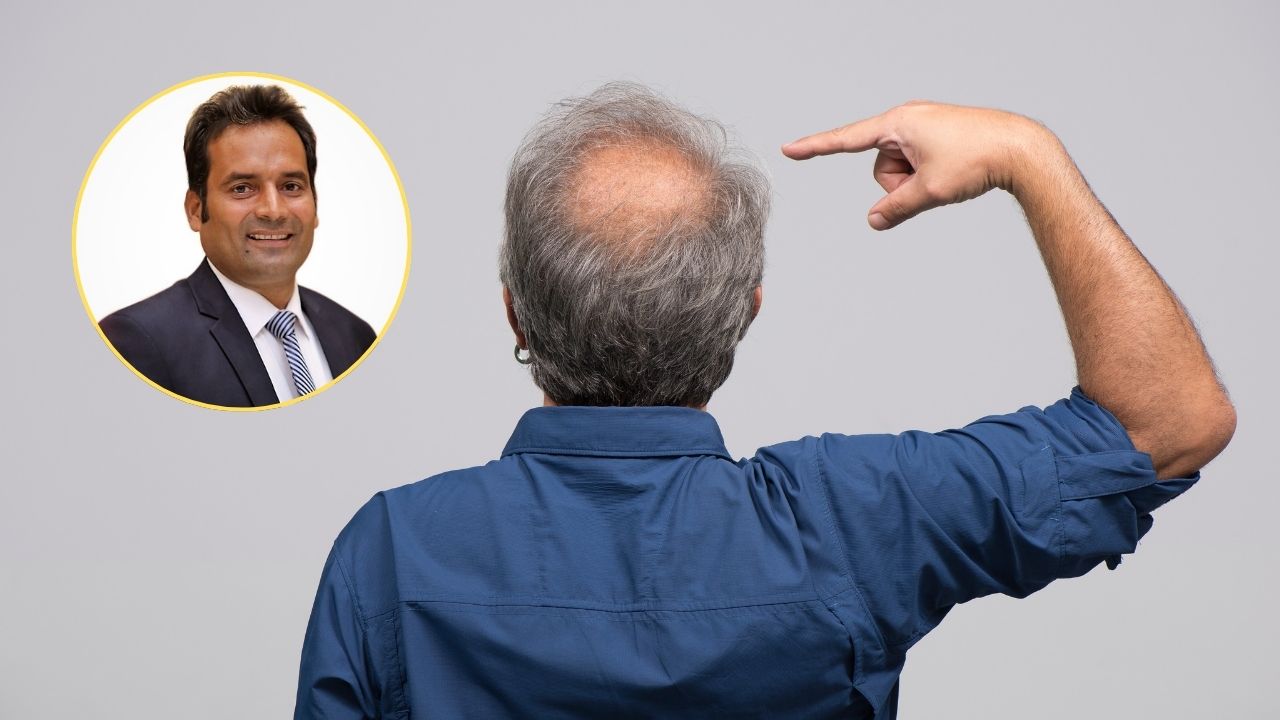
  • Exclusive: Pakistani scientist on the verge of curing baldness

    Exclusive: Pakistani scientist on the verge of curing baldness

    Unexpected discoveries have long been a catalyst for scientific research, leading to major breakthroughs in fields ranging from medicine to technology.

    Now, in an unexpected development, scientists have discovered a crucial piece of the puzzle: hereditary baldness, also known as androgenic alopecia.

    Dr. Muhammad Yar, a tenured associate professor at COMSATS University Islamabad and a biomaterial researcher, and Sheila MacNeil, an Emeritus Professor of Tissue Engineering at the University of Sheffield in the UK, are the two minds behind this latest development.

    Years ago, Dr. Muhammad Yar was working on the development of biomaterials for advanced wound care i.e. dressings (medical gels) which can help faster healing of chronic wounds, and agents which can support new blood vessels formation known as angiogenesis.

    So, in 2014, during a visit to the University of Sheffield, Dr. Muhammad Yar discussed the angiogenic potential of 2-deoxy-D-ribose with Professor Sheila MacNeil.

    Following their discussion, they decided to test the compound together.

    From chickens to rats

    Initially, when the dressing gel, containing 2-deoxyribose, was tested on chicken fertilised eggs, a lot of new increased blood vessels were seen growing towards tested material.

    “We were really happy and then we went towards patent filing. A company was interested in its commercialization as wound care drafting for diabetic and burn patients,” he recalls.

    The deoxyribose gel was then tested on full-thickness wounds, where it successfully promoted healing. It was, however, also observed that longer and thicker hair grew along the edges of the wounds.

    “We thought that 2-deoxy-D-ribose is doing something else as well. Apart from helping in faster regeneration, it’s helping in faster growth of hair as well,” he says.

    And that is how, after working on the development of wound healing, they dived into the possible baldness treatment.

    They tested the deoxyribose gel on mice with testosterone-driven hair loss and applied a small amount of the gel to their bare areas.

    In weeks time, the fur grew back thicker and longer, showing results comparable to minoxidil, the well-known hair loss treatment sold as Rogaine, which doesn’t actually prevent hair loss and often results in minimal regrowth in some cases.

    “This is working really nicely,” Dr. Muhammad Yar updates on the latest developments.

    Happy news for bald people?

    With ‘impressive results’ in mice, the scientists believe there’s a good chance that 2-deoxyribose will be tested on humans next.

    Dr. Muhammad Yar confirms that while testing on humans is the goal, it will first require further lab work to understand the mechanism of action of 2-deoxyribose and to obtain approvals from regulatory bodies.

    “We are expecting around a year and a half to two years’ time before we test this on humans.”

    If deoxyribose gel proves effective on humans, it could treat alopecia and support hair regrowth after chemotherapy.

    Why does Pakistan lag behind?

    When asked why it’s rare to hear about Pakistani scientists working on groundbreaking research, Dr. Muhammad Yar believes that the key is in translational research.

    “We have to develop something in the lab and put this in the market. This is very, very important for economic uplift in Pakistan as well as for the universities.”

    He also asserts the need for business training programs for faculty and students at Universities.

    “The research which academics are doing at the universities is really important. There is a space in the market evaluation and business knowledge among faculty and students that could help translate these technologies from the lab to the clinic,” he points out.

  • Iran ready to share tech expertise with Islamabad, says Iranian President Raisi

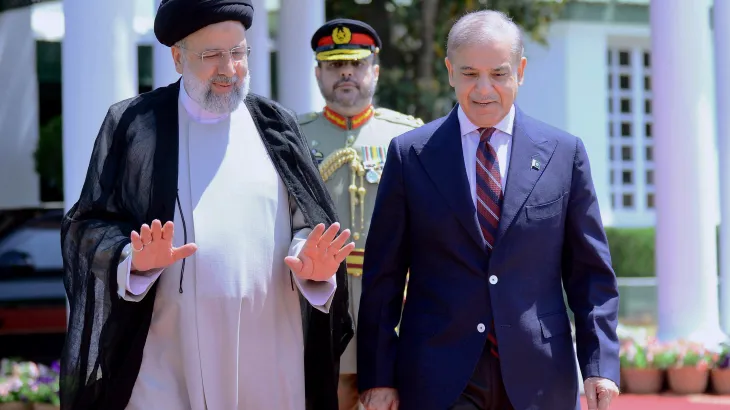
    Iran ready to share tech expertise with Islamabad, says Iranian President Raisi

    After visiting Lahore and Karachi, Iranian President Ebrahim Raisi said that Tehran is ready to share its strengths in industry, science, and technology with Pakistan. He made the remarks during his three-day official visit to Pakistan.

    While speaking at a ceremony in Karachi’s Chief Minister House, he pointed out that despite challenges, Iran made progress in these fields and was prepared to share this knowledge with Pakistan.

    “I am here with a message of peace and prosperity for the Pakistani nation from the people of Iran and its leadership,” he said, adding, “The governments on both sides are willing to remove all obstacles to expanding trade between the two countries and in this regard, several options were discussed [in his recent meetings Pakistani leadership].”

    The Iranian President also said that the trade partnership will make the relationship between the two countries stronger, stressing that no power on earth “can affect the historical ties between the two countries.”

  • Earthquake predicted in Pakistan hits India, Nepal

    Earthquake predicted in Pakistan hits India, Nepal

    An earthquake of magnitude 6.2 on the Richter scale has jolted New Delhi and parts of Nepal late on Monday afternoon.

    However, according to the Solar System Geometry Survey, the magnitude of the earthquake was 5.7 while its depth was 7km.

    The earthquake is said to have lasted for more than 40 seconds, as reported by Hindustan Times.

    Simultaneously, as per the NDTV, two earthquakes shook Nepal with magnitudes of 4.6 and 6.2 in a time span of 25 minutes.

    The tremors were also felt in Uttar Pradesh’s Lucknow, Hapur, and Amroha along with parts of Uttarakhand.

    On October 1, a Dutch research organisation predicted that a severe tremor that may hit Pakistan in the coming days.

    But the scientific community did not pay much heed to Solar System Geometry Survey (SSGS) of the Netherlands because scientifically, it is impossible to actually predict an earthquake.

    As per the predictions, nonetheless, the earthquake was to hit along the Chaman fault line, in Balochistan.

  • Massive ancient forest discovered 630 feet down sinkhole in China

    A recent scientific expedition ushered in the discovery of an ancient hidden forest located within a sinkhole in China.

    The secret forest is located more than 600 feet inside a sinkhole that is situated within karst bedrock near a village in Leye County, Guangxi Zhuang.

    The sinkhole is apparently one of at least 30 in the country. The researcher found three different cave entrances on May 6.

    The sinkhole is 492ft (150m) wide and has a volume of more than five million cubic metres. While the entire network of caverns is approximately 1,004ft (306m).

    Zhang Yuanhai, a senior engineer with the Institute of Karst Geology of China Geological Survey, spoke with Xinhua news agency. According to him, the sinkhole contains an incredibly well-preserved and primitive forest with trees stretching as high 130ft (40m) tall.

    https://twitter.com/dw_environment/status/1526934382157520896?s=20

    Chen Lixin, leader of the Guangxi 702 expedition, told Live Science that he “wouldn’t be surprised to know that there are species found in these caves that have never been reported or described by science until now”.

  • India makes history as Chandrayaan-3 successfully lands on moon

    India makes history as Chandrayaan-3 successfully lands on moon

    India makes history by being the first country to ever land on the moon’s south-pole.

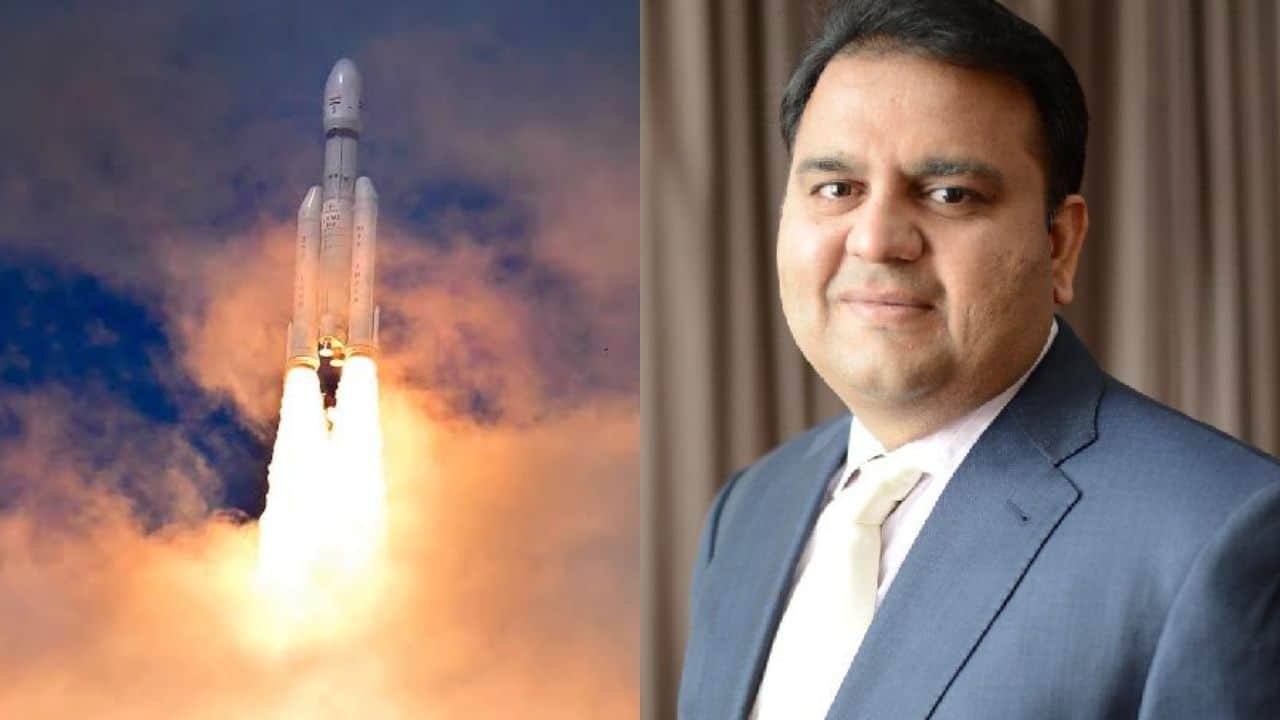
    Earlier today, former Federal Minister for Science and Technology, Fawad Chaudhry, congratulated India on X (formerly Twitter) as the country awaits the Chandrayaan-3 moon landing:
    “All eyes on #Chandryaan3 Moon landing 5:40 PM, great day for Indian Science Community and Space scientists, Congratulations to people of India on this great achievement”

    Chandrayaan-3 (means “mooncraft” in Sanskrit) is the third Indian lunar exploration mission. It was launched on 14 July 2023 and was expected to land near the lunar south pole region on 23 August around 05:45 pm IST and the touchdown was expected around 06:04 pm IST.

    So far, only three countries, the United States, Russia, and China, have been able to achieve a controlled landing on the lunar surface. But now India has become the first country to land on the moon’s south pole.

    Earlier in the week, Russia’s Luna-25 spacecraft was to land in the same area, however, it crashed on August 19 after spinning out of control.

  • India landing on the moon makes us miss Fawad Chaudhry and his wadaa

    India landing on the moon makes us miss Fawad Chaudhry and his wadaa

    India’s space agency has shared pictures of their spacecraft Chandrayaan-3, as the rover gets closer and closer to the surface of the planet. BBC revealed that by August 23, Chandrayaan’s rover and lander are due to reach the surface of the earth. It was released from the Satish Dhawan Space Center at Sriharikota in the Andhra Pradesh state on July 14.

    This would be the second time after thirteen years that the country has launched a spacecraft to the moon. The first time was in 2008 after which the discovery of the presence of water molecules in the moon’s atmosphere was made.

    Scientists from the Indian Space Research Agency (ISRO) spoke to the media, stating that Chandrayaan-3 was in “good health”, adding that this was the third time in succession that ISRO had successfully injected a spacecraft into a lunar orbit.

    If the mission is successful this would make India the first country to perform a controlled soft landing near the south pole, and the fourth country after USA, China and the former Soviet Union to achieve a soft landing on the moon.

    Congratulations to India but we do remember how a certain promise was made by the former Information and Broadcasting Minister Fawad Chaudhry, whol announced in a tweet in 2019 that by the year 2022, Pakistan will send their first person to space. He even mentioned that selection for the project was to begin by Feb 2020 after which 25 people will be selected. Kya hua tera wada, wo qasam wo iraada?

  • Novel bacteria strain holds potential to curtail malaria transmission

    Novel bacteria strain holds potential to curtail malaria transmission

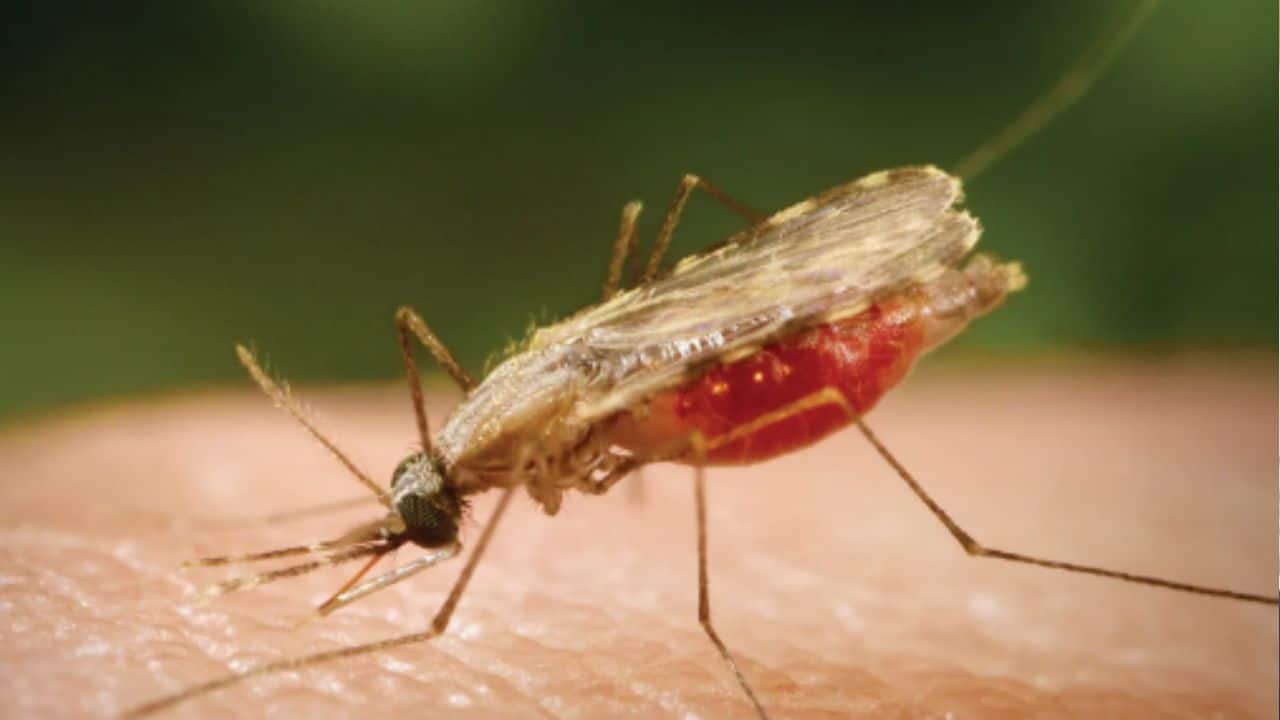
    In a promising stride against one of the world’s most deadly diseases, scientists have accidentally discovered a naturally occurring bacterium, TC1, that could impede the transmission of malaria from mosquitoes to humans, according to BBC.

    The groundbreaking finding came to light at a research facility in Spain, supervised by pharmaceutical giant GlaxoSmithKline (GSK). The researchers stumbled upon the phenomenon while conducting experiments on mosquitoes related to drug development.

    The team noticed an unexpected result: a group of mosquitoes remained free from malaria parasites. Further analysis led to the identification of a bacteria strain, TC1, existing in the natural environment, which seemed to halt the growth of malaria parasites inside the mosquito’s gut.

    The bacterium proved to be resilient, persisting throughout the mosquito’s lifespan and notably reducing its parasite load by up to 73%.
    This unexpected helper produces a molecule known as Harmane, which hinders the early development stages of the malaria parasite within the mosquito.

    Malaria continues to devastate populations globally, claiming around 620,000 lives each year, primarily among children under the age of five. While vaccines are in progress, their implementation in Africa remains in the nascent stages.

  • Ex-Air Force Officer says U.S. govt collects UFOs

    Ex-Air Force Officer says U.S. govt collects UFOs

    An ex-Air Force intelligence officer, while testifying to Congress, claimed that the U.S. has been secretly operating a long-term program to recover unidentified flying objects. However, these allegations have been refuted by the Pentagon, reported AP.

    During his testimony before Congress, a former Air Force intelligence officer asserted that the U.S. is clandestinely running a program to collect unidentified flying objects, with the U.S. government currently in possession of these retrieved objects. When he was probed further, he confidently stated, “Absolutely, based on interviewing over 40 witnesses over four years.”

    In response to inquiries about the location of these objects, he claimed to be aware of the exact storage sites, which he had reported to the Inspector General. When asked about the nature of activities related to these unidentified objects, he acknowledged that several of his colleagues had suffered physical injuries.

    Upon further questioning to ascertain if the harmful activities were attributed to the unidentified aerial phenomena (UAPs) or the federal government, he indicated that both were responsible. Despite these statements, the Pentagon has vehemently denied his allegations.

  • Meteors, beware; NASA’s DART Mission alters asteroid’s course

    Meteors, beware; NASA’s DART Mission alters asteroid’s course

    In a groundbreaking test of Earth’s planetary defenses, NASA’s DART probe successfully knocked an asteroid off its trajectory, creating a dazzling display of boulders hurtling into space.

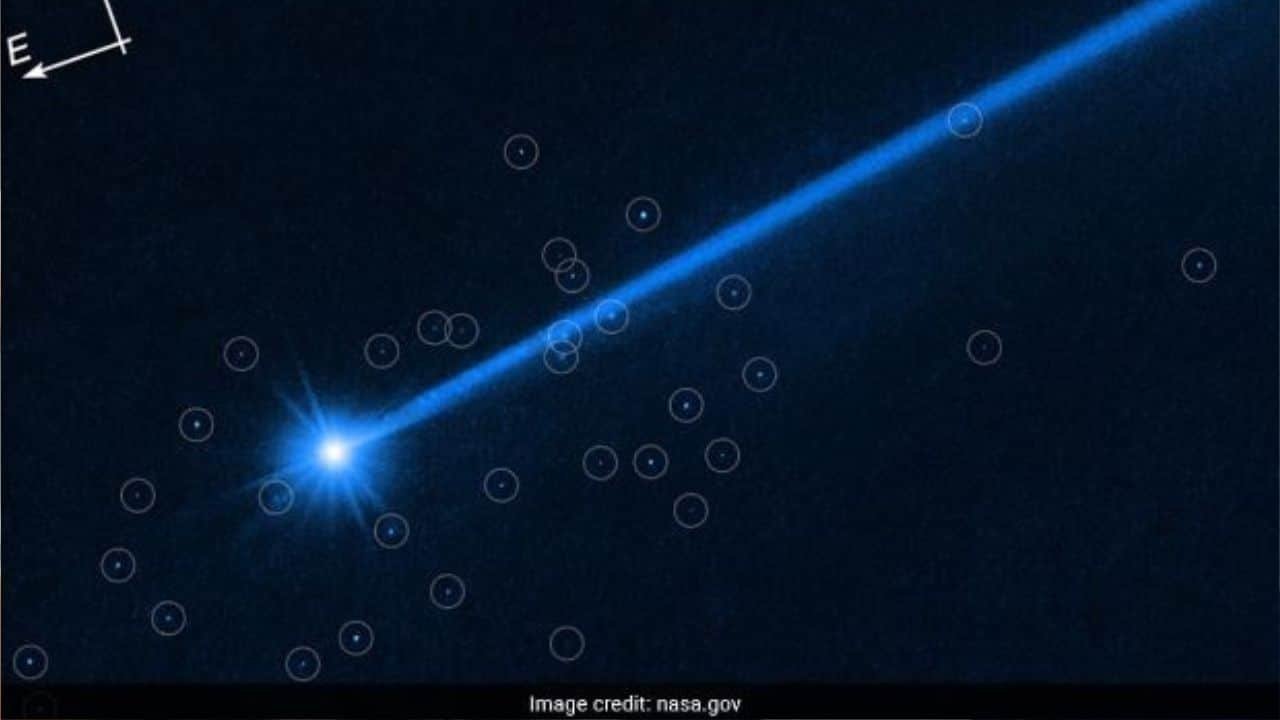
    The story was shared by Dawn with images of the historic experiment. Last year’s momentous collision between the fridge-sized spacecraft and the pyramid-sized, rugby ball-shaped asteroid Dimorphos, situated 11 million kilometers from Earth, yielded astonishing results, as captured by the Hubble Space Telescope. The images were released on Thursday.

    Astonishing Aftermath Unveiled:

    Newly released images from the Hubble Space Telescope unveiled the extraordinary aftermath of the DART mission. A total of 37 boulders, ranging in size from one to seven meters in diameter, were sent floating into the cosmos. These boulders represent approximately two percent of the loosely-held-together asteroid’s surface, as estimated in a recent study by scientists.

    Unraveling the Secrets:

    Scientists are eager to continue tracking the trajectory of these celestial boulders, as their movement patterns hold crucial clues about how they were propelled from the asteroid’s surface. The research, detailed in the Astrophysical Journal Letters, offers invaluable insights into asteroid deflection techniques and potential strategies for planetary defense.

    Insights for Future Asteroid Defense:

    The findings hold significant implications for future missions aimed at diverting potentially life-threatening asteroids on a collision course with Earth. While the images might raise concerns about boulder dispersion towards Earth, experts reassure that these specific rocks pose no threat. The successful DART mission sets an encouraging precedent for safeguarding our planet against potential asteroid threats and lays the groundwork for future endeavors to protect Earth from space hazards.

  • Unveiling the ‘Demon Catshark’ and a growing catalog of shark species

    Unveiling the ‘Demon Catshark’ and a growing catalog of shark species

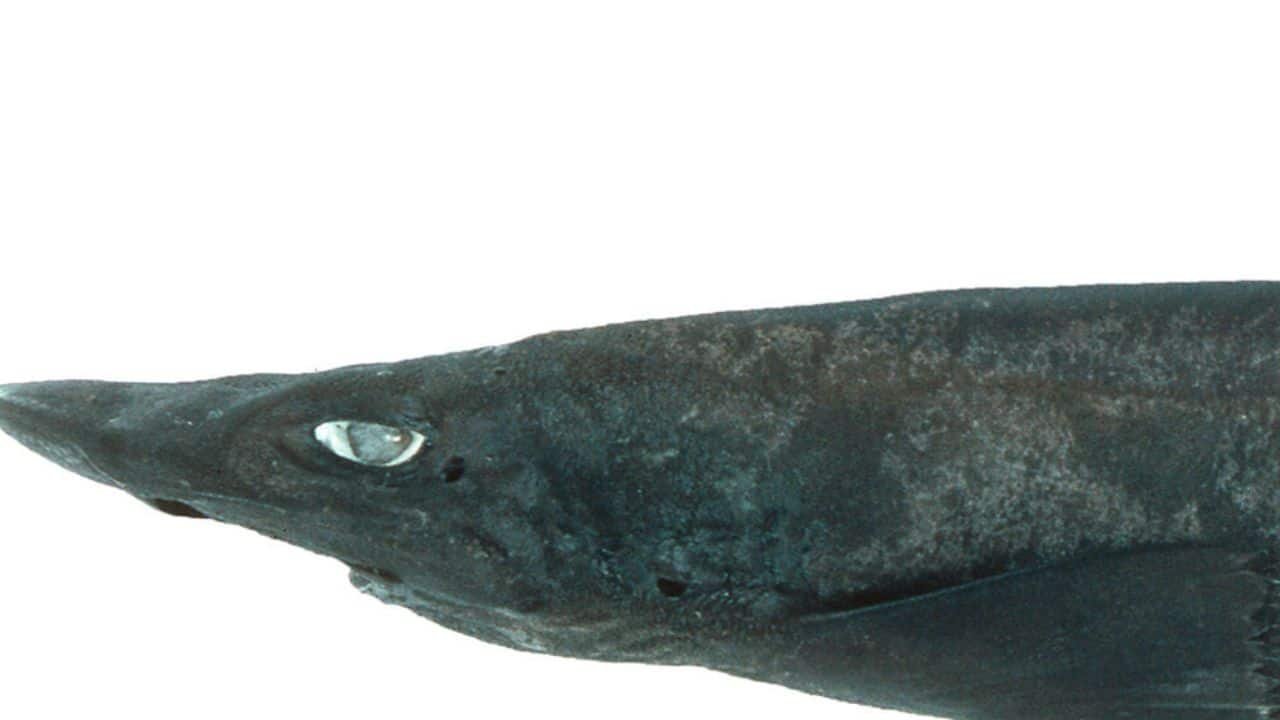
    In the realm of deep-sea exploration, humanity’s quest for knowledge has revealed a plethora of a new shark species, the Demon Catshark.

    Once believed to consist of approximately 360 distinct species, sharks have surpassed expectations with recent discoveries pushing the count beyond 500.

    From the delicate dwarf lanternshark, measuring a mere 20cm (8in) in length, to the colossal whale shark, a filter-feeding gentle giant and the largest known fish on Earth, the diversity within the shark family continues to astonish.

    With no signs of slowing down, scientists are left to wonder what other remarkable findings await them in the uncharted depths of our oceans.