Tag: security

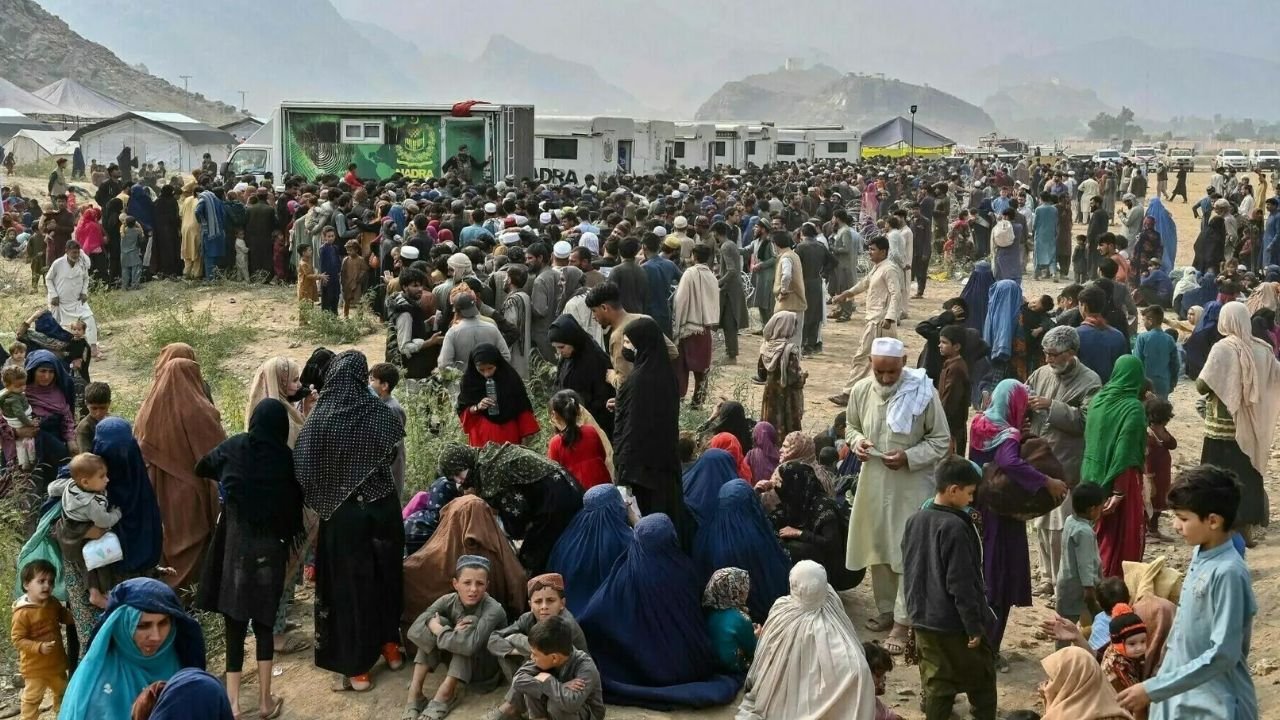
  • Deportation of Afghan card holders will begin from April 15

    Deportation of Afghan card holders will begin from April 15

    The federal interior ministry has directed the Punjab government to initiate the second phase of an operation aimed at deporting Afghan citizen card holders starting from April 15.

    During a video conference chaired by Federal Interior Secretary Aftab Durrani, in the presence of Punjab Home Secretary Noorul Amin and other senior officials, it was decided that the federal government would provide Punjab with lists of Afghan Citizen Card Holders. These lists will then be shared with law enforcement agencies, including the police.

    Initially, card holders will be encouraged to voluntarily return to Afghanistan. Subsequently, those who do not comply will be apprehended and deported. Sources emphasised that the availability of data on Afghan citizen card holders within the federal government will streamline the process, eliminating previous challenges associated with tracing illegal foreigners.

    Following the completion of the second phase of deportations, plans for the third phase, targeting Afghan POR (Proof of Residence) card holders, were also discussed. According to sources, over 400,000 illegal Afghan nationals have already been deported.

  • Haiti declares state of emergency after thousands of prisoners escape

    Haiti declares state of emergency after thousands of prisoners escape

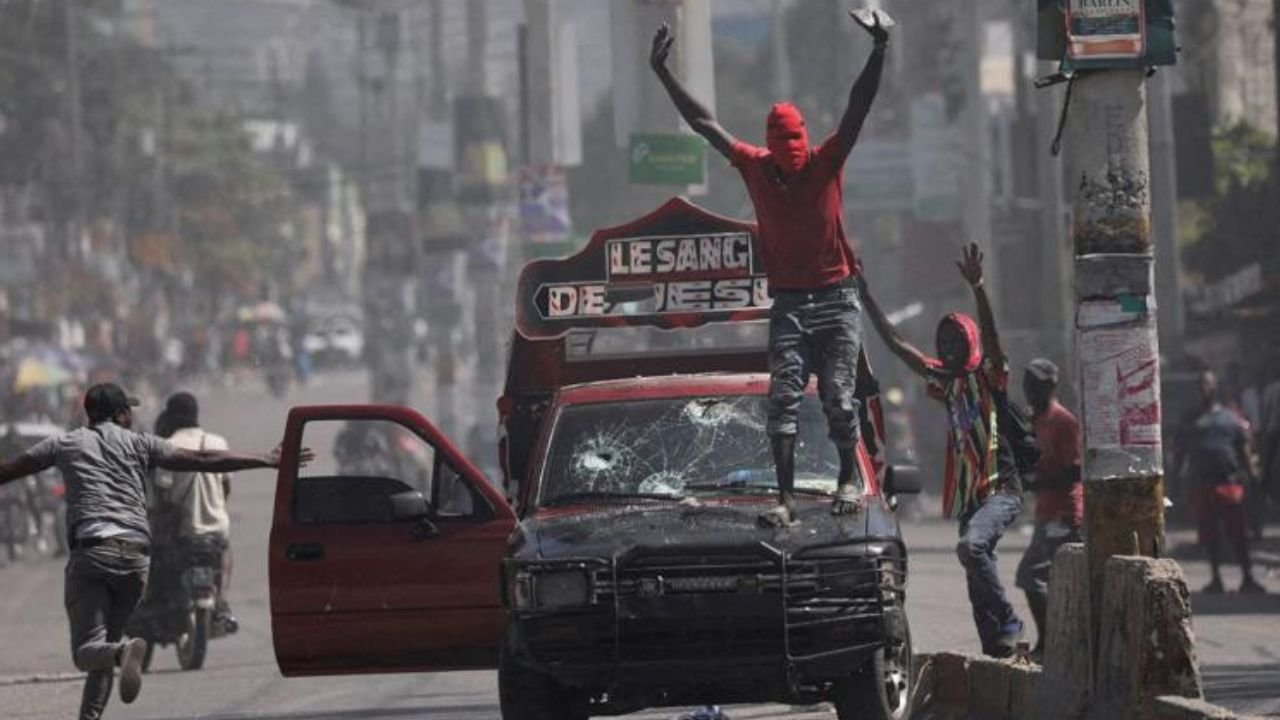
    Haiti’s government declared on Sunday a state of emergency and nighttime curfew in a bid to regain control of the country after a deadly gang assault on the capital’s main prison that allowed thousands of inmates to escape.

    The curfew will be enforced from 6 pm to 5 am in the Ouest region, which includes the capital, through Wednesday, the government said in a statement, adding that both the curfew and the state of emergency can be extended.

    About a dozen people died as gang members attacked the National Penitentiary in Port-au-Prince overnight Saturday into Sunday, an AFP reporter observed.

    The attack came as part of a new spate of extreme violence in the Haitian capital, where well-armed gangs who control much of the city have wreaked havoc since Thursday.

    The gangs say they want to oust Prime Minister Ariel Henry, who has led the crisis-wracked Caribbean nation since the assassination of president Jovenel Moise in 2021.

    Only around 100 of the National Penitentiary’s estimated 3,800 inmates were still inside the facility Sunday after the gang assault, Pierre Esperance of the National Network for Defense of Human Rights said.

    “We counted many prisoners’ bodies,” he added.

    An AFP reporter who visited the prison on Sunday observed around a dozen bodies outside it and hardly anyone inside. Some bodies had wounds from bullets or other projectiles.

    In its statement late Sunday, the Haitian government said security forces had “received orders to use all legal means at their disposal to enforce the curfew and detain those who violate it.”

    It said the objective was to allow the government to “re-establish order and take the appropriate measures to take back control of the situation.”

    Economy Minister Patrick Michel Boisvert signed the statement as the country’s acting prime minister.

    Prime Minister Henry was in Kenya last week to sign an agreement to deploy police from the East African country to lead a UN-backed law and order mission to the gang-plagued nation.

    Haiti’s government is notoriously weak — kidnapping and other violent crime is rampant and gangs are described as much better armed than the police themselves.

    Gang members also attacked a second prison called Croix des Bouquets, police said earlier.

    Known gang leaders and people charged in the assassination of Moise were among those incarcerated in the main prison, located a few hundred meters from the National Palace, the Haitian daily Le Nouvelliste said.

    The prison had been “spied on by the assailants since Thursday via drones,” before it was attacked early Saturday evening, according to Le Nouvelliste.

    Esperance said it was not immediately clear how many inmates escaped from the second prison, which he said held 1,450 inmates.

    – Kenya-led security mission –

    Powerful gang leader Jimmy Cherisier, known by the nickname Barbecue, said in a video posted on social media that armed groups in Haiti were acting in concert “to get Prime Minister Ariel Henry to step down.”

    It was not immediately clear on Sunday if the prime minister had returned to Haiti after his Kenya trip.

    The UN Security Council in October approved an international police support mission to Haiti that Nairobi had agreed to lead, but a Kenyan court ruling has thrown its future into doubt.

    On Friday, Henry signed an accord in Nairobi with Kenyan President William Ruto on deploying the force.

    Ruto said he and Henry had “discussed the next steps to enable the fast-tracking of the deployment,” but it was not immediately clear whether the agreement would counter a court ruling in January that branded the deployment “illegal.”

    Haiti, the Western hemisphere’s poorest nation, has been in turmoil for years, and the 2021 presidential assassination plunged the country further into chaos.

    No elections have taken place since 2016 and the presidency remains vacant.

    Protesters have demanded Henry’s resignation in line with a political deal that required Haiti to hold polls and for him to cede power to newly elected officials by February 7 of this year.

  • How many Afghans have left Pakistan so far?

    How many Afghans have left Pakistan so far?

    The repatriation of Afghans living across Pakistan continues.

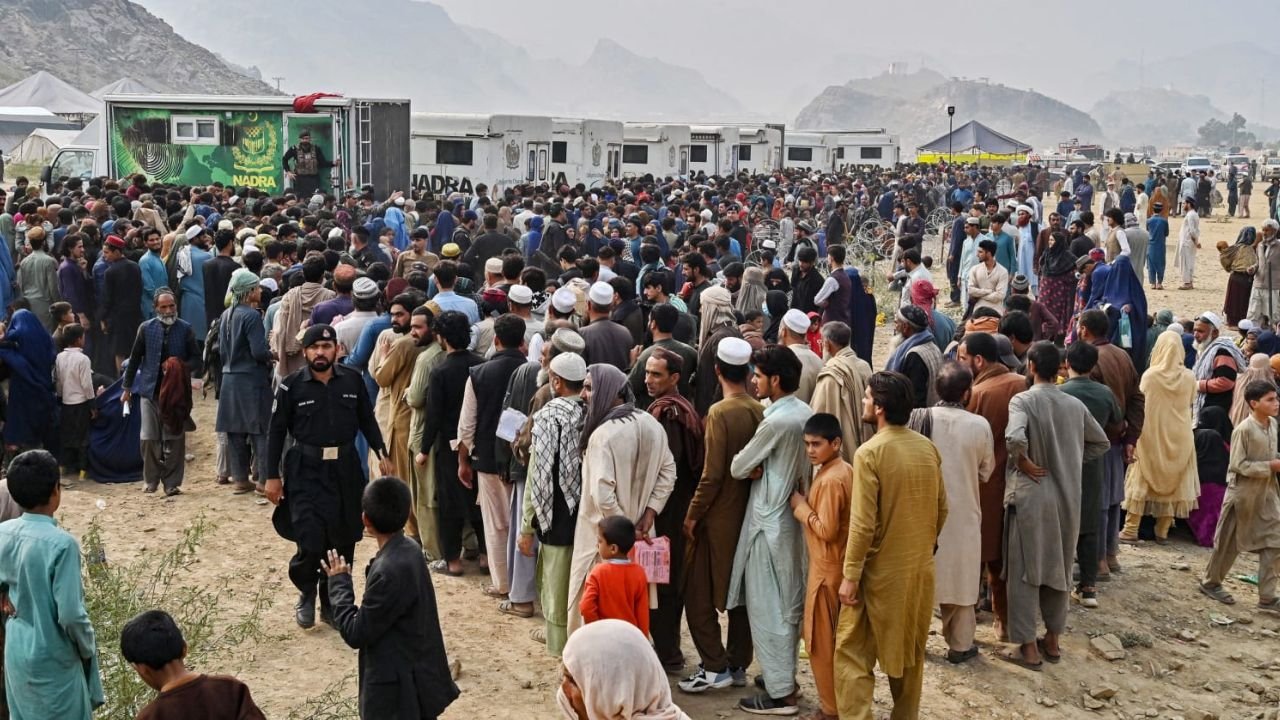
    According to official data, from February 15 to February 19, another 3,396 Afghans left Pakistan, including 1,245 men, 1,025 women, and 1,914 children. 210 families have reportedly been repatriated in 124 vehicles to Afghanistan.

    A large number of illegal Afghans have been returning to Afghanistan from Pakistan fearing arrest, even before the announcement by the government of Pakistan.

    According to official data released on February 19, a total of more than 493,000 Afghans have returned to their country as of yet.

  • Italy, Home Of The Mafia, Now One Of Europe’s Safest Countries

    Italy may be the land that launched Cosa Nostra, but today it is one of the safest countries in Europe, with a murder rate well below its neighbours.

    From the mid-19th century through to the 1990s, thousands of people died in mafia violence, from rivals or traitors cast in cement or fed to pigs, to judges, priests and witnesses killed for daring to defy the mob.

    There were also the traumatic “Years of Lead” from the end of the 1960s to the 1980s, when armed groups from the extreme left and extreme right brought terror to Italy with bombings and assassinations.

    The brutal murder of former prime minister Aldo Moro by the Marxist-Leninist Red Brigades in 1978 is burned into the national psyche, although the largest number of the estimated 400 victims of the period were killed by neo-fascists.

    But when this bloody period ended, and after a crackdown on mafias which pushed them into less violent financial crime, the murder rate plummeted.

    Back in 1990, there were 34 murders per one million inhabitants in Italy, compared to 24 in neighbouring France, according to UN figures.

    In 2021-22, this had fallen to 5.5 per million in Italy and 11 in France, eight in Germany and 10 in the UK.

    In Europe, only Norway and Switzerland have a murder rate lower or equal to Italy’s, while Latvia, the worst, has a rate 6.5 times higher.

    “Homicides in general have decreased in the last 25 years, especially the percentage of men” — who previously were the main victims of mafias, noted Raffaella Sette, a sociologist at the University of Bologna.

    Just 10 percent of murders each year are now blamed on organised crime.

    “The mafias — the Camorra, the ‘Ndrangheta, the Cosa Nostra — have radically changed their way of operating,” said Gianluca Arrighi, a criminal lawyer who writes police novels.

    “Today, they operate from a more economic point of view, buying up real estate, entering into companies,” he said.

    Analysing the causes of violence across different countries is always risky, but Arrighi believes several factors are at play.

    While Italy is poorer than its comparable EU neighbours, he says this is not always detrimental to social well-being, saying “goodwill” between people can help compensate for life’s difficulties.

    “The higher the conflict in a society, the higher the number of murders, committed by people who are in some state of anger,” Arrighi told AFP.

    The murder rate is, however, higher in the south of Italy, the poorest part of the country.

    But Stefano Delfini, head of criminal analysis at the government’s department of public security, agrees that “our society is less violent”.

    “The social fabric is more resistant, probably because of the presence of family values which mean difficulties are felt in a less harsh way.”

    Another factor that drives violence in other countries is alcohol or drug use, particularly in France and the UK.

    Italy does not keep data on this, but consumption of alcohol is the lowest in the EU, according to the World Health Organization.

    There is rising awareness in Italy about femicides — killing of a woman or girl by a partner, spouse or family member — with 97 recorded in 2023, out of a total 330 murders.

    A lack of harmonised data on femicides makes comparisons with other European countries difficult.

    But statistics compiled by the World Bank for 2021 show a rate of 3.9 murders of women per one million people in Italy, well below the 6.8 in France and 8.0 in Germany.

    © Agence France-Presse
  • Security situation in Islamabad is under control: IG

    Security situation in Islamabad is under control: IG

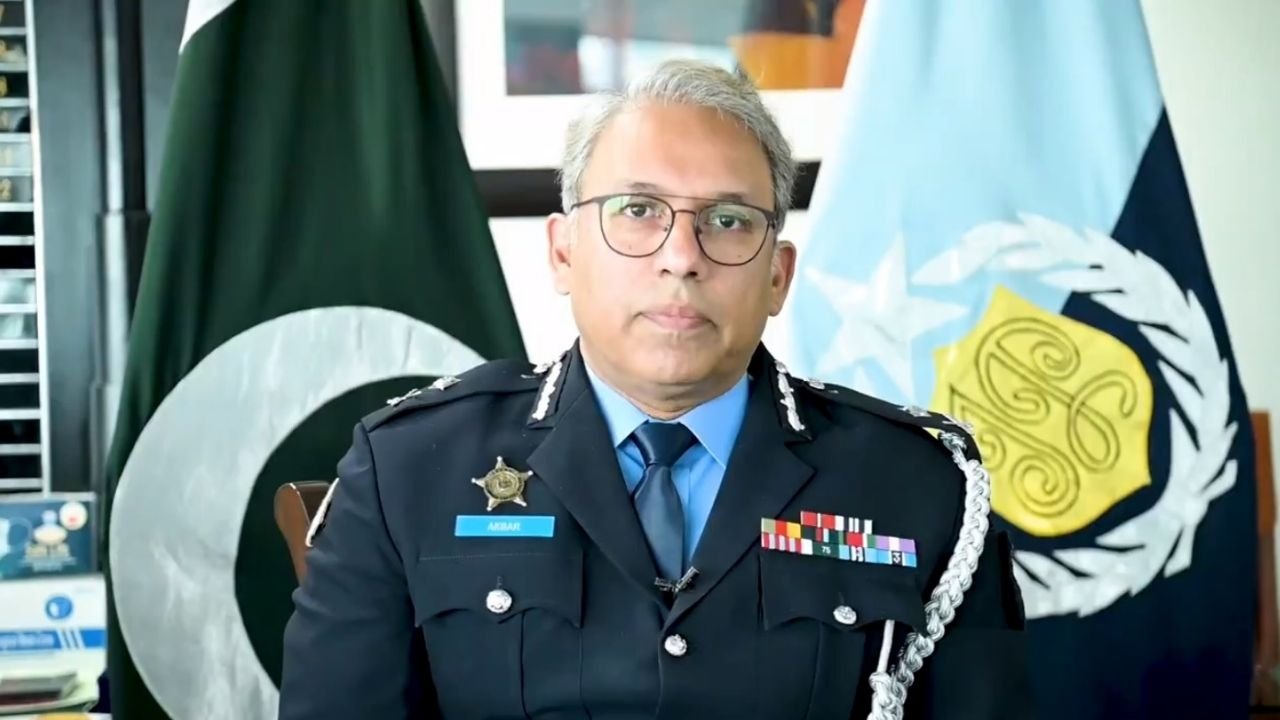
    Islamabad Police’s Inspector General, Dr. Akbar Nasir Khan, has stated that the security situation in Islamabad is “under control”.

    His statement comes hours after it was reported by news platforms that educational institutions were unexpectedly shut over security concerns.

    Arab News reveals that parents received messages from schools on Monday morning “urging them to pick their children a few hours after they had dropped them off” for reasons pertaining to their “safety and security.”

    According to IG Islamabad, however, the situation is under control.

    “I would like to inform you that the security and law and order situation in Islamabad is currently under control,” Dr. Khan said in a video message posted on X (formerly Twitter).

    “As of now, there is no situation which should cause you to bring about any change in your [routine regarding] schools and colleges and usual way of life out of fear,” he added.

    He added that citizens should avoid moves that could threaten the security of the city.

    What happened earlier?

    On Monday morning, several educational institutes located in Islamabad reportedly closed until further notice amid security concerns.

    According to news reports, Bahria University, Air University, and National Defence University were shut down. Security, in particular areas of and around Margalla road, F-8, and F-10, had been beefed up.

    However, according to ARY News, a number of other schools and colleges were also shut down, adding that sources reported that threat alert suggested that ‘terror attacks’ were to be carried out by “female suicide bombers affiliated with the banned organisations between January 22-24″.

    Geo News reported that according to the Islamabad Police, security was already tight due to the upcoming elections and protests outside the Press Club. Additionally, search operations were conducted yesternight in certain areas.

  • Karachi police faces severe shortage of security personnel ahead of General Elections

    Karachi police faces severe shortage of security personnel ahead of General Elections

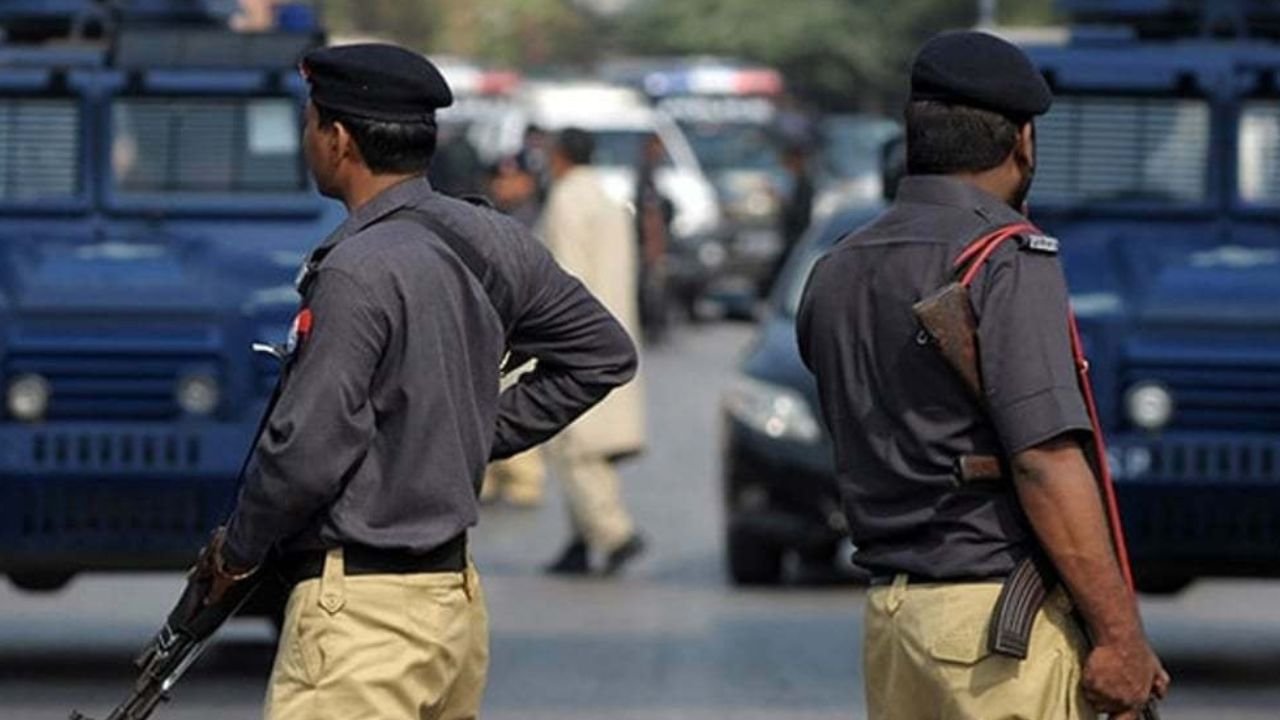
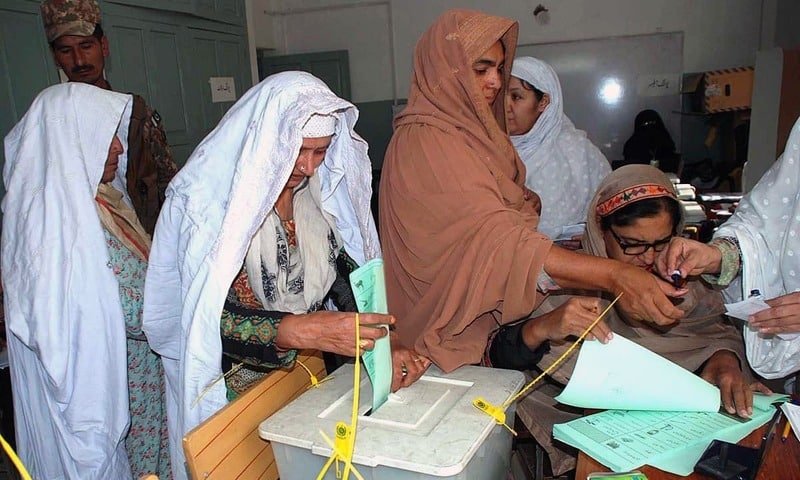
    As the nation braces for the upcoming general elections, Karachi police is facing a substantial shortage of 14,300 security personnel, including female officers.

    As per The News, Khadim Hussain Rind, the additional inspector general (AIG) of Karachi, revealed that the city’s police force had initiated robust security arrangements for the elections scheduled for February 8.

    However, he underscored the significant shortfall in required personnel.

    “Over 46,076 police personnel are needed for the election security plan, while Karachi Police have only 31,776. The required number of female police personnel is also not available,” said the AIG.

    He elaborated on the specific needs for female personnel, highlighting, “At least 3,200 female personnel are required for security arrangements at women’s polling stations while we have 1,200 female personnel. The KPO faces a shortage of 2,000 lady cops.”

    As per the security plan, eight police personnel are required for the most sensitive, six for sensitive and four for normal polling stations each. In Karachi, there are 2,033 most sensitive stations, 3,008 sensitive stations, and 308 polling stations are declared normal, while 16,264, 18,048, and 1,232 personnel respectively are required for them.

    Rind disclosed that 35,544 personnel would be assigned to duty at 5,349 polling stations in the megacity.

    Additionally, a quick response force is set to be deployed at polling stations, with 3,892 personnel assigned to 2,774 buildings. Furthermore, 4,210 police officers will be placed on reserve duty under the supervision of the Deputy Inspector General (DIG), accompanied by nine Senior Superintendents of Police (SSPs), 16 Superintendents of Police (SPs), 57 Deputy Superintendents of Police (DSPs), and 107 Station House Officers (SHOs).

    The AIG outlined plans to allocate 2,430 personnel for various election commission offices, welfare duties, hospitals, and miscellaneous tasks.

    However, he emphasized the glaring shortage of 14,300 police personnel and revealed that multiple options were under consideration to address this gap. Possibilities include deploying lady health workers, and polio staff, or hiring private security guards, anti-encroachment, excise police, anti-corruption, or forest department personnel to bolster the existing security measures.

    As the elections draw near, efforts are underway to mitigate the shortfall and ensure the safety and integrity of the electoral process in Karachi.

  • India targeting high-profile journalists with spyware: Amnesty

    India targeting high-profile journalists with spyware: Amnesty

    New Delhi (AFP) – India’s government has recently targeted high-profile journalists with Pegasus spyware, Amnesty International and The Washington Post said in a joint investigation published Thursday.

    Created by Israeli firm NSO Group and sold to governments around the world, Pegasus software can be used to access a phone’s messages and emails, peruse photos, eavesdrop on calls, track locations and even film the owner with the camera.

    Amnesty said journalists Siddharth Varadarajan of The Wire and Anand Mangnale of The Organized Crime and Corruption Reporting Project had been targeted with the spyware on their iPhones, with the latest identified case occurring in October.

    “Our latest findings show that increasingly, journalists in India face the threat of unlawful surveillance simply for doing their jobs, alongside other tools of repression including imprisonment under draconian laws, smear campaigns, harassment, and intimidation,” said Donncha O Cearbhaill, Head of Amnesty International’s Security Lab.

    India’s government did not immediately respond, but it denied similar accusations in 2021 that it used Pegasus spyware to surveil political opponents, activists and journalists.

    Indian media reported last month that the country’s cyber security unit was investigating allegations by opposition politicians of attempted phone tapping after they reported receiving Apple iPhone warnings of “state-sponsored attackers”.

    In that case, Ashwini Vaishnaw, the information and technology minister, said the government was “concerned” by the complaints.

  • PPP leader Abdul Qadir Baloch proposes election delay in security challenged regions

    PPP leader Abdul Qadir Baloch proposes election delay in security challenged regions

    Former federal minister and Pakistan People’s Party (PPP) leader Abdul Qadir Baloch has recommended postponing the general elections in areas that are not safe or facing security challenges.

    The PPP leader said in an interview on Saturday that by-polls can be conducted in these areas later, stressing that it will not be good to postpone general elections due to just six or seven constituencies.

    “Attacks by TTP in Balochistan are way higher than those by Baloch separatists,” the PPP leader said, adding that the terrorist organisation often targets Kalat, Mastung, and neighbouring areas.

    He also said that security threats are real because Baloch separatists don’t believe in the politics of parliament, calling the elements a hurdle for politicians to run their election campaigns.

    Abdul Qadir Baloch then said that interior minister Sarfraz Bugti should not have publicly talked to the media about threats to Jamiat Ulema-e-Islam (JUI-F) chief Maulana Fazlur Rehman, adding that it’s the caretaker government’s responsibility to give security to all politicians.

  • In a rare move, UN secretary-general invokes Article 99 on Gaza

    In a rare move, UN secretary-general invokes Article 99 on Gaza

    The UN Secretary-General Antonio Guterres has invoked Article 99 of the UN Charter, calling on the Security Council to declare a ceasefire to put a stop to Israeli atrocities committed in Gaza.

    Invoking Article 99 is one of the few powers that the Charter gives the UN Secretary-General.

    In a letter written to the council’s president, Guterres cites the responsibility of the 15-member Security Council that has the obligation to maintain international peace and security, stating that the situation in Gaza and Israel “may aggravate existing threats to the maintenance of international peace and security.”

    He added that the humanitarian crisis in Gaza can have “potentially irreversible implications for Palestinians as a whole and for peace and security in the region.”

    UN Spokesperson Stéphane Dujarric explained that the move has been taken “given the scale of the loss of human life in Gaza and Israel, in such a short amount of time.”

    He described the use of Article 99 as a “dramatic constitutional move” made by Guterres in the hope that it would put more pressure on the Council – and the international community at large – to demand a ceasefire between the warring parties.

    “I think it’s arguably the most important invocation”, Dujarric told reporters at UN Headquarters, “in my opinion, the most powerful tool that he [the Secretary-General] has.”

  • Taliban Interior Minister Sirajuddin Haqqani among thousands of Afghans holding Pakistani passport

    Taliban Interior Minister Sirajuddin Haqqani among thousands of Afghans holding Pakistani passport

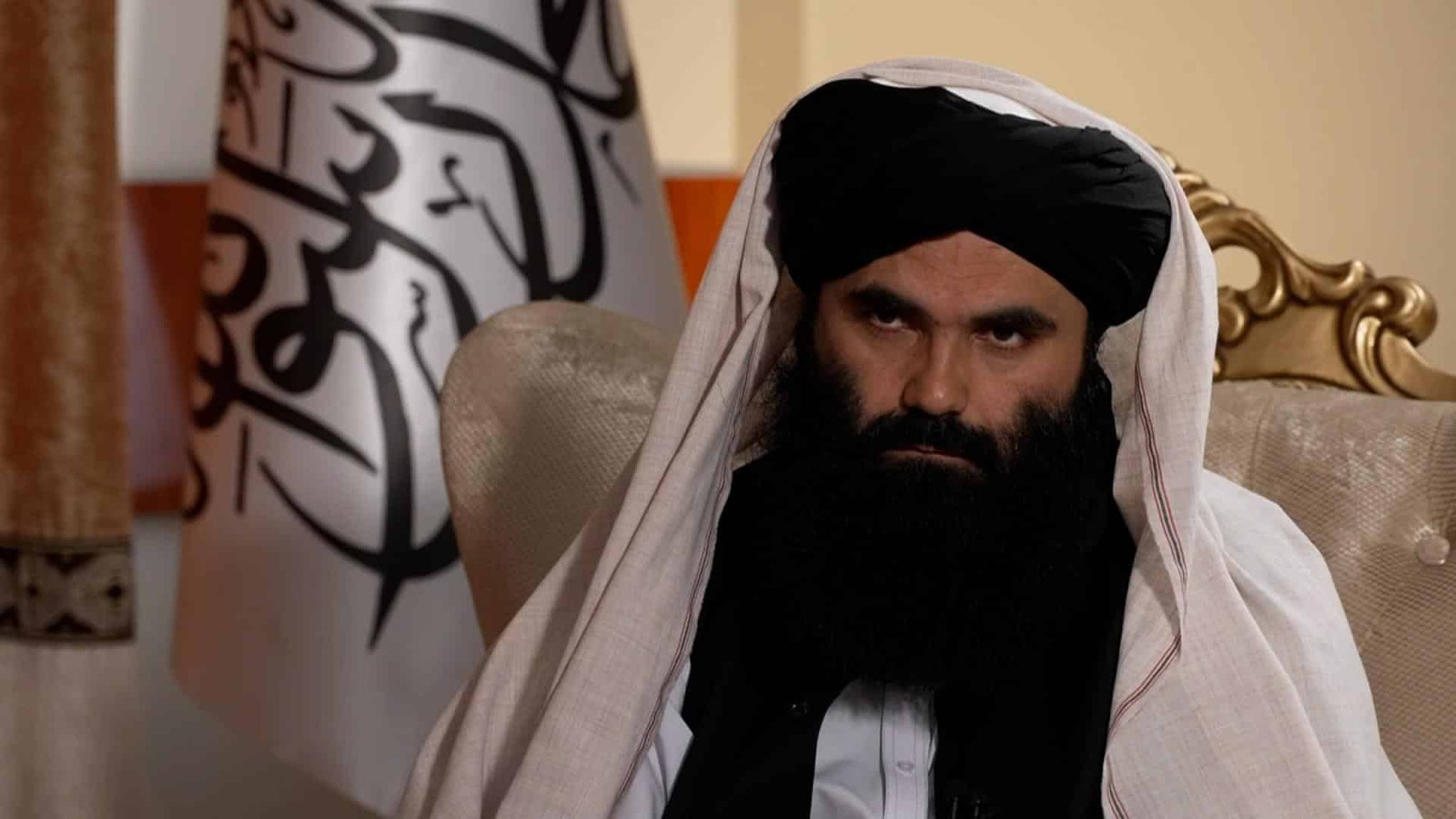
    The News has uncovered, through Ministry of Interior sources, that the name of Afghanistan’s Interior Minister Sirajuddin Haqqani is among the list of thousands of Afghan citizens who had Pakistani passports until recently.

    Sirajuddin Haqqani was issued a Pakistani passport for five years, which he used to visit many countries; including Qatar where he negotiated with the American government, which led to the Doha Agreement and the withdrawal of the United States from Afghanistan.

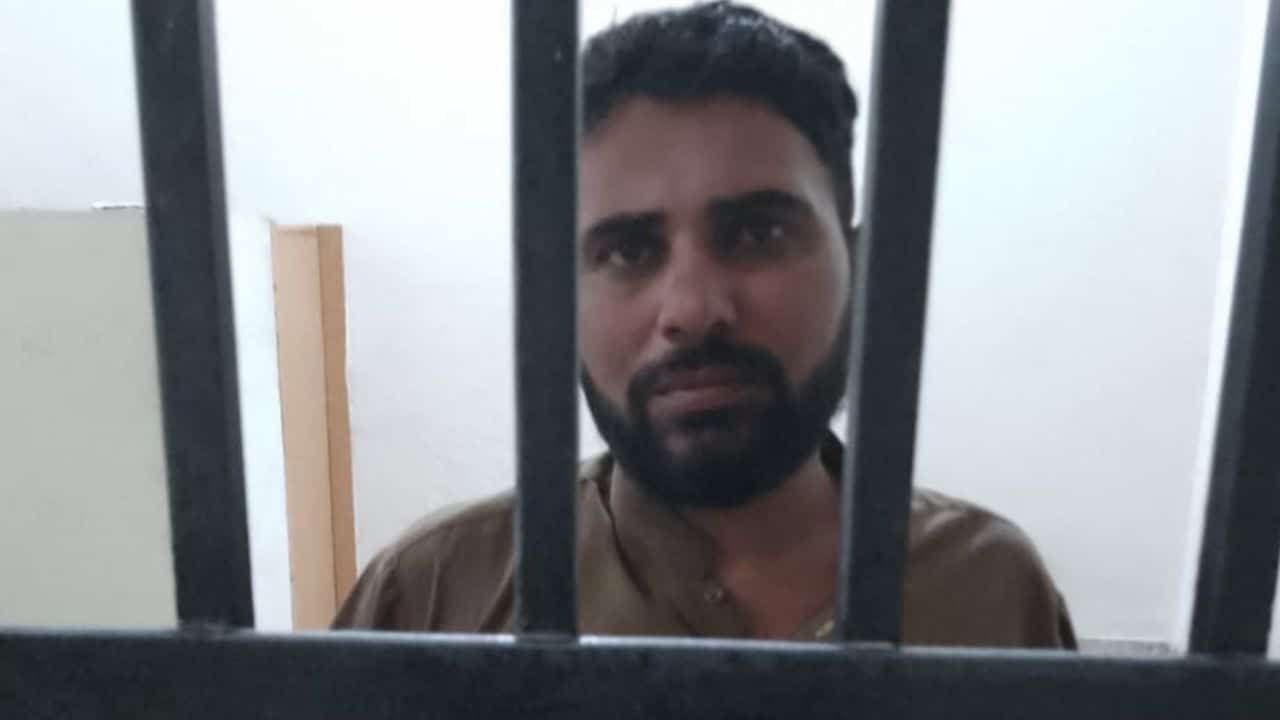
    Two officials who issued passports to Haqqani have been arrested, one of whom had retired from service when the proceedings against him began.

    An official acquainted with the record-cleansing operation said 30,000 to 40,000 passports issued to Afghan nationals have been blocked.

    Passport offices in various cities issued passports to Afghan citizens, including Karachi and Thatta in Sindh. Without naming the cities of Balochistan and KP, the official said that passport offices established in different cities have also been found involved in the matter.

    Geo reports that Haqqani’s case was unveiled when a Peshawar-based journalist was on the same flight that Haqqani took to Doha. At the immigration counter, Haqqani had shown a Pakistani passport as his travel document. The aforementioned journalist was surprised to see him with that passport. But it was in August this year when the journalist drew the attention of the passport authorities in Pakistan about what he witnessed during a discussion. The information proved to be correct.

    An inquiry was then conducted into the matter which revealed that the passport was issued from Peshawar during the PTI regime.

    The passport-issuing officer said he was contacted by a man who identified himself as a senior military official from an intelligence agency and asked to issue a travel document for Haqqani.

    When the passport officer was asked to find out the identity of the army officer, he said that he was not sure who the man actually was as he had given instructions over the phone. After that, departmental action was initiated against the passport officer and also against the employee who had printed the passport.

    Reportedly both the persons are in jail. This is also confirmed by the information received from Saudi authorities.

    Initially, the Saudi authorities raised the issue with the government of Pakistan that Afghan citizens have obtained Pakistani passports to get jobs in Saudi Arabia. The Saudi government provided copies of passports, and as the government took notice of the case, it was found that the number of such cases is, in fact, more than 12,000. The passports of these individuals were revoked and those found to have used forged documents were deported to Afghanistan.