Tag: security

  • Pakistan to deport 1.1 million illegal foreign residents in security move

    Pakistan to deport 1.1 million illegal foreign residents in security move

    Due to security concerns, the caretaker government led by Prime Minister Anwaar-ul-Haq Kakar announced on Monday its intention to repatriate 1.1 million foreign nationals who are currently residing in Pakistan without legal authorisation.

    The government’s plan involves a multi-phase approach. In the initial phase, those individuals who are residing in Pakistan unlawfully, colloquially referred to as “aliens,” will be subject to eviction, as will individuals who fail to renew their visas.

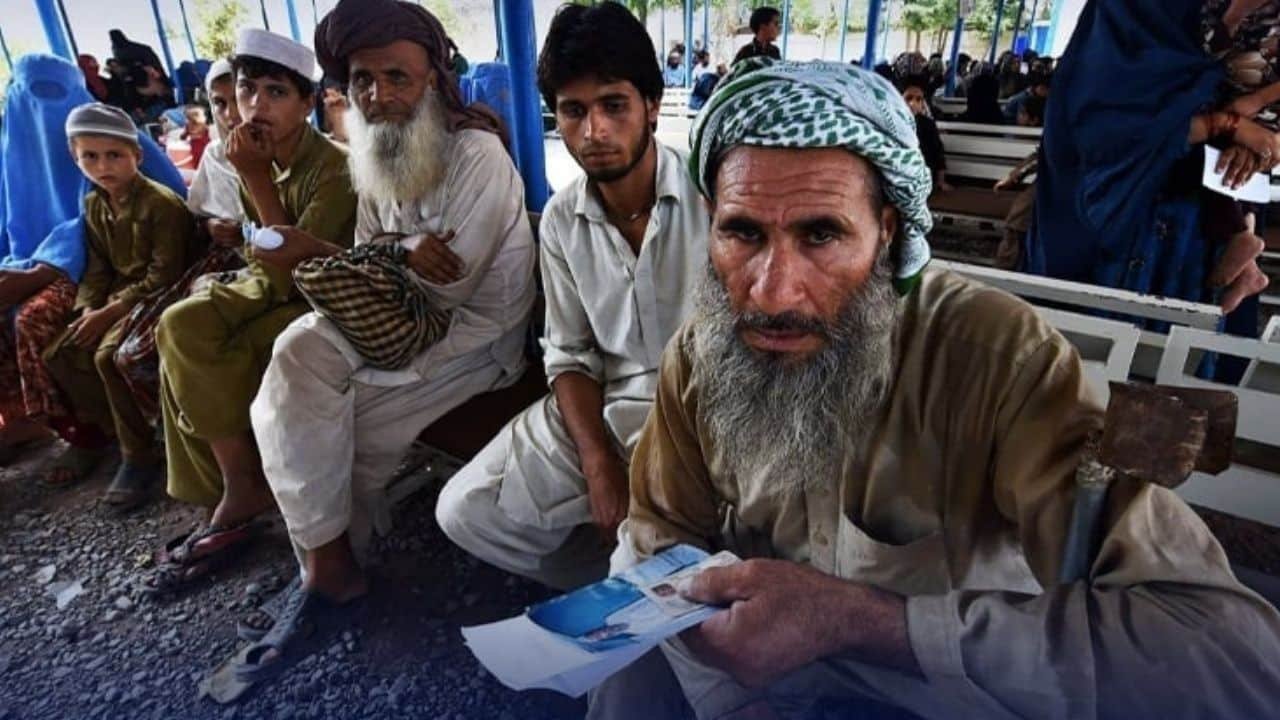
    Subsequent phases will target individuals with Afghan citizenship who possess proof of residence cards. The decision to take action against illegally residing Afghan citizens was made due to concerns that this group is linked to activities such as funding, facilitating, and smuggling terrorists. Additionally, a significant number of Afghan nationals have not renewed their proof of residence in Pakistan, further raising security concerns.

    A source familiar with the situation emphasised that illegally residing foreigners pose a significant security risk to Pakistan. The Ministry of Interior has collaborated with relevant stakeholders and the Afghan government to formulate a comprehensive plan for implementation.

    In parallel, the ministry has issued directives to identify and compile records of Afghans living in Pakistan without proper permits. Plans are being developed to facilitate their transportation back to the Afghan border. Authorities are also expediting the processing of applications related to the registration of Afghan nationals.

    Last week, it was reported that the government would soon announce a one-month deadline for all illegal foreign immigrants, including Afghans, to voluntarily leave the country or face legal consequences. Following this deadline, law enforcement agencies will conduct a nationwide crackdown to identify and deport illegal immigrants, the majority of whom are believed to be Afghan nationals.

    At the highest level, the government is committed to preventing Pakistan from becoming a sanctuary for illegal immigrants, many of whom are engaged in criminal activities and smuggling operations. Notably, some illegal Afghan immigrants have already been apprehended for engaging in illicit dollar trading, negatively impacting the country’s economy.

    Additionally, a considerable number of illegal foreign nationals are involved in various businesses across major cities, including the federal capital. The increase in street crime in Islamabad has been associated with the influx of illegal Afghan nationals.

    According to The News, it is estimated that approximately 1.1 million Afghan refugees are residing in Pakistan without legal authorization. Since the return of the Afghan Taliban to Afghanistan in August 2021, around 400,000 Afghans have entered Pakistan illegally, with an additional 700,000 identified as residing in the country without legal permission.

  • Pakistan’s security forces lost 386 personnel in 2023: report

    Pakistan’s security forces lost 386 personnel in 2023: report

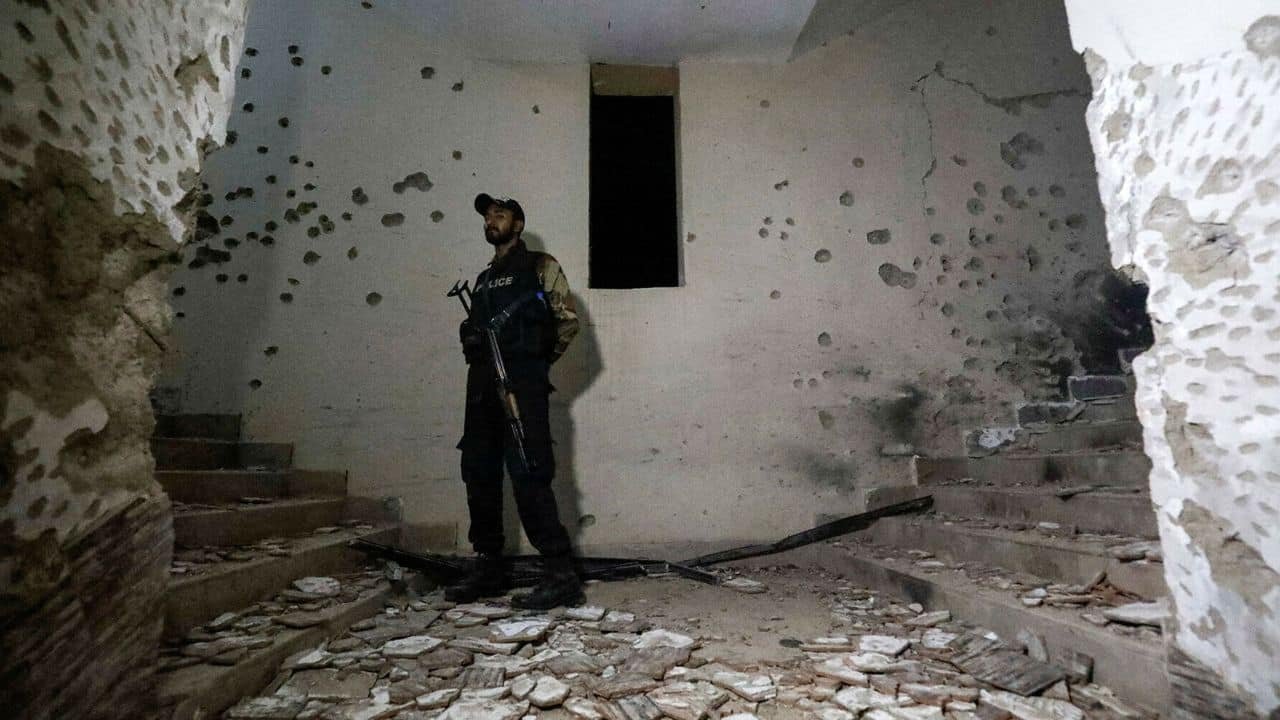
    A recent Security Report released by the Center for Research and Security Studies (CRSS) reveals that Pakistan’s security forces lost at least 386 personnel, including 137 army soldiers, in the first nine months of the ongoing year, marking an eight-year high as the country continues to battle militant violence.

    The Islamabad-based think tank’s report states, “Over the past five years, there has been a consistent and alarming surge in violence in Khyber Pakhtunkhwa (KP) and Balochistan provinces. Equally greater concern is the collective percentage of violence-related fatalities recorded in these two provinces which indicates a disturbing upward trend over the last five years; together, they suffered 72% of all fatalities in 2019, and this unsetting figure surged to a staggering 92% in the first 9 months of 2023.”

    There has been a trend of brutal attacks against religious congregations in the country, with more than 60 people losing their lives in two separate bombing incidents at a mosque and a gathering to mark the Prophet Muhammad’s (PBUH) birth anniversary on Friday.

    “Pakistan’s security forces lost at least 386 personnel, 36 percent of all fatalities – including 137 army and 208 police personnel – in the first 9 months of 2023, marking an eight-year high as the country continues to battle proxy terrorism, largely in Khyber Pakhtunkhwa and Balochistan,” the Center for Research and Security Studies (CRSS) said in its report released on Saturday.

    “With 1087 violence-related fatalities recorded so far during the year, the outlaws suffered 368 (34 percent), followed by civilians with 333 (31 percent) fatalities,” it added.

    The CRSS maintained there had been a consistent and alarming increase in violence in the two Pakistani western provinces over the past five years.

    Experts attribute the recent increase in militant violence and security forces casualties in Pakistan to the change of government in neighboring Afghanistan, saying it emboldened militant groups in Khyber Pakhtunkhwa and fueled separatist violence in Balochistan.

  • Afghan Taliban capture 200 anti-Pakistan militants

    Afghan Taliban capture 200 anti-Pakistan militants

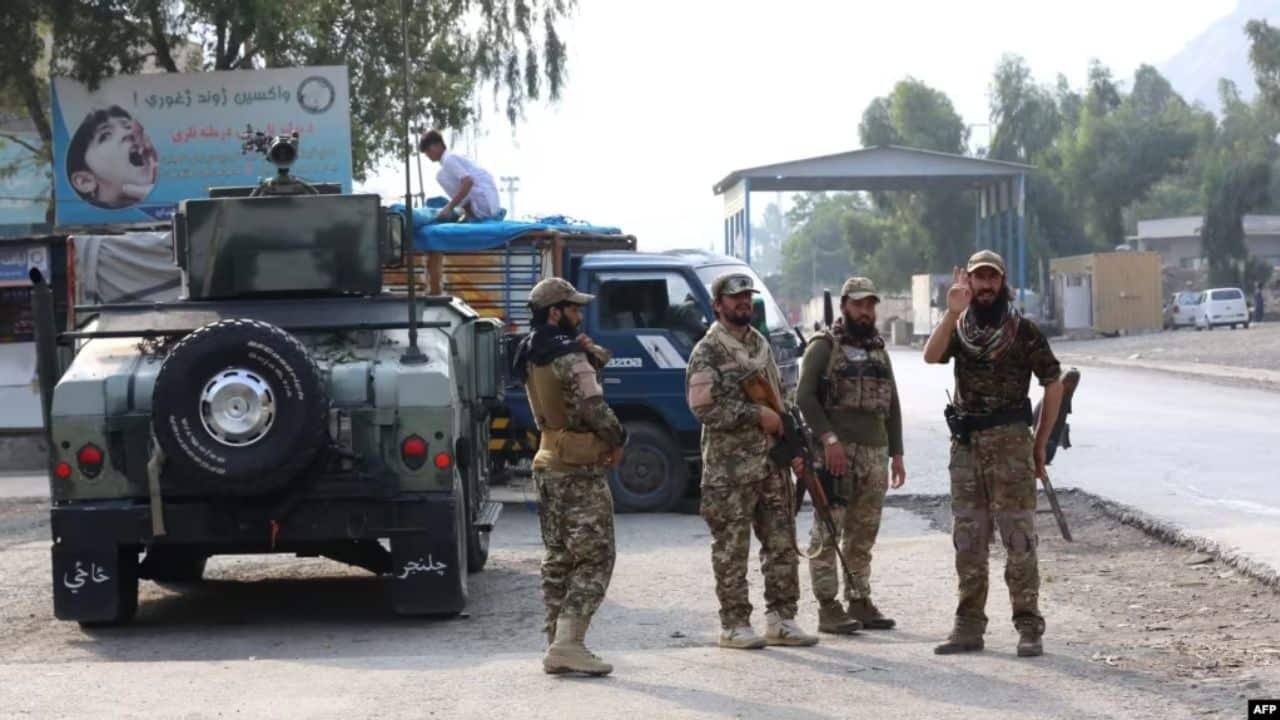
    The Afghan Taliban claim to have arrested 200 suspected militants for carrying out cross-border attacks against Pakistan.

    The news was reported as a delegation from Islamabad visited Kabul where the Afghan government hosted bilateral talks last week.

    They expounded on the crackdown against the proscribed Tehrik-i-Taliban Pakistan (TTP).

    Earlier this month, heavily armed militants attacked two Pakistani security posts in Chitral. The raid of September 6th killed four soldiers and 12 assailants for which TTP claimed responsibility.

    VoA spoke with Pakistani officials who said that Taliban leader Hibatullah Akhundzada has “forbidden his forces from launching cross-border attacks against Pakistan, calling them haram or un-Islamic”.

    Moreover, he has also “ordered Afghans not to collaborate with or give donations to the TTP for its so-called jihad against Pakistan and barred the militants from running donation collection campaigns in Afghanistan”.

    The Pakistani officials claimed that according to their assessment, the Taliban are “consciously distancing” themselves from groups they were previously with at the time of insurgency. These groups are now involved in criminal activities in Afghanistan — extortion, kidnapping for ransom, and terrorism.

    The officials highlighted that Taliban leaders are now in control and responsible for the country and must show the world that they do not function like an insurgent group.

  • At least six men involved in Hardeep Singh Nijjar’s murder

    At least six men involved in Hardeep Singh Nijjar’s murder

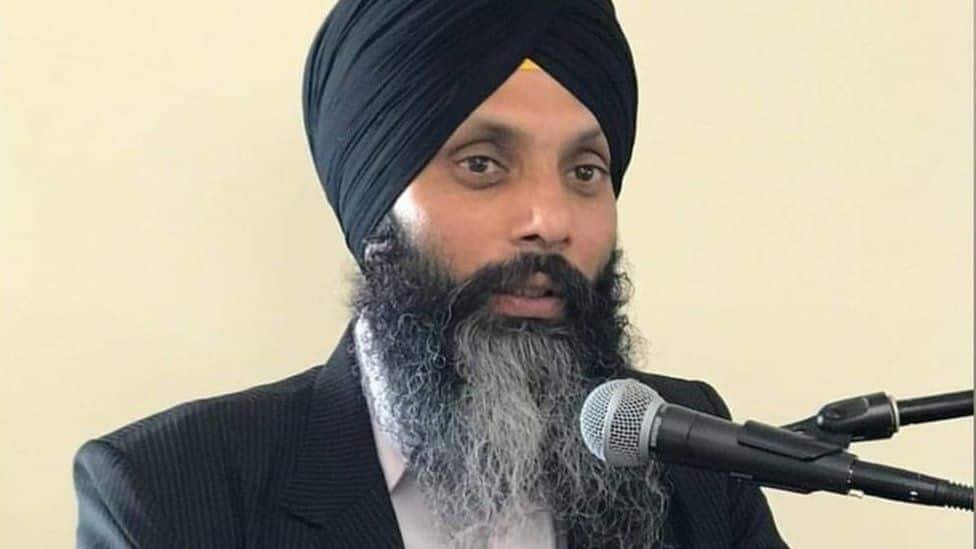
    Latest CCTV evidence reveals that at least six suspects came to kill Hardeep Singh in two cars.

    The Washington Post has reviewed the video and gathered accounts of witnesses that suggest that it was a “larger and more organized operation than has previously been reported”.

    According to Washington Post, Nijjar’s gray pickup truck was by strewn bullets. While Bhupinderjit Singh, first person to visit the site, described the scene: “It was blood and shattered glass everywhere,”

    The community members state that investigators told them that the assailants fired about 50 bullets out of which 34 hit Nijjar.

    On the other hand, the Sikh community protested outside the Indian High Commission in Canada against the killing of Hardeep Singh, raising slogans against Modi. Canada’s defence minister says there are credible intelligence reports pointing towards Indian interference, and it will not back down.

    Nijjar’s murder

    Hardeep Singh Nijjar, a Canadian Sikh leader, was shot outside a Sikh temple on 18 June in Surrey, British Columbia, Canada. As per the police’ evaluation, it was a “targeted” attack.

    The world reacted after Prime Minister Justin Trudeau’s statement citing suspicion towards India in Hardeep Singh Nijjar’s murder case.

    “Any involvement of a foreign government in the killing of a Canadian citizen on Canadian soil is an unacceptable violation of our sovereignty,”, said Trudeau.

    On the other hand, in a tit-for-tat move, India ordered a senior Canadian diplomat to leave the country, keeping in view the “growing concern at the interference of Canadian diplomats in our internal matters and their involvement in anti-India activities”.

    India’s foreign ministry has rejected all allegations, deeming them as “absurd”.

  • Which famous airport is going to be passport-free?

    Singapore’s Changi Airport will introduce a passport-free facility for travellers next year, media reports have confirmed.

    Changi Airport is one of the busiest and most beautiful airports in the world, playing host to 100 domestic and international take offs daily.

    Communications Minister Josephine Teo stated in the parliament that Singapore Changi Airport is also soon to introduce automated immigration clearance, allowing passengers to travel out of the city without a passport, using only biometric data.

    This would make Singapore one of the few countries to introduce automated and passport-free immigration clearance

    Biometric technology and facial recognition software are already being used to some degree at immigration checkpoints at Changi Airport.

    The Minister of Communications, however, clarified that passports will be required in other countries for which passengers must keep their passports nonetheless.

    Apart from Singapore, Dubai is among the countries using facial recognition and fingerprints instead of passports at airports and so is Hong Kong, Tokyo, London and Delhi.

  • Passenger arrested for carrying Ihram towels soaked in heroin on flight

    Passenger arrested for carrying Ihram towels soaked in heroin on flight

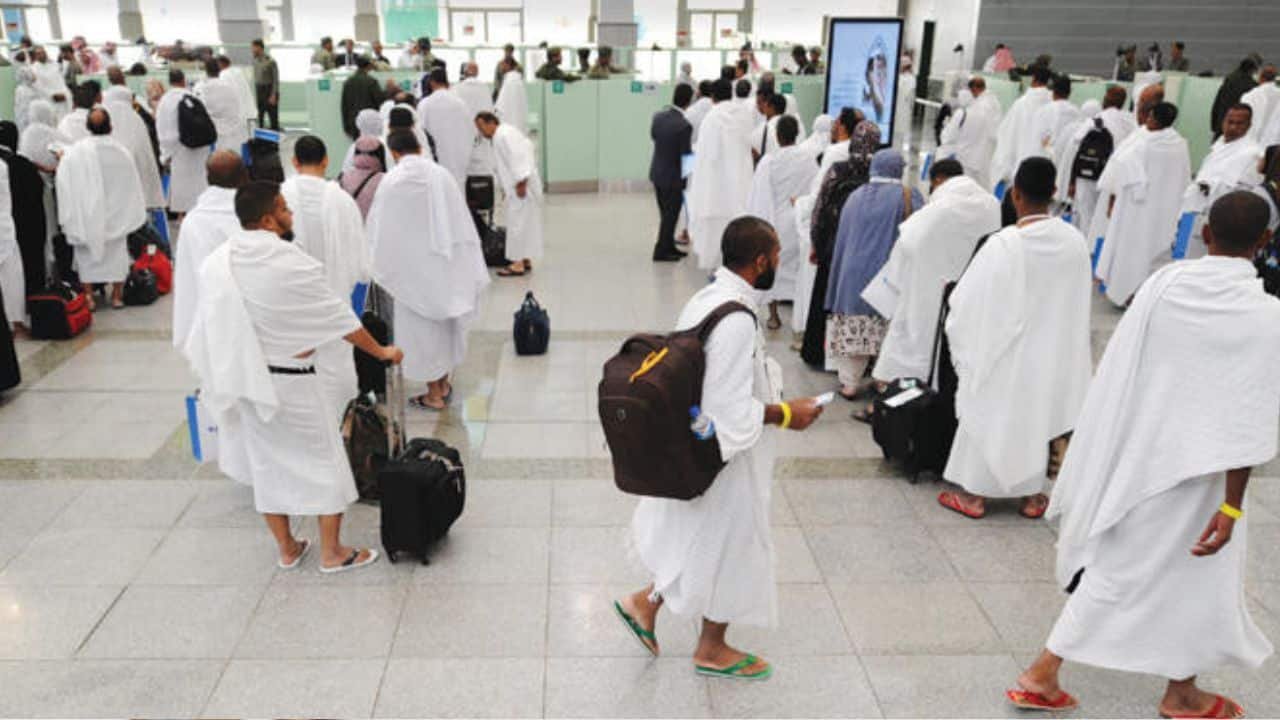
    The Airport Security Force (ASF) has recovered Rs. 70 million worth of heroin in a raid from a passenger flying to Istanbul from Islamabad International Airport.

    The suspect, Imran, was travelling for Umrah when 5 kg and 448g of drugs were found on his person. He had soaked three Ihram towels with a solution of heroin.

  • Exclusive: Afghan parents struggle for five days to take son’s body back to country

    Exclusive: Afghan parents struggle for five days to take son’s body back to country

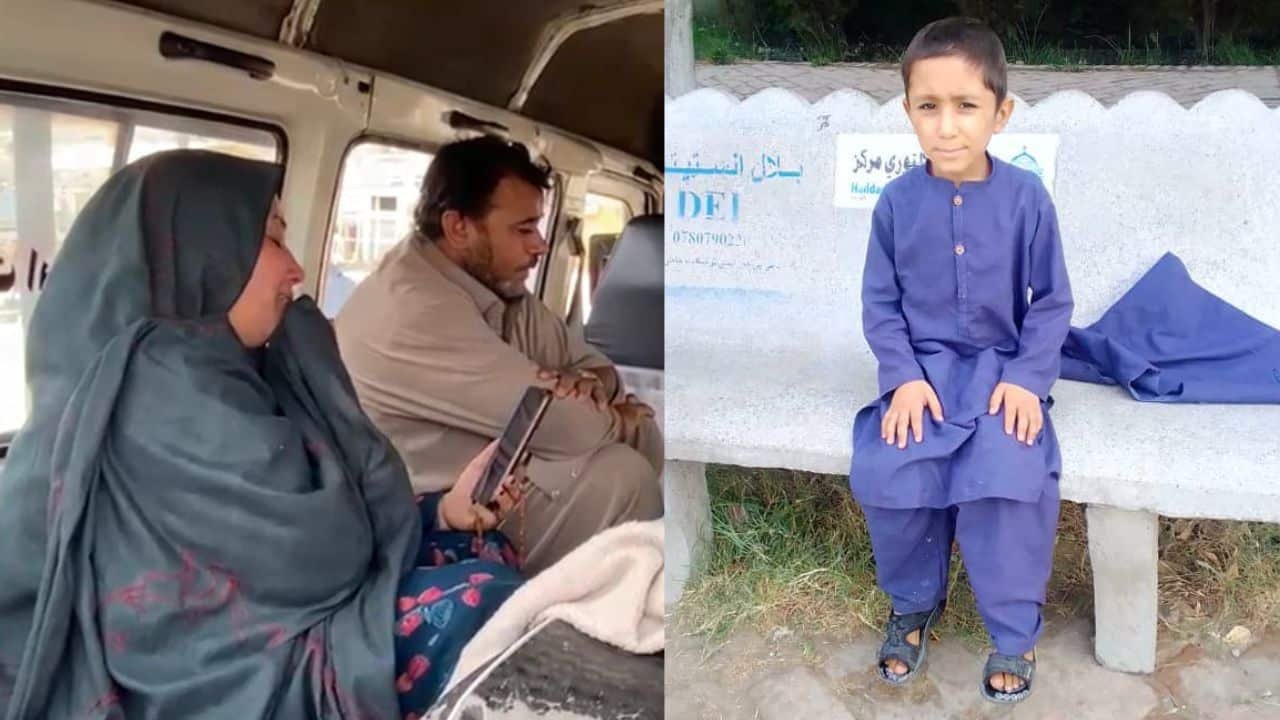
    A recent post on X (formerly Twitter) about Afghan parents unable to take their son’s body back to their country for burial has gone viral. In a photo, the parents can be seen crying beside their deceased son’s body in an ambulance in Peshawar.

    The family had come from Afghanistan to Peshawar for their son’s cancer treatment after he was diagnosed with a brain tumor. However, eight-year-old Muhammad Yasin passed away of the disease. The parents then wanted to return to their hometown in Afghanistan for the burial, but their route via the Torkham border had been closed due to Pak-Afghan security conflict.

    The Current reached out to Tahir Khan, the journalist who posted the picture, for an update on the case.

    Yaseen was the only brother to eight sisters, Tahir Khan said, adding that the child’s father, Gul Muhammad, drives a rickshaw in Jalalabad, Nangarhar province, Afghanistan.

    Around a year ago, Yaseen was diagnosed with brain cancer in Jalalabad. The doctors there recommended to the parents that they take him to Peshawar for his treatment.

    Despite his low income and hardships, Gul Muhammad did everything in his capacity to get his son treated.

    The family frequently travelled to Peshawar and back. The son and father received a pass which made it convenient for them to cross borders.

    In Peshawar they were always hosted by their hometown fellow who had been working as a farmer.

    Yaseen had undergone treatment at the IRNUM cancer hospital as well as Peshawar Hayatabad Complex.

    The tumor in his brain was successfully removed, with the child almost recovering. But all of a sudden, on September 4, Yaseen started feeling unwell while in Jalalabad. The parents brought him to Peshawar Hayatabad Complex where on September 7, Yaseen passed away.

    Now, the parents wanted to take their son’s body back to their hometown for burial but on September 6, Pakistan closed its Torkham border with Afghanistan after two people, including a Frontier Corps (FC) official, were injured in an encounter between Pakistan and Afghan border forces.

    According to the officials, Afghanistan has also started the construction of a checkpoint on their side of the border in a prohibited area “without discussing it with the Pakistani side”, despite an already existing checkpoint, the Larram Post.

    The conflict between the two countries complicated the situation for the grieving family whose route back home was via the Torkham border. They went up to the border twice since the passing of their son, but were sent back.

    Tahir Khan shared their concern on X (formerly Twitter) in hopes that higher authorities would take notice and help the family cross the border.

    They were contacted by an unknown man a couple of days back, who called the family around 2:30 am, promising to help them cross the border, but after that one call, Gul Muhammad was never able to contact the unknown caller and potential helper again since he never picked up his call.

    And so, with no help received from the officials, and with their deceased son’s body lying in the hospital since five days, the family decided to take the longer way back home.

    They are currently on their way to Jalalabad via Kurram border. While Peshawar to Jalalabad takes only three hours via Torkham border, it can take the family approximately half a day or more to travel via the Kurram border.

  • The Khorasan Diary exclusive: Gen-Z and tech-savy militants

    The Khorasan Diary exclusive: Gen-Z and tech-savy militants

    The Khorasan Diary (TKD) is a joint collaboration of journalists, researchers, and academics from across the world providing consultancy-based services for risk mitigation, security analysis, research papers, and access to original sources of information in the region of Khorasan.

    It also has a digital media platform covering areas inaccessible for mainstream media and highlighting grass root developments, particularly in conflict zones.

    In their latest investigative story, TKD has uncovered the case of a young Pakistani boy who gets entangled in militant circles through social media.

    In April 2023, the Islamic State of Khorasan (ISIS-K), a militant group active in South Asia and Central Asia, released a video featuring Serena Hotel and Police Facilitation Centre in Islamabad. The video had a threatening message — “We are coming,”. This alerted the security agencies.

    The Khorasan Diary (TKD) was given access to information in regards to the case. The pieces of information led to the discovery of a unit of ‘freelancers’ from Islamabad’s most reputable educational institutions. Apart from providing information to ISKP, the students operated on behalf of the group.

    Among these freelancers was 19-year-old Hamza*. His story began with a meme. During the COVID-19 pandemic his classes shifted online and he resorted to the internet to kill time.

    “I was always fascinated with digital media and played around with editing tools,” he told The Khorasan Diary.

    It was during this time that Hamza came across an Instagram account named ‘Jihadiaspect’* with more than 30,000 followers, sharing memes and videos related to the Islamic State Central. The content had high-definition footage, cinematic style editing, and Western music in the background appealing to the youth.

    He watched several of their videos till he discovered that the account had been using the same editing tool as he did: Capcut.

    After conversing with the user(s) through comments under their posts, Hamza made his way into the direct messages and inquired further about the editing software.

    Hamza was then added to a private Instagram group consisting of numerous teenagers and from there, he was connected with several other pages and individuals across the globe, affiliated with different sects and jihadist groups.

    Eventually, Hamza’s religious beliefs transformed as well.

    By June 2022, Hamza was introduced to a new group on Telegram named “Formula 1” managed by Islamic State of Khorasan (ISK).

    According to Hamza, his recruiter persuaded him on the basis of his Pashtun heritage, emphasising the internal conflicts within the community and advocating for the establishment of a caliphate as the ultimate solution to their issues. During this period, Hamza received several videos on Taliban’s killings of innocent Salafis.

    For his first assignment, Hamza made a video showcasing an attack involving a suicide bomber at a loya jirga in Afghanistan in June 2022, where a motorcyclist strategically drove his explosive-laden vehicle into a Taliban checkpoint.

    Hamza was praised for his work and he felt a sense of pride when it was posted.

    “It was finally happening. I had achieved something. My entire life I was scrutinized for things I never did. My father used to beat me and keep me in isolation. My mother was beaten before me multiple times and we suffered at the hands of our relatives who jostled during yearlong court briefings on how I was involved in my own father’s death. Close relatives, for months, dragged us through police stations and courts following my father’s mysterious killing to force us to surrender our family property to them as I was the only male left in my family. It was finally my time to prove to the world that I was right,” said Hamza.

    Hamza was also encouraged to write for their publication.

    He wrote for “Voice of Khorasan” but made a critical error by sourcing all the content from Wikipedia. His work was deemed plagiarized because the organization exclusively expected original content. Consequently, his article remained unpublished.

    This left Hamza disappointed and in despair.

    In February 2023, Hamza received a task to create an impactful video concerning Pakistan and to reestablish their influence in Afghanistan and Pakistan.

    Failing to meet the deadline, he received a message stating he will never be contacted again

    It was then that Hamza shot a video at Police Facilitation Center and Serena Hotel and recorded a 14-minute clip.

    It was released on various ISKP channels, jolting Islamabad’s law enforcement community and resulting in Hamza’s eventual arrest.

    Militancy, Technology, and Gen-Z

    Khorasan Diary deduced a new trend through multiple interviews with detained militants from various militant outfits in the region. The younger generation of Jihadis is apparently less influenced by ideology and more persuaded by aspects of identity crisis, broken families, and lack of opportunities.

    Emerging organizations like ISKP no longer recruit through religious seminaries. There was a time when several students from Pakistan’s private school networks joined religious or nationalist militant outfits due to a lack of proper checks from teachers and parents.

    “There was literally no one to stop me from what I was up to. For me, it was some kind of an adolescent adventure initially. My father was stuck in his own court cases and family issues. Mother was a traditional housewife who for years was facing my father’s abuses, both physical and verbal. My teachers and friends at school were aware but instead of stopping me, they were getting fascinated with what I was producing,” Hamza tells Khorasan Diary.

    Khorasan Diary also notes that online workers are difficult to track as users are cautious and usually private, and communicate on private encrypted platforms. Generally, the typical online recruiting process culminates in assigning new ISKP recruits to manage online propaganda before entrusting them with training, migration, and attack planning.
    Read the whole story by The Khorasan Diary here: Creeping Ideology; The ‘Generation-Z’ Freelancers of the ISKP

  • Missing girl found after 12 years: The story of Saba Khalil

    Missing girl found after 12 years: The story of Saba Khalil

    On Friday, Urdu News published a detailed report on the return of a missing girl from Lari Adda.

    12 years ago, it was reported that 8-year-old Saba Khalil, a resident of Lahore’s Lari Adda, had gone missing. She had gone to the market and got lost on the way back home. After searching for her everywhere, the parents approached the police.

    Her father, Mohammad Khalil, used to sell naan chana on a cart in Lari Adda. He has two sons and a daughter.

    Failure of the system

    This year in May, Punjab’s Inspector General of Police (IGP) Dr. Usman Anwar tasked his subordinates to take an initiative to find the parents of missing children. Mustansar Feroze, Chief of City Traffic Police, has handed responsibility for listing down children who have no guardians and for tracing their relatives to a branch of his department that deals with education.

    When the traffic police team compiled the lists of abandoned children in all 42 centres, the Child Protection Bureau came to know of 68 girls whose cases have been closed and whose parents have become almost impossible to trace.

    After receiving the list, a three-member traffic police team headed by Traffic Warden Mohsin Abbas Malik started the process of interviewing the children according to the order of the list. Saba Khalil was first in the list.

    The traffic police personnel had no training for this work, but they were determined to finish the task. The head of the team, Mohsin Abbas, told Urdu News that when he was interviewing Saba Khalil, the team of the Child Protection Bureau was also present.

    “Gaining children’s trust is very difficult,” he stated. Then they started questioning the girl in order to get whatever information they could. “She remembered a few main things: father’s name is Khalil, that he used to drive rickshaws in the area of Lari Adda, and the shop of Mithu chaiwala was near her house. And the tandoor.”

    Journey back home

    With this basic information, the traffic police team started the process of tracing Saba’s parents.

    Mohsin Abbas says that there were three people and all three of them reached the Lari Adda and went in different directions. The child was kept in the car with the child protection team. It was 10:30 in the morning and we decided to ask all the porters at the Lari Adda about Khalil. We had asked everyone for three hours, but no one was found.

    When Saba Khalil went missing 12 years ago, the area looked different at the time. Now major changes have taken place including the roads and paths. And for 20-year-old Saba sitting in the car, everything was new now.

    Theteam started searching all four sides of Iqbal Park up to Bati Chowk one by one. And they found a man named Khalil, but he was not Saba’s father.

    According to Mohsin, a shopkeeper in Taxali said that he knew a Mithu chai wala in a street adjacent to the Lari Adda. “We took him with us and took him to that street, but this Mithu was not the same person because Saba did not recognize that street. But in the same street we found three things together, there was a naan shop and a milk-yogurt shop. There were about 50 houses in this area. We decided to knock on the door of each house.”

    At around 2:30, the team went out to the other side of this street and saw another naan shop. Mohsin says that “The owner of this shop, Faqir Hussain, who was working inside, saw the girl and came out and said that he seems to have seen this girl. He asked ‘Is her father’s name Khalil?’ to which we nodded yes,” Abbas recalled.

    “He used to live here on rent and a few years ago he set up a shop in the old city side and shifted there. His daughter is also missing.”, recalled Hussain.

    It was around 3:30 PM when the traffic police team took Faqir Hussain and left for Phaja Siripaye Chowk.

    Mohsin Abbas says that they parked the car, taking Saba with them and started walking towards the naan shop which according to Faqir Hussain was Khalil’s shop. Outside this shop, a person was sitting on a chair and eating. As soon as he mouthed the first bite, his eyes fell on Saba and he became still.

    Mohsin says that every single moment is imprinted in his eyes. That man was standing there and his eyes were fixed on the girl. When we got close and he didn’t even notice us, I grabbed his shoulder and shook him. So he came to his senses. I asked if your name is Khalil. So he said yes. I told him to stand and I asked him, “Do you recognize this girl?” To which he replied, “This is my daughter Saba”, and he started crying.

    Saba’s father said while crying that “I just observed Friday prayer and cried and prayed for my daughter to find her.”

    Many people gathered at the spot. And every eye was full of tears. The father hugged his daughter and remained in a state of disbelief for a long time.

    Saba is still with the Child Protection Bureau as she will be handed over to her parents only after completing the legal process.

    Urdu News writes that many aspects of this story pose questions about the system itself, about the extent to which there is a lack of communication between the responsible agencies. Saba was just 10 km away from her home for 12 years.

    According to official data, the traffic police team has reunited 10 such children with their parents in the last two months.

  • Jaranwala and Sargodha incidents were a foreign conspiracy: IG Punajb

    Jaranwala and Sargodha incidents were a foreign conspiracy: IG Punajb

    Inspector General Police, Punjab Dr. Usman Anwar has claimed that no incident like Jaranwala and Sargodha will happen in Punjab again, asserting that the police have “broken the network” of a foreign intelligence agency and the two incidents were “a conspiracy against Pakistan”.

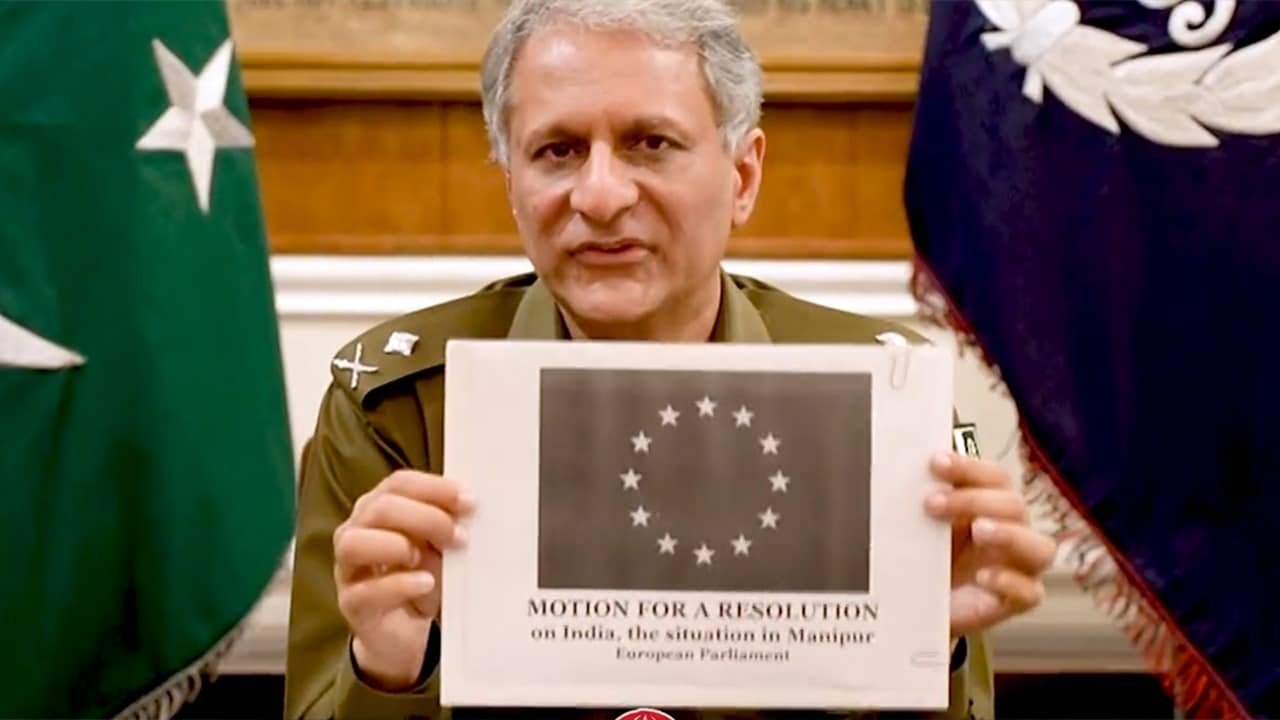
    Punjab Police has uploaded a 4-minute long video on X (formerly Twitter) in which Dr. Usman Anwar explains in detail what led to the two gruesome incidents. He is apparently referring to human rights organisations.

    He pointed out that Christian women were treated badly in the neighbouring country and as a result, a resolution was presented in the European Union condemning the atrocities on Muslims and Christians. Concerns were also raised in North America.

    This was followed by a series of strange incidents like the Jaranwala tragedy and then the desecration of the Holy Quran and conspiracy to harm the minority communities by inciting people started taking place — all to divert the world’s attention.

    “We need to understand this conspiracy and thwart it. More than 2500 police personnel in plain clothes have been deployed to suppress the evil elements, and such elements will be dealt with iron hands.”

    He also added: “We will not let pakistan become a scapegoat for the great injustice that was done across the border”
    IG Punjab has not named any country or intelligence agency as of yet but he assures he will “not let attention be diverted from the rapes and deaths and human rights violations” in Pakistan.