Tag: senators

  • Senate elections delayed in KPK

    Senate elections delayed in KPK

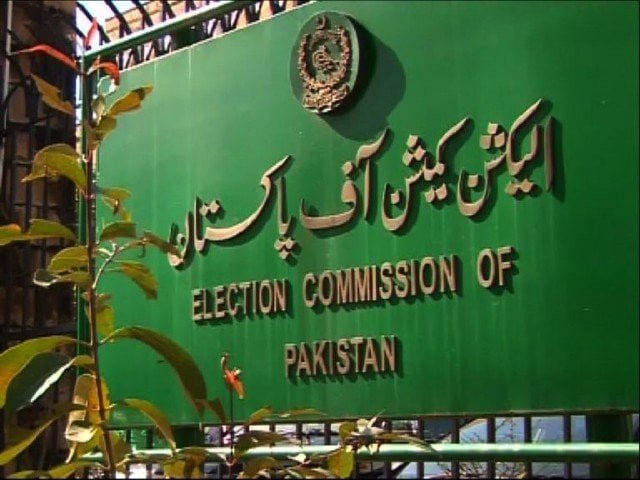
    The Election Commission of Pakistan (ECP) on Tuesday postponed Senate elections in Khyber Pakhtunkhwa after opposition members filed a plea for postponement because of an issue with the provincial government over oath-taking of MPAs on reserved seats.

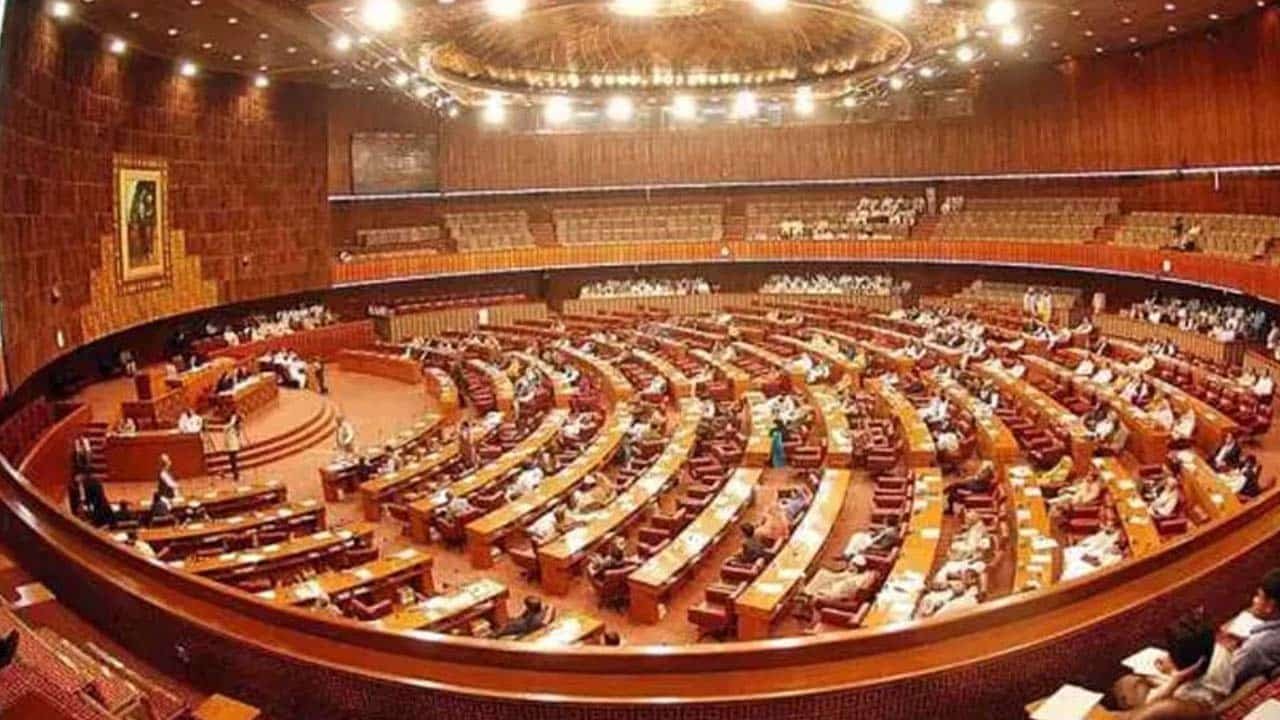
    Interestingly, polling is underway in the National Assembly, Punjab and Sindh assemblies.

    KP speaker Babar Saleem Swati did not comply with the Peshawar High Court’s (PHC) recent order to administer the oath to the legislators-elect and filed a review petition in court on the eve of polling.

    An official from the ECP pointed out that elections were postponed in KPK because of a delay in oath-taking ceremonies of MPAs-elect, as per the PHC order.

  • Senators propose discontinuation of Rs5,000 currency note to fight corruption

    Senators propose discontinuation of Rs5,000 currency note to fight corruption

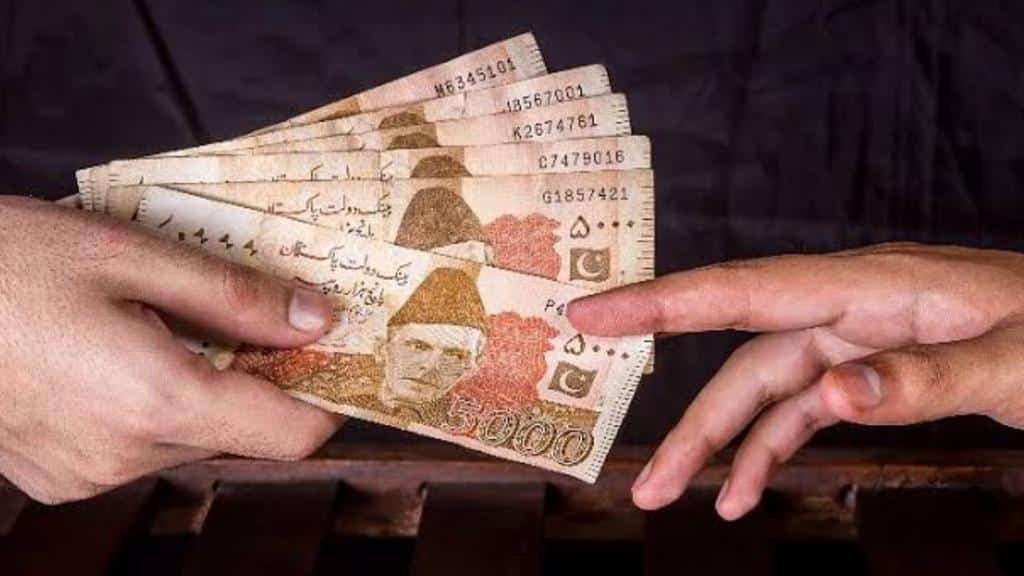
    Pakistan Tehreek-e-Insaf (PTI) senators are advocating for the discontinuation of the Rs5,000 currency note as a strategic move to combat corruption and inflation.

    On Monday, Senator Mohsin Aziz presented a resolution in the Upper House of Parliament urging the prohibition of the highest-denomination currency.

    According to Senator Aziz, the Rs5,000 note is frequently associated with corruption, terrorism, and smuggling.

    Providing details, Senator Aziz revealed that Rs5,000 currency notes totaling Rs3.5 trillion have been issued to date.

    Notably, he emphasised that Rs2 trillion worth of Rs5,000 notes are not currently in circulation but are securely stored in “safe deposit,” which he alleges is linked to money laundering, tax evasion, and smuggling.

    Senator Aziz called for a specific timeframe during which individuals should surrender the highest denomination notes.

    Supporting this initiative, another PTI Senator, Waleed Iqbal, echoed Senator Aziz’s call to discontinue the Rs5,000 currency note.
    He suggested that promoting digital payments would be instrumental in reducing reliance on physical currency.

    Responding to these claims, Caretaker Information Minister Murtaza Solangi stated that Rs5,000 currency notes totaling 905 million have been issued thus far, with Rs4.5 trillion currently in circulation.

    Solangi attributed the autonomy granted to the State Bank of Pakistan (SBP) by the previous government as a contributing factor to the situation. He asserted that the SBP operates within the confines of its laws.

    This isn’t the first time that officials have targeted the highest denomination note for its alleged role in fostering corruption.

    In September of this year, former Federal Board of Revenue (FBR) chief Shabbar Zaidi emphasised the importance of discontinuing Rs5,000 notes and imposing restrictions on the physical movement of dollars as crucial steps in curbing the cash economy in the country.

  • Senators and LG representatives might be allowed by ECP to campaign for their parties

    Senators and LG representatives might be allowed by ECP to campaign for their parties

    The Election Commission of Pakistan (ECP) is working on rules that will determine whether senators and local government representatives can actively support and promote their political parties during election campaign, as the February 8 national elections approach.

    As per ECP guidelines, politicians must follow the rules closely, with legal consequences, including facing contempt charges under Section 10 of the Elections Act 2017, applicable on violations.

    This behavior also holds political parties, candidates, and election agents responsible for preventing their supporters from putting too much pressure on newspapers, TV, and radio stations, including avoiding violence against journalists.

    The electoral watchdog has recommended a total prohibition on having or showing any weapons or guns during public gatherings, rallies, on polling day, and up to 24 hours after official results are finalized by the returning officers.

    Violation will be treated as an illegal practice. The condition will not apply to guards of political parties’ leaders or candidates, but they will need a valid license for carrying weapons and prior permission from the concerned authority.

  • Names of politicians not paying their electricity bills made public

    Names of politicians not paying their electricity bills made public

    In a shocking revelation, the Quetta Electric Supply Company (QESCO) has unveiled a roster of prominent individuals who have failed to meet their obligations regarding electricity payments. 

    According to Samaa, this list comprises former Members of the National Assembly (MNAs), Senators, and individuals associated with the transportation industry, thereby bringing to light the substantial unpaid dues of these notable figures. 

    According to a QESCO spokesperson, the most significant defaulter on this list is none other than the former Federal Minister, Mir Hamayoun Aziz Kurd, who is currently indebted to the tune of an astounding Rs4.95 million. 

    Following closely behind, we find former Provincial Minister Asim Kurd with an outstanding balance of Rs2.06 million, while former Interior Minister Mir Zia Ullah Langau’s dues are accounted for at Rs1.57 million. 

    Among other noteworthy entries on this list, former Provincial Minister Zafar Zehri is recorded with unpaid bills totaling Rs1.16 million, former MNA Abdul Qahar Uddin with an outstanding amount of Rs916,253, and former Provincial Minister Sardar Abdul Rehman Khetran showing Rs468,770 in unsettled bills. 

    This compilation also reveals that Feroz Lehri, a prominent transporter, owes QESCO a sum of Rs493,310, while Senator Naseeb Ullah Bazai has failed to clear Rs447,810 in unpaid bills. Additionally, former MPA Haji Ahmed Nawaz’s dues amount to Rs179,009, and tribal leader Wadera Sheeren Marri has an unsettled bill of Rs86,953. 

    KESCO, in response to the rampant issue of electricity theft across Balochistan, including Quetta, has undertaken rigorous measures. According to the spokesperson, a total of 322 cases have been registered against electricity thieves, resulting in the apprehension of 122 individuals.  

    Quetta leads with the highest number of cases at 64, followed by Loralai with 75, Khuzdar with 65, Sibi with 88, and Pishin with 25 cases. In addition to these, 5 cases have been filed in Makran. 

    Read more: Govt considers substantial gas tariff hike as energy concerns loom 

    The stringent crackdown on electricity theft has culminated in the collection of approximately Rs75 million in fines from the culprits, with Rs42.6 million already successfully recovered.  

    In response to non-payment issues in Balochistan, authorities have seized 15 transformers, and an additional 6 illegal transformers have been confiscated. Furthermore, 435 defaulters in Quetta, Loralai, Khuzdar, Pishin, Sibi, and Makran have had their connections disconnected due to their persistent outstanding bills. 
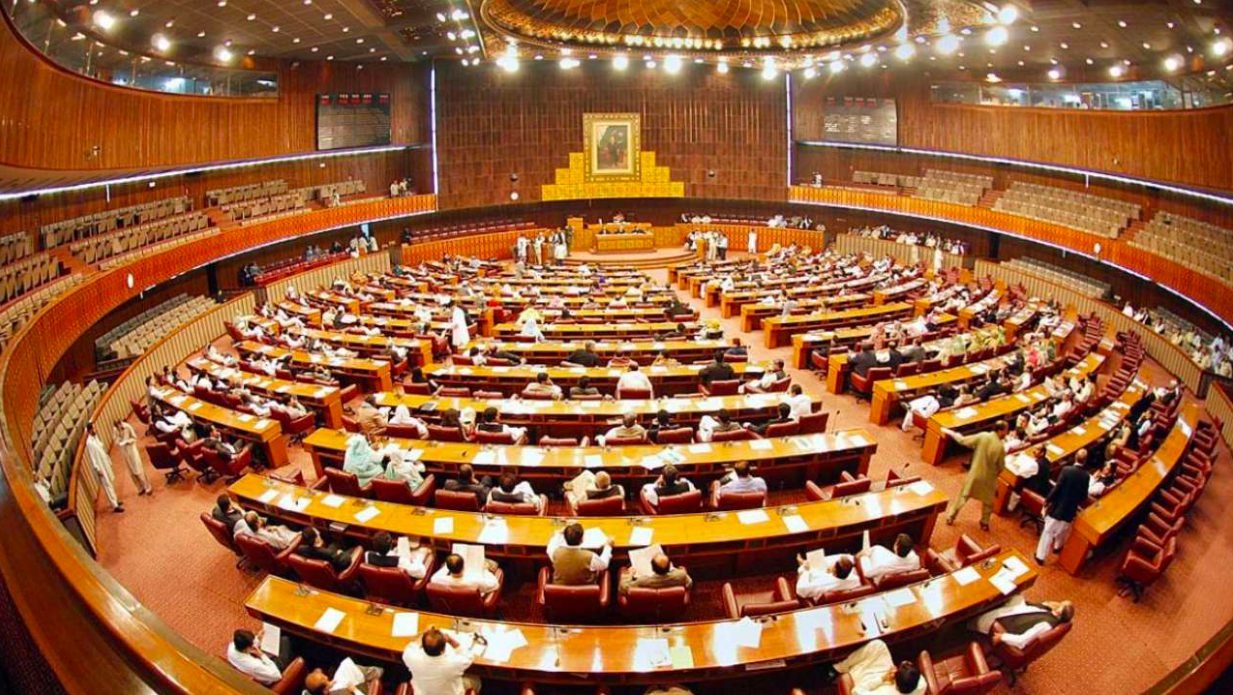
  • Petrol quota for ministers, govt officials in Sindh lowered by 40 per cent

    Petrol quota for ministers, govt officials in Sindh lowered by 40 per cent

    Sindh Chief Minister (CM) Murad Ali Shah lowered the petrol allotment of ministers and government officials by 40 per cent this week as part of his moderation campaign following another spike in petroleum prices.

    Keeping in view a substantial spike in POL prices within the last few days, the decision was made to limit spending and decrease the strain on the national kitty.

    “The rise in petrol price should not be a burden on the exchequer,” Sindh CM Murad Ali Shah said, increasing the treasury’s load entails intensifying the burden on individuals.

    To meet the International Monetary Fund’s (IMF) conditions, the government has unleashed another big gasoline bomb on the country after another hike of Rs30. In less than a month, the price of petrol has risen by Rs60 to Rs209.86.

    The latest petrol price hike came just hours after the National Electric Power Regulatory Authority (NEPRA) approved a power tariff hike of Rs7.91 per unit.

    The price hike sparked riots in Karachi, with protesters wrecking a petrol pump and torching tyres on University Road. Despite expressing their dissatisfaction with the situation, the general public has requested that the government tightens its belt instead of putting the weight on the populace.

    Senator Mustafa Nawaz Khokar, a top PPP lawmaker, also shared this attitude, suggesting a 50 per cent wage cut for politicians, generals, judges, and senior bureaucrats.

    “Why should common folk shoulder the failures of the political, military and judicial elite? This joke has to end”.

    If the average citizen is compelled to narrow his belt, Khokar believes that politicians, generals, judges, and top bureaucrats’ income should be halved and all amenities, including free utilities, should be removed.

    The administration warned on June 2 that it would raise fuel prices by Rs30 for the second time in ten days, as an attempt to obtain the remaining funds from IMF.