Tag: sensitive price indicator

  • Pakistan’s weekly inflation dips slightly amid lower fuel and onion prices

    Pakistan’s weekly inflation dips slightly amid lower fuel and onion prices

    Pakistan’s weekly inflation, as measured by the Sensitive Price Indicator (SPI), registered a slight decline of 0.16 per cent for the combined consumption groups during the week ending on August 15, according to the Pakistan Bureau of Statistics (PBS).

    The SPI for the period under review stood at 322.03 points, down from 322.54 points the previous week. However, compared to the corresponding week last year, the SPI for the combined consumption group saw a significant increase of 16.86 per cent.

    The SPI, with the base year set at 2015-16, covers 17 urban centres and tracks 51 essential items across all expenditure groups.

    For the lowest consumption group, with a monthly expenditure of up to Rs17,732, the SPI witnessed a marginal increase of 0.07 per cent, rising to 311.04 points from 310.83 points in the previous week.

    Similarly, the SPI for the Rs 17,732-22,888 consumption group saw a minimal rise of 0.01 per cent. In contrast, for consumption groups with expenditures ranging from Rs22,889-29,517, Rs29,518-44,175, and above Rs44,175, the SPI declined by 0.05 per cent, 0.10 per cent, and 0.25 per cent, respectively.

    Out of the 51 items monitored during the week, the prices of 19 items (37.25 per cent) increased, 13 items (25.50 per cent) decreased, while the remaining 19 items (37.25 per cent) remained stable.

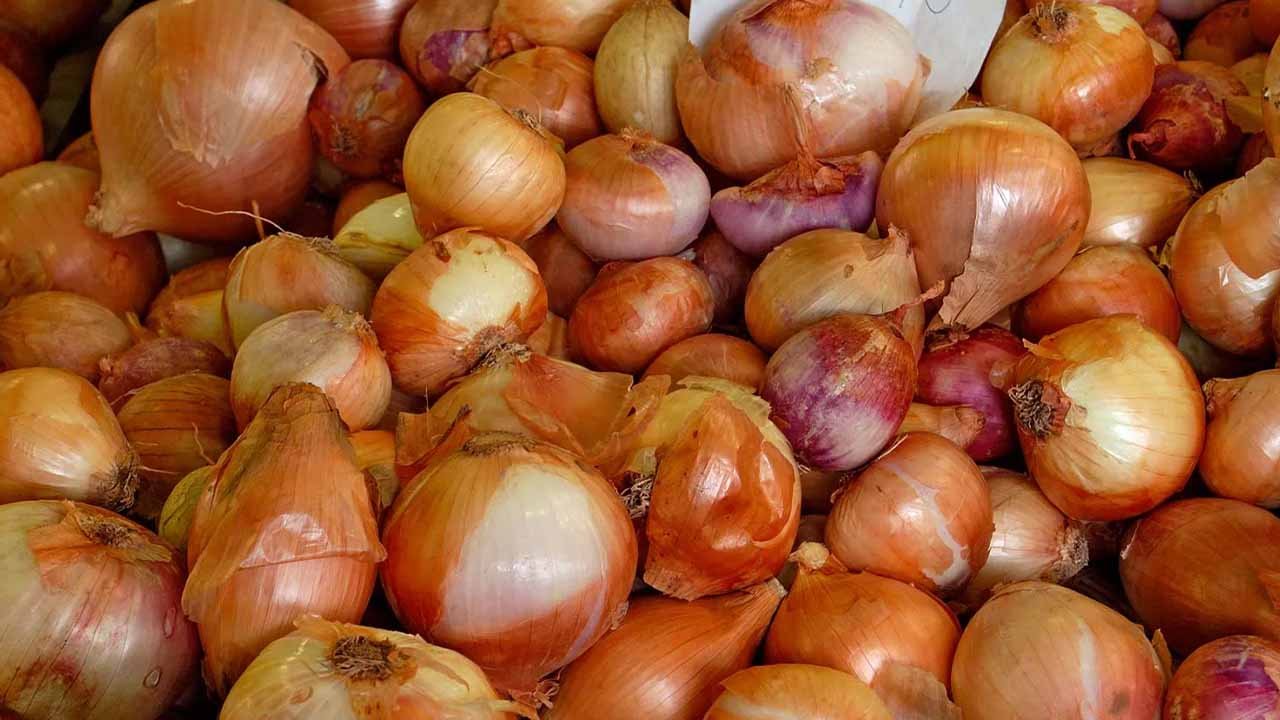
    The key items that saw a decrease in average prices on a week-on-week basis included onions (4.91 per cent), petrol (3.15 per cent), diesel (2.44 per cent), wheat flour (1.83 per cent), pulse moong (1.81 per cent), chicken (1.57 per cent), bananas (1.36 per cent), LPG (0.90 per cent), sugar (0.59 per cent), potatoes (0.58 per cent), and pulse masoor (0.56 per cent).

    Conversely, items that recorded an increase in their average prices included tomatoes (34.77 per cent), eggs (4.78 per cent), garlic (1.99 per cent), beef (0.88 per cent), cooked beef (0.41 per cent), georgette (0.40 per cent), gur (0.39 per cent), curd (0.32 per cent), and mustard oil (0.28 per cent).
  • Pakistan’s yearly inflation rate falls to 11.1 per cent in July 2024

    Pakistan’s yearly inflation rate falls to 11.1 per cent in July 2024

    In July 2024, Pakistan’s Consumer Price Index (CPI)-based inflation decreased to 11.1 per cent year-on-year, down from 12.6 per cent in June 2024 and a substantial 28.3 per cent in July 2023, according to data from the Pakistan Bureau of Statistics (PBS).

    On a month-on-month basis, the CPI inflation rose by 2.1 per cent in July 2024, a significant increase from the 0.5 per cent recorded in June 2024 but a slower rise compared to the 3.5 per cent increase in July 2023.

    The data further reveals that urban CPI inflation climbed to 13.2 per cent year-on-year in July 2024, up from 14.9 per cent in June 2024 and down from 26.3 per cent in July 2023. Month-on-month, urban CPI inflation increased by 2.0 per cent, up from 0.6 per cent in the previous month but lower than the 3.6 per cent recorded in July 2023.

    For rural areas, CPI inflation rose by 8.1 per cent year-on-year in July 2024, compared to 9.3 per cent in June 2024 and 31.3 per cent in July 2023. On a month-on-month basis, rural CPI inflation increased by 2.2 per cent, a jump from 0.3 per cent in June 2024 but slightly lower than the 3.3 per cent rise in July 2023.

    The Sensitive Price Indicator (SPI) inflation saw a year-on-year increase of 15.7 per cent in July 2024, down from 16.6 per cent in June 2024 and 29.3 per cent in July 2023. Month-on-month, SPI inflation rose by 2.0 per cent, up from 1.3 per cent in June 2024 and slightly lower than the 2.8 per cent increase in July 2023.

    The Wholesale Price Index (WPI) inflation was recorded at 10.4 per cent year-on-year in July 2024, compared to 10.6 per cent in the previous month and 23.1 per cent in July 2023. On a month-on-month basis, WPI inflation rose by 2.3 per cent, up from 0.4 per cent in June 2024 and similar to the 2.5 per cent rise in July 2023.

  • Weekly inflation drops 1.39% as onion and chicken prices ease

    Weekly inflation drops 1.39% as onion and chicken prices ease

    The latest report from the Pakistan Bureau of Statistics (PBS) reveals that the Weekly Sensitive Price Indicator (SPI) for the Combined Group dropped by 1.39 per cent week-on-week for the period ending May 09, 2024.

    However, when compared to the same period last year, the SPI has risen by 22.32 per cent.

    The Combined Index, which measures price changes for essential items, stood at 312.56 at the end of the week, down from 316.95 the previous week. A year ago, the index was at 255.53.

    Among the 51 items tracked by the SPI, 12 (23.53 per cent) showed price increases, 13 (25.49 per cent) saw price decreases, and 26 (50.98 per cent) remained stable.

    Notable price decreases during the week included onions, which dropped by 19.22 per cent, chicken by 18.83 per cent, wheat flour by 4.00 per cent, LPG by 3.67 per cent, and wheat by 3.49 per cent.

    In contrast, the most significant price increases were recorded for tomatoes, which rose by 19.24 per cent, eggs by 4.73 per cent, potatoes by 4.38 per cent, pulse gram by 0.91 per cent, and cooking oil (5-litre packs) by 0.89 per cent.

    The SPI’s weekly percentage change by income groups indicates that all income brackets experienced a decline in the SPI, ranging from -0.99 per cent to -1.53 per cent.

    The lowest income group saw a drop of 0.99 per cent, while the highest income group experienced a more significant decrease of 1.53 per cent.

    However, over the year, the SPI has increased across all income groups, with the percentage change varying between 15.95 per cent and 25.88 per cent.

    The lowest income group recorded a 15.95 per cent increase, while the highest income group saw a rise of 19.99 per cent.

    In other market trends, the average price for a 50 kg bag of Sona urea stood at Rs4,836, which is 1.80 per cent lower than the previous week but 57.36 per cent higher than a year earlier.

    Meanwhile, the average price for a 50 kg bag of cement was Rs1,204, showing a slight decrease of 0.95 per cent from the previous week, but still 7.58 per cent higher than the corresponding period last year.

  • Inflation edges higher as weekly SPI indicates increase in prices

    Inflation edges higher as weekly SPI indicates increase in prices

    According to the Weekly Sensitive Price Indicator (SPI) released by the Pakistan Bureau of Statistics (PBS), the Combined Group’s SPI increased by 0.04 per cent during the week ending February 22, 2024.

    Additionally, the SPI surged by 30.68 per cent YoY compared to the same period last year.

    As of February 22, 2024, the Combined Index stood at 315.31, a slight uptick from 315.18 on February 15, 2024. A year ago, on February 23, 2023, the index was significantly lower at 241.29.

    Analysing the data for 51 items, it was found that the average prices of 23 items increased, 8 items decreased, and 20 items remained stable.

    Notable increases during the week were observed in the prices of tomatoes (22.71 per cent), bananas (7.40 per cent), diesel (3.02 per cent), chicken (1.22 per cent), and petrol (1.00 per cent).

    Conversely, onions (14.42 per cent), eggs (11.19 per cent), LPG (1.82 per cent), cooking oil (5 litres) (0.75 per cent), and wheat flour (0.36 per cent) experienced significant decreases.

    Breaking down the SPI percentage change by income groups, it was noted that SPI decreased across all 3 quantiles while increasing across 2 quantiles. The lowest-income group saw a weekly decline of -0.08 per cent, while the highest-income group recorded a rise of 0.09 per cent.

    On a yearly basis, the SPI change across different income segments revealed an increase ranging between 25.53 per cent and 35.39 per cent. The lowest-income group witnessed a 25.53 per cent increase, while the highest-income group recorded a 28.22 per cent rise.

    Specifically, the average price of Sona urea reached Rs4,928 per 50 kg bag, reflecting a 9.19 per cent increase from the previous week and a substantial 69.14 per cent surge compared to the same period last year.

    The surge in prices, especially for essential items, poses a challenge for the general populace, particularly those in lower-income groups.

    Authorities and policymakers are likely to face increasing pressure to address and mitigate the impact of inflation on the economy and the daily lives of people.

  • Yearly basis: Weekly inflation stays above 34%

    Yearly basis: Weekly inflation stays above 34%

    In the week concluding on February 15, 2024, the Weekly Sensitive Price Indicator (SPI) for the Combined Group exhibited a slight decrease of 0.78 per cent week-over-week (WoW).

    However, compared to the same period last year, the SPI surged by 34.25 per cent YoY, according to data released by the Pakistan Bureau of Statistics (PBS).

    The combined index, standing at 315.18, marked a slight dip from 317.65 recorded on February 8, 2024. A year ago, on February 16, 2023, the index was substantially lower at 234.77.

    Analysing the data further, out of the 51 items monitored, the average price of 22 items increased, 11 items witnessed a decrease, and 18 items remained stable.

    Notably, PBS did not release SPI data last week, following a 0.28 per cent WoW decline in the preceding week.

    During the week under review, significant decreases were noted in the prices of eggs (28.82 per cent), chicken (4.23 per cent), onions (3.48 per cent), LPG (2.85 per cent), and gur (1.13 per cent).

    Conversely, notable increases were observed in the prices of bananas (4.64 per cent), potatoes (2.80 per cent), match boxes (1.31 per cent), long cloth (1.29 per cent), and cooked daal (0.77 per cent).

    Analysing the SPI percentage change by income groups, a uniform decline of -0.82 per cent to -0.72 per cent was witnessed across all quantiles.

    The lowest-income group experienced a weekly decline of 0.78 per cent, while the highest-income group recorded a decrease of 0.77 per cent.

    On a yearly basis, SPI increased across all quantiles, ranging between 28.68 per cent and 38.54 per cent. The lowest-income group saw a 28.68 per cent increase, while the highest-income group recorded a 32.08 per cent rise.

    The average price of Sona urea fell to Rs4,513 per 50 kg bag, marking a 0.50 per cent decrease from last week and a significant 54.84 per cent increase from the previous year.

    Meanwhile, the average cement price recorded at Rs1,234 per 50 kg bag marked a 2.05 per cent increase from the previous week and a 14.27 per cent hike from the prices recorded last year.

    In a volatile market environment, these fluctuations in the SPI indicate the dynamic nature of the economic landscape, impacting consumers across various income groups.

  • Pakistan imposes minimum export price on onions to tackle soaring local prices

    Pakistan imposes minimum export price on onions to tackle soaring local prices

    In a move aimed at stabilising local prices, the government announced on Friday the establishment of a minimum export price for onions and shallots at $1,200 per metric ton.

    The notification detailing this decision was issued by the Ministry of Commerce.

    This decision comes in response to the escalating local prices of onions and shallots, driven by a surge in demand in international markets.

    Exporters operating in the domestic market have been capitalising on India’s ban on the export of these items, resulting in a shortage for local consumers.

    The latest weekly inflation figures, ending on January 11, 2024, revealed a 1.36 per cent week-over-week increase in the Sensitive Price Indicator (SPI) for the Combined Group. Notably, the second-highest surge among all 51 items was witnessed in onion prices, which rose by 8.94 per cent.

    This move by the government is strategically designed to curb the impact of export-related activities on local availability and pricing, with a focus on maintaining stability in the market.

    The Ministry of Commerce’s notification underscores its commitment to addressing the challenges posed by increased international demand and its repercussions on the domestic front.

    As authorities strive to strike a balance between facilitating exports and ensuring the availability of essential commodities for local consumers, the implementation of the minimum export price serves as a significant step in mitigating the adverse effects of market dynamics on the pricing of onions and shallots within the country.

  • Pakistan’s weekly inflation soars beyond 44%

    Pakistan’s weekly inflation soars beyond 44%

    In the latest economic developments, Pakistan has witnessed a surge in weekly inflation for the third consecutive week, marked by a notable increase in the Sensitive Price Indicator (SPI) for the Combined Group.

    The SPI for the said group witnessed a significant rise of 1.36 per cent week over week (WoW) during the week concluded on January 11, 2024.

    Adding to the economic landscape, the SPI showcased a remarkable year-over-year (YoY) increase of 44.16 per cent, comparing the current statistics with the corresponding period from the previous year.

    Last week’s SPI for the Combined Group demonstrated a WoW increase of 0.81 per cent.

    Data released by the Pakistan Bureau of Statistics (PBS) reveals that the combined index stood at 317.92 in comparison to 313.66 on January 4, 2024.

    Notably, this index was recorded at 220.53 a year ago, specifically on January 12, 2023.

    Among the 51 items analysed, 21 experienced an increase in average prices, while prices for 8 items decreased, and 22 items remained stable.

    The noteworthy price hikes during the week were observed in tomatoes (15.63 per cent), onions (8.94 per cent), chicken (6.42 per cent), electricity charges for Q1 (5.11 per cent), and eggs (4.31 per cent).

    Conversely, significant decreases were noted in the prices of potatoes (5.92 per cent), vegetable ghee (1 KG) (0.84 per cent), sugar (0.43 per cent), vegetable ghee (2.5 KG) (0.29 per cent), and mustard oil (0.26 per cent).

    The weekly SPI percentage change, when categorised by income groups, indicated a uniform increase ranging between 1.2 per cent and 1.34 per cent across all quantiles. The lowest-income group experienced a 1.2 per cent rise, while the highest-income group recorded a 1.34 per cent increase.

    On a yearly basis, the analysis of SPI change across various income segments revealed an overall increase ranging from 36.06 per cent to 47.48 per cent.

    The lowest-income group witnessed a yearly rise of 36.06 per cent, whereas the highest-income group recorded a significant increase of 42.71 per cent.

  • Annual inflation increases by 29.65% in Pakistan, driven by rising gas prices 

    Annual inflation increases by 29.65% in Pakistan, driven by rising gas prices 

    According to the Pakistan Bureau of Statistics (PBS) report released on Friday, the weekly inflation, as measured by the Sensitive Price Indicator (SPI), exhibited a decline of 0.33 per cent during the week ending on October 19. 

    The Combined Index, as reported by PBS, stood at 277.11, down from 278.04 on October 19, 2023, with a notable contrast to the index of 213.74 recorded on October 27, 2022, a year ago.

    Among the 51 items monitored, the analysis indicates that the average prices of 14 items experienced an increase, 17 items saw a decrease, and 20 items remained stable. 

    Significant reductions were observed in the prices of chicken (10.19 per cent), onions (4.4 per cent), rice IRRI-6/9 (3.84 per cent), bananas (3.64 per cent), gur (3.4 per cent), pulse masoor (2.36 per cent), sugar (2.22 per cent), and mustard oil (2.17 per cent). 

    Conversely, notable price increases were recorded for tomatoes (20.81 per cent), potatoes (3.33 per cent), eggs (1.63 per cent), salt powdered (0.91 per cent), garlic (0.77 per cent), tea prepared (0.67 per cent), bread plain (0.56 per cent), and mutton (0.28 per cent).

    In a year-on-year comparison, the trend reveals an increase of 29.65 per cent in overall inflation, with substantial hikes in gas charges for Q1 (108.38 per cent), cigarettes (94.46 per cent), chilies powder (84.11 per cent), rice basmati broken (78.51 per cent), wheat flour (77.49 per cent), sugar (63.22 per cent), rice irri-6/9 (62.83 per cent), gents sponge chappal (58.05 per cent), gur (57.73 per cent), and salt powdered (54.84 per cent). 

    In contrast, price decreases are observed in tomatoes (31.90 per cent), onions (24.88 per cent), pulse gramme (5.82 per cent), mustard oil (4.16 per cent), and vegetable ghee (1 1 kg) (0.92 per cent).

  • Consumer suffering intensifies: Pakistan’s weekly inflation skyrockets to 42.67%

    Consumer suffering intensifies: Pakistan’s weekly inflation skyrockets to 42.67%

    Inflation in Pakistan continues to surge as the Sensitive Price Indicator (SPI) recorded a significant increase, jumping to 42.67 per cent on a year-on-year basis for the week ending on June 1, according to official data released by the Pakistan Bureau of Statistics (PBS). The weekly inflation showed a marginal increase of 0.03 per cent compared to the previous week.

    The short-term inflation, measured by the SPI, reached an all-time high of 48.35 per cent for the period ending on May 4, highlighting the ongoing challenges faced by the economy. The Combined Index, a comprehensive measure of inflation, stood at 254.13 compared to 254.05 on May 25, 2023, and marked a significant increase from 178.12 recorded on June 2, 2022.

    The PBS report revealed that out of the 51 monitored items, the average prices of 19 items increased, 14 items witnessed a decrease, while 18 items remained unchanged during the week under review. This data indicates the volatile nature of prices in the current market.

    Analyzing the SPI change across different income groups, the weekly percentage change showed a mixed trend, ranging between -0.1 per cent and 0.12 per cent. However, on a yearly basis, the SPI increased across all quantiles, ranging between 40.2 per cent and 43.49 per cent, suggesting the broad impact of inflation across various income segments.

    Additionally, the statistics bureau reported that Pakistan’s annual inflation rose to 37.97 per cent year-on-year in May, further confirming the country’s highest-ever inflationary period. The Consumer Price Index (CPI) recorded 36.4 per cent in April, which at the time was already the highest level according to the bureau’s historical records.

    Furthermore, the month-on-month rise in May was reported to be 1.58 per cent, with the bureau highlighting significant increases in the prices of vegetables, pulses, and chicken. These factors contribute to the overall rise in the cost of living and put additional strain on households and businesses alike.

    The continuous surge in inflation poses significant challenges to the economy, affecting consumers’ purchasing power and increasing the cost of doing business. The government and relevant authorities are urged to take immediate measures to stabilize prices, address supply chain issues, and implement effective policies to alleviate the impact of rising inflation on the population.

    As the situation unfolds, policymakers and economists will closely monitor the inflationary trends, devising strategies to bring stability and mitigate the adverse effects on the economy and the welfare of the people.

  • Weekly inflation in Pakistan remains stubbornly high at 45.72%

    Weekly inflation in Pakistan remains stubbornly high at 45.72%

    Despite coming down marginally, weekly inflation remains above 45 per cent and stood at 45.72 per cent on a year-on-year (YoY) basis for the week ended on 18th May 2023, showed data released by the Pakistan Bureau of Statistics (PSB) on Friday.

    The Sensitive Price Indicator (SPI) based inflation for the week ended 11th May 2023, recorded a decrease of 0.16 per cent over the previous week due to a decrease in the prices of food and non-food items.

    The year-on-year trend posted an increase due to an increase in the prices of Cigarettes (138.50 per cent), Tea Lipton (114.93 per cent), Potatoes (114.69 per cent), Gas Charges for Q1 (108.38 per cent), Bananas (104.44 per cent), Gents Sponge Chappal (100.33 per cent), Wheat Flour (90.77 per cent), Rice Basmati Broken (86.30 per cent), Eggs (85.86 per cent), Rice Irri-6/9 (80.44 per cent), Petrol (79.85 per cent), Diesel (78.68 per cent), Pulse Moong (66.79 per cent), Bread (63.17 per cent), and Pulse Mash (57.06 per cent), while a decrease was observed in the prices of Tomatoes (38.30 per cent), Onions (30.18 per cent), and Chilies Powdered (6.48 per cent).

    A decrease was observed in the prices of food items: Onions (9.04 per cent), Garlic (1.76 per cent), Sugar (1.42 per cent), Wheat Flour (1.40 per cent), Vegetable Ghee 2.5kg (0.63 per cent), Mustard Oil (0.48 per cent), Pulse Masoor (0.40 per cent), Pulse Gram (0.12 per cent), and Vegetable Ghee 1kg (0.11 per cent); and non-food items: Diesel (10.38 per cent), Petrol (4.24 per cent), LPG (3.02 per cent), and Firewood (0.89 per cent).

    On the other hand, an increase was observed in the prices of Chicken (7.51 per cent), Tea Lipton (4.53 per cent), Gur (2.79 per cent), Eggs (2.29 per cent), Energy Saver (2.22 per cent), Tomatoes (2.11 per cent), Tea Prepared (1.09 per cent), and Curd (1.08 per cent).

    During the week, out of 51 items, prices of 23 (45.10 per cent) items increased, 13 (25.49 per cent) items decreased, and 15 (29.41 per cent) items remained stable.