Tag: shaukat tarin

  • Explainer: Who are the 700 Pakistanis in Pandora Papers?

    Explainer: Who are the 700 Pakistanis in Pandora Papers?

    More than 700 Pakistanis are in the data revealed in Pandora Papers and a majority of them are tax residents in Pakistan, reports Umar Cheema for The News.

    Key members of Prime Minister Imran Khan’s cabinet, retired civilian and military officials and their families as well as owners of some of the country’s top media outlets, secretly own or have owned an array of companies and trusts holding millions of dollars in offshore jurisdictions, Fakhar Durrani reports for The News.

    Politicians in Pandora Papers

    The revelations made in the Pandora Papers, which contain the names of some prominent and key figures in Prime Minister Imran Khan’s cabinet, will be a test case for PM Khan to make his close associates answerable for holding offshore companies.

    Below is the list of a few of the many prominent politicians of the government and Opposition whose names are in the Pandora Papers.

    1. Shaukat Tarin:

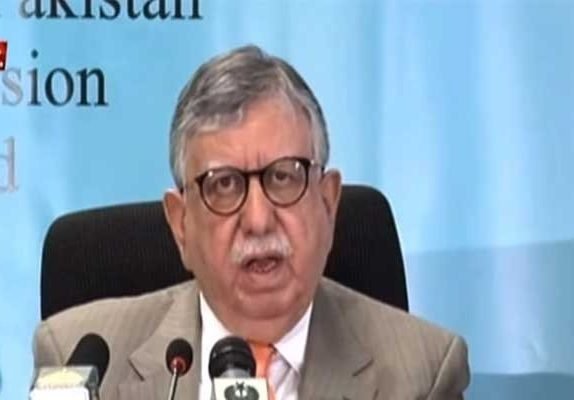
    Shaukat Tarin was recently inducted into Khan’s cabinet and appointed Finance and Revenue Minister. Tarin and three of his family members have four offshore companies registered in the British Virgin Islands (BVI) jurisdiction. The Tarin family incorporated four offshore companies —Triperna Inc, Hamraa Inc, Seafex Inc, and Moonen Inc — all of them in 2014. 
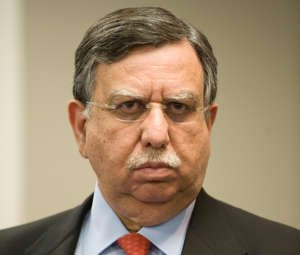
    Tarin confirmed being part of the above companies directly or through his family members for the sole purpose of raising capital for his bank. 

     “We were in negotiations with a Middle East conglomerate for raising capital for my bank, through a structured transaction. The proposed investor had also taken the Central Bank’s in-principle approval for the investment.” He added that the companies remained dysfunctional and no business was carried out through them.

    2. Faisal Vawda:

    Former minister for water resources, Faisal Vawda, his wife, and his sister have an offshore company. The Vawda family incorporated Dazzling Worldwide Ltd in the BVI jurisdiction in 2012 to invest in UK properties, the Pandora Papers show.

    Vawda told the International Consortium of Investigative Journalists (ICIJ) that he has declared all the worldwide assets held in his name to the Pakistani tax authorities.

    3. Abdul Aleem Khan:

    Another close aide of Prime Minister Imran Khan, Abdul Aleem Khan also owns an offshore company. The Pandora Papers show that the registered directors of Hexam Investment Overseas Limited (BVI) — Aleem Khan and his wife — approved a written resolution of the offshore company on March 1, 2017, and confirmed being directors of Hexam Investment.
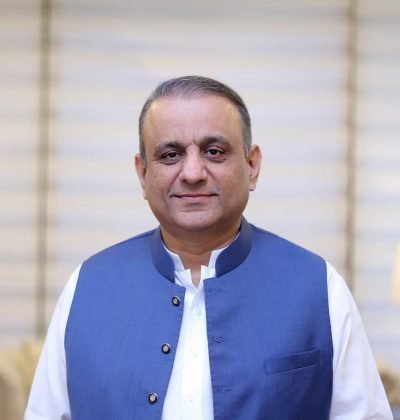
    National Accountability Bureau (NAB) had also initiated an investigation against Aleem Khan. It is, however, not confirmed whether he has declared the company in his tax returns or not.

    Aleem Khan is now the owner of Samaa News.

    4: Chaudhry Moonis Elahi:

     Federal Minister for Water Resources Moonis Elahi was the Settlor and Investment Director of the Green Hills Trust and Winthrop Fund.

    Moonis wanted to invest money from the 2007 sale of land owned by Phalia Sugar Mills, an Elahi family business. Thomson Reuters Risk Management Solutions carried out due diligence of Moonis Elahi and produced a 19-page report with the details of his alleged involvement in corrupt land projects. The report mentioned fraudulent loans from the bank and selling the land to a government department. However, despite this due diligence report, Moonis was accepted as Asiaciti’s client.

    The family spokesperson of Chaudhrys said that the assets of the family, including Chaudry Pervaiz Elahi and Chaudry Moonis Elahi, are declared as per applicable law.

    5. Ali Dar:

    The Pandora Papers reveal that former Finance Minister Ishaq Dar’s son, Ali Dar, owns two companies — Baraq Holdings Ltd and Dar Al Nahyan Ltd — registered in the British Virgin Islands.

    Dar in his reply to The News said Dar Al Nahyan Limited remained dormant and no business has been done in the company, which has now been struck off the register. He said he has never been a tax resident in Pakistan and nor has he ever been involved in any professional employment or business activities whatsoever in Pakistan.

    6. Sharjeel Inam Memon:

    Former information minister in the Sindh government Sharjeel Inam Memon also owned three offshore companies in the BVI jurisdiction. The three companies that are owned by the Memon family include Ocean Wave Technologies Corp, Arctic Development Corp., and New Coast Executive Inc.
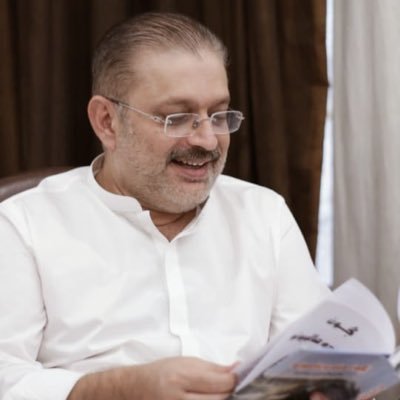
    The companies are involved in the real estate business. The former provincial minister while talking to The News neither denied nor confirmed the companies’ ownership.

    Media owners included in Pandora Papers

    The Pandora Papers have brought forth some media owners’ names who have offshore companies in offshore jurisdictions.

    1. Hameed Haroon:

    Hameed Haroon — CEO of Dawn media group — owns an offshore company Bardney Limited, registered in Seychelles.
    In his official response to The News, Haroon said the company is duly declared and is being reported to the relevant authorities in Pakistan in accordance with the applicable laws of the land.

    2. Mir Shakil-ur-Rahman:

    Jang Group’s Publisher Mir Shakil-ur-Rahman (MSR) owns an offshore company Brookwood Ventures Limited in the BVI jurisdiction. Mir Shakil-ur-Rahman was transferred the shares of the company on April 17, 2008. 

    Mir Shakil-ur-Rahman, responding to the investigation cell, said, “No, it’s not true, I don’t own any company. However, I had this till 2018.” The News also asked him that the British Virgin Islands is a tax and secrecy haven. Why he opted to set up a company there. MSR replied that people invest in BVI as it offers attractive conditions for investment. MSR was also asked if he declared the company with the relevant tax authorities to which he said, “Yes, it was part of my wealth for the tax year 2018 and subject to taxes where applicable.”

    3. Sultan Ali Lakhani:

     Express Media Group Sultan Ali Lakhani also owns an offshore company Century Media Network Inc. The company was incorporated in February 2005.

    The spokesperson of the Lakhani family said all companies are legal and as per law of the land wherever applicable.

    4. Gourmet Group:

    Pandora Papers reveal that an employee of Gourmet group named Amna Butt was appointed director of an offshore company, Gourmet Holdings Limited in the BVI jurisdiction. The Gourmet group owns a large chain of bakeries across Punjab. In addition, the group owns a news channel called Gourmet News Network (GNN) as well.

    It is, however, not confirmed whether the company is declared with the Pakistani tax authorities or not. Amna Butt was sent a questionnaire by The News, but no response has been received from her.

    Military officials and family included in Pandora Papers

    Apart from the politicians, media owners, and civilian bureaucrats, some top retired military officials have also been named in the new leaks.

    1. Major General (retd) Nusrat Naeem:

    Major General (retd) Nusrat Naeem owned a BVI company, Afghan Oil & Gas Ltd that was registered in 2009, shortly after his retirement. In his response to the ICIJ, he said that the company had been set up by a friend and that he did not use it for any financial transactions.

    2. Ahsan Latif:

    Ahsan Latif — son-in-law of former Governor Punjab Lt General (retd) Khalid Maqbool — owned an offshore company, Dylan Capital Limited, registered in the British Virgin Islands.

    It is not clear whether Ahsan Latif has declared the above-mentioned assets before the tax authorities in Pakistan. The News sent a query to him but received no response from him

    3. Muhammad Hasan Muzaffar:

    Pandora Papers reveal that Muhammad Hasan Muzaffar, son of Lt General (retd) Muhammad Afzal Muzaffar, owned shares in a company registered in the British Virgin Islands, Creek Growth Capital Holding Ltd. The offshore company owned Southeast Healthcare Holding, which in turn controlled a Dubai-based medical centre that now appears to be closed.

    Hasan told ICIJ that the simple fact is there is no relation of this investment to his father. He further commented that the investment was made solely from his own income earned in the UAE and came from his UAE bank account. No other family member, including his father, was involved.

    4. Shafatullah Shah:

    The former military secretary of Gen Pervez Musharraf, Lt Gen (retd) Shafatullah Shah owns an expensive apartment in London through an offshore company, which is in the names of his wife and son. 

    5. Raja Nadir Pervez:

     Pandora Papers also reveal that Raja Nadir Pervez, a retired army lieutenant colonel and former minister in the Nawaz Sharif-led government, owned International Finance & Equipment Ltd, a BVI-registered company. In the leaked files, the firm is involved in machinery and related businesses in India, Thailand, Russia, and China. 

     He is currently a member of Imran Khan’s Pakistan Tehreek-e-Insaf (PTI). Raja Nadir Pervez did not respond to ICIJ reporters’ questions.

    Businessmen and civil bureaucrats included in Pandora Papers

    1. Yawar Salman:

    Son of bureaucrat Salman Siddique, Yawar Salman along with another partner Noeen Ahmed Anwar registered an offshore company, just a little before the former’s father’s retirement. The company is called Cres Tech Holdings Limited in the BVI.

    Yawar Salman told The News that the entity Cres Tech Holdings was incorporated as part of a then-envisaged plan to undertake a foreign business. However, owing to certain circumstances, neither any equity was contributed nor any bank account opened. Since no equity was ever contributed and the entity’s worth remains ‘nil’, the question of disclosing it to the tax authorities does not arise.

    2. Javed Afridi:

    The Pandora Papers have also revealed that the owner of the Pakistan Super League (PSL) franchise, Peshawar Zalmi, and renowned industrialist Javed Afridi owns three offshore companies in the BVI jurisdiction. Afridi is the beneficial owner of Old Trafford Properties Ltd, Sutton Gas Works Properties Ltd, and Gas Works Property Ltd.

    Javed Afridi in his response confirmed to The News ownership of three offshore companies. He said the reason to incorporate them was for the good intention to save tax rather than avoiding any tax. According to him, the companies were almost dormant, and no business or investment was done by any of the companies.

    Pandora Papers

    The papers are named after the Greek myth of Pandora’s box. In the tale, Pandora opens a sealed box containing the forces of evil and suffering which, once released, were uncontainable.

    BBC quoted Gerard Ryle, the director of ICIJ, as saying this leak was given the name because “we’re opening a box on a lot of things”.

    This information revealed above has been named Pandora Papers and it adds significantly to what was discovered in the Panama Papers and Paradise Papers.

    The Pandora Papers have unmasked the fortunes of more than 330 public officials in 90 countries. Included among them are 35 current and former leaders of different countries. The King of Jordan, the rulers of Qatar and Dubai, presidents of the Ukraine, Kenya, and Ecuador, the prime ministers of the Czech Republic and Lebanon, and former British prime minister Tony Blair, all appear in the secret files.

    For Pakistan, the files pose a big test to the accountability credentials of Prime Minister Imran Khan, who had found the Panama Papers a “God-sent” opportunity to burnish his credentials as an anti-corruption warrior.

    The documents were leaked to the Washington-based International Consortium of Investigative Journalists (ICIJ) which for nearly two years led an investigation collaborating with more than 600 journalists in 117 countries. This is the biggest journalism partnership in history, which involved 150 media organisations. For the Panama Papers, almost 400 journalists from 80 countries participated in the investigation. The News was the only ICIJ partner from Pakistan on both occasions. The Pandora Papers comprise 11.9 million documents whereas the Panama Papers had 11.5 million, reports The News.
  • PM Khan welcomes Pandora Papers, vows to investigate Pakistanis mentioned

    PM Khan welcomes Pandora Papers, vows to investigate Pakistanis mentioned

    The International Consortium of Investigative Journalists (ICIJ), which has been investigating international finance and tax havens, has released a detailed list of public figures with offshore companies called the ‘Pandora Papers’ as part of their new investigation.

    Nearly 700 Pakistanis have been named in the report including Finance Minister Shaukat Tarin, Pakistan People’s Party’s (PPP) leader Sharjeel Memon, Pakistan Muslim League -Nawaz’s (PML-N) Senator Ishaq Dar’s son Ali Dar, Punjab provincial minister Aleem Khan, Pakistan Tehreek-e-Insaf (PTI) Senator Faisal Vawda, Pakistan Muslim League- Quaid (PML-Q) leader and Federal Minister for Water Resources Monis Elahi.

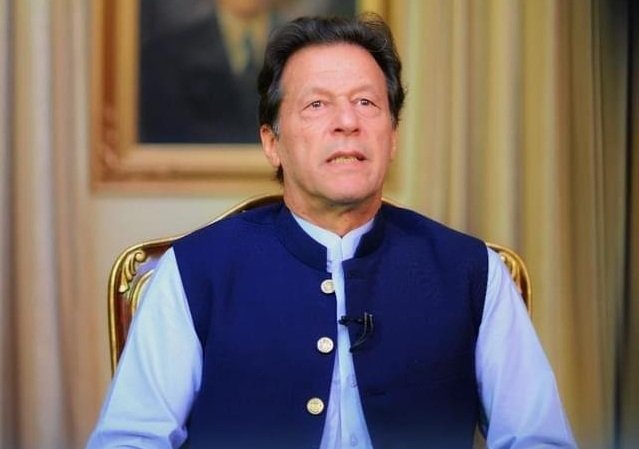
    Reacting to the news, Prime Minister Imran Khan vowed to investigate all those Pakistanis mentioned in the Pandora Papers, and tweeted: “If any wrongdoing is established we will take appropriate action.”

    “We welcome the Pandora Papers exposing the ill-gotten wealth of elites, accumulated through tax evasion & corruption & laundered out to financial ‘havens’. The UN SG’s Panel FACTI calculated a staggering $7 trillion in stolen assets parked in largely offshore tax havens,” he wrote on his official Twitter handle.

    “I call on the international community to treat this grave injustice as similar to the climate change crisis,” he added.

    As per Geo News, Pandora Papers is a development to what has earlier been revealed in the Panama Papers and Paradise Papers, as per reports. 

    The ICIJ’s major investigation titled: “The Pandora Papers”, is said to be the result of 600 journalists in 117 countries studying for months roughly 11.9 million documents that leaked from the offshore environment.

    Journalist Umar Cheema, who was part of the ICIJ’s team investigating the Pandora Papers, said that the names of several Pakistanis were on the Pandora Papers, adding that people should wait for another day as the report will officially be released on October 3.

  • ‘Petroleum products prices in Pak are still lower than other countries’: Shaukat Tarin

    ‘Petroleum products prices in Pak are still lower than other countries’: Shaukat Tarin

    Finance Minister Shaukat Tarin on Friday said the rates of petroleum products in Pakistan are still lower when compared to several regional countries.

    Tarin said Pakistan ranks 17th in the region when it comes to petrol prices.

    “There are only 16 other countries that have lower petrol prices than ours. They are oil producers and have their own oil,” said Tarin.

    “Prices in the international market have increased recently forcing the government to hike local prices,” he said after petrol prices were increased by Rs4 per litre and that of high-speed diesel (HSD) by Rs2 per litre.

    Shaukat Tarin said Prime Minister Imran Khan stopped the ministry from increasing the levy as he wanted to lessen the burden on the masses. “This is the reason we want to give direct subsidy to the lower-income group.”

    “We are not even charging [petroleum] levy even though we have kept a target of Rs600 billion for it in the budget. But we and the prime minister didn’t care for it.”

    Meanwhile, Pakistan People’s Party (PPP) Senator Sherry Rehman has criticised the government for dropping a “petrol bomb” on the masses in times of extreme inflation.

  • Petrol price goes up by Rs 5 per litre

    The federal government has issued a notice to increase the price of petrol by Rs 5.0 per litre and diesel by Rs 5.1 per litre, reported Geo News.

    Apart from this, the prices of kerosene and light-diesel oil (LDO) have also been increased by Rs 5.46 and Rs 5.92 per litre, respectively. Now the new price for petrol will be Rs. 123.30 per litre, diesel will be 120.4 per litre, kerosene will be 92.26 per litre and LDO will be 90.69.

    Earlier the price of petrol was increased by Rs 5 per litre in July.

    According to Finance Minister, Shaukat Tarin the prices will be implemented from today (Thursday).

  • Pakistan may send experts to replace Afghan brain drain

    Pakistan may send experts to replace Afghan brain drain

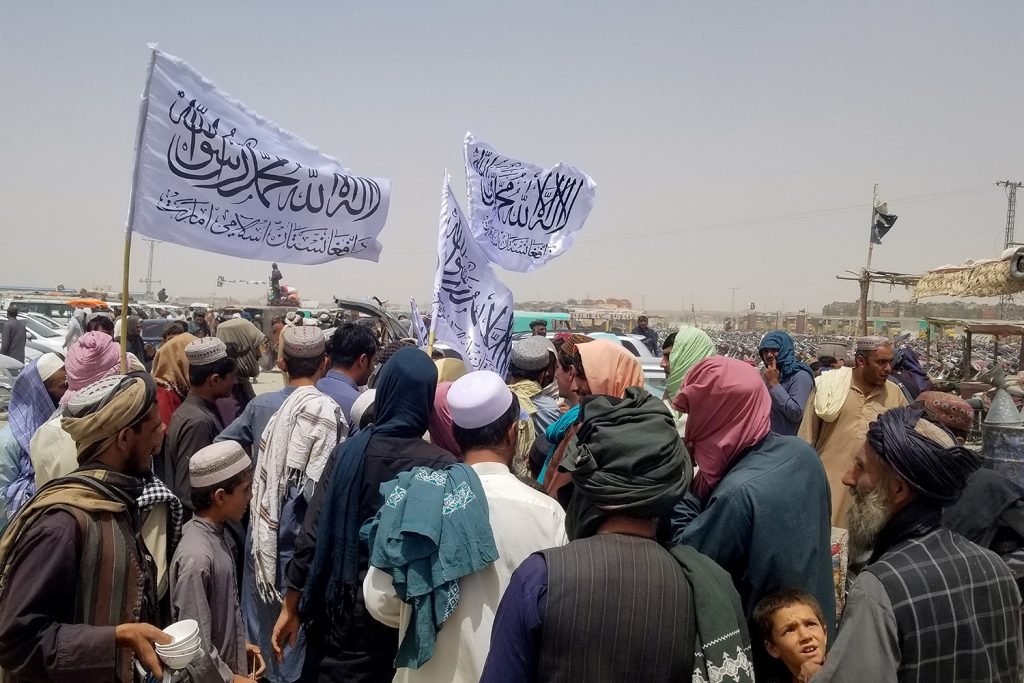
    Federal Minister for Finance and Revenue Pakistan, Shaukat Tarin has said that Pakistan may have to send experts to Afghanistan because of the country’s major experts have left the country which has complicated the Taliban’s administration, reports The News.

    While giving an extensive briefing to the Senate Standing Committee on Finance on Thursday, Mr Tarin said that the government was building up strategic reserves of essential food commodities to meet domestic as well as Afghanistan’s requirements.

    According to him, “they [Afghanistan} require assistance and we may have to dispatch experts because of the brain drain in Afghanistan. The situation is fluid and we are analysing it. The West has stopped foreign reserves of Afghanistan to the tune of $10 billion, as the IMF has stopped $400 million and many others so Kabul will be facing a scarcity of foreign exchange. Our bilateral trade will surge but we may have to undertake bilateral trade in the Pak rupee.”

    Talking about Pakistan’s economic situation he stated, “Pakistan’s trade deficit stands at $4 billion and remittances are hovering around $2.5 billion.”

    “On tax revenue, FBR revenues are ahead of target by 23 percent. The track and trace system will be placed for five major sectors. The Point of Sale (POS) will integrate receipts and standardised and frivolous notices will be withdrawn,” he assured.

    More than 120,000 people evacuated from Afghanistan are qualified professionals from civil servants to lawyers.

    Michael Barry, a specialist on Afghanistan who taught at the American University in Kabul, said that many members of the Taliban are from rural areas and lack the knowledge to run the state bureaucracy, as per Agence France-Presse (AFP).

  • SAPM on Finance resigns due to differences with Shaukat Tarin: Sources

    SAPM on Finance resigns due to differences with Shaukat Tarin: Sources

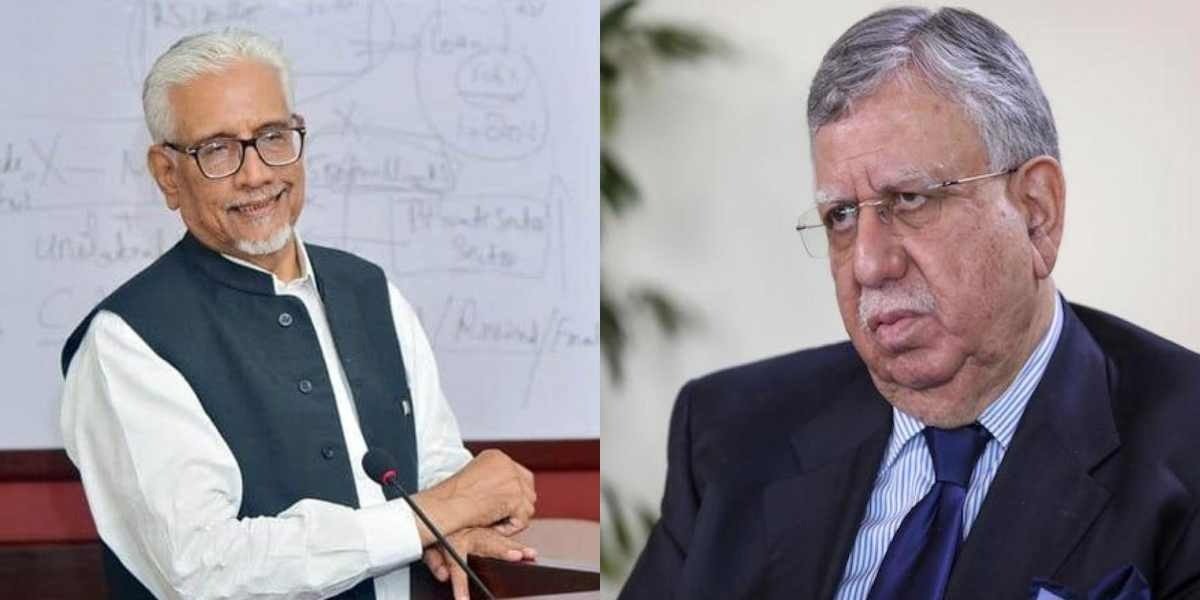
    Special Assistant to Prime Minister (SAPM) on Finance and Revenue Dr Waqar Masood resigned on Tuesday over growing differences with Finance Minister Shaukat Tarin, reported Geo News.

    Reportedly, the differences between the two grew over the International Monetary Fund (IMF) programme.

    While Masood wanted the government to implement the IMF conditions as per the money lender’s programme, the finance minister was of the view that Pakistan will not be able to implement these conditions.

    Tarin, sources said, is in favour of negotiations with the IMF to obtain some relaxation from the money lender.

    It is being said that the dejected Masood is of the view that his recommendations as a special assistant on revenue are being ignored. He sent his resignation to the prime minister Tuesday, and until it is accepted, will continue to work in his official capacity.

  • Govt to amend NAB laws, PM Khan confirms

    Govt to amend NAB laws, PM Khan confirms

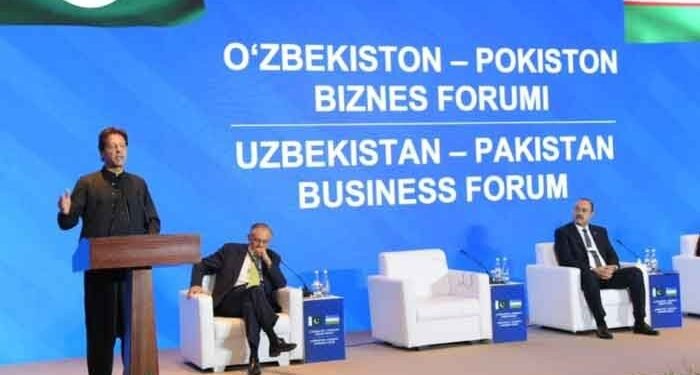
    Prime Minister Imran Khan Thursday assured the Pakistani business community in Tashkent that his government was working on changing the National Accountability Bureau’s (NAB) laws relating to bureaucrats and businessmen. 

    The prime minister told the entrepreneurs that the present government was committed to removing obstructions in the way of various businesses and industries, including the pharmaceutical industry.

    The premier said the government is facing difficulty in finding quality Chief Executive Officers (CEOs) for government institutions as such experts mostly remain unwilling due to fear of NAB.

    He said that with a change in the NAB law, the government will get quality people from bureaucrats and the business communities. That is why, he said, the NAB law regarding bureaucracy and businessmen is being changed.

    The prime minister’s statement about the amendment in NAB laws comes days after Finance Minister Shaukat Tarin told Geo News in ‘Aaj Shahzeb Khanzada Kay Sath’ that the civil bureaucracy is scared of the anti-graft body and the government is working to change the NAB laws.

    “The NAB law will change in a few weeks. The bureaucracy is not working at all because of the NAB,” said Tarin.

    NAB rejected the Finance Minister’s claim. In a statement, NAB said that bureaucrats should not fear the anti-graft watchdog if they are carrying out their jobs in line with the Constitution, as it slammed the “constant propaganda” against the accountability bureau.

    The aim behind the propaganda is to “discredit NAB and discourage the bureaucracy” from doing its job, the anti-graft body said, adding: “Bureaucracy is the backbone of any country; NAB respects the bureaucracy and values ​​its services.”

    “Corruption is the root of all evils. If the bureaucracy acts in accordance with the Constitution, it does not need to be afraid of NAB,” it added.

  • Govt confirms tax on phone calls longer than five minutes

    Govt confirms tax on phone calls longer than five minutes

    The federal government has imposed a tax of 75 paisas on phone calls that exceed the duration of five minutes.

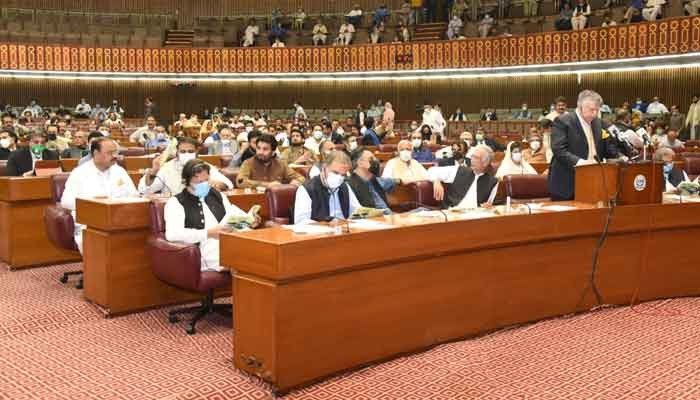
    This was announced by Finance Minister Shaukat Tarin while concluding the budget discussion in the National Assembly on Friday.

    Tarin said talking over the cellphone for more than five minutes will be taxed at 75 paisas, but there will be no tax on an SMS.

    Tarin added that the government will take action against tax defaulters with the help of third party. “Arrest will be made after legal formalities.”

    As per reports, the government has decided to decrease the taxes on 1000cc vehicles while tax imposed on milk and other items has also been fixed at 10 per cent, which was earlier proposed at 17pc.

    The finance minister clarified that the federal government has not proposed any tax on flour or other items.

    Property tax has been reduced to 20 per cent from the earlier proposal of 35 per cent.

    Mentioning the government’s initiatives in the housing sector, Shaukat Tarin said now every citizen can avail bank loan to purchase or construct a house. Rs3 billion have been fixed for the payment of subsidies being offered by the government on housing loans, he added.

    For Ehsaas Programme, the finance minister said Rs260 billion have been proposed for the financial grants in the upcoming financial year 2021-22.

  • Demystifying Budget 2021-22

    Demystifying Budget 2021-22

    This year’s budget held special significance for the Pakistan Tehreek-e-Insaf (PTI) government, as many viewed it as the last opportunity for the incumbent government to show its mettle. The last two to three years were marred by the economic slowdown, the Covid-19 pandemic, and high inflation. If this were to continue, it could take a toll on PTI’s vote bank in the next election and therefore a course correction was in order. But no one expected that such course correction would come in so swiftly. Hafeez Shaikh was let go, apparently on his insistence on electricity tariff increase, and Shaukat Tarin was sworn in as the new finance minister.

    Soon after, this year’s growth estimates took everyone by surprise. Pakistani economy turned out to be much more resilient to the pandemic, but it is hard to ignore the role played by the Covid stimulus package, smart lockdowns and rapid vaccinations. Pakistan is once again back on the growth trajectory.

    While it was critical to sustain this rapid recovery, we were also facing tough IMF conditionalities, which if fully implemented, could very well slow down the economy once again. While no one would disagree on the need for fiscal discipline proposed by IMF, many would question its timing, scale, and modus operandi. 

    More than anyone else, it’s the politicians who clearly did not have time for a long economic cycle to run its course. They knew that they were fast running out of time and would have to go back to their voters in 2023.

    But to give credit where it’s due, the government held its end of the bargain and has come up with an excellent budget, perhaps the best that’s possible within the given constraints. It is interesting to see that so far no one has criticised the direction of the budget, and even the worst of the critique has been about the government’s ability to pull it off.   

    So what’s so great about this budget?

    First and foremost, the budget has introduced a number of proposals to support industry, businesses and investors. In particular, the budget has brought good news for construction, automobile, information technology and a number of other sectors. The budget includes reduction or exemption of duties on raw materials and inputs for various sectors such as electronics, pharmaceutical, textiles, footwear, paints, etc. Export of services for the IT sector have been zero-rated, while zero-rating has also been proposed for local supplies or import of raw materials, components, parts and plant and machinery for registered exporters authorised under Export Facilitation Scheme, 2021.

    The construction sector amnesty scheme has been extended by another six months, which will have a positive impact on cement and all construction-related industries. A number of incentives have been granted on electric vehicles including exemption of sales tax on CKD kits, while sales tax on small domestically assembled cars has been reduced. A number of generous incentives have also been introduced for the planned special technology zones. Lastly, the capital gains tax (CGT) has also been reduced on sale of securities that is likely to further support a rapid stock market recovery. 

    The budget has also introduced a number of incentives for the SMEs, which brings the spotlight on the long-ignored segment. A separate scheme of taxation is proposed for SMEs, giving them flexibility to be taxed either on their profitability or turnover. The threshold for levy of minimum tax (individuals/AOPs) has been enhanced, while the threshold for annual turnover to qualify as cottage industryhas been increased from Rs3 million to Rs10 million. The budget also includes proposals like common bonded warehousing, introducing a one-page tax return for SMEs, etc. that will have a positive impact on the small and medium-sized businesses. 

    One the taxation side, the budget 2021-22 promises to bring a major cultural transformation. After many years, we are again heading back to self-assessments, which will bode well for the businesses and will prevent harassment by tax officials. The budget also includes deletion of 12 withholding taxesincluding that on banking transactions and air travel. Electronic processing and issuance of refunds is also promised to facilitate businesses, whereas the arbitrary powers of the tax officials have been curtailed in many cases. 

    On the development side, the budget has increased the size of public sector development programme (PSDP) by a massive 38% increasing it to Rs900 billion. The national PSDP target is also set at Rs2.1 trillion (about 61 per cent higher than the last year). Such magnitude of increased spending is likely to help stimulate growth.

    Then comes the Ehsaas programme, for which the government has made a generous allocation of Rs260 billion. The government is also planning to give interest-free loans, provide free technical trainings and other initiatives for 4-6 million families at the bottom of the pyramid. The government has also allocated $1.1 billion for Covid-19 vaccination and set an ambitious target of vaccinating 100 million people by June 2022. In addition, the subsidies for power sector have been increased, aiming to minimize the need for tariff increases during the year. 

    All in all, these measures are likely to boost business confidence significantly and will stimulate growth, hopefully beyond the set target of 4.8 per cent. 

    However, there are a few things that need to be kept in mind. First is the ambitious revenue target of Rs5.8 trillion next year, which amounts to 24 per cent increase over this year. Soon after introducing the budget, the government had to retrack its proposal on taxing the cellular calls and internet usage, whichwould take away about Rs100 billion from the estimated revenues and would have to be compensated from elsewhere. In addition, the government foresees about Rs242 billion coming in from administrative measures. Although there is a plan to achieve this target through bringing e-commerce retailers within the tax net, installing POS machines at retailers and providing incentives to general public to demand sales tax receipts, this would need a strong management push throughout the year. Similarly, the public should also expect increase in petroleum prices to meet the Rs610 billion targetfor Petroleum Development Levy. Unless the global oil prices start receding, this would be passed on to the public. 

    The negotiations with IMF is another area which needs some attention. With this ambitious budget, the IMF program is likely to be affected. This in turn may impede our ability access funding from other sources. Therefore, an amicable settlement with IMF, if not immediately then in a few months, is critical. 

    Lastly and most importantly, comes the question of whether this growth is sustainable. While we’ll only get to know thisin due time, there are some good measures in place to support the industry targeting import substitution. Any consequent dip in imports, in the medium term, continued healthy remittance inflow on the back of FATF-action plan, and a realistic exchange rate will definitely help in averting a future balance of payment crisis. 

    For now, it seems that Pakistan is finally out of the woods and the next 2-3 years are going to witness some decent growth.

  • ‘No increase in tax rate of mobile phone calls, SMS, internet’: Shaukat Tarin

    ‘No increase in tax rate of mobile phone calls, SMS, internet’: Shaukat Tarin

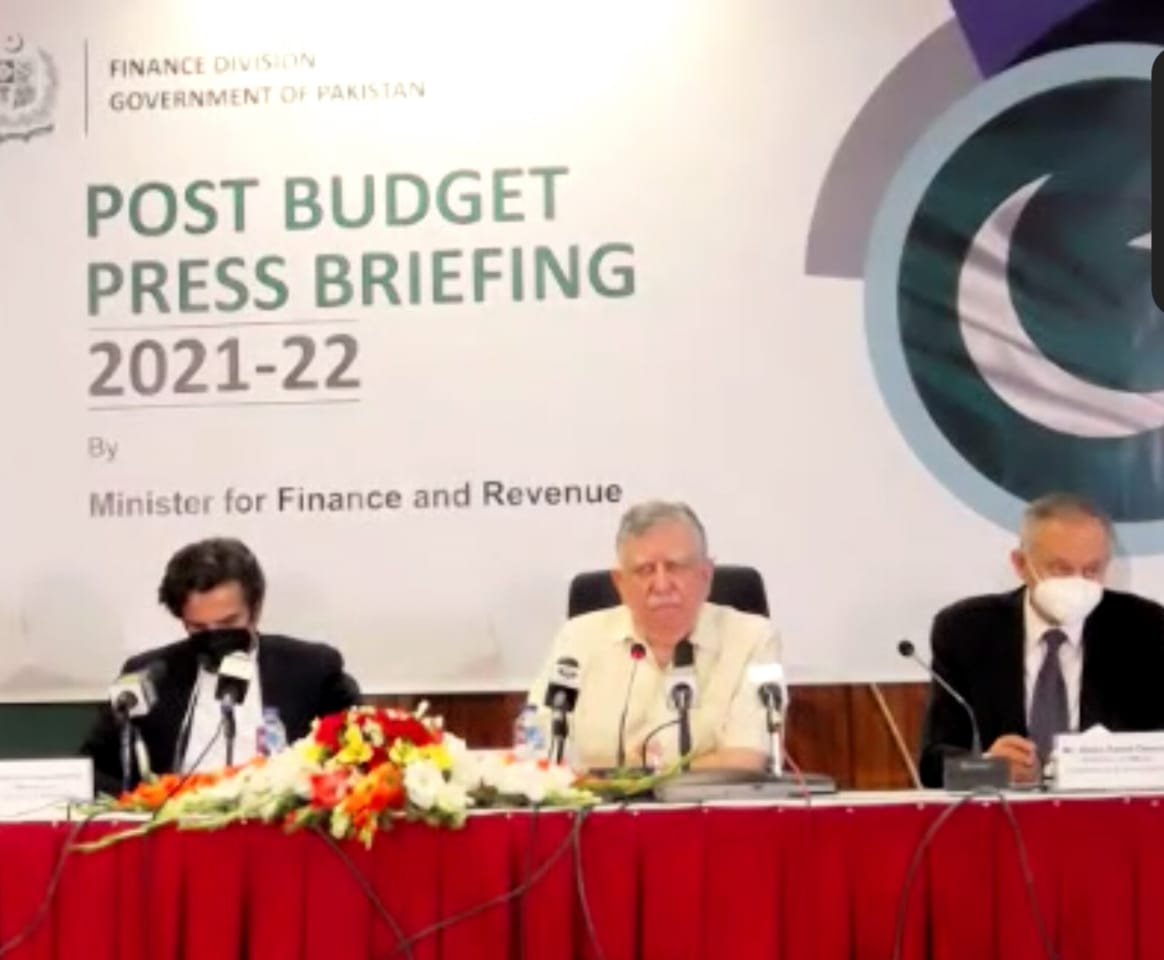
    Addressing a post-budget press conference in Islamabad, Finance Minister Shaukat Tarin said that ” Prime Minister Imran Khan and the cabinet opposed the imposition of tax on mobile phone calls, internet data, and SMS. “Now there will be no increase in the tax rate for all these services.”

    The original decision, if it had been implemented, would have affected over 98 million people.

    Tarin said the government has presented a total growth budget and their challenge is to stabilise growth.

    Tarin said that additional tax of Rs500 billion will be collected in the next financial year. “We have to earn dollars by increasing exports and add an additional tax of Rs500 billion in the next financial year.”

    The finance minister said that Pakistan had to go to the International Monetary Fund (IMF) for help when its position is weak.

    “We need 20 per cent growth in exports. Our savings rate is 15 per cent and our investment rate is up to 16 per cent. If we do not have revenue, how will we achieve growth?”

    Tarin said that the poor in the country have not received loans and training for the last 70 years. Loans up to Rs 2 million will be given to build a roof and loans to poor farmers will go up to Rs 500,000. Pakistan has become a food deficient country and we are now importing what we used to export, Tarin said, adding that the country is importing pulses, wheat, and sugar.

    “We did not pay attention to our crops, but now we will pay attention to it,” he assured.

    “We should not play politics with the poor,” he added.

    Tarin unveiled the Budget 2021-22 yesterday. The total expenditure of the budget had been kept at Rs 8,478 billion and had set the tax collection target at Rs 5,829 billion.