Tag: Shehbaz Sharif

  • ‘First time in history’: PM Shehbaz approves task force for protection of minority rights

    ‘First time in history’: PM Shehbaz approves task force for protection of minority rights

    Prime Minister (PM) Shehbaz Sharif has approved the formation of a task force that will look after the implementation of minority rights in Pakistan.

    An official notification in this regard states, “In light of the resolution passed by the National Assembly on May 9, 2022, the prime minister has been pleased to approve the constitution of the task force on minorities to oversee the implementation of rights of minorities in light with the decision of the apex court.”

    The task force will be headed by Member of National Assembly (MNA) Dr Ramesh Kumar Vankwani. It comprises 23 parliamentarians, senators and ex-officio members.

    As chairman of the task force, Dr Vankwani tweeted that such a step had been taken “for the first time in the history of Pakistan”.

    In another tweet, he said, “Recommendations will be made for the solution of the problems faced by the minorities and we will take people from all the segments of the society along with us.”

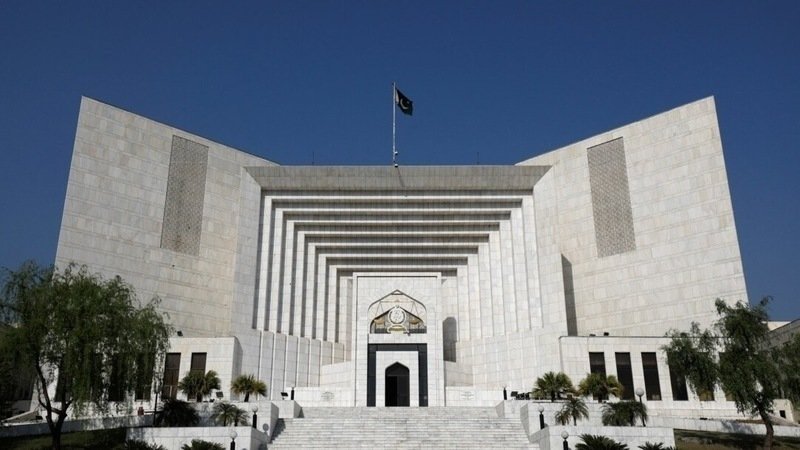
    In 2014, the Supreme Court (SC) issued an order that there should be monitoring of the practical realisation of the rights and safeguards provided to the minorities under the Constitution and law.

    However, the governments over the years could not implement the SC orders.

    In 2020, the Human Rights Commission of Pakistan (HRCP) expressed concern over the surge in blasphemy cases against religious minorities, and the potential for sectarian violence.

  • ‘Waiting for DG ISPR’s response to Dastagir’: Asad Umar

    ‘Waiting for DG ISPR’s response to Dastagir’: Asad Umar

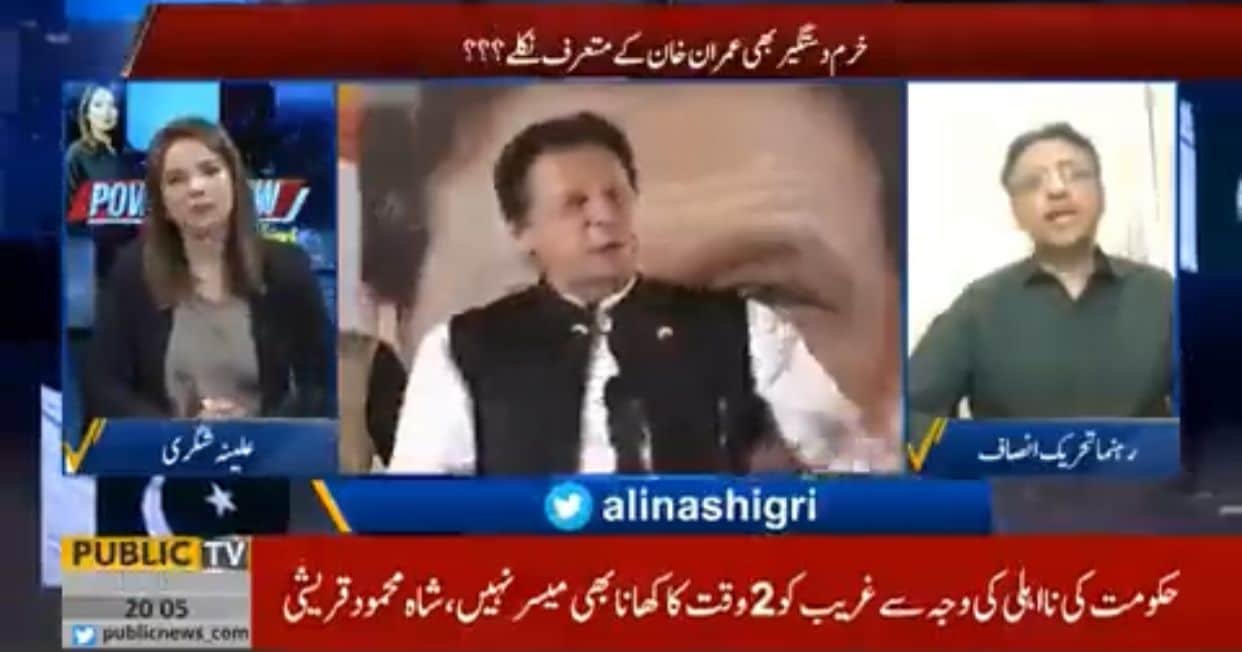
    Responding to Energy Minister Khurram Dastgir’s revelations why Prime Minister Shehbaz Sharif-led government came into power, senior Pakistan Tehreek-e-Insaf (PTI) leader Asad Umar said that he is waiting for a statement by Director General (DG) Inter-Services Public Relations (ISPR) in response to such serious allegations.

    “Dastagir has alleged that in November when a new army chief would have been appointed by Imran Khan, the new chief would have violated the Constitution and would have helped Imran Khan make false cases against his opponents in order to disqualify them. I have been wondering why DG ISPR has not given a statement about these serious allegations even though a couple of days have passed.”

    Asad Umar said that he believes that Dastagir is lying but is still waiting for DG ISPR’s statement because these are very serious allegations and the from the military spokesperson should respond to them.

    Asad Umar also said that in reality, the government knew that the PTI government would start delivering on the economy and thus Khan had to be ousted through a conspiracy.

    READ MORE: PTI’s Asad Umar responds to DG ISPR’s recent interview

    Last week, Energy Minister Khurram Dastgir revealed why the coalition government came into power.

    “Mass disqualifications would have taken place had Imran Khan remained in power,” said Dastgir when anchorperson Syed Talat Hussain asked why the sitting government chose to come into power for a year and a half.

    “This is based on information. Imran Khan and his followers would have stayed in power for 15 years. The entire Opposition would have been disqualified. He [Imran Khan] was of the point of view that he will remove everyone and will not spare anyone.”

    “From Shehbaz Sharif to Khaqan Abbasi to Ahsan Iqbal, everyone of us would have been disqualified. We made a coalition government for that very reason. Imran Khan had fascist plans.”

    The joint Opposition’s candidate Shehbaz Sharif was elected as the 23rd Prime Minister of Pakistan. Imran Khan was voted out of office through a no-confidence motion on April 9.

  • Energy crisis: Sindh govt announces market closures by 9pm

    Energy crisis: Sindh govt announces market closures by 9pm

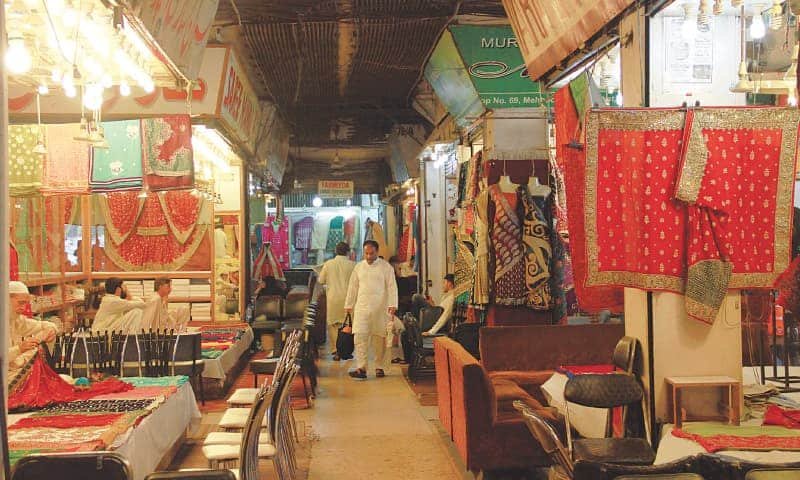
    The Sindh government announced that all markets, restaurants, marriage halls and hotels will be closed early in order to save electricity. The decision will remain in force from June 17 (today) to July 16.

    According to an official notification by the provincial Home Department, all markets, bazars, shops and malls will close by 9pm. Marriage and banquet halls will close by 10:30pm, while hotels, restaurants, coffee shops and cafes must shut by 11pm. However, the decision is not applicable to medical stores, pharmacies, hospitals, petrol pumps, CNG stations, bakeries and milk shops.

    The notification reads: “The urgent need to take the effective measures for the conservation of energy in Sindh through a two-pronged approach, i.e. to utilise the daylight hours for business activities and minimise the possible adverse impact of the business activities.”

    However, the All Pakistan Trade Union Association has rejected this decision of the provincial government, reports ARY News.

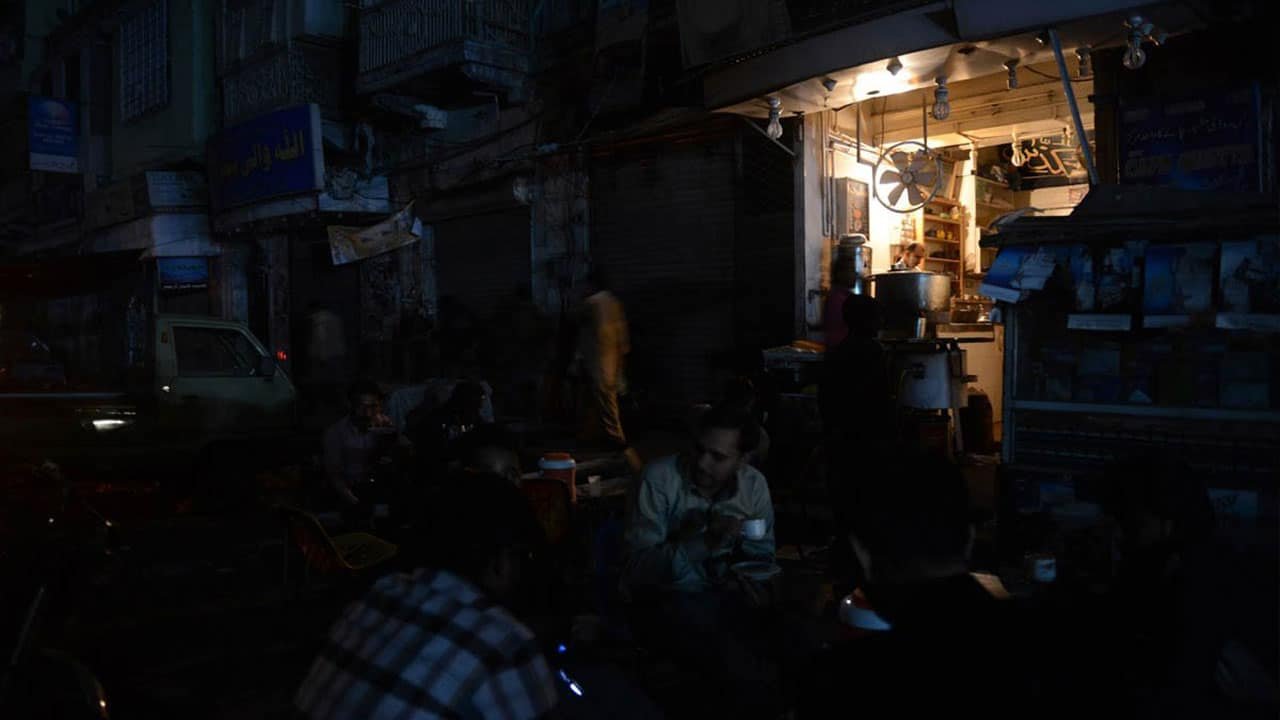
    Pakistan is facing a serious power crisis due to which the government has resorted to load-shedding all over the country.

    Last week, as part of the government’s ongoing measures to manage the energy crisis, the National Economic Council (NEC) agreed on the closure of markets by 8:30pm in all provinces.

    No power in commercial areas in the evening from 7-10pm

    The Power Division has decided to cut supply to commercial feeders from 7pm to 10pm daily across Pakistan, reports Geo News.

    In this regard, the Ministry of Energy has prepared a summary for the cabinet’s approval. According to the media outlet’s sources, the commercial feeders will not face load-shedding during the daytime, which would save approximately 5,000 MegaWatt (MW).

    Earlier, Defence Minister Khawaja Asif said that a huge amount of electricity can be saved if people start their businesses early in the morning and close by Maghrib prayers. He said that saving electricity means saving oil.

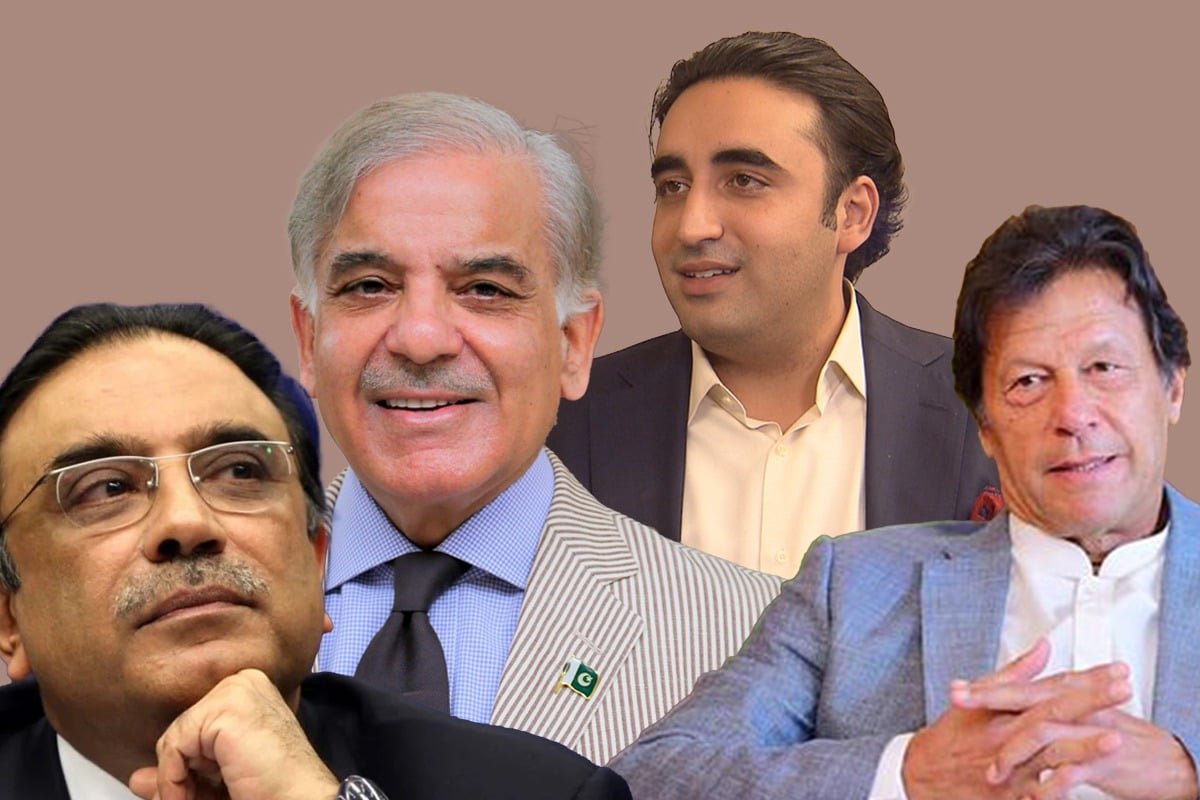
  • Richest politicians in Pakistan: ECP releases data

    Richest politicians in Pakistan: ECP releases data

    The Election Commission of Pakistan (ECP) on Wednesday released the data on the assets owned by Pakistani politicians and their spouses.

    Imran Khan

    Pakistan Tehreek-e-Insaf (PTI) Chairman Imran Khan’s assets for the year 2021 have witnessed an increase of Rs60 million as compared to the year 2020.

    Khan owns assets worth Rs142.1 million while he has inherited houses in Zaman Park and Mianwali and three in Bhakkar. He has a bank balance of more than Rs63 million and he has $329,000 in his two other accounts. The PTI chief has also declared four goats worth Rs200,000 in his assets.

    Bushra Bibi

    Khan’s wife Bushra Bibi’s net worth is Rs142.11million. Bushra Bibi owns 52 kanals of land in Pakpattan while she also has 379 kanals of land in Pir Ghani and 267 kanals of land in Okara. She is also the owner of a three-kanal house in Bani Gala.

    Asif Ali Zardari

    Pakistan People’s Party (PPP) Co-Chairman Asif Ali Zardari’s wealth increased by around Rs40 million to Rs714.23 million in 2019-20 compared to the previous year. He owns thousands of acres of agricultural land, 20 horses, hundreds of camels, cows, and buffaloes as well as other valuables. The arms he possesses are worth Rs16.6 million.

    Bilawal Bhutto-Zardari

    PPP Chairperson Bilawal Bhutto-Zardari is a declared billionaire, having a total wealth worth of Rs1.6 billion. However, the bulk of his wealth remains outside the country.

    Bilawal has more assets in the UAE than in Pakistan and his 25 properties and other assets in Dubai are worth Rs1.44 billion, whereas in the country he has 19 agriculture and non-agriculture properties, around Rs122.14 million cash in hand or banks and arms valued at Rs3 million.

    Shehbaz Sharif

    Prime Minister Shehbaz Sharif owns assets worth more than Rs245 million, and he also owes Rs140 million. The prime minister has Rs2 million in his bank account.

    “PM Shehbaz has borrowed Rs63.9 million from his son Suleman Shehbaz, however, his bank account in London is empty,” stated the document, adding that he is indebted with Rs140 million.

    Shehbaz Sharif also declared the assets of his wives.

    Nusrat Shehbaz

    Nusrat Shehbaz has wealth worth Rs230.29 million and owns nine agricultural properties and one house each in Lahore and Hazara divisions.

    Tehmina Durrani

    Shehbaz’s second spouse Tehmina Durrani has Rs5.6 million.

    Shahid Khaqan Abbasi

    Former PM Shahid Khaqan Abbasi and his wife own two houses in Islamabad and 40 tolas of gold. He gifted his shares in Air Blue airline worth Rs60 million to his son.

    Shah Mahmood Qureshi 

    Former Foreign Minister Shah Mahmood Qureshi turned out to be the owner of assets worth Rs219.6 million – even more that those of his party chief, Imran Khan.

    Raja Pervez Ashraf 

    National Assembly Speaker Raja Pervez Ashraf declared the value of his assets as Rs23.6 million while his wife owned 100 tolas of gold.

    Hammad Azhar 

    Hammad Azhar owns assets worth Rs402 million.

  • Pakistan pushed into darkness due to Europe’s decision to cut off Russian fuel

    Pakistan pushed into darkness due to Europe’s decision to cut off Russian fuel

    The European attempt to abandon Russian oil is intended to punish Moscow for its invasion of Ukraine. It’s also wreaking havoc thousands of miles away, throwing Pakistan into darkness, destabilising one regime, and jeopardising the country’s new leadership’s stability.

    According to Bloomberg, Pakistan invested heavily in liquefied natural gas and inked long-term contracts with Italian and Qatari suppliers. Some of those suppliers have now defaulted, although continuing to sell into the more lucrative European market, putting Pakistan in the very situation it hoped to avoid.

    The country took particular precautions a decade ago to protect itself from the sorts of price increases that are currently shaking the market.

    Last month, the government spent about $100 million on a single LNG shipment from the spot market to avert outages during the Eid holiday, a record for the cash-strapped country.

    The country’s LNG costs could reach $5 billion in the fiscal year ending in July, more than double what they were a year ago. Even still, the government is powerless to protect its citizens: the IMF is in talks to bail out the country on the condition that it reduces fuel and energy subsidies.

    Outages lasting more than 12 hours

    Parts of Pakistan are currently suffering scheduled blackouts lasting more than 12 hours, reducing the ability of air conditioning to provide respite during the current heat wave. The former prime minister continues to gather enormous audiences to demonstrations and marches, exacerbating voters’ discontent with 13.8 per cent inflation. The hosts of prime-time talk shows frequently discuss how Pakistan will obtain the petroleum it requires and how much it would have to spend.

    The administration introduced a fresh set of energy-saving measures last week. Civil servants were relieved of their normal Saturday shifts, and the security budget was slashed by half.

    Prime Minister (PM) Shehbaz Sharif remarked in an April tweet before of the Eid holiday, “I am acutely aware of the sufferings people are facing”. That same week, he ordered his government to resume purchasing costly overseas natural gas shipments.

    He also warned earlier this month that they don’t have the money to keep importing gas from other countries.

    Rerouted supply to power plants

    There will be more than just outages as a result of the supply shortage. The government has rerouted existing natural gas supply to power plants, causing fertiliser manufacturers to be shortchanged. This approach could jeopardise the next harvest, resulting in even higher food prices the following year. Backup generators are being used by cellphone towers to keep service going during the blackouts, but they, too, are running out of fuel.

    There’s not much hope in the future. LNG prices have risen by over 1,000 per cent in the previous two years, first due to post-pandemic demand and subsequently due to Russia’s invasion of Ukraine. Russia is Europe’s largest natural gas supplier, and the possibility of supply disruptions pushed spot rates to an all-time high in March.

    Increasing LNG demand in Europe

    Meanwhile, Europe is increasing its need for LNG. Europe’s LNG imports have increased by 50 per cent so far this year compared to the same period last year, and show no signs of slowing down. As they cut ties with President Vladimir Putin’s regime over the crisis in Ukraine, European Union policymakers created a plan to considerably increase LNG deliveries as an alternative to Russian gas.

    Floating import terminals are being built at a breakneck pace in countries like Germany and the Netherlands, with the first ones set to open in the next six months.

    “Europe is draining LNG from the rest of the globe,” according to Steve Hill, executive vice president of Shell Plc, the world’s largest LNG trader. “However, this means that less LNG will be sent to developing markets”.

    Pakistan was formerly thought to be the LNG industry’s bright future. Demand for the fuel had peaked in developed markets by the mid-2010s. However, technological developments had reduced the costs and time it took to build import terminals, and new gas sources had reduced the cost of the fuel itself.

    Poor nations could finally contemplate the gasoline at the new, lower prices. Suppliers flocked to these new markets, and when Pakistan published a request for long-term LNG supply, over a dozen businesses competed for the contract.

    Pakistan chose Italy’s Gunvor Group Ltd to sell LNG to the country for the next decade in 2017. The terms were favourable at the time, and the prices were lower than those of a comparable arrangement struck with Qatar the previous year.

    Delay in supplies

    However, due to the rise in European gas prices, the two suppliers have postponed more than a dozen shipments slated for delivery between October 2021 and June 2022.

    According to Bruce Robertson, an expert at the Institute for Energy Economics and Financial Analysis, such defaults are nearly unheard of in the LNG market. Bloomberg spoke with traders and industry insiders who couldn’t recall the last time so many cargoes were rejected without being linked to a big outage at an export terminal.

    Eni and Gunvor stated they had to cancel because they were experiencing their own supply problems and didn’t have enough LNG to export to Pakistan. When exporters confront such difficulties, they typically replace deliveries by purchasing a consignment on the spot market, but Eni and Gunvor have not done so.

    Vendors are generally averse to cancelling orders. It harms the company connection and is often extremely costly. In established markets, fines for “failure to deliver” might be as high as 100 per cent.

    “It’s quite rare for LNG suppliers to renege on long-term contracts beyond force majeure occurrences,” says Valery Chow, an analyst at Wood Mackenzie Ltd.

    Pakistan’s contracts stipulated a lower cancellation penalty of 30 per cent, most probably in exchange for cheaper overall costs. The European spot market prices are currently high enough to more than compensate for the penalties.

    Pakistan’s $12 million LNG supply contract

    As per sources, an LNG supply to Pakistan for delivery in May under a long-term contract would cost $12 per million British thermal units. In comparison, spot cargoes to Europe for May delivery were trading for more than $30. Eni and Gunvor have kept their promises to customers in the region.

    As a result, Pakistan is back to square one, in a weaker negotiation position than before. After a dispute with Pakistan’s army over a variety of problems, including his management of energy supply and the greater economy, Prime Minister Imran Khan was deposed in April.

    Shehbaz Sharif, the new prime minister, has directed the state-owned importer to obtain the petroleum at any cost in order to end the debilitating blackouts. It’s also attempting to reach new long-term LNG purchase agreements, albeit the conditions will almost probably be harsher than six years ago.

    High risk of default

    The cost is having its own cascading repercussions. The government is now “at high risk of default,” according to a paper published last month by the Institute for Energy Economics and Financial Analysis. Moody’s Investors Service reduced Pakistan’s outlook from stable to negative, citing financial worries including a potential IMF bailout delay.

    Pakistan’s dependency on LNG, as well as its suppliers’ tendency to default, has exacerbated the country’s energy dilemma. Pakistan isn’t alone in this regard. Emerging economies all around the world are trying to meet their residents’ requirements while staying within their budget restrictions.

    It has also prompted them to purchase electricity from Russia, reducing the impact of Europe’s attempts to isolate them.

    Pakistan seeks LNG supply contract with Russian companies

    According to reports, Pakistan is also looking at long-term LNG supply agreements with Russian companies. India has already increased its purchases from Russia, and this trend is likely to continue. The government has directed power plants to purchase fuel from overseas in response to the scorching summer heat.

    Other cash-strapped importers, such as Bangladesh and Myanmar, are likely to suffer as a result of Pakistan’s problems. Bangladesh’s state-owned utility recently purchased the country’s most expensive LNG shipments on the spot market to keep the grids functioning and industry stocked, while Myanmar has stopped importing LNG for the past year owing to price increases.

    Other nations, such as India and Ghana, may be prompted to reconsider long-held plans to increase their reliance on super-chilled fuel as a result of Europe’s major change. Instead, governments would increase their reliance on polluting coal or oil, thwarting efforts to meet ambitious emission reduction objectives this decade.

  • Imran Khan responsible for the chaos during PTI’s long March: Islamabad Police

    Imran Khan responsible for the chaos during PTI’s long March: Islamabad Police

    The Islamabad Police, Chief Commissioner Islamabad and the interior secretary submitted their report regarding the Supreme Court’s (SC) order violation by Pakistan Tehreek-e-Insaf (PTI) leaders during the long march. The report submitted on Friday by the Islamabad Police stated that PTI Chairman Imran Khan caused disorder in the federal capital during his party’s “Azadi March”, which took place on May 25.

    The federal police further told the top court on Friday that Khan had directed protesters to enter the Red Zone despite a judicial order to hold the jalsa in H-9 ground. No PTI member went there because in a video message, PTI Chairman Imran Khan instructed his party workers to reach D-Chowk.

    “The PTI Chairman Imran Khan told his workers to reach the D-Chowk in a video message. The police and law enforcers made every effort to stop the protesters but they advanced removing all containers and barriers on the night between May 25 and 26,” the report stated.

    Islamabad Inspector-General (IG) Akbar Nasir Khan also attached video evidence and tweets of the PTI leaders with their report.

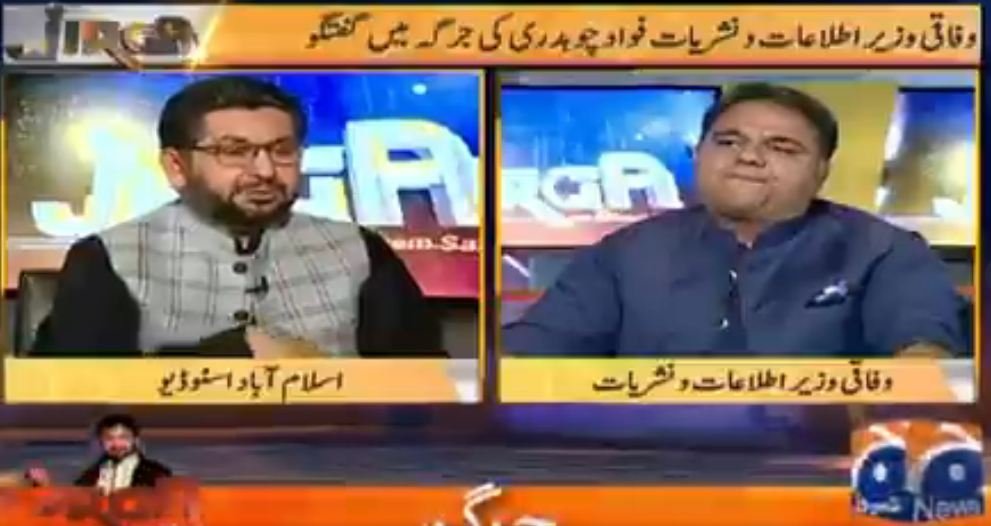
    The report says that the PTI supporters managed to remove containers and barriers as PTI leaders Fawad Chaudhry, Zartaj Gul, Saifullah Niazi and Imran Ismail kept provoking them.

    Earlier, the SC sought a report from law enforcement within seven days. The top court also directed the Inter-Services Intelligence (ISI) and other authorities to submit a report before the court explaining whether the judiciary’s orders were violated on May 25 during the long march.

    On June 1st, SC gave its majority judgment after a petition was filed by the Islamabad High Court Bar Association under Article 184(3) of the Constitution in anticipation of a protest march into Islamabad by the workers of the (PTI) on May 25, the federal government had blocked highways to and roads within the Capital to prevent entry and movement of the protestors.

    Chief Justice of Pakistan (CJP) Umar Ata Bandial observed that Pakistani citizens have the right to move and assemble anywhere within the country under Articles 15, 16 and 17 of the Constitution of Pakistan. He also warned the government against any illegal arrests and raids.

    However, during the hearing, Attorney-General (AG) Ashtar Ausaf Ali claimed that the PTI workers and supporters moved forward to D-Chowk after their leader [Imran Khan] asked them to.

    In its majority judgment, the top court stated: “It is apparent that the assurances conveyed to the court by the learned counsel for the top leadership of the PTI may have been dishonoured by the workers/supporters/sympathisers of the party by proceeding to the D-Chowk in the Red Zone area and by allegedly committing acts of arson and destruction of public and private properties on the way. However, we note that in the early morning today Mr Imran Khan reached Jinnah Avenue leading to D-Chowk and announced the postponement of his sit-in at Islamabad for six days. As a result, further damage to property or injury to human life has been averted.”

    The judgment also added, “there is no evidence or allegation that such acts were committed on the instigation of any party or happened randomly.”

    “At its most elementary level, the PTI leader appears to have assured the holding of a political rally at the G-9/H-9 ground and therefore not to assemble and sit in another venue including at D-Chowk in G-5 Islamabad.”

    ’ Not withstanding the said request by the AGP, we exercise restraint for the time being for several reasons’: SC

    The court also said it was “disappointed” to note that riots took place in the federal capital despite its order to create a balance between both sides, PTI and the government.

    The court further added that peaceful protest is a constitutional right but PTI could have done it with the permission of the state. As long as sanctions under Articles 15 and 16 are inevitable, the right to protest cannot be restrained without legal, reasonable grounds.

    However, Justice Yahya Afridi wrote a dissenting note. He quoted Khan’s statement after the court order: “Wherever Pakistanis are, there is good news: the Supreme Court has issued an order that there will be no hurdles and no one will be arrested. This is why I want all Pakistanis to come out of their homes today evening; people in Islamabad and Rawalpindi should try their best to reach D-Chowk because I will reach there within one-and-a-half-hour.”

    Justice Afridi said that there is sufficient material before the court to proceed against Khan “for the alleged disobedience of the court order which warrants the issuance of notice by this court to Mr Imran Khan to explain why contempt proceedings should not be initiated against him.”

  • ‘Why would I harm my family business’?: PM Shehbaz, CM Hamza get pre-arrest bails

    A special court in Lahore granted pre-arrest bails to Prime Minister (PM) Shehbaz Sharif and his son Punjab Chief Minister (CM) Hamza Shehbaz in a Rs16 billion money laundering case registered against them by the Federal Investigation Agency (FIA).

    The court asked both PM Shehbaz and CM Hamza to pay Rs1 million in surety bonds, each within seven days.

    Both the PM and his son CM Hamza appeared before the court on Saturday.

    During the hearing, the court asked Shehbaz if he has no ownership of Ashiana Housing Scheme and Ramzan Sugar Mills, to which the PM replied, “I have no stake in either.”

    PM Shehbaz asked: “Why would I engage in corruption and money laundering and harm the family business?”

    He said the Federal Investigative Agency (FIA) was provided with all the facts verbally. “I faced countless hearings and trials. The FIA was admonished for not presenting a challan. I believe the FIA was preparing for an arrest, hence the challan was delayed,” he added.

    “The entire case is built on lies and will be buried,” PM Shehbaz further said during the hearing.

    PM Shehbaz’s attorney Amjad Pervez stated that the fact that both of them [Shehbaz and Hamza] had previously been interrogated in jail by the FIA was sufficient proof for their bail.

    He said, “The case has been ongoing for more than a year and now we discover that the suspects were not made part of the inquiry.”

    Last year, the FIA submitted a challan against Shehbaz and Hamza to the special court for their alleged involvement in a money laundering case.

    The report said that the amount was kept in “hidden accounts” and “given to Shehbaz in a personal capacity”.

  • Govt unveils Rs9.5 trillion budget 2022-23, focused on sustainable growth

    Govt unveils Rs9.5 trillion budget 2022-23, focused on sustainable growth

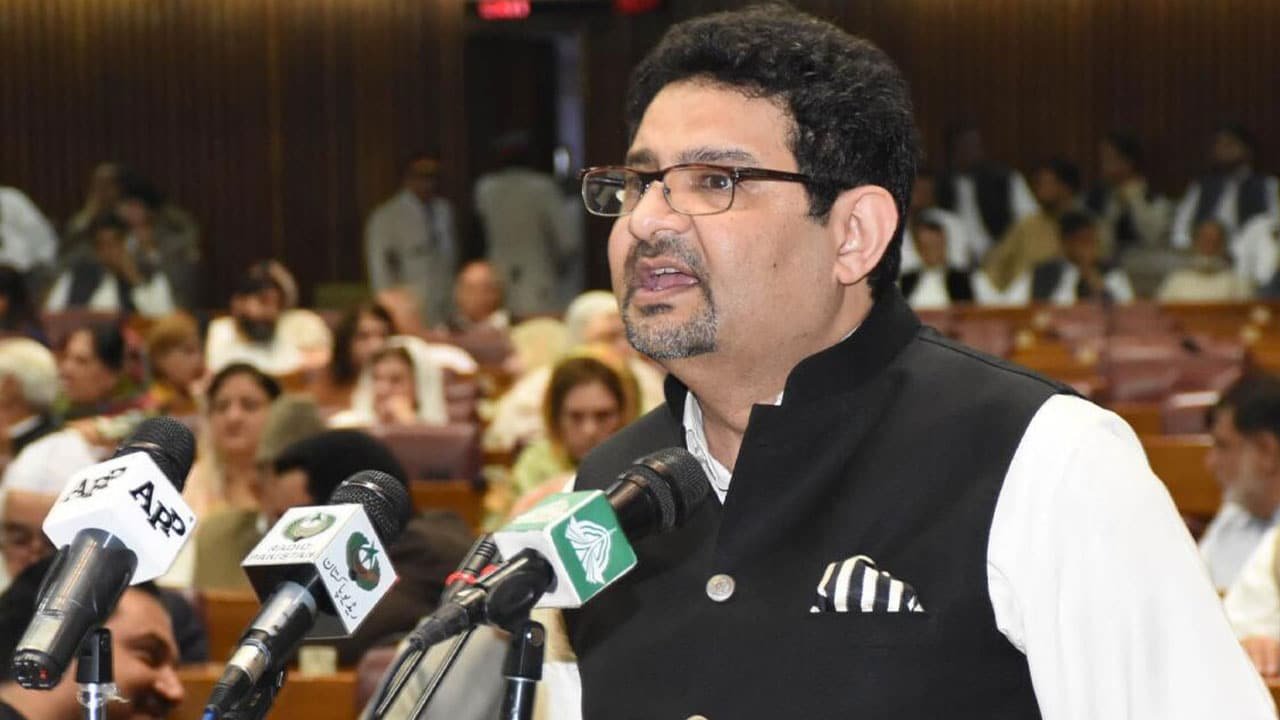
    The federal budget for 2022-23 has been revealed with a total outlay of Rs9,502 billion. It includes measures for sustainable economic growth, industrial and agricultural development, and aid for the poor ones.

    Finance Minister, Miftah Ismail began his address by claiming that the PTI administration had left Pakistan’s economy in shambles and harmed investor confidence by often switching finance ministers and monetary policies.

    He slammed former Prime Minister Imran Khan, claiming that he never cared about the poor, claiming that “keeping an eye on potato and tomato prices is not a PM’s duty”.

    He claims that the governing party took control of the country despite the fact that it will have to make difficult decisions to save the economy, which will affect their individual parties’ appeal, but they chose to put the country’s interests ahead of their own.

    Relief for working class and the poor

    He claimed that the budget is geared at providing greater relief to the working class and the poor, as opposed to the wealthy, because the working class prefers to buy local products over foreign ones, boosting the economy.

    Budget 2022-23, according to Miftah Ismail, will concentrate on offering facilities to farmers planting crops that supply cooking oil, such as corn and sunflower, so that the country does not need to import palm oil, which is at an all-time high in the worldwide market.

    Slashing furniture, stationary expenses in govt offices

    Considering the current economic downturn, the administration has decided to restrict operational expenditures to the absolute minimum, and that new furniture and stationary for government offices will be completely prohibited. Other than obligatory diplomatic visits, all government-sponsored foreign trips will be prohibited.

    Education

    The government has set aside Rs65 billion for the Higher Education Commission (HEC) in the current budget. In addition, the HEC has been granted Rs44 billion for development programmes, which is 67 per cent more than the previous year.

    Miftah Ismail said that this is a demonstration of our commitment to the youth. We are encouraging provinces to completely fulfill their obligations in terms of higher education promotion in the coming years, he said. The HEC budget includes 5,000 scholarships for Balochistan and tribal district students. He added that a unique scholarship programme has been introduced for Balochistan’s coastal communities.

    The Finance Minister said that 100,000 laptops would be provided to students around the country on affordable instalments. Funds have also been set aside for the purchase of cutting-edge equipment to improve engineering and technology education.

    15 per cent Increase in govt employees’ salaries

    In Budget 2022-23, Miftah Ismail announced a 15 per cent increase in government employee salaries, as well as the merger of adhoc allowances.

    He said that the tax on savings certificates, pensioners’ benefit accounts, and martyrs’ family assistance accounts had been reduced from 10 per cent to 5 per cent.

    Small merchants will be subject to a new fixed income and sales tax regime, according to the Minister. Electricity bills would be used to collect taxes ranging from Rs3,000 to Rs10,000 under this method. This will be a final agreement, and FBR will have no right to inquire about the tax.

    According to Miftah Ismail, a proposal has been made to increase initial depreciation rates for industries and other businesses from 50 per cent to 100 per cent in the first year.

    Furthermore, he stated that any tariffs imposed on industrial units during the import of raw materials will be considered adjustable in order to protect the business community’s working capital.

    New industrial policy

    He stated that an industrial policy is being implemented in partnership with the Asian Development Bank in order to boost the country’s industrial base. He stated that the Prime Minister has directed that all exporter claims be resolved as soon as possible.

    A sum of Rs40.5 billion is due to them right now, and we will pay it as soon as possible. Regardless of financial challenges, sales tax refunds are issued swiftly. Industrial feeders have been spared from load-shedding, according to him, in order to ensure that the industrial sector has uninterrupted power supply.

    A new strategy for promoting investment in the country is being developed which aims to provide an enabling atmosphere for investors by eliminating the lengthy procedure. The government will overhaul the dispute settlement structure to make it easier for domestic and foreign investors.

    Boosting agriculture sector

    Talking about the agriculture sector, Finance Minister stated that Rs21 billion had been set aside to boost agriculture and livestock productivity. He stated that the Ministry of Food Security, in consultation with the Planning Commission and the provinces, has developed a three-year growth strategy. This plan aims to increase agri-production, increase farmer prosperity, and promote smart agriculture and self-sufficiency.

    National Youth Commission

    The Finance Minister also announced the development of a National Youth Commission to help youth realise their full potential. Various plans for the youth, he noted, have been offered. He stated that a coordinated strategy is being implemented to strengthen the role of educated youth in the growth of the country. According to him, the youth employment initiative will create over two million job chances.

    He added that a scheme to foster youth entrepreneurship will be launched, under which interest-free loans of up to Rs500,000 and loans of up to Rs25 million will be made available on easy payments. He stated that in this lending arrangement, a 25 per cent quota has been been aside for women. He stated that women will be given precedence in hi-tech training in order to achieve economic empowerment. Youth development centres would be set up over the country, he said.

    A green youth movement would be launched to involve young people in environmental initiatives. Funds will be set aside to distribute laptops on a merit-based and instalment basis, as well as the construction of 250 mini-sports stadiums across the country. Miftah Ismail stated that an innovation league would be established in order to improve the youth’s potential. He said that a talent quest and sports drive programme will be developed for youngsters between the ages of eleven and twenty-five.

    Reduction in govt spending

    According to the Finance Minister, the current government’s top focus is austerity. This budget includes a reduction in government spending, and we are taking meaningful moves in that direction. He stated that automobile purchases will be completely prohibited. Apart from development initiatives, procurement of furniture and other products would be prohibited. Cabinet members and government officials will have their gasoline quotas lowered by 40 per cent. There will also be a ban on international tours paid for by the government, with the exception of the most important ones.

    A medium-term macroeconomic framework has been established to put the economy on a road of development, according to the Finance Minister. He emphasised his belief that by implementing this framework, we will be able to steer the economy in the right way. Our biggest problem, he remarked, is to expand without a current account deficit. As a result, a minimum of 5 per cent will be obtained without disrupting the balance.

    Improved fiscal and monetary policy

    He said that the GDP will increase from Rs67 trillion to Rs78.3 trillion in the coming fiscal year and the government is attempting to lower inflation through improved fiscal and monetary policy. During the next fiscal year, inflation will be decreased by 11.5 per cent.

    He predicted that the tax-to-GDP ratio will rise to 9.2 per cent in the coming fiscal year, up from 8.6 per cent now. He noted that in 2017-18, we had kept this ratio at 11.1 per cent. He stated that the overall deficit, which is currently at 8.6 per cent, will be steadily reduced. In the coming fiscal year, this will be reduced to 4.9 per cent. Similarly, the overall primary balance, which presently stands at -2.4 per cent of GDP, will be reduced to 0.19 per cent.

    Import and export

    Imports, which are estimated to be $76 billion this fiscal year, would be lowered to $70 billion the following fiscal year, according to the Finance Minister. Exports are currently $31.3 billion, but will increase to $35 billion in the coming fiscal year. The current account deficit will be decreased from -4.1 per cent of GDP to -2.2 per cent of GDP.

    Remittances, which are predicted to continue at $31.1 billion this fiscal year, are expected to grow to $33.2 billion next fiscal year.

    Key allocations in Budget 2022-23

    Rs1,523 billion allocated for defence

    Rs800 billion allocated for Public Sector Development Program (PSDP)

    Rs699 billion allocated for targeted subsidy

    Rs364 billion allocated for Benazir Income Support Program (BISP)

    Rs64 billion allocated for Higher Education Program

    Rs25.99 billion allocated for Atomic Energy Commission

    Rs24 billion allocated for Health

    Rs21 billion allocated for Benazir Nashunuma Program

    Rs11 billion allocated for Agriculture

    Rs10.12 allocated billion for food security 

    Rs9.60 billion allocated for Climate Change

    Rs530 billion allocated for pension funds

    Rs3.46 billion allocated for Maritime Affairs

    Key announcements

    The GDP growth target has been set at 5 per cent.

    Remittances are expected to total $33.2 billion.

    Inflation will be held at 11.5 per cent.

    FBR has set a revenue target of Rs7,004 billion.

    Non-tax revenue objective is set at $2 billion.

    The goal set for imports is $70 billion.

    The target for exports is $35 billion.

    Government employees will have a 15 per cent raise in pay.

    Under a new employment scheme, youngsters will be eligible for interest-free loans up to Rs500,000.

    Distributors and manufacturers will no longer be subject to an 8 per cent withholding tax.

    On national saving systems, the profit rate dropped from 10 per cent to 5 per cent.

    Cinema owners and film makers are exempt from income tax.

    On cars with engines larger than 1600cc, the advance tax will be raised.

    Pharmaceutical materials are exempted from any customs duties.

    This is a developing story..
  • Coalition govt shows ‘full confidence’ in PM Shehbaz, as Zardari hosts dinner ahead of budget

    Coalition govt shows ‘full confidence’ in PM Shehbaz, as Zardari hosts dinner ahead of budget

    Former President Asif Ali Zardari hosted a dinner for leaders and members of the coalition government, on June 9 ahead of the fiscal budget 2022-23 announcement in Islamabad.

    The fiscal budget that is to be released on June 10, 2022, (today) was the centre of discussion at the dinner. The meeting also discussed the overall political state of the country and expressed full confidence in Prime Minister (PM) Shehbaz Sharif.

    Zardari was also lauded by the coalition leaders and members for his efforts to unite the parties together. PM Shehbaz also received advice from members and leaders present at the dinner.

    In attendance were Yousaf Raza Gillani, Marriyum Aurangzeb, Maulana Fazl-ur-Rehman, Sherry Rehman, Qamar Zaman Kaira, Raja Pervez Ashraf, and Rana Sanaullah among others.

    Foreign Minister (FM) Bilalwal Bhutto-Zardari was not in attendance at the dinner because he is currently in quarantine.

  • Khan demands probe in ‘Maqsood chaprasi’ death case

    Khan demands probe in ‘Maqsood chaprasi’ death case

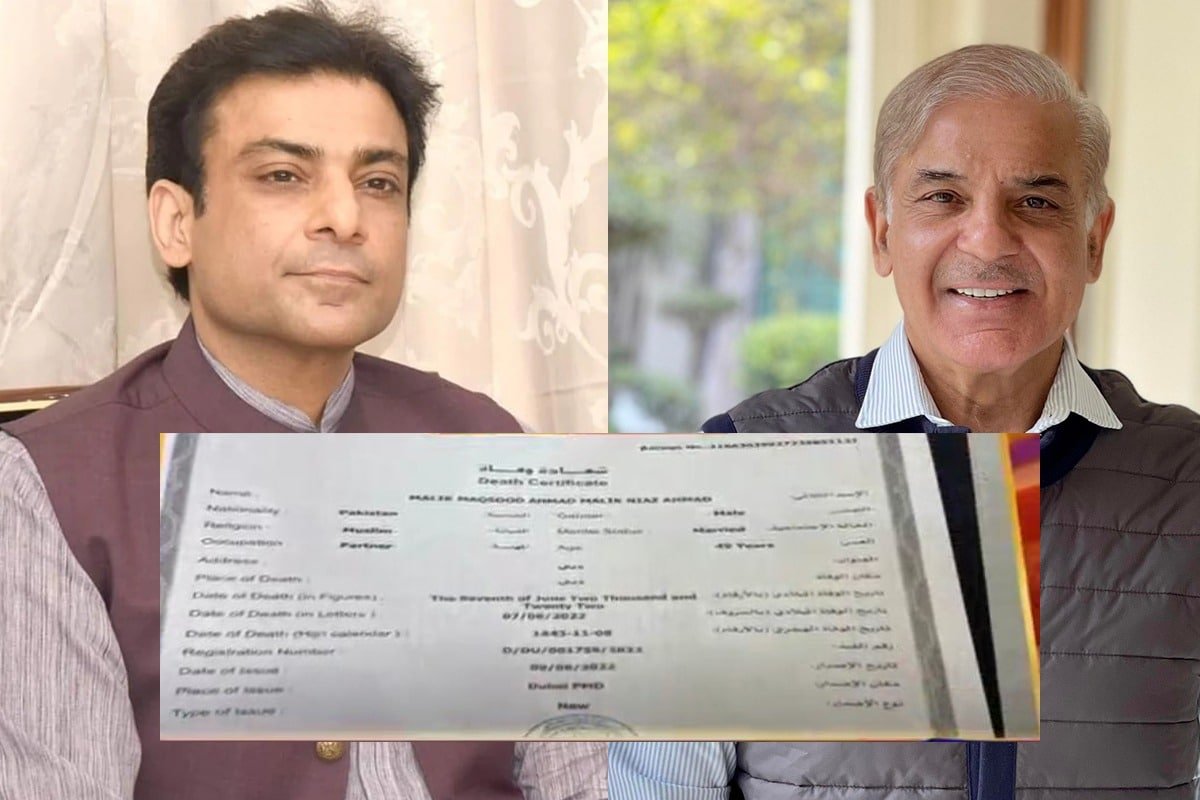
    Malik Maqsood Ahmad, more commonly known as Maqsood ‘Chaprasi’ (peon), accused of Rs16 billion money-laundering in the case against Prime Minister (PM) Shehbaz Sharif and his son Punjab Chief Minister (CM) Hamza Shehbaz passed away in Dubai on Thursday, June 9.

    Pakistan Tehreek-e-Insaf (PTI) Chairman Imran Khan on Thursday demanded a probe into Maqsood’s death.

    Maqsood had reportedly left for the UAE in 2018, just before the PTI came to power. Khan often referred to him in his public speeches alleging that PM Sharif and his sons laundered billions of rupees using Maqsood’s bank account.

    PTI information secretary Farrukh Habib raised several questions on the death of Maqsood and tweeted, “After the Shehbaz Sharif government came to power, the sudden deaths of Dr Rizwan and Maqsood, and change of prosecutor in the money-laundering case (against Shehbaz and others) are evident of how the Sicilian Mafia works.”

    PTI central Punjab president Dr Yasmin Rashid and general secretary Hammad Azhar also demanded Maqsood’s postmortem, maintaining that the nation should be informed who would inherit the Rs3bn apparently lying in his account.