Tag: smoke

  • ITP fines hundreds of vehicles for causing environmental pollution

    ITP fines hundreds of vehicles for causing environmental pollution

    The Islamabad Capital Territory (ICT) police fined 315 vehicles for causing environmental pollution as the ban on smoke-emitting vehicles entering the Federal Capital went into effect on Tuesday.

    Islamabad police intensified the crackdown to protect the environment, and as a result, 239 vehicles with pressure horns and 76 smoke-emitting vehicles received fines, according to a police spokesman.

    He claimed that Dr Akbar Nasir Khan, the Inspector General of Police in Islamabad, had recently announced the ban with a specific directive to start an awareness campaign for environmental preservation.

    The representative said that major thoroughfares like the Islamabad Expressway, IJP Road, Srinagar Highway, and others have special enforcement squads stationed there. Additionally, social media platforms were used to educate drivers about the ban.

    The IGP was quoted as saying, “Fitness certificates will not be issued to any unfit vehicles and no laxity in the implementation of traffic rules will be tolerated”.

    To carry out the campaign against smoke-emitting vehicles, ITP has organised mobile squads. These teams would patrol different areas and ticket any vehicles that were causing noise pollution or smoke.
  • Air pollution reduces life expectancy by two years worldwide: Report

    Air pollution reduces life expectancy by two years worldwide: Report

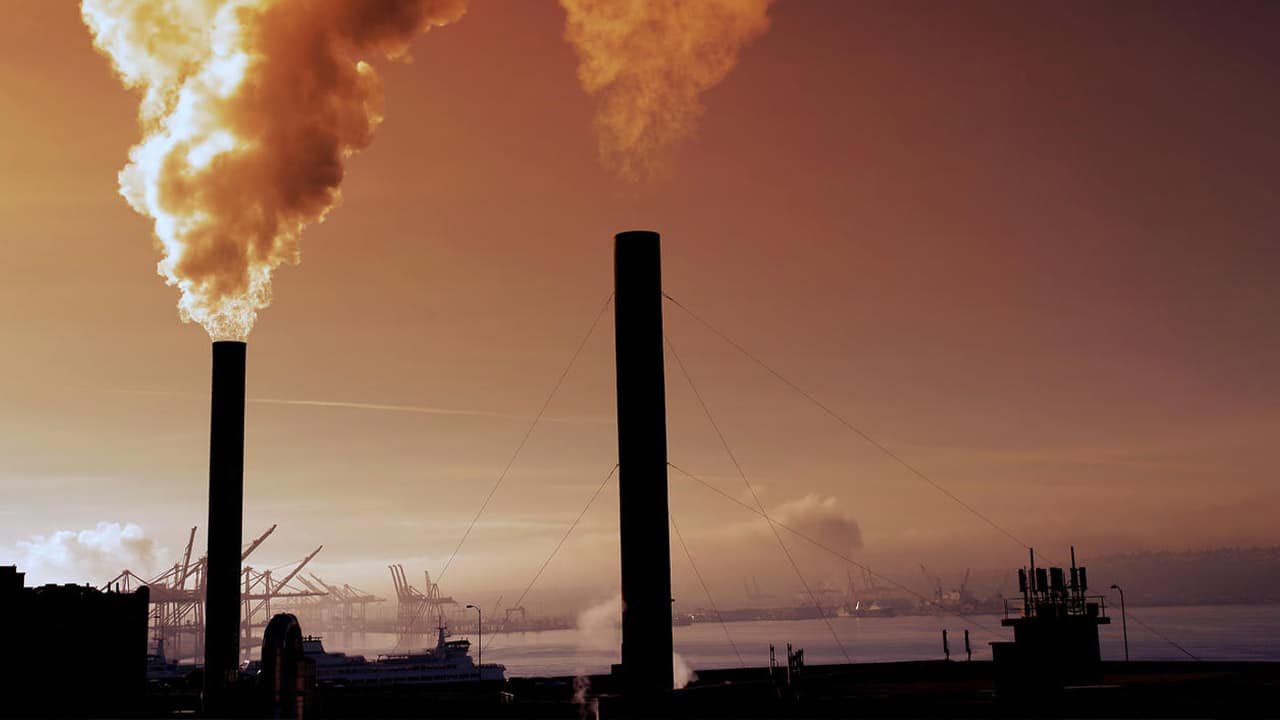
    A recent study revealed that microscopic air pollution, mostly generated by the combustion of fossil fuels, affects life expectancy by more than two years globally.

    According to a report by the University of Chicago’s Energy Policy Institute, if fine particulate matter levels across South Asia reached World Health Organization criteria, the typical individual would live five years longer.

    The severe lung and heart illness caused by so-called PM2.5 pollution reduce life expectancy by eight years in the Indian states of Uttar Pradesh and Bihar, home to 300 million people, and by a decade in the capital city of New Delhi.

    PM2.5 pollution penetrates deep into the lungs and reaches the circulation, with a diameter of 2.5 microns or smaller, nearly the same as a human hair. It was declared a cancer-causing substance by the United Nations in 2013.

    According to the WHO, the concentration of PM2.5 in the air should not exceed 15 micrograms per cubic metre in any 24-hour period, or 5 mcg/m3 on an annual basis.

    The WHO strengthened these guidelines last year, the first revision since air quality guidance was established in 2005, in response to accumulating evidence of harmful health effects.

    In the Air Quality Life Index report, lead researcher Crista Hasenkopf and colleagues stated, “Clean air pays back in additional years of life for individuals all over the world.” “Reducing global air pollution to WHO recommendations permanently would add 2.2 years to average life expectancy.”

    Almost every inhabited region on the planet exceeds WHO limits, but not more so than Asia: Bangladesh, India, Nepal, and Pakistan all exceed WHO guidelines by 15-fold, 10-fold, and nine-fold, respectively.