Pakistan is projected to experience a real GDP growth rate of 2 per cent in 2024, with a slight increase to 2.3 per cent expected in 2025, according to a United Nations economic survey.
The survey, titled ‘Economic and Social Survey of Asia and the Pacific 2024: Boosting Affordable and Longer-term Financing for Governments,’ released on Thursday, also forecasts a decrease in the inflation rate from 26 per cent to 12.2 per cent in the same period.
The report highlights the challenges faced by Pakistan’s economy in 2023, citing political unrest and a significant flood that disrupted agricultural production.
To address fiscal pressures, Pakistan, along with Sri Lanka, sought external assistance from the International Monetary Fund (IMF), with additional support from bilateral partners such as China, Saudi Arabia, and the United Arab Emirates.
Both countries are implementing fiscal adjustments, including debt restructuring in Sri Lanka and subsidy removal in Pakistan’s power sector.
Despite moderate tax gaps in Bangladesh, Pakistan, and Sri Lanka, the report suggests that improving tax policies and administration alone may not suffice to bridge development financing gaps, emphasising the need for broader improvements in socioeconomic development and public governance.
The macroeconomic conditions in the developing Asia-Pacific region remain challenging, with a disparity in economic growth among different economies.
While some larger economies experienced a rebound in economic growth, others saw only moderate growth in 2023. Pakistan’s GDP growth rate for the second quarter of fiscal year 2023–24 stood at a modest 1 per cent, below earlier projections ranging from 2–3 per cent.
A 14-year-old girl in Mumbai committed suicide as she was stressed about the pain due to her first period, according to Indian news platform India Today. The girl had no knowledge about the menstrual cycle due to which she was forced to take the extreme step, says the police report.
The unfortunate incident took place late on March 26. The teenager informed her family members about her first period and said she was experiencing extreme pain.
The young girl became restless as she could not bear the pain due to her period and subsequently hung herself in the room. The victim’s family took her to a nearby hospital, but she was declared dead upon her arrival.
A post-mortem of the body was conducted and no foul play was found, according to media reports.
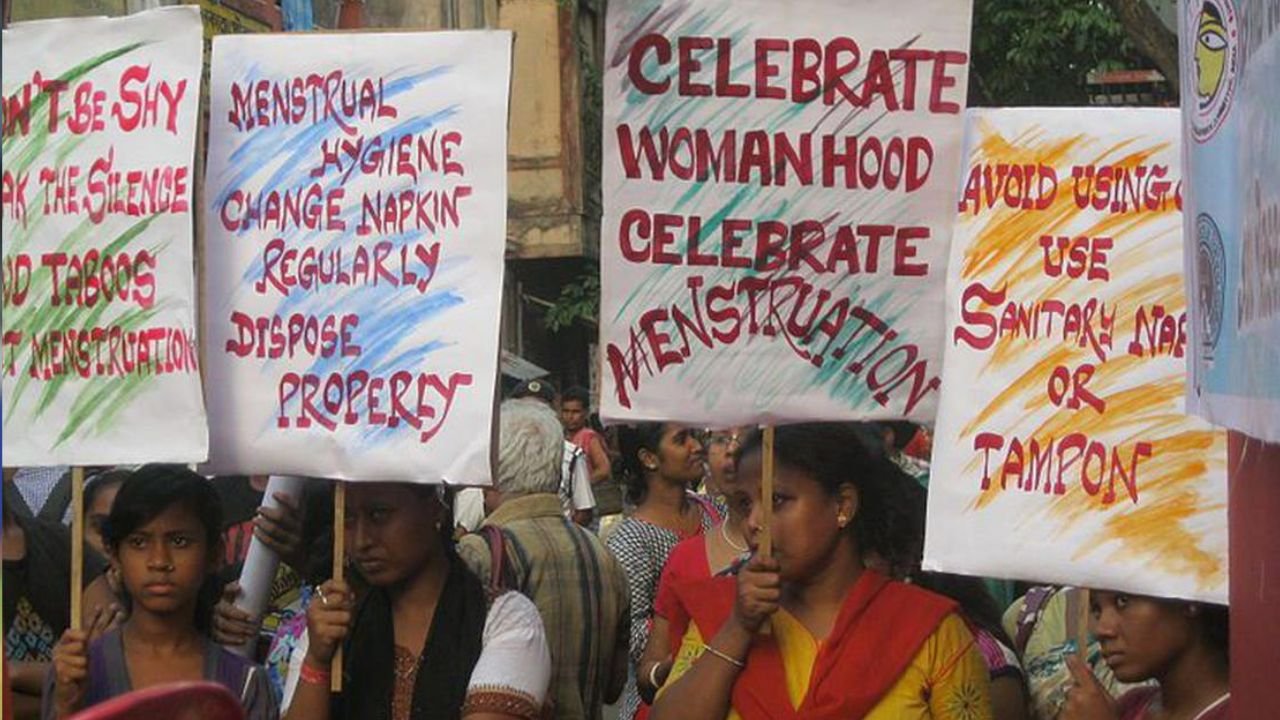
The incident has raised concerns over the lack of awareness and information regarding the menstrual cycle especially among children.
In a survey by BeBadass.in, 60 percent of girls do not have prior knowledge about their menstrual cycle while 56 percent in India consider it a taboo. A shocking 38 percent believe the first occurrence to be an injury or a disease.
This is not about India alone as menstrual hygiene and seeking knowledge about it is seen as a taboo across South Asia. Sad incidents like these stress the need to have proper counselling with teenagers on menstruation and how to deal with it.
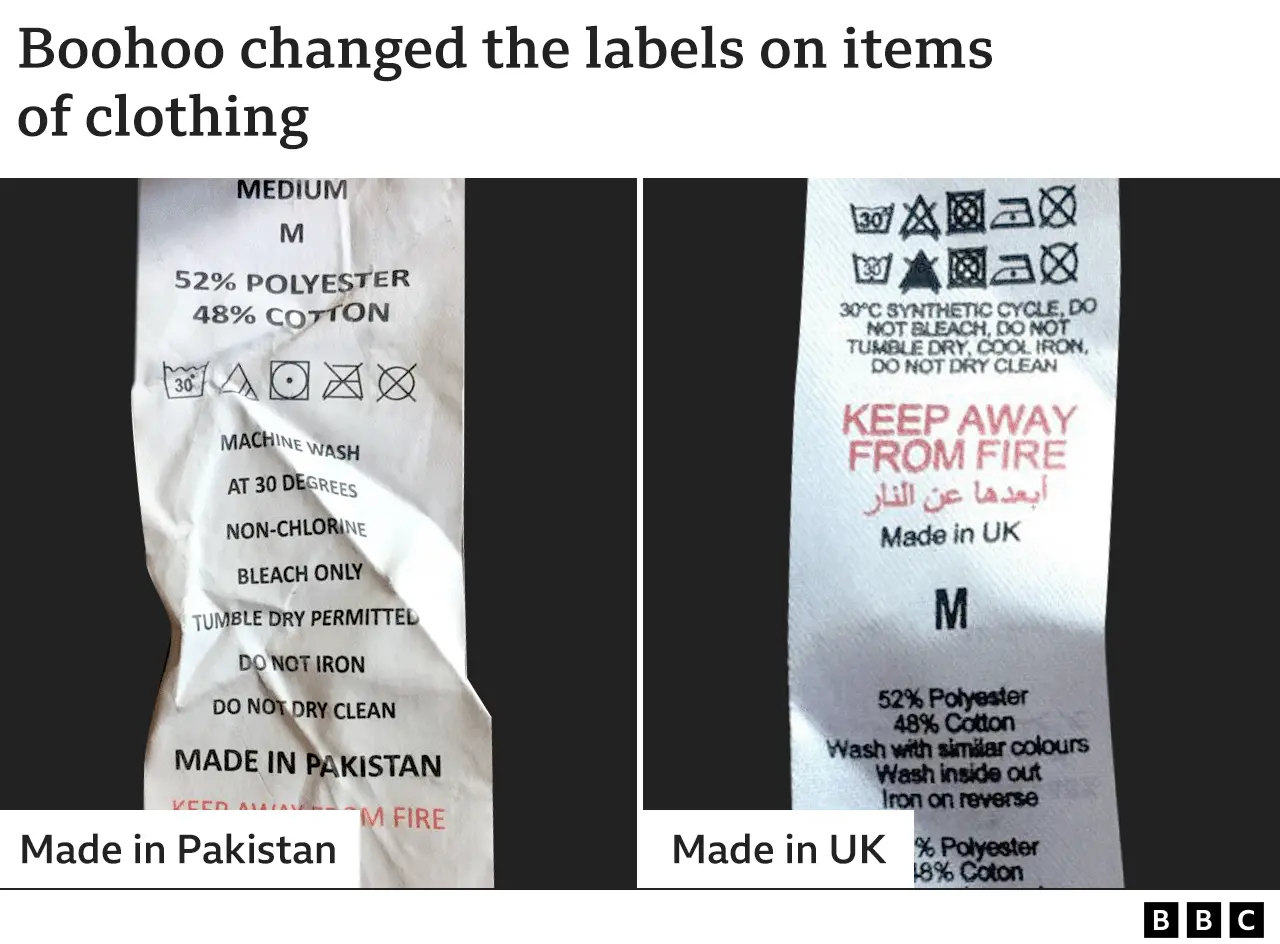
UK fashion brand Boohoo has been accused of labelling clothes made in Pakistan and other Asian countries as ‘Made in UK’.
In a report by BBC, it has been revealed that the retailer brand Boohoo has been found to have mislabelled items of clothing made in South Asia as indigenously manufactured.
In a Panorama investigation, it was shown that plain T-shirts and hoodies had their original labels removed at Boohoo’s flagship factory in Thurmaston Lane in Leicester, last year.
Thurmaston Lane opened two years ago and was promoted by the retailer as a UK manufacturing centre of excellence, offering end-to-end garment production in the UK.
The mislabelling took place at the factory, affecting up to one in 250 of Boohoo’s global supply of garments between January and October 2023. The BBC estimates that this could amount to hundreds of thousands of wrongly labelled garments. However, the retailer would not provide precise figures. Boohoo claims it was an isolated incident which had happened as “a result of human error”.
A company spokesperson said, “We have taken steps to ensure this does not happen again.”
The garments had been shipped from Pakistan and other countries in South Asia to Boohoo’s Leicester factory where they were printed on.
Boohoo is considering closing its Leicester factory and relocating operations. However, the clothing retailer said plans to shut the site are not related to the findings of the Panorama investigation, adding that due to “significant investments” at its US distribution centres, it must take steps to ensure the brand is a “more efficient, productive and strengthened business”. It also suggested that the incorrect labels were down to a misinterpretation of the labelling rules.
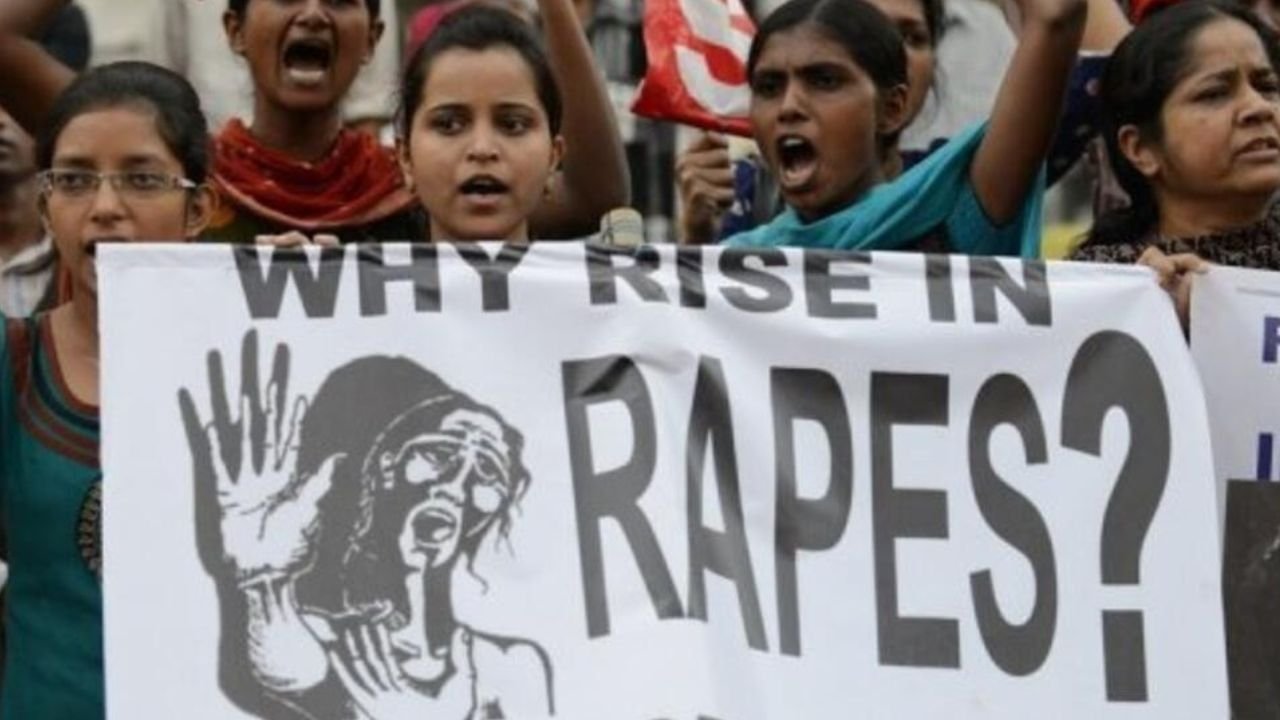
An elderly woman in the Indian state of Bihar was found dead by the police after being raped and murdered.
According to Indian media, the woman was killed after being gang-raped in Nawada district of Bihar.
The report said that the incident came to light when the mutilated body was found by the police on December 26.
Local police took action and arrested four persons suspected of involvement in the rape and murder.
The police said that three of the suspects have confessed to raping and killing her by slitting her throat, while one man is still on the run.
Talking about the incident, a police officer said that the woman and her husband, originally from Gaya, had gone to the city on December 25 to meet their relatives.
He said that the old couple had to take a rickshaw from the railway station to reach their destination. However, as soon as only the old lady sat in the rickshaw, the driver started the rickshaw and took her away.
Police apprehended the suspect with the help of CCTV footage.
According to the police, during the investigation, the blood of the woman was found on the clothes of the suspects, while the weapon used to kill her has also been recovered.
Player Unknown Battlegrounds (PUBG) mobile is all set to introduce a brand new roadmap for the PUBG mobile E-sports year 2024. PUBG mobile has introduce a new global event named Pubg Mobile Global Open (PMGO). The major changes in PUBG mobile E-sports year 2024 is the expansion of leagues in Europe, the Middle East and Africa (EMEA), America, Central and South Asia.
James Yang, the senior director of PUBG Mobile Global E-sports revealed three Global leagues in year 2024; the PUBG Mobile Global Championship, PUBG Mobile World Invitational (PMWI) and the new event PMGO.
The PMGO will take place in Brazil in months of March and April in 2024 with prize-pool of 500,000 USD. This event includes teams from the host region qualifiers, regional PMSL qualifiers and PMSL partnership teams.
Another major change is the addition of PUBG Mobile Super League (PMSL) which will replaces the PUBG Mobile Pro League (PMPL). The PMSL will bring the PUBG mobile competition to another level, and will have offline events for each PMSL league. The South East Asia (SEA) region will have three seasons of PMSL while EMEA, America, Central and South Asia (Now United) will also have two leagues seasons.
James Yang explained, why the SEA region will have one extra PMSL league than other regions. He said, “This is due to the developed E-sports system in these regions, and we would see that three seasons will have better because the audience wants to see more competition”.
Below the second tier there will be PMSL regional qualifiers to give a chance for Underdogs teams to compete against Professional players. The fourth tier will have smaller regional tournaments like PUBG Mobile Club Open (PMCO).
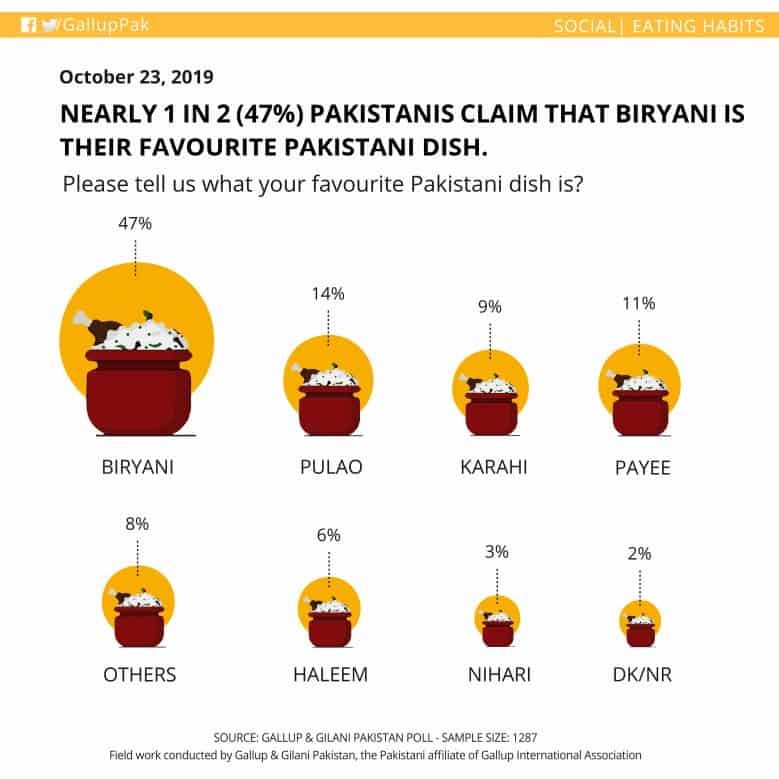
Eying each other across a stream of traffic, rival biryani joints vie for customers, serving a fiery medley of meat, rice and spice that unites and divides South Asian appetites.
Both sell a niche version of the dish, steeped in the same vats, with matching prices and trophies commending their quality.
But in Karachi, where a biryani craze boomed after the creation of Pakistan, it is the subtle differences that inspire devotion.
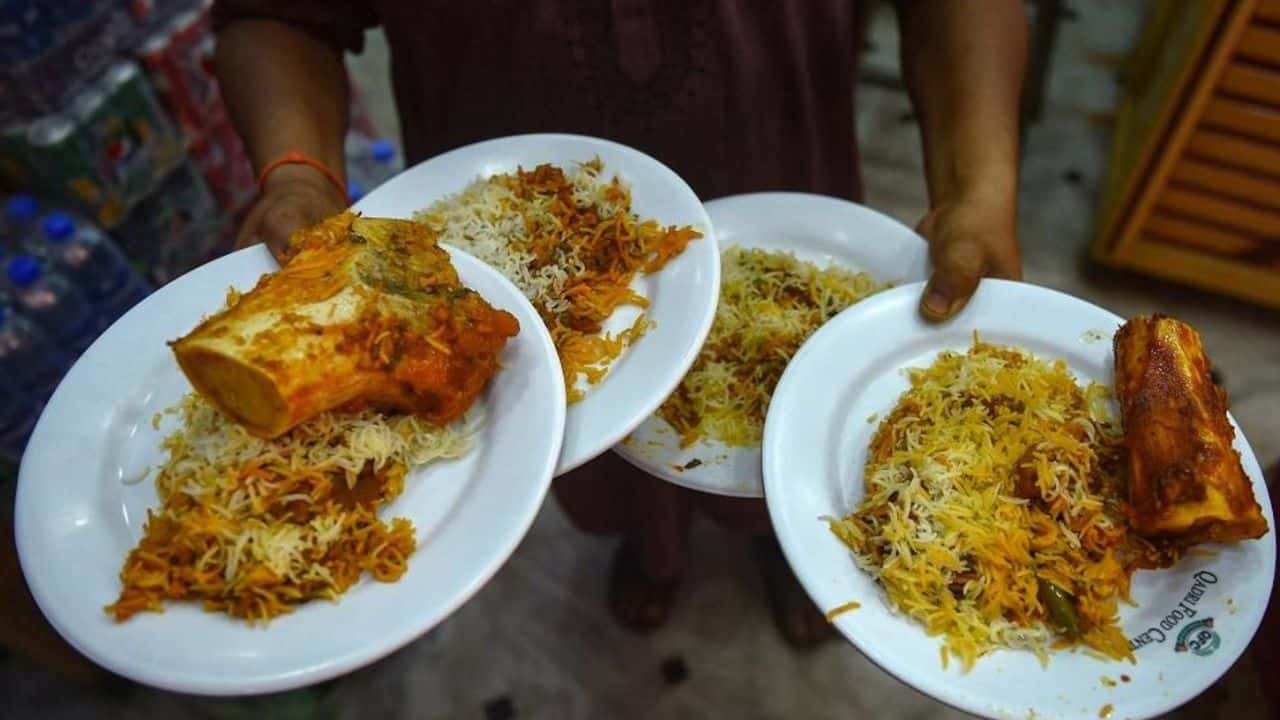
“Our biryani is not only different from theirs but unique in the world,” says restaurateur Muhammad Saqib, who layers his “bone marrow biryani” with herbs.
“When a person bites into it he drowns in a world of flavours,” the 36-year-old says.
Across the road, Muhammad Zain sees it differently.
“We were the ones who started the biryani business here first,” the 27-year-old claims, as staff scoop out sharing platters with a gut-punch of masala.
“It’s our own personal and secret recipe.”
Cooked in bulk, biryani is also a staple of charity donations. PHOTO: AFP
Both agree on one thing.
“You can’t find biryani like Pakistan’s anywhere in the world,” says Saqib.
“Whether it’s a celebration or any other occasion, biryani always comes first,” according to Zain.
British colonial rule in South Asia ended in 1947 with a violent rupture of the region along religious lines.
Hindus and Sikhs in newly created Pakistan fled to India while Muslim “Muhajirs” — refugees — went the other way.
Pakistan and India have been arch-rivals since, fighting wars and locked in endless diplomatic strife. Trade and travel have been largely choked off.
Many Muhajirs settled in Karachi, home to just 400,000 people in 1947 but one of the world’s largest cities today with a population of 20 million.
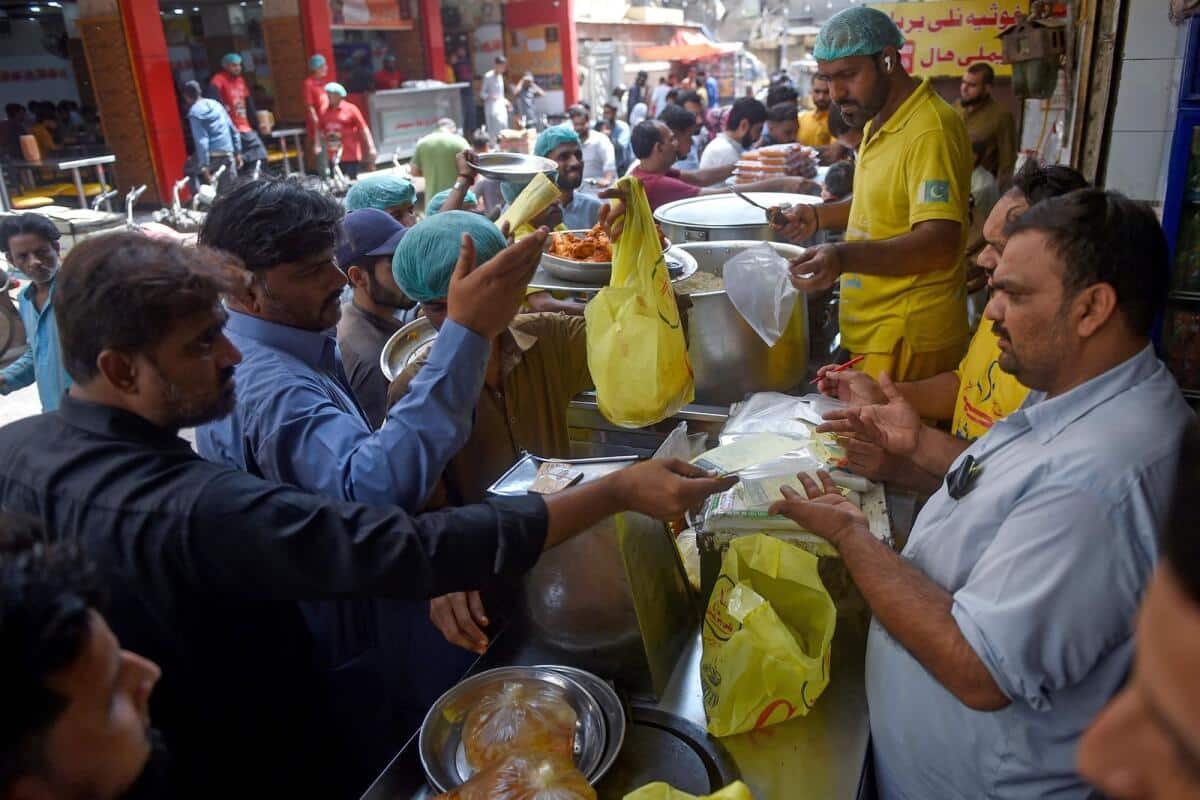
Every Karachi neighbourhood has its own canteens fronted by vendors clanking a spatula against the inside of biryani pots. PHOTO: AFP
For Indian food historian Pushpesh Pant, biryani served in South Asia’s melting-pot cities such as Karachi is a reminder of shared heritage.
“Hindus ate differently, Nanakpanthis (Sikhs) ate differently, and Muslims ate differently, but it was not as if their food did not influence each other,” he told AFP from the city of Gurugram outside Delhi.
“In certain parts of Pakistan and certain parts of India, the differences in flavours and foods are not as great as man-made borders would make us think.”
Every Karachi neighbourhood has its own canteens fronted by vendors clanking a spatula against the inside of biryani pots.
The recipe has endless variations.
The one with beef is a favourite in majority Muslim Pakistan, while vegetarian variants are more popular in largely Hindu India.
Chicken is universal. Along coastlines, seafood is in the mix.
And purists debate if adding potatoes is heresy.
“Other than that, there is Pulao Biryani which is purely from Delhi,” says 27-year-old pharmacist Muhammad Al Aaqib, describing a broth-stewed variation.
“My roots lead back to Delhi too so it’s like the mother of biryanis for us.”
“Perhaps every person has a different way of cooking it, and their way is better,” says 36-year-old landlord Mehran Khoso.
The origins of biryani are hotly contested.
However, it is generally accepted the word has Persian roots and it is argued the dish was popularised in the elite kitchens of the Mughal Empire, which spanned South Asia between the 16th and 19th centuries.
In spite of that pedigree, its defining quality is permutation.
Quratulain Asad, 40, spends Sunday morning cooking for her husband and son, Muhajir descendants of a family that arrived in Karachi from the Indian town of Tonk in 1948.
The origins of biryani are hotly contested. PHOTO: AFP
But at the dinner table, they feast not on an heirloom recipe but a TV chef’s version with a cooling yoghurt sauce and a simple shredded salad.
Asad insists on Karachi’s biryani supremacy.
“You will not like biryani from anywhere else once you’ve tasted Karachi’s biryani,” she says.
“There is no secret ingredient. I just cook with a lot of passion and joy,” she adds. “Perhaps that’s why the taste comes out good.”
Cooked in bulk, biryani is also a staple of charity donations.
At Ghazi Foods, 28-year-old Ali Nawaz paddles out dozens of portions of biryani into plastic pouches, which are delivered to poor neighbourhoods on motorbikes.
A minute after one of those bikes stops, the biryani is gone, seized by kids and young adults.
“People pray for us when they eat it,” says Nawaz. “It feels good that our biryani reaches the people.”
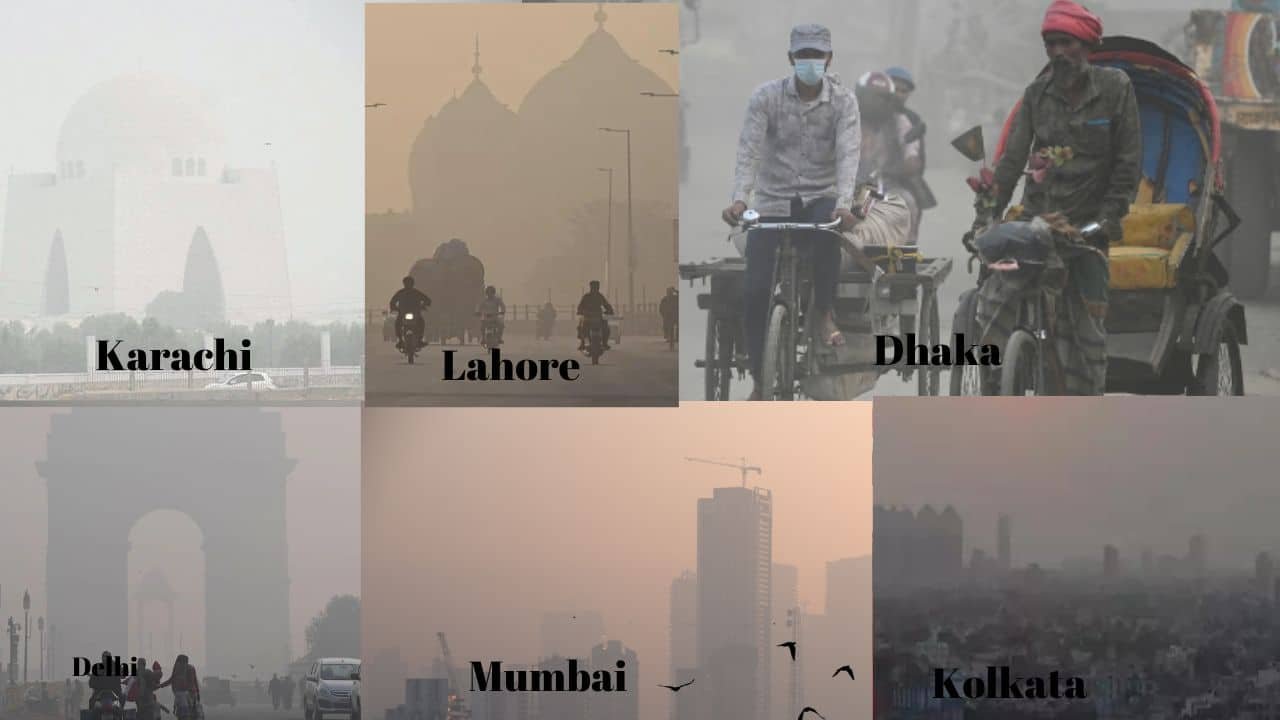
Six of the top ten cities plagued by the worst pollution on the Air Quality Index are from the South Asian region. Delhi, Mumbai, and Kolkata from India, Lahore and Karachi from Pakistan, and Dhaka from Bangladesh.
Post-Diwali, the air quality index in India is pretty bad as three of its highly-populated cities are facing a rise in air pollution. While Delhi is at the top, Mumbai and Kolkata are competing closely for the sixth and seventh spot on the chart.
Lahore has seen a major drop in the past few days after a short spell of rain, however, the air is steadily getting dense as it retained its second position in the chart for two days in a row. Karachi holds the fourth spot after Baghdad.
The Capital of Bangladesh, Dhaka, is a relatively new entrant. It holds the tenth position with an “unhealthy” status in air quality.
Population growth and rapid industrialization are the two major factors contributing to the thickening of air with particulate pollutants in South Asia. This is a threat to all living beings, from animals to plants. Life expectancy is severely reduced in these cities and pollution-related illnesses are rampant. The situation of the poor quality index calls for strict action to be taken for the safety of residents of the world’s most populous region-South Asia.
New Delhi (AFP) – More children in South Asia are struggling due to severe water scarcity made worse by the impacts of climate change than anywhere else worldwide, the United Nations said Monday.
“A staggering 347 million children under 18 are exposed to high or extremely high water scarcity in South Asia, the highest number among all regions in the world,” the UN children’s agency said in a report.
The eight-nation region, comprising Afghanistan, Bangladesh, Bhutan, India, Nepal, Maldives, Pakistan and Sri Lanka, is home to more than one-quarter of the world’s children.
“Climate change is disrupting weather patterns and rainfall, leading to unpredictable water availability,” the UN said in its report.
The report cites poor water quality, lack of water and mismanagement such as over-pumping of aquifers, while climate change decreases the amount of water replenishing them.
“When village wells go dry, homes, health centres and schools are all affected,” UNICEF added.
“With an increasingly unpredictable climate, water scarcity is expected to become worse for children in South Asia.”
At the UN COP28 climate conference in December in Dubai, UNICEF said it will call for leaders “to secure a livable planet”.
“Safe water is a basic human right,” said Sanjay Wijesekera, UNICEF chief for South Asia.
“Yet millions of children in South Asia don’t have enough to drink in a region plagued by floods, droughts and other extreme weather events, triggered increasingly by climate change”.
Last year, 45 million children lacked access to basic drinking water services in South Asia, more than any other region, but UNICEF said services were expanding rapidly, with that number slated to be halved by 2030.
Behind South Asia was Eastern and Southern Africa, where 130 million children are at risk from severe water scarcity, the report added.
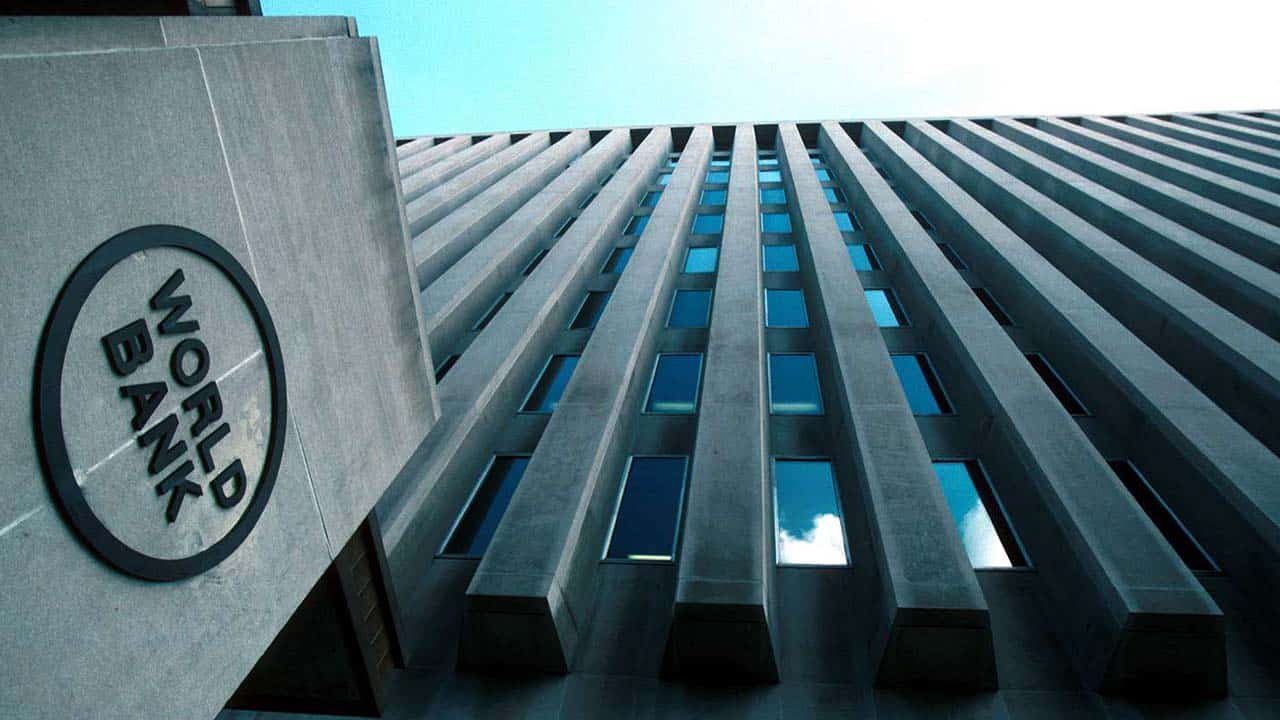
The World Bank has issued a cautious outlook for Pakistan’s economy in the fiscal year 2023–24, projecting a modest growth rate of 1.7 per cent.
The report, titled “South Asia Development Update Towards faster, cleaner growth,” highlights the fragile economic situation in Pakistan.
Several factors have contributed to this fragility. The US dollar value of imports decreased by 26 per cent in August 2023 due to low demand and import controls, resulting in input shortages and a 15 per cent decline in industrial production by June 2023.
Additionally, the economy shrank by 0.6 per cent in the fiscal year 2022–23 due to the impact of 2022 floods, high inflation, and balance of payments challenges.
Import controls, initially aimed at reducing the trade deficit, hindered the supply of industrial materials and stifled growth.
While these controls have been removed as part of an IMF lending programme, Pakistan still faces inflationary pressures, tight fiscal policies, and extensive flood damage. Foreign exchange reserves remain low, leaving the country vulnerable to external shocks.
Pakistan is not alone in its economic struggles. Bangladesh, Pakistan, and Sri Lanka are all facing acute crises with ongoing balance-of-payments issues. These countries have begun implementing IMF-supported policies to address capital outflows and debt sustainability.
Global factors, such as rising prices due to the end of the pandemic and Russia’s invasion of Ukraine, have exacerbated the challenges faced by these nations, leading to increased current account deficits and currency depreciations. To combat this, import controls have been imposed.
In Pakistan, consumer price inflation stood at 27 per cent in August, down from a peak of 38 per cent in May, thanks to a stabilised exchange rate and a decline in food prices caused by the previous year’s floods. To address high inflation, the central bank raised its benchmark interest rate to 22 per cent in June.
Pakistan and Sri Lanka are experiencing severe financial stresses, with low foreign reserve coverage and weak asset quality in both banking and non-banking sectors. The report also highlights the need for investment reforms in several South Asian countries to encourage growth.
Restrictive import measures in Bangladesh, Pakistan, and Sri Lanka, although aimed at stabilising the external sector, have led to import shortages and economic downturns. Lowering these barriers to trade and capital flows could help boost long-term productivity.
Lastly, despite adopting debt ceilings and deficit targets, many South Asian countries have high government debt-to-GDP ratios, with Pakistan experiencing fluctuations in government spending during election years.
In summary, the World Bank’s report paints a cautious picture of Pakistan’s economic prospects, emphasising the need for sustained reforms and addressing various challenges to achieve stable and sustainable growth.
Bangladeshi authorities have assured the United States (US) that they will take steps to tackle and prevent unlawful practices or interference in its election after the US threatened curbs on citizens of the South Asian nation who undermine polls.
“The government apparatus will take necessary measures to prevent and address any unlawful practices or interference … to compromise the smooth and participatory conduct of the elections,” the Bangladesh foreign ministry said in response.
“The electoral process will remain under strict vigilance, including by international observers as accredited by the Election Commission,” it added in a statement.
A day earlier, US Secretary of State Antony Blinken said the United States is adopting a new policy to restrict visas for Bangladeshis who undermine the democratic election process at home.
Today, I announced a new visa policy to promote free and fair elections. Under this policy, we can impose visa restrictions on individuals and their immediate family members if they are responsible for, or complicit in, undermining the democratic election process in Bangladesh.
— Secretary Antony Blinken (@SecBlinken) May 24, 2023
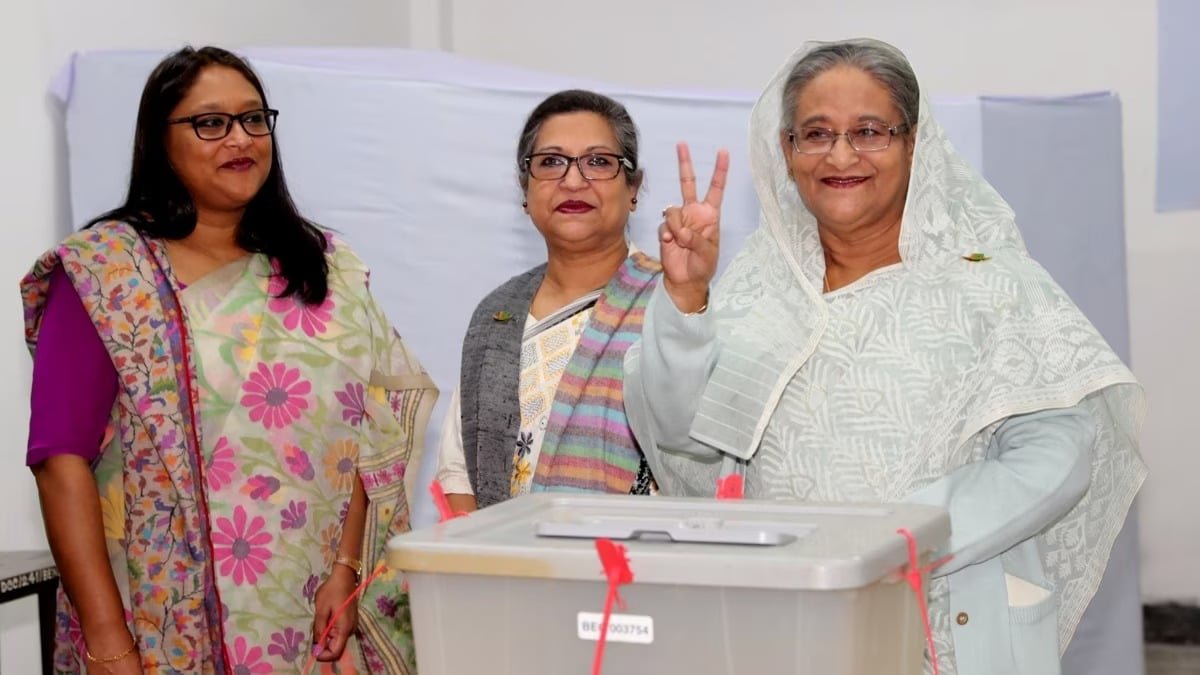
Hasina Wajid, who has a tight control over the South Asian nation since coming to power in 2009, has been accused of human rights violations, obliteration of press freedom, suppression of dissent and the jailing of critics, including many supporters of the main opposition Bangladesh Nationalist Party (BNP).
The BNP has been calling for Hasina to step down and for the next election, due in January 2024, to be held under a neutral caretaker government, a demand her government has rejected.