Tag: sovereign default

  • Final hurdle cleared: Pakistan on verge of securing IMF tranche

    Final hurdle cleared: Pakistan on verge of securing IMF tranche

    Pakistan is on track to receive the final installment of the $3 billion standby arrangement following the country’s officials meeting the economic performance criteria outlined by the International Monetary Fund (IMF), as per reports.

    Reports indicate that the IMF mission in Pakistan has concluded its review and is preparing to announce an agreement with the government for the disbursement of the last installment, totaling $1.1 billion.

    If successful, the agreement will be presented to the IMF executive board in April for their ultimate approval.

    This development follows recent discussions suggesting that negotiations with the global lending institution may be prolonged due to the parties failing to reach a consensus.

    It’s noted that the IMF has urged the government to regulate and tax cryptocurrency and other online trading platforms.

    Additionally, discussions between Pakistan and the IMF have included talks on privatising financially struggling state-owned enterprises, with Pakistan International Airlines being a priority for privatisation.

    Earlier, the government declined the IMF’s proposal to revisit the National Finance Commission (NFC) Award, citing constitutional concerns.

    The IMF had suggested reviewing the NFC Award during the second round of talks, citing a shortage of federal funds.

    Government sources said that any recommendation on the NFC Award that contradicts the constitution will not be endorsed.

    Pakistan managed to avoid a potential sovereign default after the previous coalition government, led by Pakistan Muslim League-Nawaz (PML-N), reached a staff-level agreement with the IMF on a $3 billion SBA.

    Finance Minister Muhammad Aurangzeb expressed Pakistan’s intention to secure a larger and more enduring program with the IMF, aiming to align with the country’s quota. He made these remarks while speaking to reporters in Islamabad on March 13.
  • Inflation may drop to 20-22% in the coming year: SBP report

    Inflation may drop to 20-22% in the coming year: SBP report

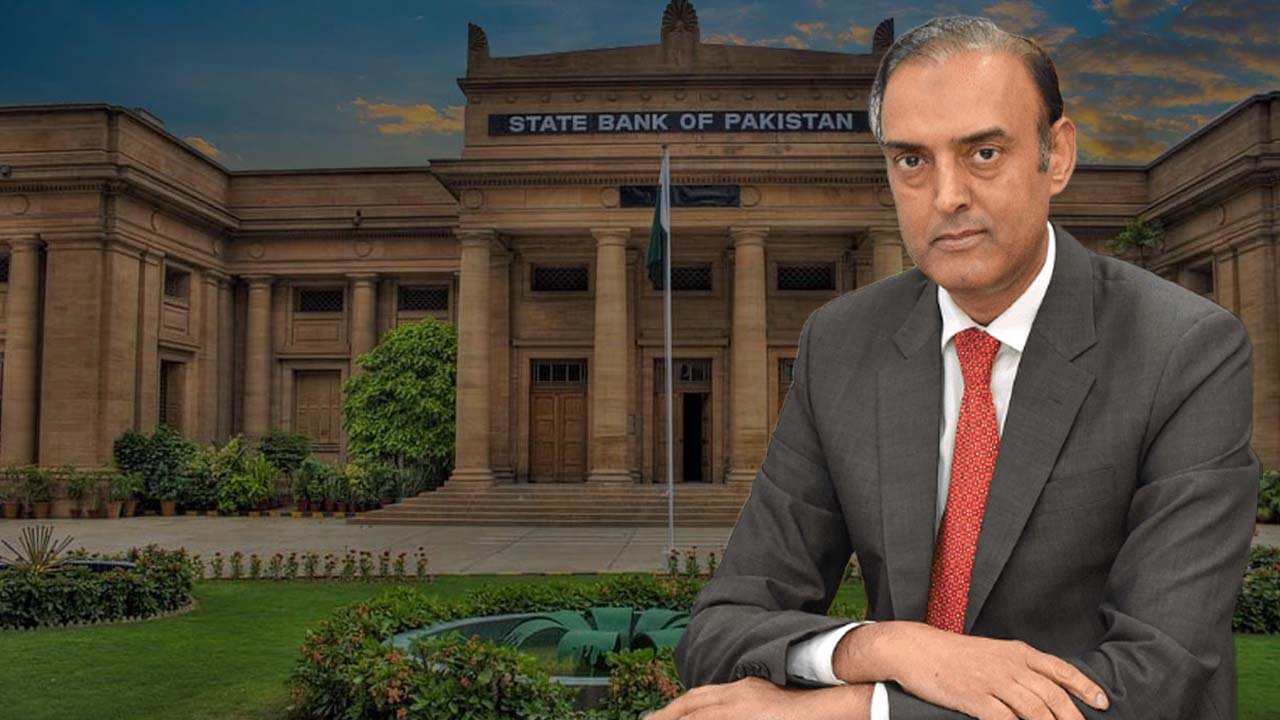
    In the Governor’s Annual Report 2022–23, released ahead of the upcoming national election, the Chief of the State Bank of Pakistan (SBP) conveyed that the country’s inflation is expected to decrease to approximately 20–22 per cent in fiscal year 2024.

    The SBP remains committed to making decisions aimed at preventing persistently high inflation. Notably, Pakistan’s economy fell significantly short of its fiscal and primary surplus targets in FY23, resulting in a contraction of the real GDP to 0.2 per cent.

    During FY23, Pakistan, with a population of 241 million, witnessed its highest-ever inflation, leading to historic lows in its currency value. The situation was mitigated by a $3 billion IMF bailout in July, preventing an imminent sovereign default.

    Governor Jameel Ahmed highlighted in the report that the Consumer Price Index (CPI) surged to 29.2 per cent in FY23, aligning with the upper bound of the bank’s revised projections.

    The SBP remains committed to anchoring inflation expectations to achieve its medium-term target of 5-7 per cent by the end of FY25.

    Fiscal and policy measures implemented before and after the bailout are contributing to stabilising Pakistan’s $350 billion economy as the country approaches the national election scheduled for February 8.

    Despite missing fiscal and primary surplus targets by a considerable margin, the SBP emphasises its dedication to curbing inflation.

    Simultaneously, the finance ministry anticipates a moderate inflation outlook for the remaining months of FY24, even with the upward revision of administered prices, particularly gas prices.

    According to the ministry’s monthly economic report, Consumer Price Index (CPI)-based inflation in Pakistan for December is projected to be in the range of 27.5-28.5 per cent.

    Looking ahead, the ministry foresees a further easing of inflation to 24–25 per cent in January 2024.