Tag: spain

  • ‘Apologizing for wearing choli was mistake’; Defiant Ushna Shah slams trolls

    ‘Apologizing for wearing choli was mistake’; Defiant Ushna Shah slams trolls

    Ushna Shah has never shied away from speaking her mind, never allowing trolls to dictate anything to her. If social media creeps think they can troll her into changing who she is, they’ve got another thing coming.

    On Wednesday Ushna posted a video of herself with the caption, “@livgolf_league was such a vibe! They’re really on to something. Got to watch some incredible golf, made some lovely friends & spectated elite #currypower ! ⛳”

    In the video, the actress was seen wearing shorts, accompanied by her husband. The clip sparked a wave of trolling from social media judgemental users.

    In response to the backlash, Ushna took to her X (formerly Twitter) account and defiantly wrote, “A girl from a liberal background, who grew up in Canada & wore shorts etc with her friends is now married to a white man who is from a similar background & doesn’t care if she shows her legs when they’re abroad..and her Pakistani audience looses their minds. ”

    Refusing to give an inch to internet creeps, she said, “The biggest mistake I ever made was apologising for wearing a red choli on my wedding & dancing, to the same people who will drool over the Nargis Fakhris of the world (also Pakistani, also Muslim) but will annihilate us for having a liberal upbringing that differs from theirs. I’m in my “over it” era. Go watch some item numbers & keep searching for po*n, I’m too old to cater to your hypocrisy, I choose to live my life & be happy. ”

    Many people have spoken out in favor of the actress and her right to dress however she prefers.
    Here is the video shared by Ushna Shah:

    Here is the tweet shared by Ushna Shah:

  • Spain, Ireland and Norway recognise Palestinian state

    Spain, Ireland and Norway recognise Palestinian state

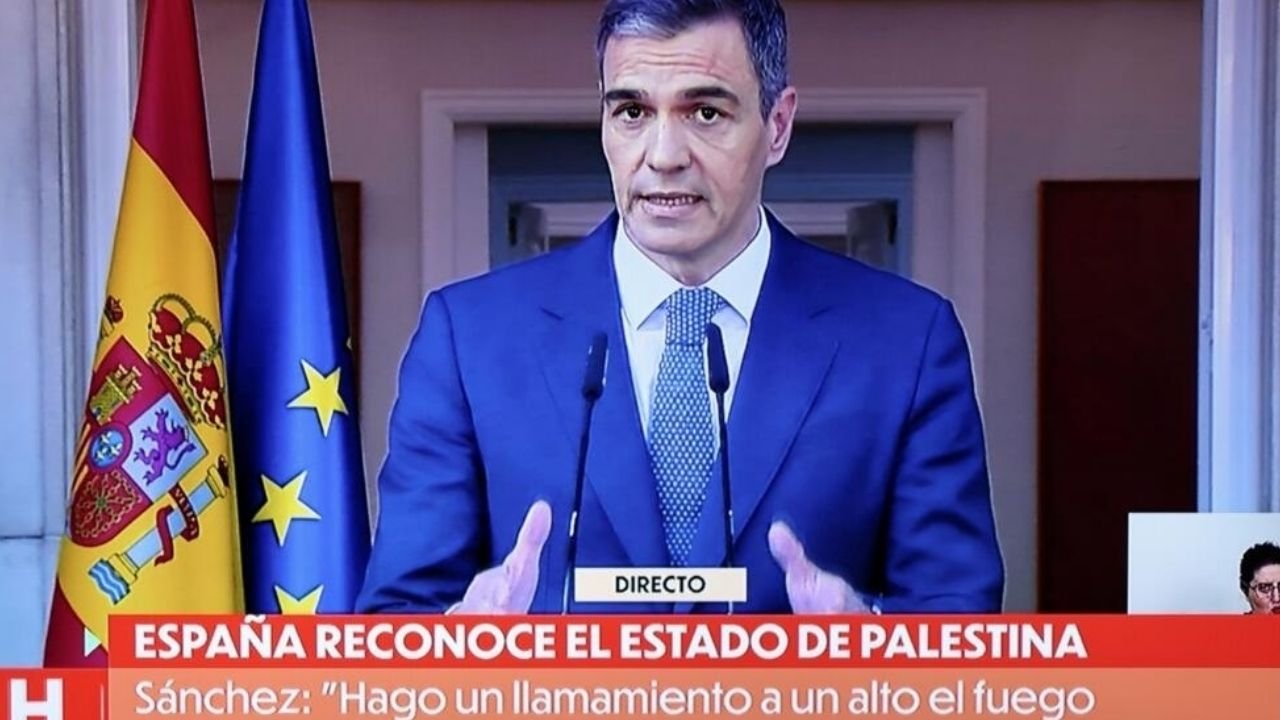
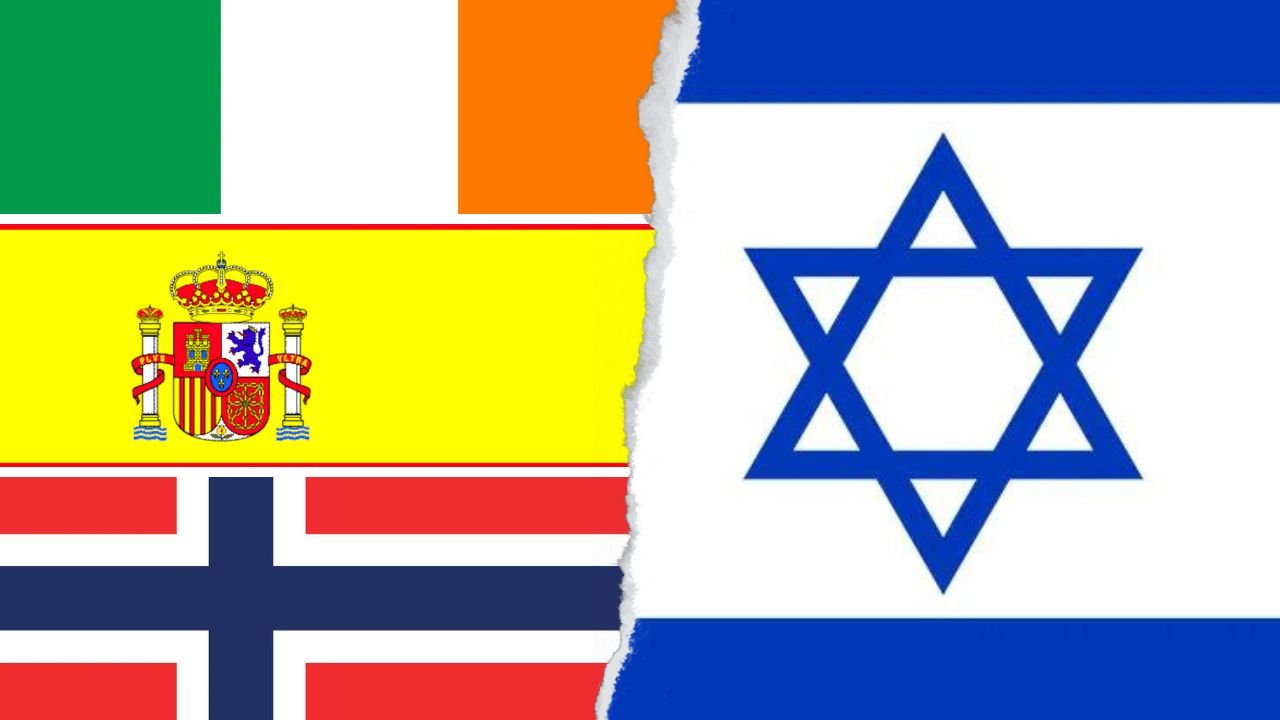
    Madrid (AFP) – Spain, Ireland and Norway are formally recognising a Palestinian state on Tuesday in a decision slammed by Israel as a “reward” for Hamas more than seven months into the genocide against Palestinians in Gaza.

    The three European countries believe their initiative has strong symbolic impact, which is likely to encourage others to follow suit.

    “Recognition of the State of Palestine is not only a matter of historic justice… It is also an essential requirement if we are all to achieve peace,” Spanish Prime Minister Pedro Sanchez said before meeting his cabinet.

    The move, he said, was “not against anyone, least of all Israel”.

    “It is the only way to move towards the solution that we all recognise as the only possible way to achieve a peaceful future — that of a Palestinian state living side-by-side with the state of Israel in peace and security.”

    Sanchez also said the decision reflected Spain’s “outright rejection of Hamas, which is against the two-state solution” and whose October 7 attacks led to the Gaza war.

    The plans were unveiled last week in a coordinated announcement by the prime ministers of the three countries.

    Both the Spanish and Irish cabinets were meeting to formally approve the step on Tuesday morning, while Norway informed Palestinian prime minister Mohammed Mustafa its recognition would also take effect the same day.

    Entering the cabinet meeting, Irish Prime Minister Simon Harris said it was “an important moment”.

    He said it sent “a signal to the world is that there are practical actions you can take as a country to help keep the hope… of a two-state solution alive”.

    ‘Incitement to genocide’

    The decision has provoked a furious response from Israel and further exacerbated diplomatic tensions, notably with Spain.

    Last week, Sanchez’s far-left deputy Yolanda Diaz hailed the move saying: “We cannot stop. Palestine will be free from the river to the sea”, which Israel’s Madrid envoy denounced as a “clear call for the elimination of Israel”.

    The slogan refers to the British mandate borders of Palestine, which stretched from the River Jordan to the Mediterranean before Israel was created in 1948.

    On Tuesday, Israeli Foreign Minister Israel Katz went even further.

    “Sanchez, as long as you don’t fire your deputy and you recognise a Palestinian state, you are participating in the incitement to commit genocide and war crimes against the Jewish people,” he wrote on X.

    On Sunday, Katz posted a video on X splicing footage of the October 7 attacks with flamenco dancing, saying: “Sanchez: Hamas thanks you for your service”.

    Spain condemned the post as “scandalous and revolting”.

    On Monday, Katz ordered the first of a series of “preliminary punitive measures”, ordering Spain’s Jerusalem consulate to stop offering consular services to Palestinians in the occupied West Bank.

    Differences within the EU

    Recognising Palestinian statehood has provoked sharp disagreement within the 27-nation European Union.

    For decades, formal recognition of a Palestinian state has been seen as the endgame of a negotiated peace between Israelis and Palestinians.

    Washington and most Western European nations have said they are willing to one day recognise Palestinian statehood, but not before agreement on thorny issues like the status of Jerusalem and final borders.

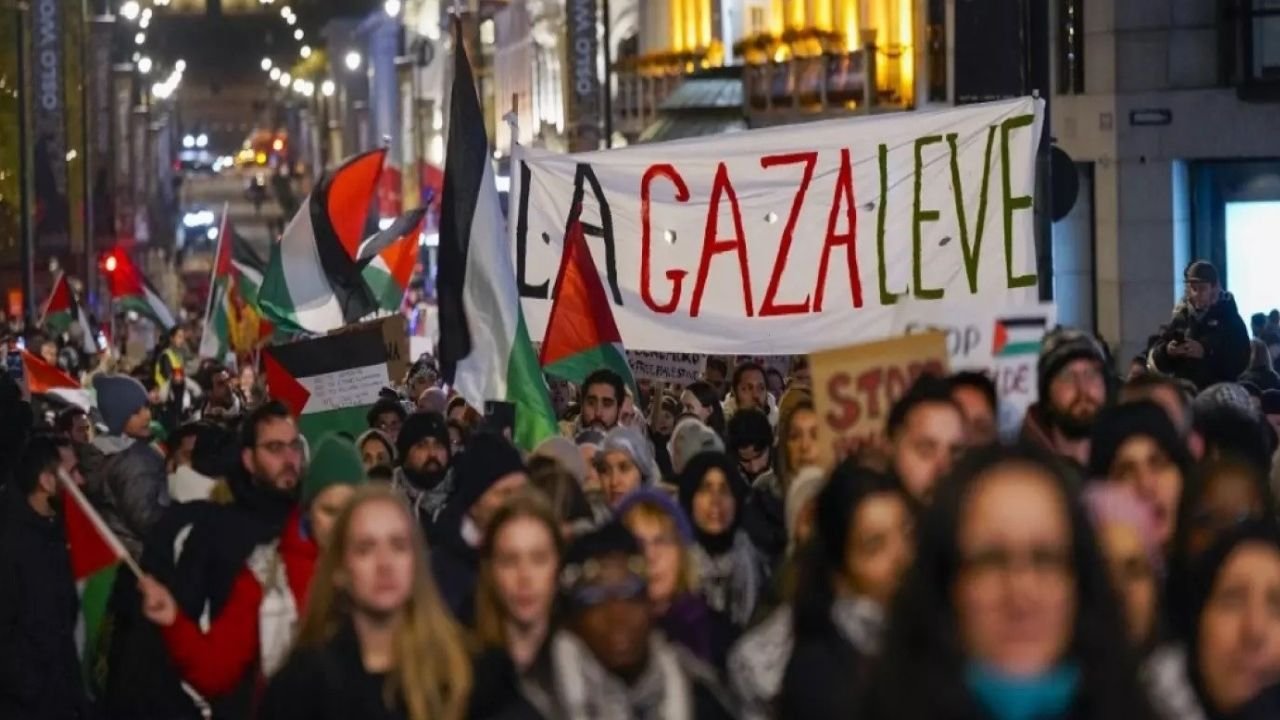
    The Gaza bloodshed has revived calls for Palestinians to be given their own state.

    Ever more European countries are expressing a desire to do so, although others remain reticent.

    France, for example, believes it is not the right time to do so, while Germany only envisages recognition following negotiations between the two sides.

    Tuesday’s move will mean 145 of the United Nations’ 193 member states now recognise Palestinian statehood.

    In 2014, Sweden became the first EU member to recognise a Palestinian state.

    It followed six other European countries that took the step before joining the bloc — Bulgaria, Cyprus, the Czech Republic, Hungary, Poland and Romania.

    Israeli genocide against Palestinians in Gaza has killed more than 36,000 people, also mostly civilians, according to the health ministry.


  • Israel recalls its envoys to Ireland, Norway, Spain

    Israel recalls its envoys to Ireland, Norway, Spain

    Israel recalled its ambassadors to Ireland, Norway and Spain on Wednesday and also summoned their envoys in protest at the three governments’ recognition of a Palestinian state.

    Foreign Minister Israel Katz charged that all three countries were rewarding the Palestinian group Hamas for their October 7 attack which sparked the Gaza war.

    “The twisted step of these countries is an injustice to the memory of the 7/10 victims,” he said in a statement.

    Israel’s envoys were being recalled from Dublin, Oslo and Madrid for “urgent consultations” and threatened “serious consequences”, the minister added.

    Katz said that the three countries’ ambassadors were also being summoned for a “conversation that would rebuke” their governments’ decision to recognise a Palestinian state by May 28.

    Israeli genocide against Palestinians has killed at least 35,647 people in Gaza, mostly women and children, according to the Hamas-run territory’s health ministry.

    Katz said he would show the three ambassadors a video of the kidnapping of female Israeli soldiers during the Hamas attack.

    “They decided to award a gold medal to the murderers and rapists of Hamas,” Katz said. “We will demonstrate to them what a twisted decision their governments took.”

    mod-jd/fz

    © Agence France-Presse

  • Spain, Norway, Ireland recognise Palestine state in historic move

    Spain, Norway, Ireland recognise Palestine state in historic move

    Spain, Norway and Ireland have officially recognised the Palestinian state on Wednesday, paving the way for other European countries to do the same.

    The momentous development comes as yet another setback to Israel after the ICC announced this week that it will seek arrest warrants for Prime Minister Benjamin Netanyahu and Defence Minister Gallant for war crimes.

    “Today, Ireland, Norway and Spain are announcing that we recognise the state of Palestine,” Irish Prime Minister Simon Harris announced at a news conference, adding that other countries will join them within a few weeks.

    Israel reacted by announcing that it has recalled its ambassadors to Norway and Ireland. The occupying country’s ambassador to Spain had already been recalled in November last year.

    During the news conference, Harris said that he viewed the two-state solution as the only viable pathway for peace and security for the peoples of Israel and Palestine.

  • Spain to not authorize ships carrying weapons for Israel in big win for Palestinian cause

    Spain to not authorize ships carrying weapons for Israel in big win for Palestinian cause

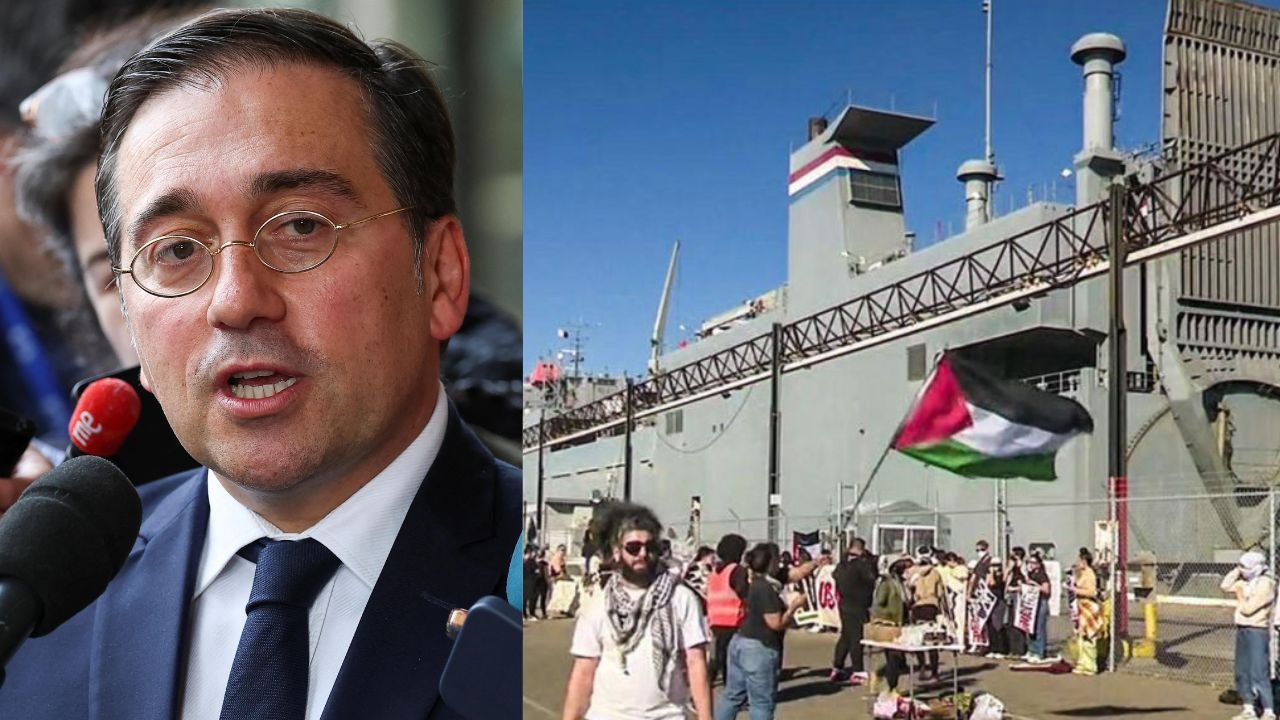
    In an effort to not contribute to or help Israel’s genocide in Gaza, Spain has decided that it will not authorise ships carrying weapons for Israel to call at its ports. The monumental decision was announced by foreign minister Jose Manuel Albares on Friday after the country refused to let a ship call at the southeastern port of Cartagena.

    The ship was the first to be denied access to a Spanish port, Albares asserted, adding the refusal was consistent with the government’s decision to not grant weapon export licences to Israel since Oct. 7, as Spain doesn’t “want to contribute to war”, reported Reuters.

    Previously, Spanish universities expressed willingness to suspend ties with any Israeli educational institution that failed to express “a clear commitment to peace”.

  • Spanish PM’s supporters turn out and beg him to stay

    Spanish PM’s supporters turn out and beg him to stay

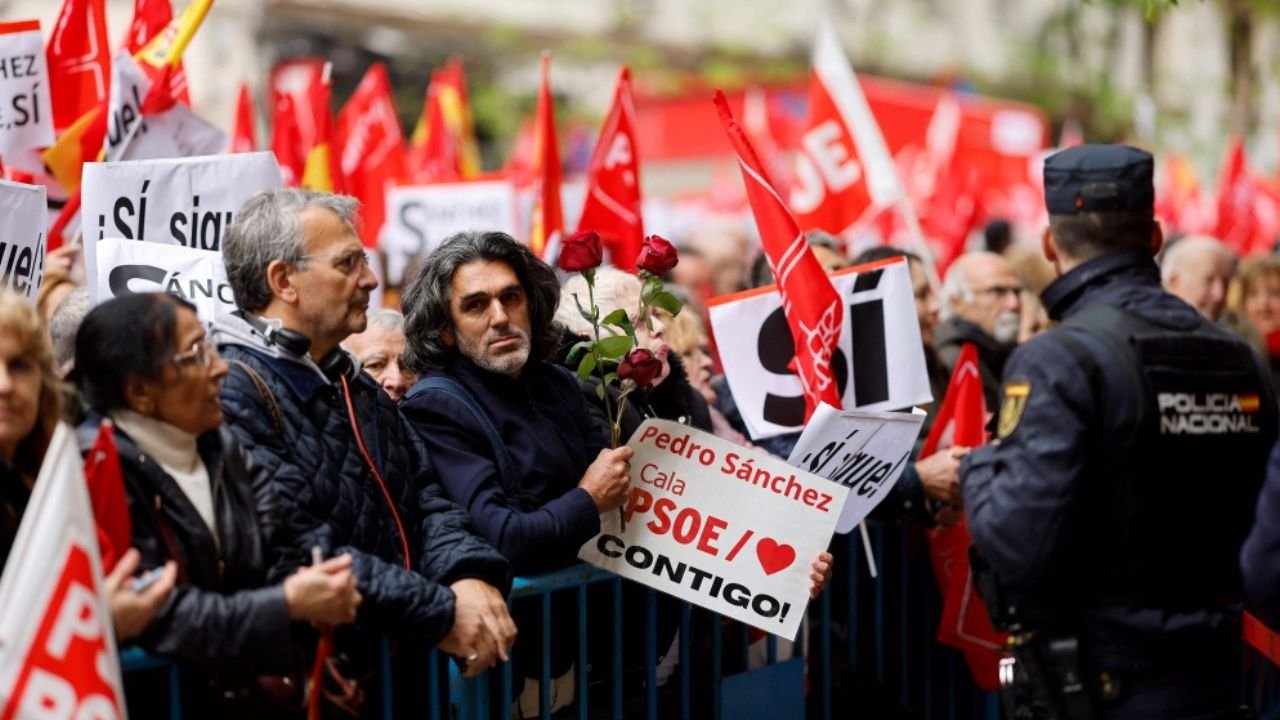
    Madrid, Spain – Thousands of supporters of Spanish Prime Minister Pedro Sanchez rallied at the headquarters of his Socialist party imploring him not to step down over a graft investigation against his wife.

    The 52-year-old, who has been in office since 2018, stunned Spain on Wednesday when he put his resignation on the line after a Madrid court opened a preliminary investigation into suspected influence peddling and corruption against his spouse Begona Gomez.

    Sanchez said he would suspend all public duties until he announces his decision on Monday. The normally hyperactive premier has since remained out of sight and silent.

    According to Madrid city authorities, the crowd rallying on Saturday to beg Sanchez to stay on numbered around 12,500.

    Supporters held up placards saying “Spain needs you”, “Pedro don’t abandon us’, and shouted slogans such as “Pedro leader”.

    “I hope that Sanchez will say on Monday that he will stay,” said Sara Dominguez, a consultant in her 30’s, adding that his government had “taken good steps for women, the LGBT community and minorities”.

    Jose María Diez, a 44-year-old government official who came from Valladolid in northern Spain to express his support, said there was a real possibility that the far-right could take power if Sanchez quit.

    “This will mean a step backwards for our rights and liberties,” he warned.

    Inside the party headquarters, there were similar passionate appeals.

    ‘Pedro stay’

    “Pedro stay. We are together and together we can … take the country forward, Spain can’t step back,” said Budget Minister Maria Jesus Montero, the government number two.

    “Today all democrats, all progressives, are summoned to Madrid against a pack whose only aim is to overthrow a democratic and legitimate government,” said Felix Bolanos, Minister of the Presidency, Justice and Parliamentary Relations.

    At one point, Socialist leaders took to the streets to thank those gathered. “They won’t succeed,” government spokeswoman Pilar Alegria told the crowd.

    The court opened the investigation into Sanchez’s wife in response to a complaint from anti-corruption pressure group Manos Limpias (Clean Hands), whose leader is linked to the far right.

    The group, which has presented a litany of unsuccessful lawsuits against politicians in the past, said on Wednesday its complaint was based on media reports and could not vouch for their veracity.

    While the court did not give details of the case, online news site El Confidencial said it focused on links Gomez had to Spanish tourism group Globalia when carrier Air Europa was in talks with the government to secure a huge bailout.

    The airline sought the bailout after it was badly hit by plunging paseenger numbers during the Covid-19 crisis.

    At the time, Gomez was running IE Africa Centre, a foundation linked to Madrid’s Instituto de Empresa (IE) business school, which had signed a sponsorship agreement with Globalia in 2020.

    Spain’s public prosecutors office on Thursday requested the dismissal of the investigation, which Sanchez said was part of a campaign of “harassment” against him and his wife waged by “media heavily influenced by the right and far right”.

    If Sanchez decides to remain in office, he could choose to file a confidence motion in parliament to show that he and his minority government are still supported by a majority of lawmakers.

    If he resigns, an early election could be called from July — a year after the last one — with or without Sanchez at the helm of the Socialist party.

    The right-wing opposition has accused the prime minister of being irresponsible for putting the country on hold while he mulls his decision.

    “It’s very clear to us that this is all a tactic… We know Pedro Sanchez and things with him always turn out like a soap opera,” Cuca Gamarra, the number two of the main opposition conservative Popular Party, said on Friday.

    “He is making us all wait and the country is at a standstill,” she added.

    du/ach/gv

    © Agence France-Presse

  • ‘Go home’: Overtourism sparks backlash in Spain

    ‘Go home’: Overtourism sparks backlash in Spain

    Anti-tourism movements are multiplying in Spain, the world’s second most visited country, prompting authorities to try and reconcile the interests of locals and the lucrative sector.

    Rallying under the slogan “The Canaries have a limit”, a collective of groups on the archipelago off northwest Africa are planning a slew of protests on Saturday.

    The Canaries are known for volcanic landscapes and year-round sunshine and attracts millions of visitors from all over the world.

    Groups there want authorities to halt work on two new hotels on Tenerife, the largest and most developed of the archipelago’s seven islands.

    They are also demanding that locals be given a greater say in the face of what they consider uncontrolled development which is harming the environment.

    Several members of the collective “Canaries Sold Out” also began an “indefinite” hunger strike last week to put pressure of the authorities.

    “Our islands are a treasure that must be defended,” the collective said.

    The Canaries received 16 million visitors last year, more than seven times its population of around 2.2 million people.

    This is an unsustainable level given the archipelago’s limited resources,  Victor Martin, a spokesman for the collective told a recent press briefing, calling it a “suicidal growth model”.

    Similar anti-tourism movements have sprung up elsewhere in Spain and are active on social media.

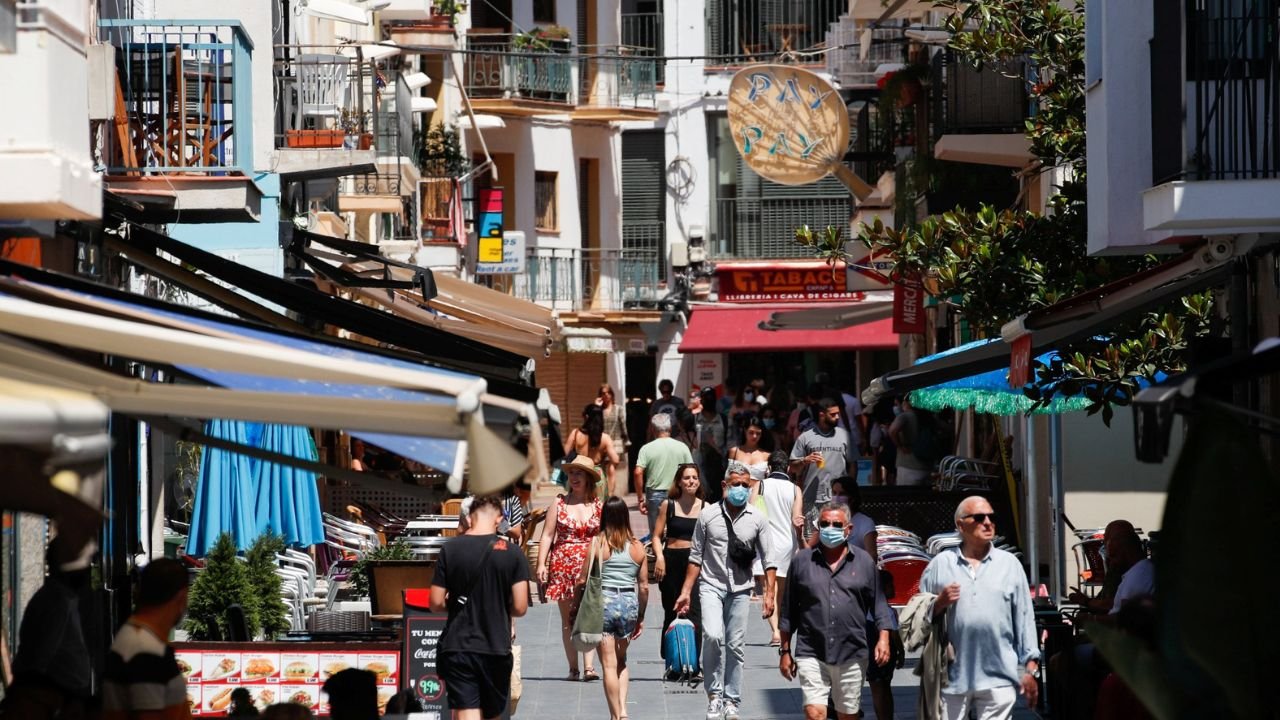
    In the southern port of Malaga on the Costa del Sol, a centre of Spain’s decades-old “soy y playa” or “sun and beach” tourism model, stickers with unfriendly slogans such as “This used to be my home” and “Go home” have appeared on the walls fn doors of tourist accommodations.

    In Barcelona and the Balearic Islands, activists have put up fake signs at the entrances to some popular beaches warning in English of the risk of “falling rocks” or “dangerous jellyfish”.

    Locals complain a rise in listings of accommodation on short-term rental platforms such as Airbnb have worsened a housing shortage and caused rents to soar, especially in town centres.

    The influx of tourists also adds to noise and environmental pollution and taxes resources such as water, they add.

    In the northeastern region of Catalonia, which declared a drought emergency in February, anger is growing over the pressure exerted on depleted water reserves by hotels on the Costa Brava.

    “There are tourist destinations that are at the limits of their capacity,” said Jose Luis Zoreda, the vice president of tourism association Exceltur .

    “It’s a problem that appears occasionally in the high season and in certain parts of the country, but it’s getting worse”.

    Before the Covid-19 pandemic brought the global travel industry to its knees in 2020, protest movements against overtourism had already emerged in Spain, especially in Barcelona.

    Now that pandemic travel restrictions have been lifted, tourism is back with a vengeance — Spain welcomed a record 85.1 million foreign visitors last year.

    In response, several cities have taken measures to try to limit overcrowding.

    The northern seaside city of San Sebastian last month limited the size of tourist groups in the centre to 25 people and banned the use of loudspeakers during guided tours.

    The southern city of Seville is mulling charging non-residents a fee to enter its landmark Plaza de Espana while Barcelona had removed a bus route popular with tourists from Google Maps to try to make more room for locals.

    Housing Minister Isabel Rodriguez said over the weekend that “action needs to be taken to limit the number of tourist flats” but stressed the government is “aware of the importance of the tourist sector”, which accounts for 12.8 percent of Spain’s Gross Domestic Product.

  • Farmers protest: From India to Europe

    Farmers protest: From India to Europe

    Farmers are protesting from India to Europe, separately, for their rights and to register their rebellion with sitting governments against soaring fuel, and fertilizer costs, lower prices of their produce, and restrictive regulations. The protests are shedding light on the very pertinent issues faced by the primary food-producing sector of countries owning big agricultural markets.

    Demands of Greek farmers

    Farmers in Greece are protesting across the country against rising costs. They are conducting a tractor rally all across the country. Manolis Liakis, a farmer from the southern island of Crete, talked to __ and singled out fuel costs as his biggest problem. He said farmers pay more than three times as much for petrol as shipping companies due to tax disparities. Farmers can’t sell their products “for ridiculously low prices while the consumer buys them at extremely high prices”, he said.

    Demands of Polish farmers

    In Poland, farmers are blocking roads to stop cheap grain imports crossing the border from Ukraine. They are demanding a “complete embargo” on Ukranian produce. During the protests on Tuesday against competition from imports of cheaper Ukrainian products, farmers in Gorzyczki, southern Poland, unfurled a banner saying “Putin, get Ukraine, Brussels, and our government in order”. Consequently, the farmers were warned by the government against raising the slogans.

    Demands of Spanish farmers

    Spanish farmers are gathering with hundreds of tractors in tow to protest against the unfair competition from outside the European Union. They want to include production costs in the end product so they don’t end up selling their goods at a loss. Additionally, they want imported products to be subjected to the same conditions that they have to face.

    Demands of French farmers

    French farmers blocked a milk transport in protest against wholesale prices they say are too low. The farmers’ unions have made it clear they want ironclad assurances that their grievances over produce prices and red tape have been addressed. French Prime Minister Gabriel Attal is trying to negotiate and pacify the raging farmers with the negotiations.

    Demands of Czech farmers

    In Prague, farmers are on the roads because they feel neglected in the policy-making process. After all, they are not given due attention by the government. “Around 3,000 tractors took to the streets,” The Czech Chamber of Agriculture said in a statement on the nationwide protests. Their demands included an end to restrictions on agricultural production, cutting red tape for farming, and introducing changes to the EU-Ukraine arrangements on farming imports.

    Demands of Italian farmers

    In Rome, cowbells are clanking with the message that Farmers feed the world, but can’t afford to farm.

    Demands of Indian farmers

    In India, massive protests have broken out over minimum crop price guarantees which were promised nearly a year ago but not implemented by the government. Thousands of Indian farmers riding tractors attempted to resume their push towards New Delhi. They were attacked by the police claiming the life of young farmer Shubhkaran Singh and injuring 25 others. Farm unions are demanding a law to set a minimum price on all crops, expanding a government scheme that already exists for staples, including rice and wheat. They have also demanded other concessions, including the waiving of loans and universal pensions for farmers aged 60 and above.


    Concerns of Canadian Farmers

    In Canada, there are fewer environmental regulations but farmers feel a disconnect with the central government whose main mandate is based on the environment. They have been pushing forward all kinds of policies about fertilizer reduction and disallowing certain pesticides. The green policies and higher costs have instead of favouring them making farmers feel ignored. Experts say the consumers feel that lower output prices and higher input prices are just a way for the government to tell them that do whatever they want but in a cleaner and environmentally friendly way.

    Conclusion

    Protesting farmers are trying to divert attention to the most neglected yet important sector of a country which is the food-producing sector which is the backbone of both the society and the economy of the country yet remains ignored by the political class for their vested interests.

  • Viva Espana; Spain refuses to cut aid for Gaza

    Viva Espana; Spain refuses to cut aid for Gaza

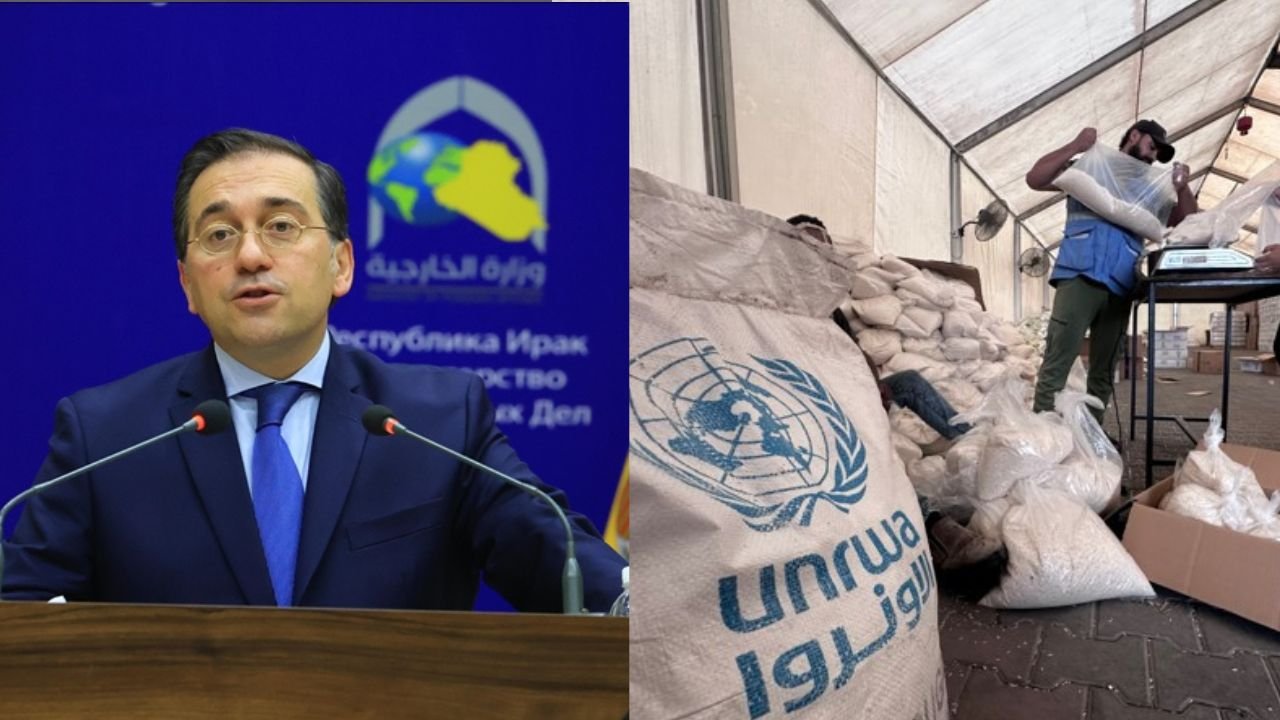
    The Spanish foreign minister has announced that Spain will maintain its support for The United Nations Relief and Works Agency for Palestine Refugees (UNRWA) in Gaza despite USA, Canada and Australia withdrawing its support and funding, reports Alyssa Mcmurty News Agency.

    During a parliamentary commission meeting, Jose Manuel Albares called the UN agency “‘indispensable,” and said the funding helps “alleviate the terrible humanitarian situation in Gaza.”

    His announcement comes after a growing number of Western nations are freezing funding for the agency amid an internal investigation about some employees’ roles in the Oct. 7 attack on Israel after allegations were made by Israel.

    Around a dozen nations, including the United States, Canada, the UK, Germany, France, Japan Australia, and Austria, have suspended funding. Meanwhile, a minority of Western nations like Ireland, Norway, New Zealand, Saudi Arabia, Turkey, Belgium, Kuwait, and Qatar have spoken out against the funding cuts.

    On Monday, Spain’s foreign minister said Spain will be following the agency’s internal investigation closely, but highlighted the inquiry is looking at the acts of “around a dozen people out of UNRWA’s 30,000 workers.”

    On Sunday, the UN agency released a statement saying its “life-saving aid may end” due to the funding freezes, adding that as the primary aid agency in Gaza, it runs shelters for over 1 million people and provides food and healthcare.

    UN Special Rapporteur Francesca Albanese has said that governments suspending funds to the UN’s agency for Palestinian refugees (UNRWA) represents “double standards” when they continue to support Israel, whose actions “plausibly constitute” genocide.

    We are shocked by the reckless decision to cut a lifeline for an entire population by some of the very countries that had called for aid in Gaza to be stepped up and for humanitarians to be protected while doing their job,” the 21 NGOs said in a statement.

    Spain’s junior coalition party Sumar posted on X that the decision to cut aid is “an attack against humanity” and “collective punishment.” It added that it will pressure the Spanish government to boost funding for the organization.

    Meanwhile, Albares added that Spain has tripled its funding to Palestine in recent months to around €50 million ($54 million), which includes funding for UNWRA.

    The Spanish foreign minister also told politicians that Spain supports Friday’s ruling of the top UN court which calls on Israel to prevent genocide. “We urge the integral compliance with this sentence by all parties. We request an urgent cease-fire and the entrance of humanitarian aid,” he added.

    Albares warned that the violence in Israel and Palestine could spill over to neighboring nations, which could have “devastating effects for those countries, and the entire Mediterranean region, which, of course, includes Spain.”

    The Spanish government continues pushing for an international peace conference, which would, in effect, see the entire international community recognizing a “viable” Palestinian state. Albares said that 88 nations now back the idea.

    “We will not resign ourselves to watching more innocent women, men, and children killed in Gaza and more suffering of Palestinian families,” he said. “We will not resign ourselves to keep watching the suffering of the families of hostages. The violence must stop.”

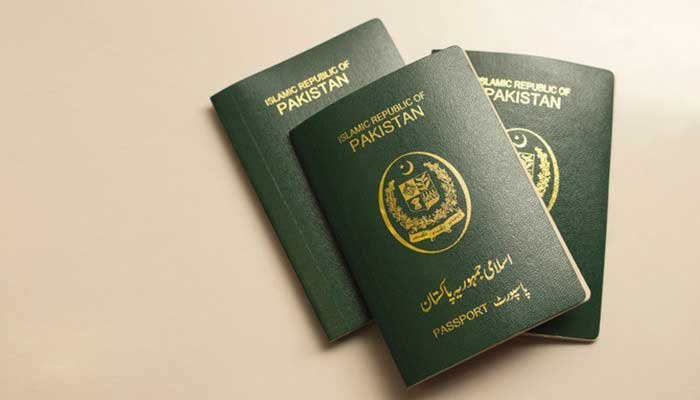
  • Pakistani passport once again least powerful

    Pakistani passport once again least powerful

    Henley & Partners‘ Passport Index has published a list portraying the world’s travel access hierarchy.

    Top on the list of countries that encourage travelling are France, Germany, Italy, Japan, Singapore, and Spain, whose citizens can visit an astounding 194 destinations without requiring arduous visa procedures. This group of countries offer passport-to-plane experience, setting the bar high for unmatched worldwide mobility.

    With access to 193 locations, Finland, South Korea, and Sweden share second place. Many visa-free or visa-on-arrival options are available to their well-travelled inhabitants, providing access to a variety of cultures and environments.

    Austria, Denmark, Ireland, and the Netherlands take third place with access to 192 destinations. These nations serve as entry points to a wide range of travel opportunities.

    The long list goes on, honouring countries that place a high priority on global connection. Among the notable entries are the United States, Canada, Greece, Switzerland, and New Zealand, all of which provide their inhabitants with an abundance of travel options.

    On the other hand, the Passport Index identifies states with more limited travel options. Afghanistan, Syria, Iraq, and Pakistan are among the least accessible, offering their passport holders entry to just 34 countries that require no visa or one upon arrival.

    The London-based company, which offers residency and citizenship consultancy services, teamed together with the International Air Transport Association to create a unique ranking that takes into account passport holders’ access to countries without a visa or with one upon arrival.