Tag: Spot fixing

  • ‘Fixer’: Sarfaraz Ahmed takes a dig at Salman Butt

    ‘Fixer’: Sarfaraz Ahmed takes a dig at Salman Butt

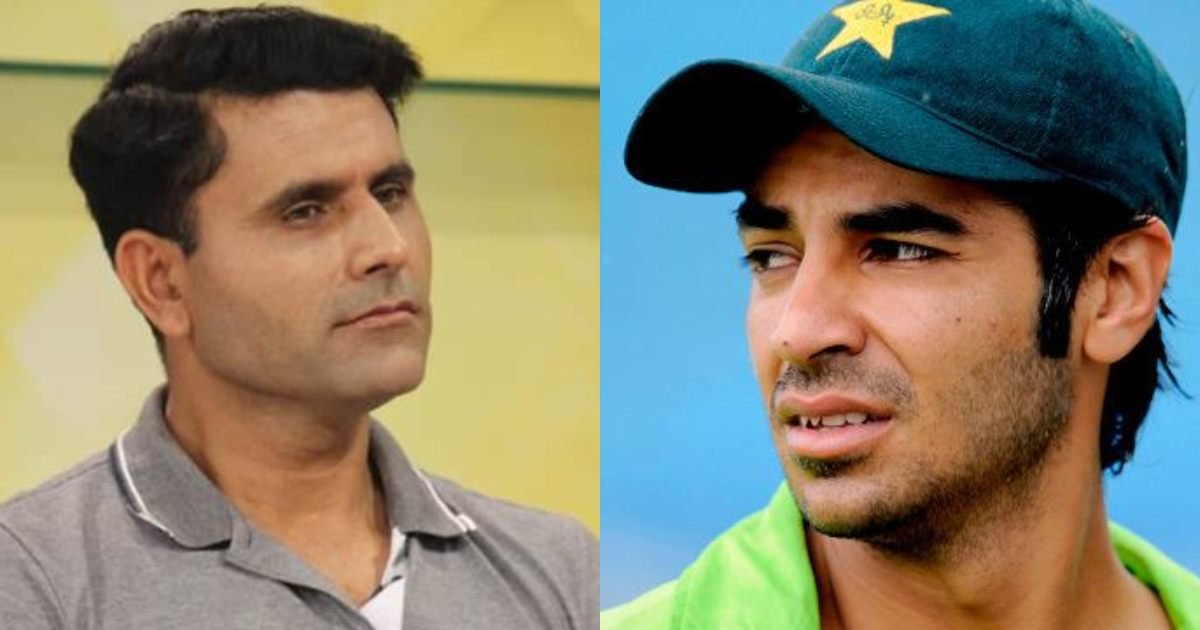
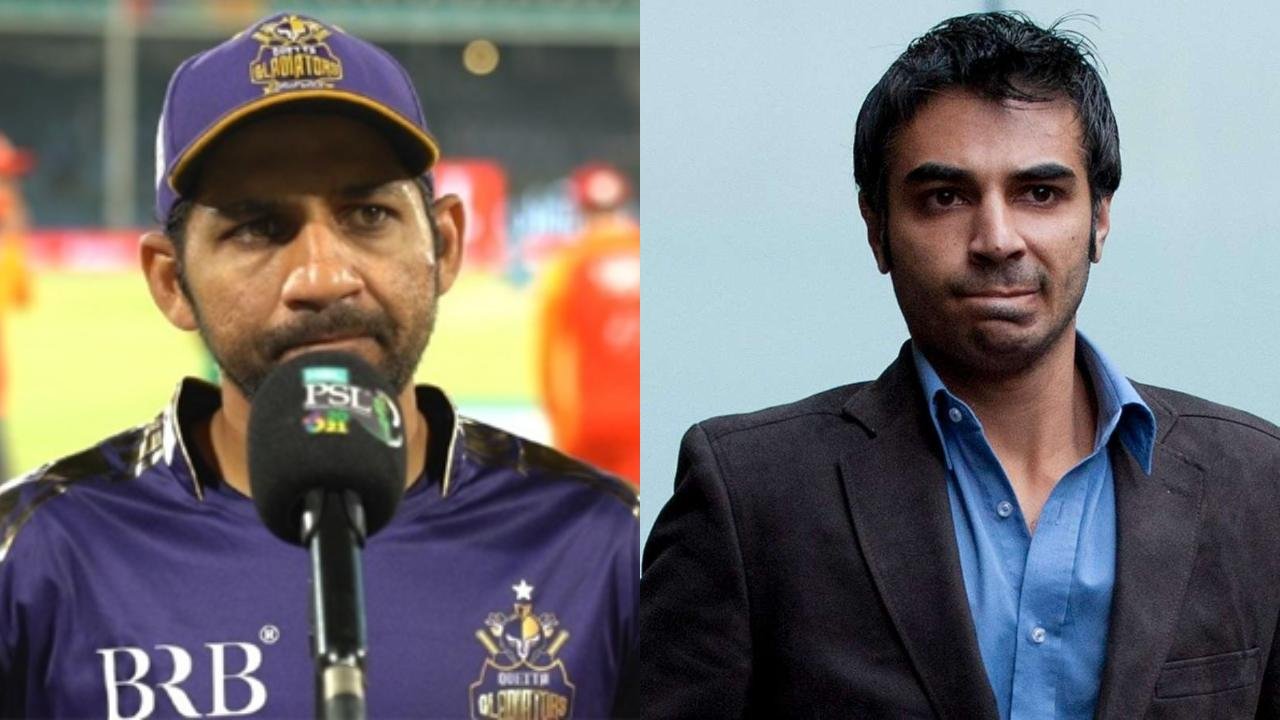
    Former captain of Pakistan cricket team Sarfaraz Ahmed responded to former cricketer Salman Butt’s criticism by calling him a ‘fixer’.

    Following Quetta Gladiators’ defeat against Multan Sultans in the ongoing Pakistan Super League (PSL), Butt heavily criticised Sarfaraz and his behaviour towards players. During the course of the game, the Gladiators’ skipper was seen lashing out at his bowlers in the crunch moments of the game.

    This didn’t go down well with Butt as he questioned Sarfaraz’s performance in the recent past. He even said that the wicket-keeper must focus on his performance and leave other players alone.

    Taking to Twitter, Sarfaraz said: “Pakistan ko on duty beachne wala fixer jub niyat pe bhashan dega phir to Allah he Hafiz hai. (If the one who sold Pakistan on duty is giving lectures, then only God can protect) #justsaying.”

    For the unversed, Butt, alongside Mohammad Asif and Mohammad Amir, was found guilty of spot-fixing during the Lord’s Test in 2010. Butt was leading Pakistan in the game and faced massive backlash for his disgraceful actions. The trio was subsequently banned and their career came to a standstill. While Amir did manage to make a comeback in 2016, Butt and Asif couldn’t do so.

  • Zimbabwe’s Brendan Taylor ‘blackmailed to spot-fix matches after cocaine use’ by Indian businessman

    Zimbabwe’s Brendan Taylor ‘blackmailed to spot-fix matches after cocaine use’ by Indian businessman

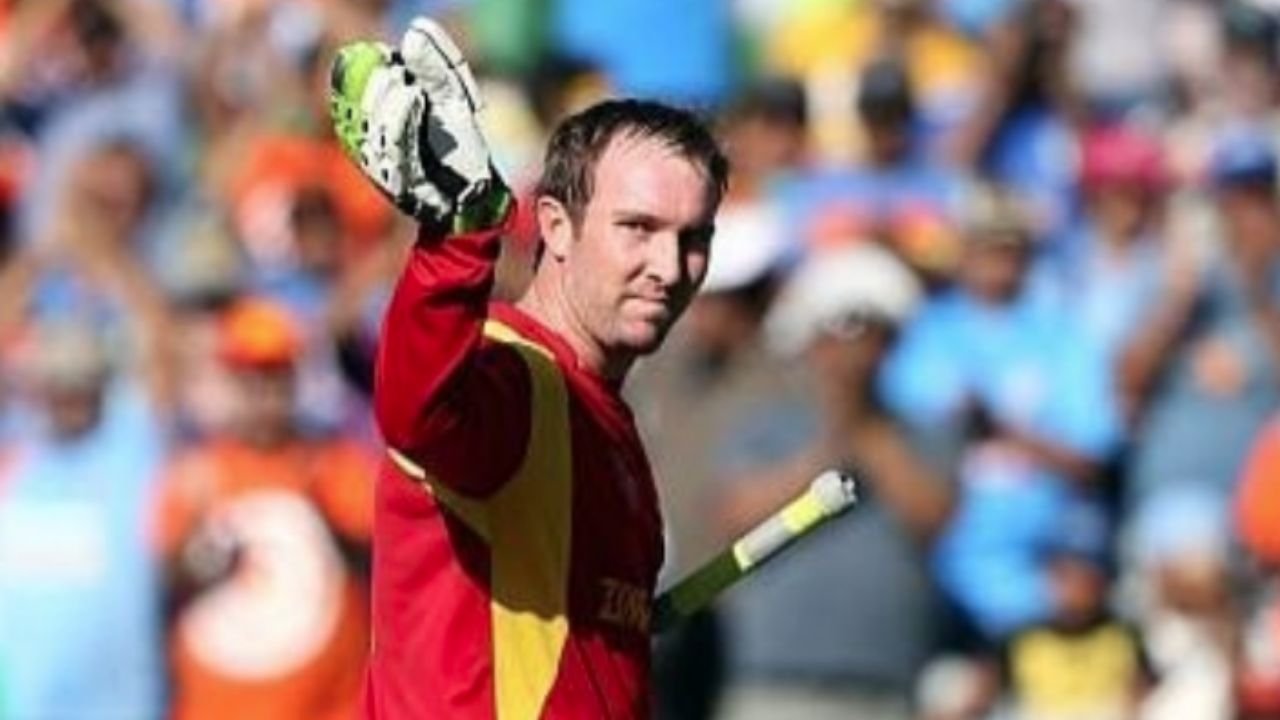
    Former Zimbabwe captain Brendan Taylor says he was blackmailed into accepting a bribe to spot-fix international games but he never went through with it.

    https://twitter.com/BrendanTaylor86/status/1485522867768991745?s=20

    Taylor, 35, said he was threatened by a businessman and his colleagues in India in October 2019 to spot-fix at international matches after they filmed him taking cocaine.

    He said he took $15,000 but has never taken part in match-fixing.

    Taylor said the International Cricket Council (ICC) is imposing a “multi-year ban” on his international career.

    “I would like to place on record that I have never been involved in any form of match-fixing. I may be many things, but I am not a cheat,” said ex-Zimbabwe captain Taylor, who announced last year he was retiring from international cricket.

    “My love for the beautiful game of cricket far outweighs and surpasses any threats which could be thrown my way.”

    As per BBC Sports, ICC revealed that an investigation is underway.

    Taylor, one of Zimbabwe’s best-known cricketers, added he would check into a rehabilitation facility on Tuesday to treat his substance abuse.

    He described the last two years as “hell”, adding that it had “severely impacted” his mental and physical health and he had been diagnosed with shingles and prescribed “strong anti-psychotic medication”.

    “It is from absolutely rock bottom that I am trying to climb out of this mess I made,” he said.

    “I have let a substance take control of me and impair my vision, my morals and my values and it is time I prioritise what really matters.”

    Taylor, who has played 35 Tests, 205 One-Day Internationals and 45 Twenty20s for Zimbabwe and also played county cricket for Nottinghamshire, said he travelled to India to discuss a potential T20 league in his home country.

    He said such conversations took place and on the final night, he was offered cocaine.

    The next day the same men “stormed” into his hotel room, showed him a video of the drug use and said it would be made public if Taylor did not spot-fix for them.

    Taylor said he was given $15,000 as a “deposit” and would be given an additional $20,000 when the “job was complete”.

    “A ‘businessman’ wanted a return on his investment which I could not and would not give,” Taylor said.

    “I took the money so I could get out of India. I felt I had no choice at the time because saying no was clearly not an option.”

    “All I knew is I had to get out of there.”

    Taylor said it took him four months to report the offence to the ICC.

    “I acknowledge this was too long of a time but I thought I could protect everyone and in particular, my family,” he said.

    The ICC’s anti-corruption code bans players from accepting bribes to influence a match and also says all approaches must be reported “without unnecessary delay”.

    Taylor has accepted the ICC’s charges and has been offered sanctions by the governing body, although no final decision has been made.
  • Umar Akmal apologises for not reporting corrupt approaches

    Umar Akmal apologises for not reporting corrupt approaches

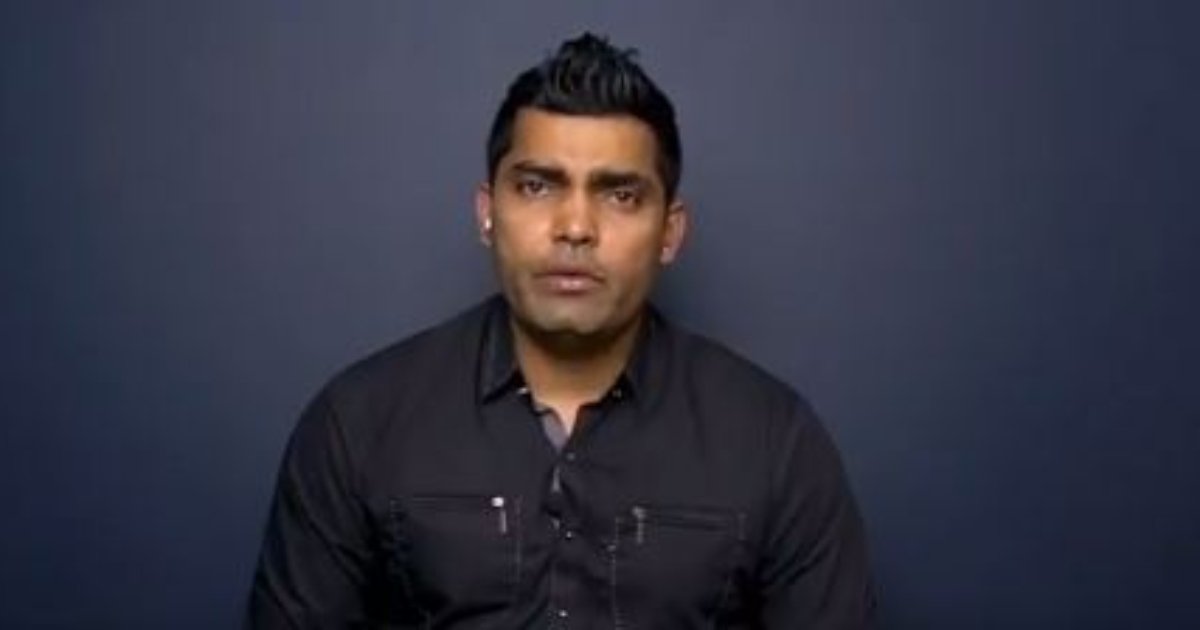
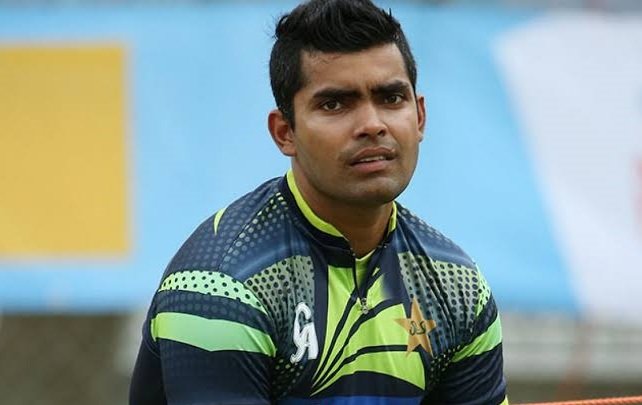
    Pakistani cricketer Umar Akmal has apologised for not reporting corrupt approaches last year, which led to him being banned for 12 months.

    Akmal, 30, was suspended last year by the Pakistan Cricket Board (PCB) for not reporting spot-fixing approaches made to him before the start of the Pakistan Super League (PSL) 2020.

    “Seventeen months ago, I made a mistake which caused damage to my cricket and career,” Akmal said in a video released by PCB on Wednesday as part of his reintegration and rehabilitation process.

    “I learnt a lot during this time and due to that mistake, Pakistan cricket’s reputation suffered badly. I ask for forgiveness from the PCB and from cricket fans around the world.”

    Akmal admitted that the ban has been a “very difficult period for him”.

    “Some people approached me but I was unable to report the same to the anti-corruption unit, due to which I had to face a 12-month ban. I couldn’t play cricket despite being a cricketer.

    “I learned a lot during this time and today I confess before all of you that that mistake brought disrepute to Pakistan cricket.”

  • ‘Match fixers should not be allowed to play again’: Abdul Razzaq

    ‘Match fixers should not be allowed to play again’: Abdul Razzaq

    Former cricketer Abdul Razzaq has said in an interview that match fixers should not be allowed to play for their teams again.

    On Geo News show, ‘Jashan-e-Cricket’, Shahzad Iqbal questioned if it is true that Razzaq had noticed Salman Butt’s incompetent performance in one of the matches, which was also mentioned in Shahid Afridi’s book.

    Razzaq said: “Shahid Afridi wrote in his book quoting Salman Butt, taking my name, I said that but there was no such thing. I said that in heat of the moment because I observed something, I just had some doubts,” added the all-rounder.

    Former cricketer and analyst, Sikandar Bakht asked Razzaq directly if the players who were involved in match-fixing should be allowed to play again. “No, in my point of view, they should not come back,” said Razzaq.

    Talking about captaincy, the host asked Razzaq why he was not given the captaincy in the national cricket team and why did the management not consider him for this role.

    Replying to Shahzad, he said: “It is a pity not to get the captaincy of the national cricket team even today because an all-rounder is a good captain.”

  • PCB rejects Umar Akmal’s appeal of paying fine in installments

    PCB rejects Umar Akmal’s appeal of paying fine in installments

    The Pakistan Cricket Board (PCB) has rejected cricketer Umar Akmal’s appeal of paying his fine in installments, ARY News has reported.

    The 30-year-old cricketer is bound to pay a fine of PKR4.25million, imposed on him by the Court of Arbitration for Sports (CAS) on February 26. Umar told PCB that due to financial difficulties he can not pay the lump sum amount.

    The board, after reviewing his appeal and the evidence provided by him, rejected the application. The right-handed batsman will only be able to participate in the rehabilitation program under the PCB Anti-Corruption Code after he pays off the lump sum fine of PKR4.25million.

    Earlier, CAS reduced Umar’s 18-month ban to 12 months. Akmal was suspended from all forms of the game after PCB found him involved in suspicious activities before PSL 5.

    In an investigation, PCB found him guilty and imposed a three-year ban on him. After the cricketer appealed against PCB’s decision, ex-Supreme Court judge Justice (retd) Faqir Muhammad Khokhar, in his capacity as an independent adjudicator, heard his appeal and reduced Akmal’s ban to 1.5 years from 3 years.

    Akmal was unable to pay the fine imposed on him and appealed in CAS further. In reply, PCB also consulted with CAS for an increase in Akmal’s ban.