Tag: staff-level agreement

  • IMF mission holds crucial talks with FinMin Aurangzeb on $3 billion SBA

    IMF mission holds crucial talks with FinMin Aurangzeb on $3 billion SBA

    In a pivotal meeting held on Thursday, Pakistan’s Finance Minister, Muhammad Aurangzeb, engaged in discussions regarding structural reforms and the viability of the energy sector with the visiting International Monetary Fund (IMF) mission.

    The mission’s visit is part of the second review process of the $3 billion Stand-By Arrangement (SBA) established between Pakistan and the international lender.

    Key points of deliberation encompassed various facets of Pakistan’s macroeconomic landscape, including fiscal consolidation efforts by the government, structural reforms, energy sector sustainability, and governance of state-owned enterprises (SOEs).

    Expressing a warm reception, the finance minister underscored the government’s steadfast commitment to collaborating with the IMF to drive forward the reform agenda, aimed at fostering economic growth and bolstering stability across Pakistan.

    During the meeting, Nathan Porter, head of the IMF mission, extended congratulations to Muhammad Aurangzeb on his appointment as the finance minister.

    Anticipations are high that the IMF mission’s visit could culminate in a staff-level agreement regarding the second review of the SBA.

    Since its inception in July 2023, Pakistan has received $1.9 billion out of the allocated $3 billion under the nine-month programme.

    Aurangzeb, articulating the government’s stance, outlined intentions to explore the possibility of acquiring a more extensive and prolonged Extended Fund Facility (EFF) within the IMF framework, with the overarching objective of attaining macroeconomic stability.

    Officials from Pakistan, including Finance Minister Muhammad Aurangzeb and Energy Minister Musadik Malik, apprised the IMF team of the concerted efforts undertaken to implement the prescribed reforms, including the adjustment of energy tariffs.

    An official from the Finance Division, speaking on anonymity, disclosed the IMF’s acknowledgment of Pakistan’s strides in meeting quarterly programmeme targets under the SBA.

    Simultaneously, discussions are underway to chart the trajectory of the subsequent programmeme, with deliberations leaning towards a more extensive endeavour valued at approximately $8 billion.

    Minister Malik elaborated on the government’s energy reform agenda, highlighting recent adjustments in electricity and gas prices aligned with the stipulated schedule.

    The recent levy hike on petrol and diesel, coupled with the augmentation of gas tariffs for domestic consumers, underscores Pakistan’s commitment to fulfilling key conditions outlined in the IMF’s final review.

    Economic analysts anticipate a seamless final review process, citing Pakistan’s commendable adherence to the IMF’s performance targets as a harbinger of success.

  • Pakistan clears hurdles for IMF review, final agreement expected

    Pakistan clears hurdles for IMF review, final agreement expected

    The newly elected government of Pakistan has indicated its intention to secure a new loan from the International Monetary Fund (IMF).

    In line with this, representatives from the IMF are scheduled to visit Pakistan for the second review of the ongoing Stand-By Arrangement (SBA). The review is set to take place from March 14 to 18 in Islamabad.

    According to a statement released by the finance ministry, Pakistan has successfully met all structural benchmarks, qualitative performance criteria, and indicative targets required for the IMF review.

    This upcoming review marks the final evaluation of the SBA, with a staff-level agreement anticipated upon its completion.

    Once this agreement is reached, the final tranche of $1.1 billion under the SBA will be disbursed, subject to approval from the IMF’s Executive Board.

    Last summer, Islamabad secured a vital rescue package from the IMF, preventing a potential sovereign debt default.

    The successful completion of the final review is expected to unlock approximately $1.1 billion.

    Prime Minister Shehbaz Sharif has instructed his finance team, led by newly appointed Finance Minister Muhammad Aurangzeb, to begin preparations for seeking an Extended Fund Facility (EFF) once the standby arrangement concludes on April 11.

    The IMF has expressed readiness to develop a medium-term programme if Pakistan submits an application for one.

    Notably, the government has not officially disclosed the amount of additional funding it intends to seek through a successor programme from the IMF.

  • Pakistani rupee gains 20 paisa against US dollar

    Pakistani rupee gains 20 paisa against US dollar

    The Pakistani rupee (PKR) extended its positive trajectory against the US dollar for the sixth consecutive session, appreciating by 0.07 per cent in the inter-bank market on Tuesday.

    According to the State Bank of Pakistan (SBP), the rupee concluded at Rs283.01, marking an increase of Re0.20.

    In the previous session, the rupee saw a marginal gain, settling at Rs283.21 against the US dollar.

    Meanwhile, in a noteworthy development, Pakistan secured $4.285 billion from various financing sources in the first five months (July–November) of the current fiscal year 2023–24.

    This represents a decrease from the $5.114 billion borrowed during the corresponding period in 2022–23, as disclosed by data from the Economic Affairs Division (EAD).

    On the global front, the US dollar experienced a 0.3 per cent decline against the yen, maintaining its position close to a four-month high of 140.95 reached last week.

    Additionally, the greenback lingered near approximately five-month lows against the Australian and New Zealand dollars.

    This was attributed to the strength of risk-sensitive currencies, driven by the anticipation that the US Federal Reserve might initiate interest rate adjustments as early as the beginning of next year.

    In the realm of commodities, oil prices stabilised on Tuesday as investors assessed the potential repercussions on oil supply arising from attacks by Yemen’s Iran-aligned Houthi militants on ships in the Red Sea.

    These attacks have disrupted maritime trade, compelling companies to reroute vessels. Notably, crude prices surged nearly 2 per cent on Monday due to concerns about trade disruptions through the Suez Canal, a vital shipping route that accounts for approximately 15 per cent of global shipping traffic.

    Brent crude declined by 12 cents to $77.83 per barrel.

    The US West Texas Intermediate crude for January, set to expire on Tuesday, experienced a decrease of 62 cents, reaching $71.85. In contrast, the more active February contract only incurred a marginal loss of 3 cents.

  • Pakistani rupee appreciates 0.02% against US dollar to close at Rs283.21

    Pakistani rupee appreciates 0.02% against US dollar to close at Rs283.21

    In a continuing upward trend, the Pakistani rupee demonstrated resilience in the inter-bank market by securing gains against the US dollar for the fifth consecutive session, appreciating by 0.02 per cent on Monday.

    According to the State Bank of Pakistan (SBP), the rupee closed at Rs283.21, marking an increase of Re0.05.

    Throughout the preceding week, the rupee exhibited a noteworthy appreciation, gaining Re0.61 or 0.21 per cent to settle at Rs283.26 against the US dollar in the inter-bank market.

    This marks the fifth consecutive week of the rupee’s advancement against the dollar, a momentum attributed to the recent announcement of a staff-level agreement (SLA) between Pakistan and the International Monetary Fund (IMF) concerning the first review of the $3 billion Stand-by Arrangement (SBA).

    Since the revelation of the SLA on November 15, the local currency has strengthened by Rs4.88, or 1.7 per cent, against the greenback.

    Meanwhile, on a global scale, currencies commenced the week with caution following significant fluctuations in the previous week, driven by various central bank meetings, including rate decisions from the Federal Reserve, the European Central Bank (ECB), and the Bank of England (BoE).

    The greenback, which had been bolstered throughout most of 2022 and 2023 by aggressive rate hikes from the Fed and expectations of prolonged higher rates, experienced a notable decline of approximately 1.3 per cent against a basket of currencies last week in response to the outcomes of the Fed’s policy meeting.

  • Pakistan plans to secure $4.5 billion from diverse sources in current fiscal year

    Pakistan plans to secure $4.5 billion from diverse sources in current fiscal year

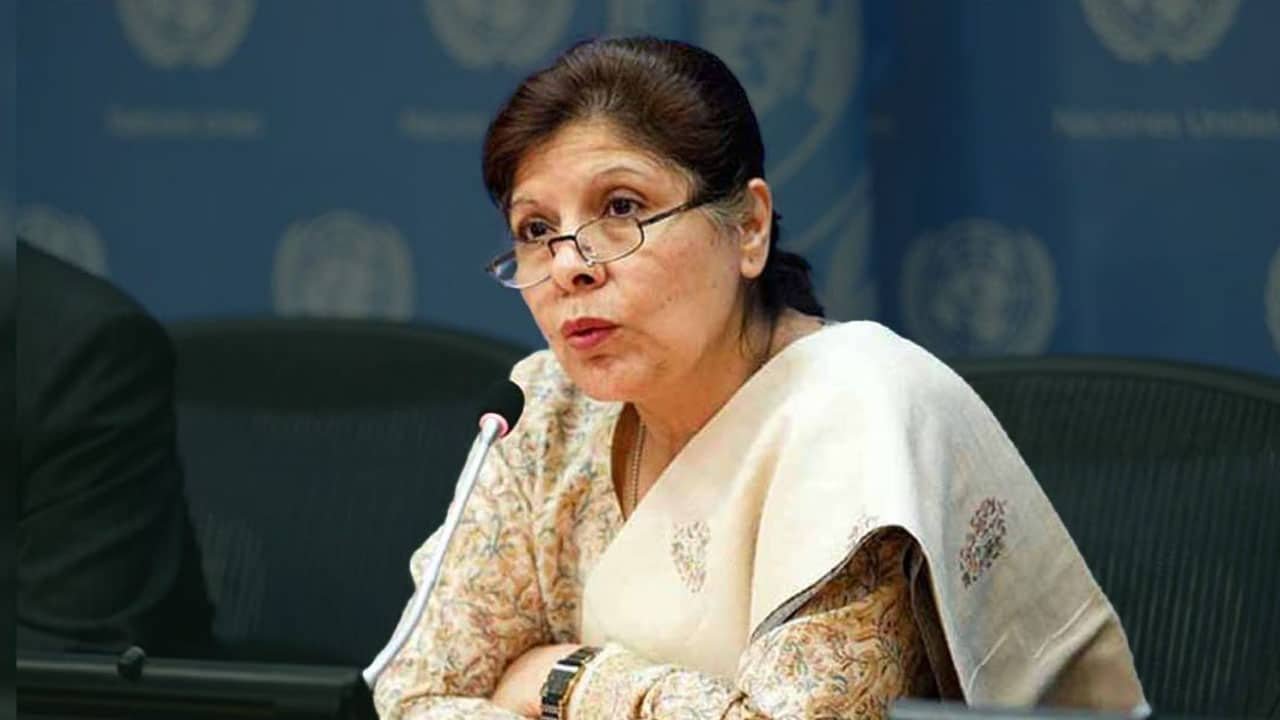
    Caretaker Minister for Finance, Dr Shamshad Akhtar, has outlined Pakistan’s financial projections for the current fiscal year (2023–24), highlighting an anticipated mobilisation of approximately $4.5 billion from both multilateral and bilateral sources, excluding the International Monetary Fund (IMF).

    Minister Akhtar disclosed that the government foresees receiving over $1.6 billion in the second quarter (Q2) from sources such as the Asian Development Bank (ADB), the World Bank, and the Asian Infrastructure Investment Bank (AIIB).

    She clarified that these inflows encompass funds allocated to both project-based and programme-based initiatives.

    Highlighting progress in negotiations, the minister revealed the completion of discussions for certain programme loans, with impending disbursements expected.

    She reassured that Pakistan remains committed to meeting its debt obligations promptly, both currently and in the future.

    Regarding the International Monetary Fund (IMF) programme, Minister Akhtar reported the successful conclusion of the first review of the Standby Agreement, resulting in the attainment of a Staff Level Agreement (SLA).

    Pending approval by the IMF’s Executive Board, this agreement will grant Pakistan access to $700 million.

    Commenting on the prevailing economic situation, Minister Akhtar acknowledged the challenges faced domestically and globally during FY2023.

    Despite these hurdles, she asserted that fiscal and external sector stability have been achieved through the implementation of various stabilisation measures and structural reforms.

  • Pakistan Stock Exchange gains over 2,300 points on revived investor confidence after signing IMF agreement

    Pakistan Stock Exchange gains over 2,300 points on revived investor confidence after signing IMF agreement

    The Pakistan Stock Exchange (PSX) experienced a substantial increase of over 2,300 points on Monday, fueled by renewed investor confidence after the signing of a staff-level agreement between Pakistan and the International Monetary Fund (IMF) on Friday.

    At 12:00 pm, the benchmark KSE-100 index of the Pakistan Stock Exchange surged by 2,381 points, currently trading at 43,833 points.

    Market experts attribute this bullish trend in the PSX to the revival of the loan programme with the international lender.

    Last week, Pakistan officially signed a staff-level agreement worth $3 billion with the International Monetary Fund (IMF). The signing ceremony took place in Lahore and was attended by Prime Minister Shehbaz Sharif, Finance Minister Ishaq Dar, and Information Minister Marriyum Aurangzeb.

    The International Monetary Fund (IMF) announced the successful completion of a “Stand-By Arrangement” between the global financial institution and Pakistan.

    The staff-level agreement, valued at $3 billion for a duration of 9 months, was reached through virtual negotiations conducted by IMF Mission Chief Nathan Porter and his team, who maintained continuous communication with Pakistani authorities.

    The final approval of this agreement will be granted by the IMF’s executive board, expected to occur in mid-July. Once approved, Pakistan will be eligible to receive the $3 billion loan.

  • ‘No need to panic’: PM Shehbaz hopes Pakistan and IMF will sign deal this month

    ‘No need to panic’: PM Shehbaz hopes Pakistan and IMF will sign deal this month

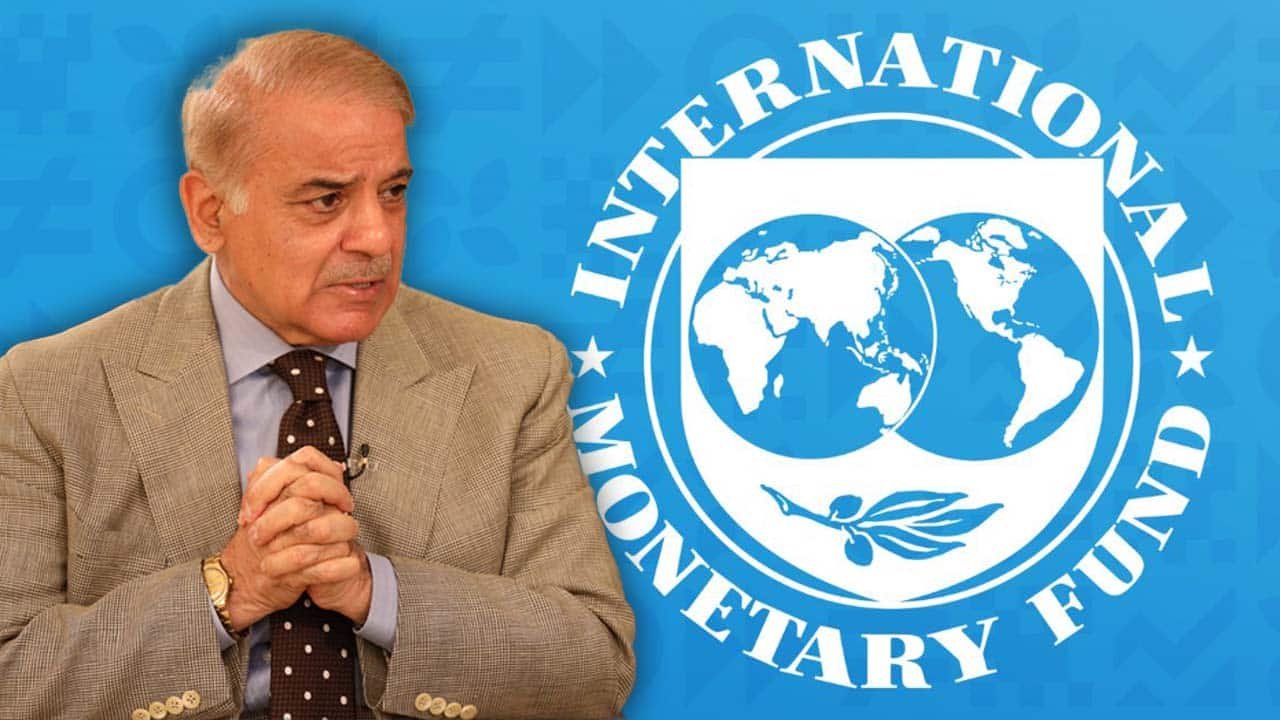
    Prime Minister Shehbaz Sharif reiterated on Sunday that Pakistan has successfully fulfilled all the prerequisites set by the International Monetary Fund (IMF) to revive the halted bailout program. He expressed confidence that no obstacles remain in finalising a staff-level agreement between the nation and the IMF, emphasising that Pakistan is committed to resolving its financial challenges.

    During the inauguration of the Sabzazar Sports Complex in Lahore, Prime Minister Shehbaz hinted at a contingency plan, stating, “If there are further delays in reaching an agreement with the IMF, I will address the situation.” He urged the public not to panic, assuring them that Pakistan will be safeguarded by the divine will of Allah. He expressed hope that the government and the IMF will achieve a staff-level agreement within the current month.

    Highlighting the significance of political stability, the Prime Minister emphasised its crucial role in ensuring economic stability. He pledged to bring about economic prosperity in the country under the leadership of PML-N supremo Nawaz Sharif.

    In strong criticism of the former ruling party, Prime Minister Shehbaz held deposed Prime Minister Imran Khan responsible for the events of May 9 and vowed to bring all those involved in the violent protests and attacks on civil and military installations to justice.

  • Minister of State for Finance and Revenue criticises IMF for interfering in Pakistan’s internal affairs

    Minister of State for Finance and Revenue criticises IMF for interfering in Pakistan’s internal affairs

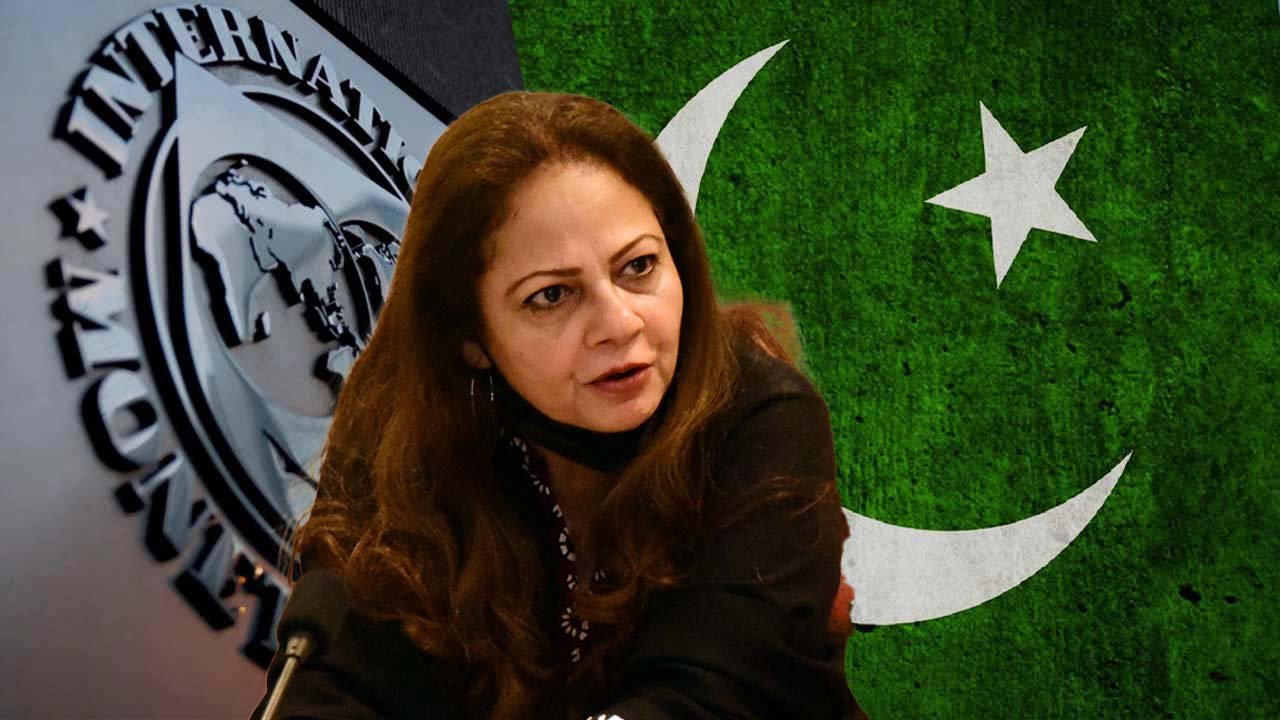
    In a strong rebuke to the International Monetary Fund (IMF), State Minister for Finance and Revenue Aisha Ghaus Pasha criticised the international lender for what she called “intervening” in Pakistan’s internal affairs.

    Speaking on Wednesday, the state minister asserted that Pakistan’s actions were within the boundaries of the law, dismissing the statement made by IMF Mission Chief for Pakistan, Nathan Porter, as “extraordinary.”

    While the IMF typically refrains from commenting on domestic politics, Porter had expressed the hope that Pakistan would find a peaceful way forward in line with the Constitution and the rule of law. The state minister expressed her dissatisfaction with the IMF’s involvement in Pakistan’s political situation, emphasising that the delay in reaching a staff-level agreement was detrimental to both Pakistan and the Fund.

    Dr Pasha confirmed reports that Prime Minister Shehbaz Sharif had reached out to IMF Managing Director Kristalina Georgieva. In their conversation, the prime minister assured the IMF chief that Pakistan would fulfill all its obligations.

    On May 27, Prime Minister Shehbaz had contacted Georgieva, requesting her assistance in revitalising the stalled $6.5 billion facility. It is believed that the prime minister urged her intervention to facilitate the completion of the pending ninth review, which would unlock $1.1 billion in financing for the cash-strapped nation.

    Negotiations between the coalition government and the IMF have been ongoing since November to revive Pakistan’s bailout program, with the financing gap being a major hurdle. Approximately $2.7 billion remains to be disbursed from the $6.5 billion program, which is set to expire next month.

    Responding to a question regarding Pakistan’s contingency plan if it fails to convince the IMF before the program’s expiry on June 30, the state minister stated that while there is always a “Plan B,” the Ministry of Finance’s priority is to revive the IMF program.

    With the federal budget announcement scheduled for June 9, both sides are hopeful of reaching a staff-level agreement before then. The successful conclusion of the agreement would provide a much-needed boost to Pakistan’s economy and help address its financial challenges.

    As the negotiations continue, the Pakistani government remains committed to meeting its obligations and finding a way forward to revive the IMF program, while asserting its sovereignty and independence in internal affairs.

  • IMF asks for more effort from Pakistan, loan programme in jeopardy

    IMF asks for more effort from Pakistan, loan programme in jeopardy

    Despite assurances from friendly countries regarding external funds for Pakistan, the International Monetary Fund (IMF) remains unconvinced and is asking Islamabad to make additional efforts to unlock a loan programme.

    According to sources, Pakistan has been requested to present a repayment plan for a $3.7 billion loan to the IMF in June and to demonstrate stronger support from friendly nations to fulfill this obligation.

    However, the IMF has not yet accepted a proposal to exchange reserves worth between $11 to $12 billion, equivalent to two months’ revenues. The Ministry of Finance has stated that the government has imposed Rs170 billion in taxes through a mini-budget to secure a staff-level agreement with the IMF, which was initially scheduled for February 9th.

    It is noteworthy that the IMF has not included Pakistan in any agenda until May 17th. The budget-making process may also be affected if transactions with the IMF are not concluded, as funding will not be available from international financial institutions without a staff-level agreement.

    Last month, the staff-level agreement between Pakistan and the International Monetary Fund was postponed due to the lender’s new demand.

    Finance Secretary Hamid Yakoob’s meeting with the International Monetary Fund in the United States did not yield positive results as the lender requested the arrangement of $1 billion from commercial banks to unlock the loan program.

    The staff-level agreement, originally scheduled for February 9th, was delayed due to the IMF’s demands.

  • Saudi Arabia and UAE pledge $3 billion to Pakistan as IMF agreement nears

    Saudi Arabia and UAE pledge $3 billion to Pakistan as IMF agreement nears

    On Monday, Finance Minister Ishaq Dar stated that Pakistan has fulfilled all conditions set by the International Monetary Fund (IMF). He expressed hope that the IMF would soon sign the staff-level agreement, which would allow for the release of the $1.1 billion tranche.

    Since February, the two parties have been negotiating various conditions and external financing from friendly nations before signing the agreement. Speaking to Geo News, Dar stated that Saudi Arabia and the United Arab Emirates (UAE) have informed the IMF of their commitments to provide $3 billion to Pakistan.

    Riyadh has pledged $2 billion, while Abu Dhabi has promised $1 billion. The IMF has also been notified of this, according to Dar. The finance minister emphasized that all conditions for the staff-level agreement have been met, and he expressed optimism that the IMF’s Executive Board would approve it soon.

    The country’s foreign exchange reserves have dwindled to cover barely a month of imports since the IMF funding stalled in November. Pakistan must resume the bailout package, which was agreed upon in 2019 and is worth $6.5 billion, to avoid risking default on external payment obligations.

    Pakistan had to take several steps demanded by the IMF, including reversing subsidies in its power, export, and farming sectors, raising energy and fuel prices, imposing a permanent power surcharge, among other measures.

    These moves have pushed Pakistan’s inflation to its highest level ever, rising to over 35 per cent YoY in March. The IMF programme will disburse another tranche of $1.4 billion to Pakistan before it ends in June, and it will unlock other bilateral and multilateral financing for the cash-strapped country.

    In recent weeks, neighbouring China has rolled over $2 billion and refinanced another $1.3 billion.