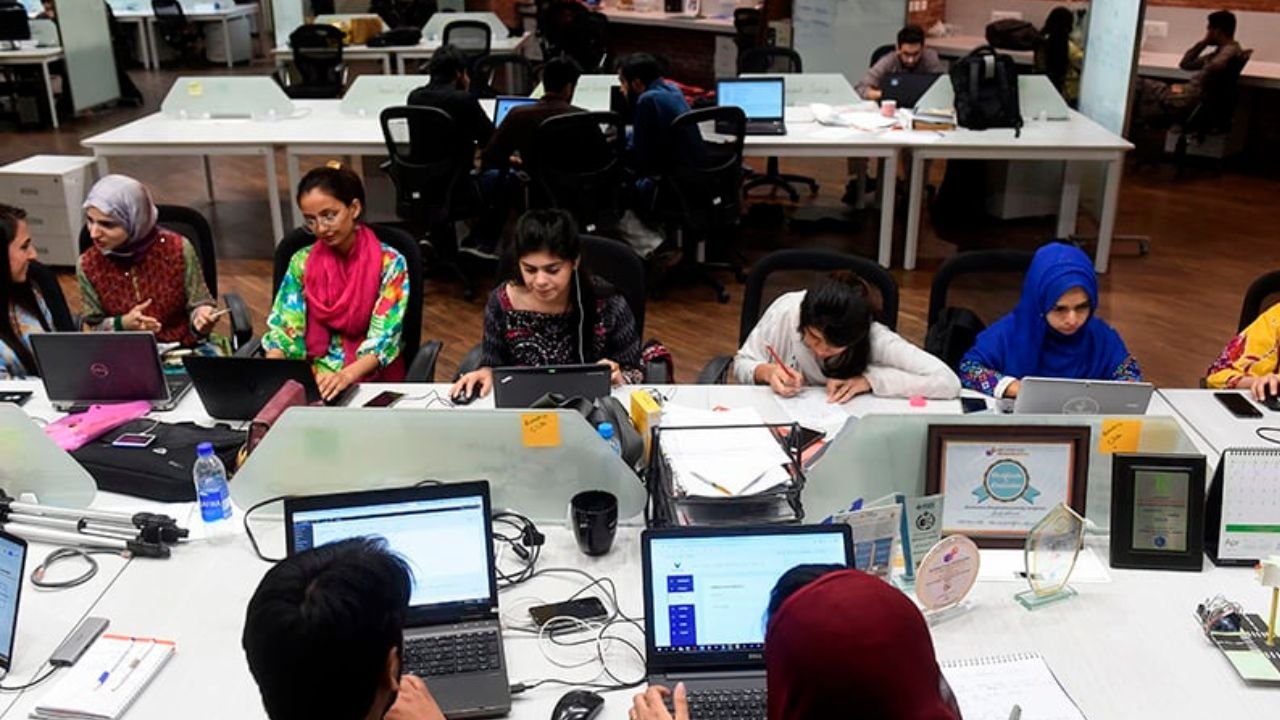
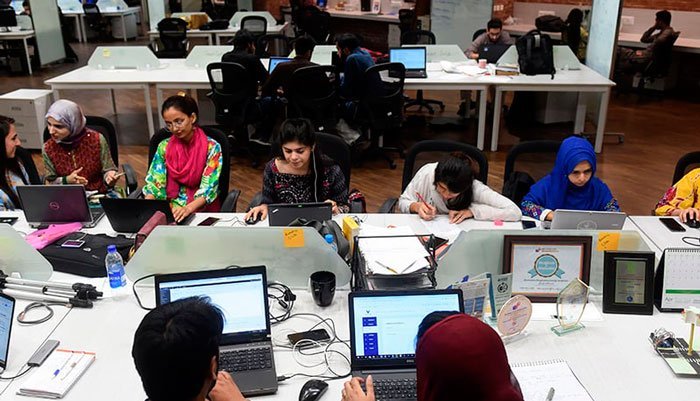
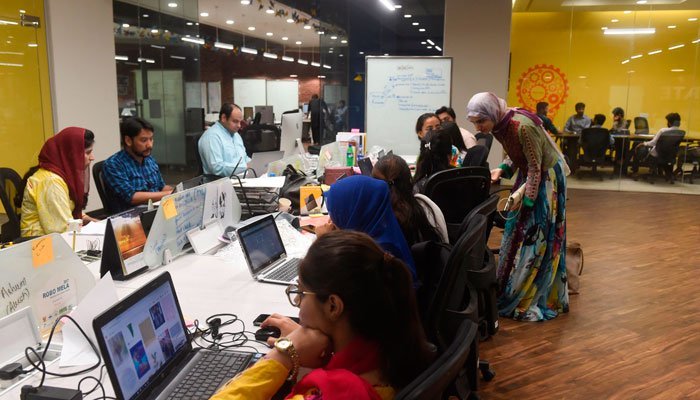
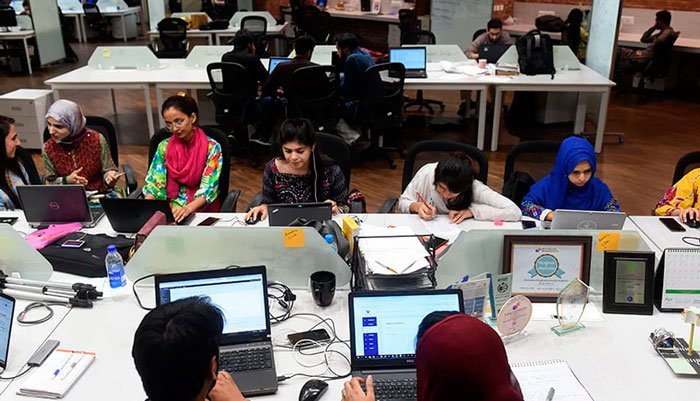
A total of 261 startups graduated under the National Expansion Plan (NEP) of the National Incubation Centres (NICs) Programme, a collaborative effort of the Punjab Information Technology Board (PITB) and Ministry of Information Technology and Telecommunication (MoITT), from January 2023 to December 2023, reports the Express Tribune.
The meeting was presided over by PITB Chairman Faisal Yousaf who informed the participants that 87 of the successful startups from Punjab, 64 from Sindh, 39 from Khyber-Pakhtunkhwa, 31 from Balochistan and 20 each from Azad Jammu and Kashmir, and Gilgit-Baltistan.
The PITB chairman said the objective of the plan was to democratise entrepreneurship, boost business activity across the country, grow the IT industry and promote economic growth. “The incubation programme is tailored to the needs of early-stage startups and runs on a zero-equity model,” he added.
In partnership with public sector universities, 13 tech incubation centres have been set up across the country, where startups are provided free of charge workspace, mentorship, networking opportunities and stipend.
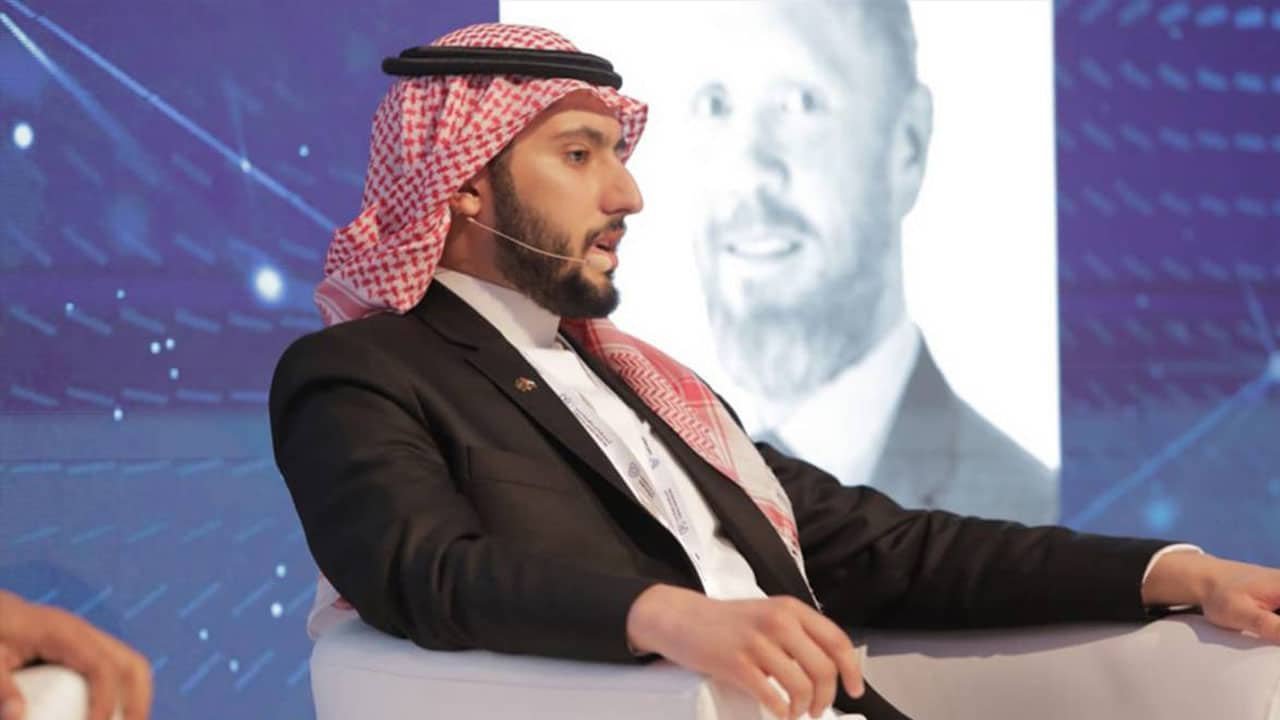
A Saudi tech company owned by Prince Fahad bin Mansour Al-Saud has announced the launch of a Saudi-Pakistan Tech House in Islamabad on Monday.
The initiative was first announced by the prince in January at Pakistan’s largest tech event, Future Fest 2023, and aims to forge partnerships with information technology (IT) companies and enterprises in Pakistan to promote greater ease of doing business between the two countries.
Prince Fahad is the co-founder of ILSA Interactive, which was established in 2009 by Pakistani entrepreneur Salman Nasir with offices in Riyadh and Lahore, reflecting the determination of both Pakistani and Saudi leaders to deepen an existing strategic relationship in all fields.
The company plans to forge partnerships with IT companies, universities, and large enterprises in Pakistan. The launch ceremony took place on Monday, March 6, and Prince Fahad intends to create more than 1,000 jobs and undertake 300 projects valued at $100 million in Pakistan, Saudi Arabia, and other countries.
Future Fest 2023 saw leading entrepreneurs, startups, policymakers, and investors from around the world participate, and a delegation of Saudi business leaders attended the event, taking part in keynote addresses, roundtable conferences, and discussions on various topics related to the future of business and startups.
Cloudways, a Pakistani company that offers small and medium-sized businesses cloud hosting and software as a service (SaaS) capabilities, will be acquired by New York Stock Exchange-listed company DigitalOcean Holdings for $350 million.
A large amount of the consideration, according to a business statement posted on Wednesday, would be paid over a 30-month period after the transaction closes in September.
According to DAWN, this will be one of the largest acquisitions in Pakistan’s history due to the hefty amount of the transaction. According to the company, this deal will make workflows simpler for small and medium-sized companies that are seeking less complicated ways to develop and grow their digital operations.
The projected revenue for Cloudways in fiscal 2022 is more than $52 million, which would indicate a three-year compound annual growth rate of more than 50 per cent.
Since 2014, DigitalOcean and Cloudways have been strong collaborators. About 50 per cent of Cloudways’ clients are currently powered by DigitalOcean infrastructure.
Serving a clientele that is both global and expanding, both companies will service more than 124,000 clients who make monthly payments of over $50, or around 84 per cent of the pro forma company’s total revenue.
For specific small and medium-sized enterprises wishing to outsource their on-ramp to the internet, Cloudways offers straightforward on-boarding and day-to-day management.
The company assists such organisations in offloading the challenges of cloud infrastructure so they may focus more on managing and growing their operations.
Airlift Technologies, a national grocery delivery service, has laid off 31 per cent of its workforce.
The company posted a statement on its official LinkedIn account confirming the layoff of its workforce; “In the light of the significant downturn in global capital markets, Airlift is undertaking a strategic realignment to reduce the surface area of operations and to increase focus in key areas that drive sustainability and profitability.”
“The decision to part ways with talented teammates has been incredibly challenging for the company. For impacted teammates, Airlift stands committed to providing financial and placement support to help find new roles,” the statement read.
Quick commerce startup Airlift closes down all cities apart from Karachi, Lahore and Islamabad, lays off 31% staff. pic.twitter.com/hSM8Cz3kYE
Usman Gul, the 33-year-old co-founder, and CEO commented on the company’s decision to permanently shut down, saying, “I think if the lens of change is ‘Did Airlift offer great returns to investors?’ then yes, regrettably, it was unsuccessful. If you’re talking about bringing Pakistan into a new reality or altering the entire ecology, then by that yardstick of success, we’ve come a long way,” Gul told Rest of World.
“In many ways, Airlift raised the bar of ambition for Pakistani startups in a big way. Our teams at Airlift redefined the standard of execution, strategy, building a world-class culture, developing a cutting-edge product, raising sizable fundraising rounds,” Gul continued.
What is the point of raising the greatest series B in the nation if the business fails 11 months later? Gul believed that these were improper inquiries when questioned about the $85 million that Airlift blew through in less than one year. He said that the appropriate questions to ask were: “What enabled Airlift to raise $100 million-plus in three years? That’s never happened in Pakistan before. What did this team do differently?”
Airlift was started in 2019 by Usman Gul, Ahmed Ayub, Awaab Khaakwany, Meher Farrukh, Muhammad Owais, and Zohaib Ali as a mass-transit option that connected consumers with buses at reduced costs. Due to the pandemic, Airlift’s transportation operations were halted in March 2020. During the covid pandemic, the company then pivoted its business plan and launched Airlift Express, a grocery delivery service with $10 million in investment. Airlift, last year in August, secured a mega-round of funding of $85 million dollars.
A former Airlift employee described the layoff as “shocking, unexpected, and heartbreaking.”
WHAT FINANCIAL EXPERTS THINK HAPPENED AT AIRLIFT
Ariba Shahid, Financial Journalist at Profit Magazine and DealStreetAsia, while talking to The Current about the layoffs at Airlift, said, “While downsizing is sad considering people lose their livelihoods, sometimes young startups need to scale back operations, recalibrate and start differently or fresh,” adding “In order to do so, they sometimes downsize. There is nothing wrong in doing so. I don’t think any business downsizes unless it’s absolutely necessary.”
Taking about the reason behind the layoffs Ariba added, “There are a number of ways to look at it. One likelihood is that Airlift’s funding was contingent on it attaining milestones. So maybe, they did not get the entire $85 million.”
“The other scenario is that they burned through approximately $10 million a month in customer acquisition costs and expansion. It is difficult for consumers to change their consumption pattern and move onto quick commerce. It also costs a lot to expand and grow, especially internationally, like Airlift did in South Africa. The macroeconomic environment with rising inflation and diminishing purchasing power makes it even more difficult.”
“Airlift was one of the bigger names in the ecosystem. The same way Airlift was used as an example while raising funds, it may be seen as a warning sign. However, the global liquidity crunch plays a bigger role at this point in time, in addition to Pakistan’s weakening macroeconomic sentiments.”
“There is no right or wrong way to run a startup at this point because the ecosystem is very nascent. There are no examples locally to follow. However in order to succeed startups need to ensure they are clean, transparent, do not fudge numbers, accept realistic valuations, stop obsessing over large rounds, and know when to stop blitz-scaling,” she added, talking about Pakistani startups.
While answering a question about the situation of Pakistan’s job market Ariba said, “Too soon to say that but yes, one can expect more layoffs across industries considering working capital will be more expensive, political instability, low investment inflows.”
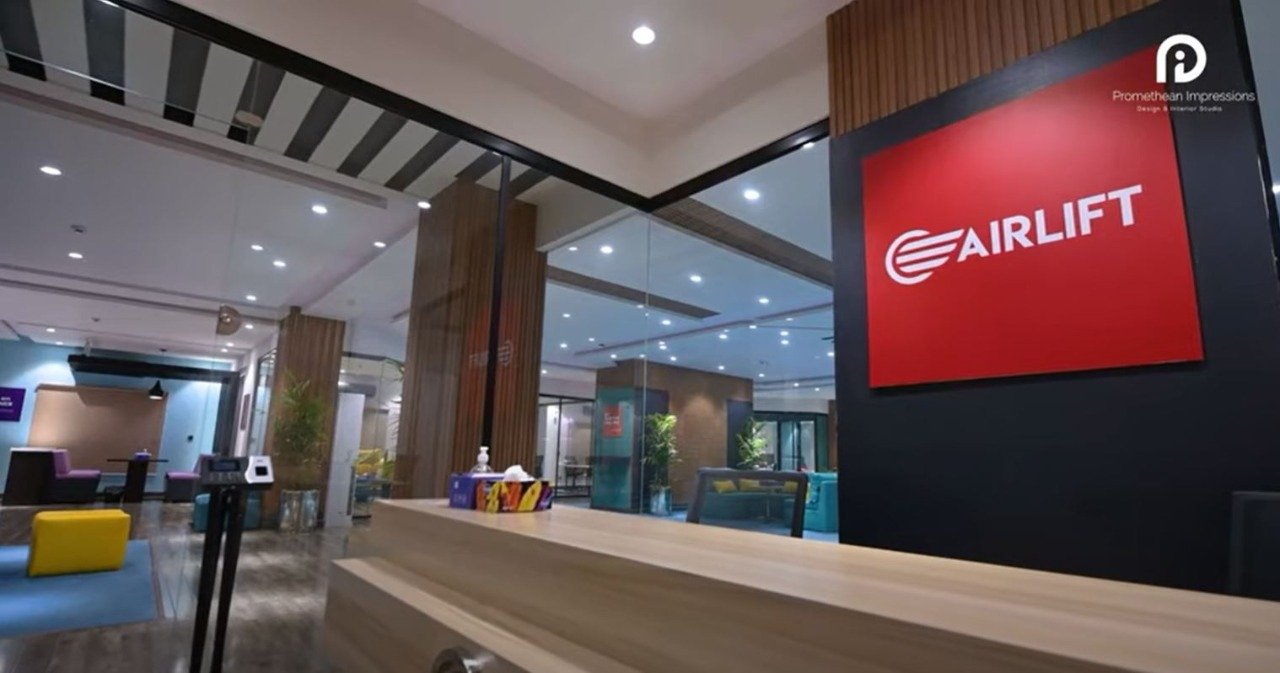
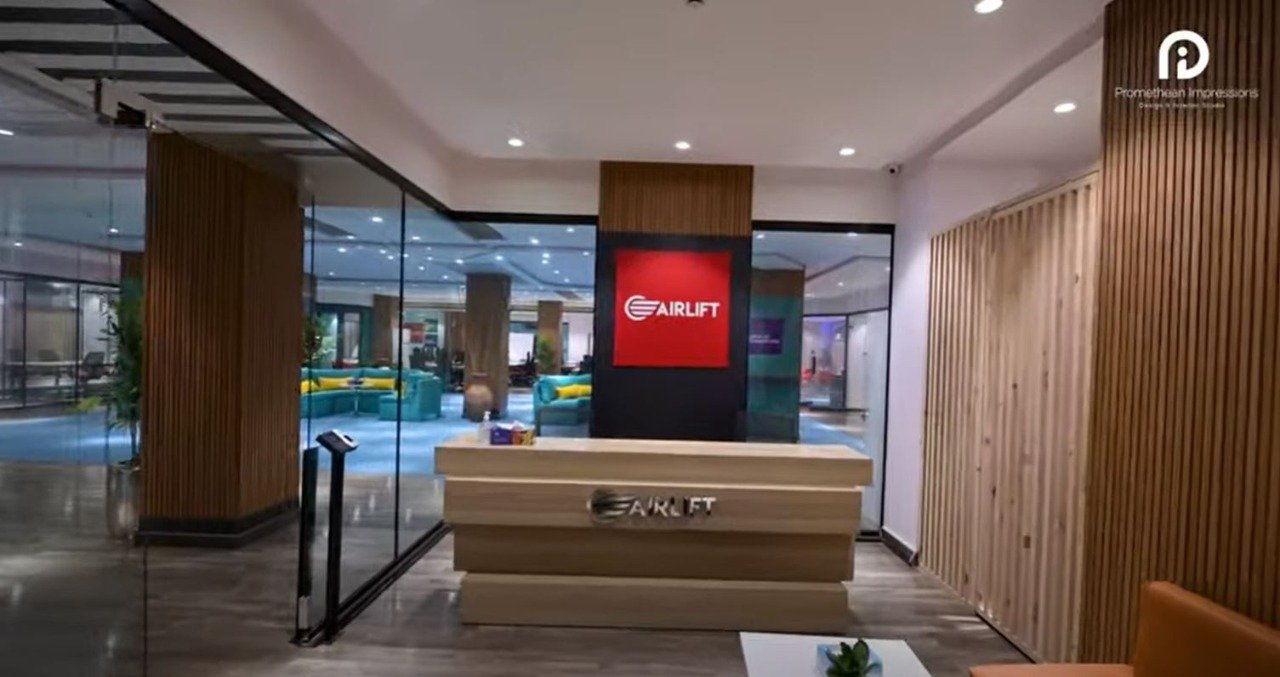
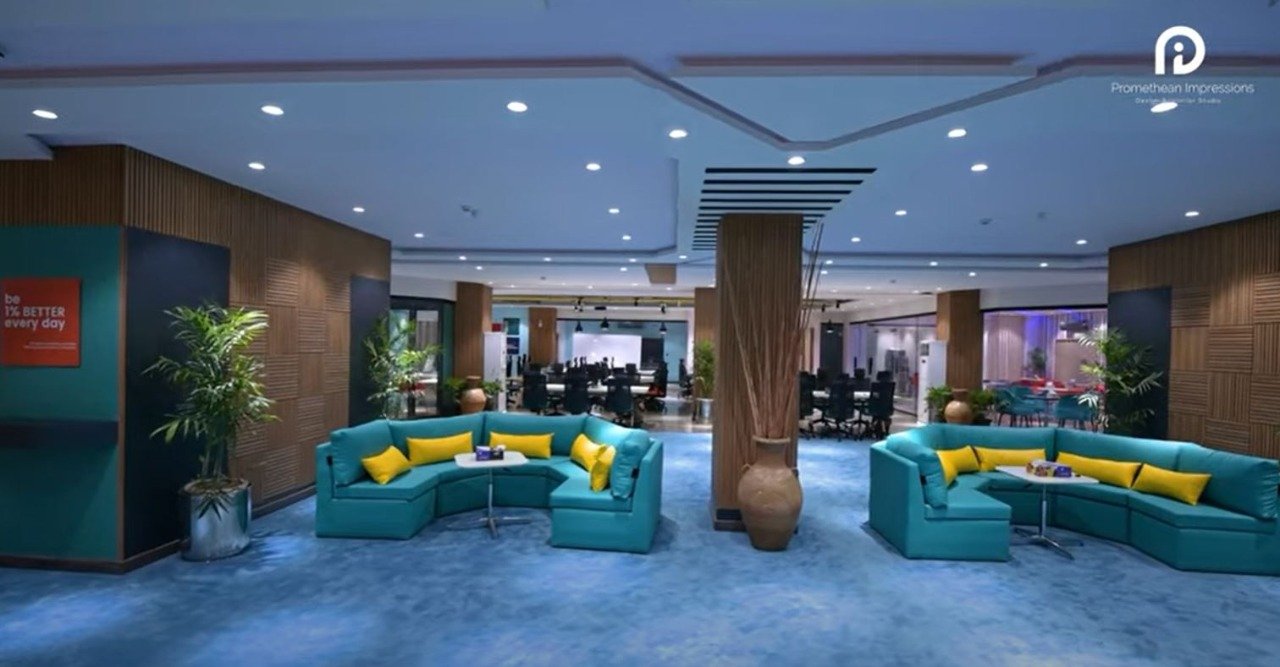
Aitlift’s Lahore office
Dr Aqdas Afzal, Program Director and Assistant Professor of Economics, Habib University while talking to The Current about the possible reason behind the layoffs said, “The reason is not related to the Pakistani market, there is an economic downturn in the entire world. The inflation in UK and US is highest in last 40 years.”
He continued by adding that, “the main input of Airlift’s delivery is fuel and as considering the fuel inflation, they have withdrawn their services from those markets and cities from where they don’t get much sales and find it difficult to drive “sustainability and profitability.”
“I don’t think Pakistani startups are doing anything wrong, as we have seen they have been able to get get a lot of seed money.”
He further said, “In the coming days you will see a lot more startups booming in Pakistan.”
“The government needs to provide reliable, fast speed and affordable internet, because it is slowly becoming the weakest link for Pakistani startups.”
“I don’t think that Pakistan’s job market is collapsing,” said Afzal while answering a question about Pakistan’s job market.
He added, “We are in low value-added end of the spectrum in terms of freelancing skills and we should see if our educational institutions are teaching the level of coding that freelancers around the world are doing.”
Aitlift’s Lahore office
WHAT LAID-OFF EMPLOYEES HAVE TO SAY
Airlift released a database of the names of113 staffers who were abruptly terminated from their positions and were then ‘open to work.’ The employees listed in the database served in various departments of the cash-strapped venture, including operations, human resources, customer service, rider support specialists, and several software engineers, that were based in Pakistani cities including Karachi, Lahore, Islamabad, Gujranwala, Faisalabad, Hyderabad, and Peshawar, with the remainder in South Africa.
“The layoff news shocked the entire workforce as we had no idea the company would announce a massive layoff along with closing key warehouses in different cities,” an employee at Airlift Head Office Lahore, told The Current, “I was aware that the stock market was collapsing dramatically, with some well-known corporations laying off a large number of staff, but I had no idea that the capital market’s volatility would have such an immediate impact on Airlift.”
According to another insider, the company was unable to generate sufficient profit to entice international investors, which is why layoffs had to be done.
Khan revealed that he is looking for work and has undergone three job interviews so far. “After the news of the Airlift went viral on social media, I was approached by a couple of companies and individuals, although I have yet to receive job confirmation,” he claimed.
“I have had a wonderful time at the Airlift. The management took good care of the overall staff. The payouts were never delayed,” Husnain Raza, who was employed as a Rider Operations Specialist at Airlift barely a year ago, told The Current. “The company had to take this horrendous step or it could’ve been dissolved.”
Ex-Operations Lead at Airlift Faisalabad, stated that he is not concerned since the company has offered to compensate the employees who were laid off without notice with 1-2 months of salary. “I assume I’ll find another job until then,” he asserted.
The Current has reached out to the founders of Airlift for a comment on why the layoffs took place and about the future of the company. We are still waiting for a comment and until we get one, here is the statement issued by the company on the dismissal of their staff.
GLOBAL IMPACTOF THE ECONOMIC DOWNTURN
The impact of the global economy is not just being seen at Airlift or in Pakistan.
Cutbacks, contract terminations, and layoffs have impacted at least 5,600 startup employees since the beginning of 2022 at a number of unicorns, global tech companies in India, and growth-stage startups.
Startups like Unacademy, Furlenco, and many others have cut back and downsized in order to improve profitability. Better.com, a mortgage technology company based in the United States, has also asked employees to sign voluntary separation agreements. These layoffs occurred at Better.com’s India operations, where another 920 employees were let go earlier this month, following a total of over 3,000 laid off by April.
Unacademy, the edtech unicorn, laid off over 1,000 employees and shut down its online education platform, PrepLadder, in April 2022. More than 800 employees at BYJU’s-owned WhiteHat Jr were told to resign because they refused to work from the office.
Furthermore, Cars24, a marketplace, laid off workers in order to cut costs and move toward automation. In this downsizing, the unicorn may lay off up to 600 employees soon.
Alongside startups, some big names, such as Netflix, have cut staff this year, with some blaming the COVID-19 pandemic and others faulting ‘overhiring’ during periods of speedy growth. In 2022, Robinhood, Glossier, and Better are just a few of the technology firms that have significantly reduced their staff numbers.
The capital markets have taken a beating in 2022, and this has filtered down to the private sector. Fears about inflation, rising interest rates, and geopolitical issues have all contributed to a volatile financial market.
Startups, particularly those that profited from a pandemic growth that is now slowing, are beginning to feel the strain as well. Valuations have begun to fall, especially at the later phase, and entrepreneurs say it is far more challenging to raise new funding in such a situation.
A multitude of companies that experienced pandemic-related surges are experiencing a correction as a result of a variety of factors, including rising inflation, economic distress, war, and shifting consumer taste buds. Companies such as Meta and Twitter have publicly announced hiring freezes, and Snap confirmed this week that it is slowing hiring as revenue targets are missed.
If a company is bleeding money, it will most likely begin to lay off employees, preserving only those who are required to work to retain the business’s level of operations. If the company dissolves, the remaining workers may be laid off as well.
Among the most likely causes for layoffs is that the company is trying to cut costs in some way. This could be because the company needs to pay off debts, fewer sales or the company no longer has the financial backing of investors like Airlift.
As technological advancements and automation grow common in businesses, employers sometimes lay off employees in order to cut costs and reduce position redundancy. Moreover, if the employee satisfies certain requirements and is prepared to make the change, the organisation may commit to finding another role for them and transferring them to the position.
The Indus Valley Capital has announced the launch of a dedicated programme for returning Pakistani, known as Wapistani, at 021Disrupt 2020, an online conference by Nest I/O.
This announcement was made by Aatif Awan, the Founder & Managing Partner at the Indus Valley Capital.
Indus Valley Capital is an early stage venture capital fund investing in Pakistani startups. This fund has a well-established network that is deployed to help early stage startups build products that can be scaled to hundreds of millions.
Awan explained that the Wapistani programme aims to make the move to Pakistan easier for Pakistanis who are returning to the country.
Indus Valley Capital plans to bring back 200 Wapistanis within the next 2 years through this programme.
Wapistani will help returning Pakistani in three main areas:
1- Career: This program will help returning Pakistanis in making the right career decisions through personalized intros and connections with top startups looking for senior or specialized talent.
2- Concierge: There will be dedicated resources to help returning Pakistanis with important life choices related to housing, children’s schooling and medical care.
3- Community: This programme will build a network of Wapistanis, who are moving back to the country at the same time.
The Forbes list recognises 200 small and medium-sized companies which have performed the best in the Asia-Pacific region. The criteria for the companies is to have sales below the $1 billion mark.
Systems Limited Pakistan and Feroze1888 Mills Ltd made it to the annual list. Adviser to the prime minister on Commerce and Investment Abdul Razak Dawood appreciated and congratulated the companies for making it to the coveted list.
I congratulate the Systems Limited Pakistan on making it to the Forbes “Asia’s 200 Best Under A Billion 2020” List. It is the only IT sector company from Pakistan which made it to this List. 1/3
He praised the companies and expressed confidence that the achievement of these firms would “provide impetus to others to achieve similar laurels.”
Founded in 1977, Systems Limited Pakistan has the distinction of being the country’s first software technology company, according to a statement on its website.
I have always been a great believer in the entrepreneurship of our people. I am sure these three companies will provide impetus to others to achieve similar laurels. 3/3
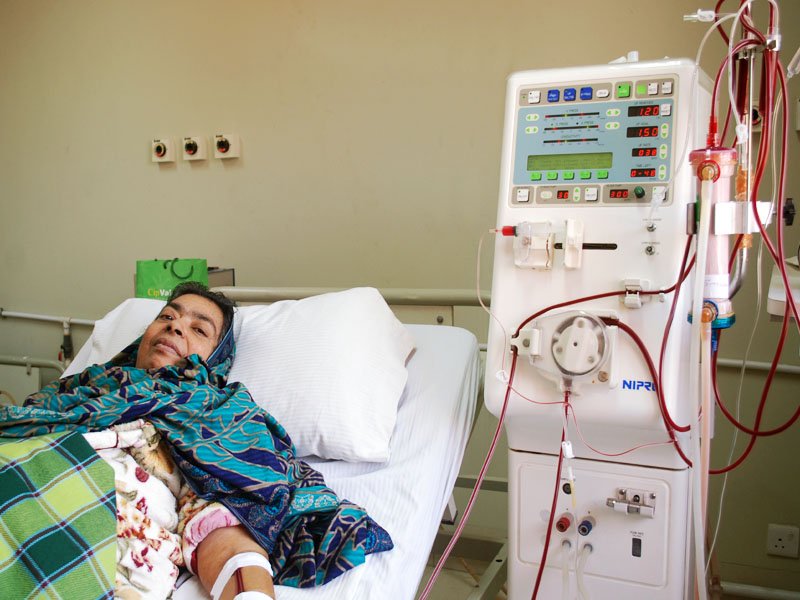
An American startup based in Lahore has successfully invented Pakistan’s first dialysis machine that would allow kidney patients to receive affordable dialysis treatment at their homes.
The company has named the machines and it is called “Robo-Kidney,” which will go into mass production after receiving from the healthcare regulators.
The company has consulted Pakistan’s leading Nephrologists and healthcare professional before making the machine.
It will not only let the patients get treated at home but will also minimise the risk of contracting hepatitis-C during the traditional dialysis procedure.
According to the official statement by Byonyks, about 72% of kidney patients in Pakistan get infected with Hepatitis-C that spreads during the conventional dialysis treatment.
“Robo-Kidney is an affordable and bloodless machine that will allow kidney patients to receive dialysis treatment at their homes”
The founder of Byonyks, Farrukh Usman
He added that Robo-Kidney will also ease the burden on national healthcare resources. It will also contribute to Pakistan’s economy through export to international markets.
Pakistani farmers can now sell their vegetables directly to their potential buyers. A smartphone application has finally saved them from the ruthless discrimination of the middlemen in Sabzi mandi’s
Omar Majid Warraich, founder of Agrim@art has created a smartphone application, more than 700 farmers have already registered on it. Moreover, this platform was sponsored by Karandaaz, an investment platform sponsored by the bill and Melinda Gates Foundation.
The company launched in August last year, Agrim@art reported sales worth 5.5 million rupees ($36,000) in its first three months. They are predicting to have 2,000 farmers working with them by March 2020. Here is how this startup materialised into a viable business platform.
Warraich turned to National Incubation Center (NIC) to get help in the execution process of his idea. NIC is a public-private partnership based in Lahore that helps entrepreneurs in launching new businesses. They have launched a number of really successful startups.
Startups are certainly a game-changer for Pakistan. The widespread bribery, corruption, and an unfriendly regulatory environment is now being challenged with innovation. In addition, foreign investors are starting to take notice of the ultimate potential of our country.
At a time when South Asian women long to demand their basic rights in the face of hardships such as a convincing their families for proper access to education and the world for better employment opportunities, it appears that technology has transmuted their dreams into a reality.
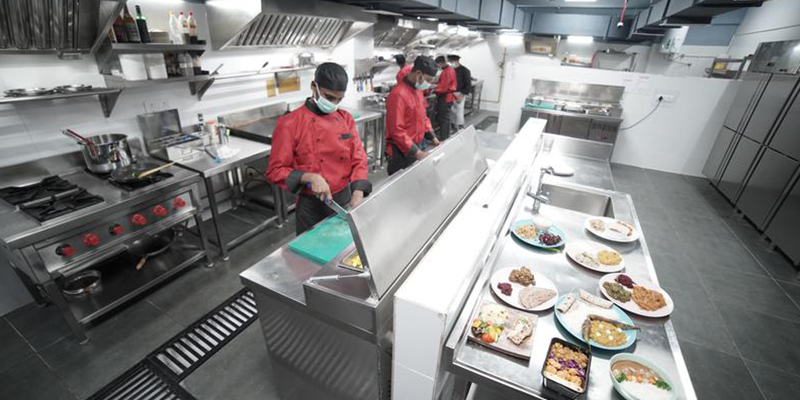
In India, new smartphone apps like Curryful, Homefoodi and Nanighar are tapping the skills of housewives to prepare meals for hungry urbanites and millennials who cannot manage both office and domestic work simultaneously.
These cloud kitchen restaurants have no physical presence but they deliver delicious home-cooked food right at your doorstep.
“Housewives were a huge untapped resource and we want to be the Uber of home-cooked food,” said Ben Mathew, who launched Curryful in 2018.
His company has five people for the app’s daily maintenance and operations, who work with 52 women and three men. This 31-year-old web entrepreneur hopes to get one million women chefs on board by 2022.
Here is an interesting drill that they do, they usually train employees in processes of sanitisation, cooking, prep time and packaging, and then launch them on the platform.
With India’s cloud kitchen sector expected to reach $1.05 billion by 2023, according to data platform Inc42, other companies are also keen to get a slice of the action.