Tag: State Bank of Pakistan

  • Experts believe SBP has more room to cut policy rate as inflation declines

    Experts believe SBP has more room to cut policy rate as inflation declines

    The State Bank of Pakistan (SBP) is likely to reduce policy rate by 400 basis points this year, as a notable drop in the country’s inflation gives room for continued monetary easing to support economic growth.

    According to Topline Securities, inflation in Pakistan is expected to remain low in October but may rise a little on a monthly basis.

    The Consumer Price Index (CPI) for this month is estimated to stay between 6.5 per cent and 7.0 per cent year-on-year, with a 0.9 per cent rise month-on-month. This can bring the average inflation rate for first four months of FY25 to 8.6 per cent compared to 28.5 per cent during the same period in 2023.

    What experts are calling “the faster-than-expected ease in inflation” is largely because of the delays in raising administered electricity prices, somewhat favourable global oil and food prices, and a stable Pakistani rupee.

    Recent estimates suggest headline inflation will drop from 23.4 per cent in FY24 to around 9 per cent in FY25. In response to this trend, the SBP has already cut its policy rate by 450 basis points, lowering it to 17.5 per cent in September from 22 per cent in May 2024.

    Read more: Gold hits historic peak of Rs280,900 per tola in Pakistan

    To note, inflation in the previous month crashed to its lowest level in nearly four years, with consumer prices rising by 6.9 per cent year-on-year, within the central bank’s target range of 5-7 per cent. However, economic growth remains modest.

    The Gross Domestic Product (GDP) rose 2.5 per cent in FY24, after a contraction the previous year, but this is still below the long-term average growth rate.
  • Pakistan’s money supply contracts by Rs46.6 billion, State Bank data reveals

    Pakistan’s money supply contracts by Rs46.6 billion, State Bank data reveals

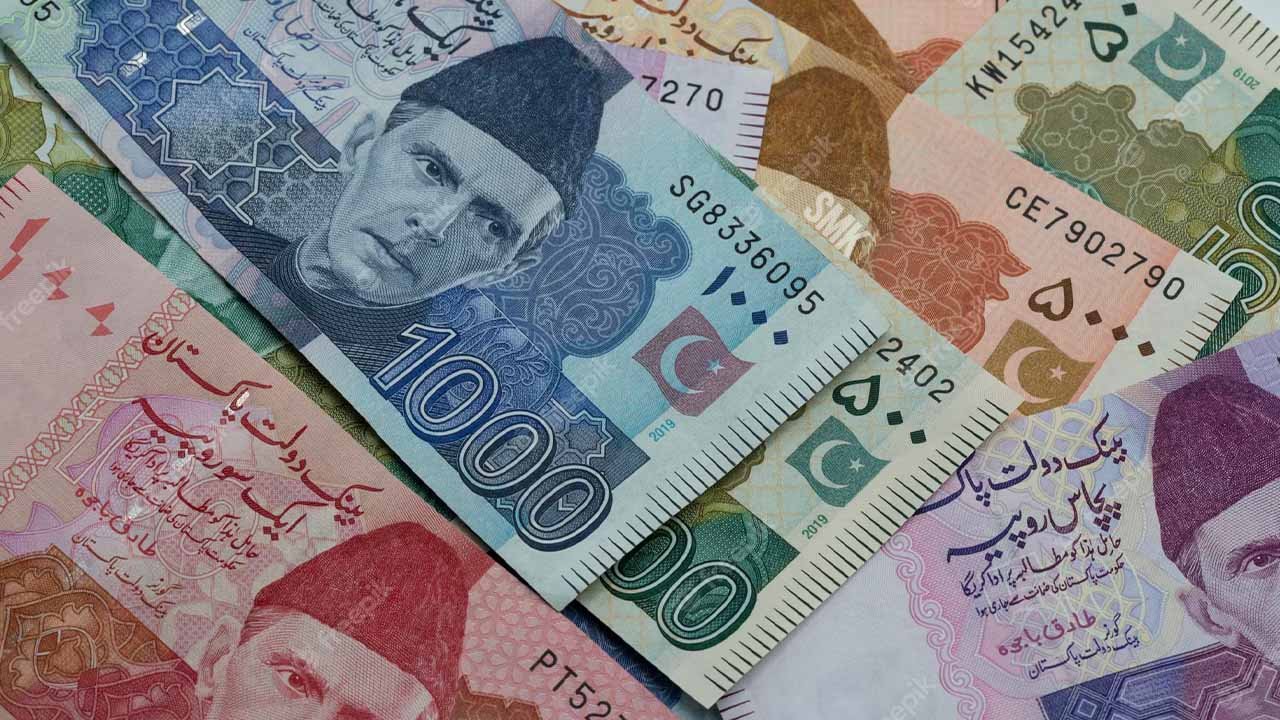
    The most widely used measure of the money supply in Pakistan, broad money (M2), dropped by Rs46.6 billion week over week (WoW) to Rs35.64 trillion as of September 6, according to the State Bank of Pakistan (SBP).

    When compared to June 2024, M2 has declined by more than Rs940 billion, from Rs36.58 trillion recorded at the end of FY24.

    The currency in circulation within the country increased by Rs212.71 billion WoW to Rs9.09 trillion.

    However, in FY25, the currency in circulation has decreased by Rs61.11 billion, compared to Rs9.15 trillion recorded at the end of June.

    According to Mettis Global, total deposits held with banks were recorded at Rs26.43 trillion, showing a weekly reduction of Rs256.21 billion.

    Deposits held by banks exclude inter-bank deposits, government deposits, and foreign constituents.

    For those unaware, the currency in circulation represents the balance of banknotes and coins in circulation, held by the public and all financial institutions.

    Liabilities can be calculated by adding up the overall amount of money in circulation, the total amount of deposits made by non-governmental organisations (including foreign currency deposits made by citizens), and any additional deposits with the SBP.

    Furthermore, M2 is the total amount of the banking system’s net foreign and net domestic assets (i.e., the SBP and scheduled banks) when considering assets.

  • Analysts expect further 150 basis points cut in interest rate by SBP next week

    Analysts expect further 150 basis points cut in interest rate by SBP next week

    Analysts predict that the State Bank of Pakistan (SBP) is likely to maintain its dovish stance, potentially implementing a third consecutive reduction in its key policy rate, supported by slowing inflation and improved macroeconomic indicators.

    The SBP is set to announce its key policy rate on Thursday, September 12. In its previous two meetings, the central bank has cumulatively reduced the rate by 250 basis points.

    Brokerage firm Arif Habib Limited (AHL) anticipates a 150 basis point cut, which would lower the policy rate to 18 per cent, a level last observed in February 2023 when the rate fell to 17 per cent.

    According to Business Recorder, AHL’s report, based on a recent poll, reveals that 93 per cent of respondents expect a rate reduction, while 7 per cent foresee no change.

    In July, the central bank’s Monetary Policy Committee (MPC) had already cut the key policy rate by 100 basis points to 19.5 per cent. At that time, SBP Governor Jameel Ahmad noted a downward trend in inflation.

    August 2024 saw Pakistan’s headline inflation decrease to 9.6 per cent year-on-year, down from 11.1 per cent in July, according to data from the Pakistan Bureau of Statistics (PBS).

    This return to single-digit inflation for the first time in three years has resulted in a real interest rate of approximately 1,000 basis points, providing further room for a rate cut, AHL suggests.

    JS Global echoes this sentiment, predicting that the easing inflation supports the MPC’s case for another reduction in September, with a projected cut of 150 basis points, bringing the policy rate to 18 per cent.

    Topline Securities’ CEO, Mohammed Sohail, expects a rate cut between 100 and 200 basis points, while Abdullah Farhan, Head of Research at IGI Securities, foresees a reduction of 150 to 200 basis points, driven by the recent decline in inflation.

    Farhan also projects that inflation could rise to 13-14 per cent by year-end due to base effects, with the policy rate potentially declining to 16 per cent by December.

    Ismail Iqbal Securities also supports the view that real rates remain significantly positive, indicating potential for a further rate cut. The firm anticipates a 100 basis point reduction in the upcoming MPC meeting.

    Alongside the downward inflation trend, analysts note improvements in external indicators. The trade deficit narrowed slightly to $3.6 billion in the first two months of FY25. The current account deficit has significantly decreased to $162 million in July, largely due to a 48 per cent year-on-year increase in remittances, which has helped stabilise the Pakistani rupee against the US dollar.

  • Inflation eases to 9.6% in August, first single-digit rate since October 2021

    Inflation eases to 9.6% in August, first single-digit rate since October 2021

    Pakistan’s inflation rate dropped to 9.6 per cent in August 2024, a significant decrease from the 11.1 per cent recorded in July 2024, according to data from the Pakistan Bureau of Statistics (PBS).

    This marks the first time in three years that inflation has returned to single digits, with the last instance being in October 2021 when it stood at 9.2 per cent.

    On a month-to-month basis, the Consumer Price Index (CPI) saw a modest rise of 0.4 per cent in August 2024, compared to a 2.1 per cent increase in July 2024 and a 1.7 per cent rise in August 2023.

    This slowdown in monthly inflation aligns with the predictions of the Ministry of Finance, which had anticipated inflation to fall between 9.5 per cent and 10.5 per cent in its recent economic outlook.

    The Finance Ministry also suggested that if the current economic stability continues, inflation could drop further to between 9 per cent and 10 per cent by September 2024.

    This decline in inflation follows the State Bank of Pakistan’s (SBP) decision to reduce the key policy rate by 100 basis points to 19.5 per cent in July.

    The SBP had warned of potential inflation risks due to fiscal issues and sudden changes in energy prices, but the recent figures show a positive trend.

    Inflation has been a major issue for Pakistan, especially after hitting a record high of 38 per cent in May 2023. However, it has been steadily decreasing since then.

    The recent inflation data also matched projections from various financial institutions. JS Global, a brokerage firm, had predicted a 9.3 per cent inflation rate, noting that this would be the first time in three years that inflation dropped into single digits.

    They believe this trend could lead to further interest rate cuts, with the policy rate possibly dropping to 18 per cent in September 2024.

  • State Bank’s foreign exchange reserves surge by $112 million in a week

    State Bank’s foreign exchange reserves surge by $112 million in a week

    Foreign exchange reserves held by the State Bank of Pakistan (SBP) saw a rise of $112 million over the past week, bringing the total to $9.4 billion as of August 23, according to data released on Thursday.

    “During the week ending on August 23, 2024, SBP reserves increased by $112 million, reaching $9.4 billion,” the bank stated in its report. This follows a smaller increase of $19 million the previous week.

    In total, the country’s liquid foreign reserves reached $14.77 billion, with commercial banks holding $5.37 billion of this amount. The central bank did not provide any specific reason for the increase in its reserves.

    Read more: Gold price falls from peak, now at Rs261,500 per tola

    The rise in reserves comes as Pakistan seeks to raise up to $4 billion from Middle Eastern commercial banks by the next fiscal year (FY26). This effort is part of a broader strategy to address the country’s external financing needs, as explained by SBP Governor Jameel Ahmad in a recent interview.

    Ahmad also mentioned that Pakistan is in the final stages of securing an additional $2 billion in external funding, which is crucial for obtaining the International Monetary Fund (IMF) approval for a $7 billion bailout programme.

    In related financial news, the international price of gold rose to $2,516 per ounce on Thursday, marking an increase of $4 during the day, according to the All Pakistan Gems and Jewellery Traders and Exporters Association (APGJSA). Silver prices, however, remained steady at Rs2,950 per tola.

  • Car financing in Pakistan drops 20% in July amid rising prices and interest rates

    Car financing in Pakistan drops 20% in July amid rising prices and interest rates

    Car financing in Pakistan witnessed a significant decline in July 2024, as soaring vehicle prices and elevated interest rates continued to dampen consumer demand.

    According to the latest data from the State Bank of Pakistan (SBP), car financing fell by 20.06 per cent year-on-year, dropping from Rs285.19 billion in July 2023 to Rs228 billion in July 2024.

    This sharp decrease is largely attributed to a combination of rising interest rates, inflated car prices, stricter loan regulations, and increased taxes on automobile imports and parts.

    Month-on-month, the decline in car financing was relatively modest, with a 1.09 per cent reduction from Rs230.5 billion in June 2024.

    The SBP data also highlighted a decline in consumer financing for house construction, which totalled Rs202.8 billion at the end of July 2024. This marks a 3.94 per cent decrease compared to the same period last year.

    On a monthly basis, house construction financing saw a slight dip of 0.39 per cent, down from Rs203.58 billion in June 2024.

    In contrast, personal financing reached Rs238.95 billion in July 2024. While this represents a year-on-year decrease of 4.51 per cent, it showed a slight uptick of 0.14 per cent from the previous month.

    The impact of rising costs is evident in the automobile market, where even the most affordable vehicles are now out of reach for many consumers.

     For instance, the Suzuki Alto, one of the highest-selling and traditionally considered among the cheapest cars from a reputable brand in Pakistan, now costs over Rs3 million for the top variant, the Suzuki Alto VXL AGS, while the base variant, the Suzuki Alto VX, is priced at Rs2.3 million.

  • SBP report reveals Rs140 billion decline in Pakistan’s broad money supply

    SBP report reveals Rs140 billion decline in Pakistan’s broad money supply

    As of July 26, 2024, Pakistan’s broad money supply, known as M2, has decreased by Rs140.43 billion week-on-week, bringing the total to Rs35.15 trillion, according to provisional data from the State Bank of Pakistan (SBP).

    This represents a notable reduction from Rs36.56 trillion recorded at the end of the previous fiscal year in June 2024, marking a decline of Rs1.41 trillion.

    A closer look at M2 components reveals a decrease in currency circulation. As of the latest report, currency in circulation has fallen by Rs158.06 billion week-on-week to Rs9.07 trillion. Compared to the end of June 2024, this reflects a reduction of Rs83.01 billion from Rs9.15 trillion.

    The proportion of currency in circulation relative to M2 stands at 25.81 per cent, down from 26.15 per cent the previous week and slightly higher than 25.04 per cent in June 2024.

    Total deposits held with banks have reached Rs25.93 trillion, showing a week-on-week increase of Rs18.1 billion. However, this figure marks a decrease of Rs1.31 trillion since the start of the fiscal year. It is important to note that these deposits exclude inter-bank deposits, government deposits, and foreign constituents.

    Currency in circulation includes all banknotes and coins held by the public and financial institutions. In Pakistan, M2 is the primary measure of broad money, calculated on the liability side as the sum of currency in circulation, total non-government sector deposits (including residents’ foreign currency deposits), and other deposits with the SBP.

    On the asset side, M2 comprises net domestic assets and net foreign assets of the banking system, including both the SBP and scheduled banks.

  • Pakistan’s rice exports surge 74.8% to record $3.68 billion in FY24

    Pakistan’s rice exports surge 74.8% to record $3.68 billion in FY24

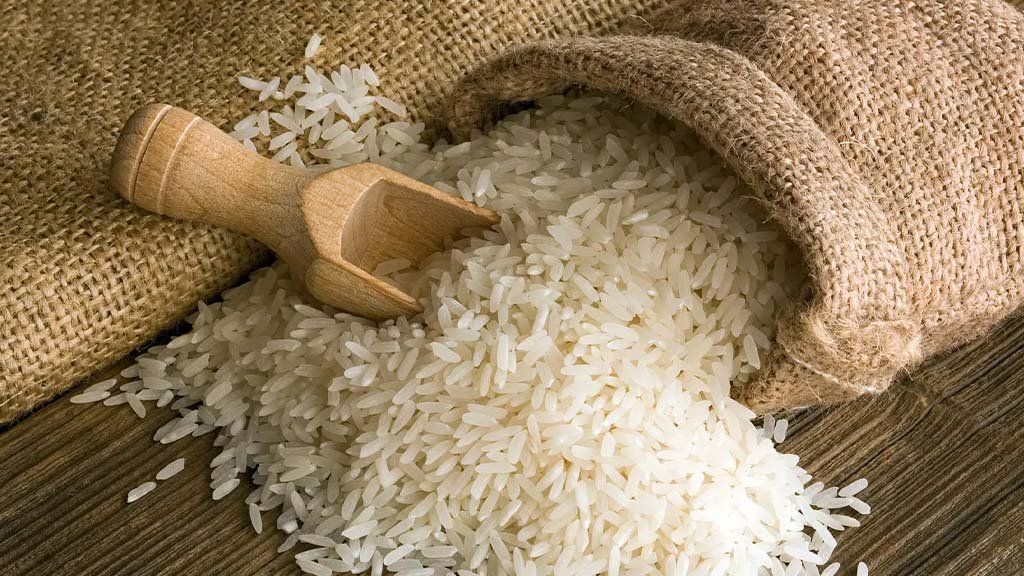
    Pakistan’s rice exports soared by 74.8 per cent year-on-year, reaching a record $3.68 billion in the fiscal year 2023-24, according to data from the State Bank of Pakistan (SBP) released on Friday.

    This significant increase was attributed to India’s stringent export restrictions during the same period.

    In comparison, Pakistan’s rice exports stood at $2.11 billion in the previous fiscal year, with an average of $2.31 billion annually over the past five years.

    India’s measures to curb rice exports in 2023, which continued into 2024 to stabilise domestic prices ahead of the general elections in April-May, played a crucial role in this surge.

    As a result of New Delhi’s export limitations, Pakistan emerged as the primary beneficiary, achieving record rice exports this year. Overall, Pakistan’s total goods exports for FY24 reached $31.09 billion, marking an 11.5 per cent increase from $27.88 billion in FY23.

    The food sector, notably rice, was the second-largest contributor to total exports, with the food group’s export value rising by 49.5 per cent year-on-year to $7.08 billion.

    India is now considering easing its export restrictions, which may include lowering the floor price for basmati rice exports and replacing the 20 per cent export tax on parboiled rice with a fixed duty, according to government sources cited by Reuters. This adjustment aims to help India maintain its market share against Pakistan.

    India initially banned non-basmati white rice exports in July 2023 due to concerns over reduced output from the El Niño weather pattern and imposed restrictions on other rice grades.

    “With rice supplies significantly exceeding local demand, it’s crucial to reduce stockpiles to prevent spoilage. The most effective solution is to lift export restrictions,” stated B.V. Krishna Rao, president of the Rice Exporters Association (REA).

    As of July 1, India’s rice stocks at state warehouses reached an all-time high of 48.51 million metric tons, nearly 19 per cent more than the previous year, according to the Food Corporation of India.

    Additionally, the Indian government is reviewing the export ban on non-basmati white rice after assessing the progress of rice planting, with farmers having planted 11.6 million hectares of rice paddy so far this season, up 20.7 per cent from the same period last year.

  • SBP-held forex reserves surge by $18.6 million to $9.42 billion

    SBP-held forex reserves surge by $18.6 million to $9.42 billion

    The latest figures from the State Bank of Pakistan (SBP) reveal a slight increase in the country’s foreign exchange reserves. During the week ending July 12, 2024, SBP’s reserves grew by $18.6 million, marking a 0.20 per cent rise to reach $9.42 billion.

    In parallel, Pakistan’s overall foreign reserves, including both SBP and commercial banks, increased by $58.8 million, or 0.40 per cent, totaling $14.7 billion.

    Commercial banks in Pakistan also saw a rise in their reserves, which grew by $40.2 million, or 0.77 per cent, reaching $5.28 billion.

    Since the start of the fiscal year, SBP’s reserves have grown by $34.2 million, reflecting a 0.36 per cent increase. Notably, in the current calendar year alone, reserves have surged by $1.2 billion, representing a notable 14.63 per cent rise.

    These developments signify positive momentum in Pakistan’s foreign exchange reserves, contributing to a more stable economic outlook for the nation.