Tag: State Bank of Pakistan

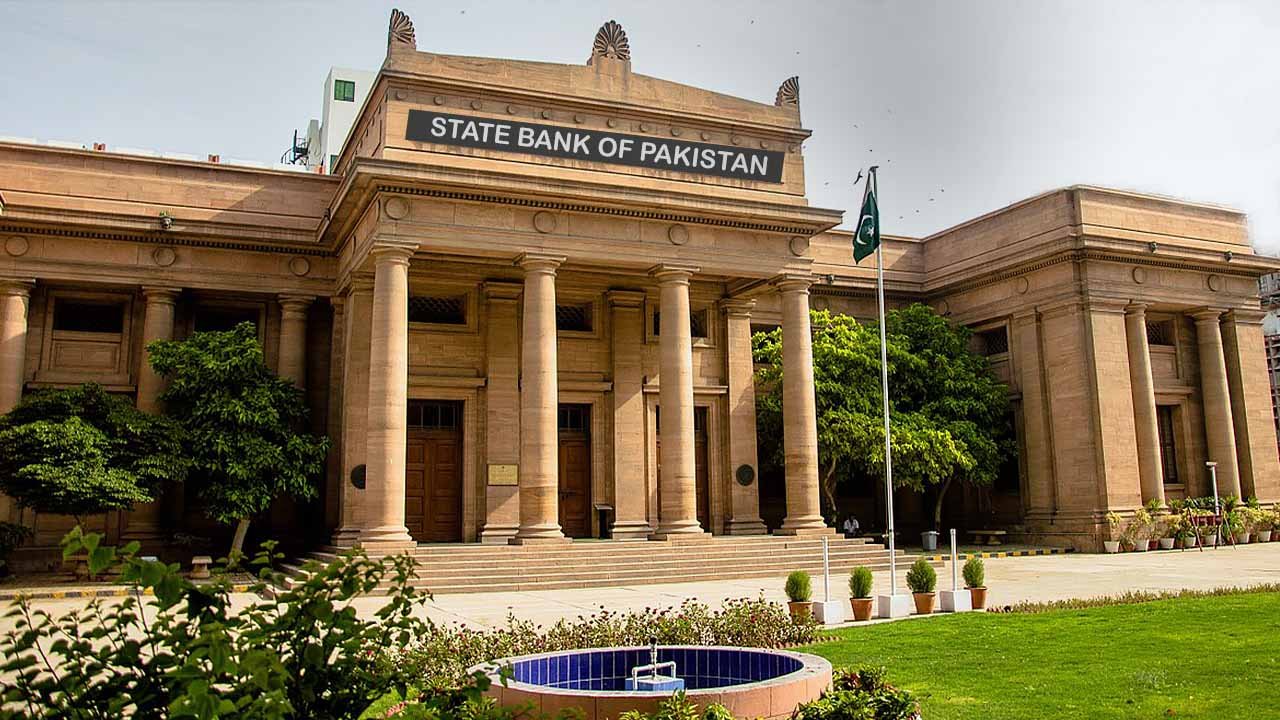
  • SBP likely to hike key policy rate by up to 300 basis points next month

    SBP likely to hike key policy rate by up to 300 basis points next month

    The Monetary Policy Committee (MPC) of the State Bank of Pakistan (SBP) will likely meet at its upcoming meeting to decide on the key policy rate, and the market anticipates a possible rate increase of up to 300 basis points.

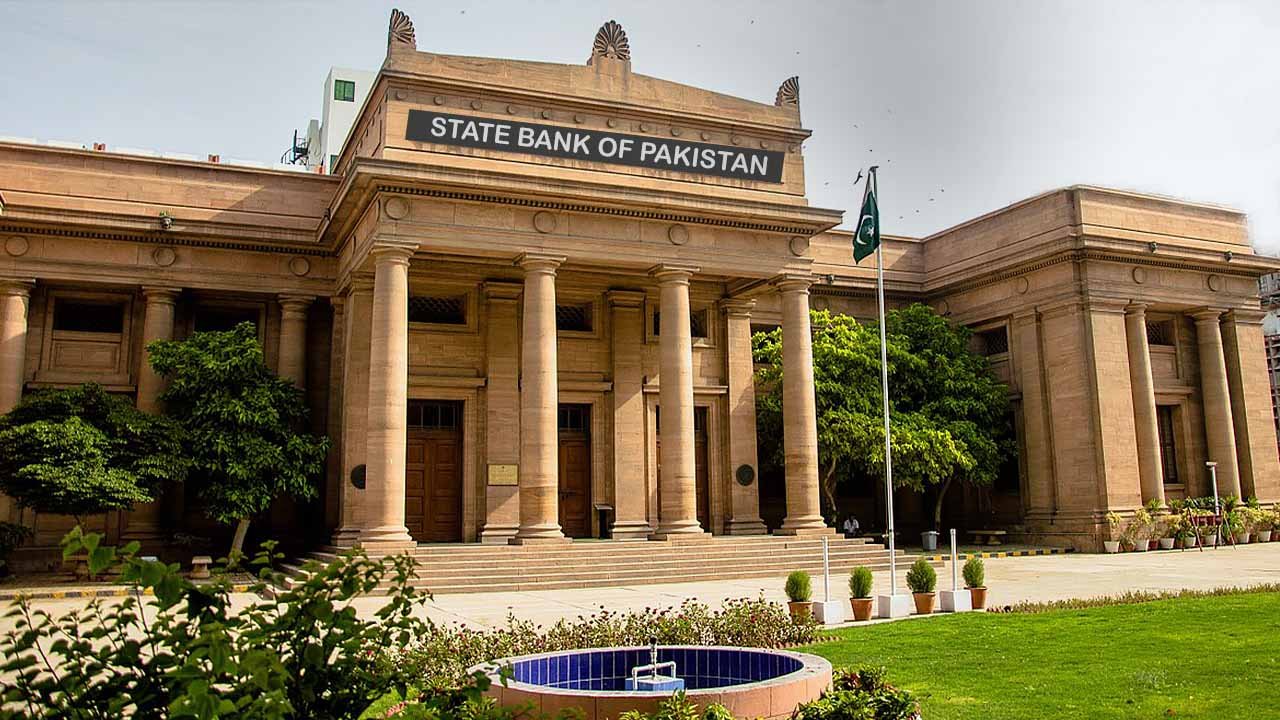
    According to the analysts contacted by the Brecorder, the SBP is likely to increase the rate from its current historic high of 22 per cent. As per the advance calendar issued in July, the SBP is currently slated to hold its MPC meeting on September 14.

    Notably, the central bank has previously taken the initiative to declare changes in its key policy rate through ’emergency’ meetings, similar to what occurred in June.

    Market speculation hints that the central bank might adopt a more patient approach this time, making an emergency meeting less probable.

     Tahir Abbas, the Head of Research at Arif Habib Limited (AHL), foresees a rate hike ranging between 100 and 150 basis points.

    He emphasised, the inflation rate is projected to remain elevated not only in August but also in the upcoming months. Furthermore, the persistent depreciation of the currency might compel the SBP to push interest rates upwards.

    Abbas added, “We expect a policy rate hike of around 100-150 bps.”

    In a previous report, AHL stated that headline inflation is expected to climb higher in August, surpassing the 28.3 per cent figure recorded in July 2023.

  • High interest rates and taxes lead to 20.90% drop in car financing in Pakistan

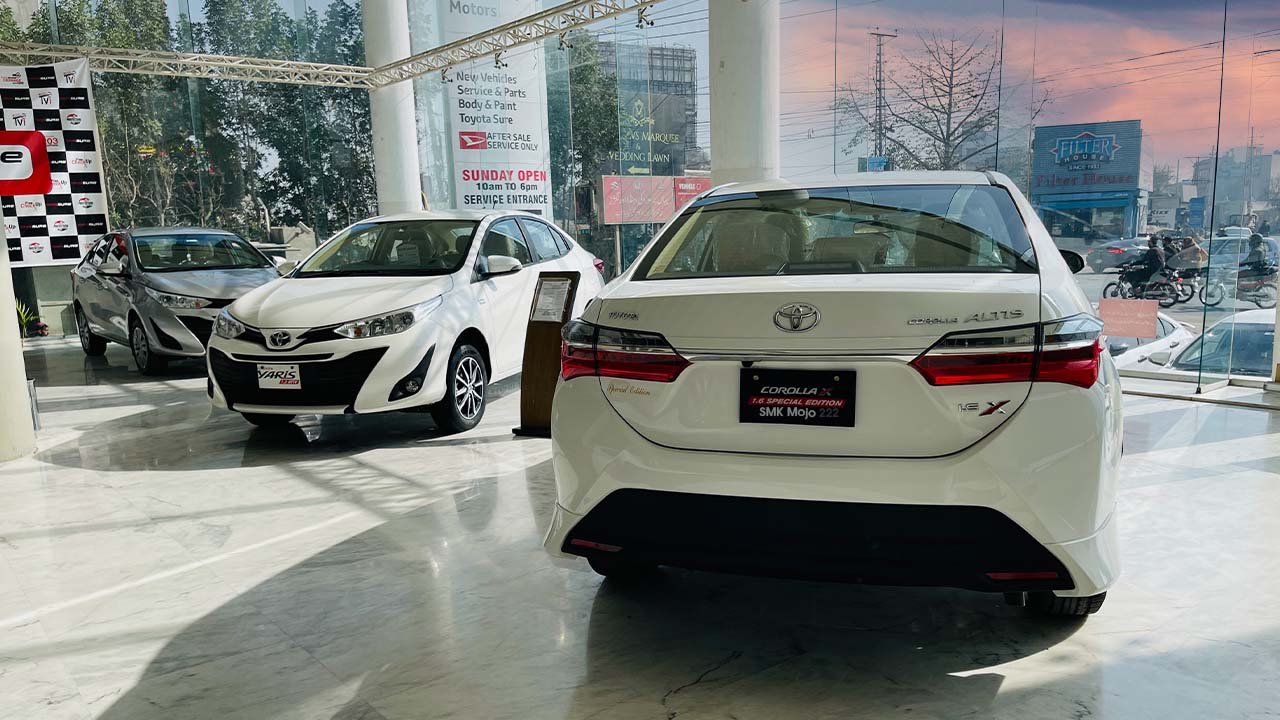
    High interest rates and taxes lead to 20.90% drop in car financing in Pakistan

    In a notable shift, the landscape of automobile financing in Pakistan has undergone a substantial transformation, with figures from the State Bank of Pakistan (SBP) indicating a significant decline. The data, released by SBP, unveils a marked decrease in car financing, plummeting to Rs285.19 billion in July 2023. This represents a notable 20.90 per cent year-on-year (YoY) decrease and a 2.91 per cent month-on-month (MoM) decrease when compared to the figures from July 2022, which stood at Rs360.55 billion, and June 2023, which registered at Rs293.73 billion.

    The primary contributors to this downward trajectory are multi-faceted. Firstly, the imposition of higher interest rates has played a pivotal role in reshaping the car financing landscape. Additionally, the surge in car prices has also contributed significantly to this downturn. Moreover, regulatory restrictions governing the acquisition of loans have created a notable barrier, further impacting the market. Furthermore, the imposition of elevated taxes on the import of automobiles and their integral parts has compounded the challenges faced by the automobile financing sector.

    Contrastingly, in a separate but related sphere, consumer financing for house building displayed a contrasting narrative. SBP’s data reveals that by the conclusion of July 2023, consumer financing for house building registered at Rs211.11 billion, marking a commendable 4.82 per cent YoY increase. According to Mettis Global, this uptick can largely be attributed to SBP’s proactive measures to stimulate the housing and construction sector within the nation. However, in terms of monthly changes, the figures remained relatively static, with a minor decline of 0.57 per cent.

    Meanwhile, financing for personal use, amounting to Rs250.24 billion, experienced a marginal 0.09 per cent YoY decrease. Similarly, on a monthly basis, financing within this category saw a slight downturn of 0.95 per cent. Consequently, the cumulative credit extended to consumers in various segments reached Rs851.22 billion during the assessment month. This overall credit value reflected a notable 4.70 per cent YoY decline and a 0.99 per cent MoM reduction.

    Furthermore, the credit scenario within the private sector depicted a nuanced picture. Outstanding credit to the private sector encountered a minor 0.06 per cent YoY decrease and a slightly more pronounced 1.12 per cent MoM reduction, resting at Rs8.19 trillion in July 2023. In contrast, loans granted to the manufacturing sector exhibited an encouraging 1.12 per cent YoY increase, amounting to Rs4.48 trillion during the review period. However, on a monthly scale, the loans within the manufacturing sector dipped by 1.44 per cent MoM.

    In summation, the marked decline in car financing, as evidenced by SBP’s recent data, underscores the multifaceted challenges that the automobile financing sector in Pakistan is currently grappling with. While interest rates, car prices, and regulatory curbs have contributed to this downward trend, other sectors such as house building and manufacturing loans have demonstrated distinct trajectories. As the nation navigates through these financial dynamics, stakeholders remain vigilant in monitoring and adapting to these evolving circumstances.

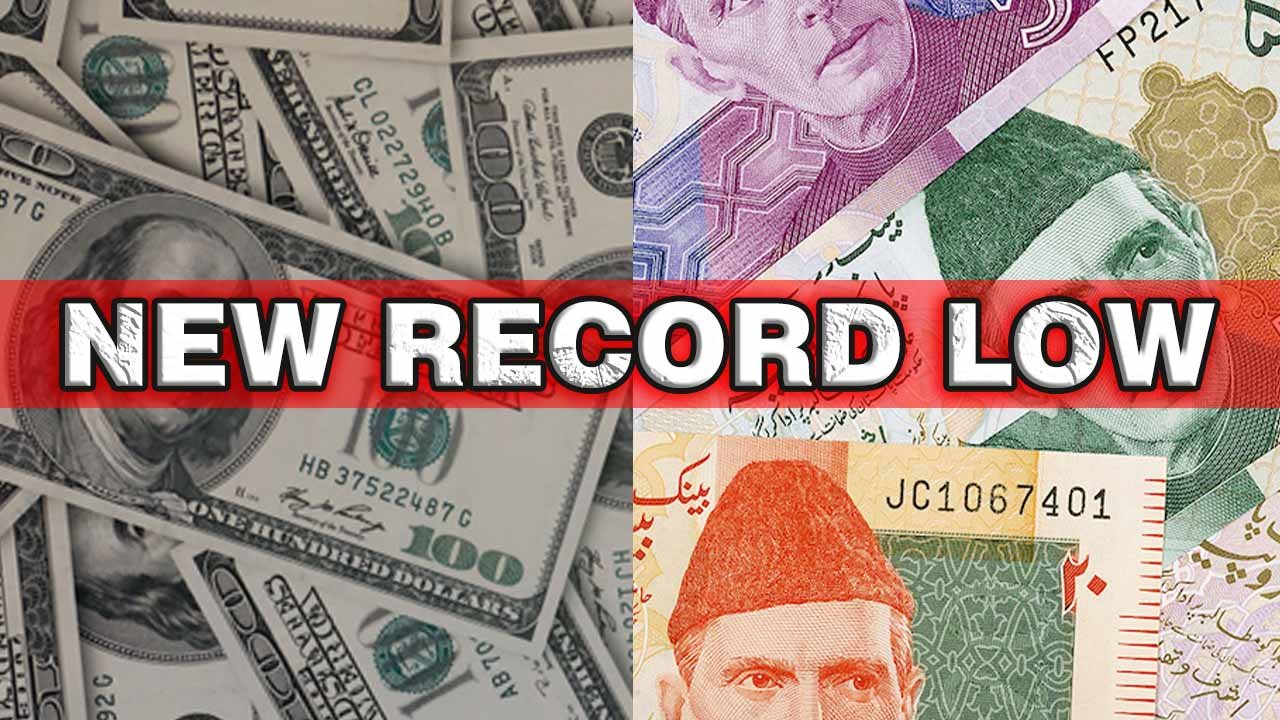
  • Pakistani rupee’s fall continues, settles at new record low of Rs301 against US dollar

    Pakistani rupee’s fall continues, settles at new record low of Rs301 against US dollar

    The Pakistani rupee continued its unsettling descent, marking a fresh all-time low against the US dollar, with a settlement at Rs301 in the inter-bank market on Friday. As reported by the State Bank of Pakistan (SBP), the local currency reached the 301 mark, experiencing a decline of Re0.78 or 0.26 per cent.

    On the preceding day, the rupee concluded at a historic low against the US dollar, reaching a settlement of Rs300.22.

    On the global front, the US dollar achieved its highest position in over two months on Friday, poised for its sixth consecutive week of gains, as financial markets eagerly awaited a speech by Federal Reserve Chair Jerome Powell to gain insights into the trajectory of monetary policy.

    The dollar index, a measure of the US dollar’s strength against six other major currencies, witnessed a 0.019 per cent increase, reaching 104.11, the highest level since June 7. With a 2 per cent increase in August, the index is poised to end its two-month losing streak.

    Oil prices, a pivotal gauge of currency equilibrium, surged by over 1 per cent on Friday due to the firming of the dollar, as anticipation built ahead of a highly awaited speech by the head of the US Federal Reserve. This speech is expected to provide insights into the future of interest rates.

  • Pakistani rupee slides to Rs297.13 against US dollar on first day of the week, losing Rs1.35

    Pakistani rupee slides to Rs297.13 against US dollar on first day of the week, losing Rs1.35

    The Pakistani rupee (PKR) continued its decline against the US dollar on the first working day of the week. PKR went down by 0.45 per cent, which is about Rs1.35, and closed the day at Rs297.13 in the interbank market, as reported by the State Bank of Pakistan.

    This shows that over the past five trading sessions, the Pakistani rupee has lost a total of Rs8.64. It’s important to note that on the previous Friday, the rupee had closed at Rs295.78 after losing 0.86 paisas, which is about 0.29 per cent.

    Looking at last week, from Tuesday to Friday, the Pakistani rupee experienced a significant loss of Rs7.29. This indicates a period of notable fluctuation for the rupee in the foreign exchange market.

  • SBP-held forex reserves rise by $12 million to $8.05 billion, sufficient to cover over two months’ worth of imports

    SBP-held forex reserves rise by $12 million to $8.05 billion, sufficient to cover over two months’ worth of imports

    The State Bank of Pakistan (SBP) announced a rise of $12 million in its foreign exchange reserves, reaching $8.05 billion, as detailed in a statement released on Thursday. The nation’s overall liquid foreign reserves, encompassing both SBP and commercial banks, amounted to $13.379 billion as of August 11. Among these, commercial banks held net reserves totaling $5.3237 billion, as reported by the SBP.

    While the central bank did not provide specifics on the cause behind the augmentation of foreign exchange reserves, the situation presents an upbeat stance. Nevertheless, it’s worth noting that the existing reserves would barely cover imports for a span slightly exceeding two months.

    Notably, the previous month saw a notable escalation in SBP reserves due to inflows from the United Arab Emirates, Saudi Arabia, and the International Monetary Fund (IMF), following the formalisation of a $3 billion Stand-by Arrangement (SBA) with the global financial institution.

    According to Geo, in a departure from market predictions, the SBP opted to maintain the key policy rate at 22 per cent during the preceding month. This stance diverged from expectations, particularly those guided by IMF recommendations. SBP Governor Jameel Ahmed conveyed this decision following a Monetary Policy Committee (MPC) meeting. Explaining the rationale, he stated that given the decline in inflation, there was no inclination to increase the interest rate.

    During a press conference, Governor Ahmed also shared insights into the nation’s economic trajectory. He projected a growth rate ranging from 2 per cent to 3 per cent for the upcoming year. Highlighting the government’s actions, he mentioned the complete removal of import restrictions. This move, coupled with financial inflows from the IMF and other supportive nations, led to a $4.2 billion upswing in Pakistan’s foreign exchange reserves in July.

  • Chery Pakistan increases Tiggo 4 Price to Rs7 million

    In the face of mounting economic uncertainty, import restrictions, and complications surrounding Letter of Credit (LC) transactions, Chery Pakistan has been forced to implement a significant price hike on one of its popular crossover SUVs.

    According to Pakwheels, the Chery Tiggo 4, a favoured choice among Pakistani car enthusiasts, will now come with a heftier price tag, soaring from Rs6,399,000 to Rs6,999,000, reflecting an increase of Rs600,000. This move comes as Chery Pakistan grapples with the multifaceted challenges posed by a volatile economic landscape and supply chain disruptions, as the company revealed in an official statement.

    The surge in pricing has been attributed to the prevailing precarious economic conditions and the stifling supply constraints that have been a constant thorn in the side of numerous industries, including the automotive sector. Nevertheless, Chery Pakistan aims to mitigate the impact on its customers by extending a price lock guarantee to all new bookings for the Chery Tiggo 4, providing a semblance of stability amidst the tumultuous market fluctuations.

    The price escalation, while not entirely unexpected, underscores the current tribulations faced by Pakistan’s local auto industry. As a sector heavily reliant on imported components, particularly critical vehicle parts, the domestic car manufacturing industry is inherently susceptible to the ripple effects of foreign exchange rate fluctuations.

    Compounding the challenges are the import restrictions introduced by governmental authorities, leading to a cascade of delays and, in some instances, complete production standstills for various car manufacturers.

    The predicament has been further exacerbated by the non-issuance of LCs by the State Bank of Pakistan (SBP), casting a darker shadow over an already beleaguered landscape. Industry experts predict that the situation is poised to persist for the foreseeable future, with a grim timeline of at least 2–3 years for the auto sector to regain its footing.

    The intertwining of persistent economic woes with a backdrop of political instability paints a disheartening picture, further clouding the prospects of a swift recovery.